
Frustration barking sounds new, but apartment dwellers have complained about it for years. It’s that sharp, repetitive outburst when a dog wants something and can’t get it right now.
Maybe they see a hallway shadow, a closed door, or a leash they can’t reach, and boom, the noise starts. Let’s look at the small but mighty breeds most blamed online and how you can help them settle down.
Miniature Pinscher
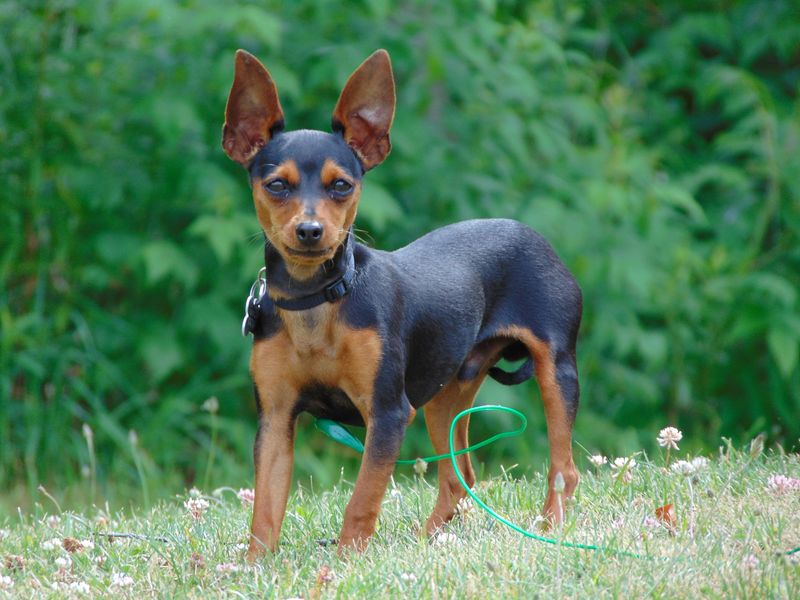
Miniature Pinschers are quick to alert and quicker to argue with closed doors. Frustration builds when they see movement outside or hear keys jingling without immediate access.
You’ll notice tight muscles, a high tail, and sharp, staccato bursts that escalate if ignored.
Reduce triggers by frosting lower window panes and running short hallway training sessions. Use a predictable release cue and reward quiet before doors open.
Keep leashes by the exit so transitions are fast, lowering anticipation that fuels barking.
Enrichment works wonders: food puzzles, scent games, and scatter feeding before peak hallway traffic. Practice quiet on cue with calm, low voice, then pay generously.
Short, frequent decompression walks help bleed off that spring-loaded energy indoors.
Pomeranian
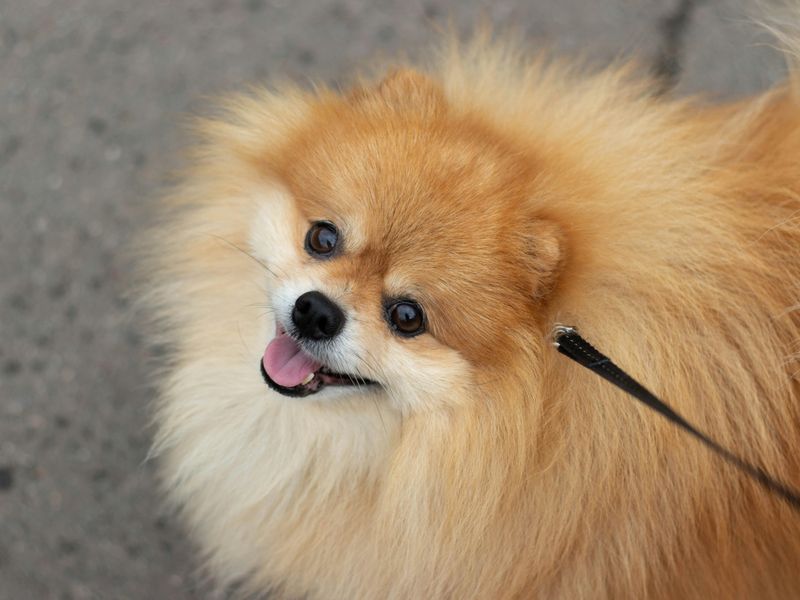
Pomeranians have big feelings in small bodies, and frustration barking often starts at windows. They spot pigeons, delivery bikes, or elevator chimes and unleash a rapid-fire alarm.
The fluff makes them adorable, but the voice carries through thin walls.
Lower visual access with curtains during known trigger times, then reintroduce sightlines during training. Pair quiet with treat placement away from the window to shift their focus.
A snuffle mat before mail delivery can drain anticipatory energy.
Teach a place cue on a cozy bed, rewarding calm for increasing durations. Use soft play or plush tug as a decompressor after exciting noises.
Keep greetings low-key so your return does not prime the next bark storm.
Chihuahua
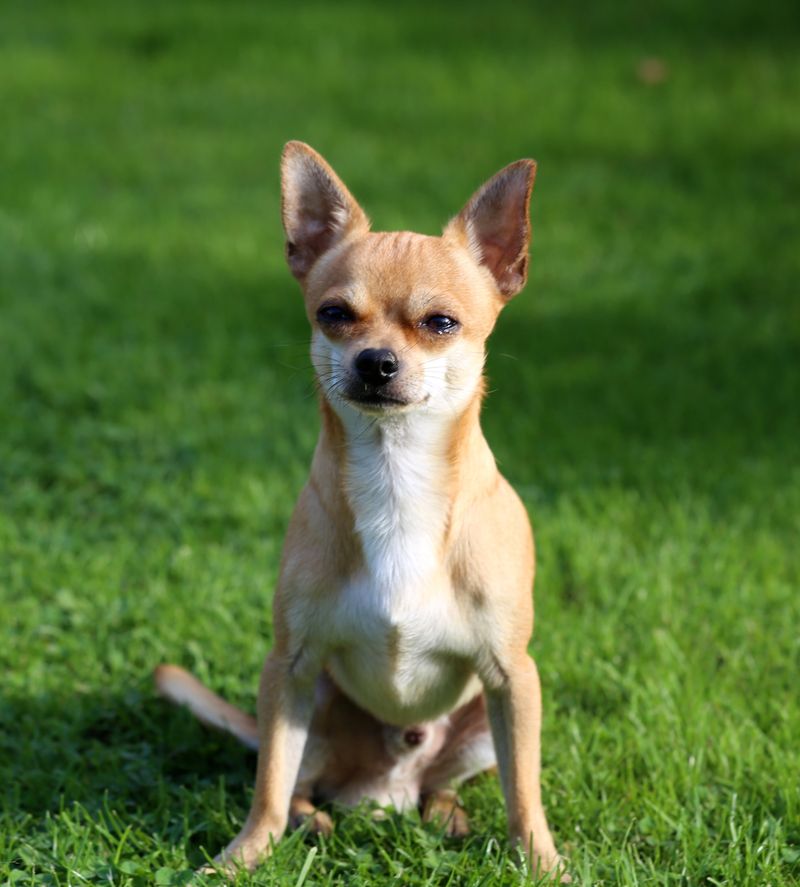
Chihuahuas are vigilant, and frustration barking pops when they cannot reach you or see intruders in the hall. High-pitched repetition signals they need control or clarity.
The more echoes the apartment has, the more their voice rebounds and persists.
Start with environmental tweaks: rugs, curtains, and bookcases to dampen sound. Create a safe retreat den where good things happen and practice quiet with tiny, frequent rewards.
Use barrier games so closed doors predict calm, not conflict.
Teach a hand-target to redirect focus during rising arousal. Keep sessions short, stacking little wins.
Regular micro-walks and sniff breaks ease the mental load, making closed doors and passing footsteps feel less urgent and bark-worthy.
Dachshund
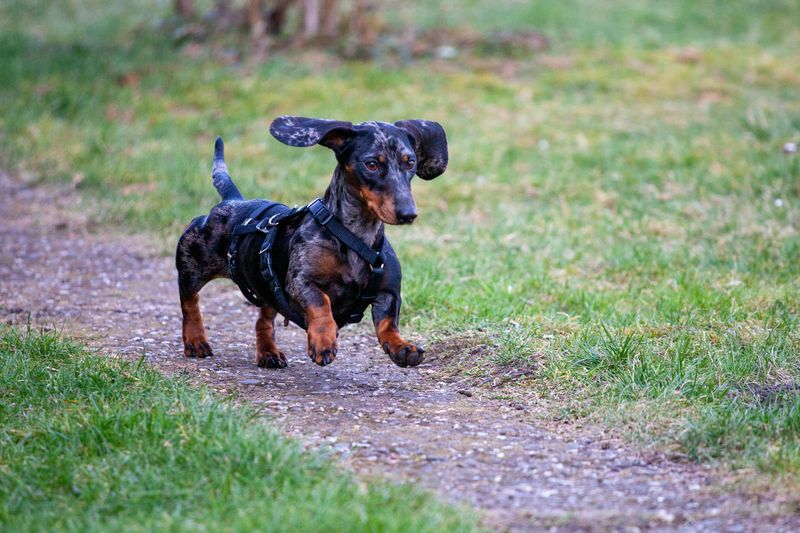
Dachshunds are scent-driven detectives, and blocked access drives frustration barking. If the hallway buzzes, their hunt switch flips, then their voice follows.
Repeated door rituals teach them the door predicts excitement, so they pre-bark to speed things up.
Change the script: pause, mark quiet, then the door moves a little. Close it again if barking restarts, reopening only for calm breaths.
Toss treats away from the threshold so the door becomes boring.
Use nosework boxes to satisfy search instincts indoors. Introduce a chew routine before expected traffic peaks.
Ensure harness fit is ready, cues are consistent, and exits are slow and steady so anticipation does not set off another bark chain.
Papillon
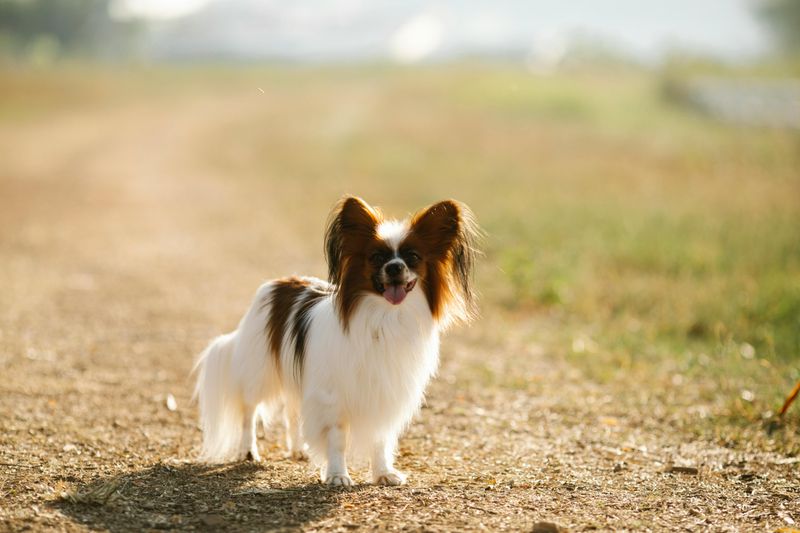
Papillons are bright and tuned to tiny sounds, which can trigger frustration when they cannot investigate. The elegant ears hear elevator dings and neighbor keys long before you do.
Without a job, they narrate everything with spirited yaps.
Give them a role: settle on mat while you count quiet seconds, then pay. Increase criteria slowly, mixing in easy wins.
Sound-mask with soft music during peak hallway activity to smooth the edges.
Trick training helps channel brains into work instead of watch-duty. Teach a quiet cue paired with calm breathing and a slow treat delivery.
Short window viewing on cue, then curtain closed, turns the world into a controlled, predictable show.
Yorkshire Terrier
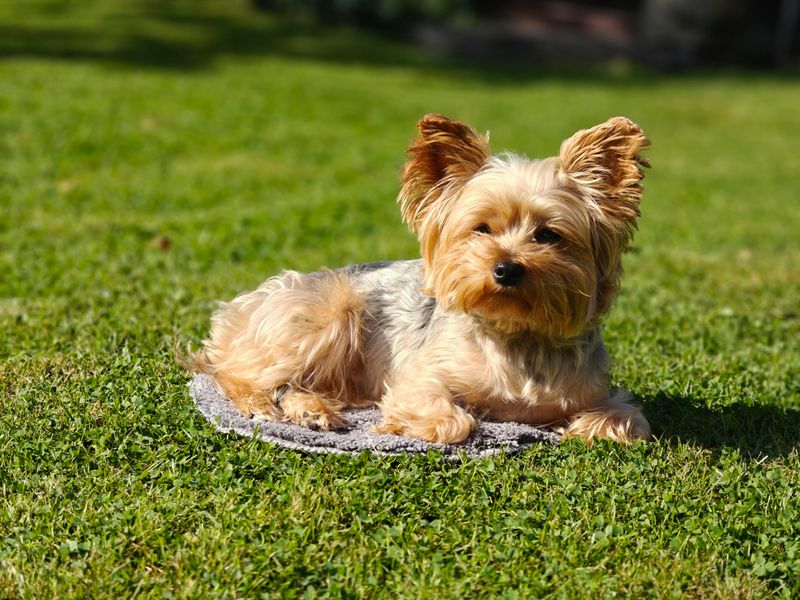
Yorkies are feisty reporters of everything outside. Frustration hits when views and sounds are constant but access is blocked.
Their quick arousal means one honk or hallway laugh can spark a persistent, high-tone commentary.
Cut the broadcast by rehearsing quiet with distance from windows. Feed a calming lick mat during the noisiest hours.
Practice door desensitization: handle, latch, hinge noises, then reward silence before turning the knob.
Rotate toys to keep novelty fresh and brains busy. Teach a go-to-crate cue that predicts comfort, not confinement.
Combine short sniff walks with gentle decompression games, and keep returns understated so expectations do not balloon into another barking burst.
Jack Russell Terrier
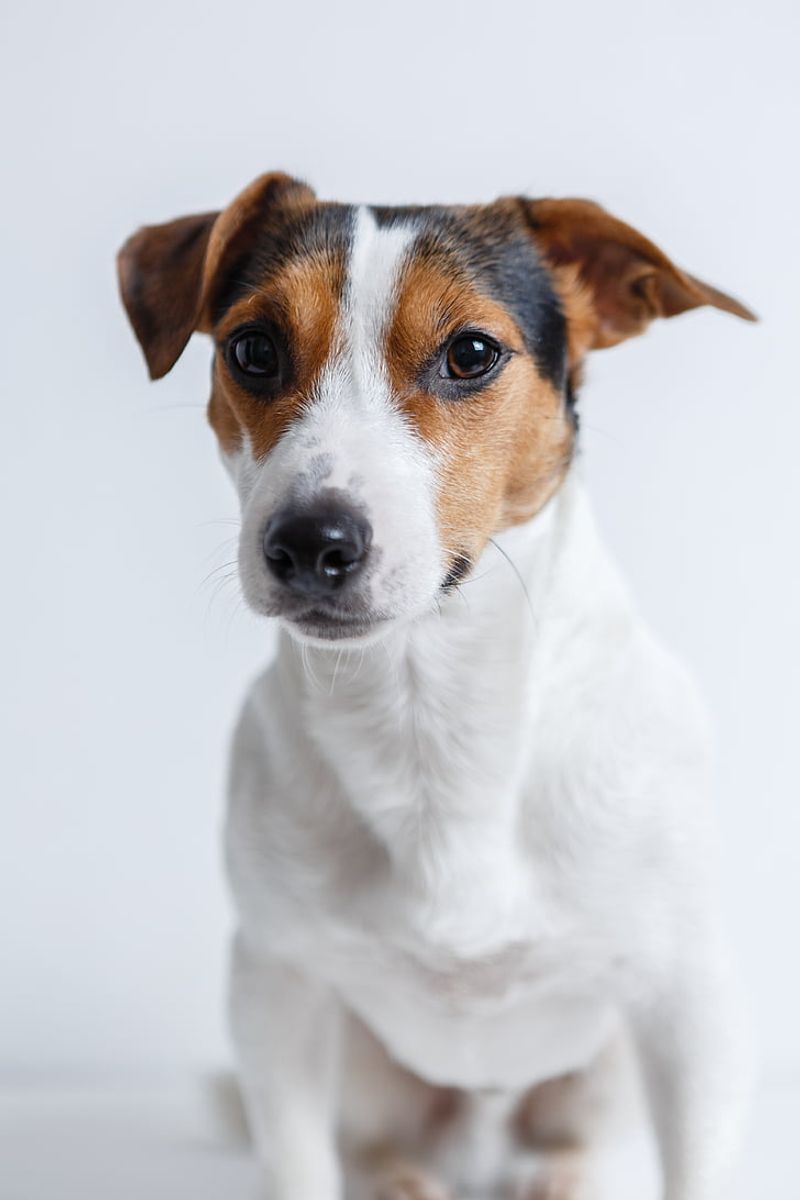
Jack Russells are motion sensitive and problem solvers. When they cannot chase the hallway sprint or fetch the ball immediately, frustration barking erupts.
Their stamina keeps it going unless you give that brain a job with clear rules.
Build impulse control using quick sit-look-release patterns near triggers. Reinforce stillness as the ticket to action.
Use flirt pole games outside or in a corridor session to satisfy chase safely.
Indoors, rotate short training blocks: targeting, platform work, scent searches. Pre-walk puzzle feeders drain initial steam so elevators are quieter moments.
Keep cues consistent, pay frequently for quiet, and make access contingent on composed behavior, not loud negotiations at the door.
Parson Russell Terrier
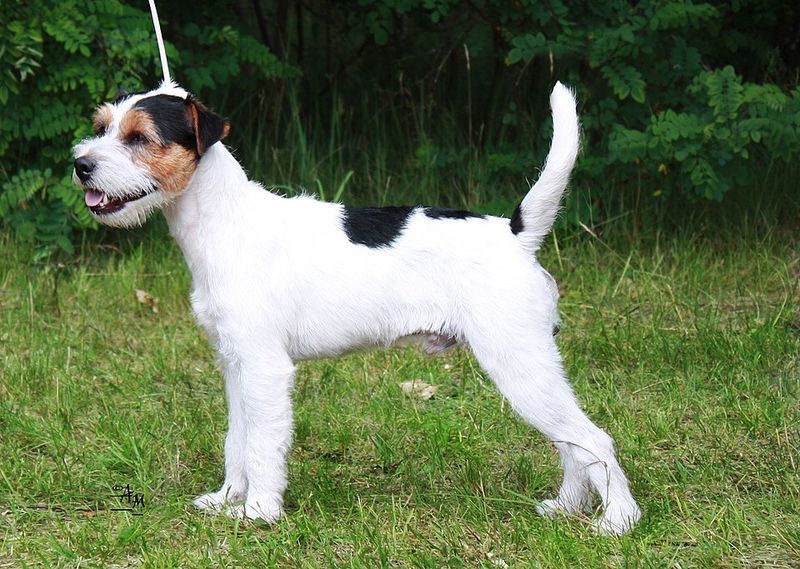
Parson Russell Terriers bring the same drive as their shorter cousins with longer legs to reach mischief. Frustration barks appear when routines are unpredictable or games stop abruptly.
Their athleticism means they can vault to vantage points and supervise everything.
Anchor the day with predictable training bursts and timed decompression. Teach an off-switch: mat, chin down, reward breathing.
Restrict access to high-alert windows except during planned, reinforced calm watching.
Use structured tug with rules for start and stop, paying quiet holds. Introduce stair interval walks to throttle energy without chaos.
Reward silence at thresholds, and gradually proof cues with mild distractions so they learn that patience reliably opens doors and earns fun.
West Highland White Terrier
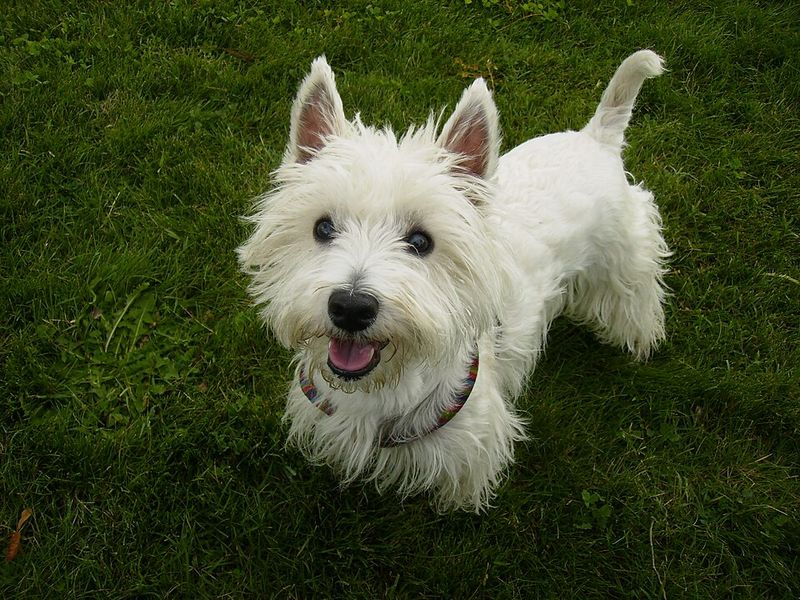
Westies are bold, and frustration barking often centers on doorbells, intercoms, and mail slots. They are built to announce, then insist on action.
Without structure, they escalate from curious woof to persistent protest quickly.
Install a doorbell protocol: bell rings, scatter treats behind you, dog retreats to a mat. Reward quiet, then practice with recorded sounds.
Use a harness and slow breathing before answering the door.
Add scent-based games to occupy their hunting brain. Frozen chews during delivery windows can bridge the hardest minutes.
Keep greetings low excitement, and always pay the first quiet second so the lesson sticks: silence opens opportunities, not relentless commentary.
Cairn Terrier
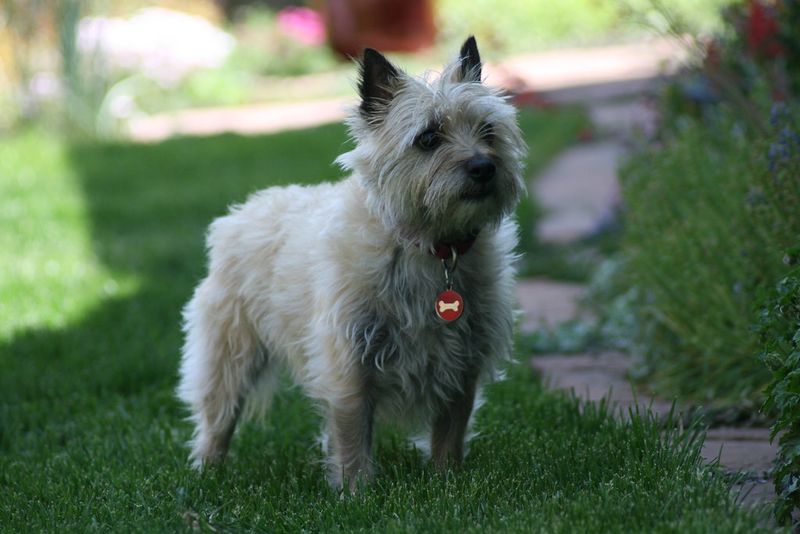
Cairn Terriers have opinions, and frustration barking is their negotiation tactic. Small barriers or leashes can spark it if they feel held back from adventure.
The bark is gravelly and determined, echoing in compact spaces.
Practice cooperative care and leash clipping rituals with rewards for stillness. Use hallway sit-watch-pay games, gradually adding mild movement outside.
Shift expectations so calm predicts access, not shouting.
Offer dig boxes with safe substrate to meet terrier needs indoors. Alternate brain work and rest: puzzle, nap, short sniff walk.
Keep sessions upbeat and brief, and mark early calm breaths before the volume rises, building a habit of patience over protest.
Norwich Terrier
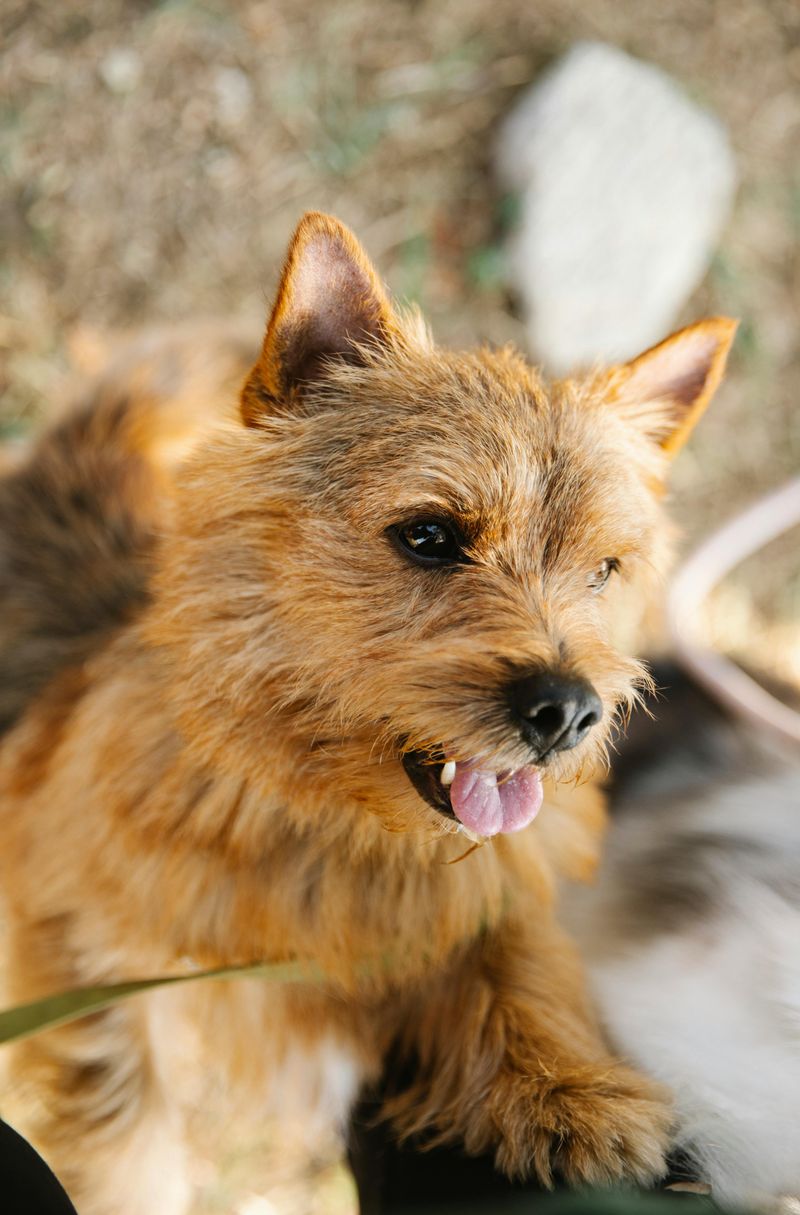
Norwich Terriers are keen observers who dislike missing out. Frustration barking appears when guests chat at the door or the elevator pings endlessly.
Their compact frame hides a big engine that idles high without thoughtful routines.
Teach a default sit for access to greetings and walks. Pair quiet with slow petting and food, not excited chatter.
Use ambient noise or white noise to blur sudden hallway thumps.
Rotate calm activities: licking mats, shreddable cardboard with treats, and short trick sessions. Practice door approach in micro-steps, rewarding silence at each stage.
When you guide the sequence consistently, they learn patience pays faster than their spirited commentary ever did.
Silky Terrier
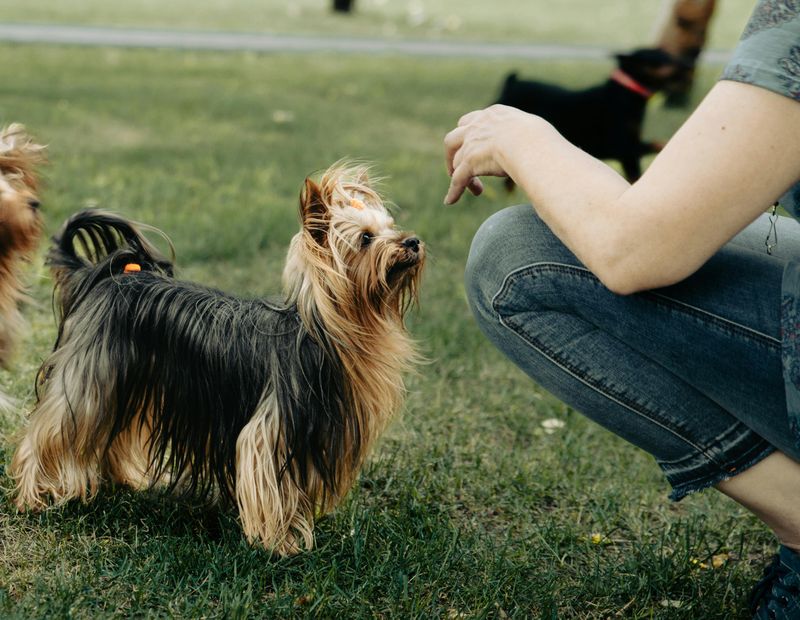
Silky Terriers bring sparkle and speed, which can turn into frustration barking when plans stall. They anticipate walks, play, and visitors with high intensity, then protest if delayed.
Thin walls make those bright yips feel even louder.
Preempt with routines: brief training, then leash, then door, always after a calm check-in. Reward quiet eye contact as your green light.
Keep windows partially covered and reserve view time for structured calm sessions.
Mix grooming with reinforcement so stillness becomes rewarding. Use short hallway sniff laps to drain energy before elevators.
End play with a clear finish cue and a chew, teaching smooth transitions that replace the urge to shout for the next thing.