
When everything around you feels loud and distracting, pattern games can flip the chaos into calm. These simple, repeatable cues are becoming a go to for handlers who need instant focus from sharp working breeds.
If you have a high drive dog or just want cleaner attention in busy spaces, the right pattern can change everything. Let’s explore twelve breeds that thrive when the rules are clear and the rhythm is steady.
Belgian Tervuren
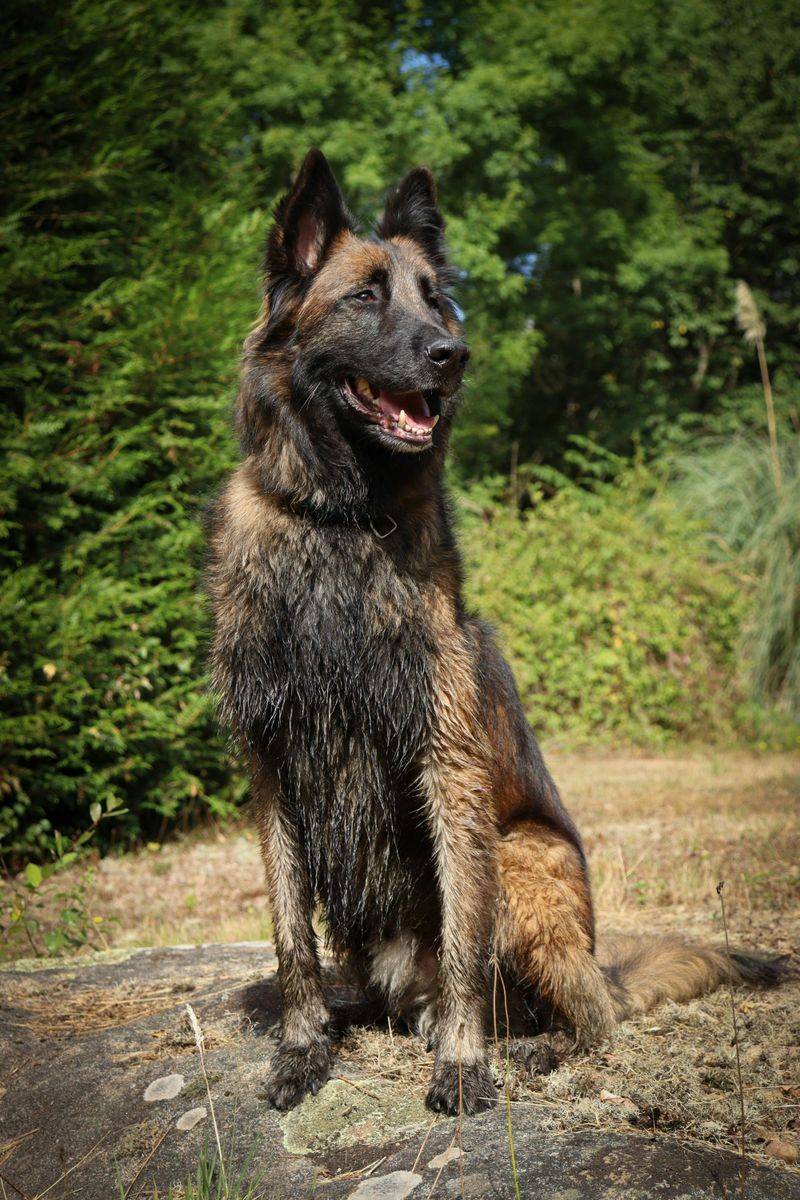
The Belgian Tervuren shines when patterns turn noise into signal. You can repeat a heel touch, a hand target, and a quick look back, and watch the brain lock in.
In a busy park, the rhythm becomes a safe path, like stepping stones over distractions.
Use short predictable loops: mark, reward, pivot. Then thread those loops down a sidewalk and through doorways.
The coat may flutter, the eyes stay bright, and suddenly chaos feels like a puzzle solved one beat at a time.
Keep the criteria tiny and the rewards easy. Tervs love clarity and hate static.
Give them a job, let the pattern breathe, and you will see reliability grow with every smooth repetition.
Belgian Laekenois
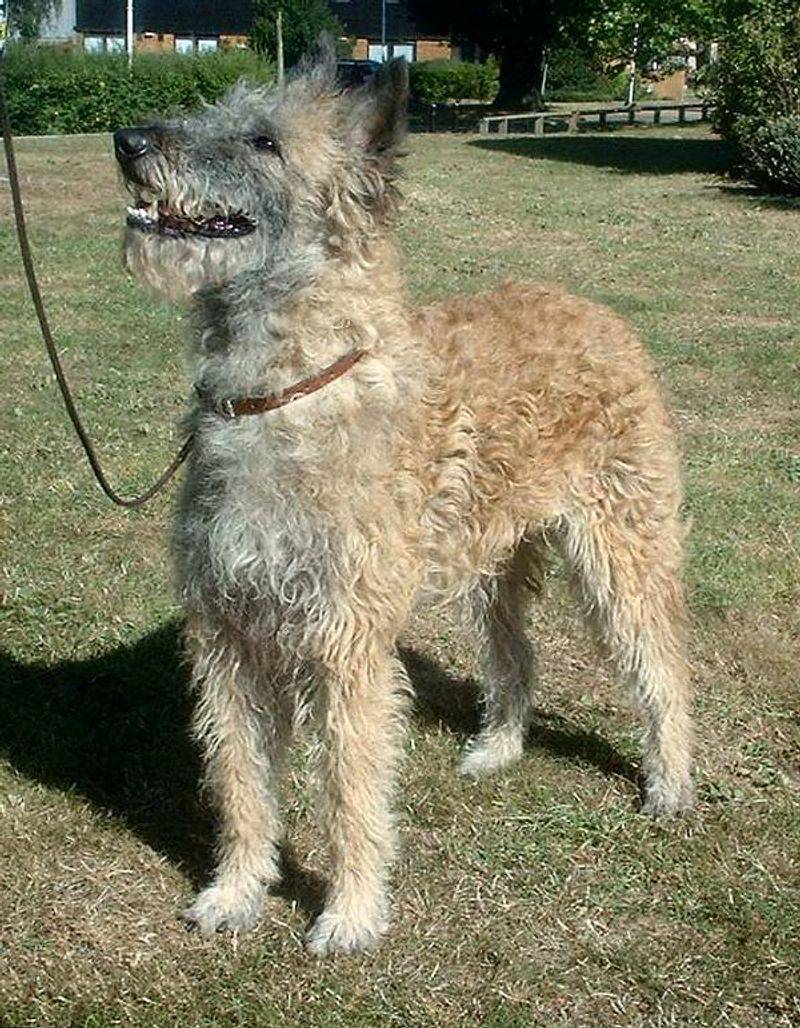
The Belgian Laekenois carries grit and sensitivity in equal parts. In crowded places, a predictable pattern feels like a promise kept.
Start with a nose touch to palm, a step together, and a quick head check to you.
String those beats into a loop and keep the loop short. The coat may be scruffy, the mind is elegant, building focus through repetition.
When sirens wail or carts rattle, the pattern says we know what comes next.
Reward generously at first. Fade the rate only after confidence grows.
Laekenois thrive when the path is consistent, the handler is calm, and the next cue arrives like a friendly knock.
Beauceron
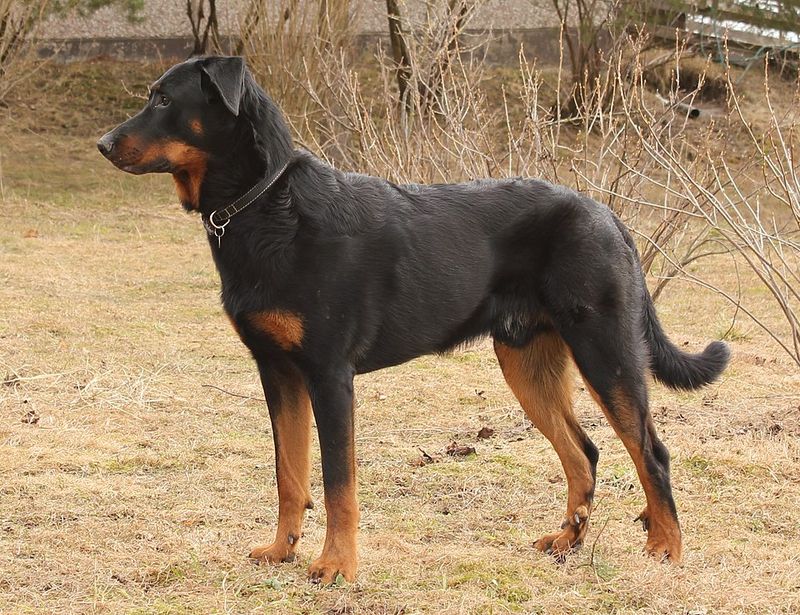
The Beauceron loves structure that respects its brawn and brain. Pattern games offer exactly that.
Mark the glance, step into position, and feed at your thigh like a metronome.
Big dogs benefit from tiny rules. A predictable sequence turns a crowded sidewalk into a lane.
The double dewclaws grip, the shoulders settle, and attention locks because the next move is never a surprise.
Keep the cadence steady and your voice neutral. Use food or a tug anchor, but always on the same beat.
With repetition, the Beauceron treats noise like scenery, not a script change, and keeps working cleanly.
Bohemian Shepherd
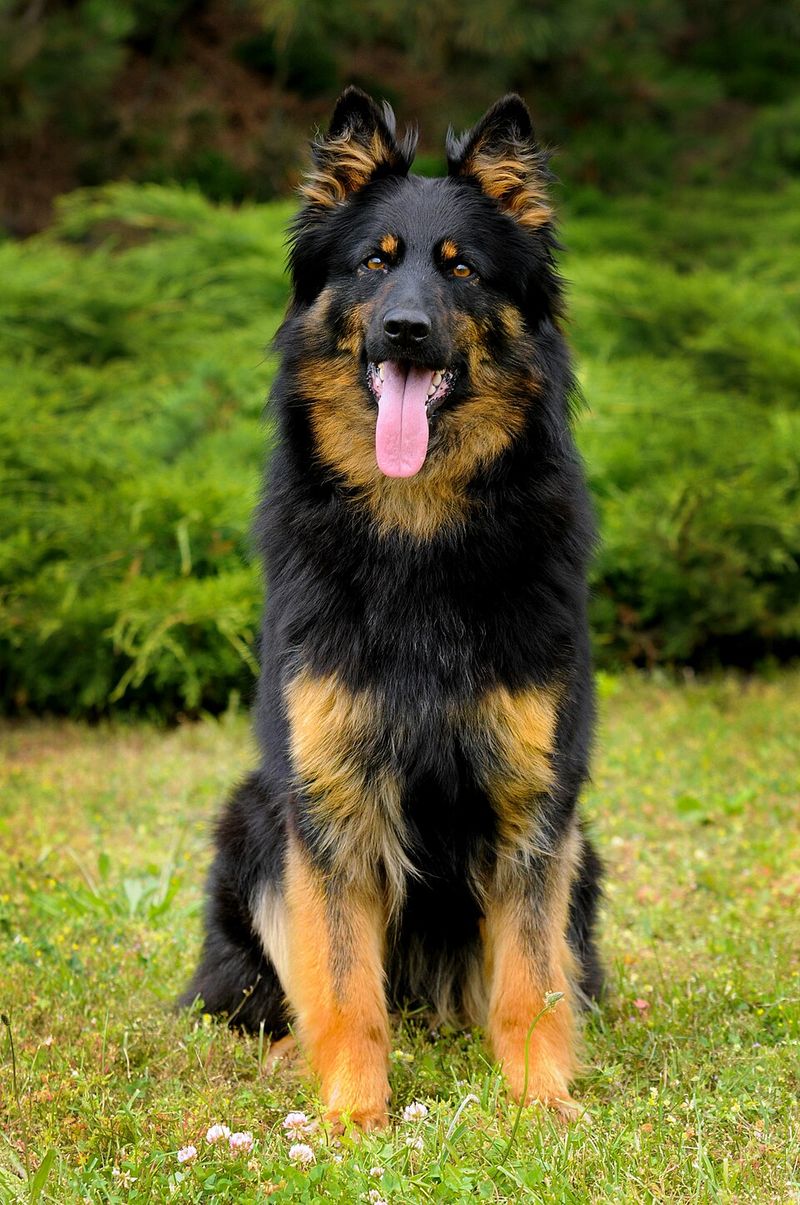
The Bohemian Shepherd reads humans beautifully, which makes pattern games a natural fit. Start with touch, step, look.
Repeat until the dog anticipates calmly rather than surging ahead.
In noisy parks, that steady loop becomes a comfort blanket. You can add a pivot around a bench or a pause at a curb, always in the same order.
Routine creates a map the dog can follow while distractions roll by like passing clouds.
Reward in the same spot, then gradually vary locations. Keep sessions short and end on a win.
The breed’s social spark finds harmony when the pattern sets expectations without stifling curiosity.
Schipperke
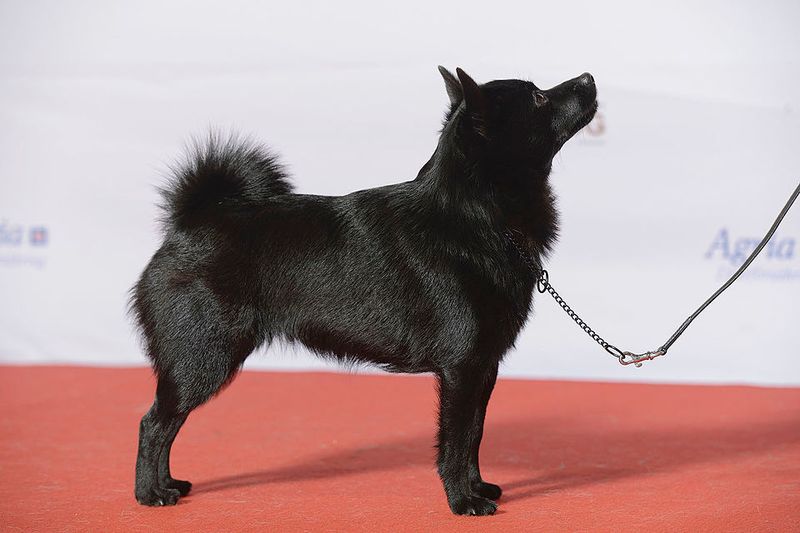
Schipperkes are quick thinkers with faster feet. Pattern games slow the world to a pace they can predict.
Use a tiny triangle of behaviors: look, touch, step back, then feed low to ground.
In hectic stations or busy sidewalks, that triangle becomes a safe loop. The little fox face stays on you because the rhythm never lies.
Keep turns tight and rewards frequent to prevent over arousal from bubbling up.
Gradually lengthen the loop once calm holds. Swap in a sit or settle as the final beat.
With consistency, the Schipperke channels spark into tidy focus, even when life buzzes loudly.
Australian Kelpie
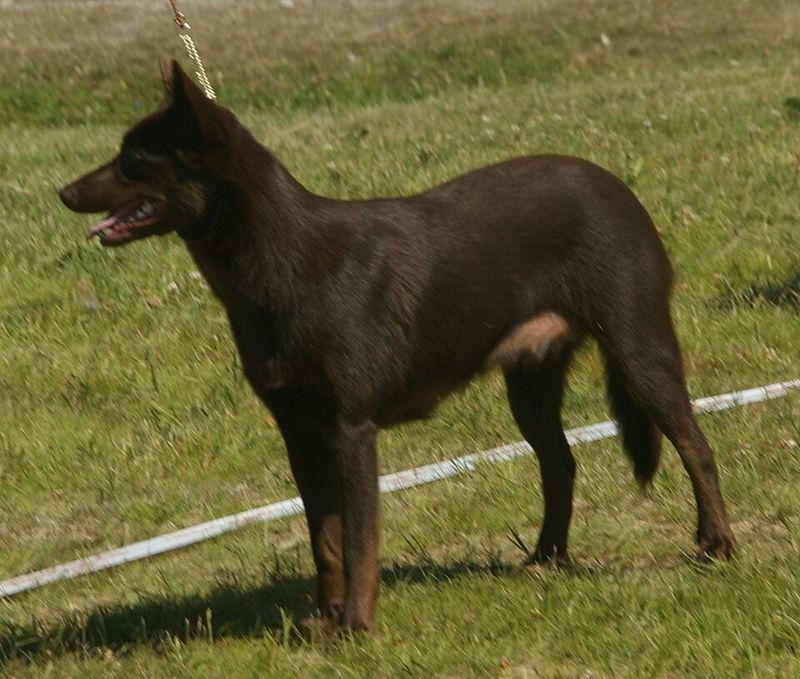
The Australian Kelpie thrives on purposeful repetition. Pattern games give that work ethic a clear lane.
Start with a heel anchor, a head check, then a nose target to reset.
Markets and fairs challenge impulse control. But when the sequence repeats, the dog trades scanning for precision.
You can watch the energy funnel into each mark and reward, like rails guiding a fast train.
Keep criteria crisp and the pace brisk. Use food for accuracy, tug for power after success.
Kelpies shine when the pattern is athletic and fair, letting them move, think, and win in quick cycles.
Border Terrier
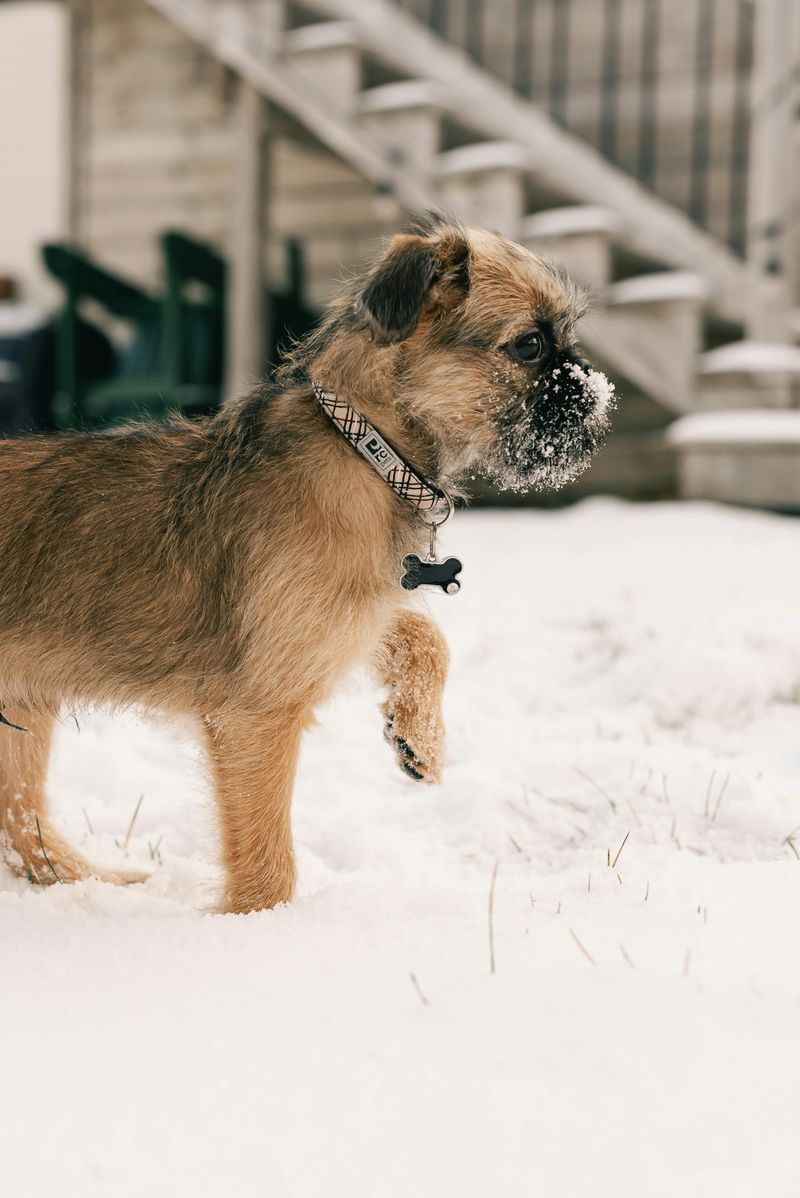
Border Terriers bring tenacity to small frames, which can become distractibility in crowds. Pattern games turn that grit into steady attention.
Try a look, step, treat scatter, then reconvene to a hand target.
The scatter acts like a pressure valve while keeping the sequence intact. With repetition, the dog expects the next beat and relaxes into it.
Sidewalks become training lanes, not scavenger hunts.
Keep rewards small and frequent early on. Add micro pauses before feeding to build patience.
The Border Terrier learns that calm predicts the pattern, and the pattern delivers success every single time.
Manchester Terrier
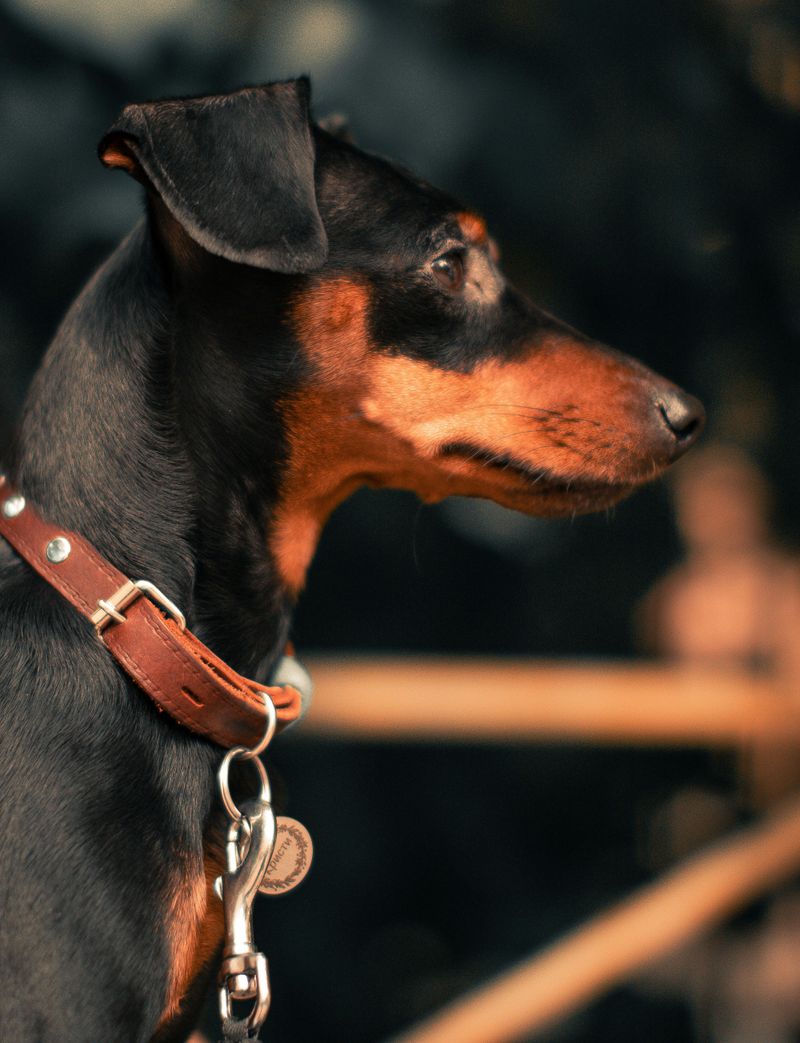
Manchester Terriers appreciate clean lines and quick feedback. Pattern games provide both.
Run a simple loop: eye contact, heel step, pivot, then reward at your seam.
In cafe chaos, scooters and clatter fade when the sequence is consistent. The dog learns that checking in unlocks the next move.
That predictability soothes sensitive ears and sharp minds.
Keep the loop short enough to win often. If attention frays, reset to the first beat.
Over time, the Manchester glides through noise with elegant confidence, following the pattern like choreography.
Kerry Blue Terrier
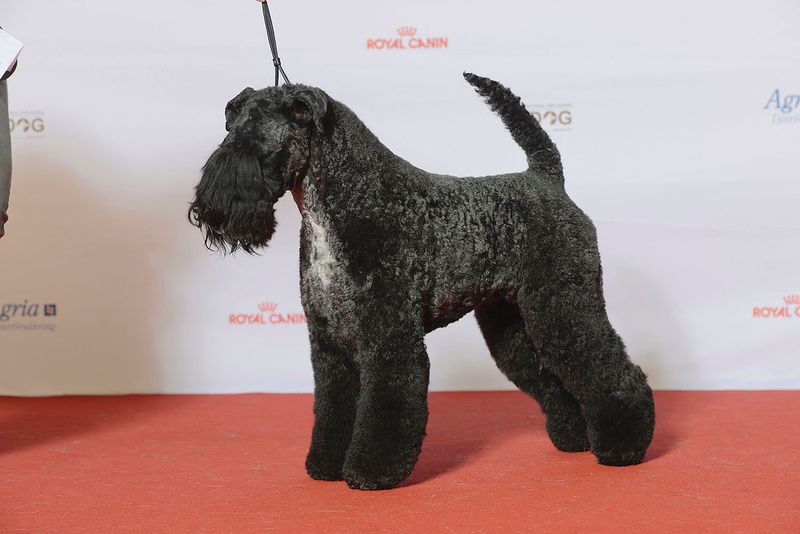
The Kerry Blue Terrier brings charisma that can tilt into bravado. Pattern games channel that swagger into thoughtful work.
Use a predictable series: touch, side step, brief sit, and release forward.
Festivals tempt with sound and scent. A steady pattern becomes an anchor.
Feed in position, keep your hands calm, and let repetition smooth edges. Soon the dog anticipates success rather than hunting for trouble.
Rotate reinforcers to keep engagement bright. Maintain the order even as locations change.
The Kerry’s famous confidence shifts from showy to skilled, guided by beats that never change under pressure.
Soft Coated Wheaten Terrier
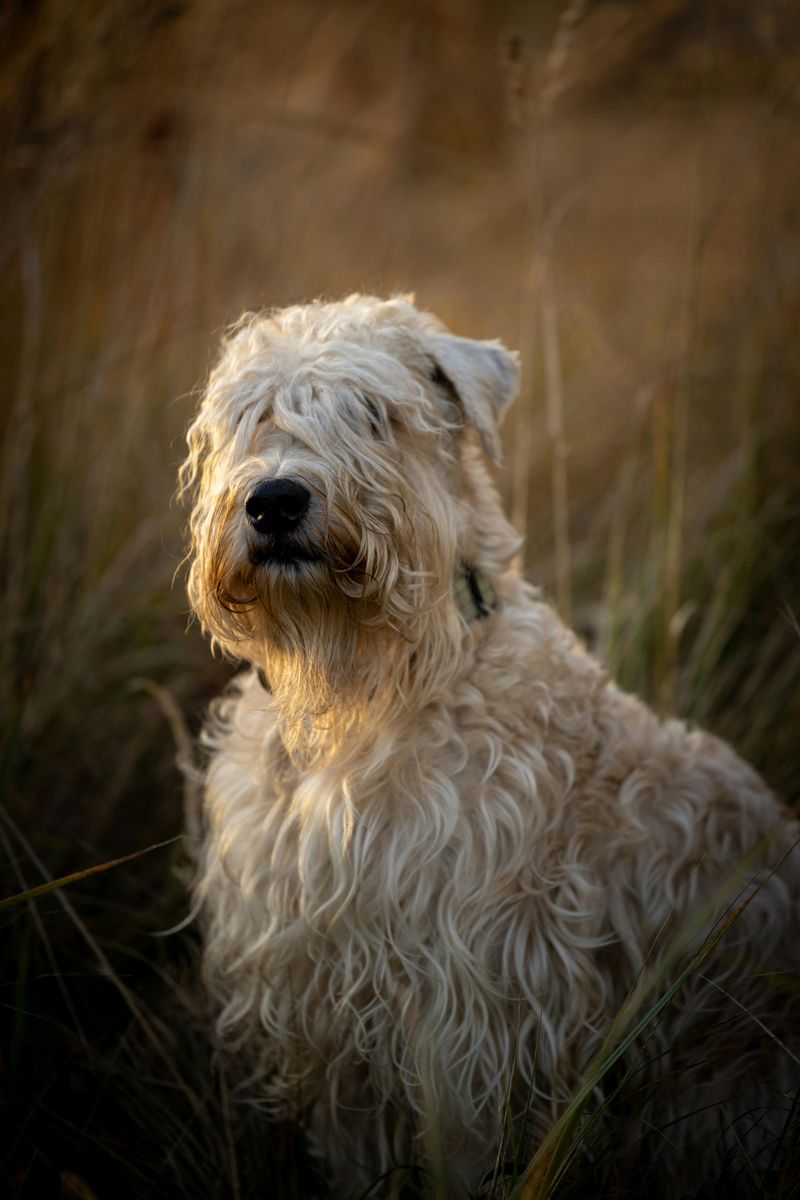
Wheatens bubble with friendliness, which can explode in noisy places. Pattern games help channel that sunshine into steady engagement.
Try a predictable arc: check in, heel two steps, settle on a mat, then release to sniff.
Including sniff time inside the pattern satisfies curiosity without losing structure. The dog learns that calm earns freedom, and freedom leads back to calm.
On sidewalks, this rhythm beats the chaos.
Keep your voice soft and your timing sharp. Reinforce generously at the mat to build value.
Over weeks, the Wheaten floats through distractions, smiling and focused because the pattern keeps promises.
Airedale Terrier
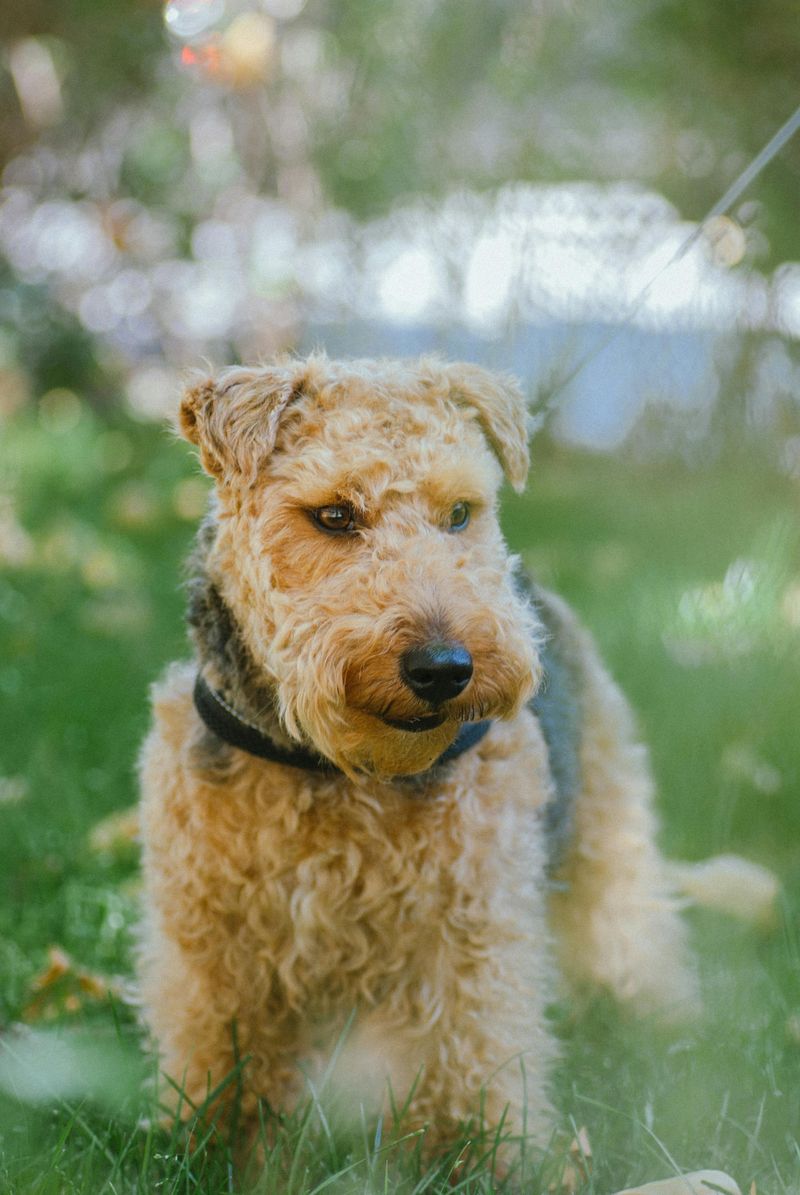
The Airedale thrives on purpose and fairness. Pattern games deliver both in busy soundscapes.
Begin with a crisp heel start, a head check, and a quarter turn around your leg.
Construction clatter becomes background when the sequence feels inevitable. Mark and feed on the same beat every time.
The dog reads your rhythm and chooses the job over the noise.
Keep sessions short and purposeful. Add brief stationary holds for extra polish.
With consistency, the Airedale trades boldness for precision, turning big energy into collected, repeatable focus wherever you walk.
Welsh Terrier
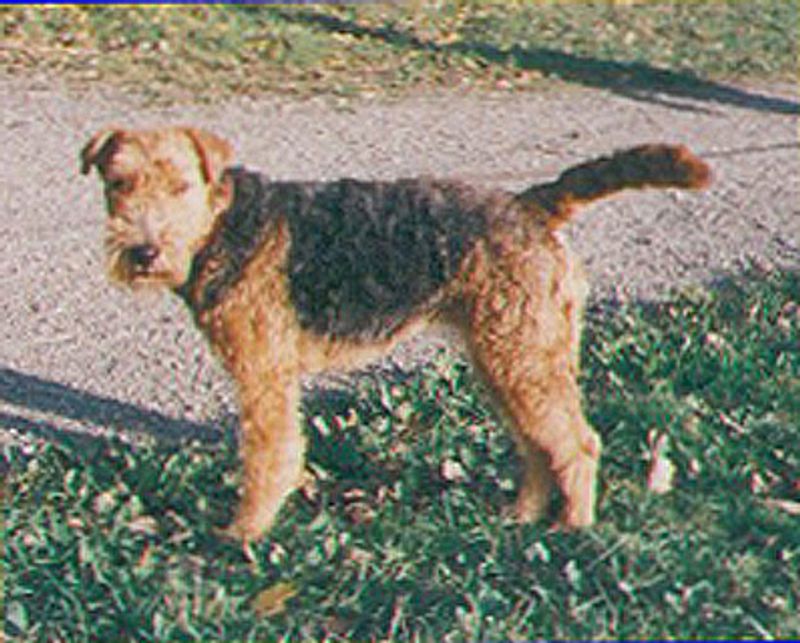
Welsh Terriers sparkle with curiosity and cheek. Pattern games transform that spark into steady attention when traffic and crowds build.
Start with a check in, step, and brief stillness before movement resumes.
The stillness is the magic. It predicts reinforcement and the next beat, so the dog waits rather than darts.
Crosswalks become chances to practice patience on repeat.
Keep the sequence brisk but predictable. If arousal spikes, shrink the loop and pay faster.
With repetition, the Welsh keeps eyes soft and brain engaged, navigating busy streets like a practiced dance partner.