
If you have ever smeared peanut butter on a lick mat and watched your dog instantly chill, you are not alone. Many owners swear by these textured wonders for grooming, crate time, and post zoomie decompression.
But some pups get a little too obsessed, and that calming ritual can tip into overuse if we are not mindful. Here are the breeds most likely to fall in love with lick mats and how to use them smartly.
French Bulldog
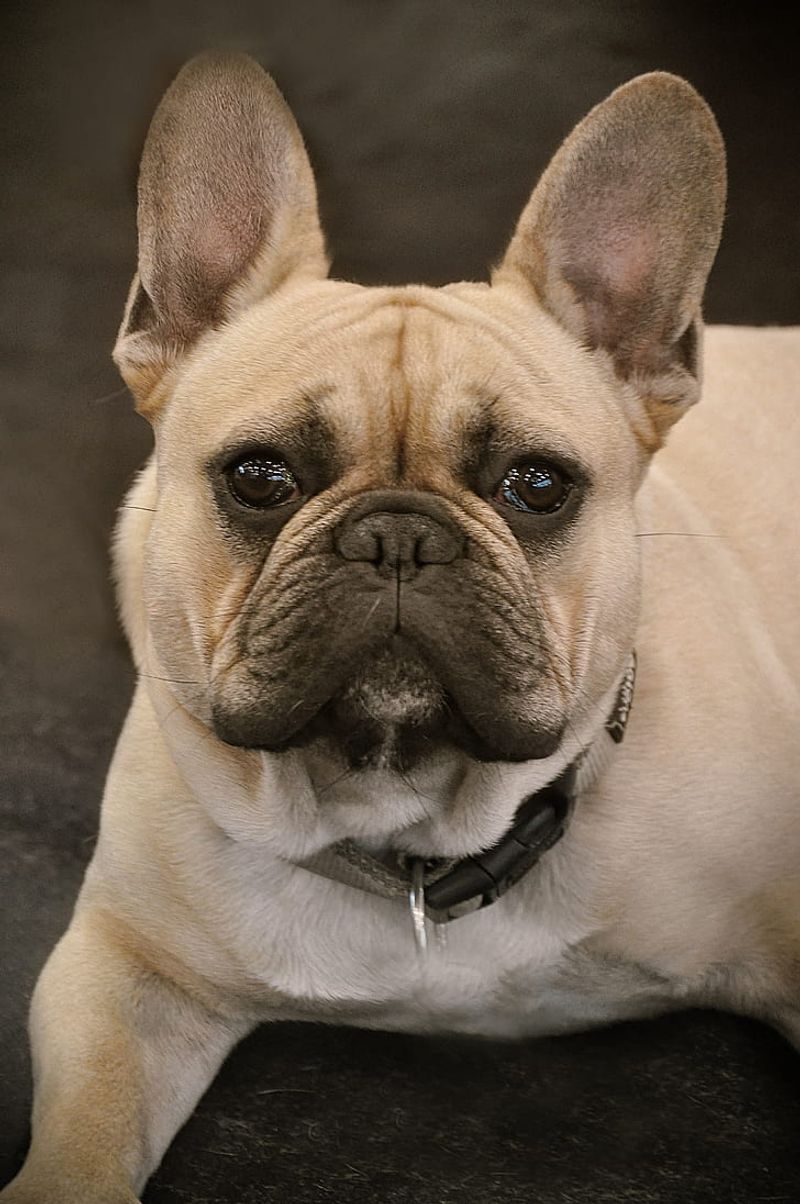
Frenchies are pros at turning a lick mat session into pure zen. The steady licking eases their low energy nerves and helps them decompress after noisy city walks.
You will notice slower breathing and fewer attention seeking grumbles during bath prep.
Because they can be food obsessed, portion control matters. Spread a thin layer of yogurt, mashed banana, or pumpkin and freeze for longer sessions.
Keep airflow steady, since short snouts need breaks.
Aim for five to ten minutes, then swap to a chew or sniffing game. If they guard the mat, trade for a treat calmly.
Use the mat to reinforce calm on a bed, not as a distraction crutch every time they whine.
English Bulldog
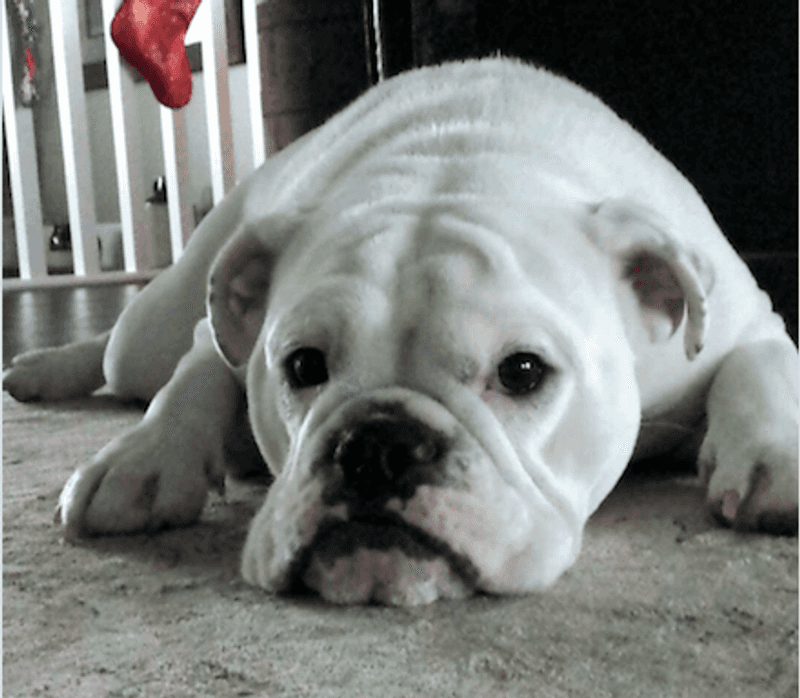
English Bulldogs love routines, and a lick mat fits perfectly into grooming or nail trim days. The repetitive motion helps reduce mild frustration and prevents pushy mouthing.
You will see fewer stubborn standoffs when sessions start with a chilled mat.
Watch portion sizes, since weight can creep up fast. Opt for low fat Greek yogurt, bone broth gels, or pureed veggies.
Offer water and pause frequently because brachycephalic breathing needs monitoring.
Use the mat on a non slip surface to avoid bulldozer scoots. Retire it while they are still calm to prevent dependency.
If drool strings get wild, keep a towel handy and make cleanup part of the ritual so the routine stays predictable and positive.
Pekingese
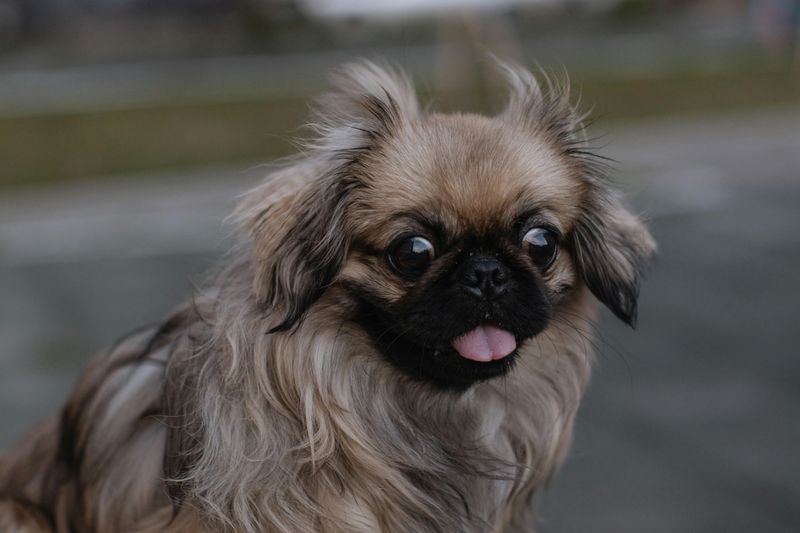
Pekes can be dramatic about handling, so a lick mat can transform comb outs into cooperation. The soothing lick rhythm replaces grumbles with focus.
Choose shallow patterns that are easy for tiny tongues, and keep sessions short to prevent fussiness.
Use aromatic toppers like sardine mash or pumpkin swirls to hold attention. Freeze lightly so it is firm but not rock hard.
Place the mat on a tray elevated slightly to keep fur clean.
Rotate flavors to avoid boredom and over fixation. If your Peke starts guarding, practice easy trades using scatter feeding afterward.
Finish with a calm cuddle or a short sniff walk, so the mat becomes one tool among many, not the only comfort strategy.
Shih Tzu
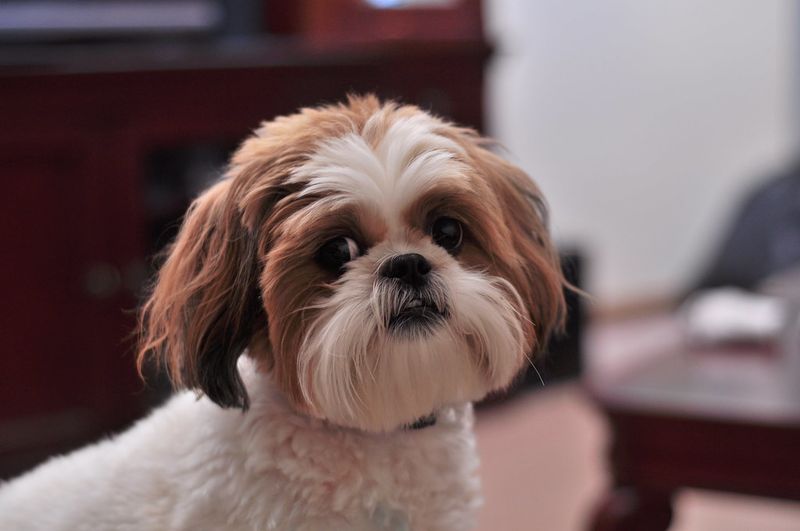
Shih Tzus shine with predictable routines, and lick mats make face trims and eye cleaning smoother. The gentle licking lowers their heart rate and gives restless paws something else to think about.
You will feel the tension fade as they settle.
Keep toppings light to protect weight and coat. Try kefir, goat milk yogurt, or pureed blueberries spread thin.
Freeze briefly for texture that lasts just long enough for grooming tasks.
End before frustration appears, then praise and release. Alternate with slow sniff games or trick training to avoid dependence.
If mat excitement escalates into whining for more, add calm intervals between sessions, so Shih Tzus learn that relaxation can come from you, not only the silicone square.
Lhasa Apso
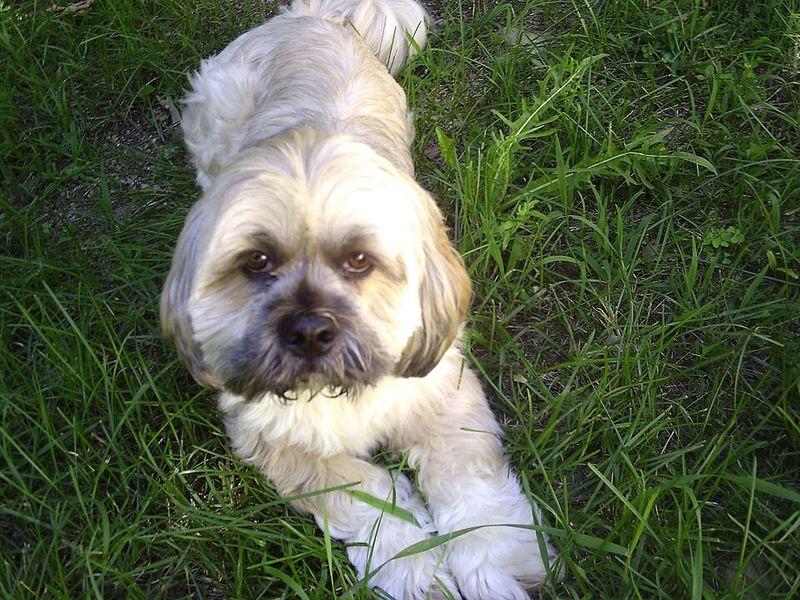
Lhasas have a thoughtful, independent vibe, and lick mats tap into that focus beautifully. Use them to bridge from alert watchdog mode to quiet rest after visitors leave.
The sensory patterning helps shift gears without a struggle.
Keep sessions structured. Set a timer, offer a light smear of pumpkin and turkey baby food, and cue a settle on a mat bed.
Long coats stay cleaner if the licking station is slightly elevated.
If your Lhasa fixates or searches for the mat later, rotate days and vary textures. Pair with place training and soft music to build layered calm.
Ending while they are still composed preserves the magic, making the lick mat a ritual, not a requirement.
Maltese
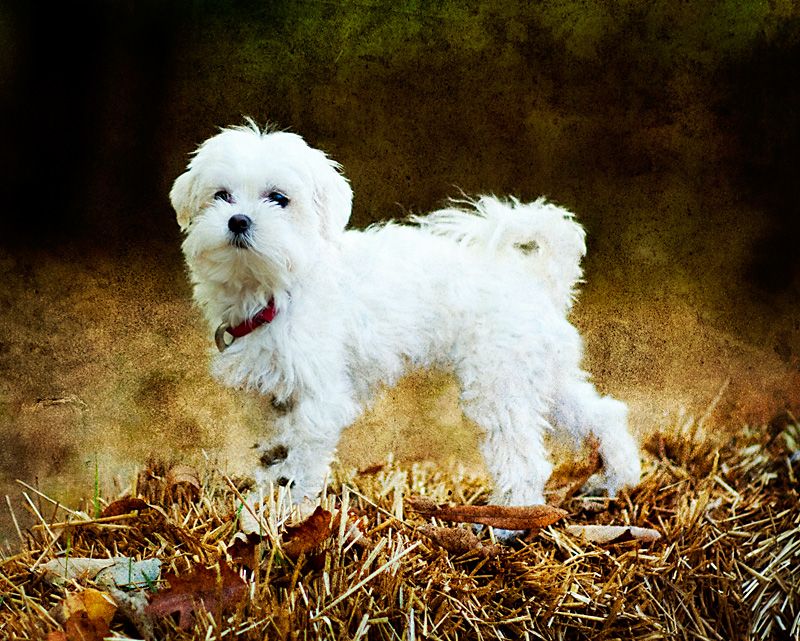
Maltese thrive on attention, and a lick mat buys quiet moments without guilt. The repetitive motion promotes relaxation and reduces yappy bursts when the doorbell rings.
It also makes tear stain cleaning less dramatic.
Choose light colored mats for easy spotting of residue. Toppers like goat yogurt and mashed strawberry keep calories modest.
Brief freezing adds endurance without turning the treat into a brick.
Stop while your Maltese is calm, then invite a nap on a cozy bed. If clinginess spikes, intersperse independent play with snuffle activities.
Teach a finished cue so the mat does not become a bargaining chip. Consistency helps them accept calm as normal, not just a reward.
Cavalier King Charles Spaniel
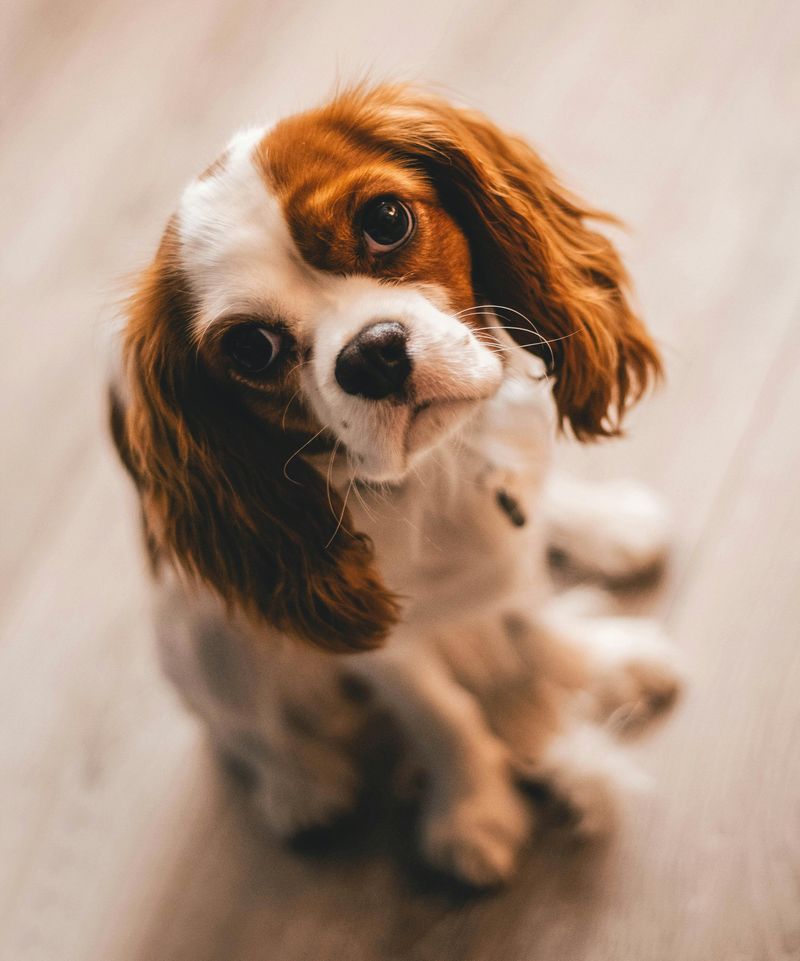
Cavaliers are sweet but can be clingy, and a lick mat supports gentle independence. Use it during crate time or while you handle mail at the door.
The soothing activity lowers arousal without spiking frustration.
Heart health matters for this breed, so pick lean toppers like pureed veggies and a dab of salmon. Portion carefully and provide water nearby.
Freeze lightly to extend the session without overexertion.
Pair with a settle cue on a comfy blanket. If whining returns after the mat is gone, add short absence practice and reward quiet.
The goal is calm confidence, where the mat helps them feel okay alone but does not replace training or patient reassurance.
Pug
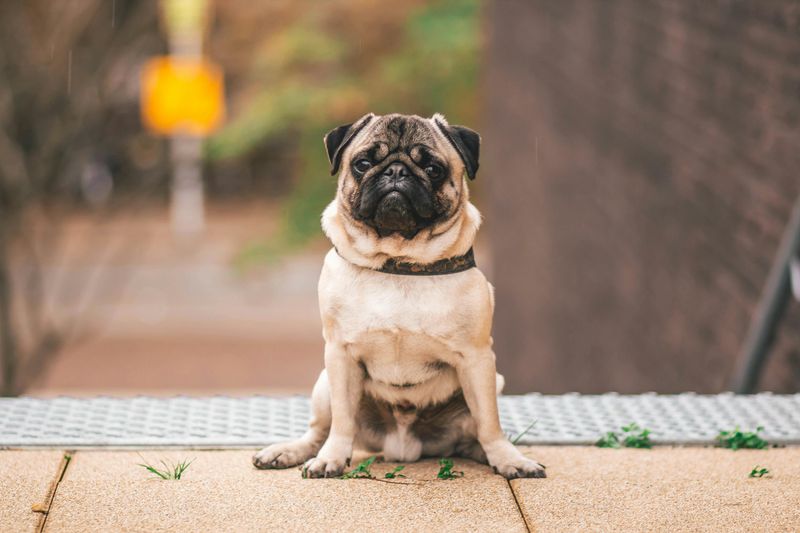
Pugs bring comedy and chaos, and a lick mat channels that energy into calm focus. Use during nail trims, vet prep, or rainy day cabin fever.
You will hear those snorts ease as licking becomes a steady metronome.
Mind breathing and keep sessions short. Choose low sodium bone broth gels, pumpkin, or banana swirls.
Avoid sticky nut butters unless thinned with water or kefir for safety.
If your Pug becomes demanding, store the mat out of sight and present it unpredictably. Follow with a sniffy toy scatter so calm continues after the mat disappears.
Consistency turns the routine into relief, not a bribe, and prevents the infamous Pug pout when the party ends.
Boston Terrier
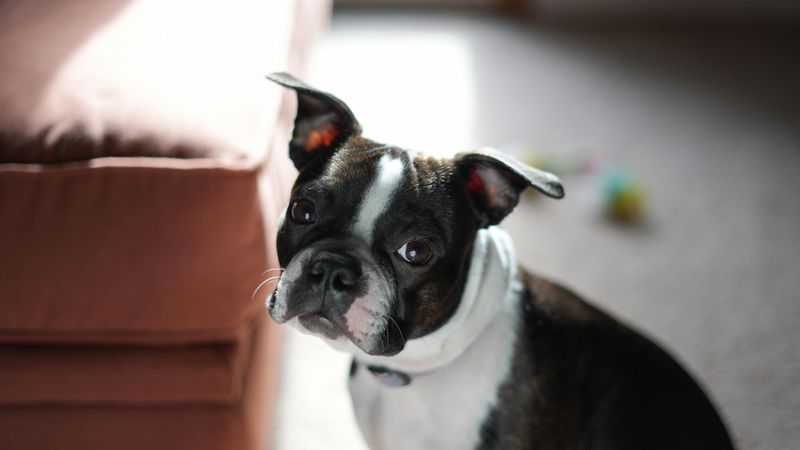
Boston Terriers are bright and busy, so a lick mat helps them downshift. It is perfect for post play cooldowns or while guests settle in.
You will notice fewer zoomies indoors when the day includes structured licking sessions.
Use thin layers of yogurt, tuna water, or mashed sweet potato. Freeze for ten minutes to add challenge, not frustration.
Set a timer and finish with a relaxed down stay to cement calm.
If fixation appears, vary locations and textures to avoid ritual traps. Teach an all done cue and trade the mat for a chew.
Balanced variety keeps your Boston flexible, turning the mat into a tool for resilience rather than a controlling habit.
Basset Hound
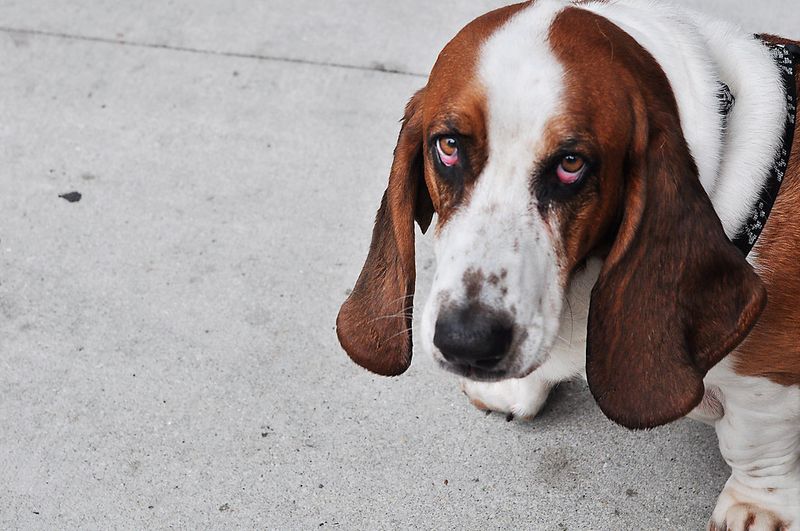
Bassets are scent driven and laid back, and lick mats suit their unhurried style. Use them to anchor quiet time after walks, when noses still buzz with smells.
The steady pace helps prevent vocal demands for more adventures.
Choose hearty but lean toppers like pumpkin, turkey baby food, or sardine mash. Portion modestly because weight management is crucial.
A non slip pad prevents ear dips and messy skids.
If your Basset moans for refills, switch to a snuffle search afterward to satisfy the nose. Keep sessions predictable but not constant, so they learn patience.
Ending on a calm note means the mat reinforces serenity, not entitlement, making daily life smoother for everyone.
Cocker Spaniel

Cockers are sensitive and people oriented, and lick mats build confidence during handling. Use for ear cleaning days or while trimming paws.
The repetitive licking provides a predictable rhythm that reduces startle responses.
Pick toppers that will not flare ear issues, like plain yogurt, pumpkin, and low fat broths. Freeze lightly and keep towels nearby for tidy cleanup.
Reward calm pauses with quiet praise instead of extra food.
If your Cocker whines when the mat is gone, follow with an easy training win like touch. Rotate between mat, snuffle, and chew to diversify coping skills.
This balance turns the mat into a supportive ritual rather than a required pacifier.
Papillon
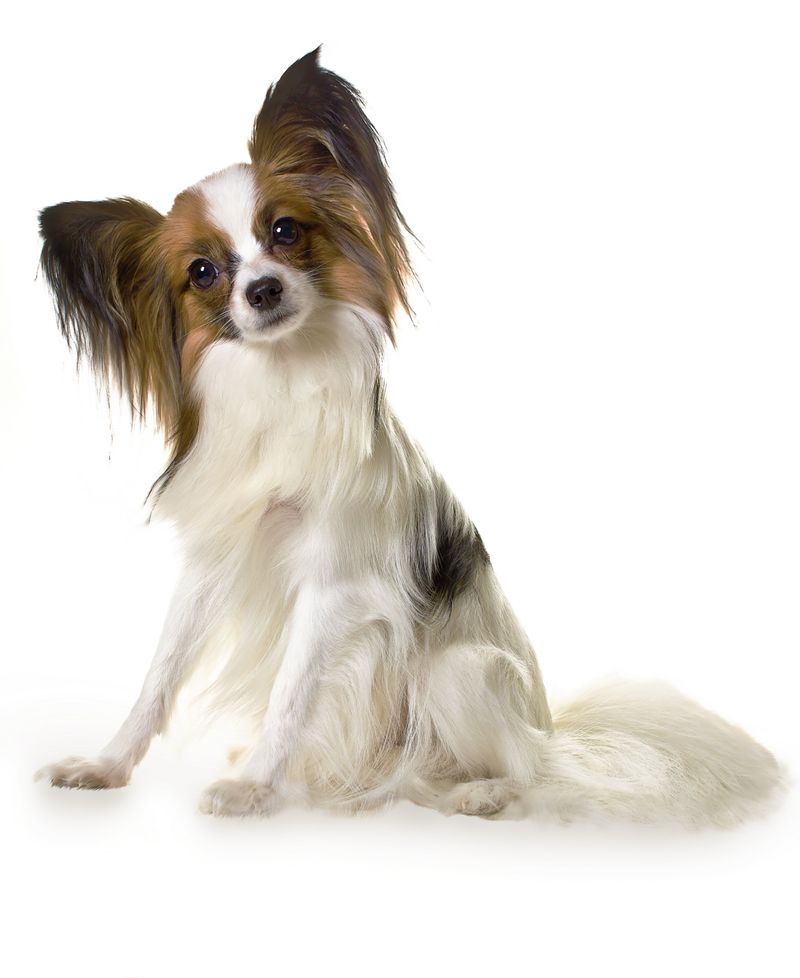
Papillons are bright and agile, and their minds run fast. A lick mat channels that mental buzz into calm concentration before training or travel.
You will see softer eyes and fewer alert barks when the ritual is consistent.
Use light toppers and tiny portions to suit their size. Think kefir, mashed berries, or chicken puree.
Freeze briefly so it is engaging without frustration.
End with a scatter of treats to encourage sniffing and release. If your Papillon starts anticipating the mat too intensely, randomize timing and move locations.
Building flexibility ensures the mat remains helpful, keeping excitement in check without turning into the only path to peace.