
You know that feeling when every glance on your dog walk comes with a silent verdict. Muzzle positivity is flipping that script, reminding people that safety gear does not define a dog’s heart.
Let’s talk about the breeds that get the most side eye and give them the fair shake they deserve. By the end, you will have the confidence and talking points to change minds on your next stroll.
American Staffordshire Terrier
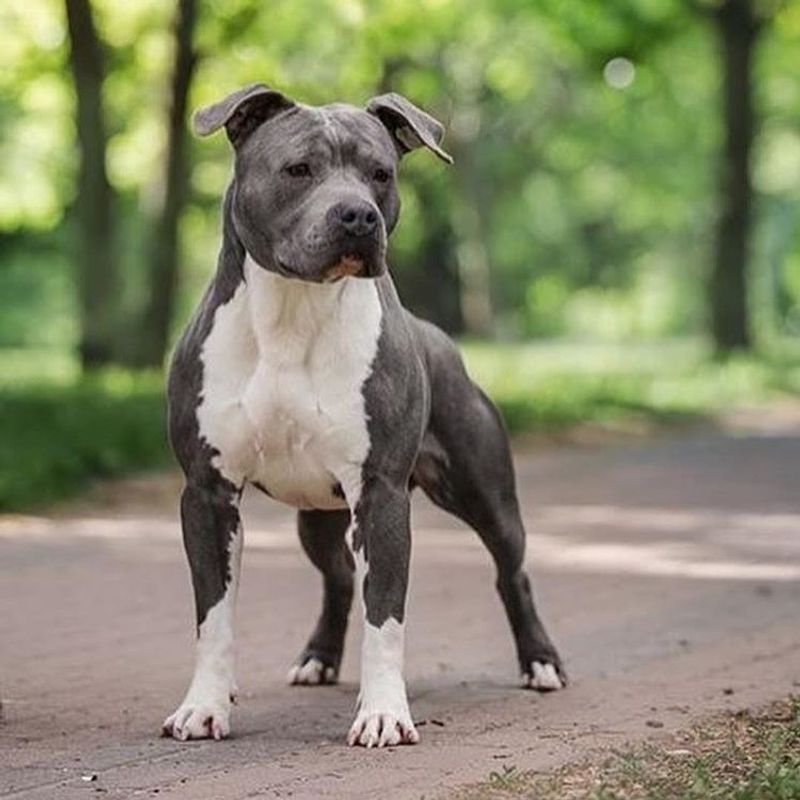
People often see the blocky head and muscular frame and jump to conclusions. An American Staffordshire Terrier with a muzzle can draw stares, even when the tail is wagging and the leash manners are perfect.
You can feel the tension soften when neighbors actually pause to meet those bright, curious eyes.
Muzzle positivity helps here because it reframes the gear as thoughtful safety and training. You can explain that the muzzle allows panting and treats, not punishment.
When kids ask to pet, you can show how to approach calmly, reinforcing good behavior on both sides.
Celebrate the breed’s loyalty and clownish charm. With consistent training, enrichment, and community conversations, the narrative changes step by step.
Rottweiler
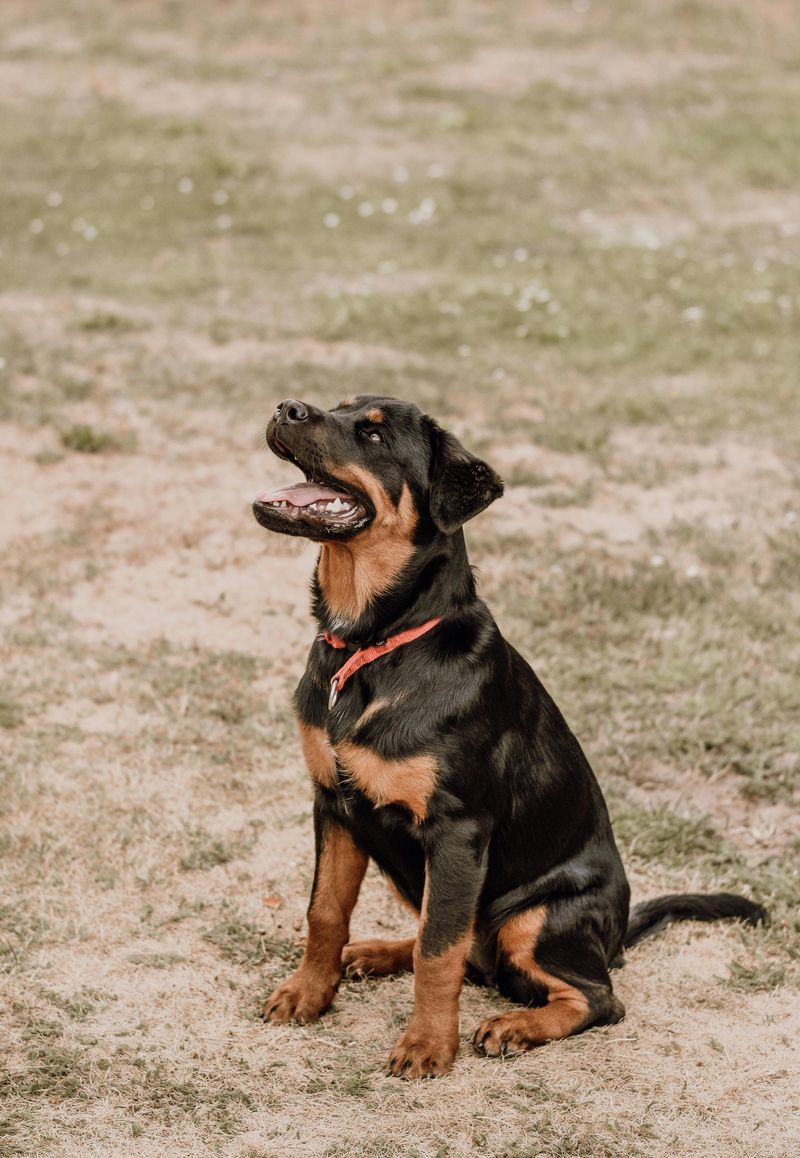
A Rottweiler can clear a path fast, not from misbehavior but from misconceptions. You can watch people clutch bags or cross streets simply because of size and that signature black and tan.
With a muzzle, the reactions sometimes intensify, even though you are prioritizing safety and comfort.
Muzzle positivity opens the door to conversation. You can mention fit, ventilation, and treat access, showing training cues that keep things relaxed.
A calm heel, soft eye contact, and friendly greetings start shifting assumptions.
Rottweilers can be steady, affectionate companions with strong work ethics. Clear boundaries, mental games, and positive reinforcement let their gentle side shine, making every walk a teachable moment rather than a tense one.
Doberman Pinscher
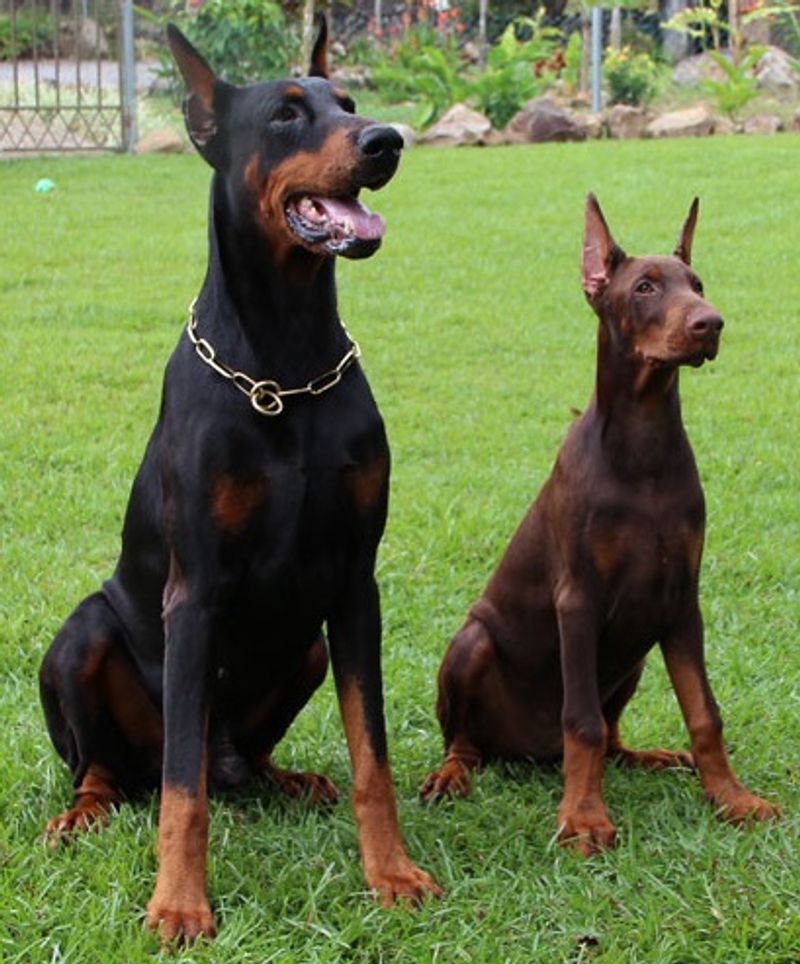
Dobermans carry an aura of precision that people sometimes mistake for menace. You can feel eyes tracking every move when that streamlined silhouette appears, especially with a muzzle in place.
The truth is, you are signaling responsibility while giving your dog the space to learn and decompress in busy settings.
Muzzle positivity encourages you to share why you chose a basket style, how it permits panting, and how it reduces pressure for everyone. Friendly, short interactions help.
Practice calm sits near distractions, reward check ins, and let curious folks see polite behavior.
Dobermans thrive on tasks and human connection. Keep training sessions brisk and fun, and every walk becomes a chance to replace myths with memorable, kind encounters.
Cane Corso
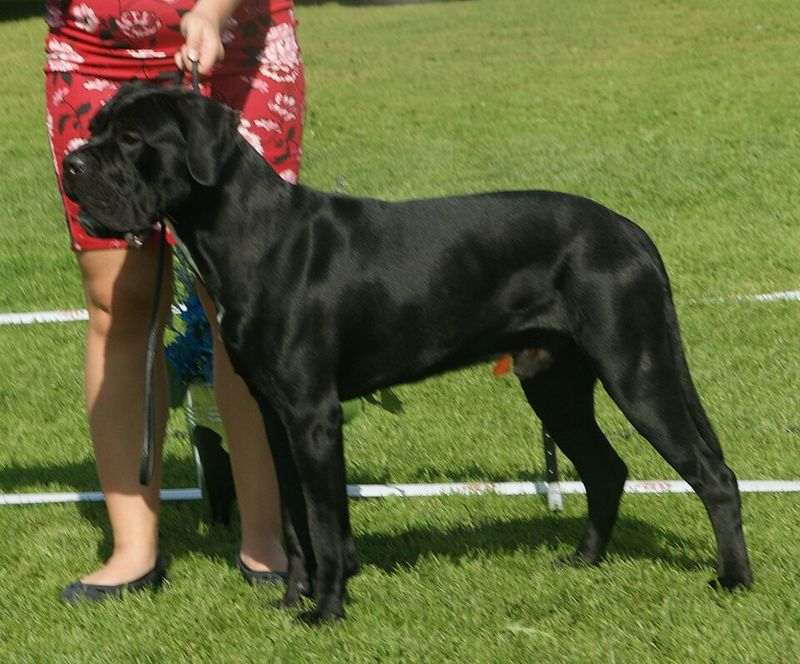
A Cane Corso’s imposing presence can turn heads instantly. You can sense assumptions forming before a word is spoken, especially when a muzzle is visible.
Yet this thoughtful tool keeps everyone comfortable while you practice neutrality around bikes, dogs, and sudden noises.
Muzzle positivity means explaining function without defensiveness. You can highlight desensitization steps and how the dog happily accepts the gear.
Calm breathing, slow tail wags, and obedience cues help reset the mood on the sidewalk.
Cane Corsos bond deeply and benefit from structure. Short training bursts, scent games, and respectful space from strangers keep walks smooth.
Over time, your steady routine shows people strength paired with gentleness, not danger.
Dogo Argentino
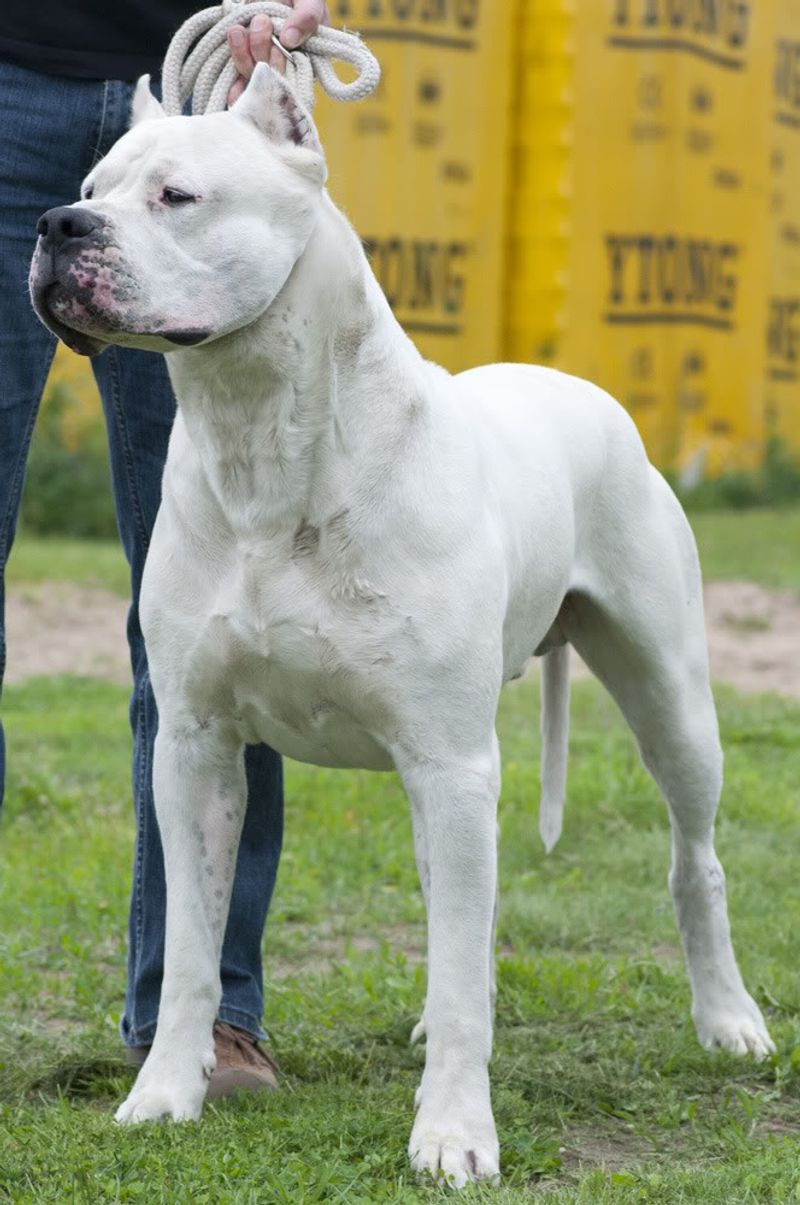
The Dogo Argentino’s powerful build and focused gaze can draw quick judgments. You can feel the narrative writing itself when hikers see the white coat and muzzle together.
But you are modeling preparedness and respect for shared spaces, not signaling a problem.
Muzzle positivity invites questions and demystifies the gear. Explain how the dog can drink, pant, and take treats during training sessions.
Keep greetings brief, reward soft behaviors, and honor distance if someone seems uneasy.
This breed thrives on jobs and clear communication. Rotate enrichment like tracking, tug with rules, and decompression walks.
With consistency, your Dogo’s calm trail manners tell the real story, and the muzzle becomes background, not headline.
Bullmastiff
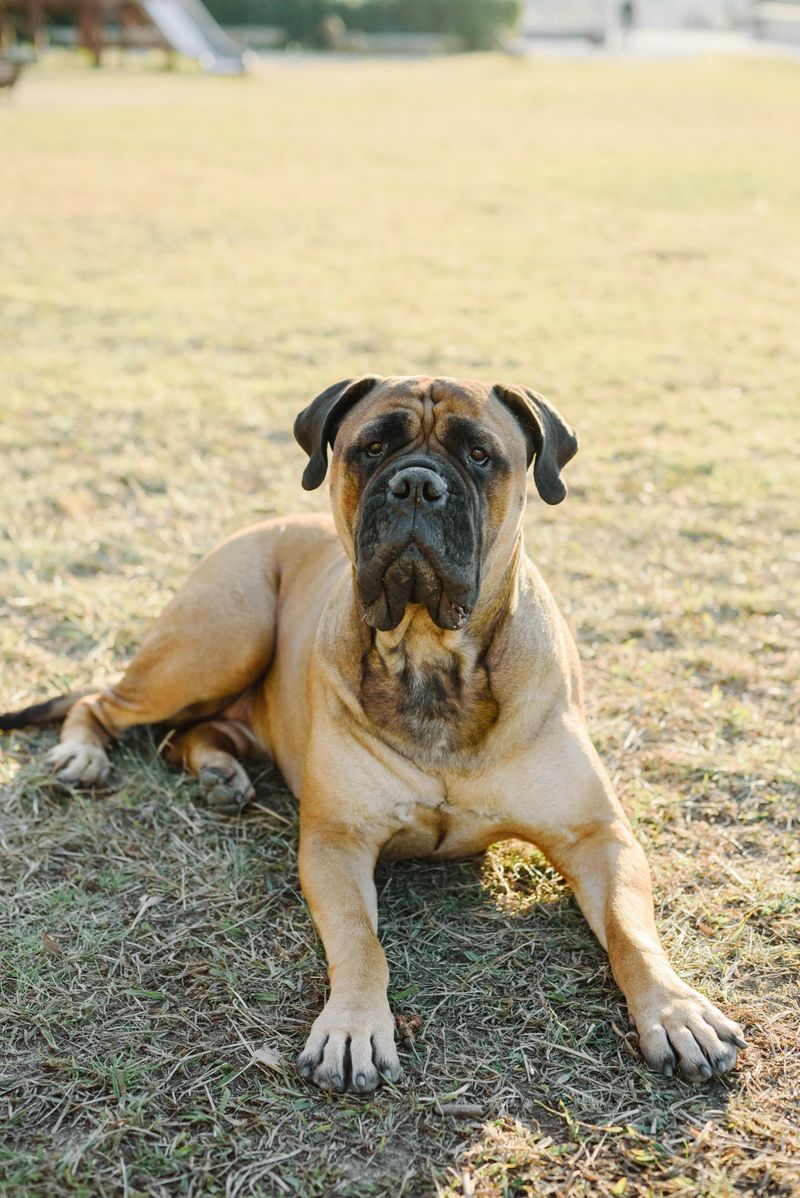
Bullmastiffs look monumental even when they are sleepy sweethearts. You can watch strangers misread droopy jowls and sheer size as a warning sign, especially with a muzzle attached.
Really, it is your way to keep training predictable in bustling places.
Muzzle positivity reframes the visual. You can mention acclimation steps, like feeding through the muzzle and pairing it with fun walks.
Show off loose leash skills and slow sits to reassure skeptical onlookers.
The breed prefers calm confidence from handlers. Keep sessions short, let them sniff often, and celebrate small wins.
Bit by bit, people notice the gentle nudges and soft eye contact, and the stereotype gives way to warmth and understanding.
Mastiff
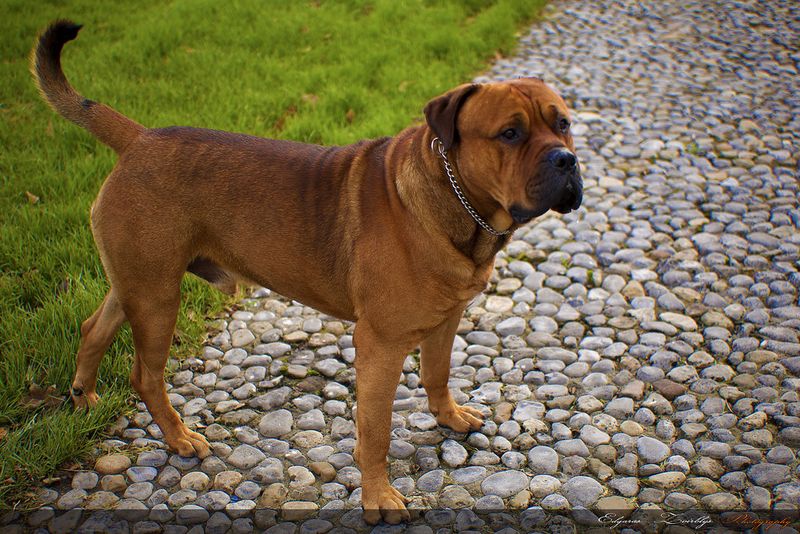
A Mastiff can make a park bench look tiny, and that alone sparks commentary. Add a muzzle and you can feel the temperature shift around you.
Yet the gear simply communicates thoughtful management for a giant with a gentle heart.
Muzzle positivity reminds people that safety supports freedom. You can demonstrate relaxed heeling, treat taking, and polite check ins.
When someone asks, explain muzzle fit and why panting room matters, keeping the tone friendly.
Mastiffs love slow rhythms and predictable routines. Plan wide paths, water breaks, and decompression afterward.
With patience, the community sees a calm, considerate duo, not a threat, and the conversation around big dogs becomes kinder and clearer.
German Shepherd Dog
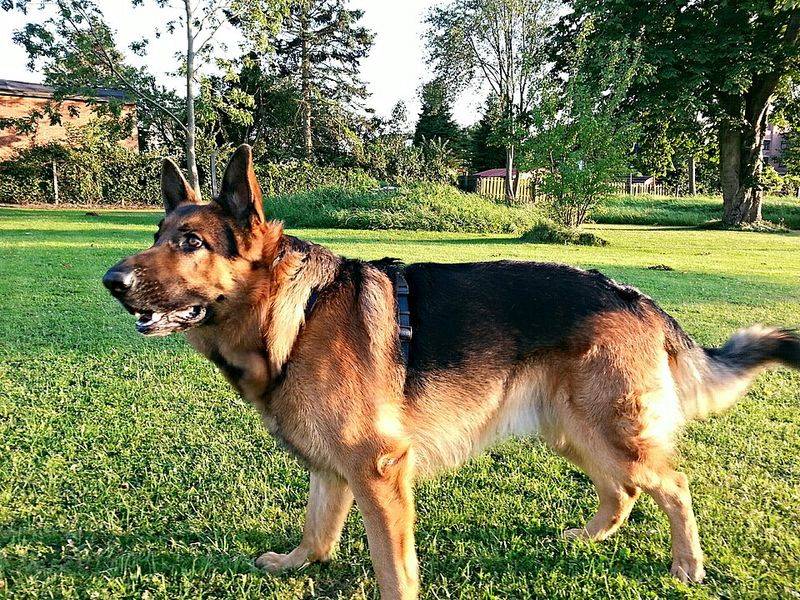
German Shepherds are familiar yet frequently judged as intense or unpredictable. You can feel people assume a working role or a problem the moment they spot the muzzle.
In reality, you are prioritizing safety during training or high energy environments.
Muzzle positivity helps you narrate your choices calmly. Share that the dog can pant, eat treats, and engage in marker training.
Show off focus games, like nose target touches and loose leash pivots, to demonstrate control.
These dogs thrive on mental tasks and clear guidance. Rotate obedience drills with sniff breaks and decompression.
Over time, you will notice more smiles than side glances, and the muzzle becomes a symbol of care, not fear.
Belgian Malinois
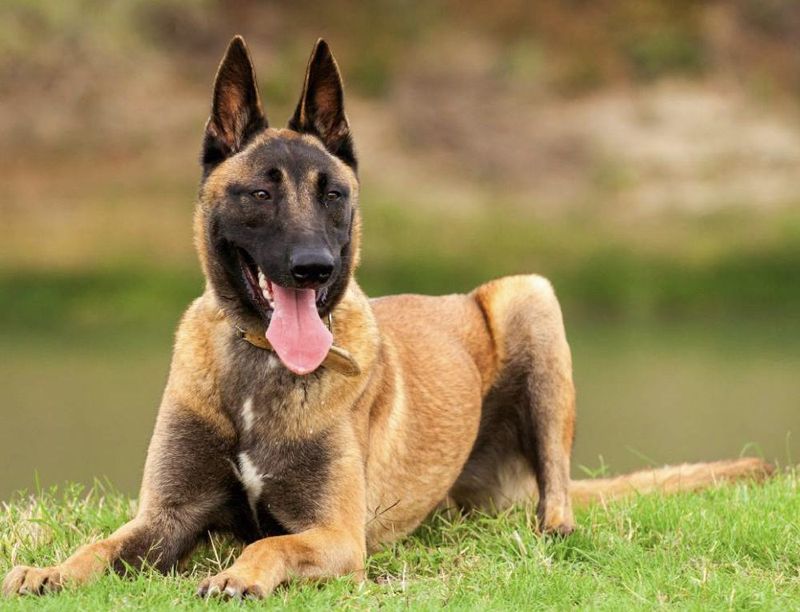
The Belgian Malinois radiates intensity, which can be misunderstood. You can feel the crowd tense when that springy gait and muzzle appear together, as if energy equals danger.
Actually, the gear keeps training on track while outlets like tug and scent work balance their drive.
Muzzle positivity invites you to frame the narrative. Explain decompression walks, structured play, and why the muzzle ensures safe practice around surprises.
Quick demos of impulse control, like sit before greeting, reassure observers.
Malinois need jobs, not just miles. Short, frequent training, puzzle toys, and calm rituals help.
When the routine is consistent, people see a focused athlete partnering with you, and judgments soften into respect for the work behind the walk.
Akita
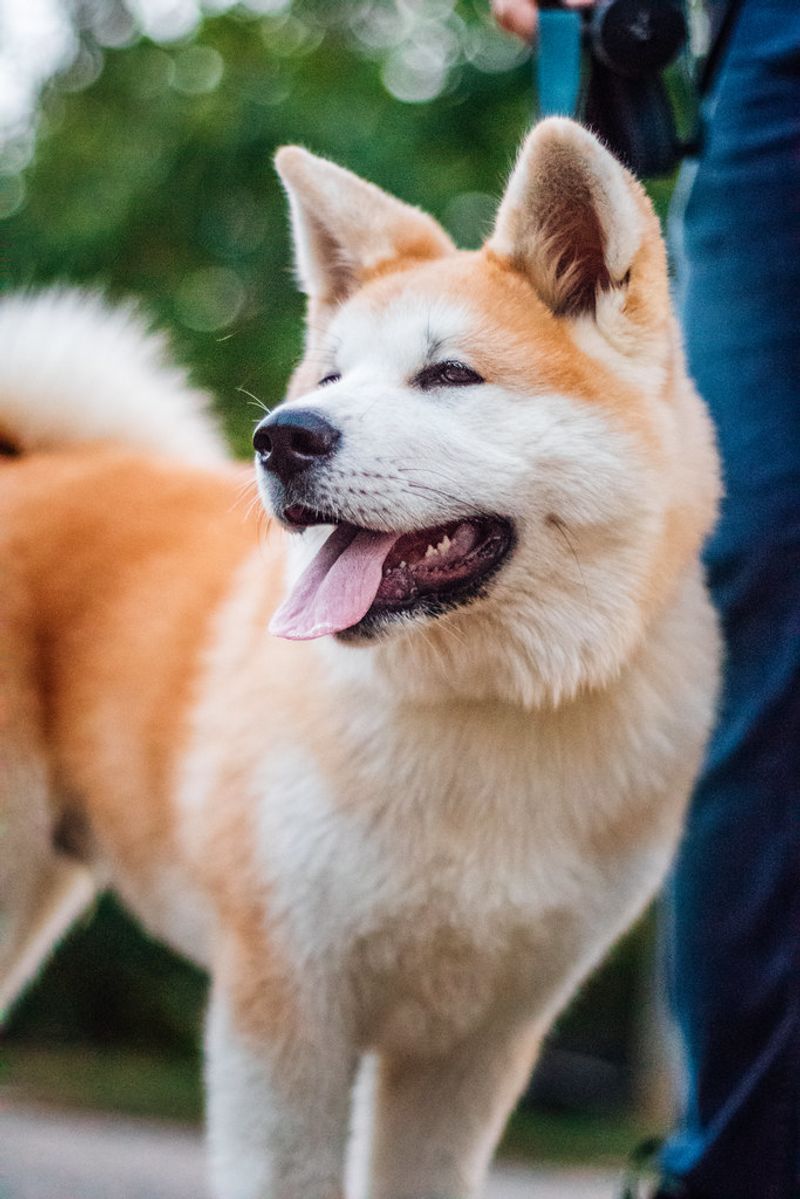
Akitas carry a noble stillness that some read as aloof or unfriendly. Add a muzzle and you can feel the distance widen.
But you are simply communicating boundaries while keeping your dog comfortable in busy spaces and seasonal events.
Muzzle positivity encourages clear, calm advocacy. You can explain consent based greetings and show how treats pass easily through a basket design.
Practice short exposures to crowds, rewarding soft eyes and loose body language.
Akitas appreciate respect and predictable routines. Keep walks steady, avoid pushy introductions, and offer decompression time afterward.
Bit by bit, the neighborhood learns that dignity is not danger, and your dog’s quiet charm becomes the lasting impression.
Rhodesian Ridgeback
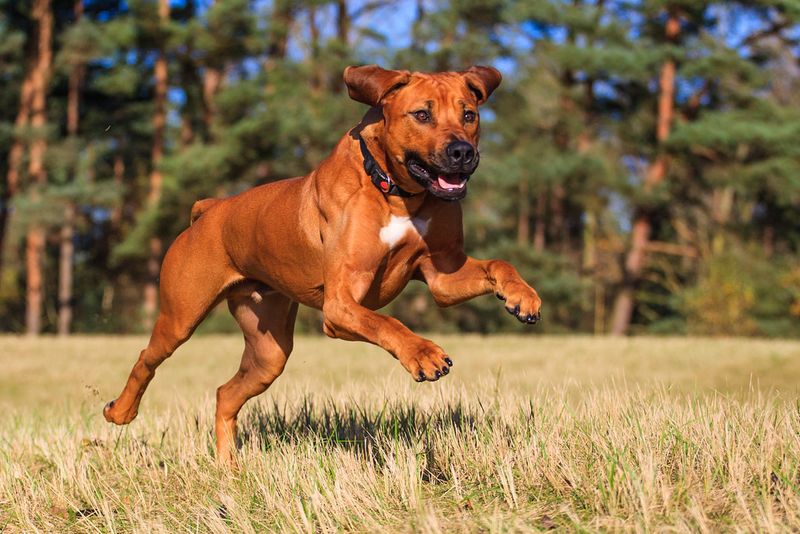
Rhodesian Ridgebacks turn heads with athletic grace and that striking dorsal ridge. You can sense assumptions about prey drive or reactivity when a muzzle is present.
Really, you are giving your dog space to learn calmly around wildlife, joggers, and bikes.
Muzzle positivity lets you educate as you explore. Explain that the basket design allows panting on warm trails and treats for training.
Demonstrate recall games and polite trail etiquette at pull outs.
Ridgebacks need balanced exercise and brain work. Mix steady mileage with scent puzzles and restful recovery days.
Over time, hikers recognize a courteous team, and the muzzle reads as thoughtful preparation rather than a warning label.
Siberian Husky
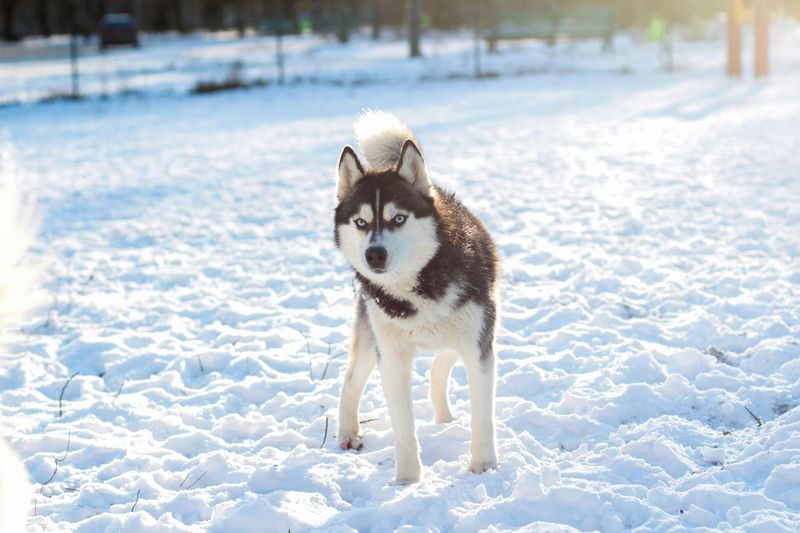
Siberian Huskies look like mischievous comedians, yet a muzzle can flip the script for bystanders. You can hear whispers or see hesitant smiles, even when the dog is trotting happily.
The reality is, you are supporting safe socialization and preventing scavenging on city streets.
Muzzle positivity means sharing facts with a friendly tone. Show that the dog can pant and snack during training.
Practice calm sits, reward eye contact, and move away when crowds surge so everyone stays comfortable.
Huskies thrive on routine, running outlets, and puzzle challenges. Keep leashes secure, add sniff breaks, and end with quiet decompression.
Soon, neighbors will associate that bouncy gait with responsible handling, not worry.