
Some dogs just cannot help choosing one person as their ride or die, and that is where the household drama begins. If you have felt a cold nose nudging you while your partner gets the side eye, you know the vibe.
These breeds are famously loyal, deeply sensitive, and wildly people focused. Get ready to spot your favorite heart thief and learn how to keep the peace at home.
Doberman Pinscher
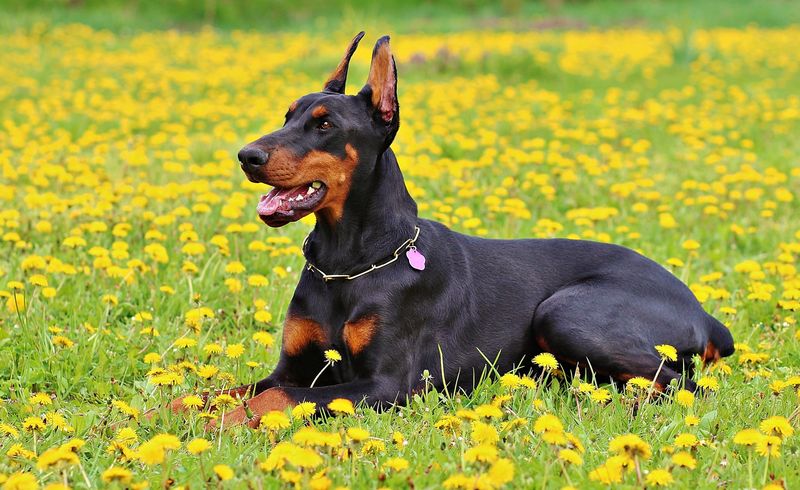
The Doberman lives for connection, then organizes its world around that bond. You will feel it in how they track your movements, lean against your leg, and ignore everyone else’s invitations.
Their intelligence plus devotion can feel like a spotlight that never turns off.
That intensity is gorgeous, but it can spark jealousy at home. Dobes were designed to guard, so they guard the relationship too.
Give them clear routines and fair boundaries to prevent resource guarding of you.
Daily training, off switch games, and supervised cuddles help spread the love. Invite family into jobs the Doberman values, like structured walks and obedience reps.
Shared responsibility turns that laser focus into a team win.
Boxer
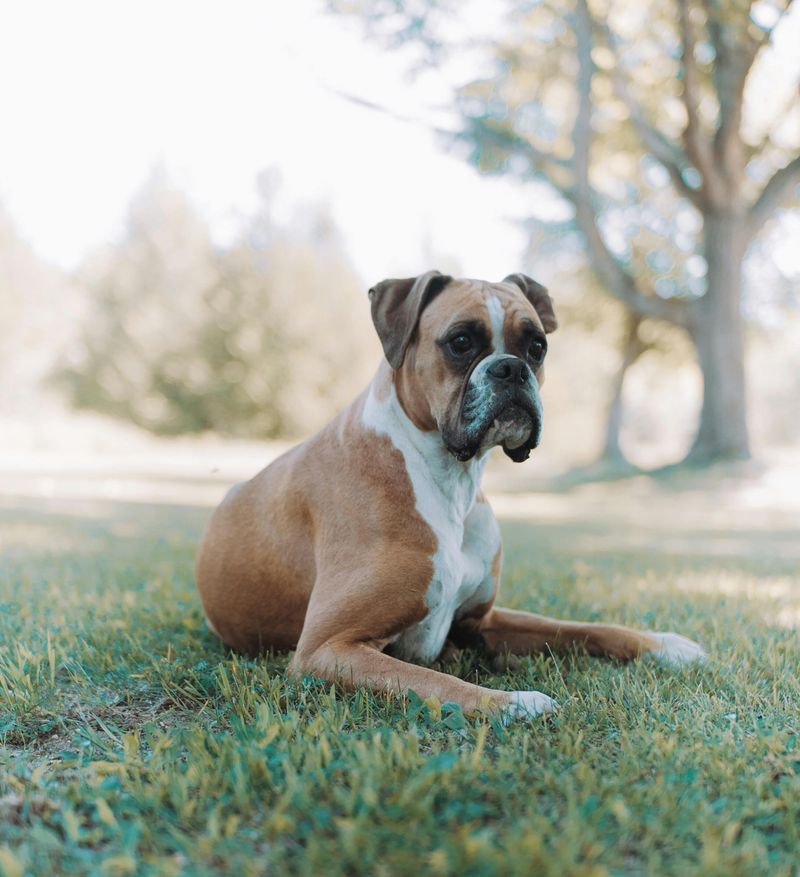
Boxers are comedians with a crush, and that crush is usually you. They pogo onto laps, press that square head into your ribcage, and shadow you from room to room.
Their clown energy disguises a surprisingly sensitive heart.
When a Boxer picks favorites, the household can feel like a sitcom. They might ignore others calling while beelining toward you.
Prevent drama by making affection and playtime a family project.
Rotate who tosses the toy, fills the bowl, and leads short training sprints. Boxers thrive on fun structure, so keep sessions upbeat and brief.
When everyone becomes the source of games and praise, your shadow becomes a house mascot, not a wedge.
Weimaraner

Weimaraners are velcro in a silver coat. Their neediness is legendary, and yes, they often attach themselves like a silver magnet to one person.
That loyalty feels flattering until the whining starts when you leave the room.
This breed was bred to hunt alongside humans all day, not chill solo. If you become their person, other family members can feel invisible.
Create rituals where others handle feeding, leash time, and enrichment puzzles.
Practice short, calm departures to build independence. Model low key greetings so your Weim learns stability, not drama.
With consistency, their deep attachment becomes a steady companionship shared across the home instead of a single spotlight.
Vizsla
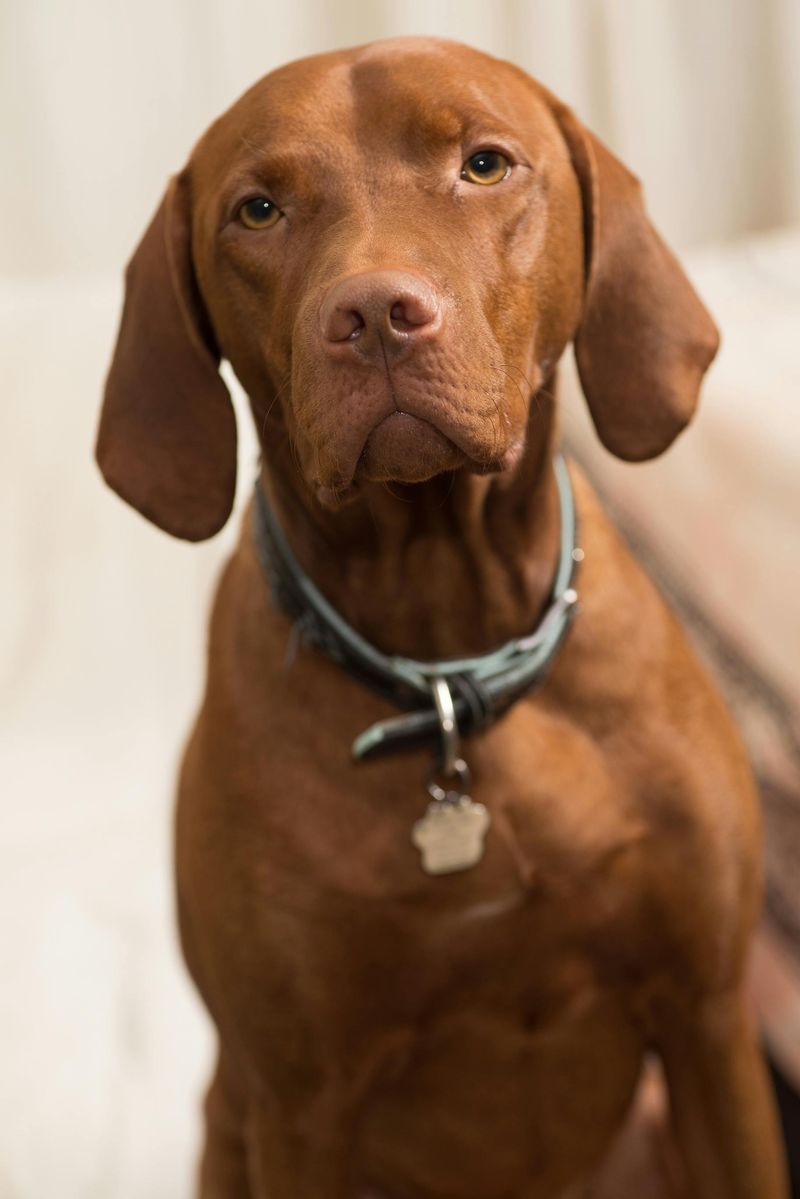
Vizslas are affection with legs. They press, drape, and nest against their chosen human like a living blanket.
That warmth is intoxicating, but it can also sideline everyone else in the house.
Because they are sensitive and movement driven, they sync to one handler’s rhythm. If that is you, others may struggle to gain traction.
Spread the bond by letting family members guide runs, recall games, and scent work.
Keep training gentle and fast paced, celebrating small wins with food and play. Teach a settle on mat so cling turns into calm.
When everyone becomes part of the daily routine, the Vizsla’s laser focus widens into a loving household glow.
German Shepherd Dog
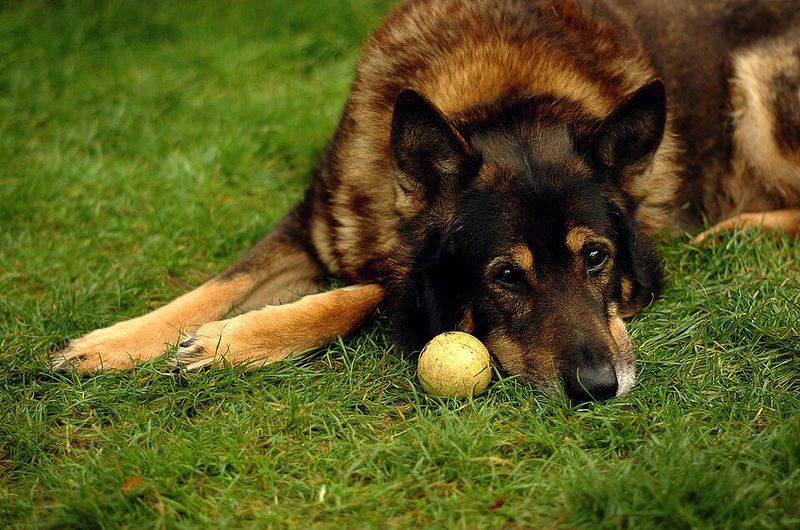
German Shepherds analyze everything and choose their leader accordingly. If you provide structure, fair rules, and purposeful work, you become their north star.
That loyalty is breathtaking, but it can make other voices fade into static.
GSDs were built for tasks, not chaos. When they pick a favorite, they might become pushy gatekeepers or ignore cues from others.
Balance the scales by assigning clear jobs to each family member.
Rotate obedience, tracking games, and controlled fetch sessions. Consistency from multiple people prevents overattachment and anxiety.
With shared leadership, the Shepherd’s devotion fuels harmony, not household politics, and their protective heart becomes a calm, reliable anchor for everyone.
Belgian Malinois
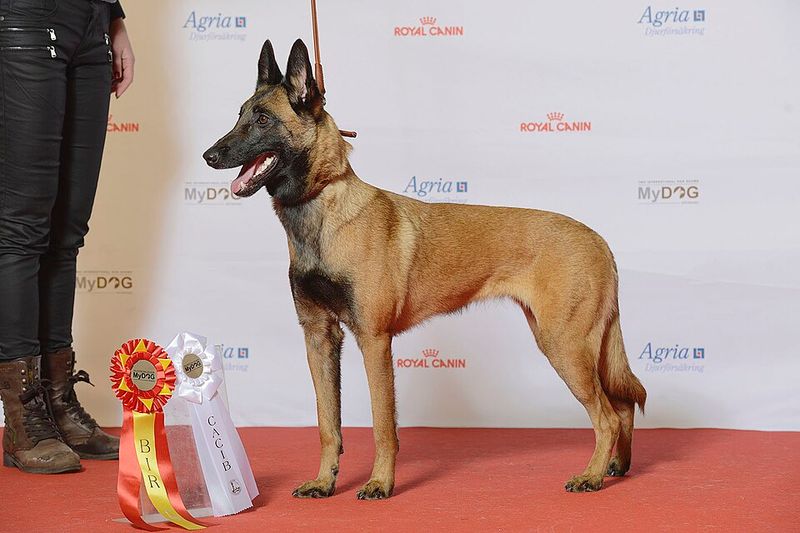
The Malinois chooses intensity in human form. If you meet that drive, they lock on like a guided missile.
To everyone else, it can look like obsession, and honestly, it kind of is.
This breed thrives on work blocks, precise cues, and frequent rewards. Without shared structure, they reward only the most consistent handler.
That breeds drama when others try to step in.
Create a training calendar where each person owns bite sized sessions. Tug, obedience, and impulse control become shared languages.
When the whole house speaks Malinois fluently, the fixation softens into teamwork, channeling that electric energy into safe, satisfying routines.
Rough Collie
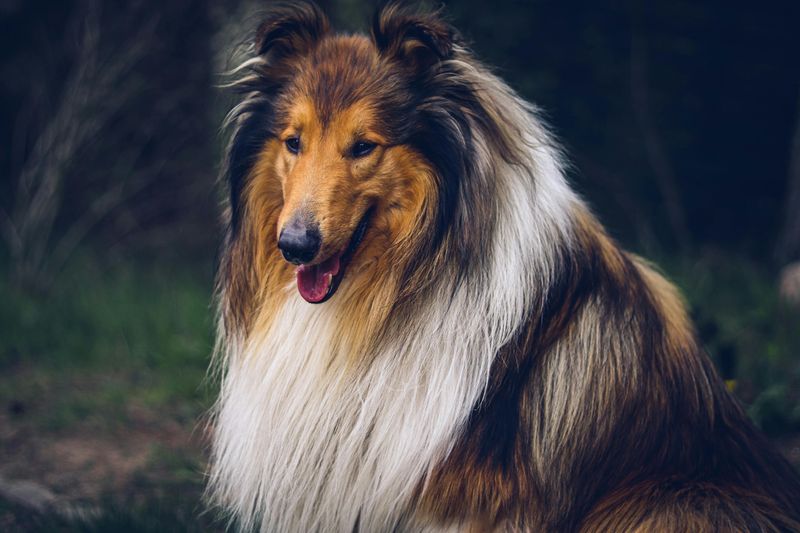
Rough Collies adore their chosen human with storybook sweetness. They read emotions fast and respond with quiet presence that feels almost telepathic.
That sensitivity can tilt into selective hearing when others call.
Because they are gentle and routine oriented, predictability matters. If one person delivers it, that is where devotion lands.
Invite family into brushing rituals, calm walks, and trick training that highlights their graceful movement.
Keep corrections soft and guidance clear. Reinforce recalls from multiple people with treats and warmth.
When everyone offers security and kindness, the Collie’s single channel loyalty opens up, wrapping the whole household in that classic Lassie level devotion.
Shetland Sheepdog
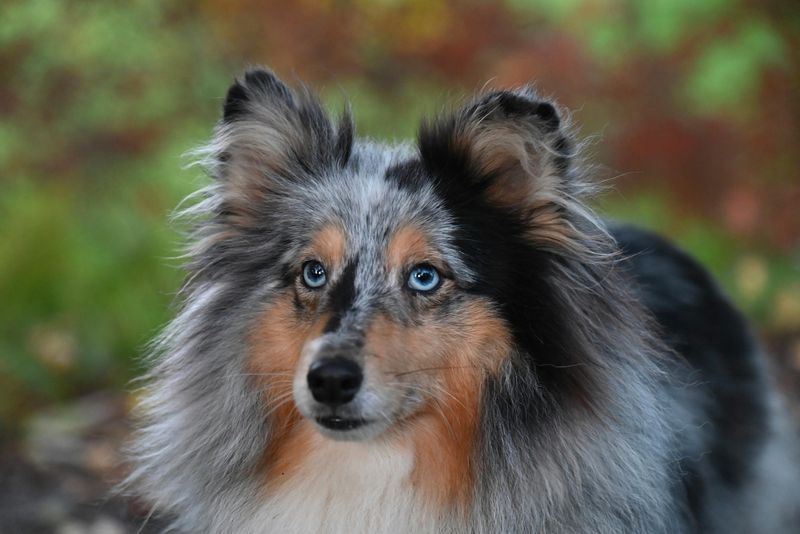
Shelties are tiny strategists with big feelings. They pick favorites based on who listens, trains kindly, and respects their sensitivity to sound and motion.
If that is you, expect a furry satellite orbiting your ankles.
They can become vocal when separated from their person. That creates tension if others cannot calm them.
Solve it by making training a group habit with short focus games.
Trade off handling during walks, recalls, and nosework hides. Reward calm check ins with food and praise from every family member.
Soon the Sheltie’s laser bond stretches across the room, turning anxious attachment into a confident, collaborative partnership at home.
Papillon
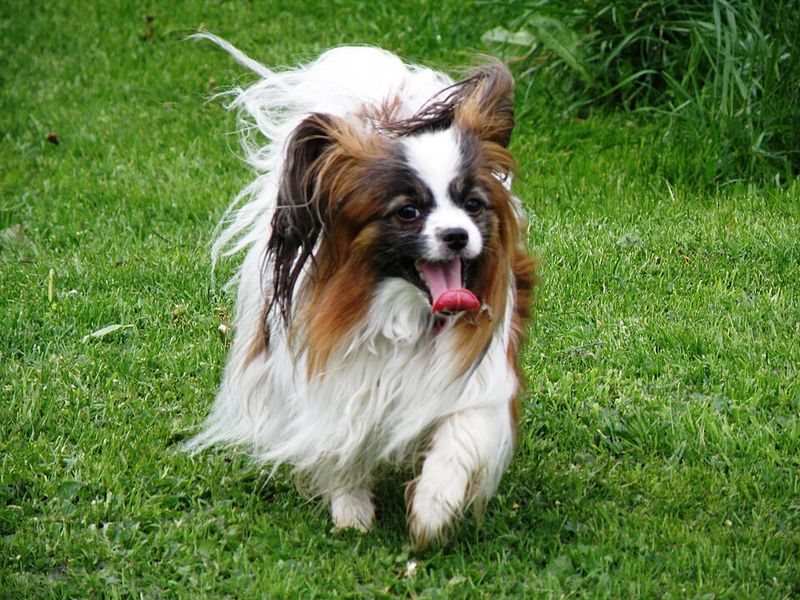
Papillons are pocket geniuses who appoint one human as head of the fan club. They thrive on training games and tend to tune out people who do not play.
That can cause household friction when the star only performs for you.
Because they are confident and bright, variety keeps them engaged. Hand off tricks, rally moves, and tiny agility sequences to different family members.
Keep rewards rapid and celebratory.
Teach a place cue so your social butterfly can relax between turns. When everyone becomes the source of fun and clarity, the Papillon stops gatekeeping attention.
The result is a cheerful, equal opportunity showoff who dazzles the whole crew.
English Springer Spaniel
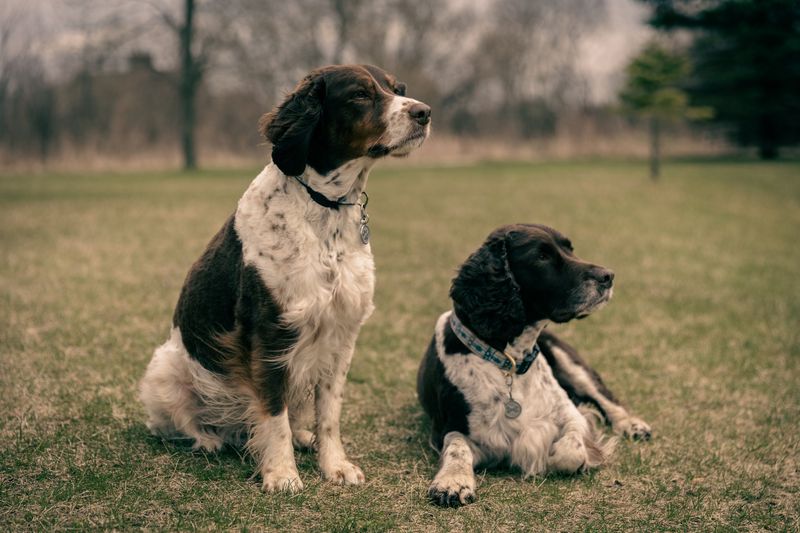
Springers bring joyful hustle and devoted eyes. They often attach to the person who works them most, whether that is field training or backyard fetch.
Others may get wagging tails, but you get the laser focus.
That imbalance can create hurt feelings during recalls or grooming. Fix it by rotating responsibilities and rewarding responsiveness to different voices.
Field bred brains love jobs, so give everyone one.
Practice heel, stays, and sniffy walks with each family member. Keep sessions brisk and upbeat, then cue calm downtime together.
With shared activity, the Springer’s loyalty becomes a family engine, powering connection instead of competition.
Cocker Spaniel
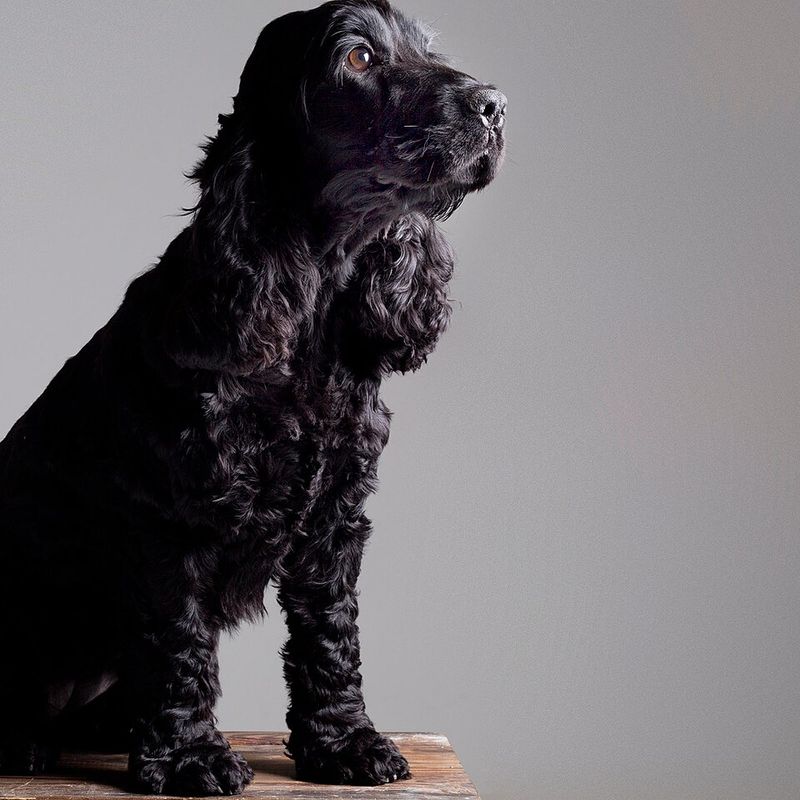
Cockers melt into their favorite person like butter on toast. That sweetness can turn clingy if comfort and grooming always come from the same hands.
Then everyone else gets polite distance while you get the full cuddle package.
Share the soft stuff. Let others brush ears, clean eyes, and deliver the good snacks.
Pair every session with calm praise to build positive associations.
Short obedience games keep their minds busy and spread the love. Practice recall round robins so responsiveness belongs to the group.
When care and play are communal, the Cocker’s adoration becomes household glue rather than a wedge.
Standard Poodle
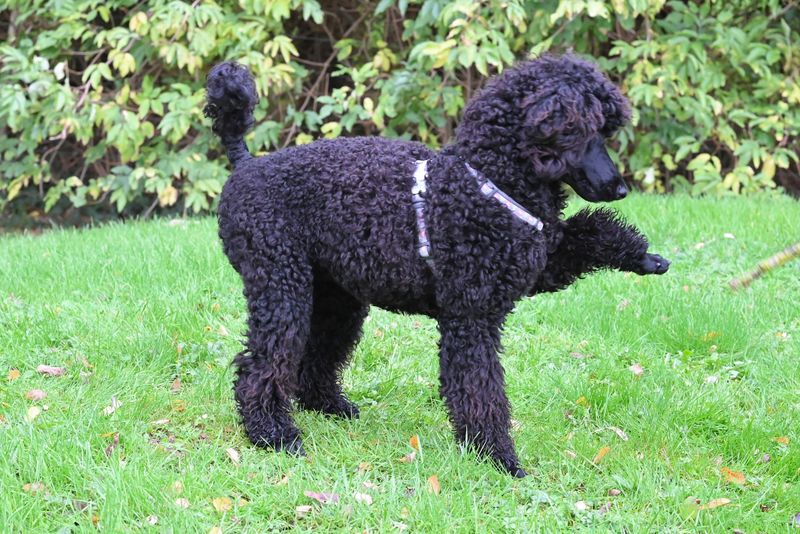
Standard Poodles read the room and select the human who makes the most sense. If your cues are clear and your timing crisp, you become their thesis.
That can leave others feeling like footnotes.
Poodles crave puzzles and polite communication. Build family equity through shared trick chains, grooming practice, and shaping games.
Everyone should deliver rewards with the same markers.
Rotate who calls recalls, who releases, and who ends sessions for a calm cuddle. Consistency across handlers convinces your Poodle that the whole team is brilliant.
Then their elegant loyalty becomes a household superpower, not a source of drama.