
Your dog sits perfectly in the kitchen but blanks you at the park, and it feels personal. You are not alone, and some breeds make this public switch even more dramatic.
Distraction, instincts, and confidence all collide the moment a leash hits real-world chaos. Let’s dig into twelve breeds that leave owners shrugging in public while looking like obedience stars at home.
Pharaoh Hound
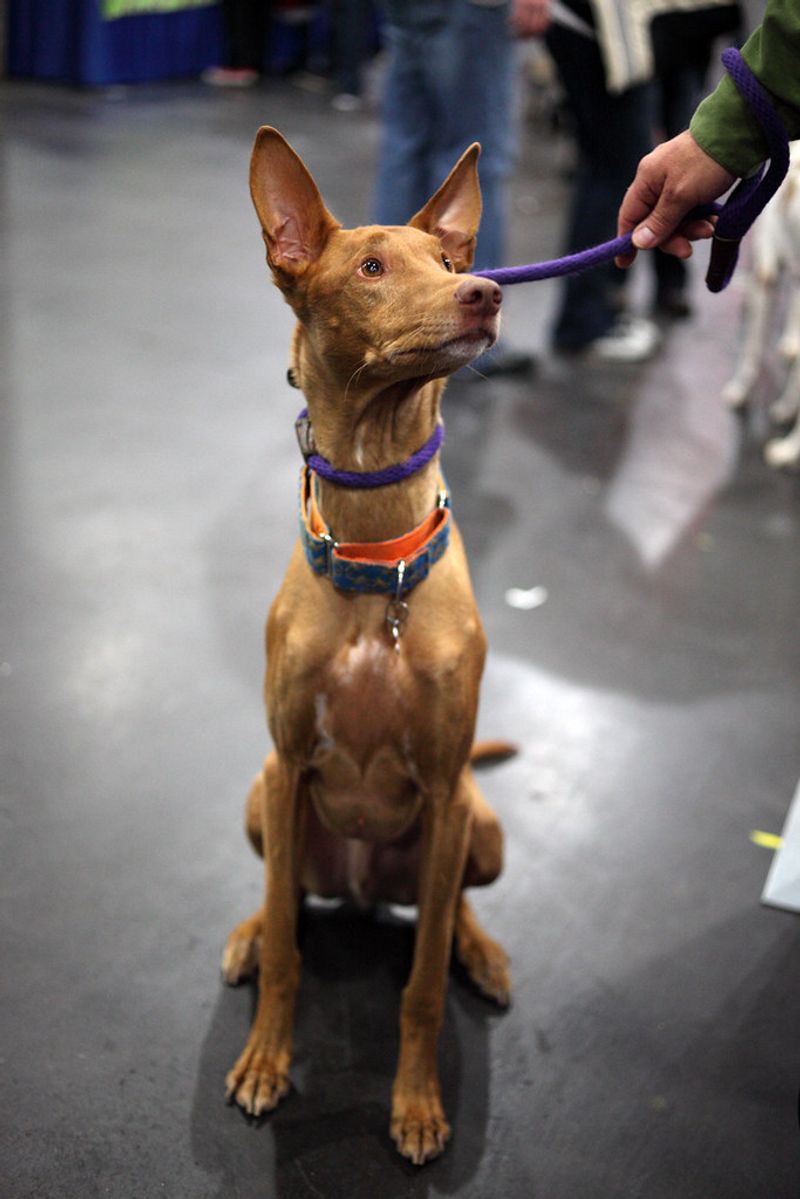
At home, the Pharaoh Hound seems effortlessly in sync, reading your gestures like a mind reader. Step outside, and ancient sighthound wiring flips on, funneling attention toward flickering movement and faraway sounds.
Your solid sit becomes optional when a pigeon lifts off or a skateboard rattles past.
It is not stubbornness so much as hyper focus on motion and novelty. Public settings flood senses that home cannot replicate.
Training thrives with distance management, tasty reinforcers, and calm decompression between reps.
Build a habit loop: cue, quick success, generous reward, then a break. Use long lines and pattern games to re-anchor attention.
Expect brilliance inside, then gradually export it outdoors using short, predictable wins.
Ibizan Hound
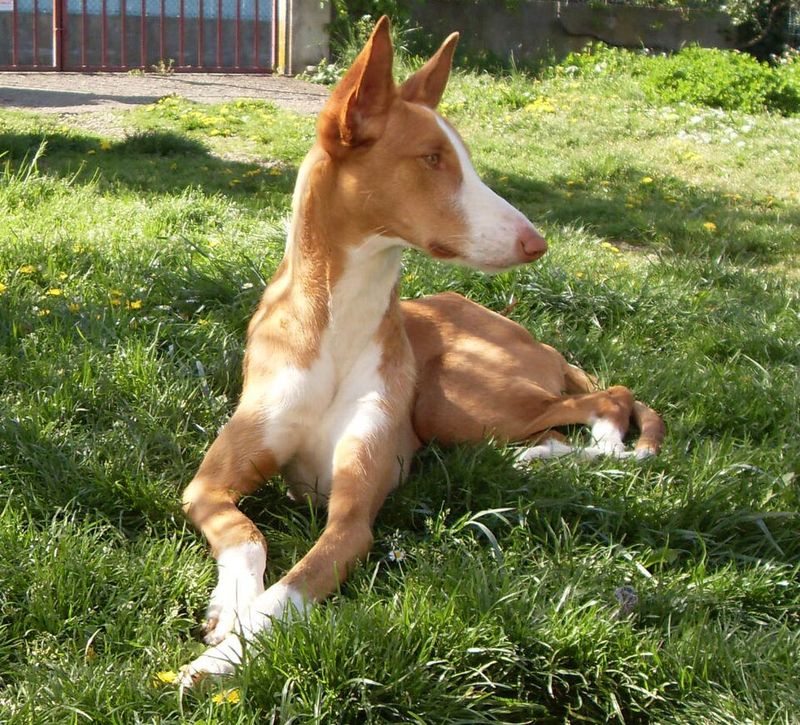
Home is easy for the Ibizan Hound because distractions are limited and routines feel safe. Outside, those radar ears map every flutter and footstep, often outranking your cue.
Sighthound curiosity plus sensitivity can make your voice fade beneath seagulls, scooters, and bouncing dogs.
Success comes from leveraging movement rewards and thoughtful setups. Mark eye contact and then let the dog move forward, turning you into the gateway to exploration.
Keep sessions short, celebrate tiny wins, and quit before the attention evaporates.
Gradually raise difficulty with wider spaces and mild motion nearby. Long lines preserve safety while confidence grows.
Consistency, not volume, matters most, so whisper-level cues at home can become reliable outside with careful layering.
Cirneco dell’Etna
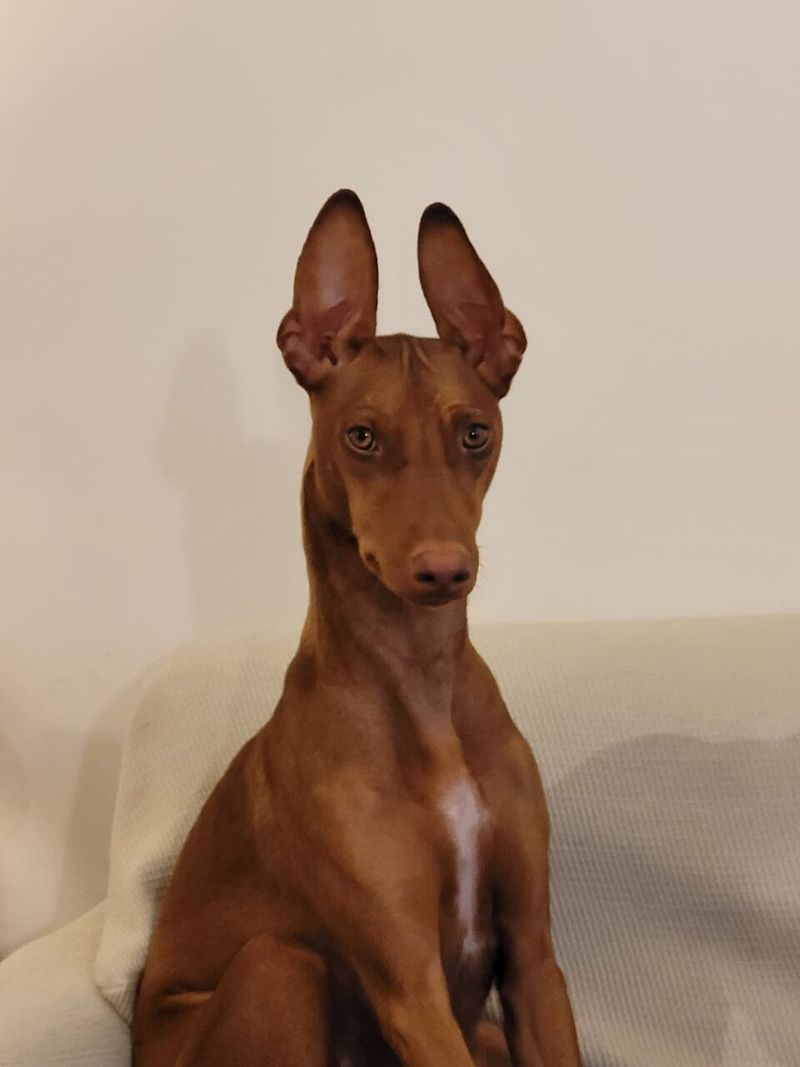
The Cirneco dell’Etna is tuned to terrain, scent, and micro-movements, so your voice must compete with entire landscapes. Indoors, this dog cruises on autopilot.
Outdoors, porous lava rocks, darting lizards, and shifting winds quickly steal focus, making sits and stays feel irrelevant.
Make your cues meaningful by pairing them with high-value paychecks. Use scatter feeding or sniff breaks as earned rewards, not only food.
Pattern heel games, quick touch targets, and turn-and-go resets rebuild rhythm amid chaos.
Train at dawn or quieter hours to limit overwhelm. Layer distractions like stepping stones, never cliffs.
With patience, your Cirneco learns that checking in with you unlocks the terrain, turning exploration into a cooperative adventure rather than a solo mission.
Basque Shepherd
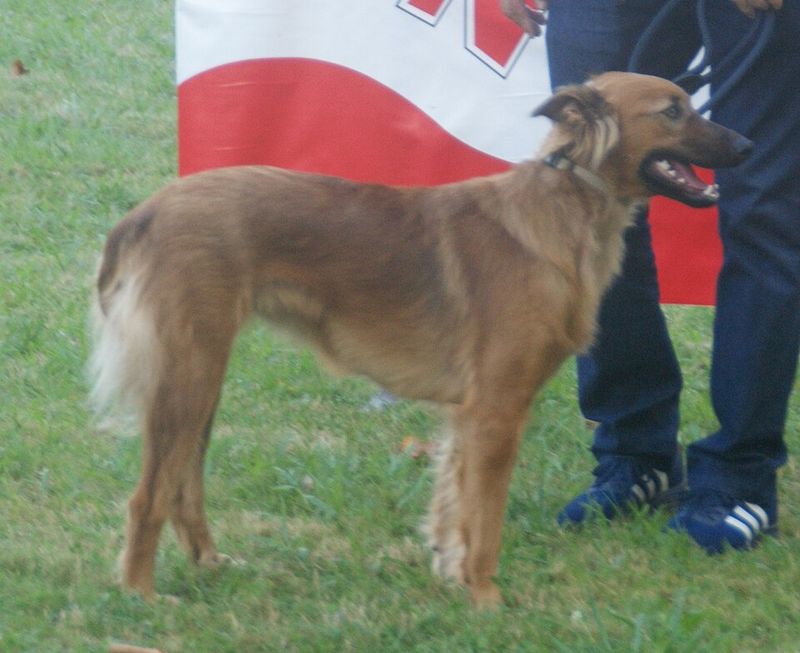
Basque Shepherds are problem solvers first, followers second. At home, patterns are predictable and cooperation pays off.
In public, the dog assesses situations independently, sometimes rating your cue below crowd noise, food smells, or shifting group dynamics.
Lean into that brain. Offer choice-based training with clear boundaries and frequent check-ins.
Reward scanning that returns to you, and practice calmly parking on a mat between short working bursts.
Herding breeds value jobs, so give structured tasks: heel to a target, circle a cone, or find the nearest curb and pause. This channels initiative without conflict.
Over time, your guidance becomes the reliable north star in busy spaces, not a nagging request easily ignored.
Pyrenean Shepherd
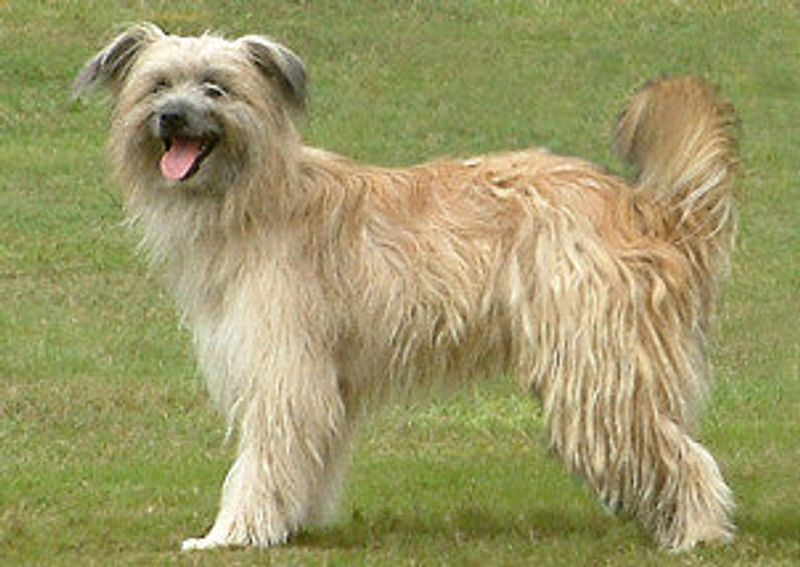
Pyrenean Shepherds run hot on energy and environmental awareness. The living room cannot reproduce street-level stimulation, so your tidy home manners unravel outside.
Quick reflexes and curiosity push them to audit everything before listening.
Channel that spark with rapid micro-exercises: two steps of heel, sit, treat, release to sniff. Rotate reinforcers so attention is not only about snacks.
A predictable engagement pattern becomes their anchor when bikes, kids, and dogs swirl around.
Use surprise jackpots when your dog chooses you over chaos. Keep criteria tiny and sessions short.
With movement-rich rewards and fair expectations, your Pyr Shep will start defaulting to check-ins, turning public spaces into manageable training gyms rather than noisy black holes.
Maremma Sheepdog
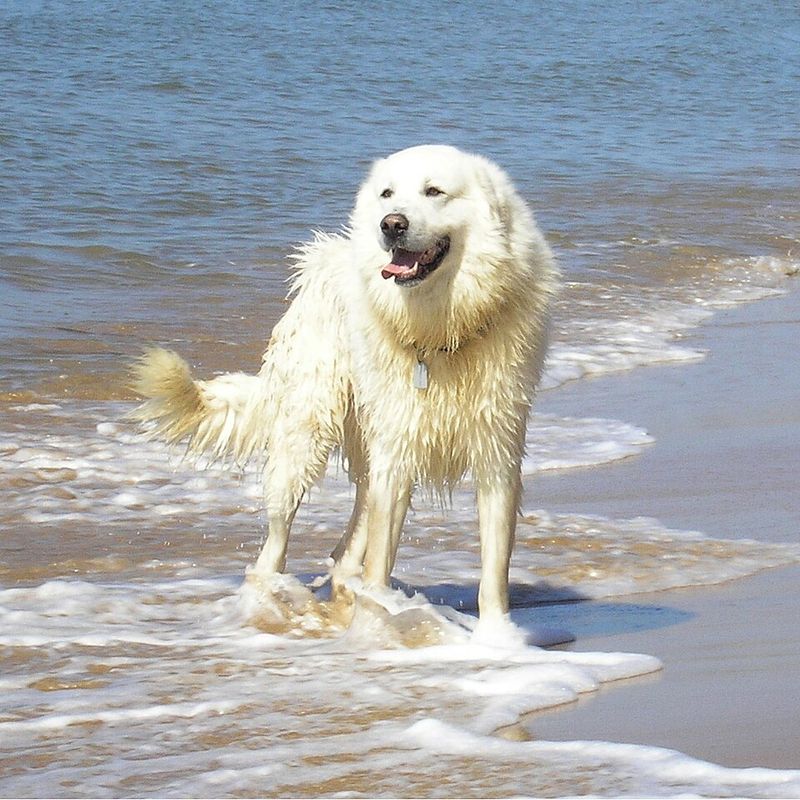
The Maremma Sheepdog is bred to make independent decisions while guarding, so public cues can feel negotiable. At home, cooperation seems fine.
Outside, guardian instincts prioritize scanning perimeters, reading strangers, and managing space.
Respect that mission. Give clear jobs like settle on a mat, stand-stay during greetings, and heel between markers.
Reward calm watchfulness and polite disengagement from passersby, not just classic obedience.
Use wider personal bubbles and gradual proximity to triggers. A long line maintains safety while confidence grows.
Reliability comes when your requests align with the dog’s protective wiring, proving that listening to you is the smartest way to keep the environment orderly and safe.
Abruzzese Sheepdog
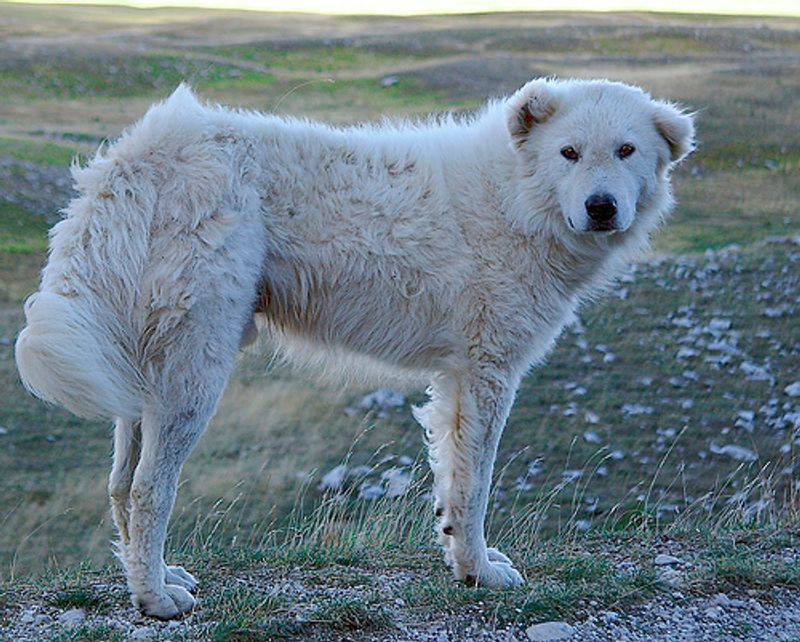
Abruzzese Sheepdogs carry a proud independent streak. Indoors, it is easier to sync up because threats feel nonexistent.
In public, they default to guardian calculus, weighing movement, approach angles, and tone before honoring cues.
Build trust with predictable patterns and fair leadership. Cue, wait, reward, release, then a short decompression sniff.
Reinforce calm stands and polite space-creating arcs around strangers, acknowledging their body language needs.
Progress happens in wide, low-conflict settings first. Keep sessions brief and end on success.
When your guidance consistently improves safety and clarity, this dog chooses your plan over self-directed patrolling, turning ignored requests into reliable routines in busier places.
Estrela Mountain Dog
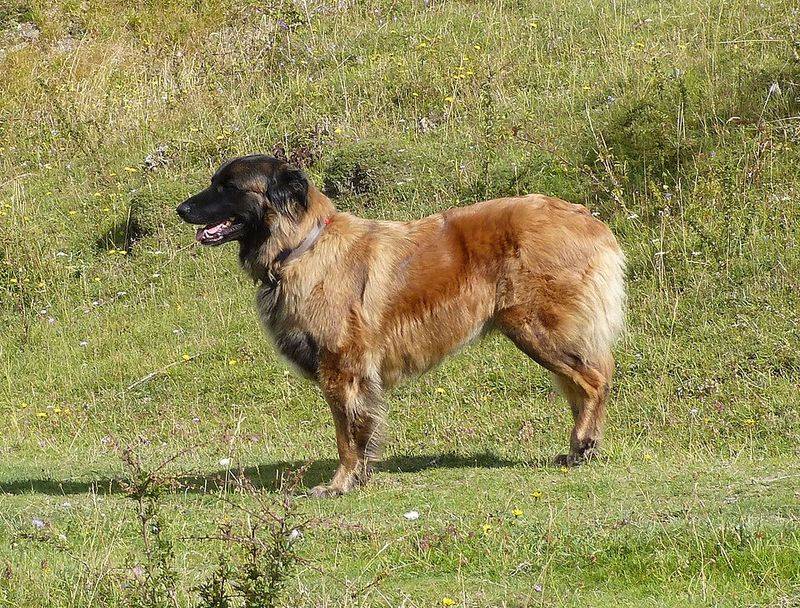
The Estrela Mountain Dog weighs context heavily. At home, context means relax and comply.
In public, the dog audits risks first, then filters your cue through that assessment, sometimes appearing uncooperative when actually prioritizing safety.
Honor that judgment while shaping responses. Teach a reliable orient-to-you cue, then pay generously for check-ins.
Use stationing on portable mats, plus relaxed downs near mild activity to normalize calm compliance.
Maintain distance from chaotic nodes and work closer over sessions. Pair cues with meaningful outcomes like space, retreat, or sniff time.
Soon, your Estrela will read you as the trusted decision-maker whose requests simplify the world, even around strollers, dogs, and food carts.
Cao Fila de Sao Miguel
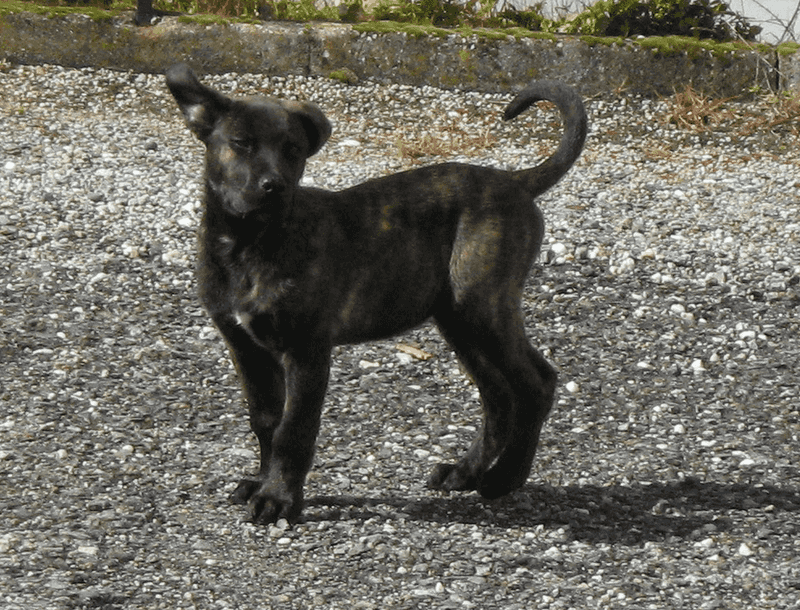
This Azorean cattle dog is sharp, territorial, and decisive. At home, structure keeps everything tidy.
In public, motion plus unfamiliar dogs tempts pushy choices and selective hearing, especially if pressure builds near entrances or narrow paths.
Clarity brings success. Use clean on-off cues, reinforce neutral passes, and practice step-behind resets to deflate tension.
Reward with permission to move forward, not only food, so progress feels purposeful.
Short exposures beat marathons. Work arcs around triggers, mark disengagement, and give frequent decompression breaks.
With repetition, the dog learns that your guidance reduces social friction, turning public outings from standoffs into confident, well-orchestrated walks.
Canaan Dog
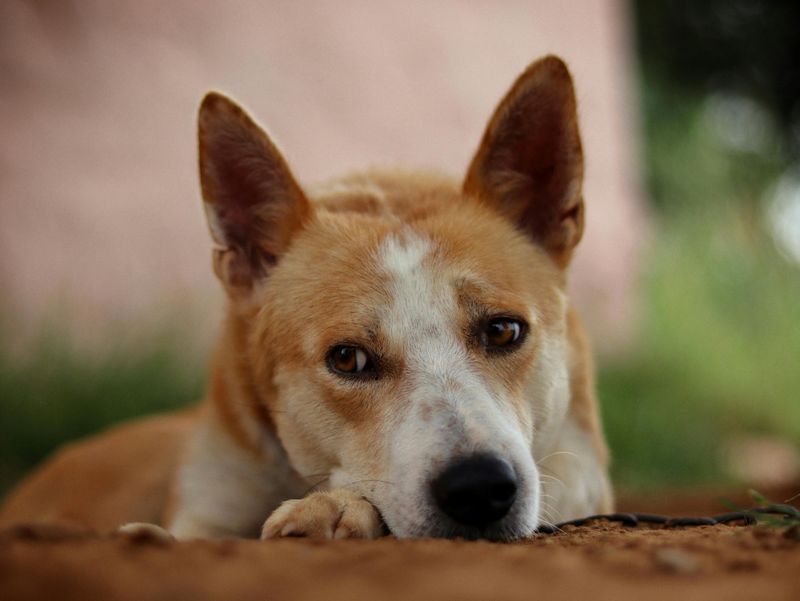
Canaan Dogs are vigilant and sensitive to environmental shifts. At home, they relax and comply.
In public, they clock everything, often filing your cue until the scene makes sense.
Build confidence with predictable routines and controlled exposures. Reinforce voluntary check-ins, scent breaks on cue, and calm observation from a comfortable distance.
Your job is to be the reliable narrator that turns uncertainty into clarity.
Use hand targets, mat stations, and choice points where the dog earns movement by orienting to you. Short, positive sessions prevent overwhelm.
Over time, public places stop feeling like puzzles and start feeling like guided tours where your requests consistently pay off.
Carolina Dog
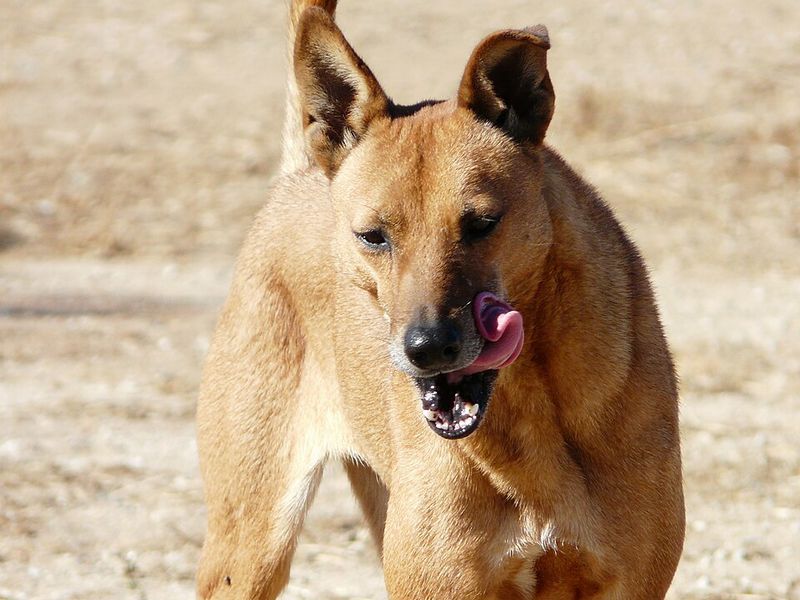
The Carolina Dog brings a self-reliant, feral edge that glows at home yet complicates public obedience. Novelty, wildlife scent, and sudden movement compete with your voice.
They prefer evaluating first, responding second.
Trade friction for partnership. Use games that reward orientation, like find-your-hand, hop-on-mat, and turn-with-me.
Pay with food, sniff time, and forward motion, shaping a feedback loop where you unlock the environment.
Keep distances generous and sessions short. Successive approximations beat heroic leaps.
Over weeks, you will see faster check-ins, calmer walking, and reliable sits even when trailheads buzz with activity, solving that viral mystery without power struggles.