
Every time a sudden-bite story hits a forum, the same debate erupts and tensions flare. Are these dogs truly unpredictable, or are we missing subtle signals and context?
You deserve a level-headed breakdown that respects both lived experiences and canine behavior science. Let’s unpack the breeds most often named in shock threads and talk honestly about risk, responsibility, and what prevention really looks like.
Akita
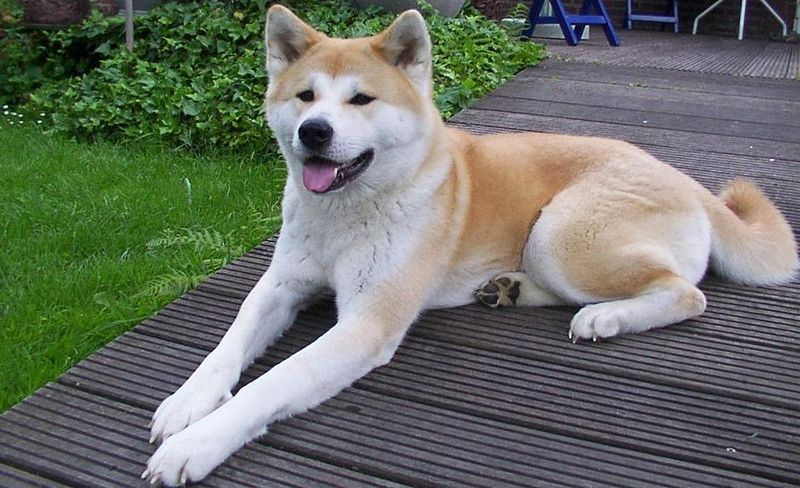
Akitas show incredible loyalty, but that devotion can come with guardy instincts. Many sudden-bite claims trace back to resource guarding, pain, or subtle stiffening you might miss.
Look for tight mouth corners, stillness, and averted gaze.
Early socialization and consent-based handling help, along with teaching a reliable out cue. You want predictable routines, decompression time, and careful management around visiting kids.
Respect thresholds for touch and space.
Use a basket muzzle for vet visits and busy places until training sticks. Reinforce calm when strangers enter, and give clear escape routes.
If you meet their needs for structure, enrichment, and bonding, you can keep that calm nobility shining and reduce risk considerably.
Shar Pei
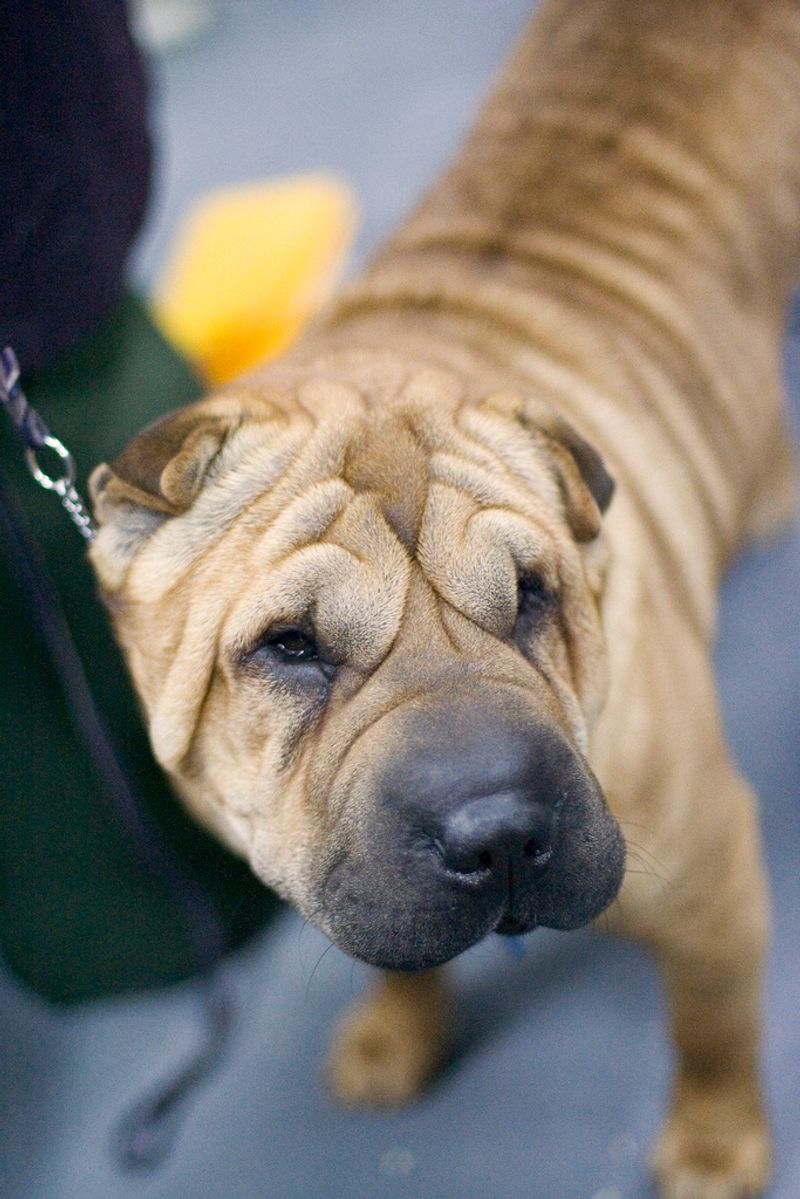
Shar Pei discomfort often hides under those famous wrinkles. Skin and ear issues can make touch feel prickly, causing snap-like reactions when pain spikes.
Watch for head turns, eyebrow tension, or licking lips when you reach.
Regular vet checks, allergy management, and gentle grooming are huge. Pair handling with treats so touch predicts good outcomes.
Teach cooperative care behaviors like chin rest and step-on platform for exams.
These dogs appreciate quiet predictability and respectful introductions. Avoid crowding and rough play from unfamiliar kids.
With body language literacy, you will likely catch stress long before teeth. The myth of no warning usually melts away once you tune into their subtle, wrinkle-hidden signals.
Thai Ridgeback
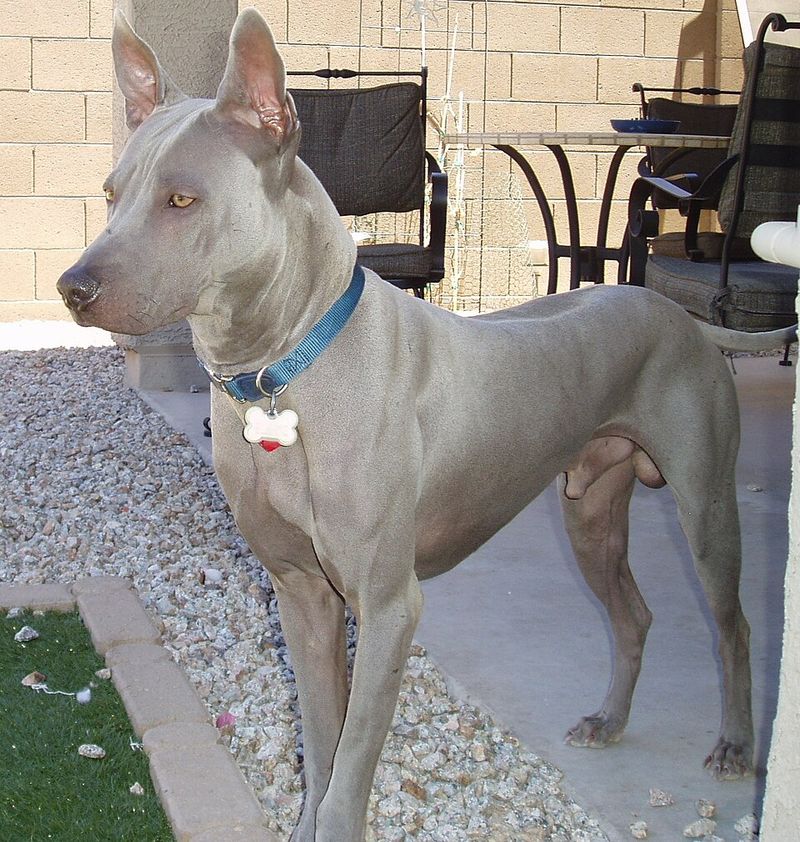
Thai Ridgebacks are independent hunters with keen prey drive and strong startle responses. In online shock threads, bites often follow sudden grabs, gate escapes, or resource conflicts.
Observe weight shifts, tail carriage lowering, and freezing near prized objects.
Channel energy through scent work, flirt pole games with rules, and long-line exploration. Teach pattern games to smooth reactivity around strangers.
Management matters: secure fencing, double leashing near wildlife, and door protocols.
Let guests ignore the dog initially and allow self-chosen contact. You create predictability by rewarding check-ins and calm turn-aways.
With proactive enrichment and consent-based handling, their confidence grows and the narrative changes from scary surprise to understandable communication.
Fila Brasileiro
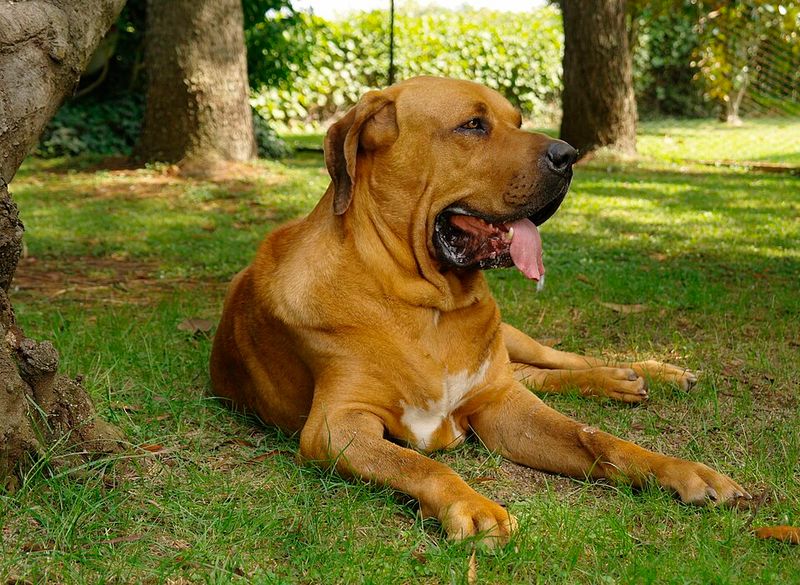
The Fila’s famed ojeriza means deep suspicion of strangers. People call bites sudden when greetings get pushed despite clear warnings.
Look for hard eye, weight forward, and tail held still like a flag.
With guardian breeds, management is non-negotiable. Use barriers, place training, and pre-planned visitor choreography.
Muzzle conditioning protects everyone, including the dog, during necessary public outings.
Filas thrive when work feels purposeful and choice-rich. Respect the breed’s history and avoid public petting expectations.
You can love your dog and still set strict boundaries. When humans read the room and the dog’s body language, the so-called no-warning moments almost always reveal early, missed signals.
Tosa Inu
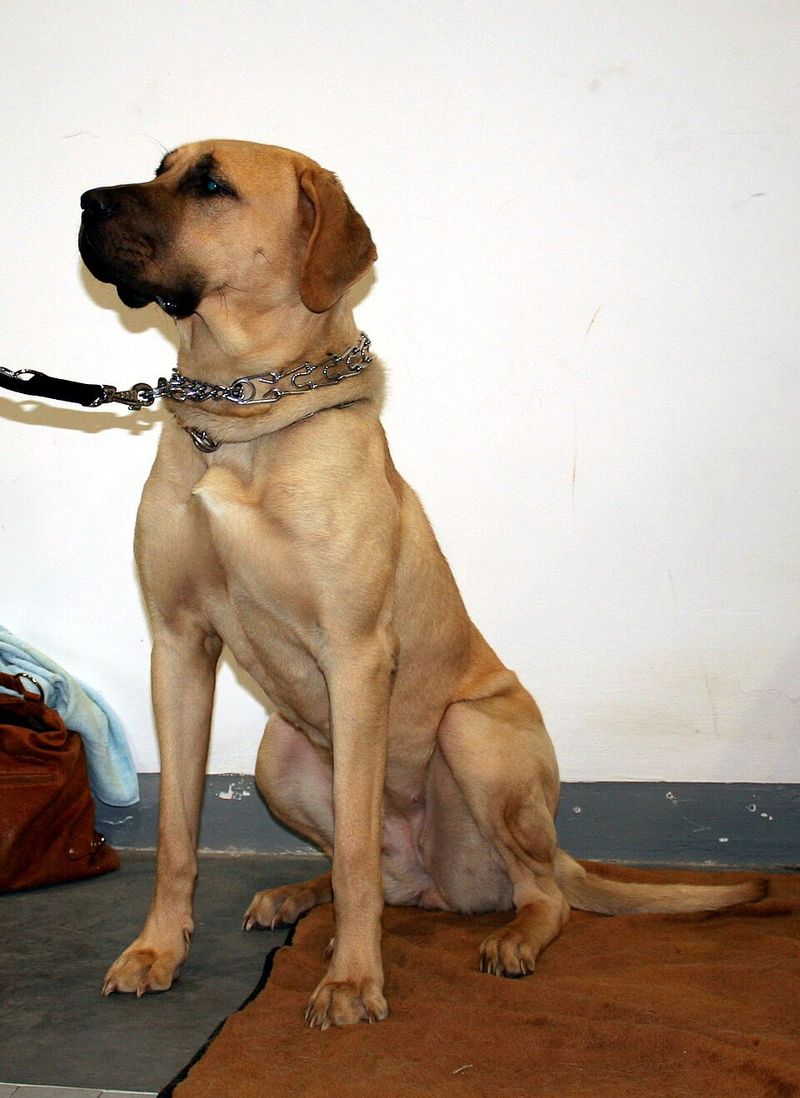
Tosas carry quiet intensity. Sudden-bite stories usually involve pressure stacking: doorbells, crowding, and firm restraint in quick succession.
You will notice subtle freezing, slow breathing, and a set jaw before escalation.
Build resilience with decompression walks and neutral exposures. Teach off-switch games and enforce rest after arousal spikes.
Clear rules around greetings help: handler between dog and visitors, settle on a mat, release by cue.
Muzzle training and body-handling consent are kind, not accusatory. Advocate for space in vet lobbies and elevators.
When thresholds are respected, the Tosa’s steadiness shines through. Predictability plus compassionate management turns that scary reputation into a story of trust and control.
Dogo Argentino
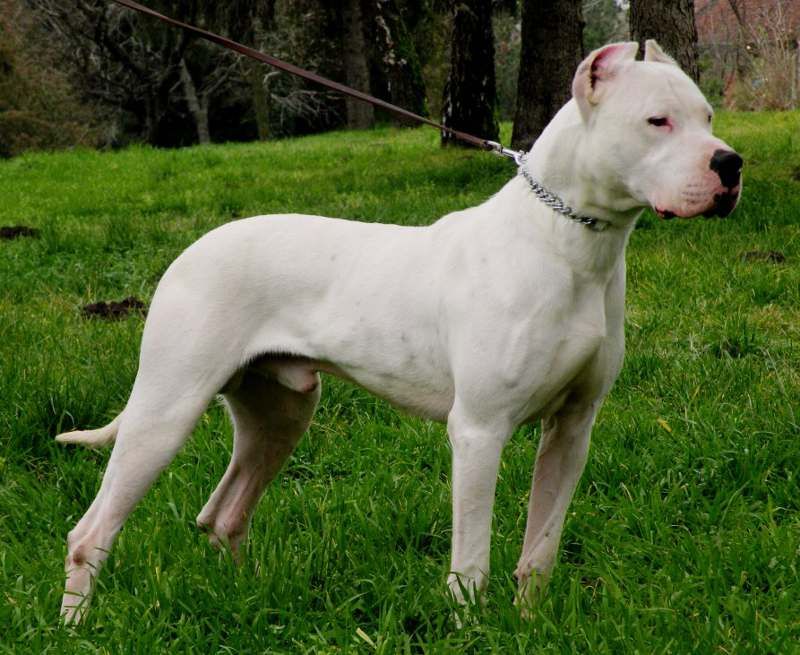
Dogo Argentinos are athletic, drivey, and intensely enthusiastic. Many surprise-bite tales follow rough play, high arousal, or prey triggers.
Notice pupils dilating, closed mouth after panting, and a sudden stillness before lunging.
Redirect that drive into tug with rules, obedience under motion, and tracking games. Install strong recalls and drop cues, reinforcing generously.
Keep introductions structured, with movement breaks and escape options.
Condition to a basket muzzle for crowded events or vet handling. Provide daily outlets: sprinting, scent puzzles, and chew sessions.
With thoughtful training and guardrails, excitement stops snowballing into conflict. You will see a confident companion who communicates clearly, not a dog who bites out of the blue.
Boerboel
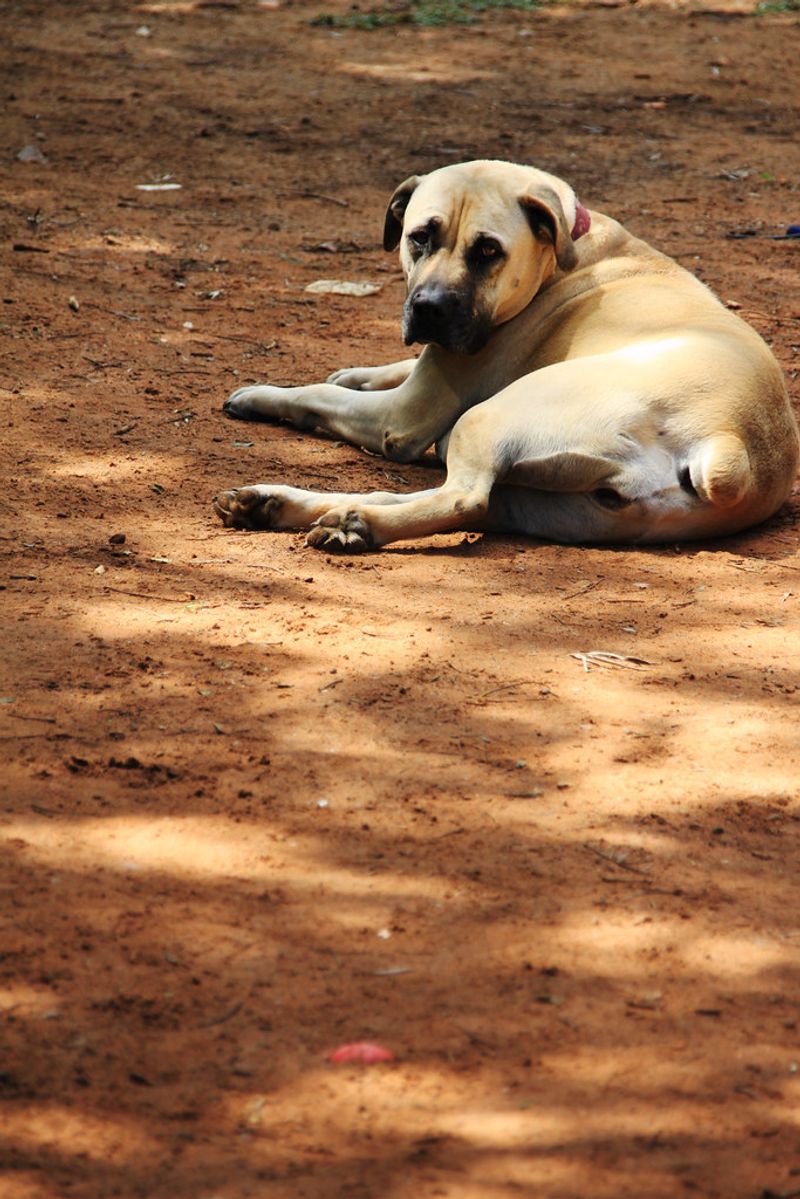
Boerboels are serious estate guardians with deep attachment to family. Sudden-bite narratives typically start with boundary testing by unfamiliar adults.
You might catch stillness, head slightly forward, and tight tail base before a warning snap.
House rules should feel consistent and fair. Place training, visitor protocols, and calm reinforcement build confidence.
Reward voluntary disengagement when the dog chooses to relax.
Prioritize health screens for hips, elbows, and pain that can shorten patience. Muzzle conditioning provides a safety net during high-stakes scenarios.
With realistic expectations and steady leadership, they remain biddable and affectionate at home while reducing risk around strangers. Communication replaces surprise when you learn their early tells.
Cane Corso
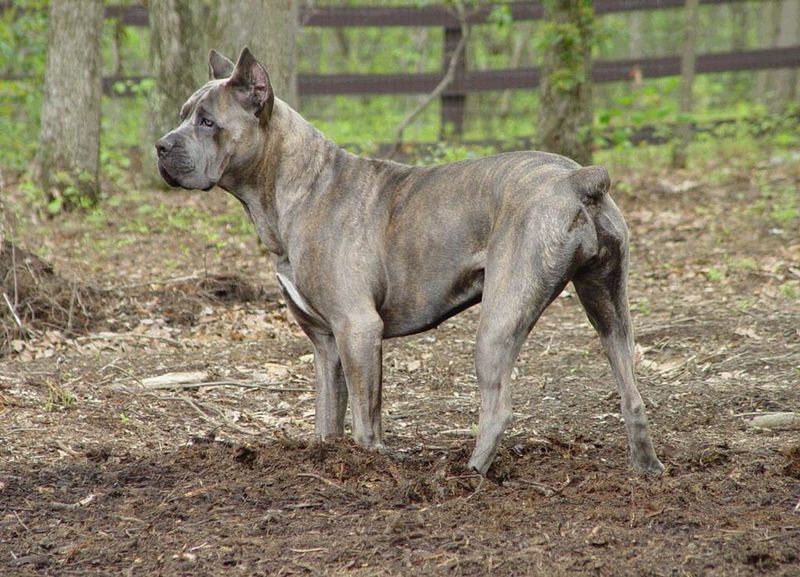
Corso debates light up social threads because they look so stoic. Many claim no warning, yet stiff posture, whale eye, and slow head turn often precede the snap.
Novice handlers miss these quiet cues under pressure.
Teach impulse control through stationing on a bed and release cues. Socialize thoughtfully with neutral exposures, not forced petting.
Reinforce calm scanning rather than hard staring at strangers.
Fitness, enrichment, and predictable routines lower baseline stress. Use a basket muzzle and leash handling skills in busy zones.
When you respect their need for clarity and space, you will likely find a stable, thoughtful guardian rather than a mystery biter.
Ca de Bou
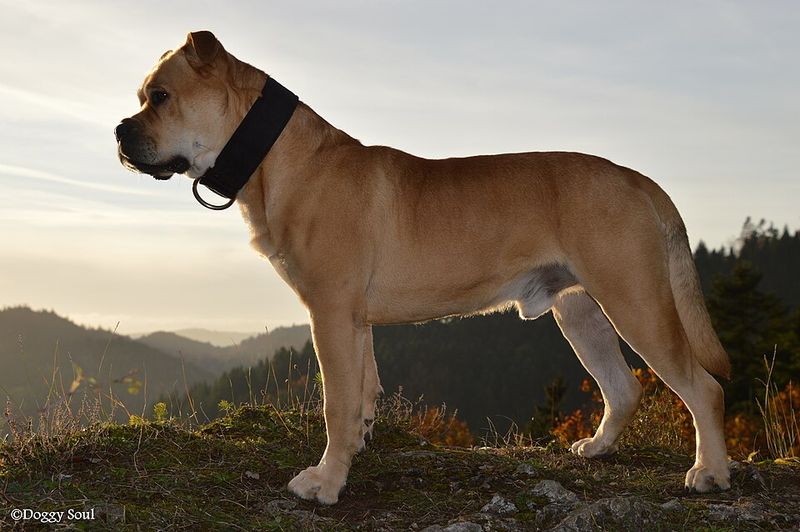
The Ca de Bou is a calm but stubborn molosser with strong guarding instincts. Reports of surprise bites often trace to tight spaces, resources, or rough greetings.
Watch for still ears, tucked whisker bed, and a closed, hard mouth before escalation.
Proactive strategies help: cooperative care, mat training, and visitor scripts. Reward disengagement and sniff breaks during walks.
Keep play structured with start-stop cues and clear exits.
Vet checks for orthopedic discomfort can prevent irritability. Muzzle training is practical insurance, not a verdict.
With respectful handling and mental work like scent games, you will see a steady, affectionate partner whose signals become obvious, not invisible.
Alano Español
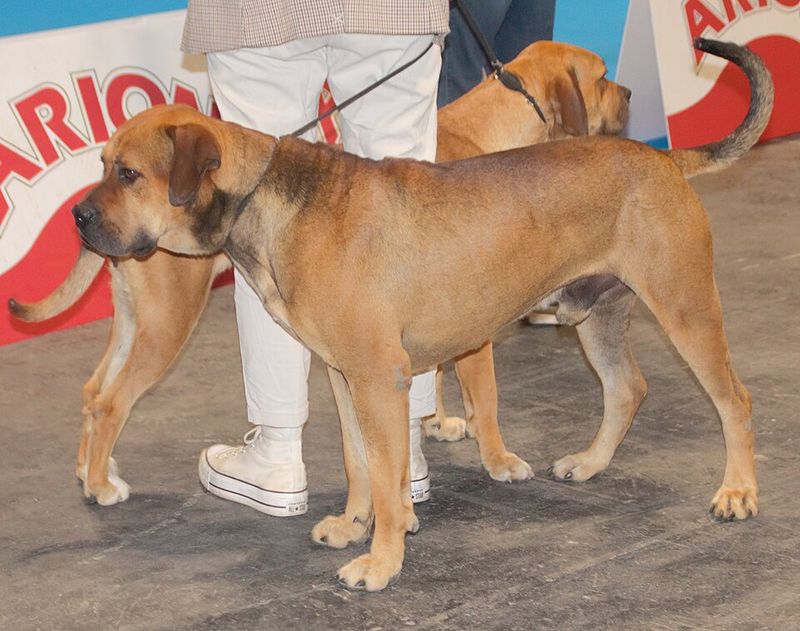
Alano Español dogs are rustic workers built for drive and grit. Surprise-bite claims usually follow restraint during high arousal or interrupting intense focus.
Look for body hardening, tail going still, and a closed mouth after panting.
Give controlled outlets like canicross, scent trails, and tug with rules. Teach a strong leave-it and reward orienting back to you.
Manage transitions from high excitement to calm with patterned decompression.
Guests should avoid sudden reaching. Advocate for your dog in crowds and prepare with muzzle conditioning.
When needs for movement and clarity are met, communication becomes readable, and the myth of unpredictability loses steam.
Cimarrón Uruguayo
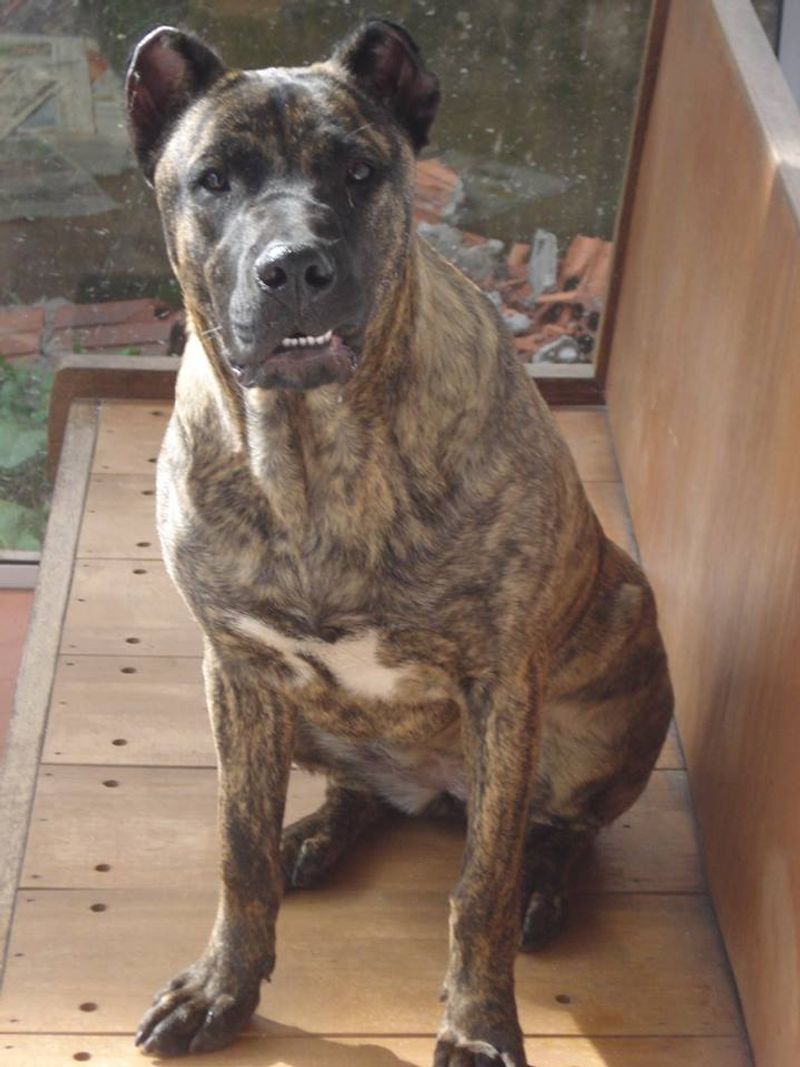
The Cimarrón Uruguayo is a resilient farm guardian with territorial tendencies. Sudden-bite posts often follow boundary intrusions or fast, direct approaches.
You will see freezing, fixed stare, and vertical tail set if you know to look.
Clarity is kindness here. Fence lines, visitor gates, and stationing turn chaos into routine.
Reinforce calm scanning and voluntary retreats, not forced greetings.
Mental work matters: track-laying, scent boxes, and problem-solving games. Health screening for joint pain protects tolerance.
With proactive structure and respectful space, your Cimarrón communicates long before teeth, and you will feel more in control than the internet drama suggests.
American Bulldog
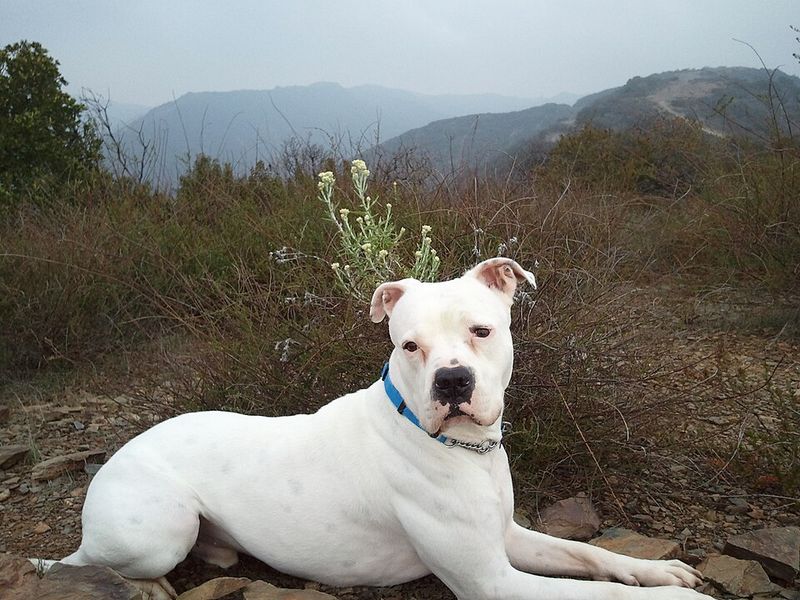
American Bulldogs can be goofy athletes with serious power. Sudden-bite stories often start as over-aroused play, redirected frustration at fences, or guarding toys.
Before escalation, watch for stillness after zoomies, tight lips, and sharp head turns.
Install off-switch games, tug with rules, and rock-solid drop cues. Reward calm sits to greet and teach barrier manners.
Provide chew outlets and sniffy walks to drain energy constructively.
Muzzle conditioning and double-leash setups help in transitional phases. Health checks for skin or orthopedic pain reduce irritability.
With steady routines and clear communication, you will see a fun, people-loving companion whose signals stand out long before any bite risk.