
You keep hearing the seizure stories, and it is impossible to shrug them off. Isoxazoline flea and tick pills are convenient, but many owners are asking hard questions after scary episodes.
This guide gathers the dog breeds you say show up most in threads, so you can weigh options and talk with your vet confidently. Let’s walk through what fellow owners report, with a calm, practical lens.
Border Collie

Border Collies are brilliant, sensitive dogs, and many owners feel every small change quickly. In isoxazoline threads, you often mention restlessness, odd pacing, or brief tremors after dosing, sometimes followed by a scary seizure.
It does not happen to every dog, yet the frequency of anecdotes makes you second guess routine preventatives.
Because Border Collies work hard and train intensely, even minor neurologic blips feel huge. You watch pupils, appetite, and sleep like a hawk for days.
Many owners discuss splitting doses only with veterinary approval, exploring collars or topicals, and logging any symptoms meticulously.
Before switching, you bring videos to your vet and ask about risk factors. Genetics, prior reactions, and seizure history matter.
You want protection without gambling your partner’s focus and safety.
Australian Shepherd
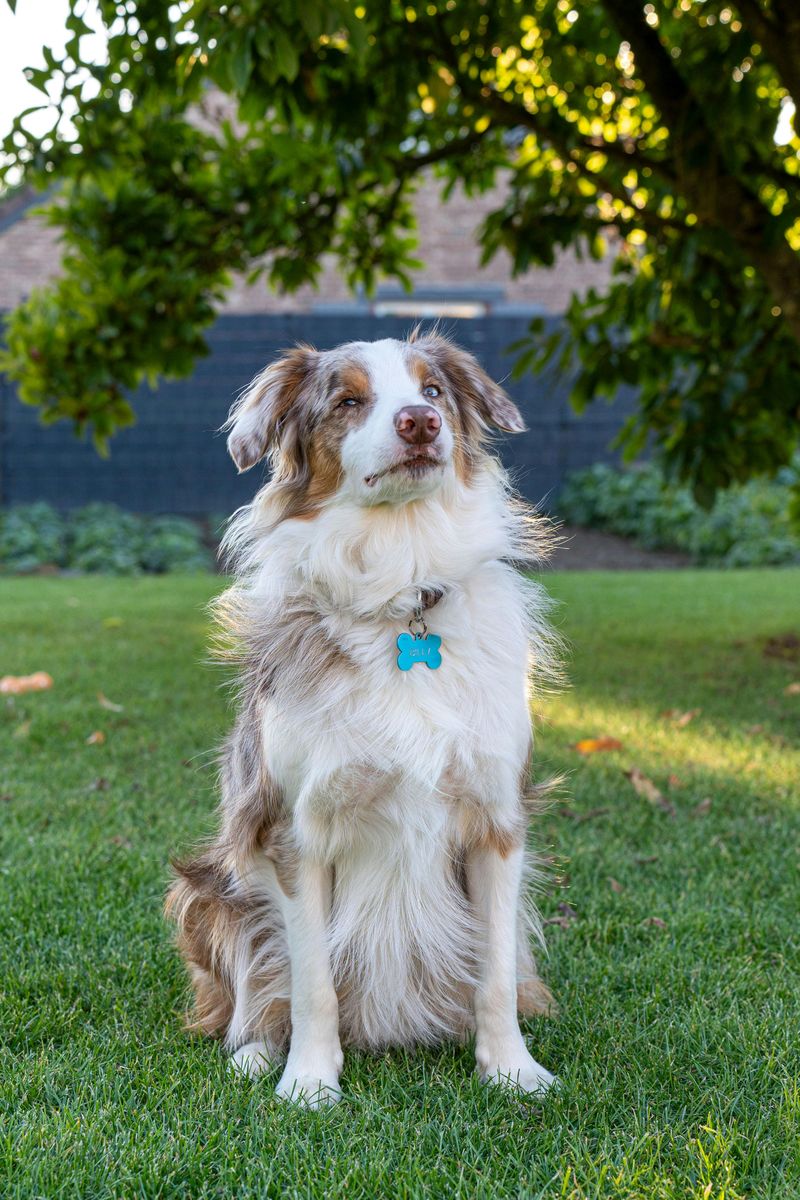
Australian Shepherd owners frequently describe hypervigilant, energetic dogs who react strongly to small discomforts. In online discussions, you see reports of twitching, lip licking, spaced out stares, or sudden nervousness after isoxazoline pills.
A minority escalate to seizures, which leaves you shaken and hesitant to redose.
Because Aussies can carry MDR1 mutations, many people worry about medication sensitivities overall. You often ask your vet for genetic testing, detailed risk assessments, and alternative preventatives.
Some note improvement when switching to topicals, though not universally.
Monitoring helps: keep a symptom journal, set phone alerts, and film anything unusual. If a seizure occurs, you want an emergency plan and clear guidance.
Your goal is balanced parasite control without sacrificing your dog’s bright, driven spirit.
Shetland Sheepdog
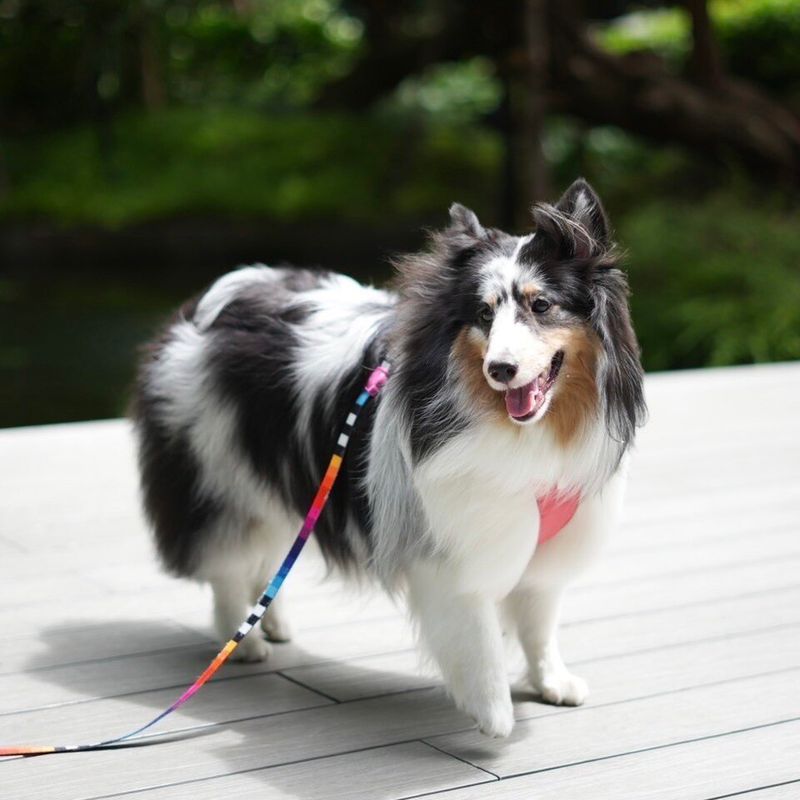
Shetland Sheepdogs appear often in seizure threads, especially from owners who describe sudden shakiness or glassy eyed looks post dose. You read accounts of brief collapses, muscle clenching, or restless nights following isoxazoline preventatives.
Not every Sheltie reacts, but the pattern makes you cautious.
Because Shelties can be sensitive and tightly bonded, you notice subtle behavior shifts quickly. Many owners discuss pre medication checkups, baseline videos, and strict timing so patterns are clear.
Some advocate trying alternative products after vet consultation.
Supportive care matters: quiet spaces, hydration, and careful temperature control during any episode. If your Sheltie has past neurologic issues, you push for individualized plans.
You want reliable tick defense while protecting that gentle, expressive temperament.
German Shepherd Dog
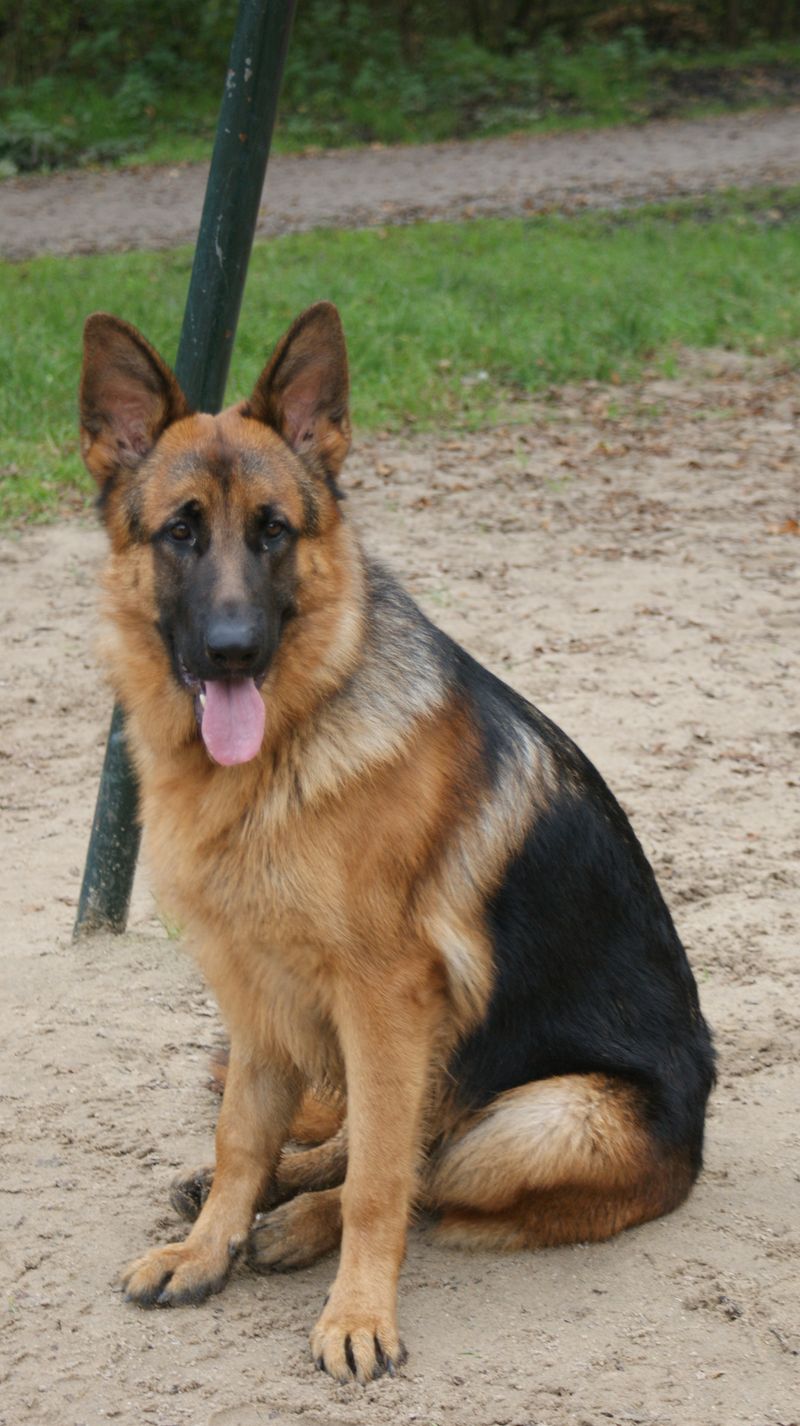
German Shepherd owners often mention odd neuro signs in threads: fly biting, sudden fearfulness, or hind end wobble after dosing. A subset reports seizures that prompted emergency visits.
Because GSDs are prone to anxiety and orthopedic issues, differentiating causes can be tough, which leads to detailed logs and vet collaboration.
Many of you space preventatives carefully, avoid stacking vaccines and meds the same week, and request neurologic exams if anything seems off. Some transition to alternative preventatives when risk seems high.
Others tolerate the product fine, underscoring how individual these responses are.
Clear communication helps: share timelines, video clips, and prior drug reactions. Your priority is dependable tick protection, especially in heavy Lyme regions, without risking your dog’s steadiness and drive.
Labrador Retriever

Labrador owners regularly join these discussions because Labs are everywhere and take preventatives routinely. You hear about post dose lethargy, panting, or brief disorientation, and occasionally full seizures.
Many families balance the risk against heavy tick exposure from hiking, hunting, or lakeside living.
Your strategy often includes giving doses with food, observing for 24 to 72 hours, and avoiding new training stress during that window. If red flags appear, you call your vet immediately.
Some Labs do best on non isoxazoline options, while others tolerate pills without issue.
Data tracking matters: note dose brand, lot number, time, and behavior changes. With your vet, you weigh heartworm combos, topical rotations, or collars.
The goal is safety plus simple routines your busy household can manage.
Golden Retriever
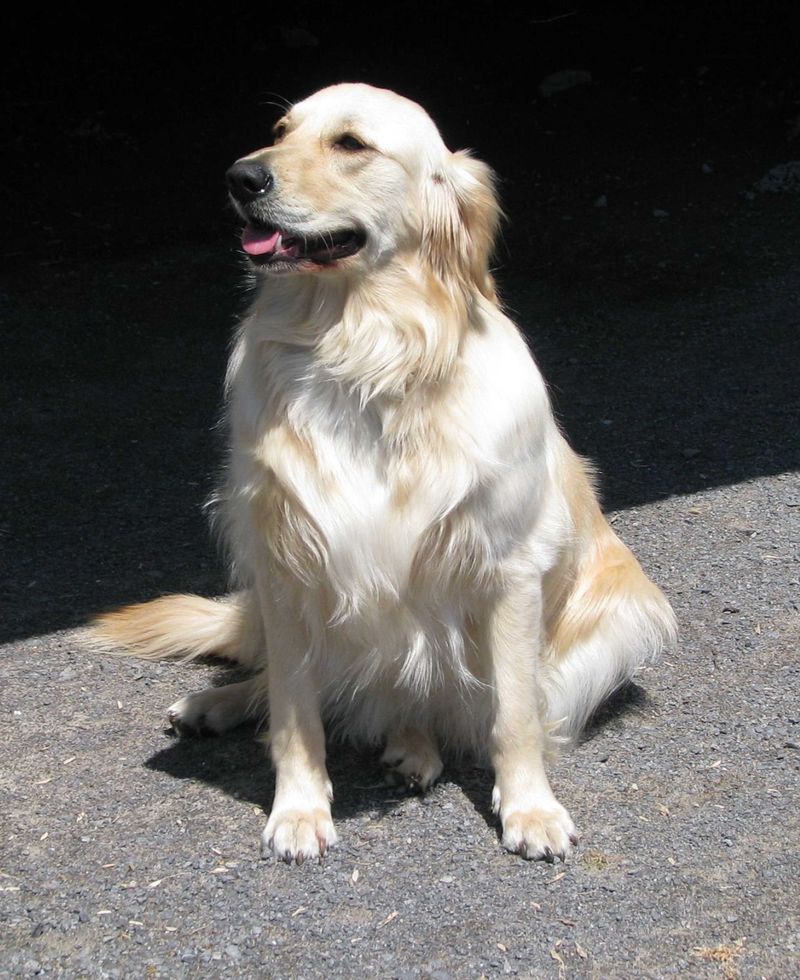
Golden Retrievers are affectionate and sensitive, and many owners say they notice subtle changes right away. Threads mention head shaking, drooling, or a vacant stare after isoxazoline pills, with a smaller number escalating to seizures.
The emotional toll is heavy because Goldens are family shadows.
Owners often coordinate with vets to time doses when someone can supervise, keep rescue meds on hand if prescribed, and consider alternate preventatives after any concerning episode. Some discuss thyroid checks or other lab work to rule out compounding issues.
Others never see problems at all.
Preparedness helps: quiet space, soft bedding, and dim lights during recovery. You prioritize gentle routines and clear communication.
Preventing ticks matters, but not at the expense of that reliably sunny temperament.
Boxer

Boxers have spirited personalities, and you notice when something feels off. In isoxazoline discussions, reports include muscle twitches, sudden anxiety, or collapsing episodes interpreted as seizures.
Because Boxers already face breed specific health concerns, owners tend to scrutinize new meds closely.
You often coordinate multiple steps: vet exam first, carefully timed dosing, and avoiding heavy exercise that day. Some owners trial alternative preventatives after any neurologic event, prioritizing stability over convenience.
Others report zero issues, highlighting individual variability.
Keeping records helps pattern recognition. You jot down diet, timing, and any gastrointestinal upset that might confound things.
Your goal is strong tick defense for active dogs without triggering episodes that could frighten kids or disrupt everyday family life.
Chihuahua
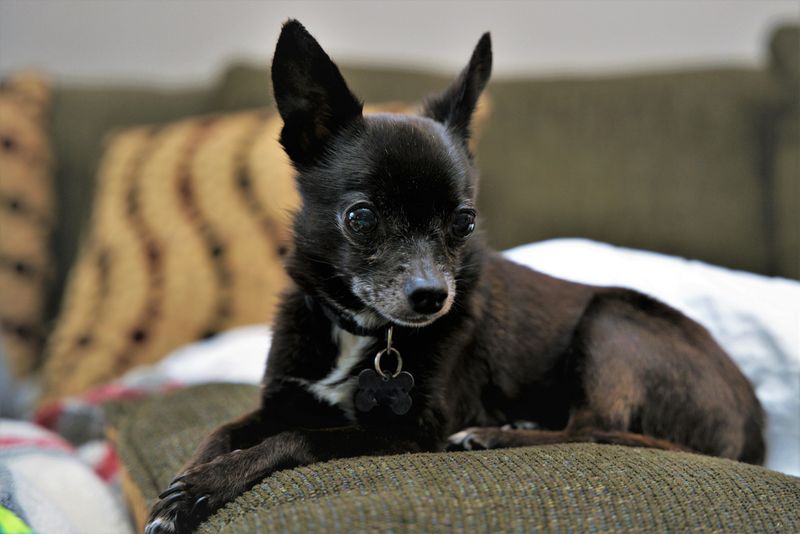
Chihuahuas show up in threads where small body size magnifies any reaction. You read about trembling, hypersensitivity to touch, or sudden yelps post dose, and fewer but alarming seizure accounts.
Because these dogs are often seniors or have dental issues, owners weigh risks cautiously.
Many of you ask vets about exact dosing by weight, spacing other medications, and trying topicals if pills cause trouble. Observation is easier with tiny dogs, yet anxiety can mimic neuro signs, so video evidence helps your vet.
Hydration and warmth are common comfort measures.
When it goes smoothly, you appreciate month long protection. When it does not, you want quick adjustments and reassurance.
Your mission is safety that respects delicate systems and big personalities.
Dachshund

Dachshund owners often report quirky behaviors after medications, so threads catch your eye. With isoxazoline products, some note trembling, back arching, or stiff walking that raises fears of spinal flares versus neurologic effects.
Seizure stories, while not universal, are upsetting enough to prompt reevaluation.
Because doxies risk intervertebral disc disease, any wobble sparks alarm. You document carefully, consult your vet about differentiating pain from seizures, and sometimes pivot to alternatives.
Giving doses on quiet days and restricting jumping are common strategies.
Communication helps: share videos, timeline charts, and prior drug histories. If an episode occurs, you want a stepwise plan and recovery guidance.
Ultimately, you seek tick control that keeps adventures fun without jeopardizing that long backed, fearless charm.
Beagle
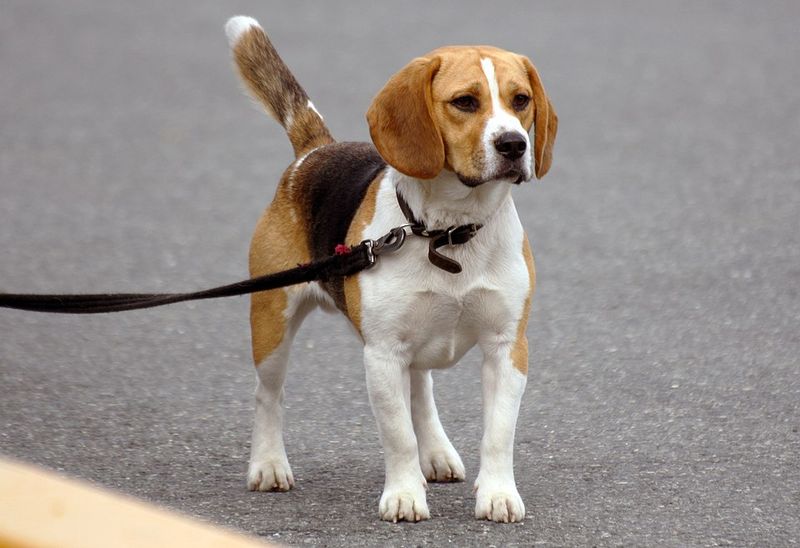
Beagles love the outdoors, so tick prevention feels non negotiable. In isoxazoline conversations, you read about post dose lethargy, head tilts, or confusion, and a smaller share of seizure events.
Because Beagles follow their noses, any disorientation scares you around roads and trails.
Owners often plan rest days after dosing, pair with food, and avoid doubling up on other new meds. If something seems off, you contact your vet early and consider switching products for safety.
Some dogs handle pills perfectly, reinforcing that responses are individual.
Tracking matters: route details, exposure risk, and symptom timing. You want dependable tick coverage that protects hunting and hiking routines.
The aim is confidence on every sniff filled adventure without neurologic surprises.
Cavalier King Charles Spaniel
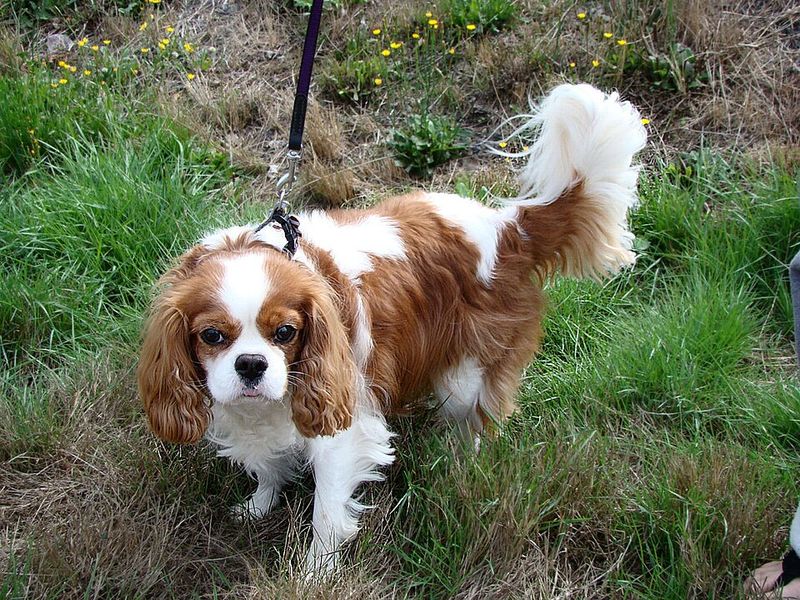
Cavalier owners already juggle heart concerns, so neurologic chatter draws immediate attention. In these threads, you find accounts of dazed expressions, trembling, or coordination changes after isoxazoline pills, with occasional seizures.
Because cavaliers are tender souls, any episode feels devastating.
Many of you coordinate cardiology input, check for drug interactions, and request the lowest effective options. You often give doses when you can supervise closely and maintain calm surroundings.
If problems arise, topicals or collars become alternatives after vet guidance.
Documentation is your ally: videos, symptom scales, and exact times. You want robust tick defense without overburdening hearts or brains.
The goal is gentle, predictable care that preserves your cavalier’s affectionate, velvety presence.
Shih Tzu

Shih Tzu owners frequently report sensitivity to new medications, so isoxazoline stories hit hard. You read about shakiness, clinginess, or odd eye movements shortly after dosing, and less commonly, seizures requiring emergency care.
Because grooming appointments and travel are routine, timing doses thoughtfully matters.
Many choose quiet days, monitor closely, and call vets at the first hint of neurologic change. Some dogs do fine long term, while others switch to different preventatives after one concerning episode.
Pairing with food and hydration helps comfort.
Keep a health diary: brand, batch, weight, and reaction notes. Share videos to clarify symptoms that can mimic anxiety.
Your goal is steady, gentle protection that keeps this cheerful companion comfortable and stylish year round.