
You keep hearing the same story in pet groups: claims denied, premiums climbing, and certain breeds flagged from the first quote. It feels personal when a loving, gentle giant gets labeled high risk based on statistics you never see.
Before you apply or renew, it helps to know which breeds spark the most pushback and why. Use these insights to ask smarter questions, compare policies, and avoid pricey surprises.
Great Dane
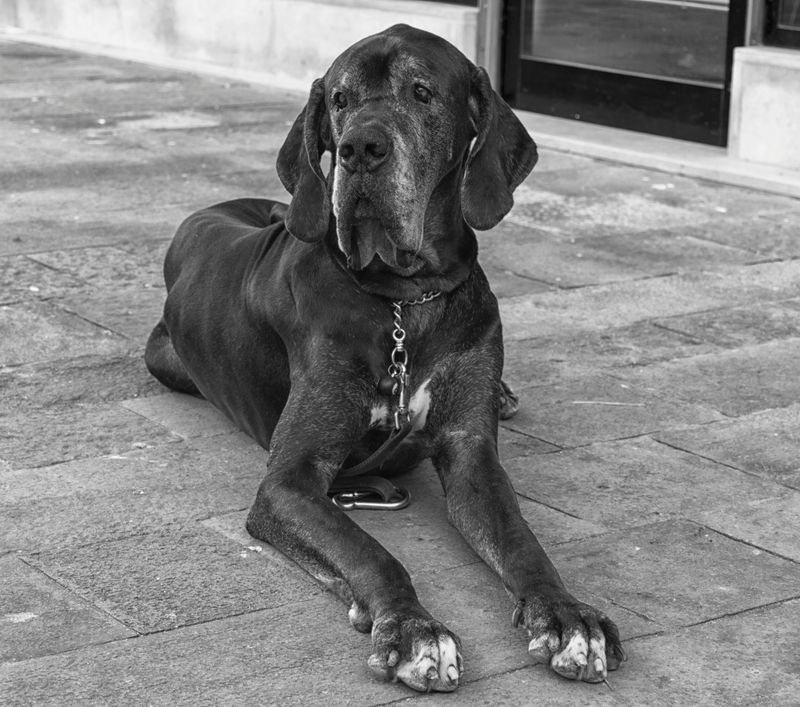
Great Danes look regal, but insurers see towering medical risk. Their size can amplify joint strain, bloat risk, and anesthesia complications.
You might notice questions about hip evaluations, gastropexy history, and growth plate issues before a quote even lands.
Underwriters often flag prior GI episodes, subtle lameness notes, or any mention of wobblers. Even routine X rays can snowball into pre existing exclusions.
If your vet mentions suspected dilated cardiomyopathy, some carriers pivot to denial or steep surcharges.
Push back by requesting written underwriting criteria and asking about waiting period flexibility. Consider policies that cover gastropexy and offer bloat endorsements.
Document a lean body condition score, slow feeder use, and cardiology screens to strengthen approval odds.
Irish Wolfhound
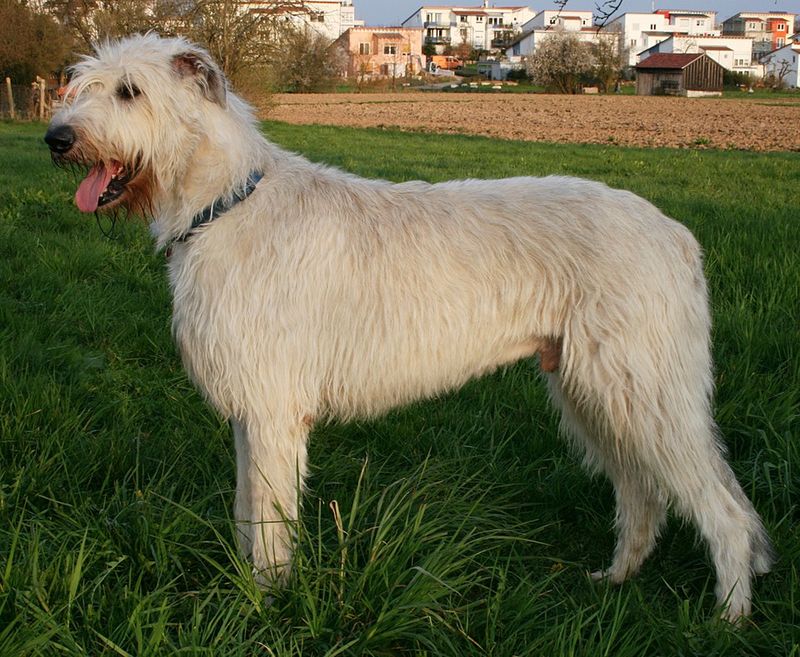
Irish Wolfhounds are breathtaking, but their medical profiles make actuaries nervous. Rapid growth, orthopedic strain, and heart conditions like dilated cardiomyopathy sit high on the risk ledger.
Some carriers ask for breed specific cardiac screening before they will finalize enrollment.
Owners report denials tied to vague notes like intermittent lethargy or mild coughs. That can trigger a pre existing heart exclusion, effectively gutting coverage for the biggest threats.
Joint supplements listed in records sometimes become a flag for underlying dysplasia.
To counter, gather clean records, cardiac echoes, and orthopedic assessments dated pre application. Ask about hereditary condition riders and bloat add ons.
If a denial lands, appeal with cardiologist letters and growth management documentation to reframe your risk profile.
Bernese Mountain Dog
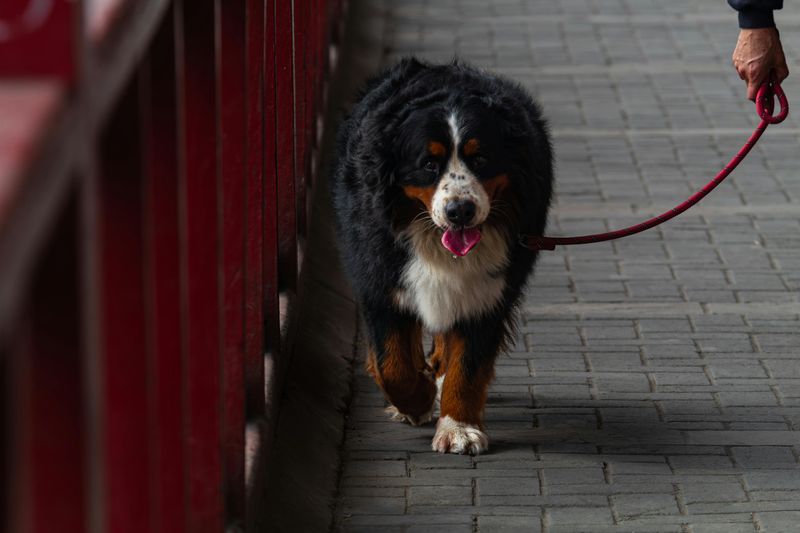
Bernese Mountain Dogs steal hearts, yet insurers fixate on cancer prevalence, elbow dysplasia, and cruciate tears. A single line about intermittent limping can lead to joint exclusions across both limbs.
Some policies quietly restrict claims related to immune mediated disease.
Owners often see denials after biopsy recommendations appear in notes, even before diagnosis. The actuarial fear is high cost oncology care and repeat orthopedic surgeries.
You might also encounter age based cutoffs that tighten options quickly.
Shop early, keep vet notes precise, and request copies after each visit. Ask carriers about hereditary coverage depth and bilateral knee clauses.
Consider plans with robust oncology limits, second opinion benefits, and hip elbow certifications documented ahead of time.
Leonberger
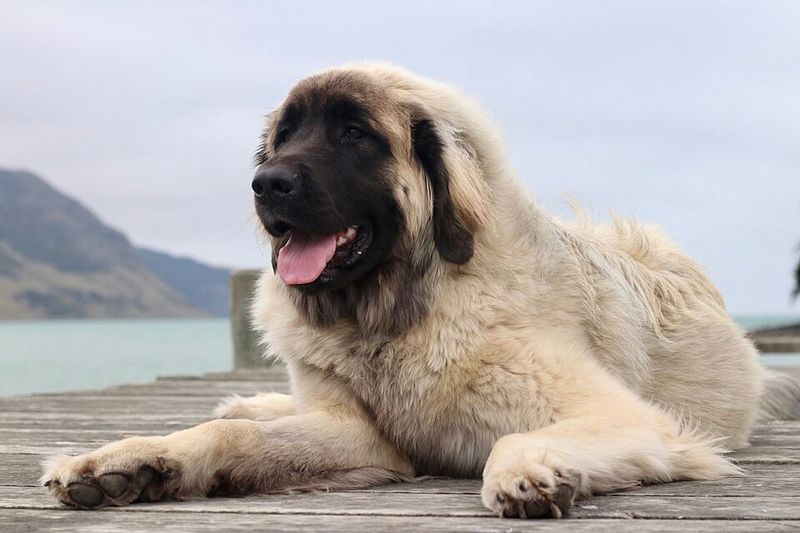
Leonbergers bring gentle vibes, but spreadsheets highlight orthopedic strain, polyneuropathy, and bloat. Underwriters sometimes request proof of stable weight, joint imaging, and neurologic exams.
If records mention exercise intolerance, applications can stall or pivot to exclusions.
Denials often reference suspected laryngeal issues or cranial cruciate laxity. When bilateral clauses apply, one sore knee can void future coverage on the other.
Large breed anesthesia risks also spook some carriers into higher deductibles.
Strengthen your case with OFA hips elbows, gait assessments, and a diet exercise plan documented by your vet. Ask directly about bloat coverage and neurologic condition definitions.
Appeal denials using specialist letters clarifying benign findings, plus training logs that show steady conditioning.
Newfoundland
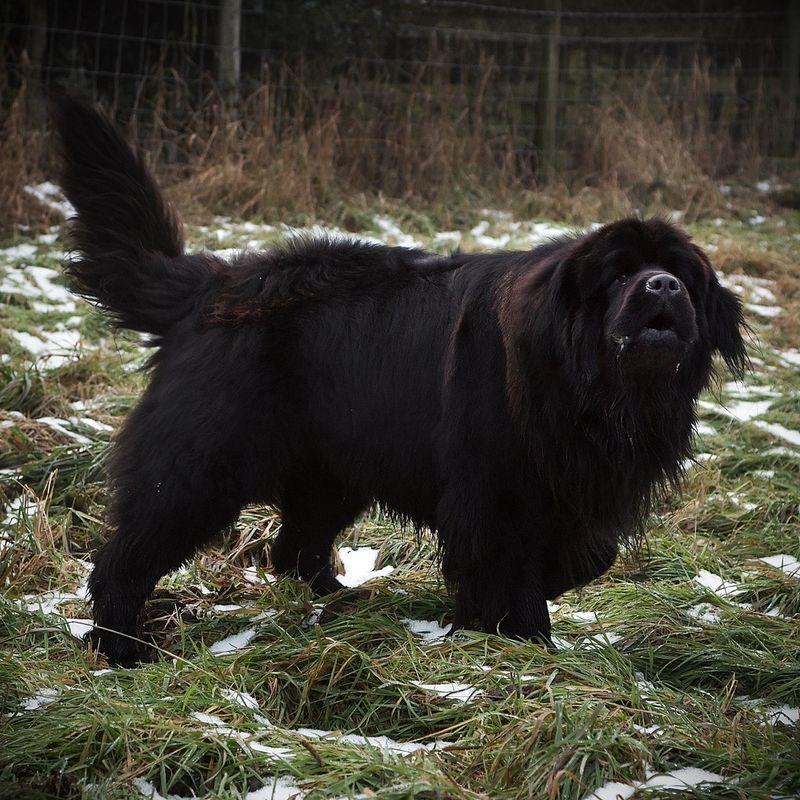
Newfoundlands melt stress, but their medical costs can soar. Insurers watch for cruciate tears, hip elbow dysplasia, cardiac issues, and skin infections.
Any note about intermittent rear weakness invites bilateral knee exclusions.
Water loving habits can complicate ear and skin claims, flagged as recurrent. Underwriters sometimes deny if obesity trends appear in weight charts.
Heart murmurs, even innocent ones, can trigger cardiology exclusions or policy downgrades.
Mitigate risk by logging conditioning, swim schedules, and drying routines for skin care. Secure OFA certifications where possible, plus early cardiac screening.
Ask about hydrotherapy coverage and post op rehab limits. Detailed records showing proactive care and stable weight often tip approval decisions your way.
Bullmastiff
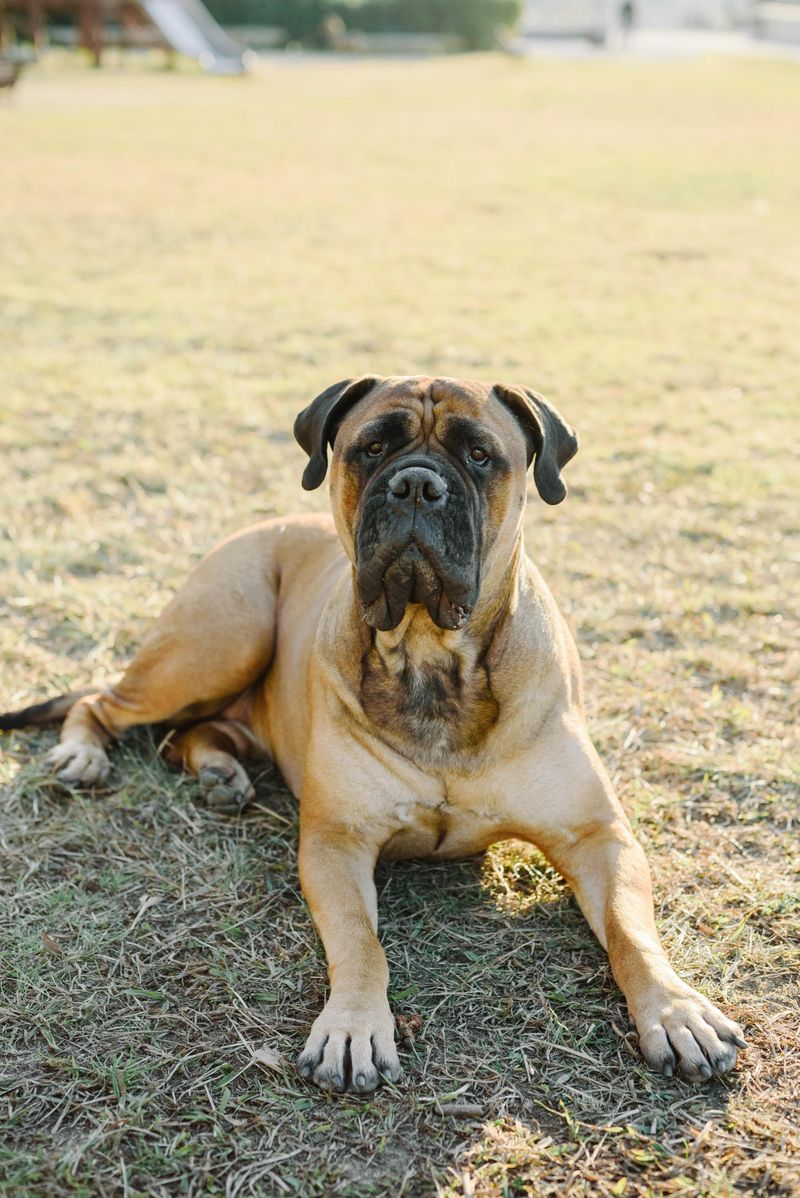
Bullmastiffs face skepticism tied to orthopedic injuries, brachycephalic anesthesia sensitivity, and certain cancers. Even a vague limp documented months ago can anchor broad exclusions.
Some carriers also scrutinize behavior notes, worrying about injury claims from collisions.
Owners report denials after radiographs suggest early arthritis or partial cruciate tears. Weight gain trends magnify perceived surgical risk.
Short nosed airway concerns sometimes push premiums beyond reach.
Improve odds by keeping a steady body condition score and obtaining orthopedic evaluations pre application. Ask directly about brachycephalic clauses and rehabilitation benefits.
Appeal with surgeon letters explaining conservative management success. Transparent training logs and safe exercise plans can reassure insurers and protect coverage for what matters.
Neapolitan Mastiff
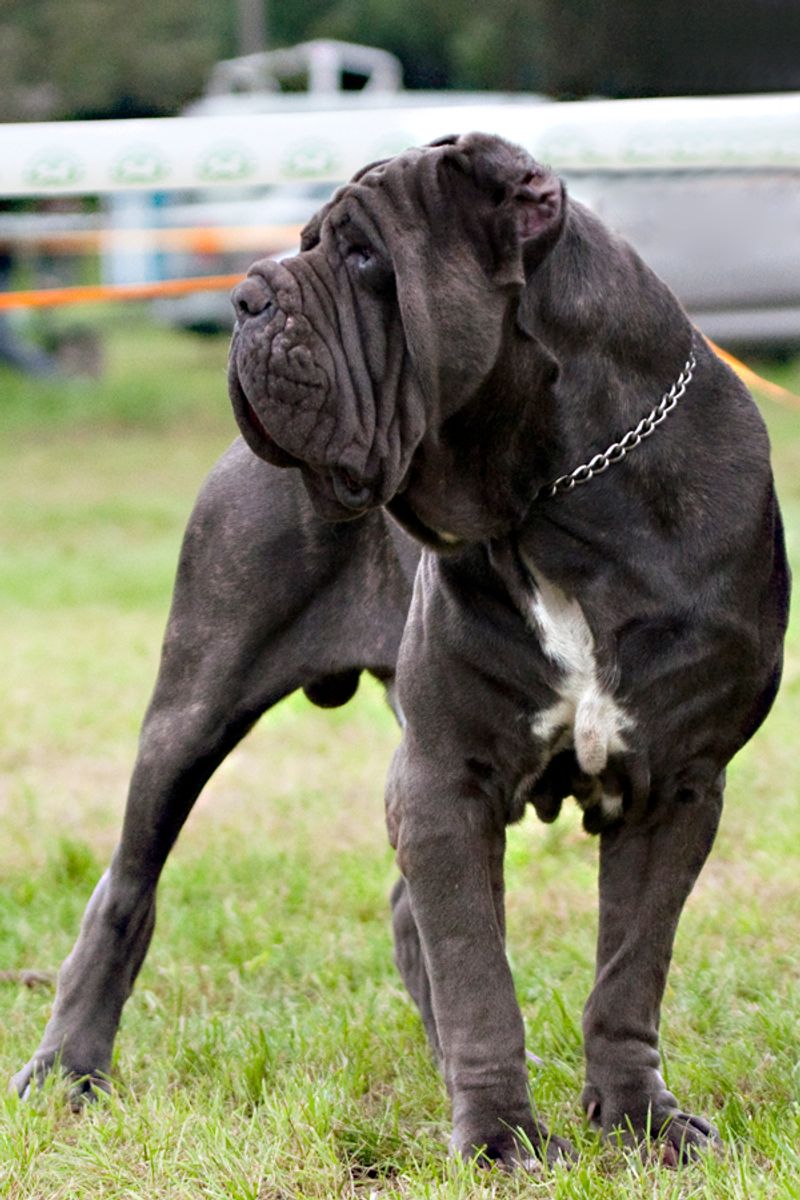
Neapolitan Mastiffs draw attention for skin folds, joint issues, and eye surgeries. Insurers often pre exclude cherry eye, entropion, and chronic dermatitis.
Prior antibiotics or ointments in records can be enough to trigger dermatology limitations.
Massive frames raise red flags for cruciate injuries and hip dysplasia. If your vet mentioned laxity or early arthritis, expect bilateral exclusions.
Anesthesia risk and post op complications may also inflate deductibles or co pays.
Counter this by gathering ophthalmology evaluations, skin management plans, and orthopedic screenings pre application. Ask about coverage for wrinkle care, eye surgery waiting periods, and physical therapy.
Appeals work best with specialist notes, weight management proof, and clear histories of controlled symptoms across multiple visits.
Dogue de Bordeaux
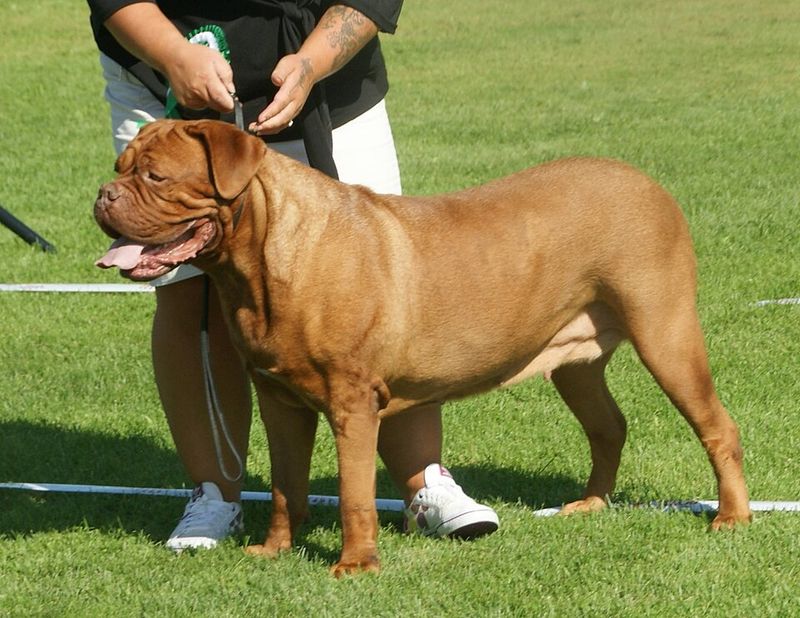
Dogue de Bordeaux dogs often hit denial lists due to cardiac disease, joint instability, and skin fold infections. A single mention of snoring or exercise intolerance can trigger airway scrutiny.
Records showing intermittent lameness frequently convert to bilateral knee or hip exclusions.
Owners describe claims rejected when early cardiac murmurs appear, even if later labeled innocent. High surgical costs for large breeds push underwriters to narrow coverage.
Chronic pyoderma notes can restrict dermatology benefits for months.
Build a stronger file with cardiology echoes, OFA hips elbows, and dermatology plans. Ask about hereditary coverage scope and waiting periods for knees and hearts.
Appeal with updated diagnostics and a physician letter confirming good exercise tolerance under supervision.
Saint Bernard
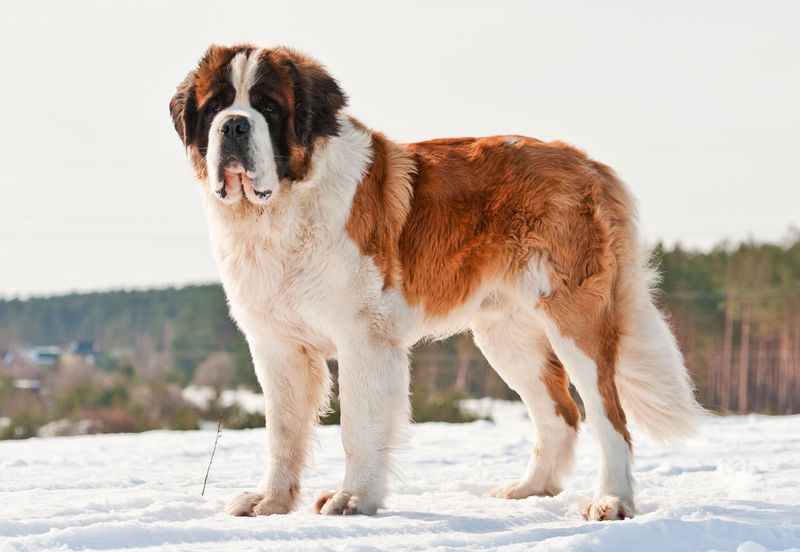
Saint Bernards are sweet giants who worry insurers with orthopedic strain, bloat, and eye problems. If your vet once noted limping, insurers may exclude both knees immediately.
Heat intolerance comments can nudge carriers toward denial or steep surcharges.
Owners report difficulties getting coverage for eyelid surgery and gastric emergencies. Large body mass raises anesthesia and recovery risk, spiking projected claim costs.
Recurrent hot spots also get flagged as chronic dermatology conditions.
Sharpen your application with OFA screenings, a bloat prevention plan, and documented conditioning. Ask about eye surgery coverage specifics and rehab caps.
Appeals improve after a clean period of symptom free exams and clear weight control records from your veterinarian.
Mastiff
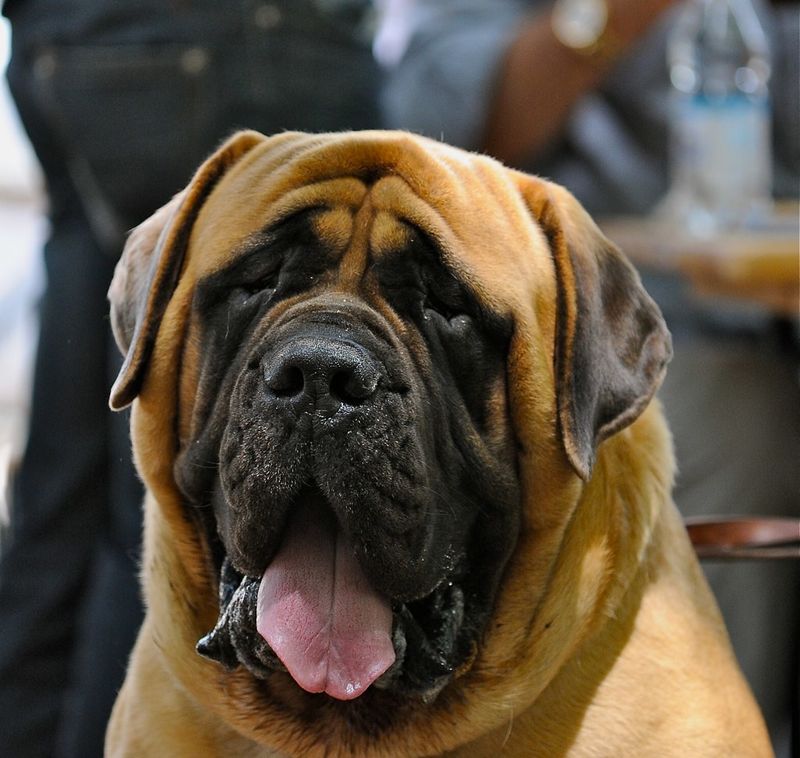
Mastiffs, of various lines, face blanket assumptions about hip dysplasia, cruciate tears, and heart strain. A note about stiffness after play can morph into exclusions across limbs.
Insurers sometimes request extended waiting periods for knees and elbows.
Denials often cite anesthesia risk tied to size and airway anatomy. Skin fold and ear infections become recurring condition flags, limiting payouts.
Premiums escalate if weight charts trend upward or if prior NSAID use appears in records.
Position yourself well with pre application orthopedic imaging, cardiology checks, and a preventive care plan. Ask carriers about bilateral clauses, hydrotherapy coverage, and medications included post surgery.
Provide body condition scores and activity logs to demonstrate stable, responsible management.
Scottish Deerhound
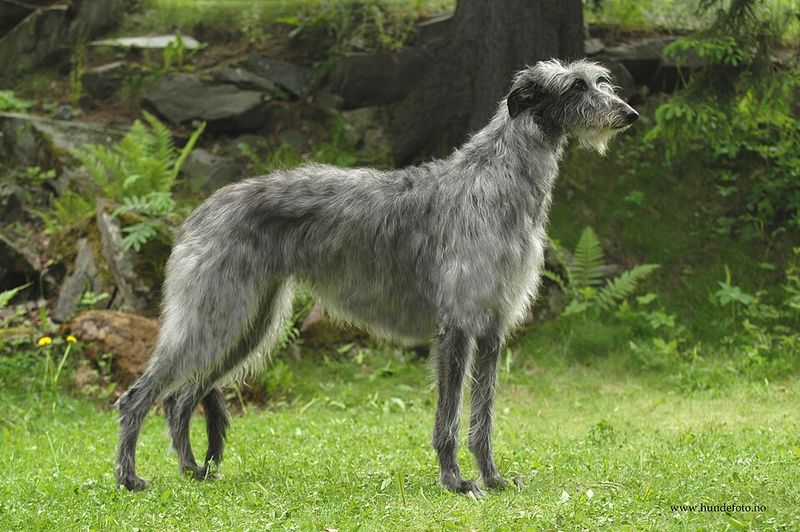
Scottish Deerhounds carry sighthound quirks that complicate underwriting. Thin frames and unique drug sensitivities can alarm carriers.
Add the specter of dilated cardiomyopathy and osteosarcoma, and denials come faster than expected.
Owners report trouble after vague notes like occasional cough or bone pain. That can lock out heart and orthopedic coverage, which are vital for this breed.
Even normal radiographs may not reverse initial exclusions without specialist input.
Apply with a recent echocardiogram, baseline bloodwork, and orthopedic evaluations. Ask about sighthound safe anesthesia protocols and oncology coverage caps.
If denied, appeal with cardiologist and radiologist letters clarifying clean findings, plus documentation of careful exercise and lean conditioning.
Pyrenean Mastiff
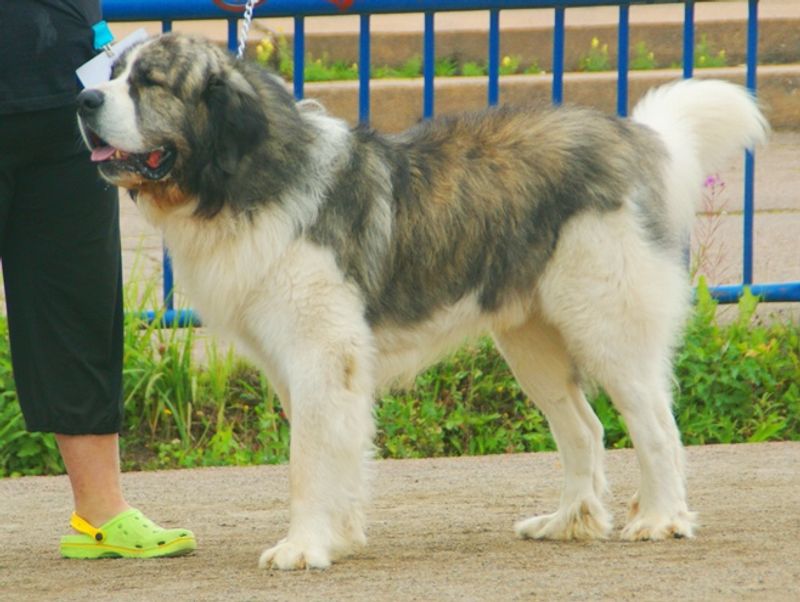
Pyrenean Mastiffs are calm guardians, yet insurers anticipate orthopedic wear, bloat, and skin issues. Sparse population data pushes conservative underwriting, so minor notes can trigger exclusions.
A past limp or soft stool episode sometimes gets magnified.
Owners share denials tied to hip scores not submitted or incomplete vaccination records. Carriers may worry about rural injury risks and emergency transport costs.
Chronic ear infections become a common limitation in policies.
Strengthen your application with OFA or equivalent hips elbows, a gastropexy discussion, and parasite prevention logs. Ask about rural emergency coverage and travel reimbursement.
Appeals land better with updated imaging, stable weight records, and a veterinarian letter describing a low risk working lifestyle.
Estrela Mountain Dog
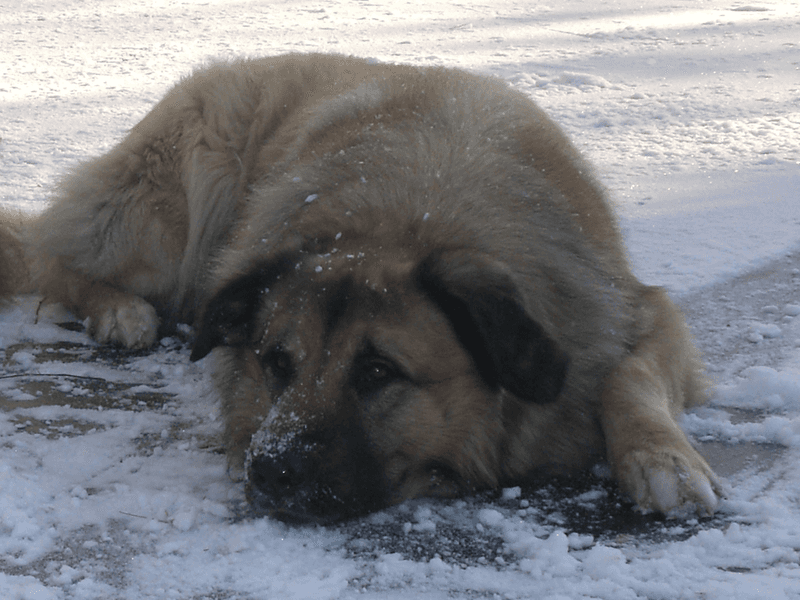
Estrela Mountain Dogs are rugged, but insurers still worry about hips, cruciates, and hot climates. Limited breed data leads to broad hereditary exclusions.
If your vet mentioned mild lameness during a growth spurt, that can follow you for years.
Owners report surprise denials when records show intermittent dermatitis or ear issues. Carriers fear chronic management costs and rural rescue logistics.
Large size multiplies surgical expenses, shifting actuarial math against approval.
Prepare with orthopedic certifications, conditioning logs, and heat management notes. Ask about hereditary condition riders, bloat endorsements, and telehealth triage benefits.
If denied, submit an appeal with updated exams showing normal gait, clear skin, and consistent body condition under veterinary guidance.