
Every time a parent posts about rehoming after a child bite, the comment section erupts like a volcano. Emotions run high, advice conflicts, and certain breeds get named again and again.
This guide looks at the dogs people most often mention in those heated “family safety” threads, and why. Read with empathy, not panic, and you will find practical context to help you navigate tough decisions.
German Shepherd Dog
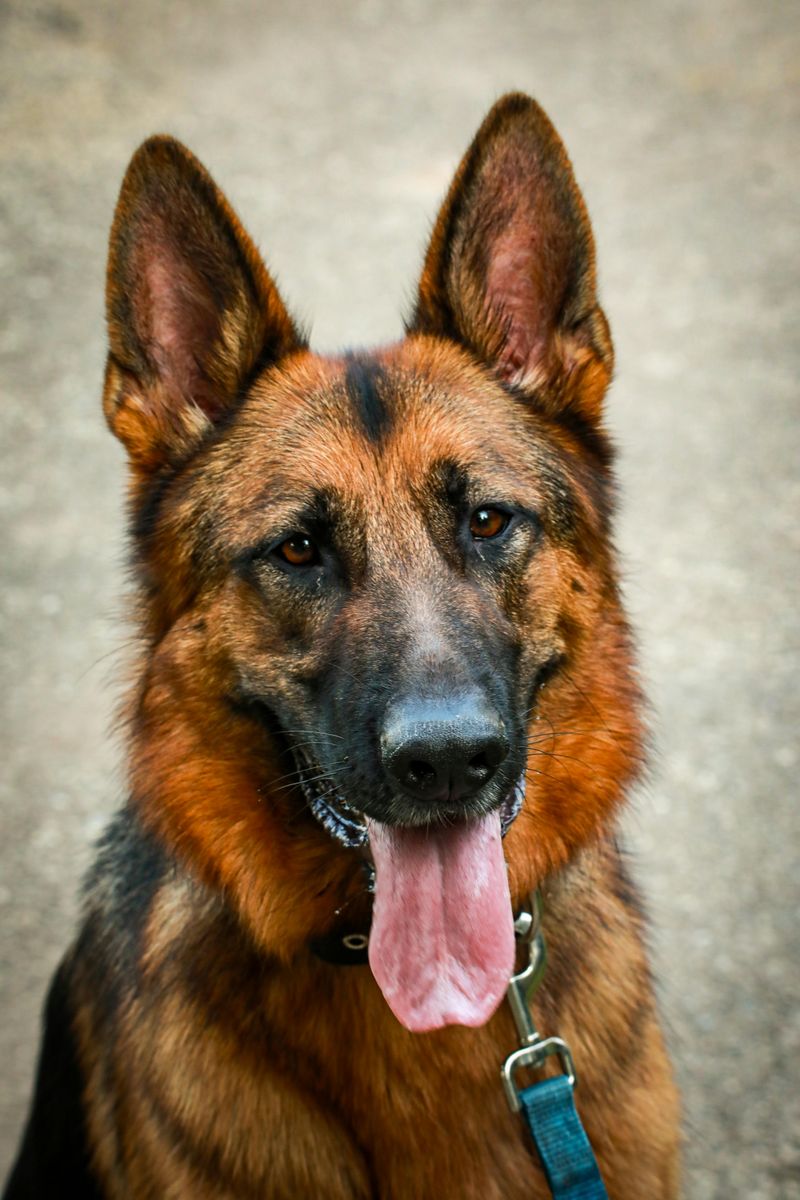
German Shepherds often headline safety debates because they are smart, loyal, and intensely bonded. Their protective nature can be wonderful with training, structure, and calm supervision around kids.
Without that, reactivity and resource guarding can appear, especially when routines change quickly.
If your shepherd growled or nipped after a chaotic moment, think stress, pain, or over arousal before assuming malice. You can reduce risk with predictable schedules, place training, and teaching kids respectful boundaries.
Muzzle conditioning, decompression walks, and impulse control games help a lot.
Critics say rehome immediately, but each case is unique. Get a veterinary exam and behavior consult first.
Safety comes from management, not myths, and shepherds thrive when expectations are fair and consistent.
Rottweiler
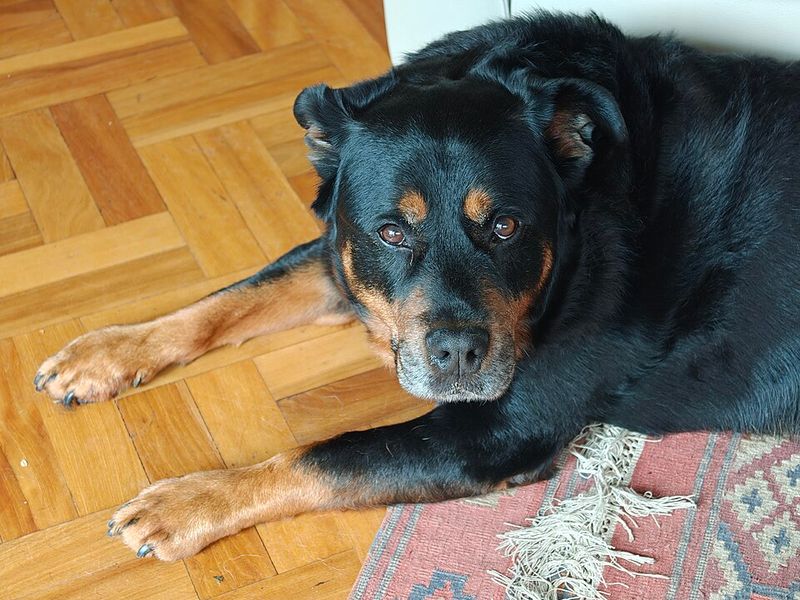
Rottweilers trigger fierce comment battles because their size and presence feel intimidating. They are often affectionate couch companions who adore structured guidance.
Problems usually emerge when socialization is spotty, exercise is minimal, or boundaries blur under excitement.
If a bite happened, assess context: pain, guarding, startle, or misread play. Prioritize muzzle training, predictable routines, and supervised kid interactions with escape routes for the dog.
Reinforce calm behavior and body language literacy for everyone in the home.
Advocates say “not the breed, the deed,” while others warn about power breeds. The truth lives between: risk equals strength plus impulse control.
With training, management, and respect, many Rottweilers remain safe, loving family members.
American Bully
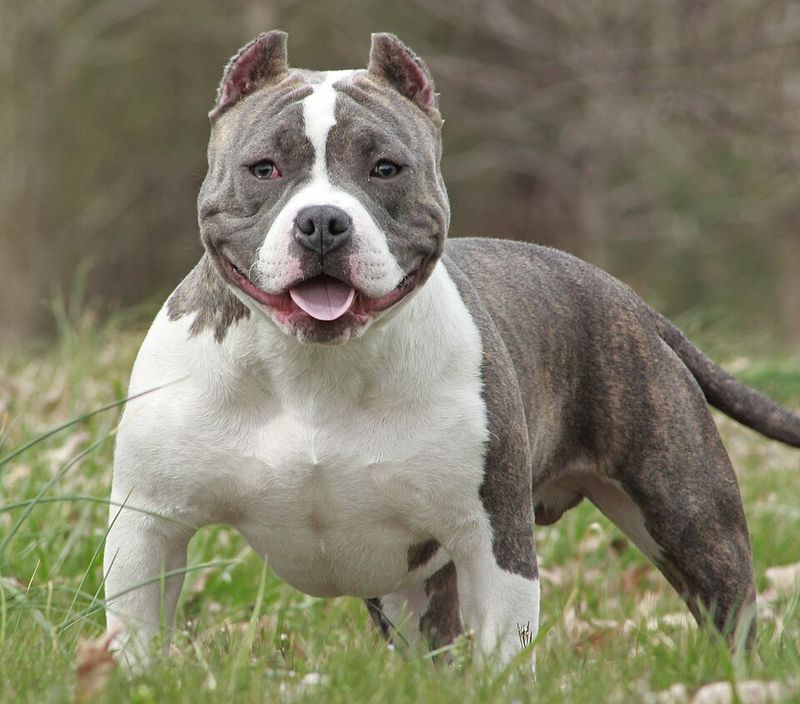
American Bullies show up in threads because people confuse them with other bully breeds and assume the worst. Many are mellow, people focused companions, but they are still muscular dogs needing structure.
Over arousal near kids can escalate if nobody intervenes early.
After a bite scare, pause the chaos. Crate and rotate, use baby gates, and schedule decompression time.
Coach kids on approaching calmly and never grabbing, climbing, or hugging tightly. Reward relaxed responses to movement and noise with food scatter games.
Temperament lines vary, so work with a reputable trainer who understands bullies. Muzzle acclimation protects everyone while you rebuild trust.
Fair rules, enrichment, and predictability turn potential flashpoints into safe, teachable moments.
American Bulldog
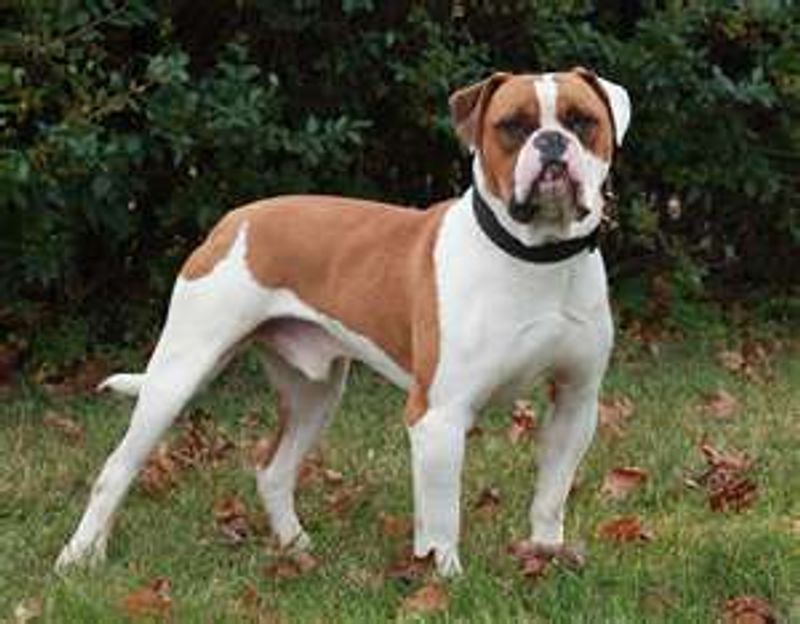
American Bulldogs place high in arguments because they blend athletic power with clownish charm. That combo can be wonderful until sprinting kids, squeals, and toys trigger chase or guarding.
Without impulse training, a miscue can become a bite.
Focus on calm patterns: place mats, settled greetings, and tug rules. Use leashes indoors during high energy periods, and rotate rest breaks.
Teach kids to trade, not snatch, and establish protected feeding zones. Confidence grows when everyone knows the playbook.
If rehoming pressure mounts, slow down. First, rule out pain and consult a credentialed behavior professional.
With body language education, muzzle training, and enrichment, many families stabilize, keeping bonds intact while prioritizing safety.
Cane Corso

Cane Corsos get named because guardianship instincts and sheer size raise stakes. They are trainable, steady dogs when guided early and consistently.
Problems surface when adolescence meets lax boundaries, creating pushy behavior that scares kids.
After a bite incident, escalate structure immediately. Short, clear sessions, neutrality around visitors, and controlled thresholds matter.
Create kid free zones and teach off switch behaviors like mat relaxation. Reward calm observation rather than confrontation.
Rehoming might be safest in some homes lacking time or experience. Still, thoughtful management, muzzle work, and professional guidance can change trajectories.
Prioritize health checks, rule clarity, and routine, and many Corsos become composed, trustworthy companions.
Doberman Pinscher
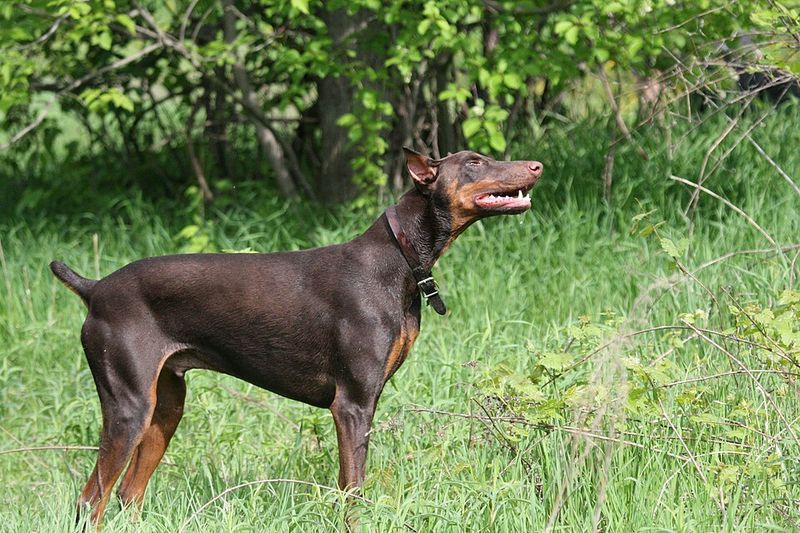
Dobermans show up in debates because they read human emotions quickly and act decisively. That sensitivity is a gift when channeled, but it can spark overprotection or startle responses.
Without daily mental work, small miscommunications grow.
For households with kids, practice pattern games, calm leashes indoors, and boundary training at doors. Reinforce neutrality to sudden movement and squeals using distance and food.
Add decompression walks and scent work to drain stress thoughtfully.
After a bite, consider veterinary pain screens and a certified behavior consult. Muzzle conditioning keeps everyone safe while rebuilding habits.
With predictable routines and clear handler feedback, many Dobermans settle beautifully into polite, family friendly companions.
Akita
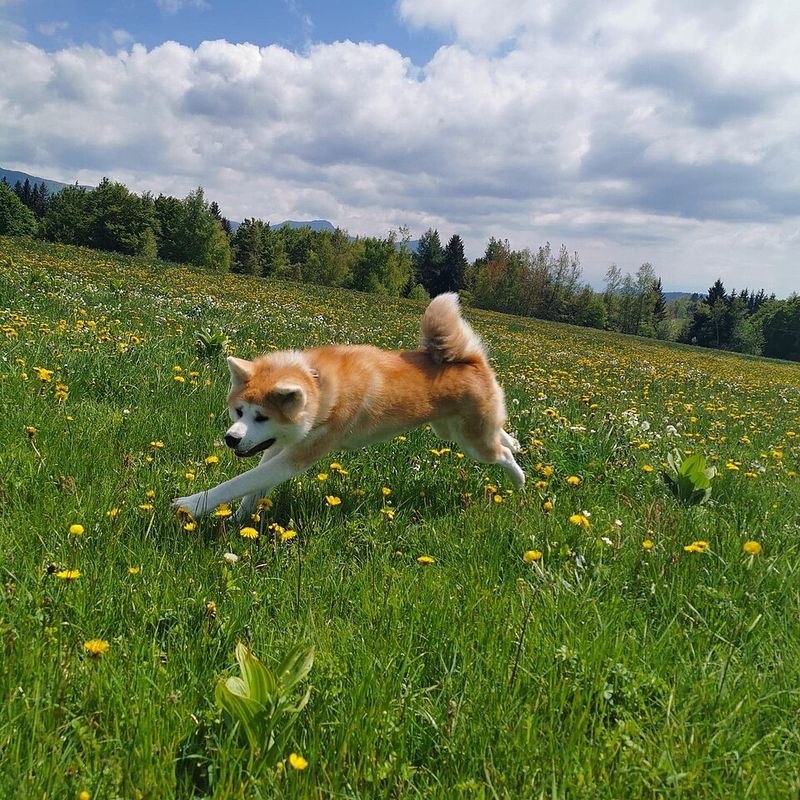
Akitas get listed frequently because independence and same sex selectivity can complicate family life. They are calm and loyal, yet not always tolerant of chaos or rough handling.
Misunderstandings around personal space often precede warning snaps.
Management is your friend: baby gates, leashes indoors, and quiet retreats. Teach children to admire, not pester, especially when the dog is resting.
Reinforce gentle engagement and reward calm disengagement from triggers with food tossed away.
Following a bite, tighten structure and consider professional guidance familiar with northern breeds. Muzzle training for vet visits and high arousal moments adds a safety net.
With respect, routine, and fair expectations, many Akitas coexist peacefully in thoughtful homes.
Boxer
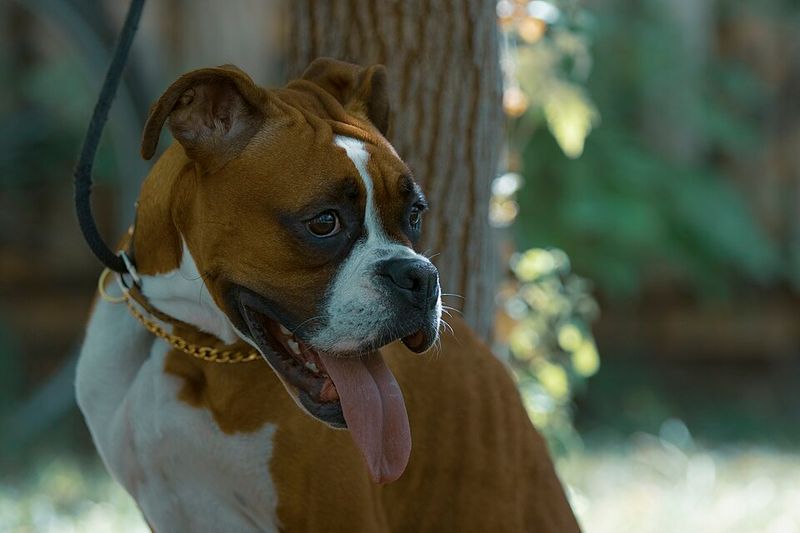
Boxers bring exuberance that families love and underestimate. Bouncy greetings and body slams can topple toddlers, and frustrated play may escalate into nips.
Structure, not scolding, turns that energy into safe fun.
Set routines: fetch with release cues, settle on a mat, and short training bursts. Give chewing outlets and puzzle feeders to reduce mouthy habits.
Teach kids to pause the game when arousal spikes, then resume after a calm reset.
If a bite happened, analyze arousal rather than labeling aggression. Add decompression walks, cooling periods, and reinforcing quiet behaviors.
With supervision, enrichment, and clear signals, Boxers transform from chaos machines into goofy, gentle companions.
Labrador Retriever
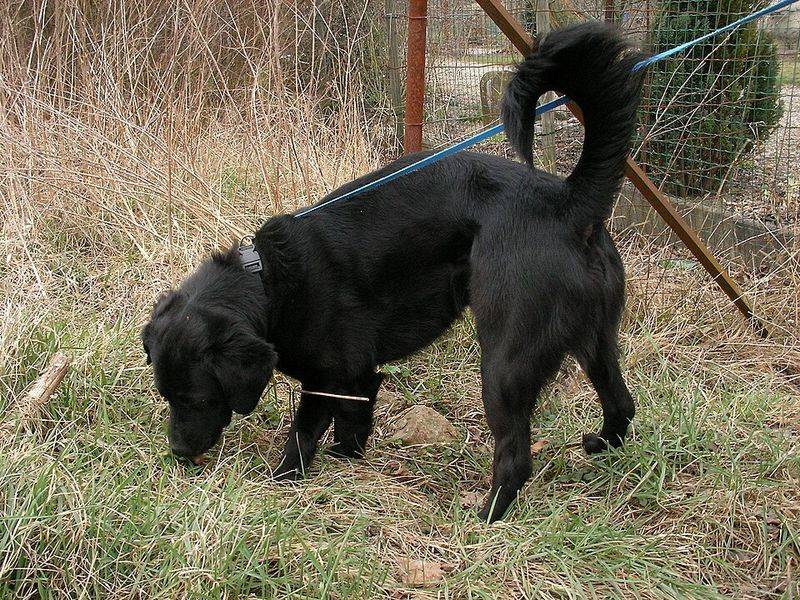
Labradors are beloved and still appear in rehoming debates because friendliness is not the same as judgment. Food motivation and enthusiasm can morph into counter surfing, jumping, and excited mouthing near kids.
Training replaces chaos with choices.
Use settle stations, tethered decompression, and reward calm eye contact. Teach kids to trade politely and never chase.
Manage feeding times and high value items to avoid guarding. Daily sniff walks and retrieve sessions drain energy without overstimulation.
After a nip, avoid blame spirals. Rule out pain and tighten routines for two weeks.
Labs thrive on clarity, consistency, and kind boundaries, allowing that sunny temperament to shine safely in busy homes.
Golden Retriever

Goldens star in family ads, yet they still make the lists after bite scares. Pain, ear infections, or resource guarding can nudge an otherwise sweet dog into snapping.
Kindness does not replace management and training.
Schedule vet checks for discomfort and add cooperative care routines. Teach chin rest, consent cues, and gentle handling games.
Create kid free spaces and reward quiet retreats. Use predictable schedules and reinforce soft-mouth behaviors with structured fetch.
If commenters push rehoming immediately, breathe and gather facts. Professional guidance and muzzle acclimation buy safety while you rebuild confidence.
With health addressed and boundaries respected, many Goldens return to their famously affectionate groove.
Siberian Husky
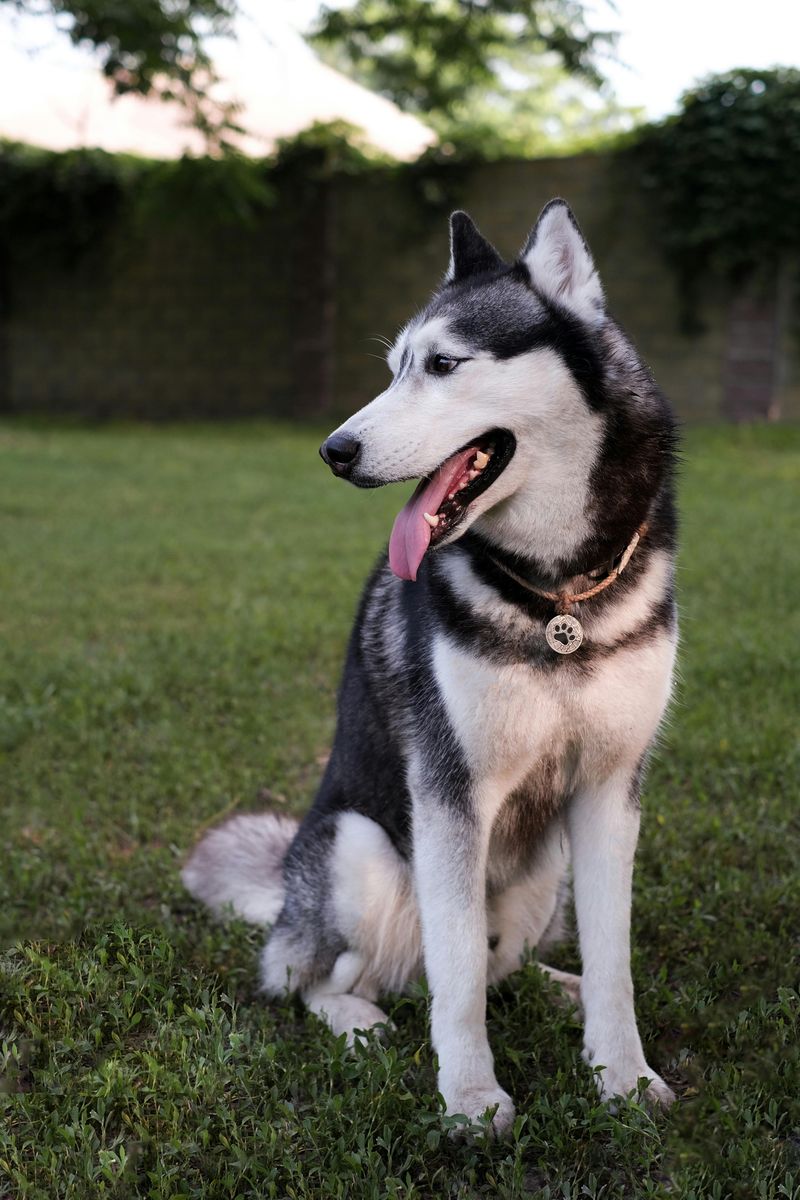
Huskies cause chatter because they are escape artists with big feelings. High arousal plus prey drive can collide with running kids.
They need outlets for energy that do not fuel chaos.
Introduce structured exercise, flirt pole rules, and decompression sniff walks. Indoors, use gates, tethers, and place training to separate boisterous play from resting zones.
Teach kids to avoid chase games and to cue calm interactions.
Following a nip, prioritize management and a behavior assessment. Muzzle conditioning, secure fencing, and recall games at controlled distances help rebuild trust.
With energy channeled and expectations consistent, many Huskies coexist happily in active, attentive families.