
Every week, heartbreaking posts about behavioral euthanasia go viral, igniting debate, grief, and hard truths about dog ownership. These threads often center on the same breeds, not because they are bad, but because they are powerful, intense, and frequently misunderstood.
If you have ever felt alone navigating aggression, reactivity, or resource guarding, you are not. Let’s talk honestly about the breeds most mentioned in last resort threads and what people wish they had known sooner.
German Shepherd Dog
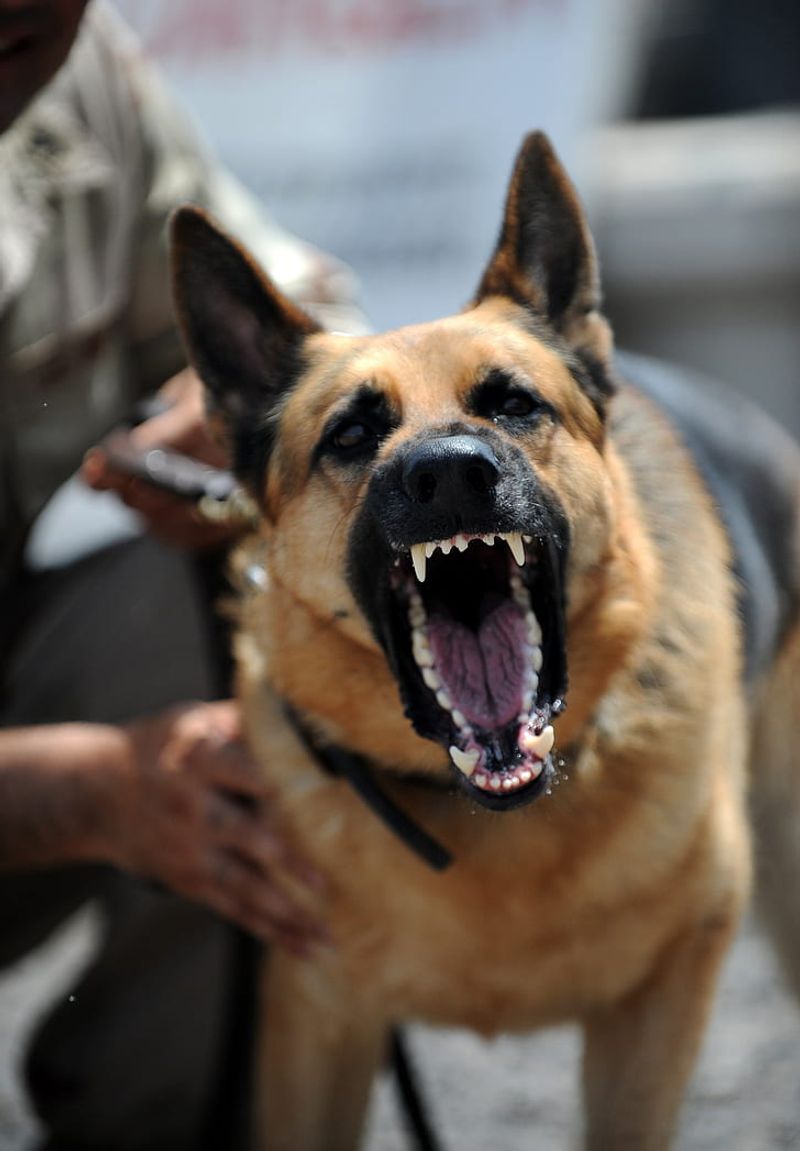
When German Shepherds show up in last resort discussions, it is usually about escalating reactivity, territorial aggression, or unpredictable bites under stress. Many families underestimate how much structure, training time, and daily mental work this breed craves.
Without it, fear-based responses can spiral fast.
You see devotion, but also a high drive that amplifies environmental triggers. Management matters: secure fencing, muzzle conditioning, and careful visitor protocols reduce risk.
Early socialization, fair training, and medical screenings for pain are nonnegotiable.
If things worsen, people often describe decision fatigue and safety triage. Honest assessment with a veterinary behaviorist helps you map options.
Some dogs recover beautifully with meds and plans, but others remain dangerous, and compassionate choices may follow.
Belgian Malinois
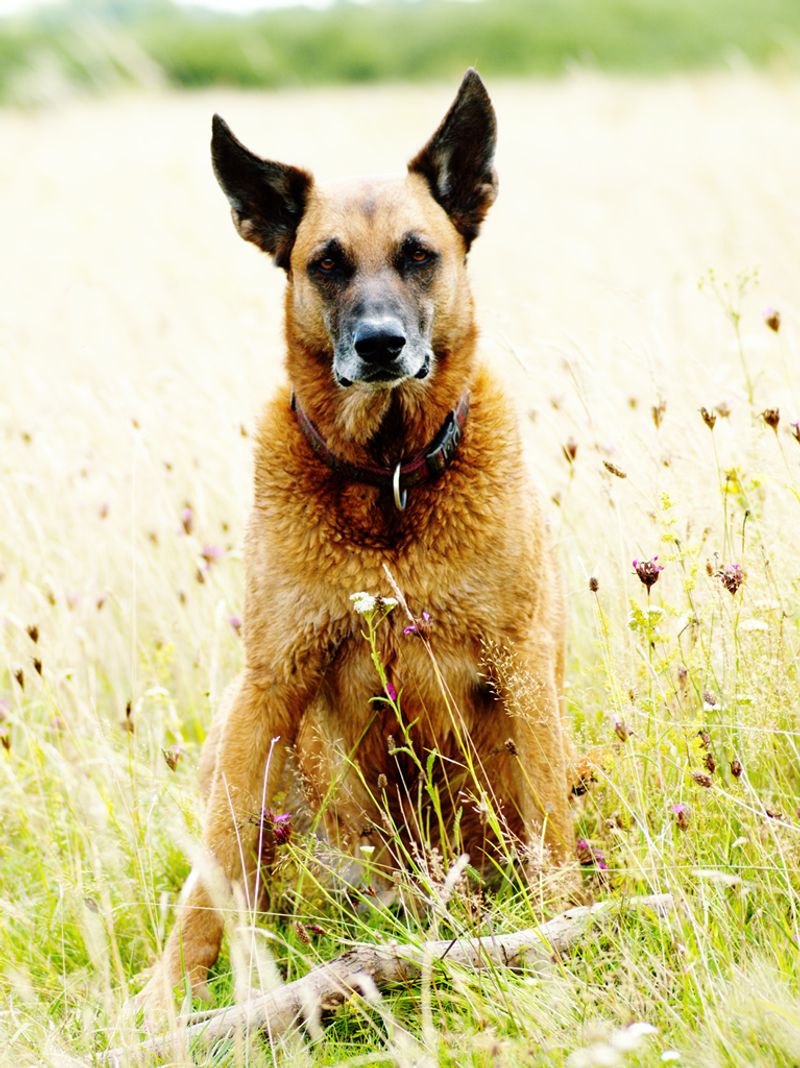
Malinois dominate crisis threads because intensity meets insufficient outlets. These athletes were built for bite sports and military tasks, not casual living.
When needs go unmet, they create their own job, often herding or nipping children, guarding resources, or redirecting frustration.
You need airtight structure, daily bite-safe outlets, and advanced training literacy. Even then, genetics can tilt toward suspicion and quick escalation.
Muzzle training, treadmill work, puzzle feeding, and decompression days help.
Owners describe living on a schedule that feels like a lifestyle, not a hobby. A qualified trainer who understands drive capping and arousal reduction is essential.
If risk outpaces management, hard conversations begin, centered on safety, quality of life, and realistic capacity.
Rottweiler

Rottweilers appear in last resort threads when guardian instincts harden into intolerance. Triggers often include stranger approaches, handling sensitivity, and boundary challenges.
Add adolescent pushiness, and you get testy behaviors that scare visitors and family members.
Clear rules, consent-based handling, and proactive training matter. Teach muzzle comfort before you need it.
Pain screens for hips, elbows, and spine are crucial because discomfort fuels irritability.
People share stories of near misses at the door or during nail trims. A behaviorist can design desensitization plans and medication trials.
Some dogs stabilize with structure and predictable routines, while others remain risky in busy homes. Choose safety, document incidents, and keep shame out of decision making.
Cane Corso
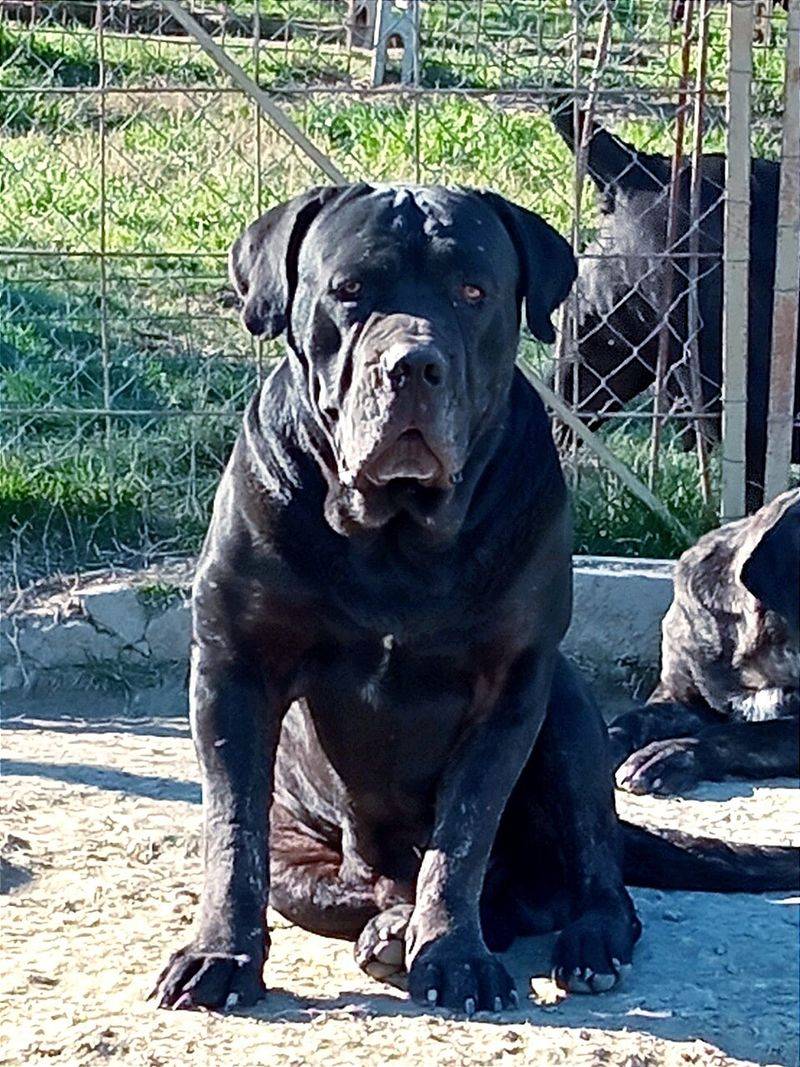
Cane Corsi often land in crisis when size plus suspicion eclipses control. Many owners adore the loyalty but underestimate guardian genetics that demand expert management.
Social windows can be tight, and poor exposures harden quickly.
Think gates, leashes, and routine visitor choreography. Teach settle on mat, reinforce neutrality, and use equipment that fits their strength.
Pain or thyroid issues can flip tolerance, so medical workups matter.
You will read about guests trapped in cars, delivery standoffs, and family disagreements about safety. Professionals can help, but some homes are simply wrong for this breed’s needs.
If behavior remains dangerous despite best efforts, humane decisions honor everyone’s wellbeing, including the dog’s.
Akita
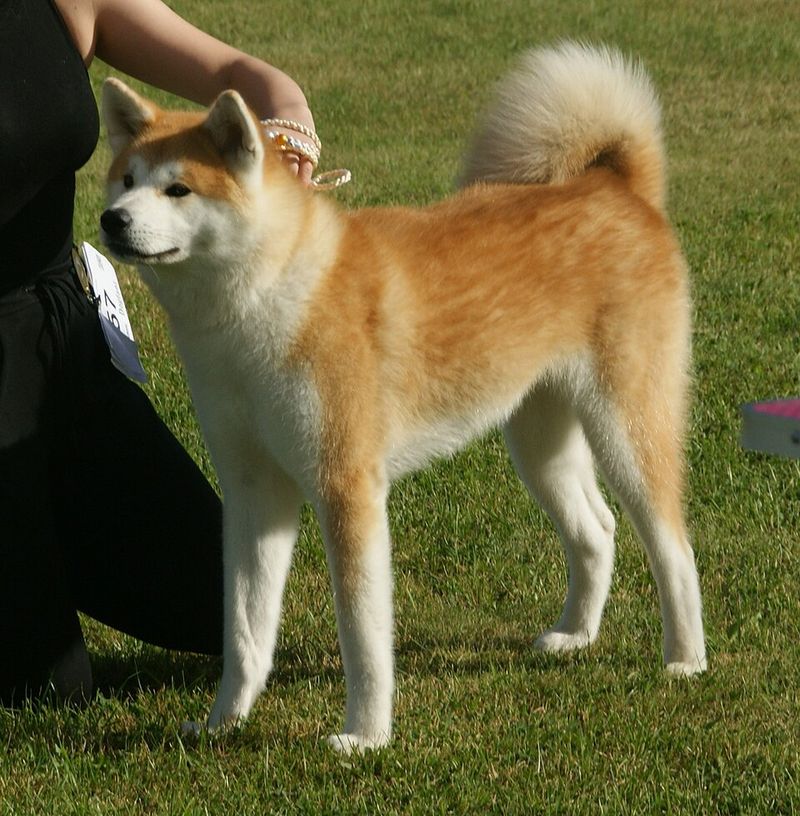
Akitas frequently surface in last resort threads for intolerance of other dogs and sudden resource guarding. Their independence reads as calm until a line gets crossed.
Then you see fast, committed follow through that can shock unprepared owners.
Management means doors, gates, and careful guest rules. Many do best as single dogs with predictable routines.
Training should be low conflict, with clear boundaries and respect for space.
Medical checks for pain or skin issues are wise because discomfort lowers fuse length. You will find accounts of household fights and escalating bite inhibition.
A behaviorist can map a plan, but not every environment fits. Choosing safety is not failure, it is compassion aligned with reality.
American Pit Bull Terrier
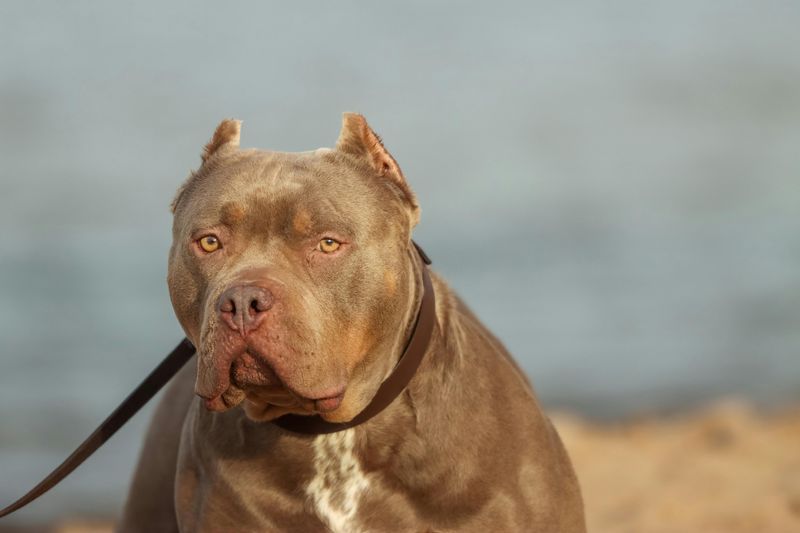
In these threads, Pit Bull Terriers show up with a wide range of behaviors, from exuberant reactivity to severe dog aggression. Stereotypes muddy empathy, yet individual histories and genetics still matter.
Shelter transfers and unknown backgrounds complicate prediction.
Focus on management, muzzle skills, and decompression. Reinforce calm, teach stationing, and use structured outlets like flirt pole with rules.
Reliable containment is essential because strength meets persistence.
Owners report heartbreaking neighbor conflicts and leash explosions that escalate to injury. A behaviorist can help parse arousal versus intent, and medication may reduce volatility.
Many thrive with thoughtful structure, while some remain unsafe around other animals. Your job is honesty about capabilities and risks.
Doberman Pinscher

Dobermans in last resort discussions often struggle with stranger danger, handling sensitivities, and barrier frustration. High intelligence plus anxiety can morph into conflict if routines wobble.
Adolescence brings pushy testing that needs calm, consistent answers.
Invest in cooperative care, muzzle training, and neutrality games. Predictability lowers arousal.
Medical screening for cardiac issues and pain can reveal drivers behind irritability or sudden explosiveness.
People describe hallway ambushes at the door or unsafe greetings. Behavior professionals can build safety layers: management maps, meds, and training milestones.
Some dogs learn to cope beautifully with structure, while others stay volatile in chaotic homes. Choose safety first, and keep compassion at the center.
Mastiff
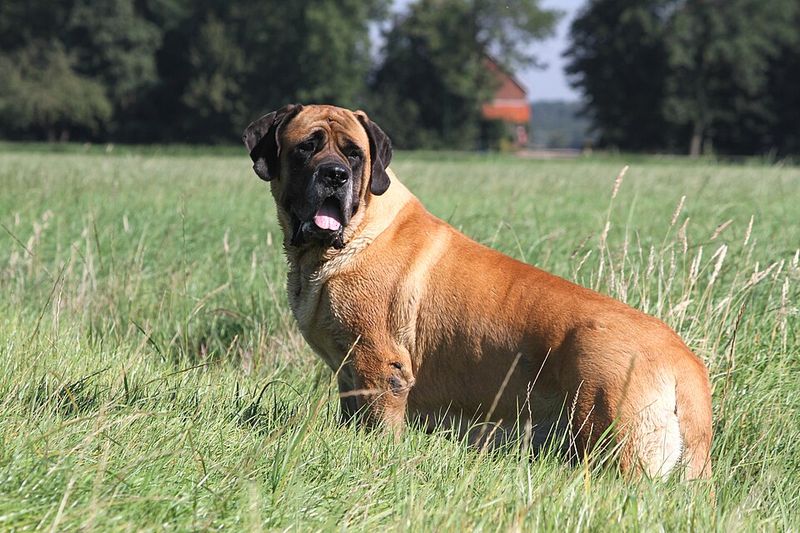
Mastiffs appear in crisis posts when sheer size magnifies conflict. Even mild resource guarding or doorway posturing becomes dangerous at this scale.
Pain is common in giants, and discomfort often fuels grumbles that progress to bites.
Owners need strict visitor choreography, baby gates, and resting zones that are never disturbed. Muzzle conditioning is a kindness, not a punishment.
Low impact exercise, puzzle feeders, and predictable schedules reduce stress.
You will read about incidents during sleep startle or handling. A veterinary behaviorist can coordinate meds with pain management.
Some stabilize with thoughtful routines, while others remain unsafe around kids or crowds. Choosing humane outcomes can prevent worse suffering for everyone involved.
Australian Cattle Dog
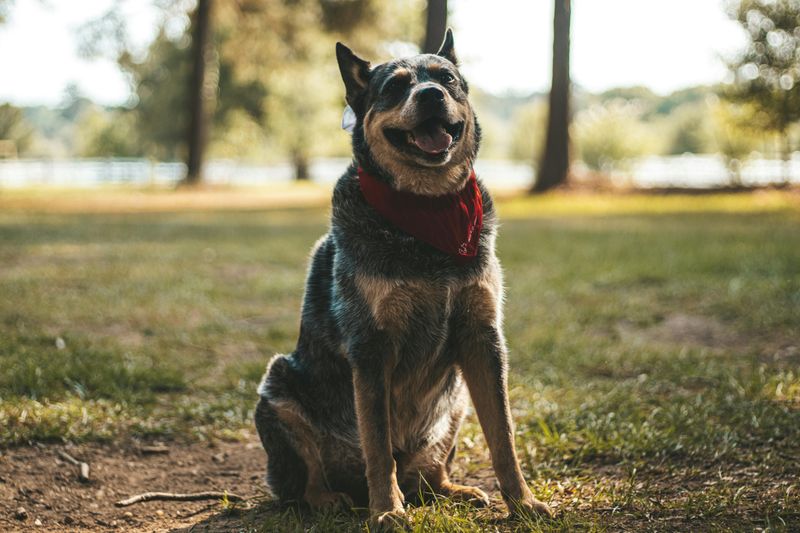
Cattle Dogs show up when high drive meets pet life without jobs. Nipping heels, controlling movement, and explosive reactivity are common.
Smart and sturdy, they quickly learn patterns you did not mean to teach.
Channel energy into structured games, scent work, and off switch training. Reinforce calm, not chaos.
Management includes leashes in doorways, long lines, and thoughtful guest plans.
People share stories of redirected bites during arousal spikes. A good coach can teach arousal modulation, with meds if anxiety runs hot.
Some dogs thrive with ranch-like routines, while others burn out in apartments. Be honest about lifestyle fit, and act before patterns harden into danger.
Chow Chow
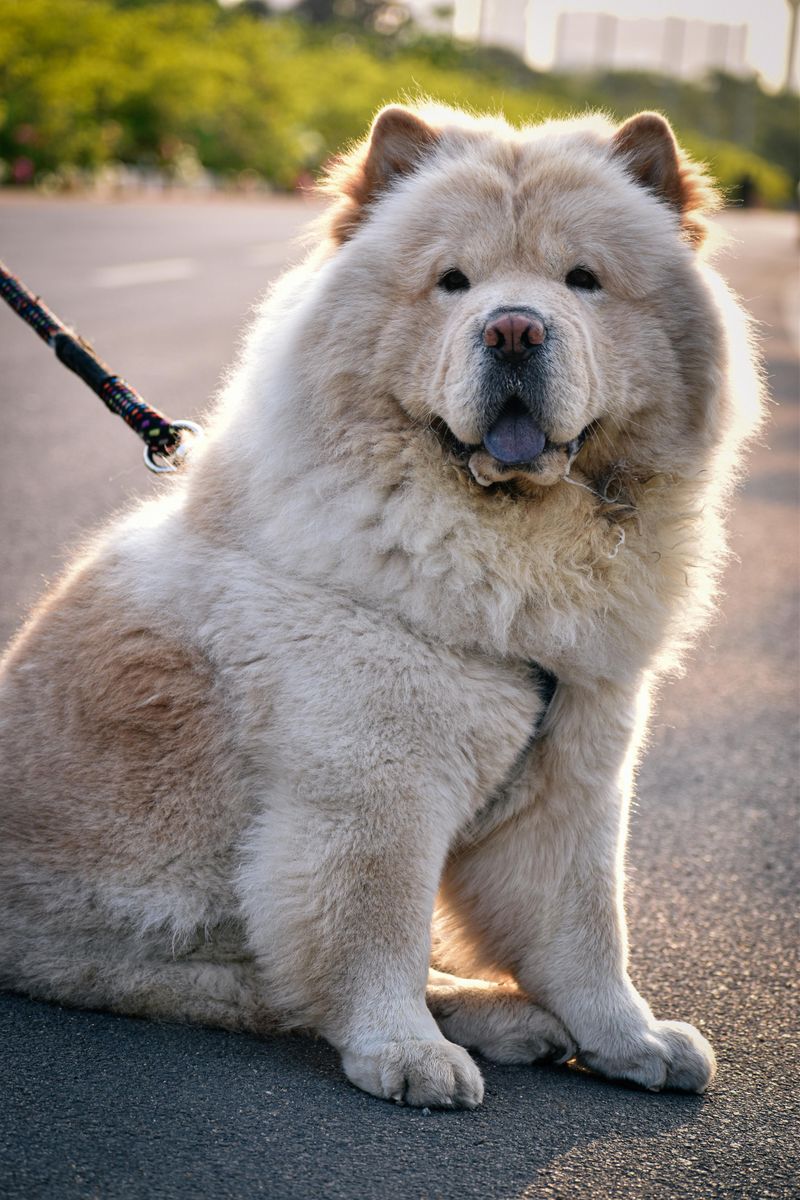
Chows appear in last resort talks for aloofness that flips to defensive aggression when pressured. Grooming, vet handling, and tight spaces can trigger serious bites.
They value personal space and clear, respectful routines.
Preparation matters: cooperative care, muzzle comfort, and slow introductions. Avoid cornering.
Teach predictable handling cues and let the dog opt in when possible.
Owners recount conflicts during brushing or doorway congestion. Pain checks for orthopedic or skin issues are essential.
A behaviorist can build stepwise desensitization and medication support. Some Chows relax with structure and choice, but others remain unsafe around frequent guests.
Compassionate, safety-first decisions are not betrayal, they are responsibility.