
Shelter bite history disclosures are under a hot spotlight, and many adopters say the truth feels watered down. When stories surface about surprises after adoption, trust erodes fast.
You deserve clear, consistent information before bringing any dog home. Let us unpack the breeds people claim were downplayed, and how to read between the lines so you can adopt with eyes wide open.
Rottweiler
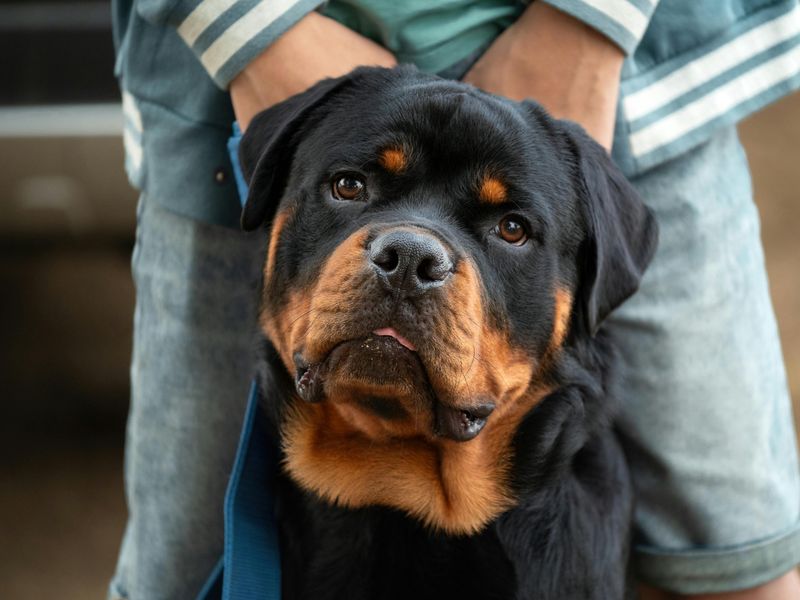
Rottweilers are powerful, thoughtful workers, and many thrive with structure and fairness. What gets downplayed is how their confidence can tip into guarding when stressed or under-socialized.
In shelters, that stress compounds, and mixed histories can be glossed over by vague notes.
You want transparent assessment, including handling sensitivity, resource behavior, and response to strangers. Ask for witnessed incidents, not hearsay summaries, plus video of meet-and-greets.
A guarded Rottie can be a dream with boundaries, but you need the real picture.
Request bite-scale details, triggers, and recovery time after arousal. Insist on muzzle training support, decompression planning, and trainer referrals.
When disclosures are clear, you can prepare, and the dog gets a fair chance.
German Shepherd Dog
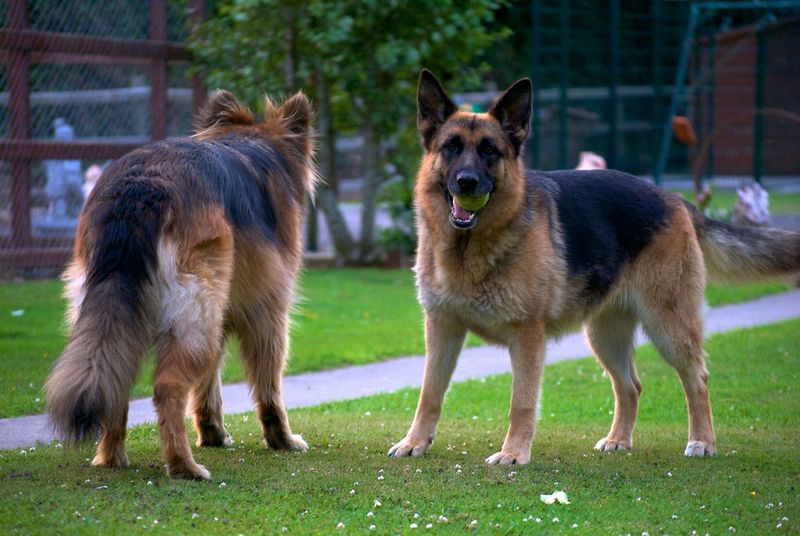
German Shepherd Dogs are bright, sensitive, and quick to pattern, which is both gift and risk. In chaotic shelter settings, their vigilance spikes, sometimes labeled as generic reactivity.
The nuance of fear versus defense can be downplayed, masking context behind a single word.
Ask for specifics: distance to trigger, handler approach, and recovery intervals. You deserve notes about body language like whale eye, hard stare, or lip lifts.
Clarify whether bites were inhibited or full, and whether pain or handling contributed.
With structured decompression, engagement games, and predictable routines, many stabilize beautifully. Request training plans, muzzle conditioning, and exit strategies if placement struggles.
Honest, detailed disclosure helps you set expectations and keep everyone safe.
Boxer
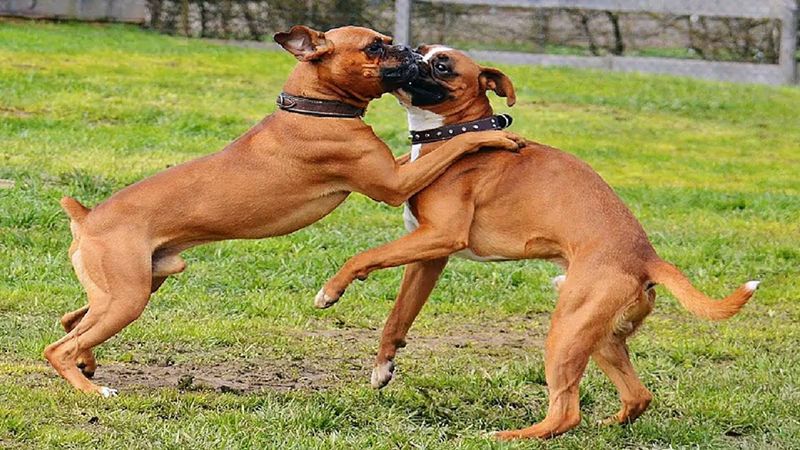
Boxers are bouncy clowns with tender hearts, yet arousal can overwhelm impulse control. Shelters may understate how jumpy-mouthy turns unsafe when stress and frustration rise.
People hear goofy, not realizing the line between play and nips can blur in tight quarters.
Ask for notes on play style, thresholds, and redirect ability. You want clear accounts of mouth pressure, muzzle punches, and whether redirection to toys works.
Video of handling during excitement tells you more than words.
Plan decompression walks, scatter feeding, and mat work to build calm. Muzzle train early, teach settle cues, and manage greetings carefully.
With honesty and structure, that joyful spark can shine without crossing into trouble.
Doberman Pinscher
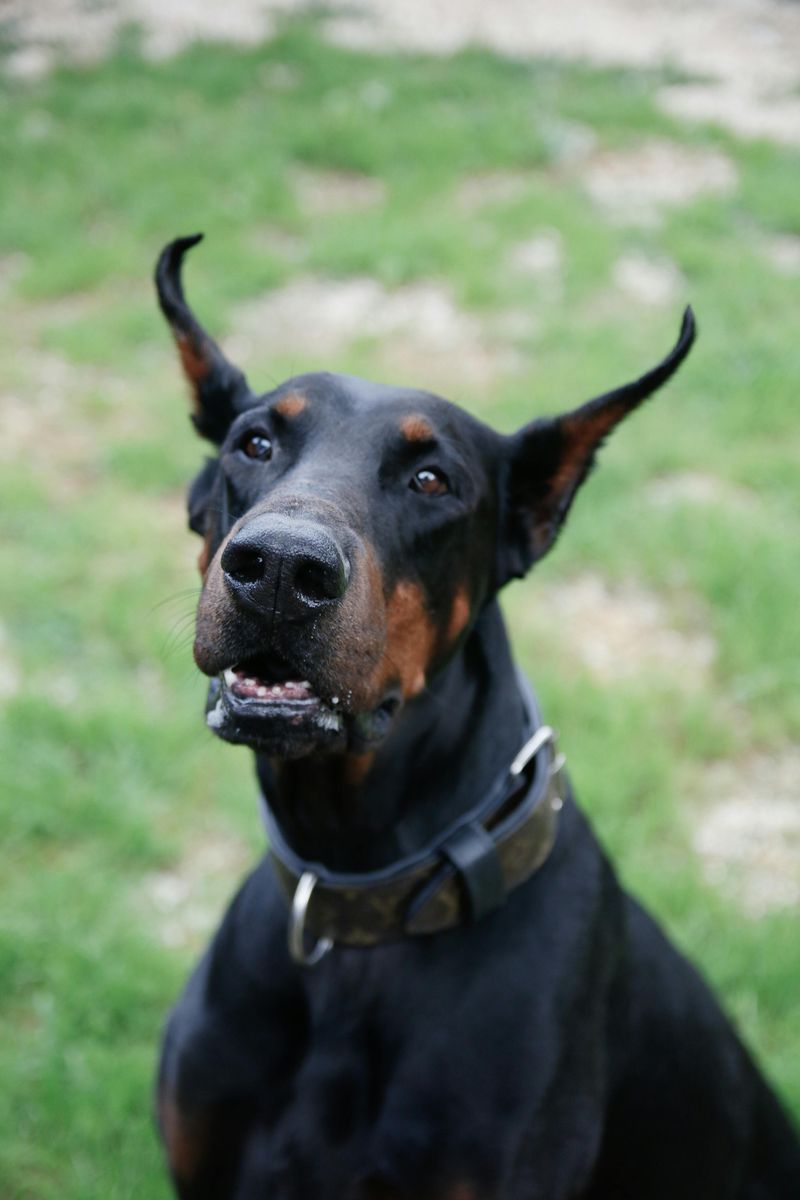
Dobermans bond deeply and scan for patterns, which can turn into sharp objection to rough handling. Disclosures sometimes flatten this into simple anxiety, missing context around restraint or resource guarding.
That omission leaves adopters unprepared for escalations under stress.
Request handling logs: nail trims, collar grabs, and vet tech interactions. Ask whether warning signals were ignored or punished.
Bite detail matters, including location, pressure, and disengagement speed.
Build trust with predictable routines, consent cues, and low-conflict training. Muzzle conditioning and cooperative care reduce risk while skills grow.
When shelters share full histories and coaching, you can honor the breed’s brilliance without walking blind.
American Bully
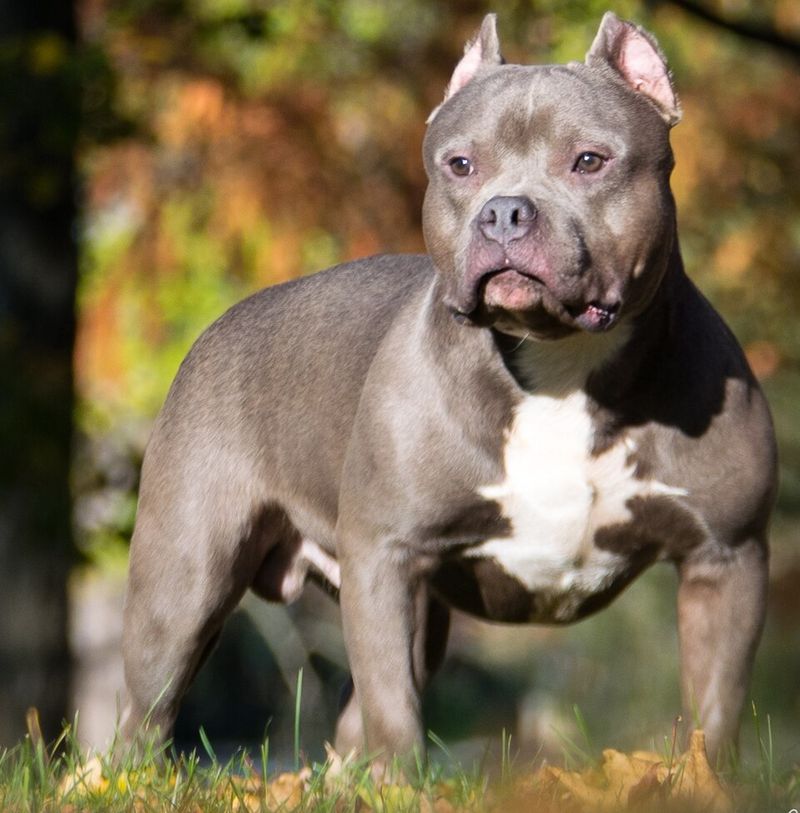
American Bullies often radiate sweetness, which can overshadow crucial notes about frustration and barrier aggression. Marketing leans cuddly, while details about doorways, leashes, or fence-line blowups fade to the background.
That gap creates shock when intensity appears post-adoption.
Ask for barrier tests, leash reactivity assessments, and dog-dog intros across neutral spaces. Clarify bite scale if scuffles occurred, and whether conflict was about resources or proximity.
You want exact triggers, not just playful or friendly stamped on a card.
Balanced handling, muzzle training, and structured decompression smooth transitions. Use predictable walks and environmental management to prevent rehearsed lunges.
With honest intel, you can harness that affectionate nature without courting preventable mistakes.
Staffordshire Bull Terrier
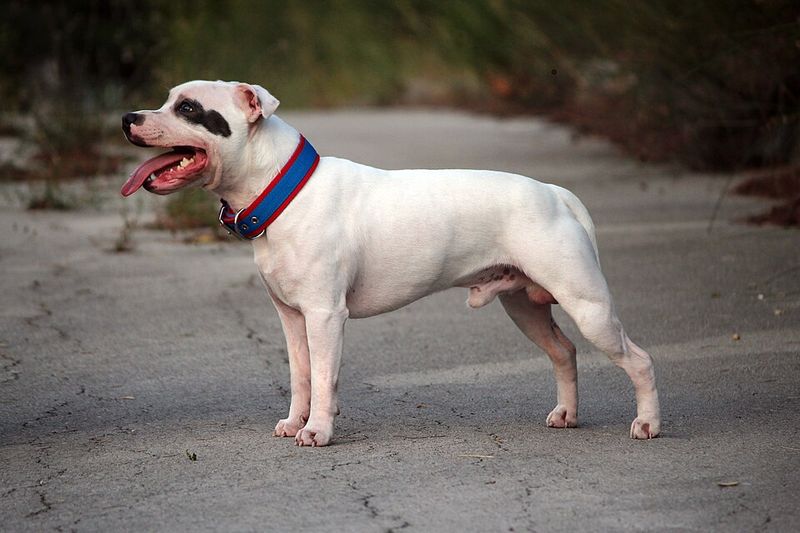
Staffordshire Bull Terriers brim with people-focused charm, but high arousal can cloud judgment fast. Shelters sometimes soften histories, listing excitable instead of noting redirected bites during over-threshold moments.
That nuance matters when kids, visitors, or energetic homes are involved.
Ask about play breaks, off-switch cues, and resource tests. You deserve specifics on handling around food bowls, toys, and doorways.
Request videos of calm handling and post-arousal recovery, plus notes on prior training progress.
Teach settle games, pattern feeding, and leash skills to control excitement. Muzzle training protects everyone while the dog learns coping strategies.
Transparent, bite-scale reporting lets you prepare, celebrate the snuggles, and sidestep preventable incidents.
American Pit Bull Terrier
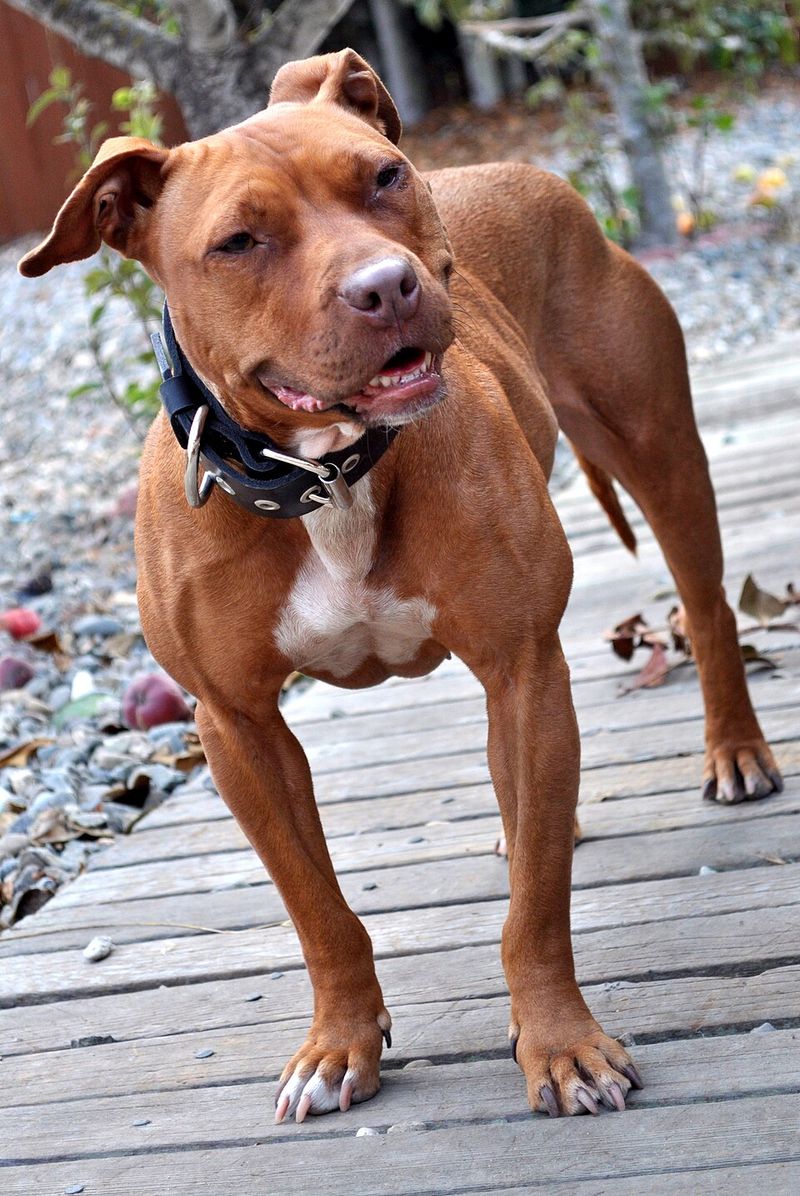
American Pit Bull Terriers spark strong opinions, and that noise can bury useful truth. Some shelters overcorrect, highlighting only sweetness while minimizing scuffles or handling objections.
You need clear, behavior-first language to cut through stereotypes and marketing gloss.
Request objective incident logs, bite scale, context, and recovery data. Ask for dog intros across time, not one snapshot.
Clarify handling tolerance for collars, harnesses, and medical care, with video preferred.
Structured decompression, muzzle conditioning, and enrichment reduce risk. Reinforce calm greetings, teach trade games, and manage high-energy play.
With candid disclosure and practical support, many thrive in loving homes without surprises down the road.
Bull Terrier

Bull Terriers bring quirky humor and unstoppable enthusiasm, but arousal spikes can turn clumsy into risky. Notes may say mouthy or stubborn when the issue is threshold management and frustration.
Downplaying history leaves adopters without the pacing plan these dogs often need.
Ask for play style descriptions, recovery times, and prior training results. Request details on any nips, location on body, and whether they were redirected or intentional.
Video of leash work and greeting routines helps decode patterns.
Short sessions, decompression, and structured play prevent overload. Muzzle training and impulse games like middle and hand target give clarity.
When history is plainly shared, you can channel that zany charm into safe, joyful companionship.
Kangal
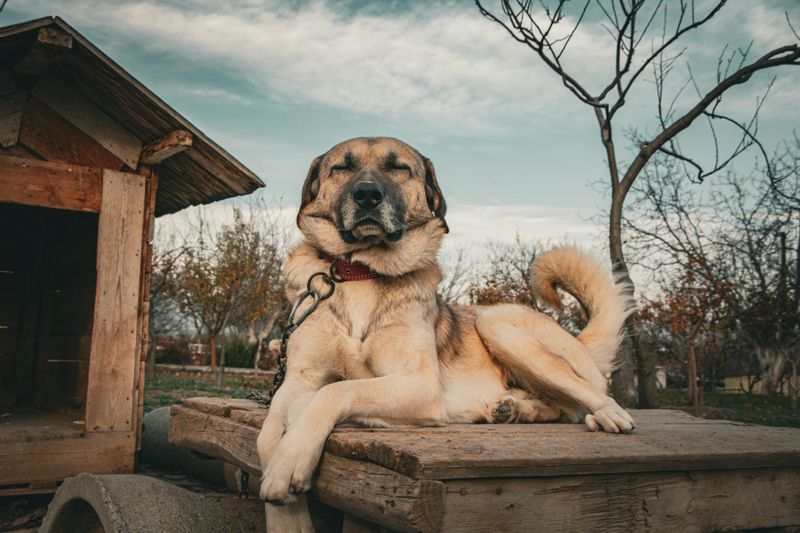
Kangals are serious livestock guardians bred for independent decisions and territorial defense. Shelters sometimes frame issues as shy or aloof, glossing over intense boundary instincts.
That mismatch endangers adopters who expect a couch buddy without management.
Ask about perimeter walks, stranger tests, and handling tolerance near gates and vehicles. You need disclosure on any snaps during confinement or vetting.
Clarify whether bites were warning-level or committed, with triggers like approach to property or car.
Plan secure fencing, slow introductions, and muzzle conditioning. Respect space, use predictable routines, and prioritize trainer guidance.
With full history and appropriate goals, a Kangal can thrive, but honesty is nonnegotiable for safety.
Akbash
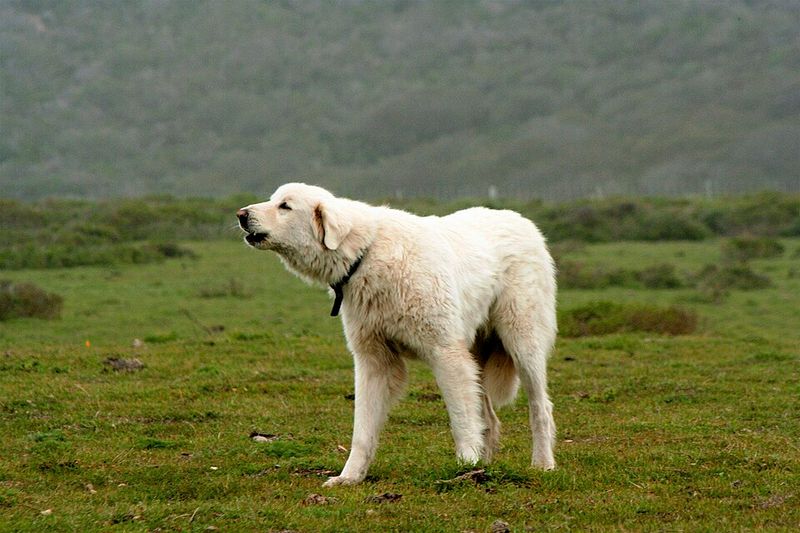
Akbash dogs share guardian roots that reward independence and suspicion of intruders. In shelters, notes might say reserved when the reality is property-focused defense at close quarters.
Downplaying leads adopters to skip fencing, muzzles, and trainer partnerships.
Ask for context on bites: location, trigger, and duration. You want data on greeting rituals, tolerance for touch, and vet handling.
A video walk-through at varied distances from boundaries can reveal escalating patterns.
Prepare with double gates, long lines, and predictable routines. Muzzle training, consent-based handling, and slow visitor plans are vital.
Clear disclosure empowers you to respect the breed’s job while building safe, sustainable companionship.
Anatolian Shepherd Dog
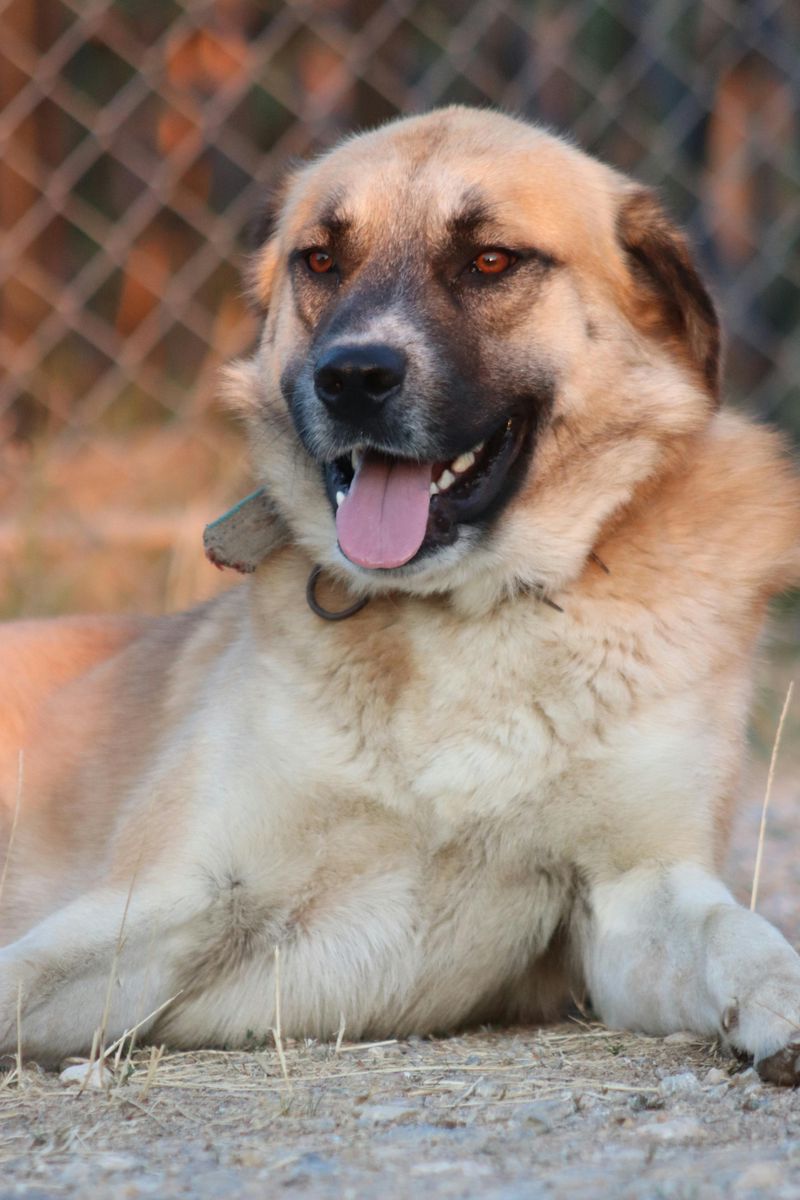
Anatolian Shepherds assess threats first, cuddle second, and that clarity can unsettle city adopters. Shelters may label behavior as selective when it is focused territorial strategy.
Without candid bite details, adopters miss how proximity and pressure shape outcomes.
Ask for bite scale, antecedents, and disengagement notes. You need evidence of threshold distances for strangers and dogs.
Request video of perimeter walks, resource tests, and vet handling in muzzle.
Plan robust management: tall fencing, decompression, and predictable guest routines. Work with trainers comfortable with guardian breeds and consent-based care.
Clear disclosure bridges expectations and reality, letting this noble worker succeed without unfair risks.
Sarplaninac
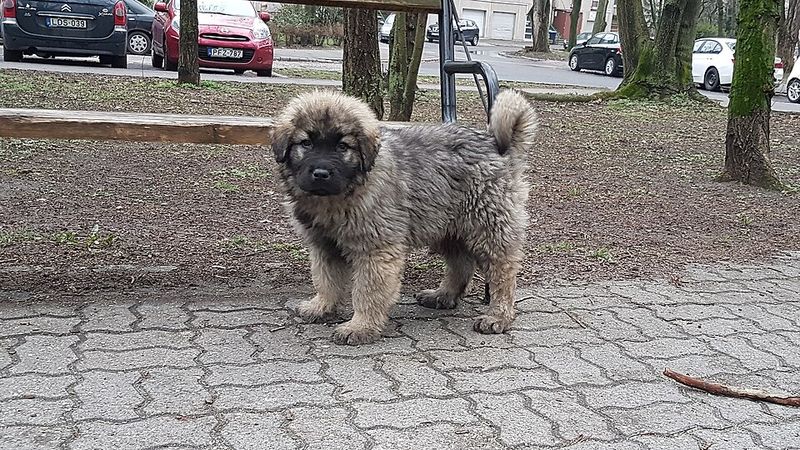
Sarplaninacs are steadfast guardians bred for big landscapes and serious decisions. In shelters, staff might soften language to adoptable by skipping the gravity of boundary enforcement.
That puts you at risk if expectations lean pet-first without management.
Ask for full incident timelines: precursors, handler actions, and recovery. Clarify if behavior shifts between on-leash, off-leash, and kennel.
You want vet handling notes, muzzle comfort, and resource testing specifics.
Prepare secure property, structured introductions, and professional guidance. Use predictable routines, low-pressure handling, and enrichment that respects autonomy.
When disclosures are complete and practical plans follow, you can offer safety, purpose, and a fair chance to thrive.