Dog forums are buzzing with stories about behavior shifts after neutering, and some accounts are surprisingly specific by breed. If you are weighing the decision, real owner experiences can help set expectations beyond the standard vet brochure.
Here is what people say changed in their northern and spitz companions, from mellowed energy to training curveballs. Read with an open mind and compare notes with your vet, because context matters more than hot takes.
Samoyed
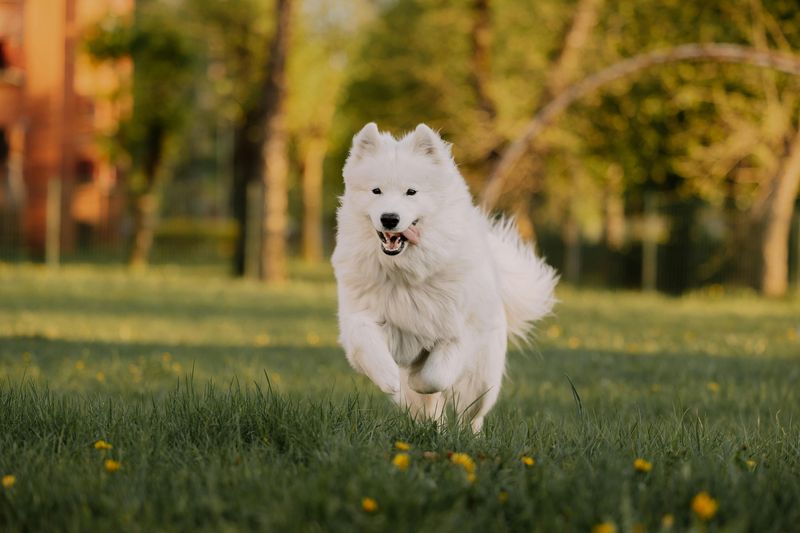
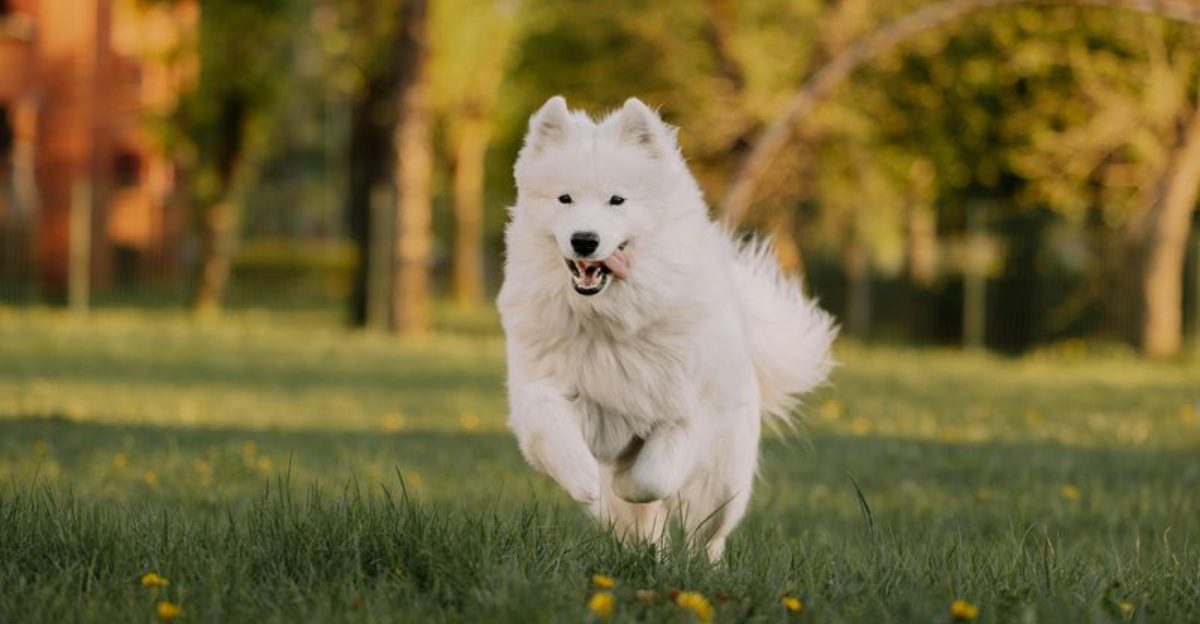
Owners often report their Samoyed becomes a touch calmer after neutering, especially during adolescence peak months. You might see fewer roaming attempts and less fence testing, which helps with recall training.
That said, the signature Sammy cheer remains, just redirected into play and people time.
Some notice a modest increase in appetite and a bit of padding around the ribs. Keep exercise playful and structured, like brisk walks and fetch in short bursts.
Mental stimulation, puzzle feeders, and trick training keep boredom at bay and maintain that sparkling grin.
If coat texture shifts slightly, regular grooming catches mats early. Neutering is not a personality eraser, but it can smooth edges.
Pair it with consistency, and the smile stays unmistakably Samoyed.
Norwegian Elkhound
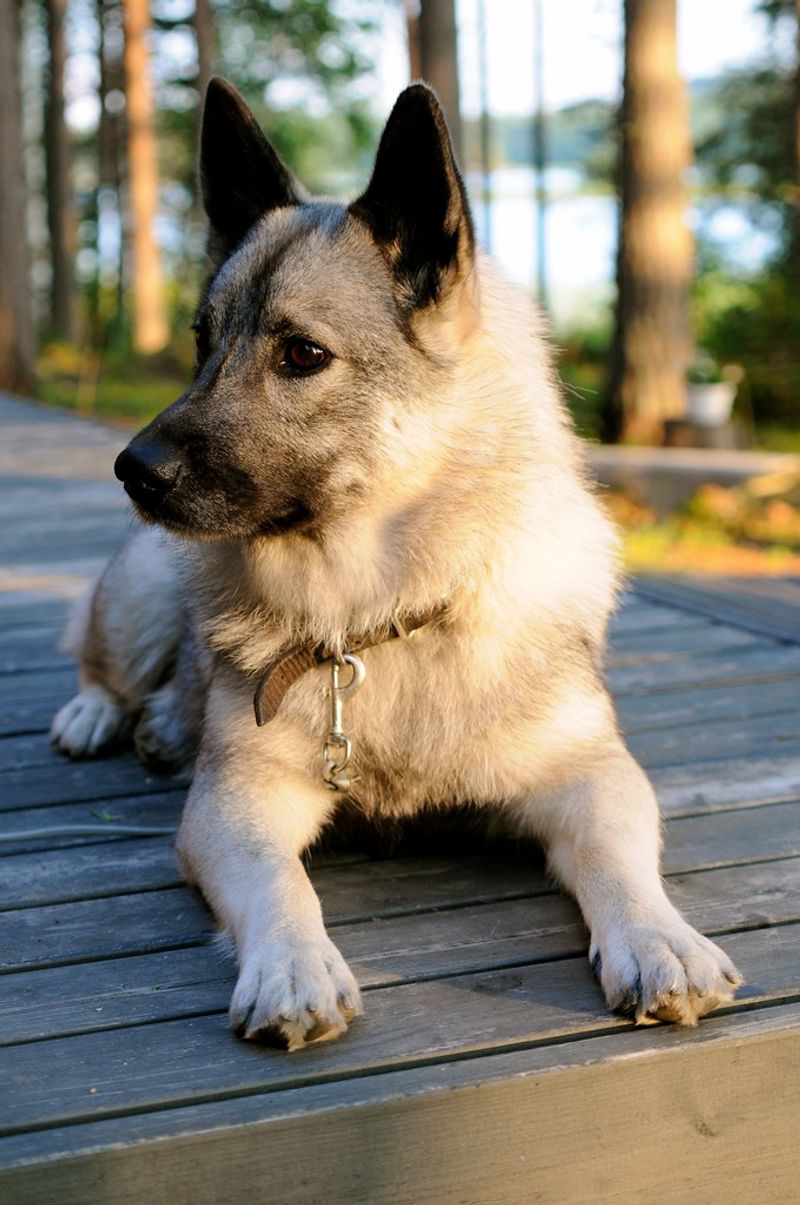
After surgery, many Elkhound owners say the dog becomes less restless outside, particularly around wildlife scents. That may translate to fewer darting attempts and improved leash manners.
The breed’s independent streak persists, but training sessions feel less like negotiations and more like teamwork.
Weight management becomes a real focus, since hearty appetites can creep upward. Keep portions measured and add scent games to satisfy the nose without extra calories.
Nosework classes are a crowd favorite and channel heritage safely.
Vocal tendencies may soften marginally, though watchdog alerts rarely vanish. Expect the same loyal shadow in the home, just with steadier focus.
Balance activity with recovery early on, then maintain a predictable routine to lock in good habits.
Icelandic Sheepdog
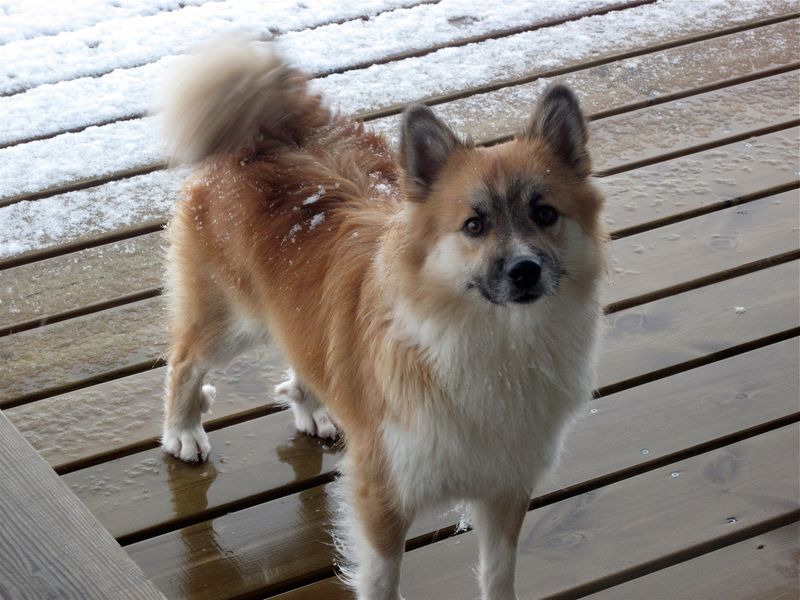
People often describe an Icelandic Sheepdog mellowing slightly post neuter, with fewer distracted spins during training. Herdy enthusiasm remains, but it is easier to capture attention with treats or toys.
Some reactivity toward other dogs can decline, particularly in crowded classes.
These social butterflies still need daily outlets. Short agility foundations, casual rally cues, and hide-and-seek games work wonders.
If appetite climbs, rotate lower calorie training treats and build value with praise and play.
The breed’s chatty nature may dial down a notch, yet communication stays vibrant and charming. Coat maintenance remains routine, so keep brushing regular.
Overall, owners note a steadier companion who learns faster when sessions are brief, upbeat, and consistently reinforced.
Finnish Lapphund
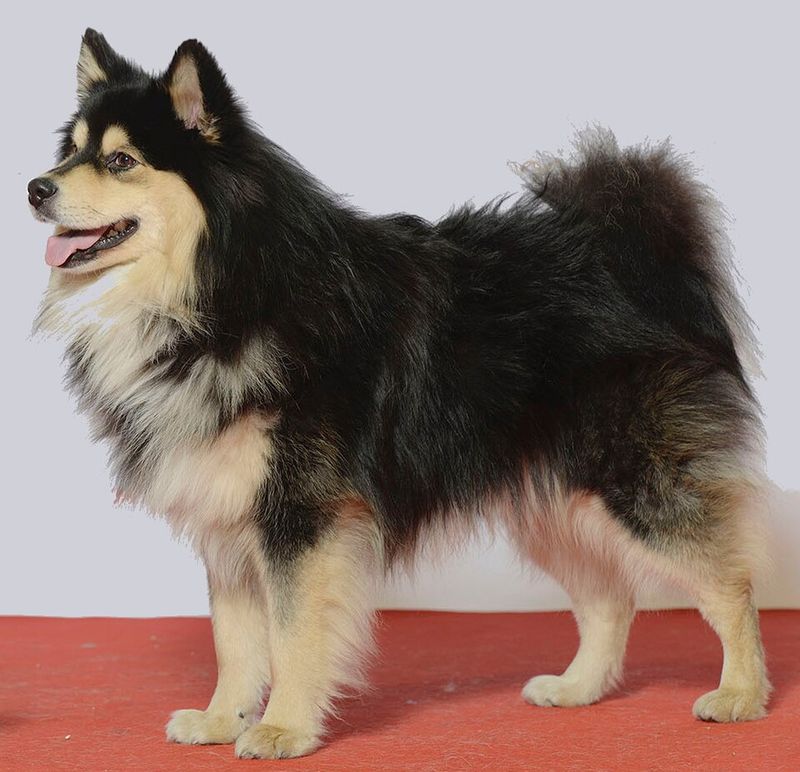
Reports suggest Finnish Lapphunds often settle into a more even keel after neutering. The velcro tendencies intensify in a sweet way, with fewer wandering impulses outdoors.
You might notice easier engagement in obedience, as hormonal distractions fade.
Because this breed thrives on connection, keep training positive and brief. Nosework, rally, and casual herding-style exercises meet the mind-body quota.
Monitor calories, since a mellowed metabolism can add fluff where you do not want it.
Coat may feel slightly denser seasonally, so schedule de-shedding. Temperament stays gentle, with less posturing around unfamiliar males.
Overall, owners describe a still-playful companion who focuses better, snuggles harder, and benefits from consistent routines plus thoughtful enrichment.
Lapponian Herder
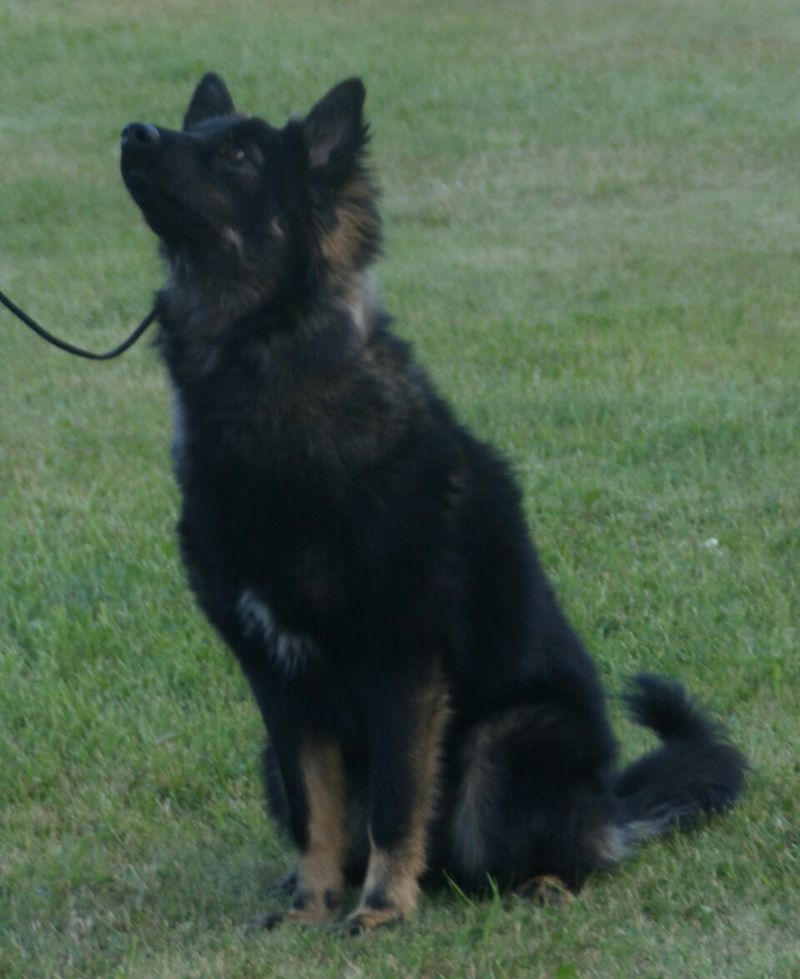
Lapponian Herder owners often say neutering takes the sharp edge off hormonal intensity. The dog still loves to work, but fixations on other dogs or scents tend to loosen.
That frees attention for precision cues and calmer heeling.
To avoid weight creep, swap some food for training rewards and add structured movement like bikejoring lite or brisk hikes. Herding instincts remain thoughtful rather than frantic, which helps in mixed-dog households.
Early recovery is a good moment to reinforce relaxation on mat behaviors.
Barking at motion may drop slightly with better impulse control. Social confidence can improve when hormones no longer complicate greetings.
Expect the same bright worker, just steadier, with training gains arriving faster and sticking longer.
Swedish Vallhund
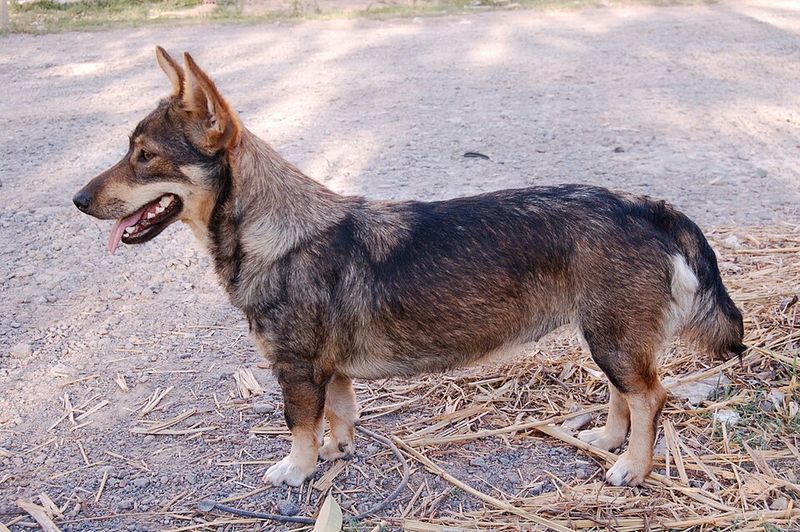
Vallhund owners frequently report smoother day-to-day behavior after neutering, especially reduced posturing with same-sex dogs. The breed’s quick wit remains, now less hijacked by environmental triggers.
Training becomes snappier with fewer off-task moments.
Because these dogs are food motivated, portion control matters right away. Use scatter feeding in grass and platform games to burn mental energy without overdoing calories.
Short heelwork bursts and toy reinforcement keep them buzzing in a good way.
Alert barking may soften, though the vigilant spirit stays. Back health benefits from consistent conditioning, including cavaletti and core work.
With structure and enrichment, you get the same charismatic partner, more focused and easier to settle at home.
Norwegian Buhund
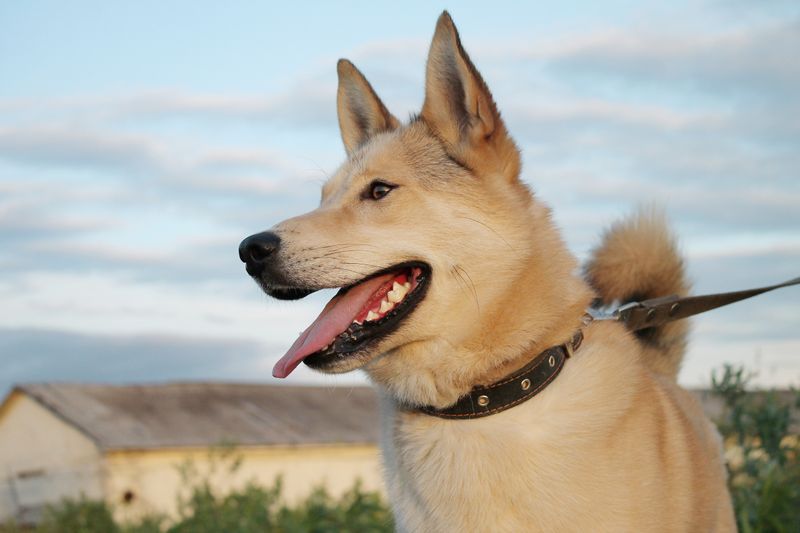
Post neuter, many Buhunds show reduced intensity around novel dogs and fewer attempts to roam. The breed’s upbeat, task-ready attitude remains, now easier to channel into shaping games and tricks.
Watch for slightly increased appetite and manage treats thoughtfully.
To keep weight steady, rotate tug, retrieve, and short scent searches. These brighten sessions and preserve that trademark enthusiasm.
If barking decreases, reinforce quiet with calm rewards, so the habit sticks.
Coat and energy stay moderate, but rest day structure helps recovery and beyond. Owners often describe better consistency in recalls and less gate rushing.
Overall, the Buhund feels just as sunny, with smoother impulse control and more reliable focus during daily life.
Greenland Dog
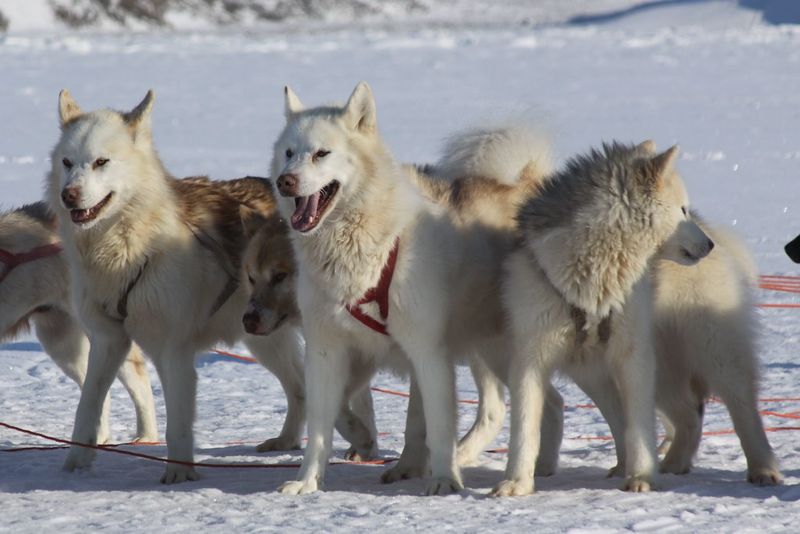
Greenland Dog owners sometimes notice tempered drive toward rival males after neutering. The primal work ethic remains intact, but scuffles become less likely in tight quarters.
Outdoor stamina stays high, yet channeling energy into pulling sports feels easier.
Appetite may rise, so structure meals and keep conditioning purposeful. Drag-weight walks and controlled canicross maintain fitness without chaos.
Early recovery is a chance to rehearse calm tethering skills and settle cues.
Territorial vocalizations can soften a bit, improving multi-dog harmony. Expect the same hardy spirit, still eager for purposeful jobs and long treks.
With clear routines and training, neutering tends to polish manners rather than dull the breed’s remarkable grit.
Canadian Eskimo Dog
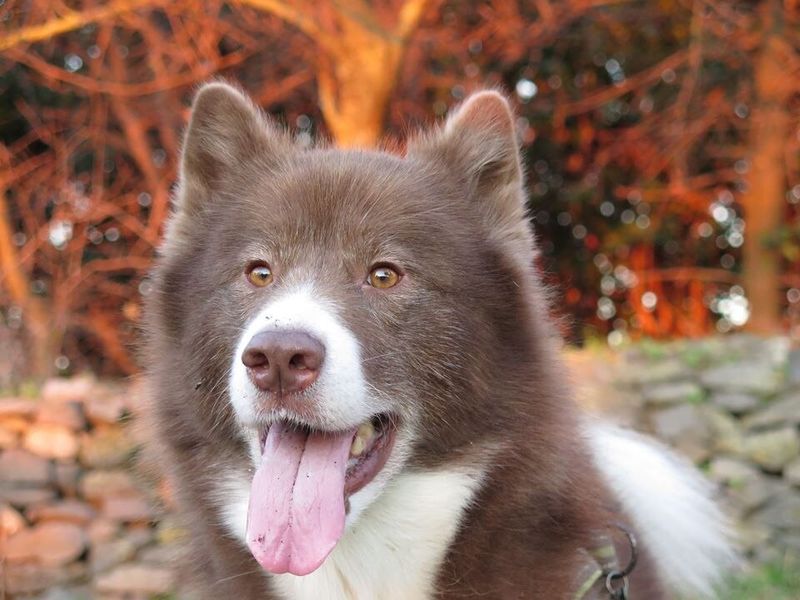
Owners of Canadian Eskimo Dogs often say neutering smooths tension with intact males and lessens fence pacing. The dog still craves work and structure, but focus improves during training lines.
You may find recalls steadier when competing scents are not screaming for attention.
Because metabolism can dip, plan lean proteins and measured portions. Incorporate purposeful tasks like drag work, line-outs, and steady trot conditioning.
Mental challenges like platform durations help channel that serious mind.
Vocal alerts might decline slightly in crowded environments. The core temperament stays grand and determined, simply less combustible.
With consistent leadership, post-surgery routines feel more cooperative than combative, preserving the breed’s dignity and drive while boosting household harmony.
Yakutian Laika
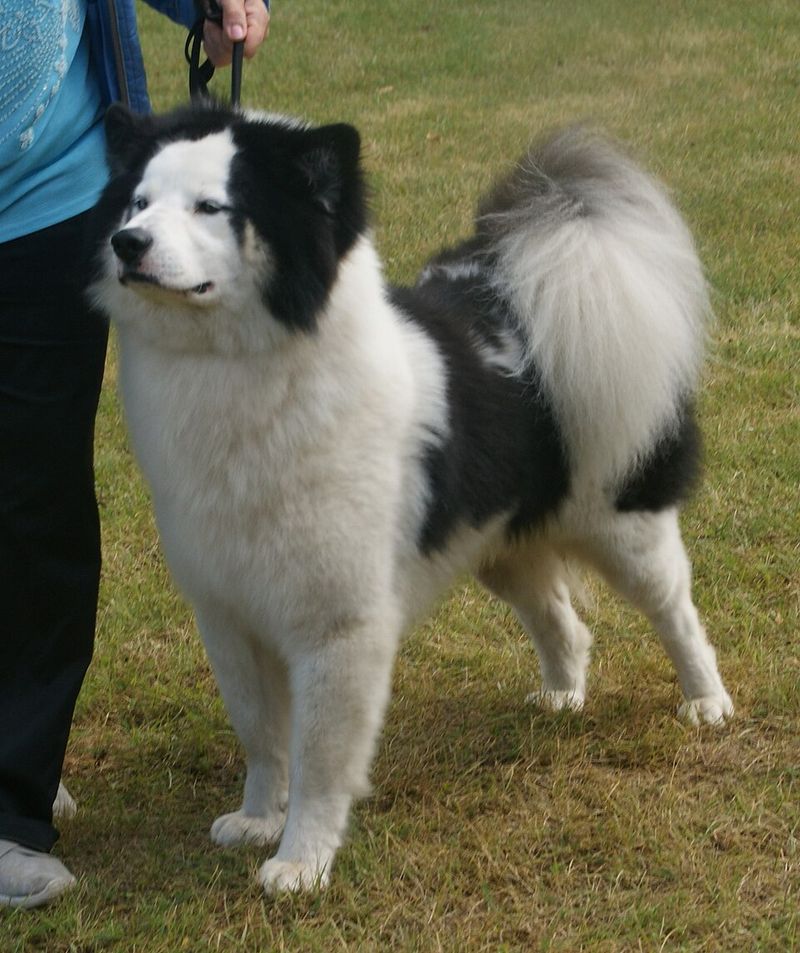
Yakutian Laika owners report a subtle calming effect after neutering, particularly around high-energy dog parks. The breed remains agile and alert, but fixations on rivals or romantic tangents fade.
That frees up bandwidth for precision heeling and cleaner downs.
Keep enrichment varied: scent puzzles, flirt pole control games, and brief rally patterns. Monitor calories since appetite can edge upward.
Balanced conditioning protects joints while preserving that buoyant stride.
Vocal tendencies may soften, though communication stays expressive. Expect a devoted companion who still thrives on purposeful work and predictable routines.
With clear boundaries and regular decompression, most owners describe better focus and steadier social interactions without dimming the Laika’s spirited charm.
Alaskan Malamute
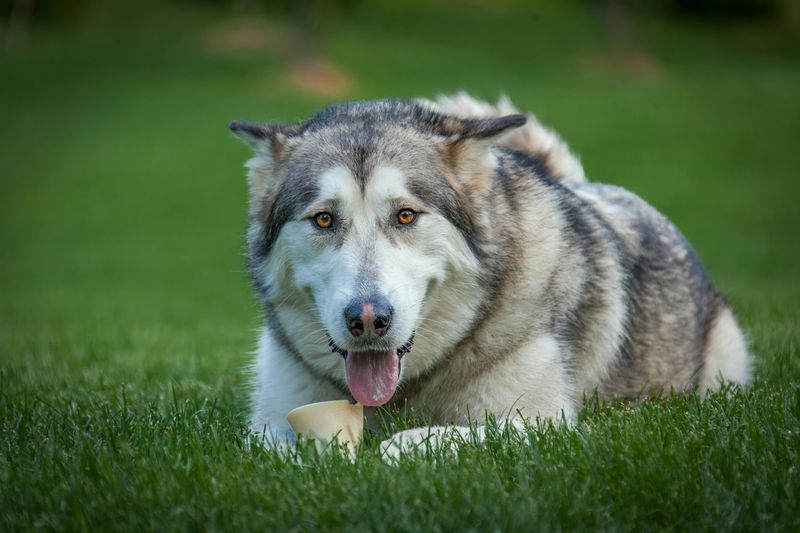
Malamute owners frequently notice reduced same-sex posturing and wandering urges after neutering. The breed remains affectionate and powerful, but day-to-day management becomes easier.
Training feels less like steering a freight train and more like guiding a teammate.
Because weight gain can sneak up, lean diets and regular sled-style conditioning are key. Skijoring foundations, backing drills, and impulse-control on harness preserve drive safely.
Early recovery is perfect for mat settles and cooperative care routines.
Vocal woo-woo sessions may be shorter, though the conversation never disappears. Expect a reliable adventure buddy with steadier focus.
With structure, enrichment, and respect for working heritage, owners report smoother living while the Mal’s heart stays as big as ever.
Keeshond
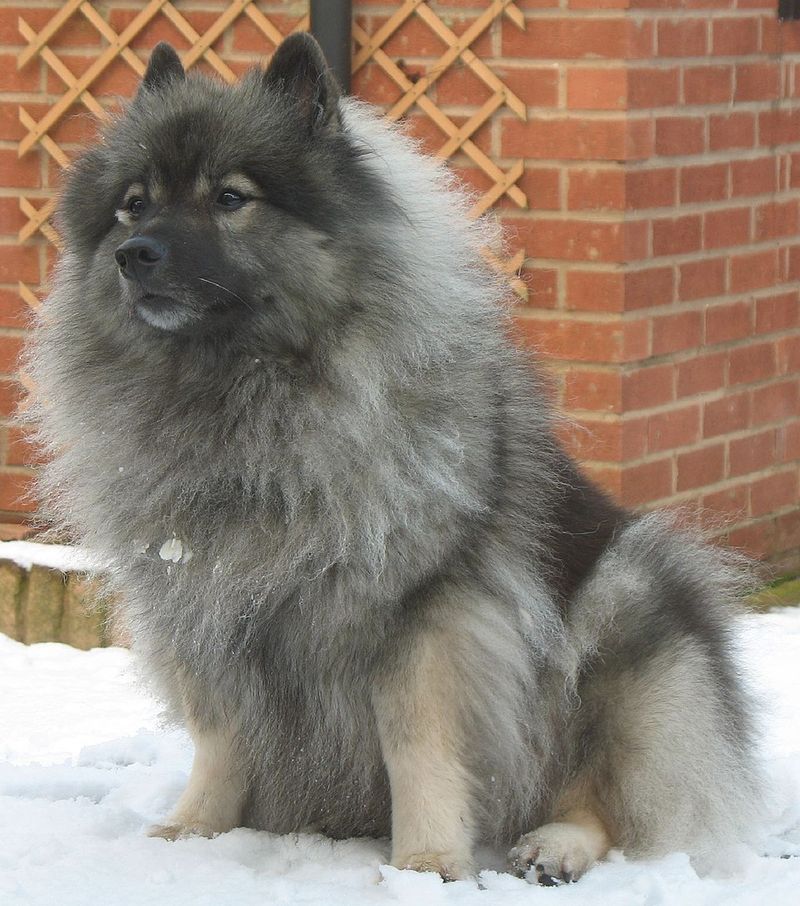
After surgery, many Keeshond owners describe gentler reactivity and fewer hormone-fueled distractions. The social butterfly spirit persists, making manners training more consistent.
Watch for increased snack interest that can add stealth pounds.
Keep brains busy with platform games, place training, and scent hides around furniture. Short obedience bursts, followed by cuddles, keep motivation high.
Grooming stays important as coat volume seems richer with age.
Barking at doorbells can lessen when combined with practiced quiet cues. Overall, the dog feels more biddable without losing sparkle.
With measured calories, regular walks, and upbeat reinforcement, most people see smoother focus, friendlier dog-dog interactions, and a home life that feels pleasantly calmer.