
Some dogs freeze at the groomer, and it gets mistaken for being well behaved. In reality, many are shutting down from stress, noise, or unfamiliar handling.
Learning their signals helps you protect trust and make grooming safer and kinder. Let’s rethink good behavior and spotlight breeds that are often misunderstood in the grooming space.
Komondor
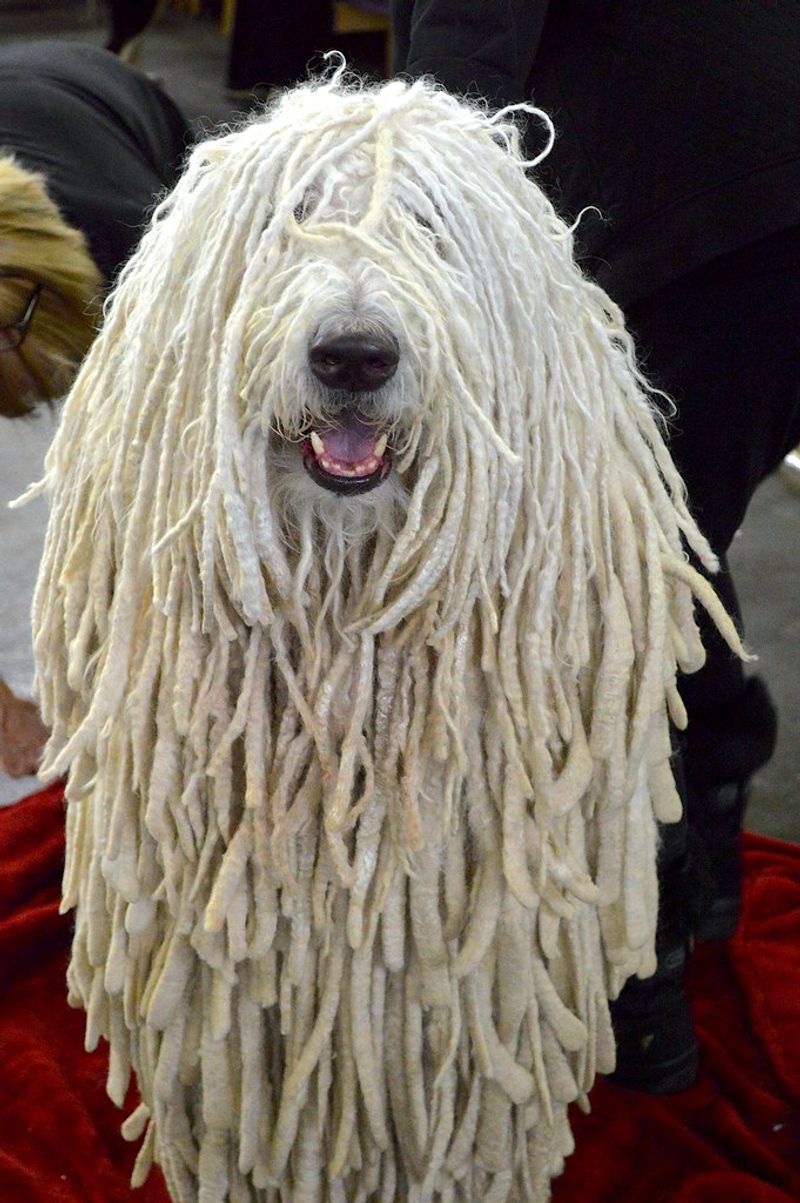
The Komondor’s epic cords look stunning, but they can hide subtle stress. Many will go statue-still as clippers buzz, which looks cooperative yet signals shutdown.
Watch for frozen posture, whale eye, or tight lips while someone lifts cords. That is not chill, that is coping.
Help by separating cords slowly, using fingertip detangling and gentle drying instead of blasting. Keep sessions short, with quiet tools and frequent breaks for sniffing or treats.
Allow the dog to stand on a non-slip mat and choose repositioning. Teach cooperative care cues like chin rest and stationing.
Early cord care prevents painful matting that triggers shutdown. Reward tiny wins and stop before tolerance fades.
Good behavior here is relaxed, not rigidly still.
Puli
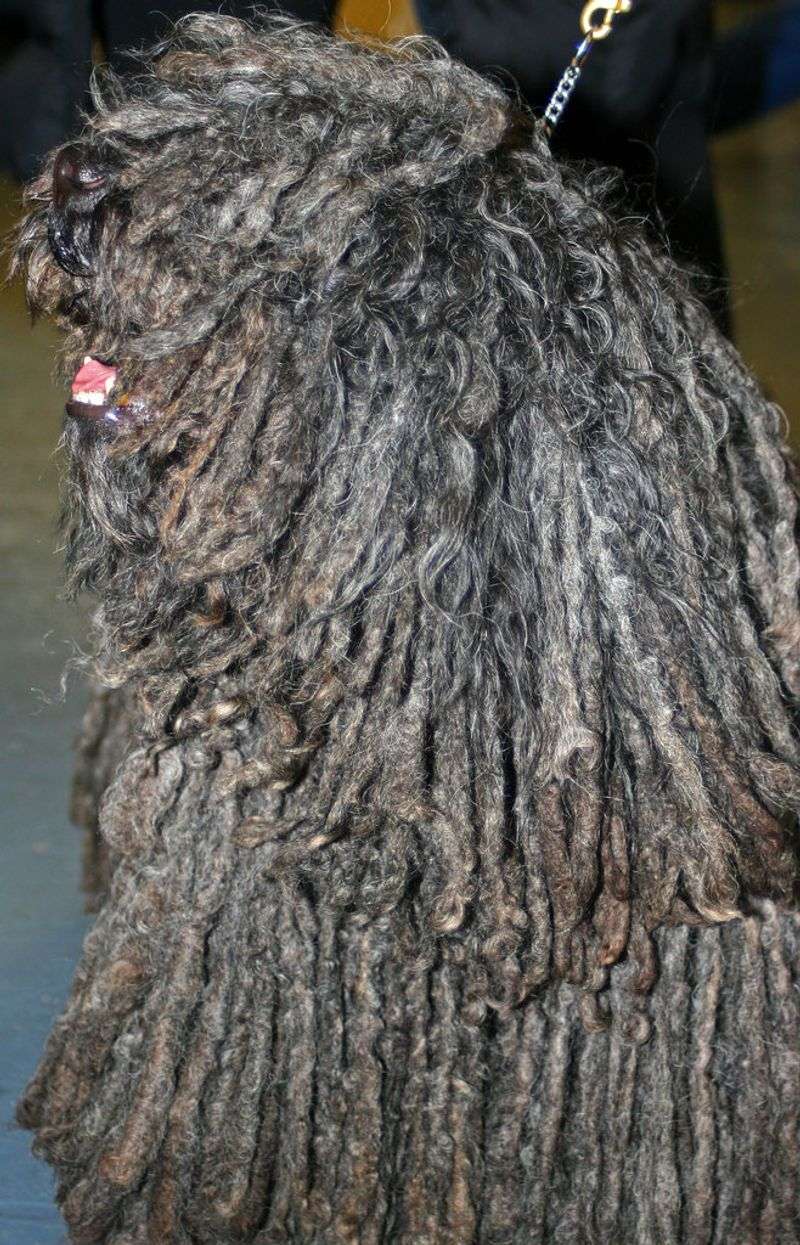
Pulik often default to stillness when grooming gets overwhelming. That bouncy, witty dog may suddenly freeze the moment a loud dryer appears.
People call it being good, but you might be seeing learned helplessness. Look for slower blinks, clamped mouth corners, or paws pulled tight underneath.
Use low-airflow drying, towel blotting, and targeted cord maintenance. Break tasks into predictable steps and pair each with food.
Let the dog step off the table for a reset when breathing gets shallow. Keep tools warm to avoid cold-startle on sensitive skin.
Condition the sound of dryers at a distance, then gradually decrease space. A body that softens and moves is success.
Motion beats mannequin stillness every time.
Pumi
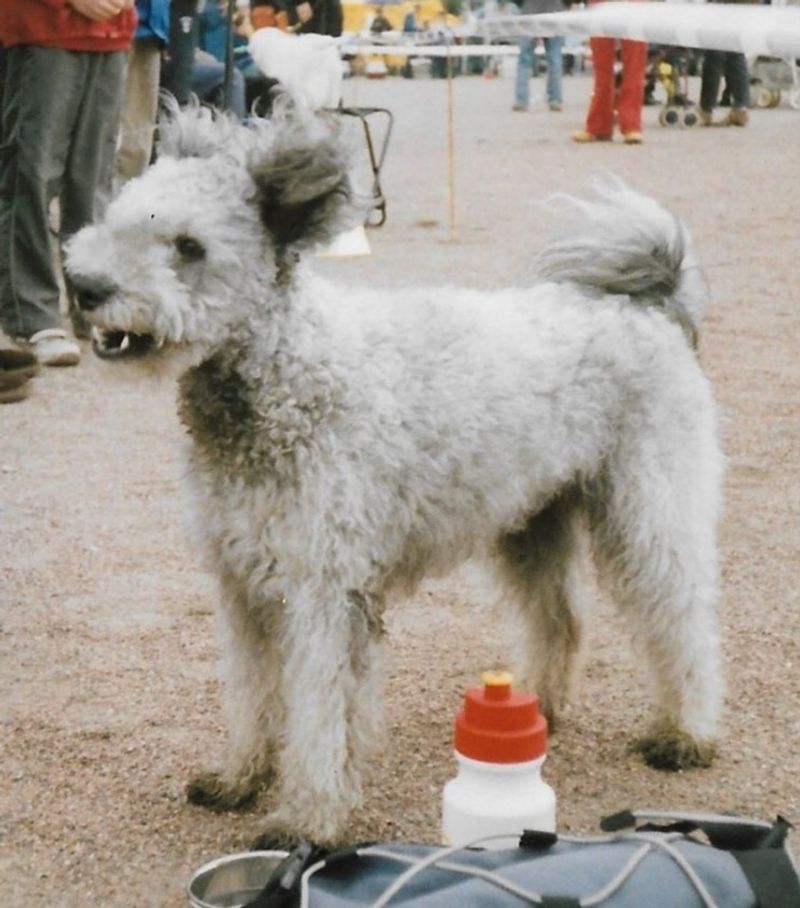
Pumik are bright and quick, which can backfire during grooming. When overwhelmed, they might flip from fidgety to stone-calm.
That shift can be shutdown, not serenity. Notice ears pinned back, tail tucked tight, and a rigid back as the comb approaches.
Support with choice: station training on a platform, consent cues, and treat-and-repeat brushing. Use curved slickers gently, never scraping.
Keep noise low and let the dog target a lick mat. Short touch, treat, release beats marathon sessions.
Desensitize to paws and muzzle with soft, brief reps. Reward sniff breaks and head turns away as requests for space.
The goal is engagement and curiosity, not silent endurance during coat care.
Bergamasco
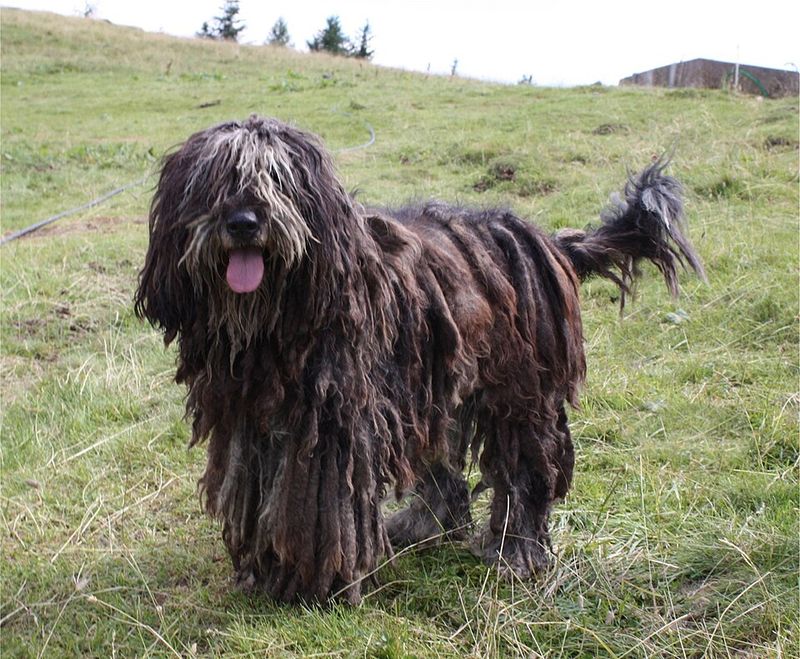
Bergamascos wear unique felted flocks that demand thoughtful handling. They can look statuesque on the table while quietly stressing.
Shutdown shows as slow movement, glassy eyes, and bracing through the shoulders. Gentle flock separation and drying are essential to prevent discomfort that freezes behavior.
Work on the ground when possible with a stable surface. Use hands and minimal tools to separate flocks, supporting the skin.
Keep water temp cozy and drying indirect. Build tolerance with short, predictable steps and food scattered for sniffing resets.
Teach cooperative postures and reinforce voluntary participation. Stop if tension rises or breathing changes.
A pliable body and easy weight shifts are the real signs of good grooming behavior in this thoughtful breed.
Spanish Water Dog
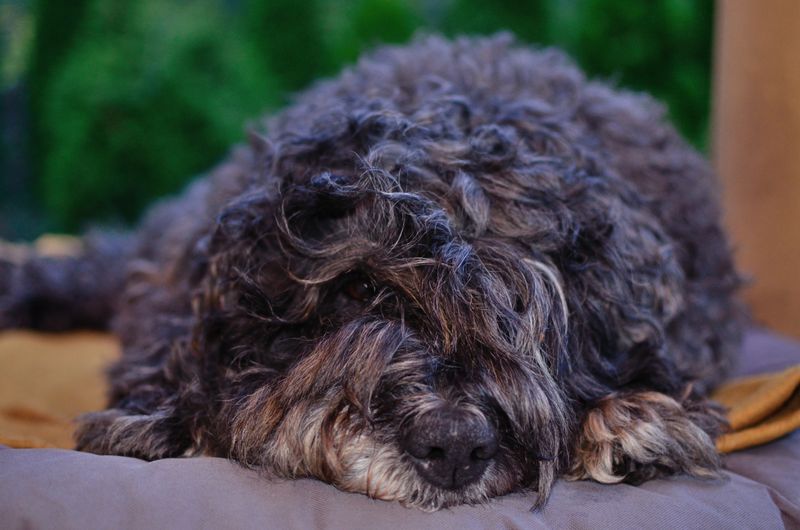
Spanish Water Dogs often wear natural curls left undisturbed between trims. Rough brushing can hurt, so many simply freeze.
People cheer the stillness, missing the clenched jaw and tucked toes. Shutdown is not cooperation, it is survival when handling feels unpredictable.
Use scissor work or gentle combs on small sections. Keep the coat in even length to prevent painful snags.
Rinse thoroughly after swims to avoid salt buildup that tightens curls. Reward each tolerated snip and pause when posture stiffens.
Condition to touch with slow rhythm and clear patterns. Let the dog target a chin rest and step away when needed.
Real success looks like loose lips, soft eyes, and curious tail wags during grooming.
Portuguese Water Dog
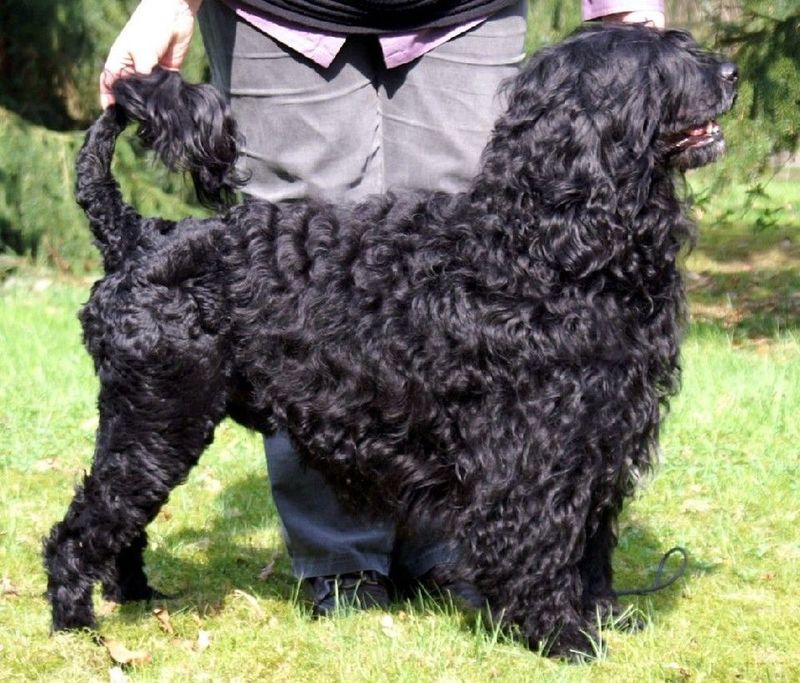
Porties are athletic and sensitive, often masking stress with stillness. The lion clip or working trim can involve long sessions.
If the dog suddenly goes quiet and rigid, that is not compliance, that is coping. Look for tight corners of the mouth, lifted paw, or hard swallowing.
Break grooming into micro-sessions. Use a non-slip surface and reward chin rest, paw targets, and turn cues.
Detangle with conditioner and wide-tooth combs before any brush. Introduce dryers far away, increasing closeness with food and control.
Keep communication two-way and let the dog step off to reset. Celebrate small, relaxed reps over perfect symmetry.
A Portie that moves fluidly and re-engages tells you the process feels safe.
Barbet
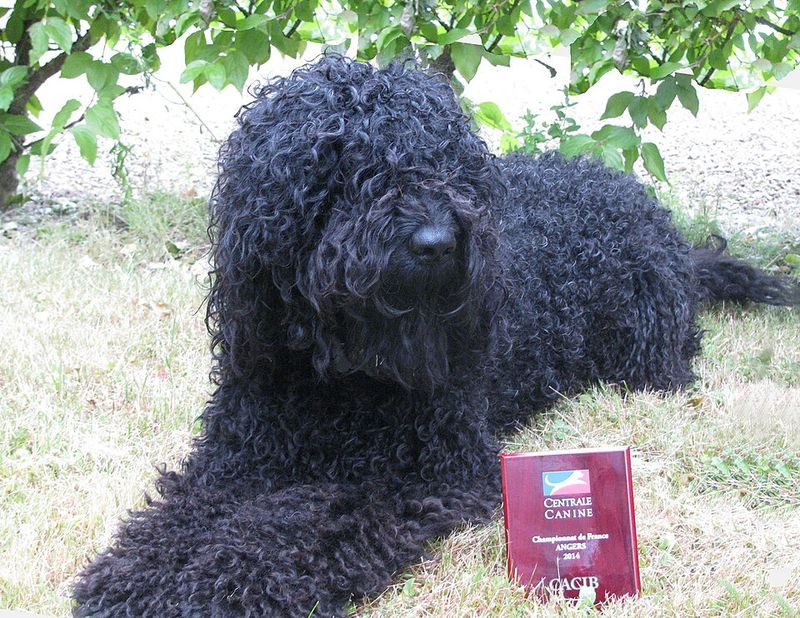
The Barbet’s dense, woolly coat mats fast, and pain can turn a sweet dog into a statue. People praise that freeze as being an angel, but the body says otherwise.
Watch for shallow breathing, stiff tail base, and paws hovering. These are classic shutdown indicators during grooming.
Prevent with regular section-by-section combing and conditioner soaks. Keep sessions short with a predictable pattern.
Use a lick mat, frequent breaks, and soft talking to maintain engagement. Choose quieter dryers and scissors over aggressive brushing.
Train cooperative cues early: platform stationing, chin rest, and paw lifts. Reinforce voluntary returns to the station.
The goal is a soft body and curious sniffs, proving the Barbet feels safe while you maintain that beautiful coat.
Lagotto Romagnolo
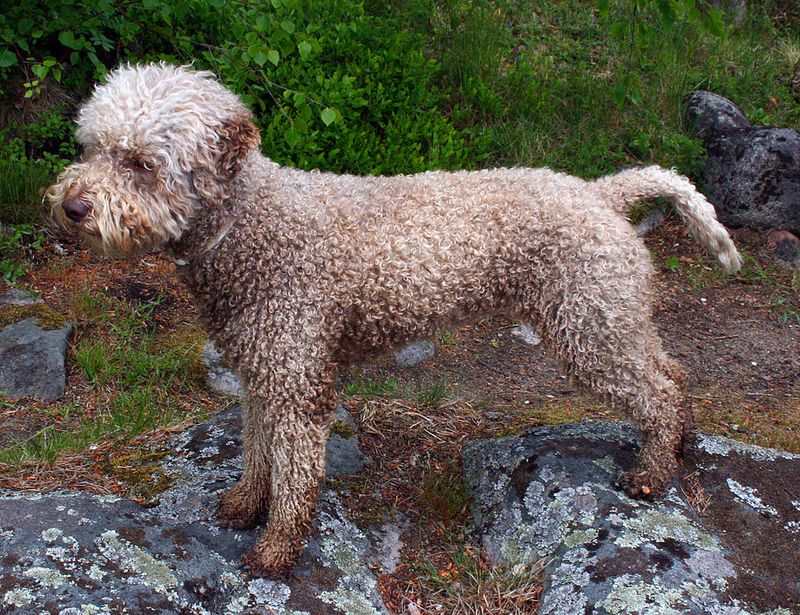
Lagotti sport plush curls that tangle quickly if neglected. Many will shut down when brushing feels endless or loud.
A quiet, frozen Lagotto is not a model student, it is overwhelmed. Ears pinned sideways, tight brow, and still tail are red flags.
Pre-bathe detangling with conditioner, then gentle combing in tiny zones. Use curved shears and patient scissoring rather than forceful slickering.
Offer sniff breaks and training games between steps. Build dryer tolerance gradually with distance and food.
Teach stationing on a mat and a consent cue to start. Reward head turns back to you as re-engagement.
When the body loosens and the dog offers movement, grooming becomes partnership instead of pressure.
Curly Coated Retriever
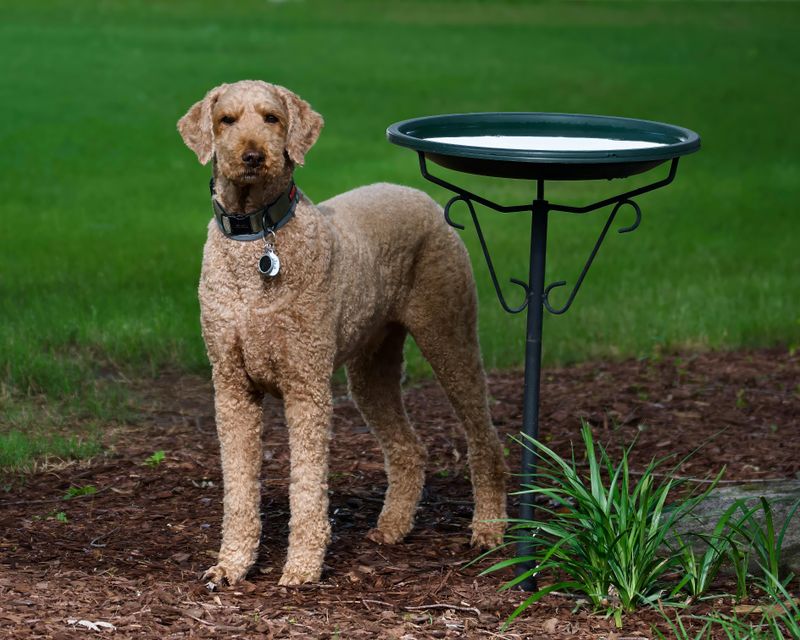
Curly Coated Retrievers have tight curls that can frizz or felt if brushed harshly. Some go rigid during grooming, which gets misread as polite.
Look closer for lip corners pulled tight, a high frozen tail, and minimal blinking. That is a dog doing its best to cope.
Favor combing damp curls with conditioner and avoid over-brushing dry coat. Keep sessions brief and upbeat, mixing in easy behaviors like hand targets.
Use a soft towel and low-air drying rather than high-velocity blasts. Let the dog shake and reset often.
Build positive associations with treats and calm praise. Track duration to stop before tolerance runs out.
A Curly with loose posture and playful eyes shows the process feels right.
Irish Water Spaniel
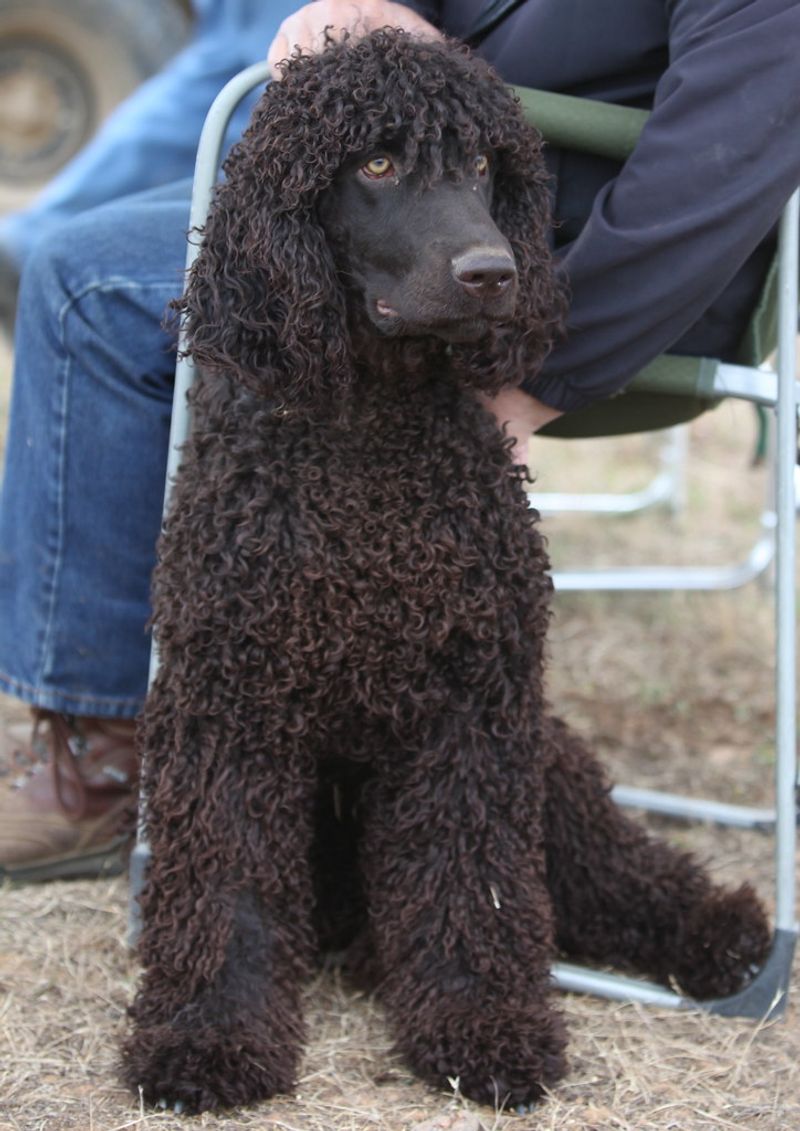
Irish Water Spaniels can appear dignified and still on the table. But still can mean stuck.
If the topknot trim or ear work makes the dog freeze, that is shutdown, not saintly. Watch for a hard stare forward, tight corners of the eyes, and low tail carriage.
Use patient scissor work, detangling conditioner, and pause often to check comfort. Introduce ear handling slowly with tasty reinforcers.
Keep dryer exposure gradual and predictable. Build cooperative care routines like chin rest and paw placement targets.
Train in short sessions across the week, not one marathon spa day. Celebrate small, relaxed behaviors and allow movement breaks.
Good grooming here means a body that breathes and flows, not one that locks.
Briard
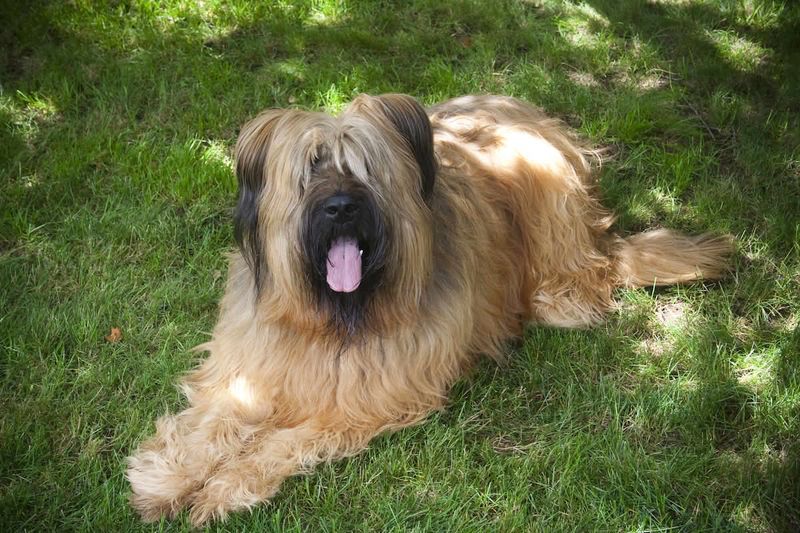
Briards wear a luxurious coat that tangles easily near ears, armpits, and tail. When brushing turns uncomfortable, many Briards glaze over and go quiet.
That stillness is often shutdown. Look for tension along the topline, closed mouth, and paws tucked tight.
Line-brush in tiny sections with a comb following the brush to check. Use detangling spray and warm baths to soften knots.
Keep a steady rhythm and let the dog step off for resets. Reward cooperative moments with food and praise.
Teach a chin rest, side swaps on cue, and stationing on a mat. Stop before frustration builds.
A loose tail swish and soft blinking tell you the Briard feels safe and engaged.
Catalburun
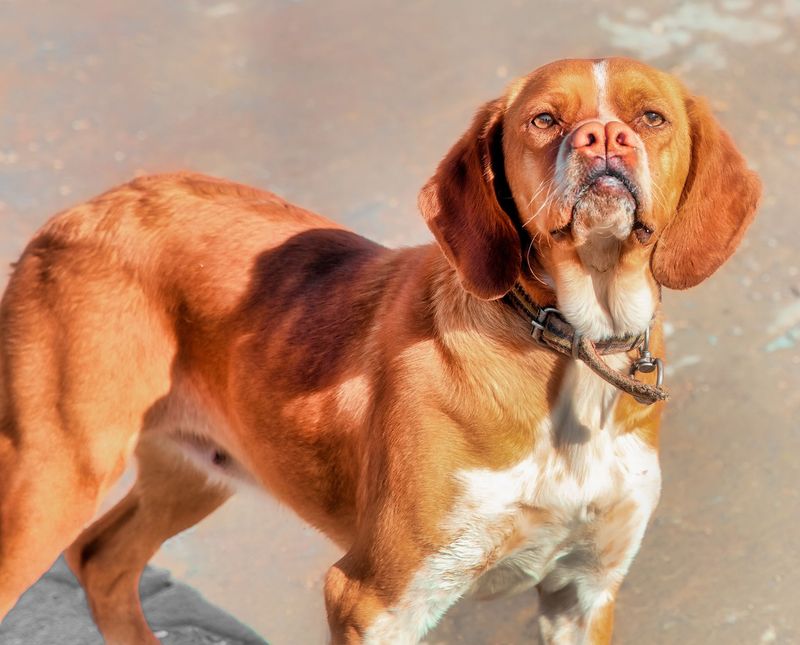
The rare Catalburun is sensitive and observant, often choosing stillness when stressed. During nail trims or ear cleaning, that quiet can be shutdown.
Notice a fixed gaze, paw withdrawal without protest, or tense neck. Those signs ask for slower, kinder handling.
Use cooperative care: start button for consent, brief touches, then treats. File nails gradually instead of clipping big chunks.
Keep ear work light with warmed solution and short sessions. Add mat training to create a predictable station.
Watch the body for softening and regular breathing. Offer breaks to sniff or move, then resume.
Redefine good behavior as participation with choice. When the Catalburun re-engages willingly, grooming becomes trust-building, not just task-doing.