
Ever feel like your dog hits a wall just when progress finally shows up? Many trainers are noticing a clear link between handler frustration and sudden training plateaus, especially with certain high-drive, independent breeds.
The good news is that small tweaks to your mindset and technique can restart momentum fast. Let’s look at the breeds most often mentioned and how to keep both of you moving forward with confidence.
Doberman Pinscher
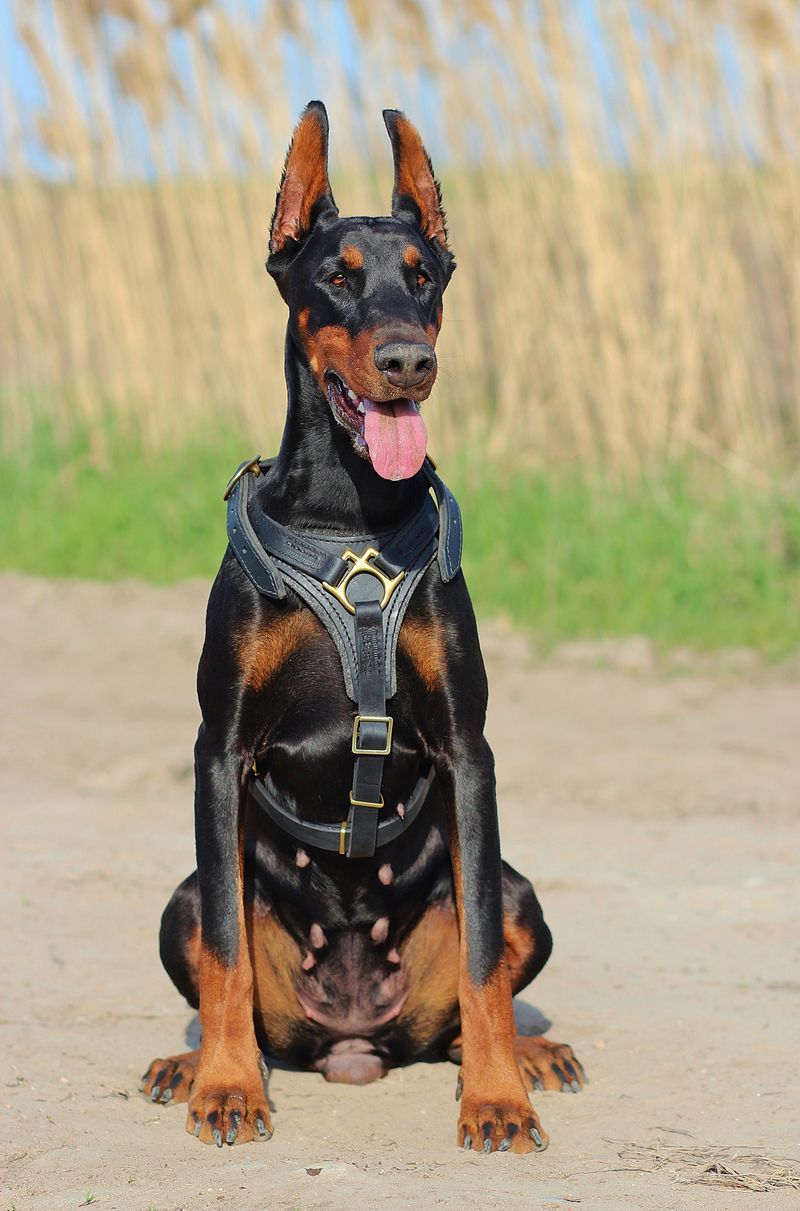
Dobermans are razor sharp, and they read your mood faster than you realize. When frustration creeps into your voice or posture, they become tense and second guess cues, which stalls progress.
Short, upbeat sessions with clear criteria and generous reinforcement help keep their confidence high.
Break tasks into tiny steps and celebrate wins, even if they feel small. Use structured impulse control games so arousal stays in the sweet spot.
If a behavior unravels, reset by revisiting an easier version and rebuilding clarity without pressure.
Rotate rewards to prevent predictability, and insert decompression walks between drills. Keep your hands relaxed and breathing steady.
The calmer you stay, the faster your Doberman unlocks consistent brilliance.
Giant Schnauzer
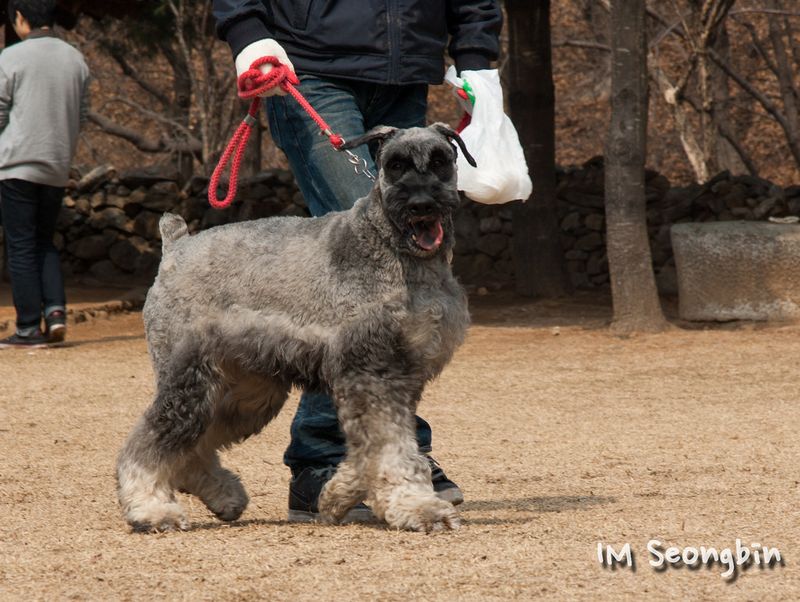
Giant Schnauzers are intelligent problem solvers who push boundaries when communication gets muddy. Frustration from you reads like pressure to them, which can surface as avoidance or over-arousal.
Keep sessions crisp, under two minutes, and end on a success before enthusiasm dips.
Use a clear reinforcement marker and consistent criteria so the dog knows exactly what earns rewards. Build behaviors through shaping to let them participate in the puzzle.
If mistakes stack up, split the task into smaller slices rather than repeating louder.
Mix physical outlets with brain work to drain excess energy without spiking stress. Calm leashes, soft eyes, and steady timing matter.
Your emotional neutrality turns their intensity into reliable performance.
Bouvier des Flandres
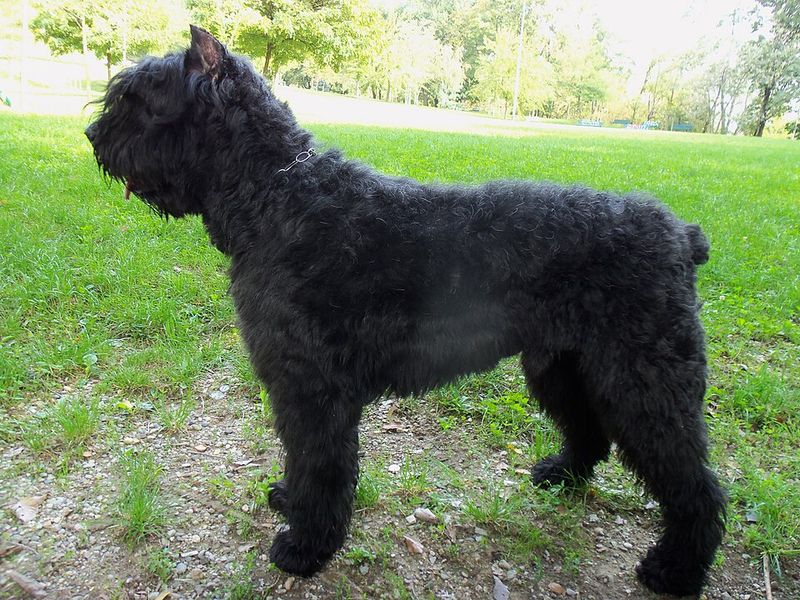
Bouviers are thoughtful, sometimes stoic workers who shut down if sessions feel pressured. Handler frustration often makes them slower, not stubborn, as they try to avoid making mistakes.
Prioritize clarity: show, reinforce, then repeat with predictable patterns.
Use low-key praise and food rather than frenetic play to match their temperament. Keep environment low distraction while you raise criteria gradually.
If latency increases, lower difficulty, reward generously, and rebuild rhythm.
Blend scenting or cart-like exercises to honor their heritage and keep engagement authentic. Track successes in a journal to see progress you might miss in the moment.
Your patience invites their best thinking, turning plateaus into steady, confident steps.
Black Russian Terrier
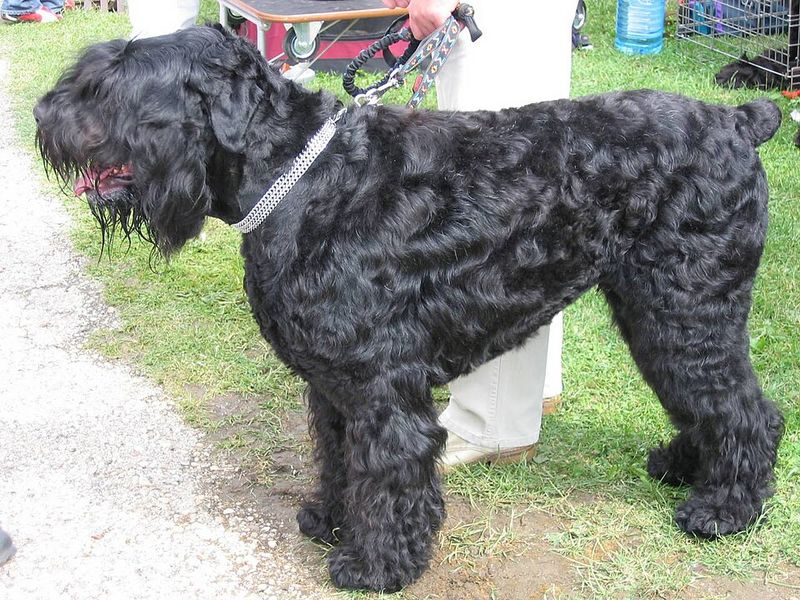
Black Russian Terriers are powerful, discerning workers who appreciate fairness and structure. When handlers rush or push through errors, these dogs can harden or disengage, creating plateaus that feel immovable.
Set crystal clear criteria and keep reinforcers meaningful but measured.
Use pattern games and stationing to anchor arousal before complex tasks. Limit session length, then debrief with calm affection and a brief sniff walk.
If confusion shows, backchain behaviors so the ending predicts success.
Rotate environments carefully to generalize without overwhelming. Speak softly, move deliberately, and let timing do the heavy lifting.
Your steadiness converts their intensity into precision, and progress returns once pressure gives way to predictability.
Airedale Terrier
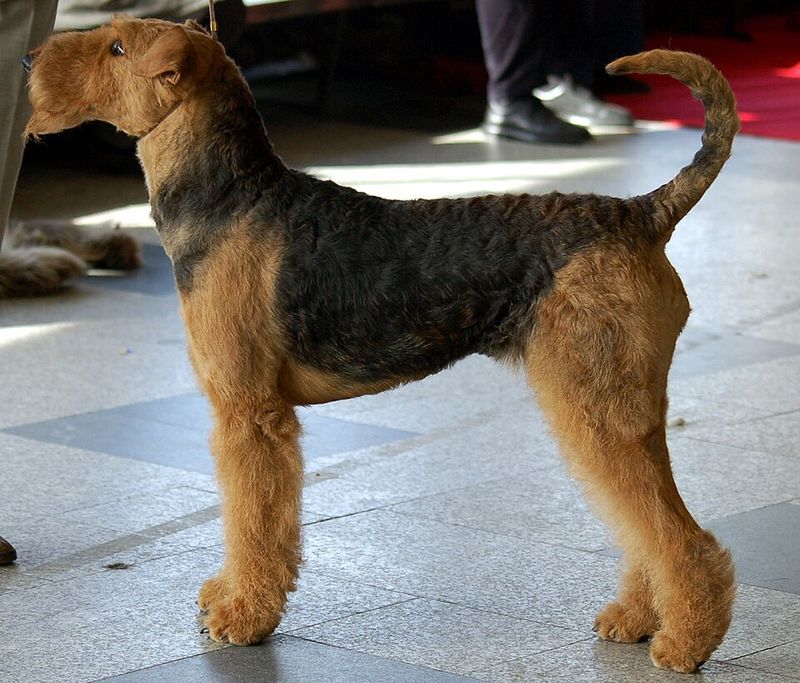
Airedales are witty and easily bored, so they stall when sessions turn repetitive or tense. Frustration from you sounds like static to them, making sniffing or clowning more rewarding than listening.
Keep tasks varied, fast paced, and sprinkled with scent work or toy chases.
Use jackpots for breakthroughs and frequent micro-breaks to reset focus. Shape creativity politely: reward offered behaviors that align with the goal, but mark errors neutrally.
Avoid cue stacking, which muddies understanding.
Turn drills into short games that end while the dog still wants more. Track reinforcement rate to keep motivation high.
When the vibe stays playful and clear, plateaus melt and that cheeky brilliance comes roaring back.
Kerry Blue Terrier
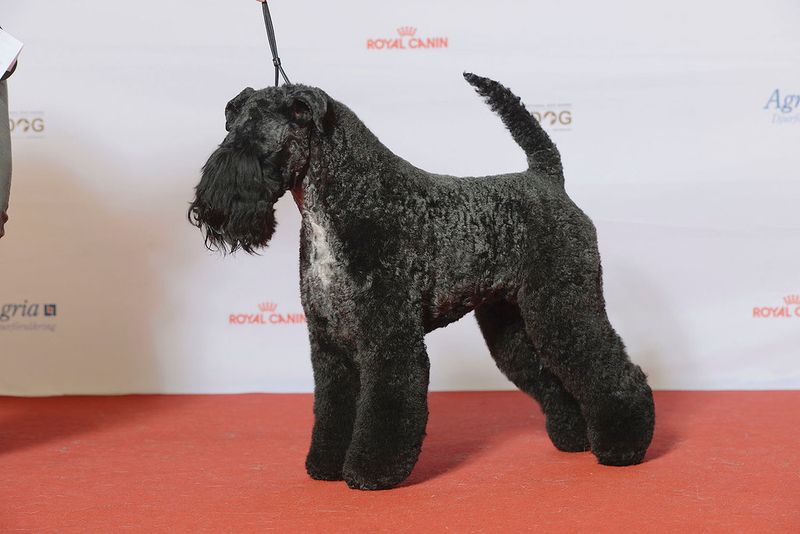
Kerry Blues thrive on partnership but can pivot to stubbornness if they sense irritation. Frustration muddles your timing, and they respond by testing boundaries or checking out.
Keep sessions short, criteria simple, and rewards surprisingly fun to maintain spark.
Introduce clear start and end rituals so the dog knows when to work and when to relax. Use strategic play bursts to reset energy without chaos.
If errors repeat, split the behavior or switch context to refresh perspective.
Video yourself to spot tense shoulders or clipped cues. Celebrate curiosity and reward offered precision, not just outcomes.
With calm consistency and a little humor, Kerry Blues transform plateaus into polished, enthusiastic teamwork.
Lakeland Terrier
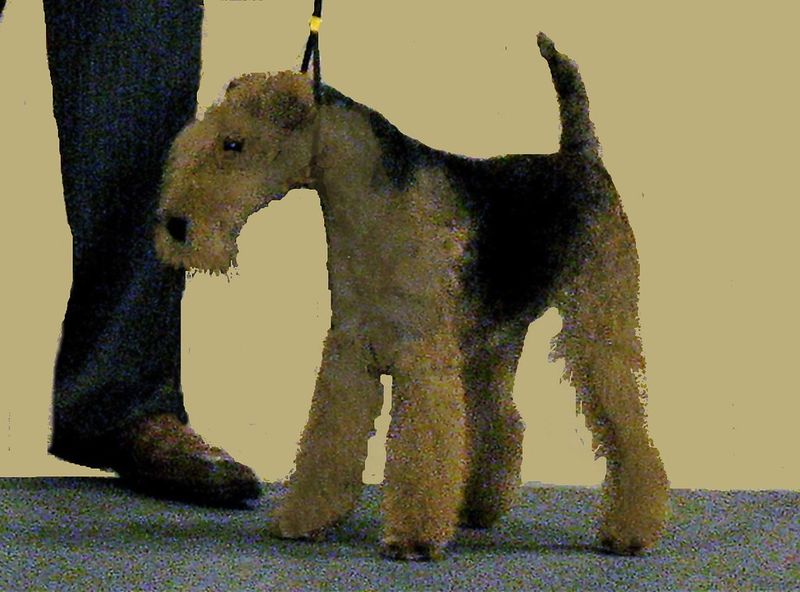
Lakelands bring sparkle and independence, which collide with frustration-heavy training. When tone tightens, they chase distractions or invent alternate jobs.
Keep things light: one behavior, three great reps, then a game or sniff break.
Use simple environmental setups like platforms to clarify positions. Reinforce generously for orienting back to you after stimuli.
If criteria feel sticky, reset and slice the task thinner rather than insisting.
Rotate reinforcers between food, tug, and scatter treats to keep novelty alive. End sessions before attention fades and log tiny wins.
Your calm, playful consistency turns their jaunty spirit into reliable results without grinding through plateaus.
Welsh Terrier
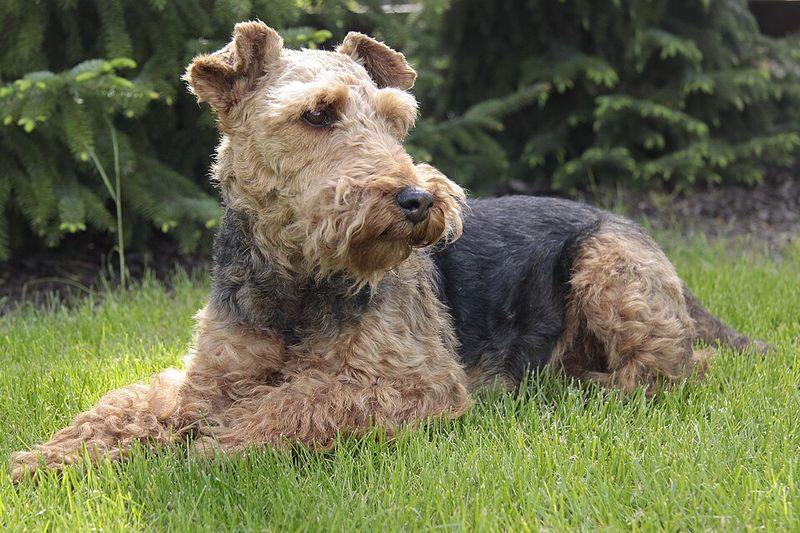
Welsh Terriers are bold charmers who love a challenge, but pressure flips them into mischief. Frustration narrows your timing window and they fill the gap with creative alternatives.
Keep recalls and heeling wrapped in games, with frequent reinforcement and clear release cues.
Use controlled distractions, then reward lightning fast choices to reorient to you. If arousal spikes, switch to nosework or hand-targets to reset connection.
Avoid repeating cues; instead, help the right choice happen and pay it well.
Measure progress by latency and enthusiasm, not just accuracy. Short success streaks rebuild momentum quickly.
When you stay playful and precise, the Welsh Terrier channels grit into glorious cooperation.
Irish Terrier
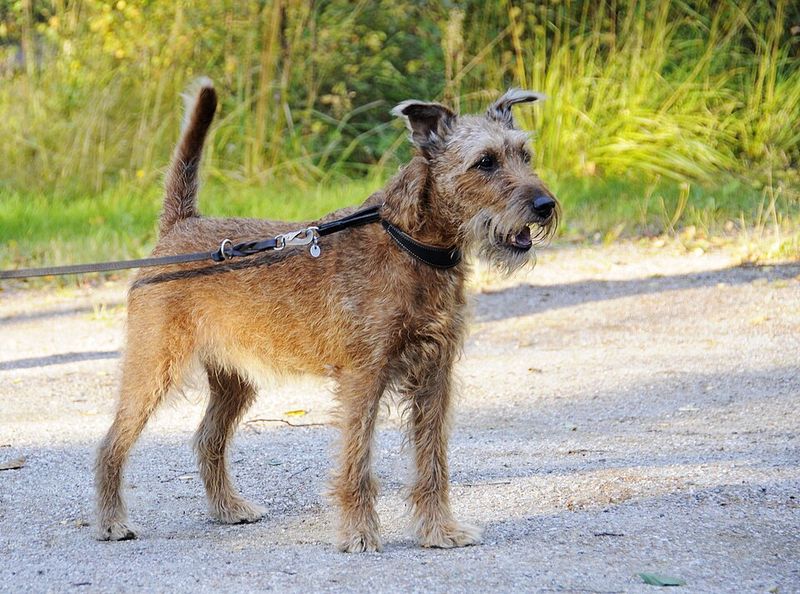
Irish Terriers are passionate workers who mirror your emotional temperature. Frustration tells them the game is risky, so they hedge or power through, either way stalling progress.
Anchor sessions with predictable patterns and generous reinforcement for calm choices.
Alternate high-drive tasks with stationary behaviors to manage arousal. If a cue sours, switch to shaping a fresh version and rebuild the association.
Keep mechanics smooth: quiet hands, clear markers, timely rewards.
Offer problem-solving outlets like scent puzzles to satisfy their brains. Track tiny improvements to protect your patience.
With steadiness and curiosity, you will watch plateaus fade into a steady, enthusiastic partnership that feels easy again.
Manchester Terrier
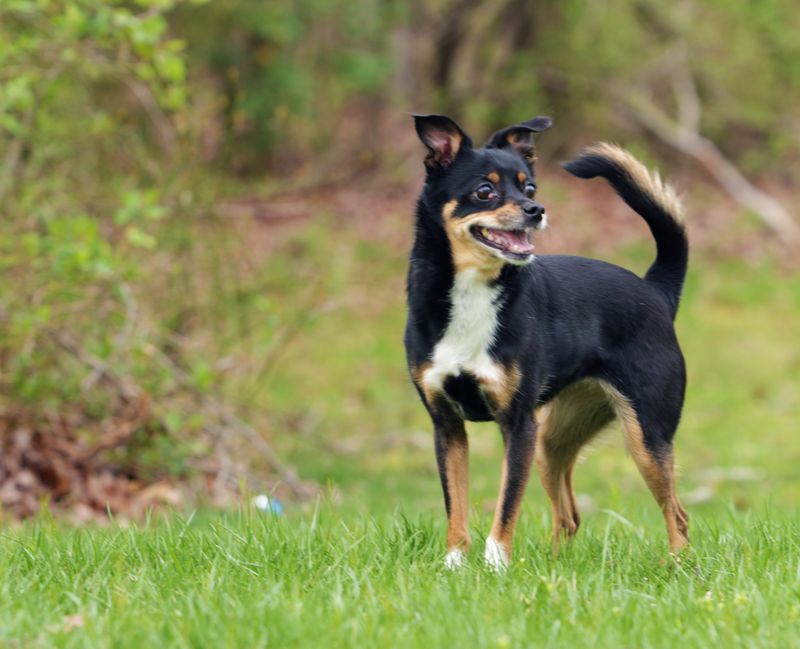
Manchester Terriers are sensitive and fast, so they notice every wobble in your mood. Frustration makes them either over-try or freeze, producing inconsistent performance.
Keep criteria crystal clear and use mats or targets to define success visually.
Run micro-sessions with a high reinforcement rate, then let them decompress. If they pop up or anticipate, lower excitement and reward stillness.
Use marker cues consistently so feedback feels predictable.
Generalize slowly across rooms and surfaces to avoid confusion. Capture offered calm behaviors between reps to keep the nervous system regulated.
Your quiet confidence invites reliable precision, dissolving plateaus into smooth, repeatable wins.
Australian Terrier
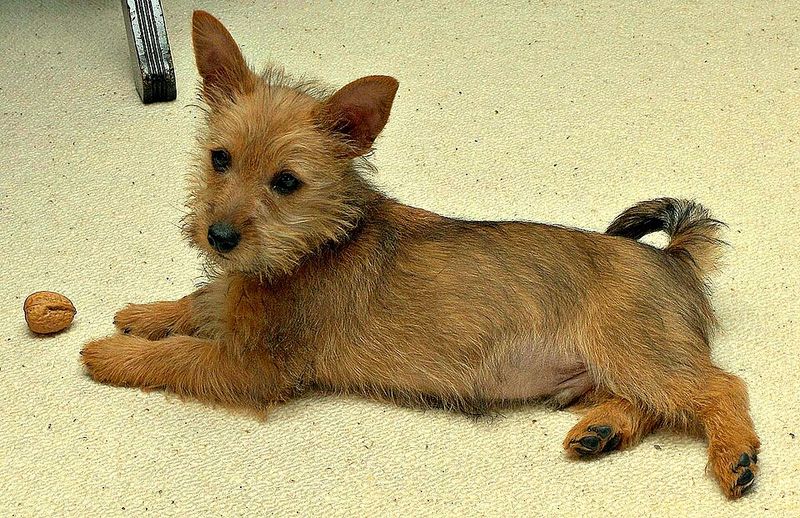
Australian Terriers are plucky multitaskers who struggle when sessions feel naggy. Frustration from you turns cues into noise, and they pick their own adventure.
Use short, game-like reps and alternate food with toy rewards to sustain drive without chaos.
Pre-plan criteria and end points before you start. If a sequence unravels, isolate one obstacle and build success there.
Reinforce orientation and offered eye contact generously to keep the partnership tight.
Sprinkle sniff breaks and trick interludes to refresh motivation. Keep your voice warm, movements tidy, and timing crisp.
When training feels like play with clear rules, plateaus give way to lively, dependable skills.
Tenterfield Terrier
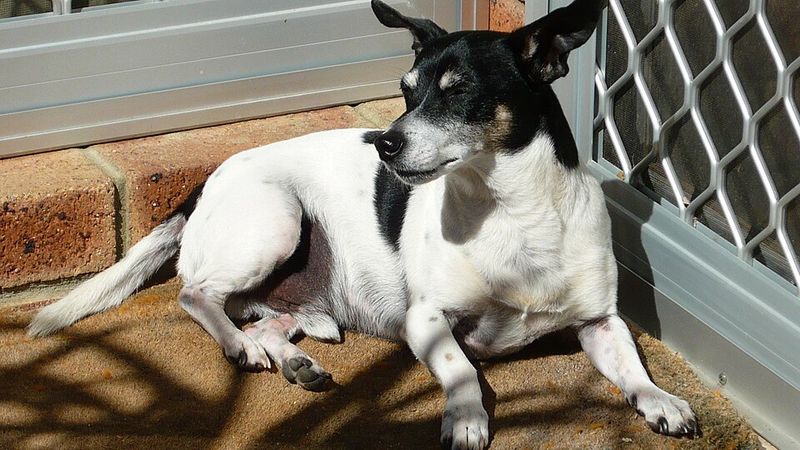
Tenterfield Terriers are quick thinkers who thrive on clarity and cheer. Frustration dulls your timing and makes choices feel risky, so they default to scanning or barking.
Keep sessions short, mark promptly, and reward generously for orienting back to you.
Use simple pattern games, hand targets, and mat work to create structure. If distractions spike, step back a few feet, cue an easy behavior, and pay it well.
Avoid drilling after a miss; reset criteria and try a different angle.
Track two metrics: tail carriage and latency. Protect those, and progress follows.
With kindness and precision, the Tenterfield turns plateaus into confident, repeatable behaviors you can count on anywhere.