
Dog owners are once again clashing online about raw feeding, and the judgment can feel relentless. If you have ever second guessed your bowl choices because of comments from strangers, you are not alone.
These twelve beloved breeds often end up in the crossfire, with owners feeling shamed instead of supported. Let’s cut through the noise, share real experiences, and help you feel confident about feeding the dog in front of you.
German Shepherd Dog

German Shepherd owners often face strong opinions when discussing raw feeding. People warn about joint issues, sensitive stomachs, or the breed’s predisposition to EPI, and the fear can snowball.
Yet many report shinier coats, steady energy, and calmer digestion when ratios are balanced and portions are weighed.
You should not feel pressured either way. Talk to your vet, consider a board certified nutritionist, and keep detailed notes about stools, appetite, and weight trends.
Transition slowly, adjust bone content carefully, and avoid risky leftovers like cooked bones or seasonings.
What worked for someone else’s shepherd might not suit yours. Your dog’s age, activity, and gut history matter most.
Confidence grows with data, consistency, and compassion for yourself.
Siberian Husky

Husky communities can be intense about food, and raw debates flare fast. You might hear claims that huskies must have fish heavy diets or fast twice weekly.
Truth is, many thrive on balanced raw with careful fat control, especially for those sensitive northern stomachs.
Start with simple proteins like turkey or beef, then expand. Keep a close eye on stool consistency and coat condition, and track how your husky handles exercise on different fat levels.
Omega 3s from sardines or salmon can enhance skin health.
Ignore shaming comments suggesting you are cruel if you do not do it perfectly. Choose what your budget, freezer space, and routine allow.
The right plan is the one your husky consistently does well on.
Alaskan Malamute

Malamutes inspire strong opinions about heavy bone content and high calorie needs. Online, owners sometimes get scolded for feeding too little fat or for offering weight bearing bones.
Balanced raw can work if you measure, monitor body condition, and avoid fracture risks by choosing softer edible bones.
These powerful dogs burn energy differently. You might need more calories in winter or during heavy pulling.
Rotate proteins, include organ meats carefully, and add iodine sources when appropriate under professional guidance.
When critics pile on, remember that you know your dog’s day to day. Keep logs with weights, photos, and activity notes.
If performance, stools, and coat look great, you are on the right track, regardless of comment section drama.
Belgian Malinois

Malinois owners often hear that raw is the only way to fuel drive. Others warn about overdoing protein and missing micronutrients.
The reality sits between extremes: precise portions, a calcium to phosphorus balance, and enough carbs or fats for sustained training can make a noticeable difference.
If your dog works daily, track recovery times, stool quality, and coat sheen. Many handlers add lightly cooked carbs like pumpkin or oats alongside raw, which is fine if your vet agrees.
Electrolytes and hydration matter as much as protein amounts.
Do not let forums shame your schedule or budget. Consistency beats perfection.
Build a plan, review labs annually, and let your dog’s performance feedback guide small, steady adjustments.
Doberman Pinscher

Doberman owners often get lectured about heart health and the dangers of homemade raw. It is fair to be cautious, especially with taurine and overall amino acid profiles.
Many find success by rotating red meats, adding heart muscle, and consulting nutritionists to ensure micronutrient completeness.
Track weight, energy, and any GI sensitivity. If your dog is prone to bloat, manage meal sizes and avoid frantic exercise after eating.
Some owners mix balanced commercial raw with homemade for simplicity.
Ignore guilt trips claiming you are reckless if you do not grind everything yourself. You know your time constraints and your dog’s response.
Thoughtful planning, regular vet checkups, and honest record keeping keep the focus on results, not internet arguments.
Rottweiler

Rottweiler communities can get heated about weight, joints, and calcium. Critics may accuse you of overfeeding or under mineralizing.
Balanced raw demands accuracy, especially for fast growing puppies and large adults who carry muscle mass.
Use a scale, keep an eye on body condition score, and talk with your vet about joint supplements if appropriate. Rotate proteins, include oily fish for omega 3s, and monitor for food sensitivities.
Slow transitions reduce GI upset and help you spot patterns.
When shaming flares up, step back and look at your dog. Glossy coat, steady stools, and easy movement tell the story better than comments.
You have permission to tune out noise and follow evidence from your own dog.
Akita

Akitas are often labeled sensitive, and feeding debates can get personal quickly. Some claim raw is essential for skin and coat, while others warn about allergies and food guarding.
Balanced raw can help when introduced with calm structure and precise protein trials.
Start with one novel protein for several weeks, then expand. Track itching, ear gunk, and stool changes before deciding on the next step.
Many Akitas benefit from higher omega 3 intake and carefully managed bone content.
If someone online shames you for not doing it “traditionally,” remember that tradition does not equal nutrition. Your dog’s comfort is the priority.
Keep communication open with your vet, and celebrate incremental improvements rather than chasing internet perfection.
Samoyed

Samoyed owners often hear sweeping claims about whitening coats or cure all promises through raw. Reality is kinder and slower.
Balanced raw can improve coat texture and reduce flaky skin, but only when the nutrient math adds up and you are consistent.
Consider fish like sardines for omega 3s, and watch calcium levels to protect joints. Keep the fluff clean with regular grooming because diet is not a magic brush.
Introduce one new element at a time and observe carefully.
If you get bullied online for asking questions, remember curiosity is responsible ownership. Your dog’s happiness matters more than strangers’ approval.
Measure, document, and trust the calm improvements you can actually see and feel.
Border Collie

Border Collie discussions spiral fast, with claims that raw boosts focus and agility overnight. Performance gains usually come from meeting energy needs and digestibility, not magic.
Balanced raw with the right fat and protein can support long training days, but so can well formulated cooked diets.
Track your dog’s response during agility or herding. If stools soften under pressure, adjust fat or fiber.
Some handlers add a small carb source for quick fuel, which can help recovery.
Do not let others shame your choice if your collie is thriving. Look for bright eyes, eagerness to work, and consistent weight.
Your data, not a thread of hot takes, should drive the next tweak to the bowl.
Australian Shepherd
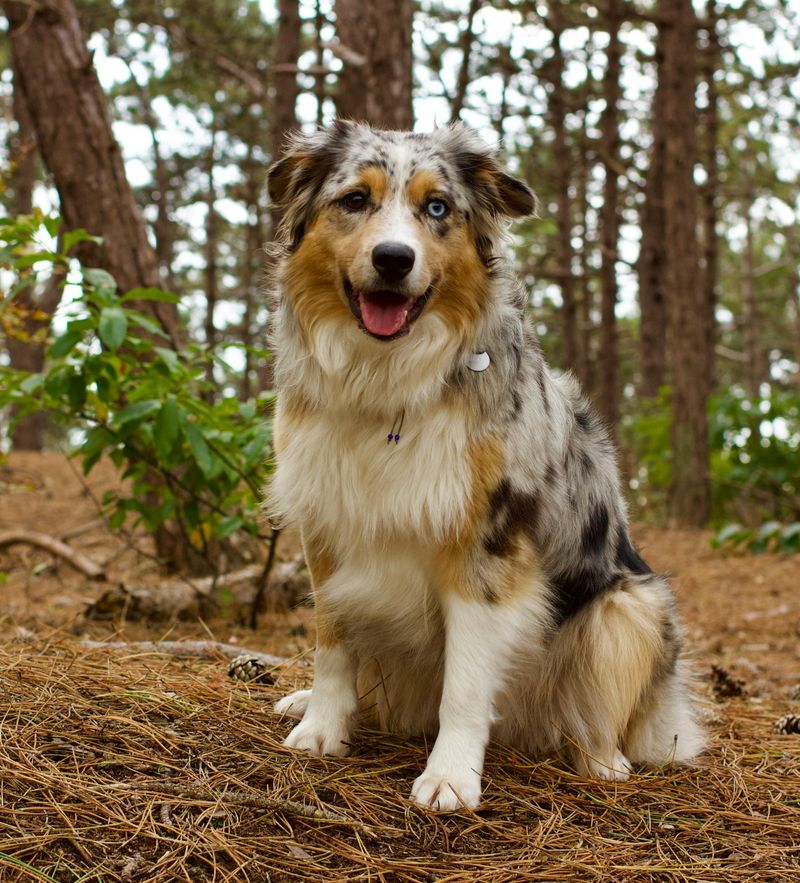
Australian Shepherd groups can be intense, and raw feeding posts often spark guilt storms. You will hear that picky eaters demand exotic proteins or that kibble ruins coats.
Breathe. Balanced raw can help, but success still hinges on measured portions, clean sourcing, and slow transitions.
Rotate proteins to avoid boredom and track reactions to each. Many Aussies do well with moderate fat and extra omega 3s to support skin and working stamina.
Keep enrichment high, since stress can upset digestion regardless of diet.
Silence the bully voices by documenting your dog’s progress. If stools stabilize, energy evens out, and coat shines, you are on track.
Your routine, not online perfectionism, keeps meals sustainable and kind.
Weimaraner
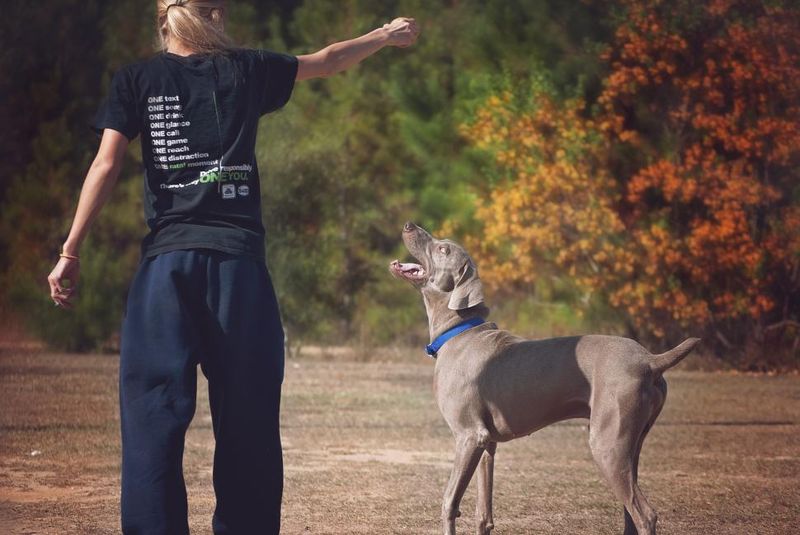
Weimaraners are athletic and sensitive, which makes feeding talk dramatic. Some claim raw solves every rash and zoomie, while others warn about pancreatitis risks.
Balanced raw with careful fat control and gradual changes can suit many Weims, especially when exercise and stress are managed.
Monitor stools, skin hot spots, and mid day energy dips. Keep bones appropriate and consider digestive enzymes only with veterinary guidance.
Hydration and post workout meals help recovery after long runs or field days.
If you are shamed for not using premium cuts, remember dogs need nutrients, not luxury labels. Budget smartly, freeze safely, and prioritize consistency.
The best plan is the one your Weim tolerates beautifully week after week.
Great Dane

Great Dane owners get flooded with warnings about growth plates and calcium. The pressure can feel overwhelming.
Balanced raw can work, but precision is non negotiable, especially for puppies. Adult Danes still need careful bone management and measured calories to protect joints.
Weigh meals, keep a body condition log, and avoid rapid changes. Work with your vet to monitor growth or maintain healthy lean mass.
Consider commercial complete raw formulas if homemade math feels stressful.
When the internet piles on, step away and look at your dog’s comfort. Smooth movement, firm stools, and steady energy beat clout every time.
You are allowed to choose the safest system you can maintain, judgment free.