
If you have ever whispered behavioral meds saved my dog, you are not alone. Across breed communities, owners trade cautious hope and real results, alongside thoughtful warnings about training and vet oversight.
This roundup highlights breeds people mention most in success stories, where targeted medication supported behavior plans and restored everyday peace. Read on to see how owners describe turning points, what challenges came first, and why the right plan can change everything.
Border Collie
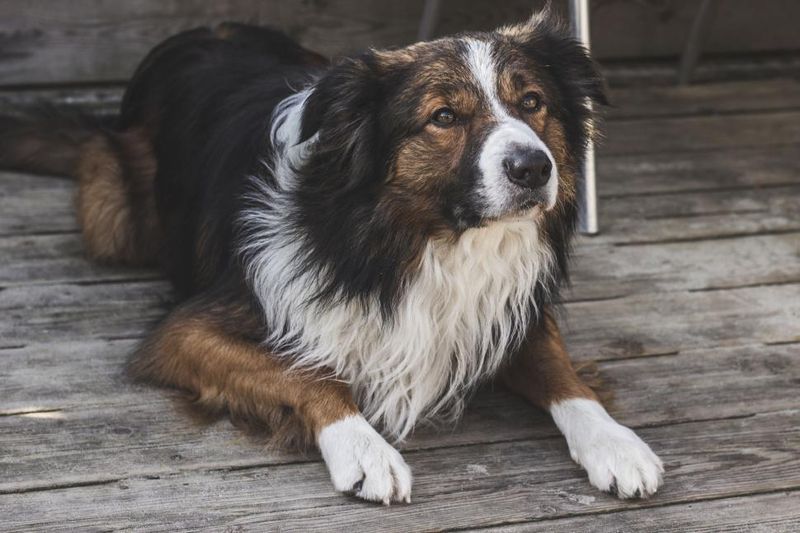
Border Collies can spin their brains into overdrive. You probably know the vibe: pacing, scanning windows, reacting to every sound.
When structured training and enrichment still left your dog buzzing, a veterinarian might suggest meds to take the edge off so learning can land. Owners report fewer frantic loops and more real rest.
That calmer baseline lets cues stick and reactivity shrink.
Success hinges on a full plan. Think daily exercise, impulse-control games, decompression walks, and clear routines.
Side effects usually fade, but you will track appetite, sleep, and mood with your vet. Many describe finally seeing their dog’s sweetness shine without constant static.
Not a shortcut, just a support beam that makes training possible.
Australian Shepherd

Aussies are brilliant and busy, which can look like barking spirals, shadow chasing, or intense clinginess. If management and exercise still miss the mark, behavioral medication can soften that constant hum.
Owners say they finally get quiet evenings, smoother crate time, and cleaner training reps. Reduced tension means fewer mistakes and more wins.
You notice curiosity returning instead of frantic scanning.
Veterinary guidance matters. Start low, go slow, and pair meds with structure, enrichment, and predictable downtime.
Track triggers and celebrate tiny improvements. Many describe the first week of deeper sleep as a turning point.
Meds do not teach skills, but they open the door so your dog can learn. It feels like breathing room for both of you.
German Shepherd Dog

German Shepherds often carry big feelings behind that noble posture. Hypervigilance, barrier frustration, and separation distress show up more than people expect.
When training alone stalls, medication can dial down the startle response so protocols land. Owners report fewer explosive moments and more thoughtful pauses.
That shift lets counterconditioning actually stick, replacing reactivity with measured curiosity.
Results improve when you manage environment carefully: sightline control, decompression walks, and predictable routines. A vet will rule out pain first, then tailor meds and dosage.
Keep notes on patterns and sleep. Many owners say they see their dog’s softer side emerge, finally safe enough to try.
Medication is not magic, but it can unlock the training you already invested in.
Belgian Malinois
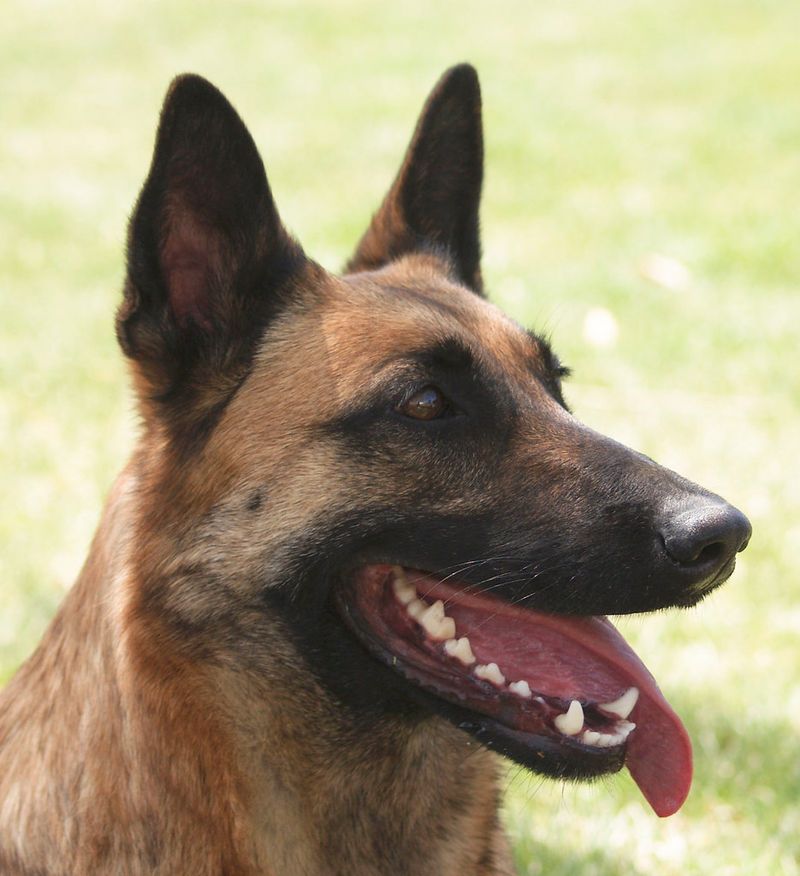
Malinois can run hot, and you feel it in the constant scanning and hair-trigger responses. Even sport homes with airtight structure sometimes face chronic arousal that training cannot fully settle.
With a vet’s help, medication may lower baseline intensity, letting impulse-control drills work as intended. Owners note easier settle cues, gentler greetings, and less rehearsal of frantic patterns.
The dog finally exhales.
Pair meds with strict routines, quality sleep, and outlets that do not fuel frenzy. Short, focused sessions beat marathon reps.
Track changes like latency to calm and recovery time after surprises. Many report increased clarity rather than sedation.
It becomes possible to choose stillness, not just collapse from exhaustion. That choice transforms everyday life for everyone.
Shetland Sheepdog
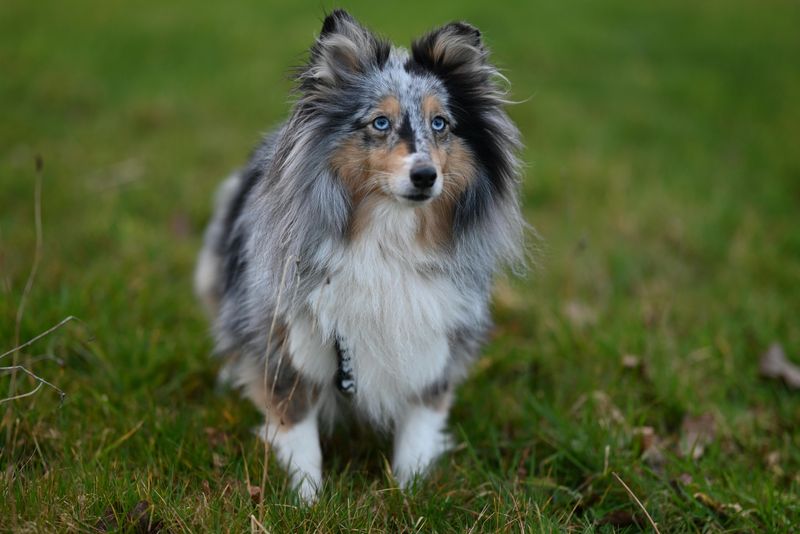
Shelties can be delicate souls, startle prone and sound sensitive. You may see trembling at storms, frantic barking at doors, or pacing when guests visit.
When careful desensitization stalls, medication can lower fear so learning begins. Owners describe softer eyes, quicker recovery, and the ability to take treats during scary moments.
That shift powers progress that once felt impossible.
Combine meds with gentle, predictable routines and low-pressure socialization. Noise masking, safe hideouts, and scent games help, too.
A good vet will titrate slowly and monitor appetite or GI changes. Many owners say the home finally feels quiet again.
Not a personality change, just relief from constant worry. Your Sheltie’s sparkle returns without the static.
Miniature American Shepherd
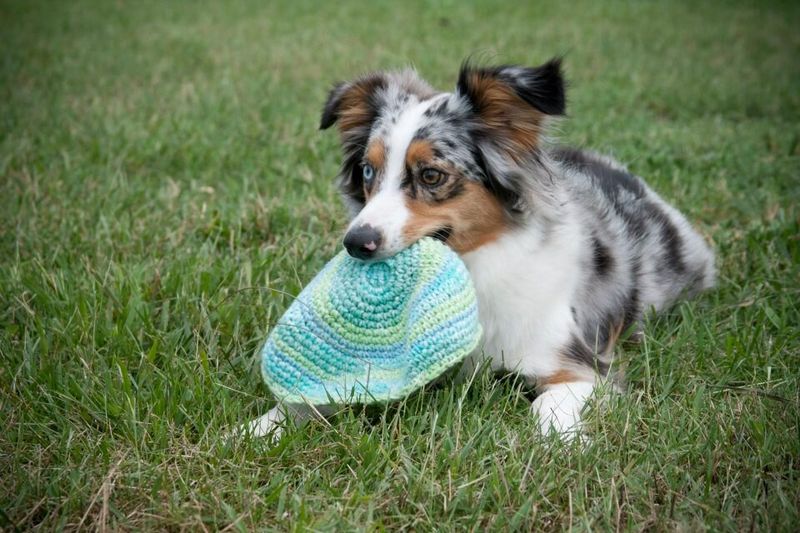
Mini American Shepherds pack working drive into a compact frame. That can translate into watchdog intensity, motion sensitivity, and clinginess.
When training reaches a plateau, behavioral meds may smooth edges so reinforcement lands. Owners often report calmer greetings, easier crate transitions, and fewer obsessive loops.
With the volume turned down, enrichment feels satisfying, not frantic.
Success depends on structure: clear routines, decompression walks, sniffing opportunities, and layered desensitization. Keep sessions short and celebratory.
Your vet will help pick options and monitor side effects. Track sleep, appetite, and recovery after triggers.
Many owners say they finally see their dog relax in the evening. It is not giving up, it is giving room for growth.
Golden Retriever
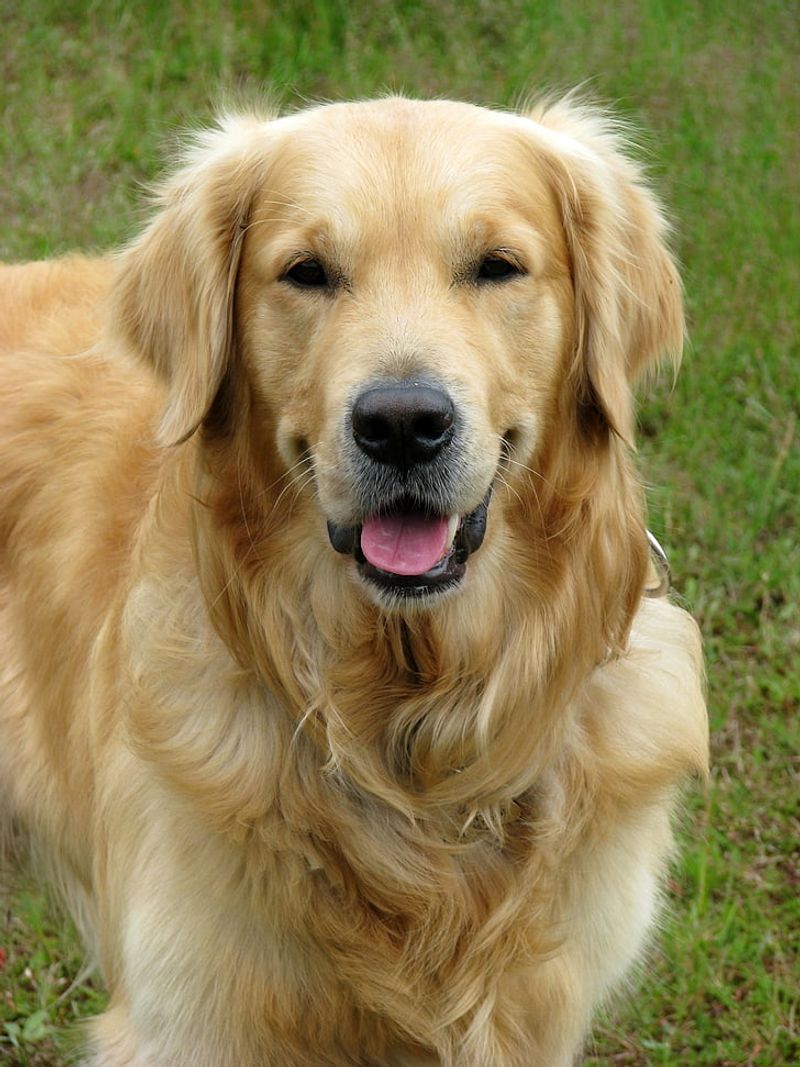
Goldens wear a friendly face, yet some carry storm phobias, separation struggles, or big sensitivities. When training and management fall short, medication can reduce anxiety enough for learning to take root.
Owners tell of fewer panicked vocalizations and more focus during simple cues. The dog begins to rest, not just collapse.
That calm opens space for good habits to grow.
Blend meds with routines, gentle exercise, and enrichment that builds confidence without flooding. A vet will guide dosing and may suggest supplements or diet tweaks.
Keep notes on threshold distances and recovery time. Families often say the household’s mood shifts alongside the dog’s.
Not sedation, but steadiness, which makes kindness feel easier and training feel hopeful again.
Labrador Retriever

Labs are joyful, yet some wrestle with impulse control, sound reactivity, or separation distress. If your careful training plateaus, medication might lower overall arousal so choices improve.
Owners mention gentler leash manners and smoother greetings. With the nervous buzz softened, cues land reliably.
You notice thinking before acting, which training can finally reward.
Teamwork matters: vet guidance, enrichment, and predictable routines. Keep sessions short and fun, with decompression walks to release pressure.
Track sleep quality and how quickly your Lab recovers after surprises. Most report brighter engagement, not a dulling of personality.
It feels like reclaiming the easygoing companion you pictured, while honoring who your dog truly is underneath the static.
Cocker Spaniel
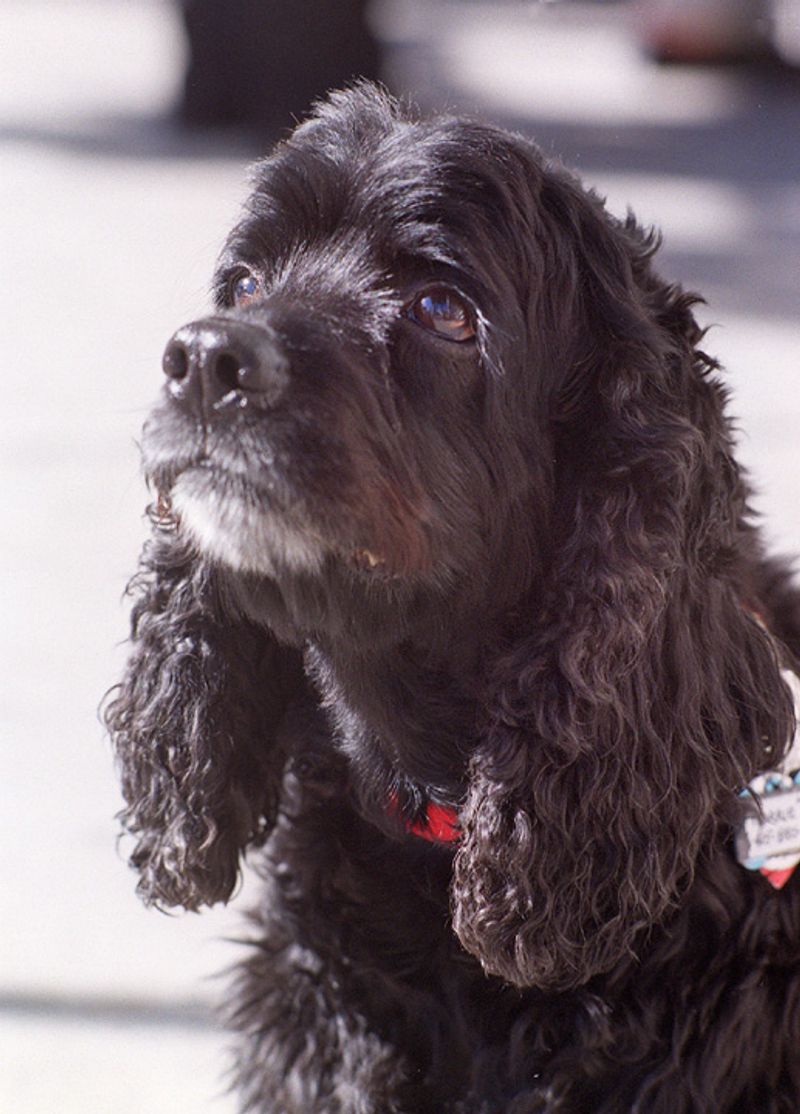
Some Cockers carry big feelings behind those soulful eyes. Noise sensitivity, grooming stress, and separation nerves can stack.
When thoughtful desensitization and structure stall, meds may reduce background fear so cooperation blooms. Owners describe smoother grooming sessions, fewer startled barks, and easier crate time.
With fear dialed down, reinforcement becomes powerful again.
Combine meds with gentle handling, choice-based care, and realistic expectations. Your vet will help adjust dosage and watch for appetite shifts.
Keep logs on triggers and victories, like accepting nail trims with fewer breaks. Many owners say the household calms as routines stabilize.
The goal is not a different dog, but a comfortable one who can learn and trust.
Cavalier King Charles Spaniel

Cavaliers are tender companions, often sensitive to change. Sometimes that sweetness masks deep separation anxiety or noise fears.
When behavior plans stall, vets may suggest meds to lower baseline worry. Owners report fewer panicked vocalizations and more ability to self-soothe.
That steadier state makes gradual training stick, replacing clingy spirals with practiced calm.
Keep routines predictable, introduce alone-time training gently, and layer enrichment that builds independence. Track small wins like relaxed body language during departures.
A compassionate vet will titrate slowly and check for side effects. Many describe a noticeable return of playfulness once fear lifts.
It is not surrender, it is strategic support so your Cavalier can thrive at home.
Jack Russell Terrier

Jack Russells brim with rocket fuel and opinions. That drive can become barking at movement, window guarding, and frustration with confinement.
When training alone cannot cut through the static, medication might lower arousal so thinking returns. Owners mention calmer evenings, better crate tolerance, and fewer impulsive lunges.
With headspace restored, patterns can finally shift.
Structure is your friend: scheduled outlets, sniffy walks, and problem-solving games that soothe, not hype. Collaborate with your vet to choose and adjust meds.
Watch for appetite changes and track recovery after triggers. Many owners say they see curiosity instead of alarm.
It is relief, not resignation, and it makes your small dynamo far more teachable.
Vizsla

Vizslas are velcro by design. That sensitivity can slide into separation distress, sound reactivity, and restless pacing.
When diligent training stalls, medication may quiet the nervous system enough for skills to bloom. Owners describe easier departures, deeper sleep, and steadier recall.
With the panic dialed down, connection feels warm again instead of needy.
Support meds with predictable routines, sniff-heavy walks, and independence-building games. Work with your vet, track side effects, and celebrate micro-milestones.
Many say the first calm nap alone felt miraculous. This is not dampening spirit, it is lifting a weight.
Your Vizsla can keep the affectionate sparkle, now paired with genuine comfort in daily life.