
Whispers in parenting groups hint at a growing guilt: rehoming a beloved dog after kids arrive is becoming quietly taboo. Many parents feel stuck between safety, sanity, and social judgment, unsure who will understand the full story.
These confessions often center on small companion breeds that struggle with toddler chaos, noise, or sudden routine shifts. Here are the breeds most often mentioned, and the real challenges behind those difficult decisions.
French Bulldog
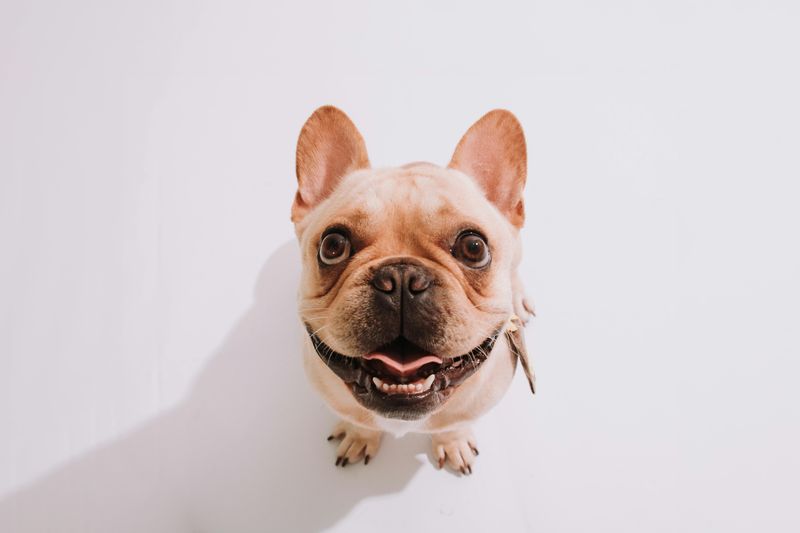
Frenchies are charming and sturdy, yet they can be surprisingly sensitive to the unpredictable energy of small children. Short snouts mean breathing issues during excited play, and they overheat quickly in warm rooms packed with toys and noise.
You might notice clinginess that turns into resource guarding when attention shifts to a new baby.
They thrive on routine and close supervision, which is tough when naps, feedings, and school runs dominate the day. Vet bills can escalate if stress triggers skin flare ups or GI troubles.
With consistent training, safe zones, and short structured play, harmony improves.
Still, confidential confessions mention guilt, resentment, and fatigue. A judgment free trainer and clear boundaries help families stay together.
English Bulldog
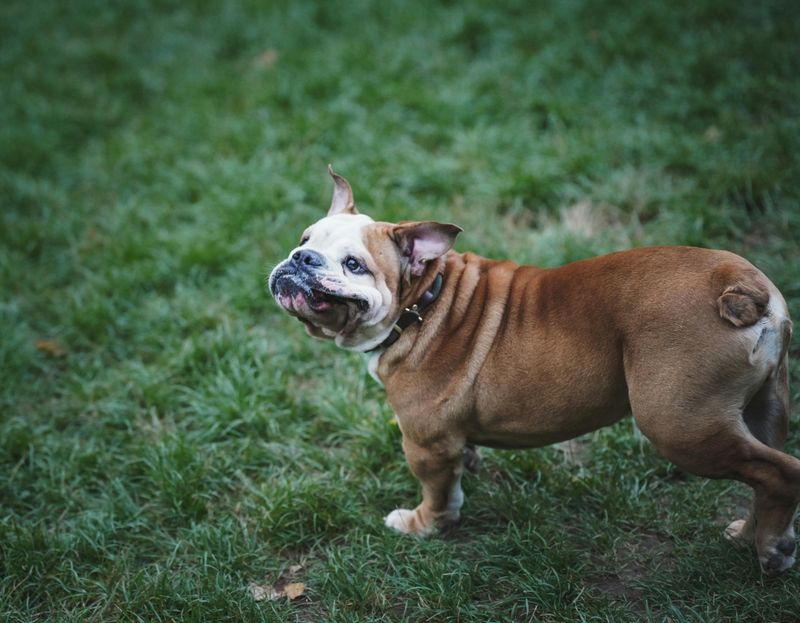
English Bulldogs often adore cuddles but struggle with stamina and heat, which complicates life with energetic toddlers. Their respiratory and joint issues demand calm routines, yet kids bring noise and sudden movements that can stress a resting bully.
Drool, shedding, and skin care add chores to already packed parenting schedules.
Some owners whisper about overwhelmed moments when medical costs rise and patience runs thin. Bulldogs can be stoic, so subtle discomfort goes unnoticed until grumpiness appears near food or favorite sleeping spots.
Prevent conflict using sturdy gates, predictable nap zones, and short gentle walks.
Positive reinforcement builds tolerance for handling and baby gear sounds. When families get support and realistic expectations, many Bulldogs remain loyal lounge buddies.
Pug
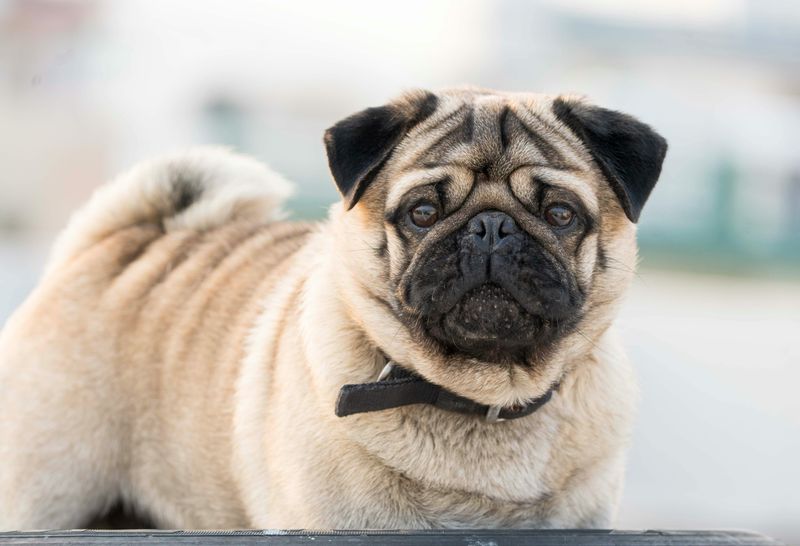
Pugs crave closeness and can become anxious when attention shifts to newborns and nap schedules. That neediness sometimes turns into whining, accidents, or shadowing every step, which frustrates sleep deprived parents.
Their breathing limits rough play, and hot, noisy rooms quickly exhaust them.
Many confess to underestimating grooming and eye care when life gets busy. Pugs are usually gentle, yet they guard laps, toys, or food bowls when overstimulated.
Keep routines simple, reduce chaos with playpens, and reward calm around baby gear.
Snuffle mats, short sniffy walks, and quiet cuddle windows help meet emotional needs. With clear boundaries and stress relief, Pugs can remain the family comic, snoring contentedly while the nursery settles.
Shih Tzu
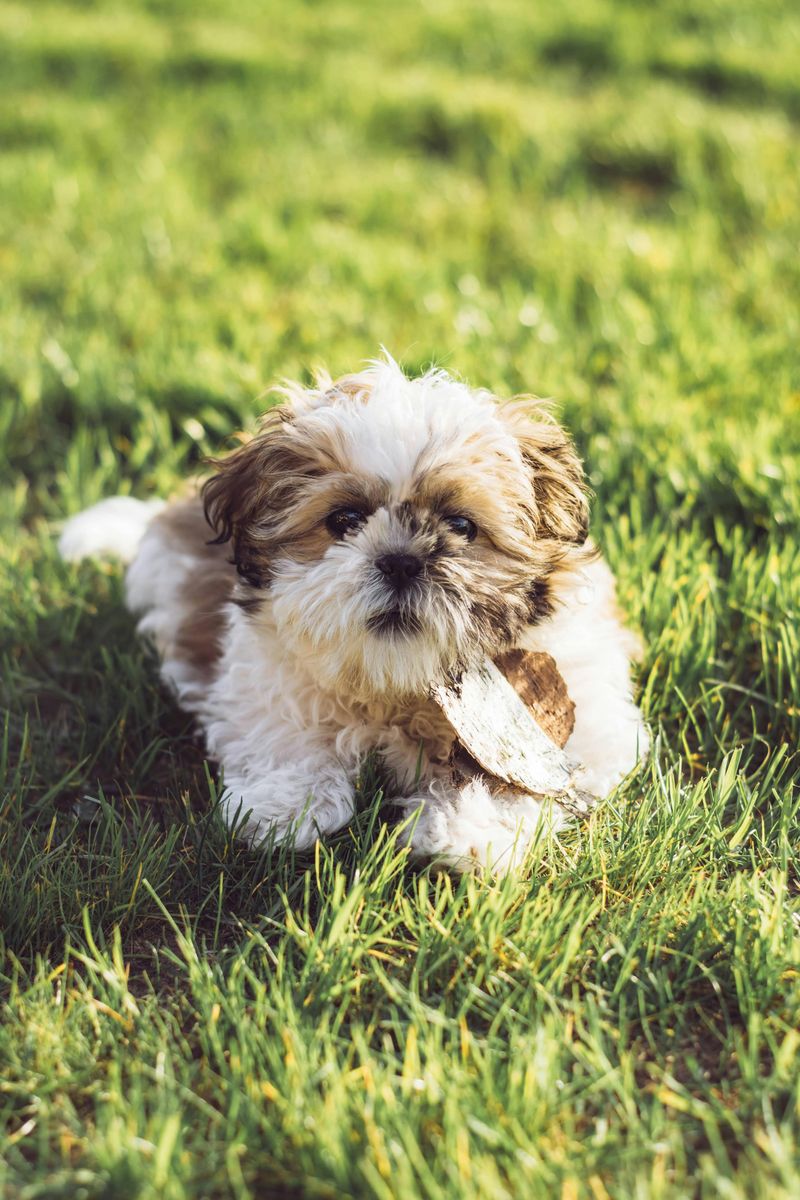
Shih Tzus are sweet companions designed for lap life, not sudden toddler sprints. Grooming demands escalate quickly, and missed brushings lead to mats that tug uncomfortably, raising irritability during handling.
They may prefer quiet corners and become snappy if startled by grabbing hands.
Owners quietly admit that baby schedules overshadow coat care and training refreshers. Use baby gates, teach kids soft touches, and maintain a daily brushing ritual linked to nap times.
Reward calm proximity and offer a covered crate as a retreat.
Short, positive sessions reduce reactivity to wheels, rattles, and squeaky toys. With structure and empathy, a Shih Tzu can remain a serene shadow, blinking slowly from a safe perch while family life hums.
Yorkshire Terrier
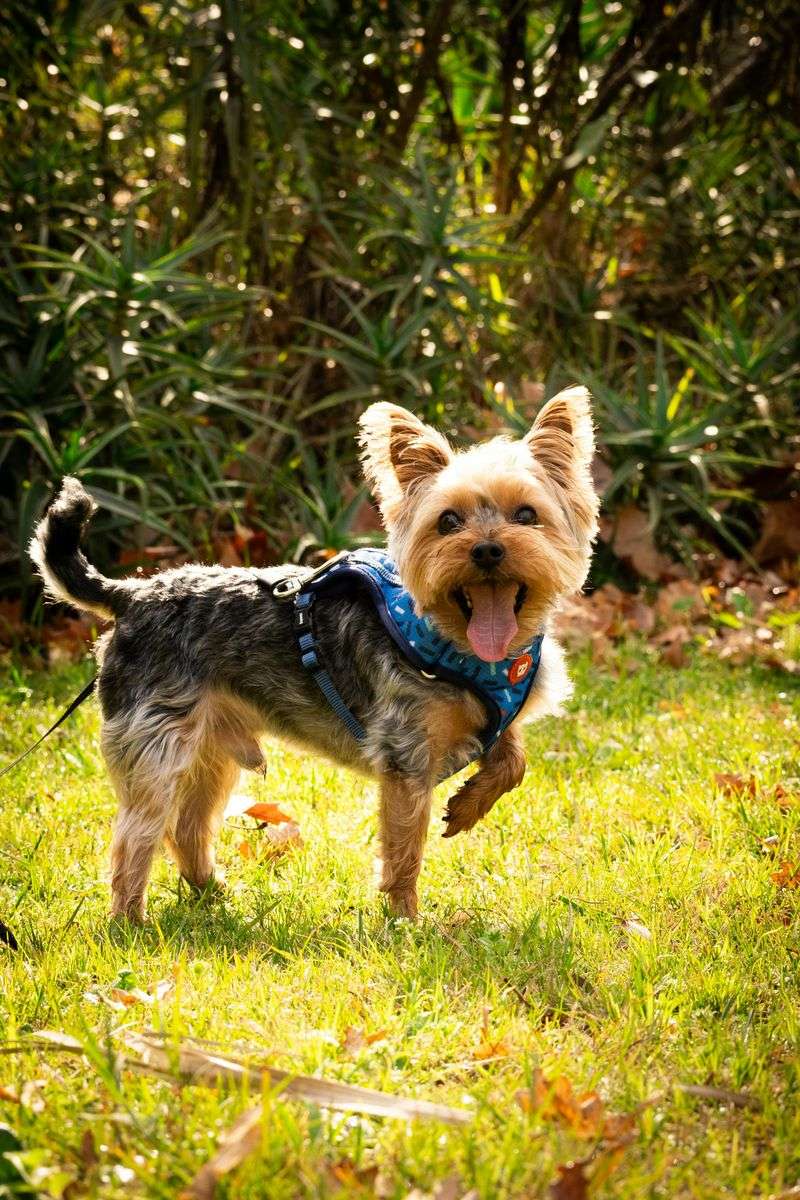
Yorkies are tiny dynamos with big opinions, which can clash with chaotic kid energy. Fragile frames risk injury from accidental drops or rough hugs, sparking fear based snapping.
Their alertness leads to barking at every door click, nap cry, or stroller wheel.
Parents often confess to feeling stretched thin, unable to balance training with sleep deprivation. Management is key: height safe perches, toddler free zones, and daily sniff walks.
Reinforce quiet with scatter feeding or lick mats during baby routines.
Teach gentle interactions and reward calm greetings behind gates. With thoughtful boundaries, consistency, and enrichment, Yorkies transform from anxious buzzers to charming companions, proudly strutting beside the pram while naps stay protected.
Dachshund
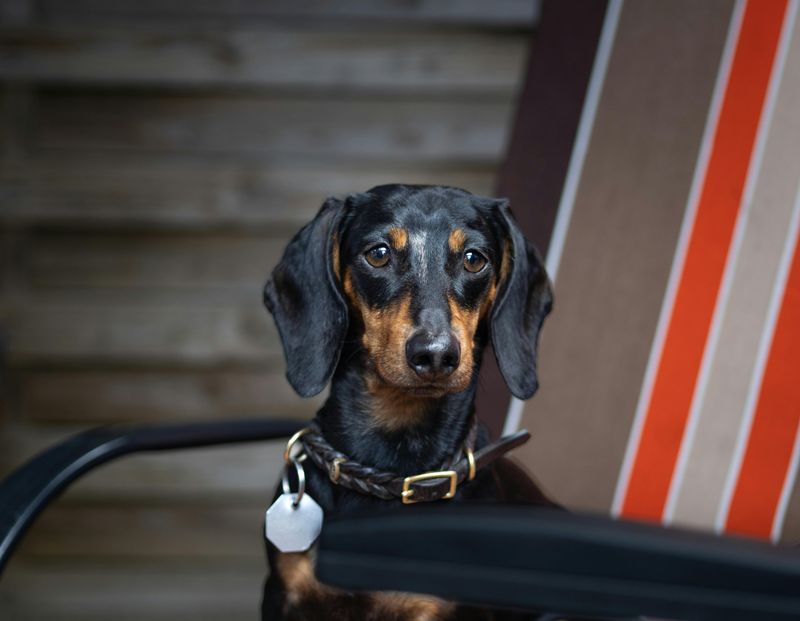
Dachshunds carry strong prey drive and big emotions in small bodies. Back safety is paramount, yet toddlers invite jumping off couches and sudden wrestling that risks injury.
Stubborn streaks appear when routines change, and barking may explode at stroller wheels or doorbells.
Parents admit to feeling judged when setting strict no stairs rules and crate time. Protect spines with ramps, blocked sofa access, and supervised floor time.
Reward calm around baby gear and teach hand targeting for gentle redirection.
Daily scent games and brief training reps burn mental energy. With guardrails and patience, Dachshunds remain comedic detectives, tail wagging while tracking snack crumbs under high chairs without upsetting the household rhythm.
Chihuahua
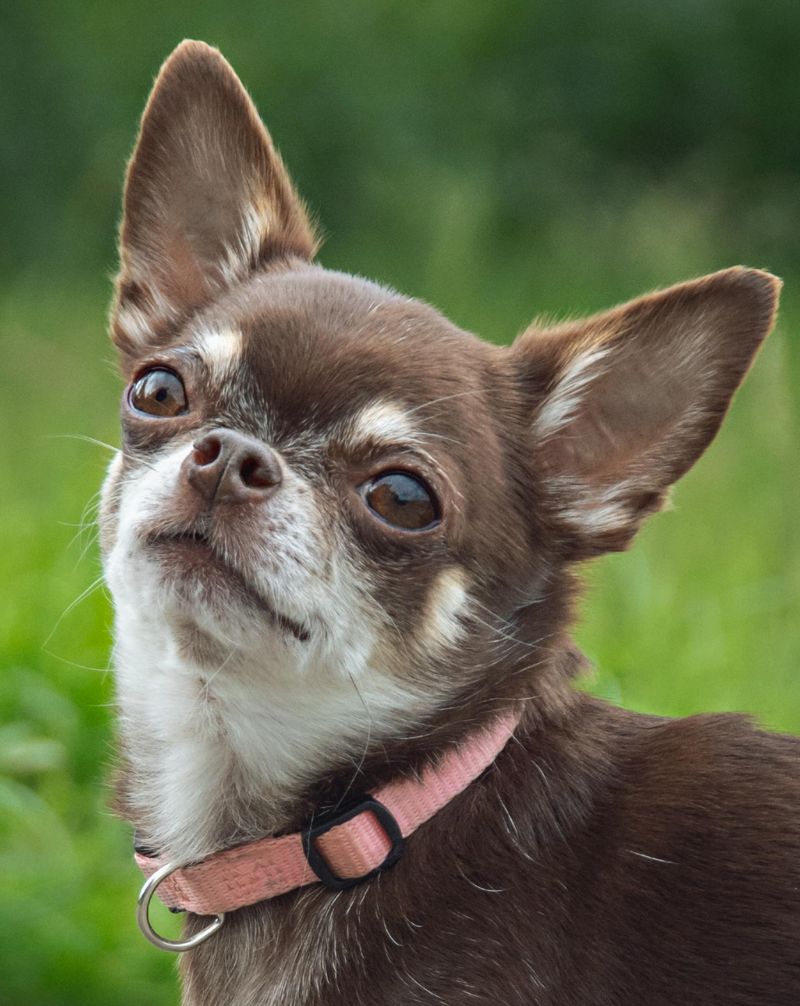
Chihuahuas feel safest with predictable handling, which toddlers cannot guarantee. Tiny bodies and big sound sensitivity create tension when cries, clatters, and visitors spike.
Fear responses can look like trembling, hiding, or sharp warnings near laps and blankets.
Some confessions describe resentment over constant vigilance and accidental nips. Set up vertical retreats, gated thresholds, and calm treat stations during diaper changes.
Pair baby sounds with scattered kibble to rewrite associations.
Short, frequent training drills build confidence without overwhelm. Teach kids to invite, not chase.
With empathy, protective routines, and clear consent for contact, many Chihuahuas shift from guarded to brave, sunbathing peacefully while the nursery bustles around them.
Pekingese
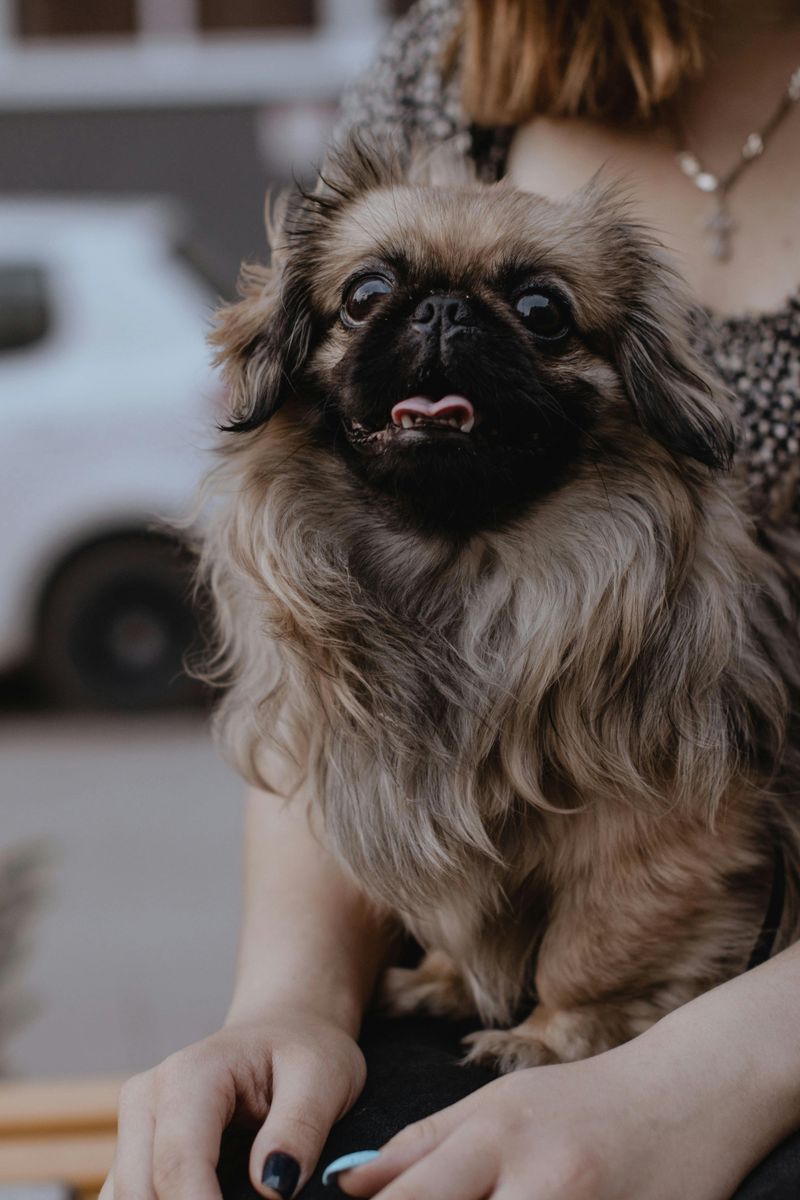
Pekingese are dignified lap guardians who value calm, which clashes with tip toeing toddlers and dropped toys. Their heavy coat and flat face dislike heat and frantic play, leading to avoidance or grumbles when cornered.
Frequent grooming and eye care add tasks to a busy schedule.
Parents whisper about guilt when setting boundaries that others call overprotective. Use visual barriers, raised beds, and predictable cuddle windows to honor their need for space.
Desensitize to wheels and baby squeals with slow, reinforced exposures.
Teach gentle approaches and reward disengagement rather than forced tolerance. With respect for their regal nature, Pekingese can coexist gracefully, watching the household hustle from a shaded throne without escalating conflicts.
Lhasa Apso
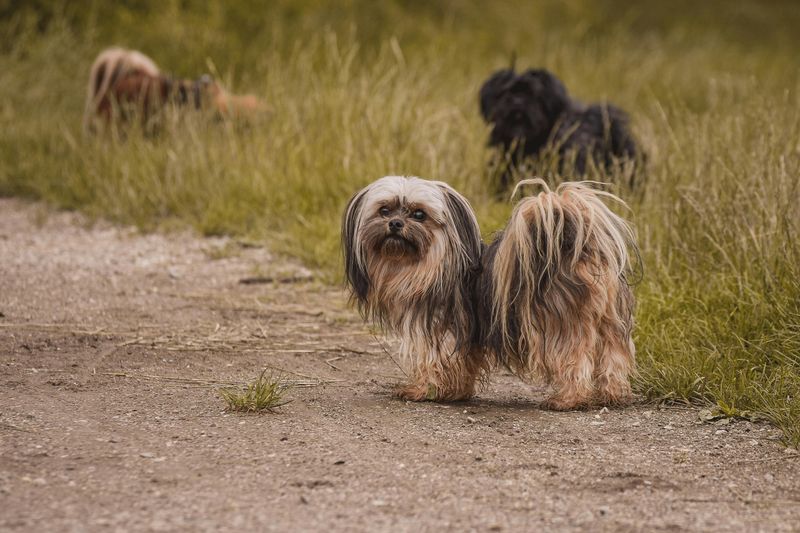
Lhasas are thoughtful watchdogs, bred to notice everything and question strangers, including wobbly toddlers. When routines shatter, they may guard thresholds, favorite beds, or laps.
Their coat requires ongoing care that slips when sleep is scarce, leading to discomfort and grumpiness.
Quiet confessions mention fatigue from constant boundary setting. Provide defined safe rooms, predictable walks, and enrichment that channels vigilance into sniffing games.
Practice calm greetings behind gates and reward voluntary check ins.
Teach children to pause and let the dog choose contact. With leadership, grooming consistency, and decompression time, Lhasa Apsos remain loyal sentinels, padding softly through family life while keeping peace and dignity intact.
Boston Terrier
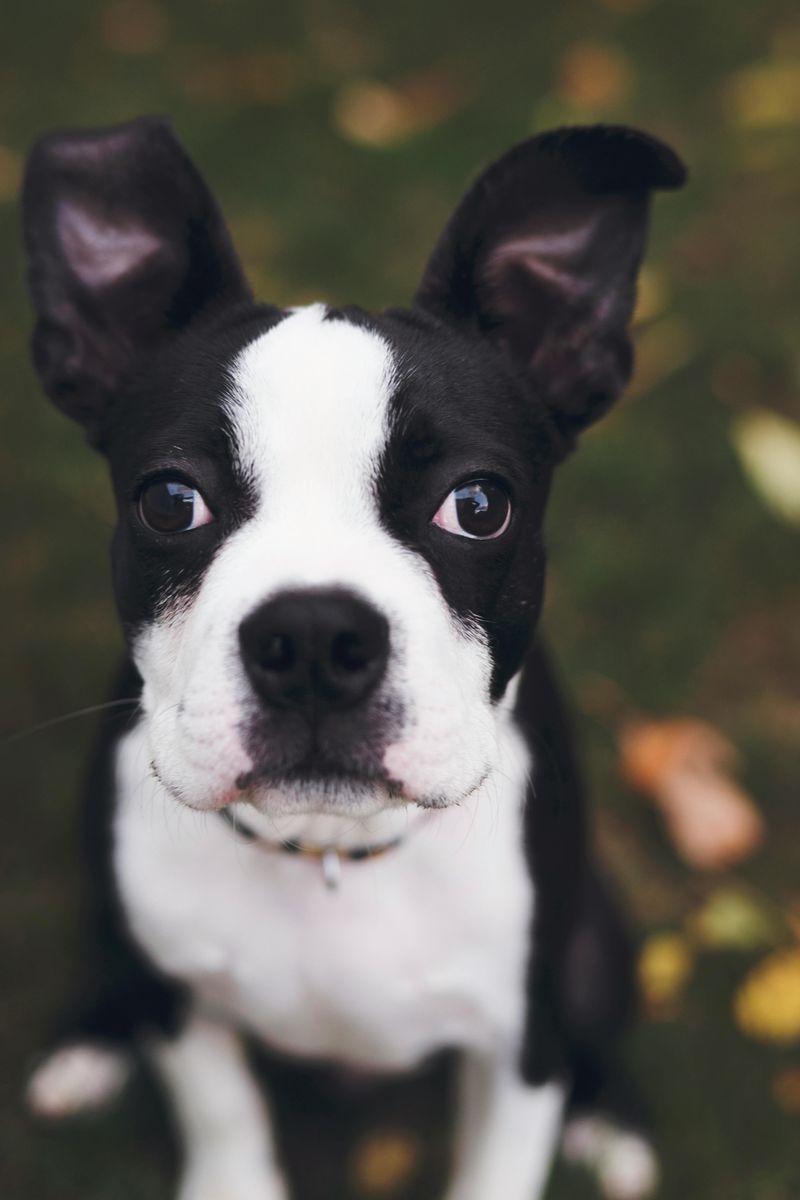
Boston Terriers are clownish and affectionate, yet their high arousal can collide with toddler chaos. Zoomies near wobbly walkers create accidental bumps, while sensitive tummies complicate treat rewards during training.
Snorty breathing limits rough chase games that kids often expect.
Parents quietly admit frustration with bouncing energy at bedtime. Build calm rituals: sniff walks, puzzle toys, and mat training during story time.
Reinforce gentle interactions, and give predictable decompression after visitors and playdates.
With consistency, Bostons shine as cheerful co pilots, learning to settle on cue while kids wind down. Supportive coaching turns mayhem into manageable fun, keeping families together without the hush of rehoming regrets.
Miniature Pinscher
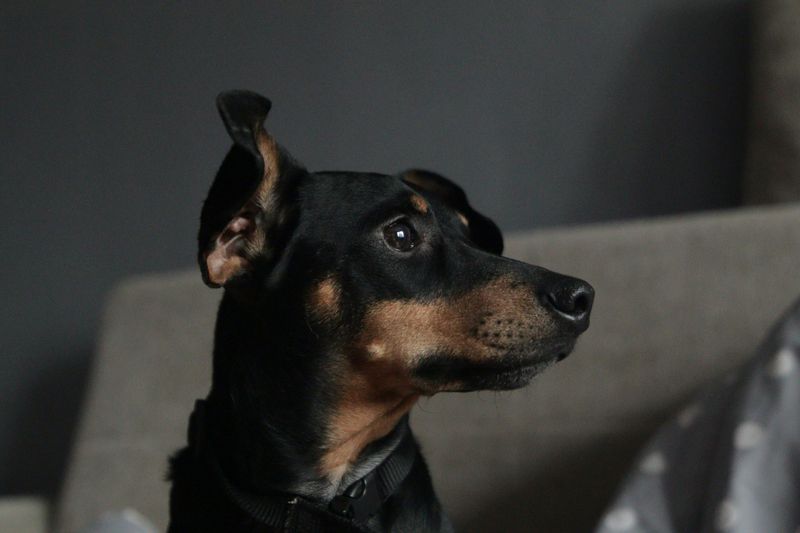
Miniature Pinschers are spirited watchdogs with quick reflexes that clash with unpredictable toddler movements. Their intensity can look like bossiness around doorways, laps, or cribs if structure fades.
Without outlets, they channel energy into barking or resource guarding, fraying patience during sleepless weeks.
Owners confess to surprise at how much mental work these small athletes require. Schedule targeted enrichment: short scent hunts, perch games, and leash walks with training interludes.
Use baby gates and reward calm on a station mat during nursery routines.
Teach children to toss treats away to create space. With boundaries and brain work, Min Pins evolve into confident room monitors, prancing proudly while respecting family flow.
Chinese Crested
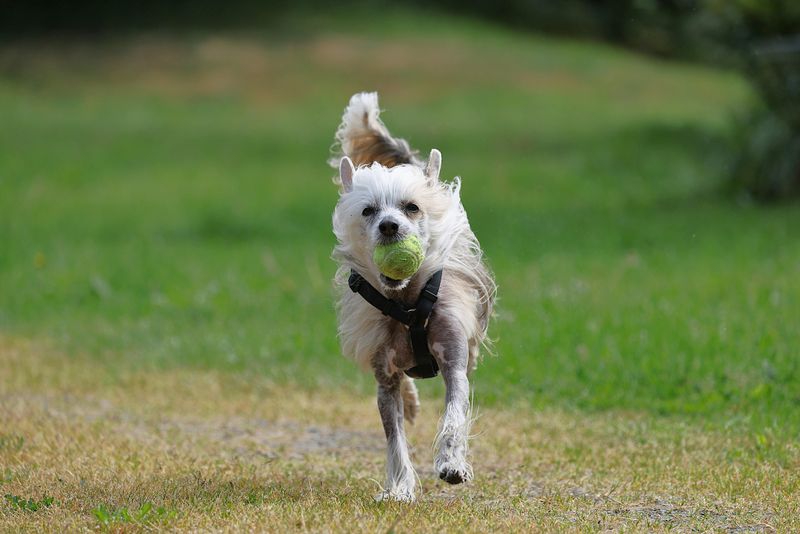
Chinese Cresteds are delicate and sensitive to temperature, which complicates life with doors opening, strollers rolling, and outdoor errands. Hairless skin needs protection from sun and scratches, so clumsy hugs can cause discomfort.
They bond closely and may protest when routines pivot toward a newborn.
Parents confess to overwhelm balancing skincare, training, and sleepless nights. Set cozy warm zones, use clothing layers, and pair baby noises with treats to build positive links.
Encourage gentle approaches and teach the dog to retreat on cue.
Light enrichment, careful socialization, and predictable schedules help. With empathy and planning, Cresteds remain elegant companions, trotting delicately beside family life without the heartbreak of rehoming.