
You hear it all the time: this dog was not abused, and yet the label sticks the moment a strong or serious-looking breed walks through the shelter door. Rescue teams are begging people to look past assumptions and understand breed traits before judging behavior.
When you know what a dog was bred to do, everyday quirks stop looking like trauma and start making sense. Let’s walk through 14 breeds that get unfairly tagged, and see what is really going on.
German Shepherd Dog
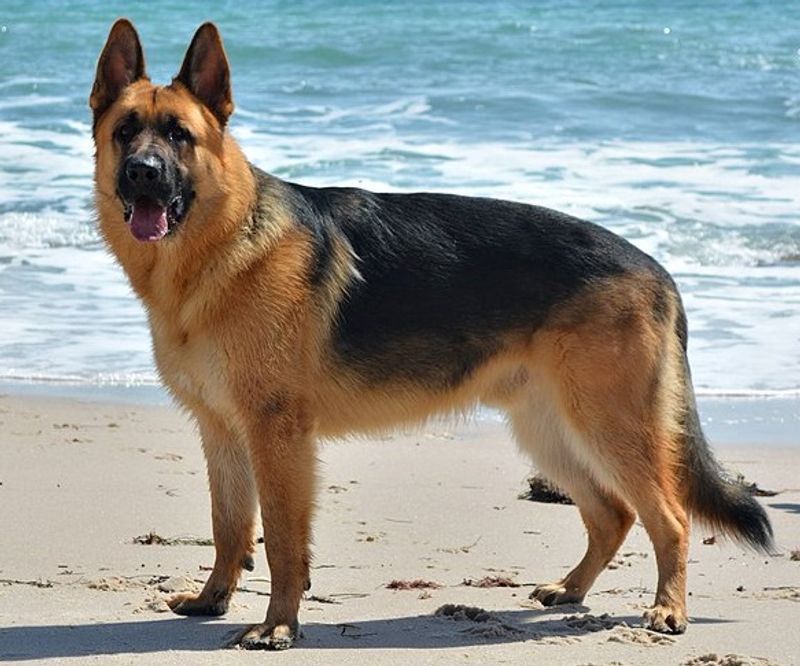
People see a German Shepherd pacing and whisper abuse, but this breed was built for nonstop work. High drive, intense focus, and vigilance mean they patrol the room like a security team.
Add under-exercised brainpower and you will see restlessness, not trauma.
Shepherds also carry sound sensitivity and protective instincts that can look edgy in noisy kennels. Give structured training, scent games, and real jobs, and watch tension melt into purpose.
Clear boundaries, daily decompression walks, and calm handling are your best tools.
If you respect their need to think and move, softness appears quickly. Affection arrives after trust, then goofy play ignites.
This is not a broken dog. It is a professional waiting for assignment.
Belgian Malinois
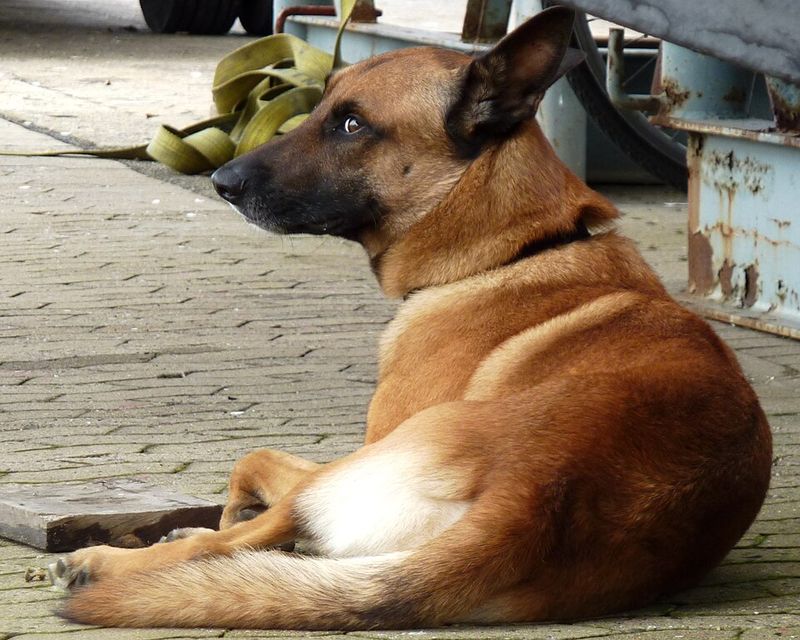
See a Malinois spinning in a kennel and many assume cruelty. In truth, this is a rocket fueled by genetics.
Bred for relentless work, they need tasks that challenge body and brain every single day.
Without outlets, that energy erupts as frantic motion, fence running, and vocalizing. It is not panic, it is pressure with nowhere to go.
Structured agility, bite sports, obedience, and scent work transform chaos into precision artistry.
Consistency, fair rules, and calm neutrality matter more than cuddles at first. Meet the need for motion and clarity, and then softness unfolds.
This is not an abused dog. It is a Formula One engine idling in a studio apartment.
Australian Cattle Dog
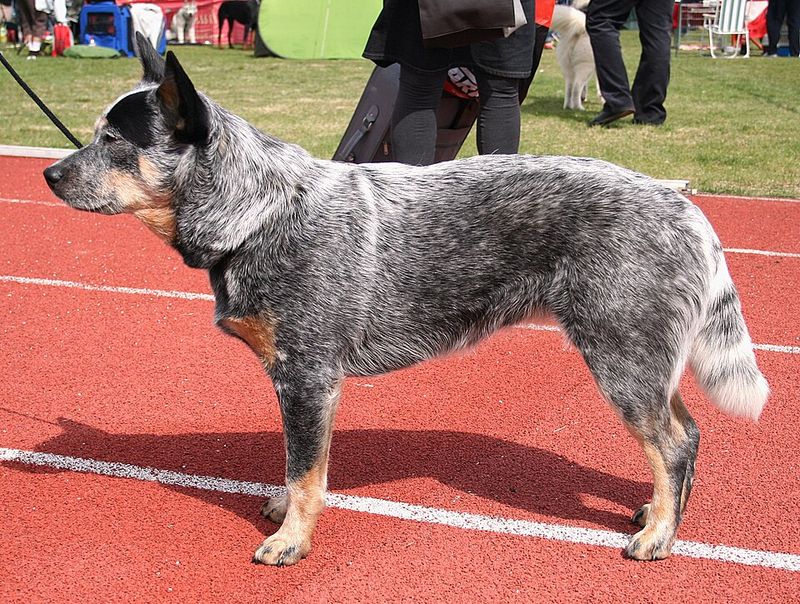
When a Cattle Dog nips heels or shadows your steps, folks cry abuse. Actually, heel nipping is literally the job.
This breed was developed to move stubborn livestock with grit and precision, so mouthy communication is baked in.
They are problem solvers who get bored fast. Without chores, they invent mischief and cling like Velcro.
Herding classes, trick training, and puzzle feeders refocus that intensity.
Their love language is work followed by quiet companionship. Gentle structure prevents resource guarding and overprotection.
Once needs are met, their loyalty is easy and deep. This is not a traumatized dog.
It is a foreman waiting for the crew to start.
Border Collie
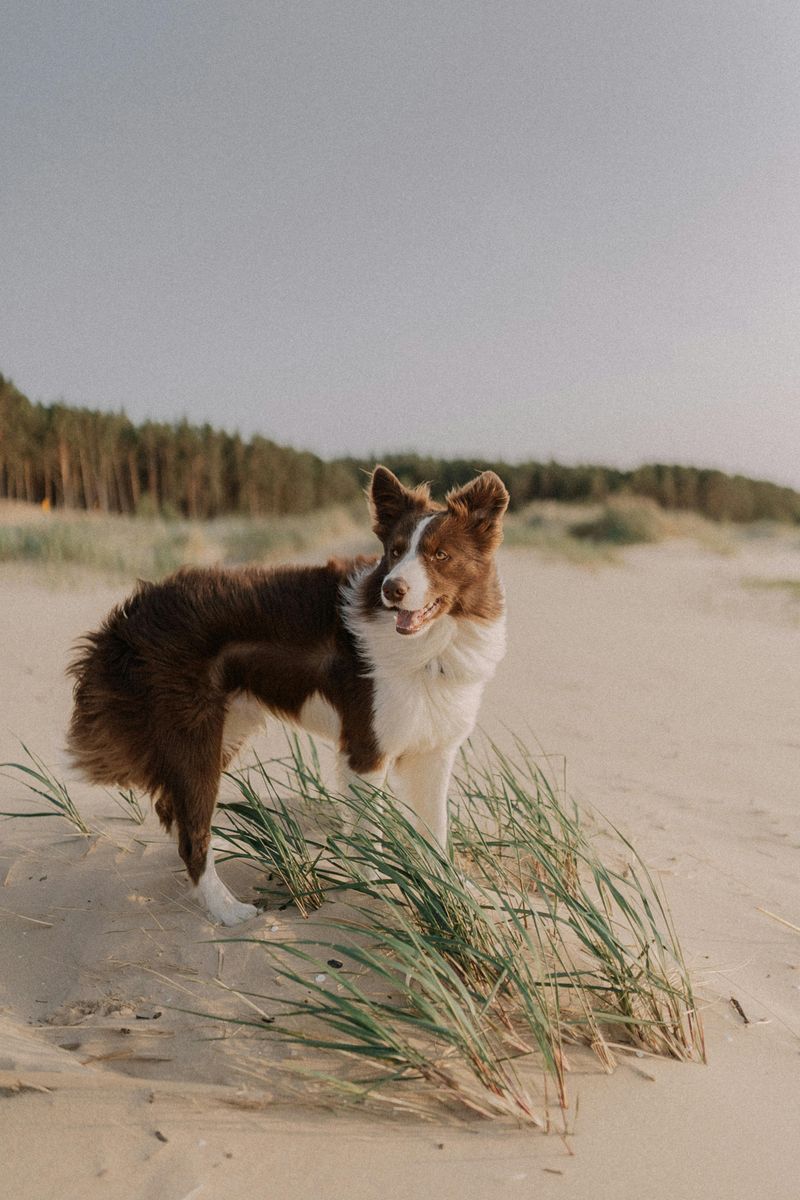
A Border Collie circling kids or stalking shadows often draws abuse claims. In reality, that eye-stalk is a finely tuned herding sequence.
This dog is trying to organize the universe, not reenact trauma.
Extreme intelligence plus sensitivity equals overload in shelters and busy homes. Redirect with nosework, fetch with rules, and structured herding lessons.
Teach off switches using mat training and calm reinforcement.
They read micro-gestures, so your clarity matters. When communication is precise, anxiety fades.
Provide mental puzzles and purposeful movement, then the famous cuddle side appears. This dog was not abused.
It is a strategist without a mission, waiting for your plan.
Dutch Shepherd
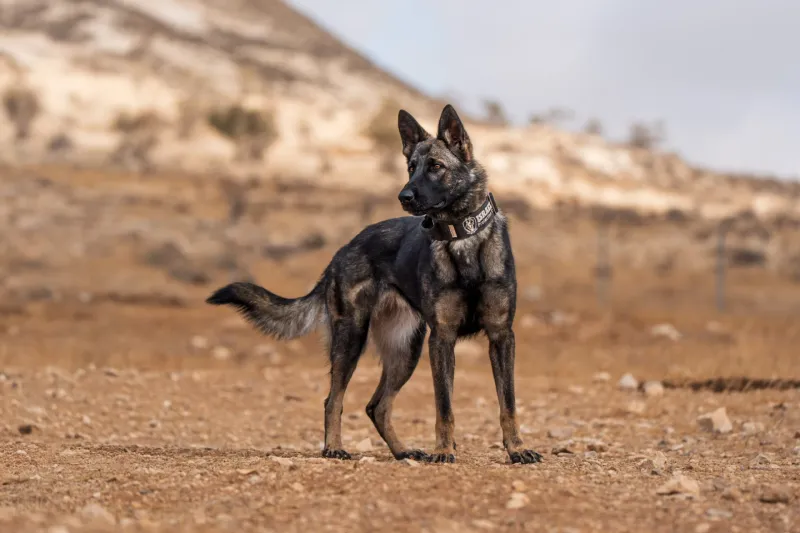
People meet a Dutch Shepherd scanning exits and assume fear from mistreatment. More often, you are seeing a guardian-herder with a scanning brain.
Bred for farm chores and protection, they catalog everything moving.
In crowded shelters that vigilance becomes restless pacing, not proof of harm. Give outlet through tracking, tug with rules, and obedience under distraction.
Use calm, neutral handling and predictable routines to lower arousal.
They attach strongly once trust is earned. Fair leadership and daily jobs unlock affection and play.
What looks edgy becomes attentive partnership. This is not an abused animal.
It is a thoughtful sentinel seeking assignment and stability.
Beauceron
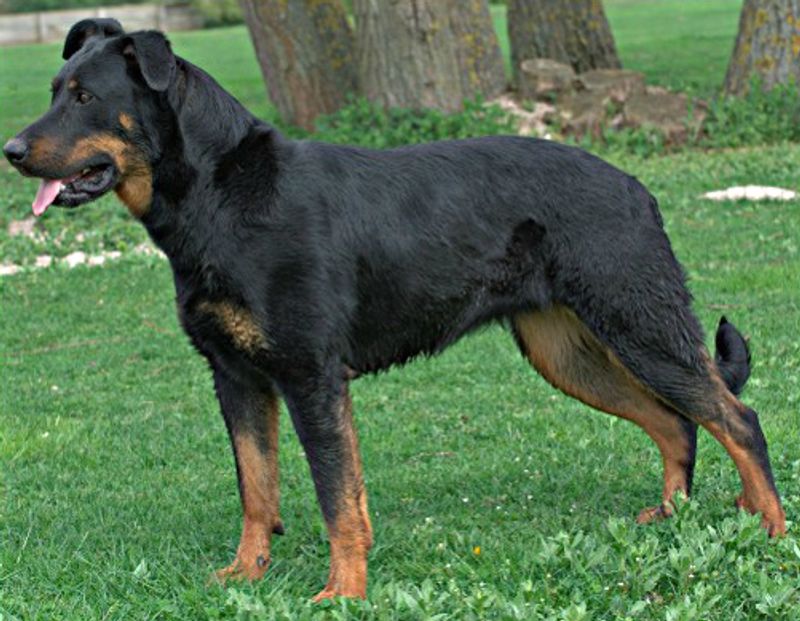
When a Beauceron leans hard into you then patrols windows, folks think insecurity from rough handling. Actually, this is a French farm general built to manage flocks and guard property.
Their lean is bonding and boundary checking.
They thrive on clear jobs and mental structure. Teach advanced obedience, tracking, and controlled protection sports.
Overly chaotic environments create frustration that looks like anxiety.
With steady expectations, they relax and show silly affection. Provide long trots, problem solving, and firm but kind guidance.
The stern face fools people into mislabeling them. Not an abused dog, just a leader who needs a map and a mission.
Doberman Pinscher
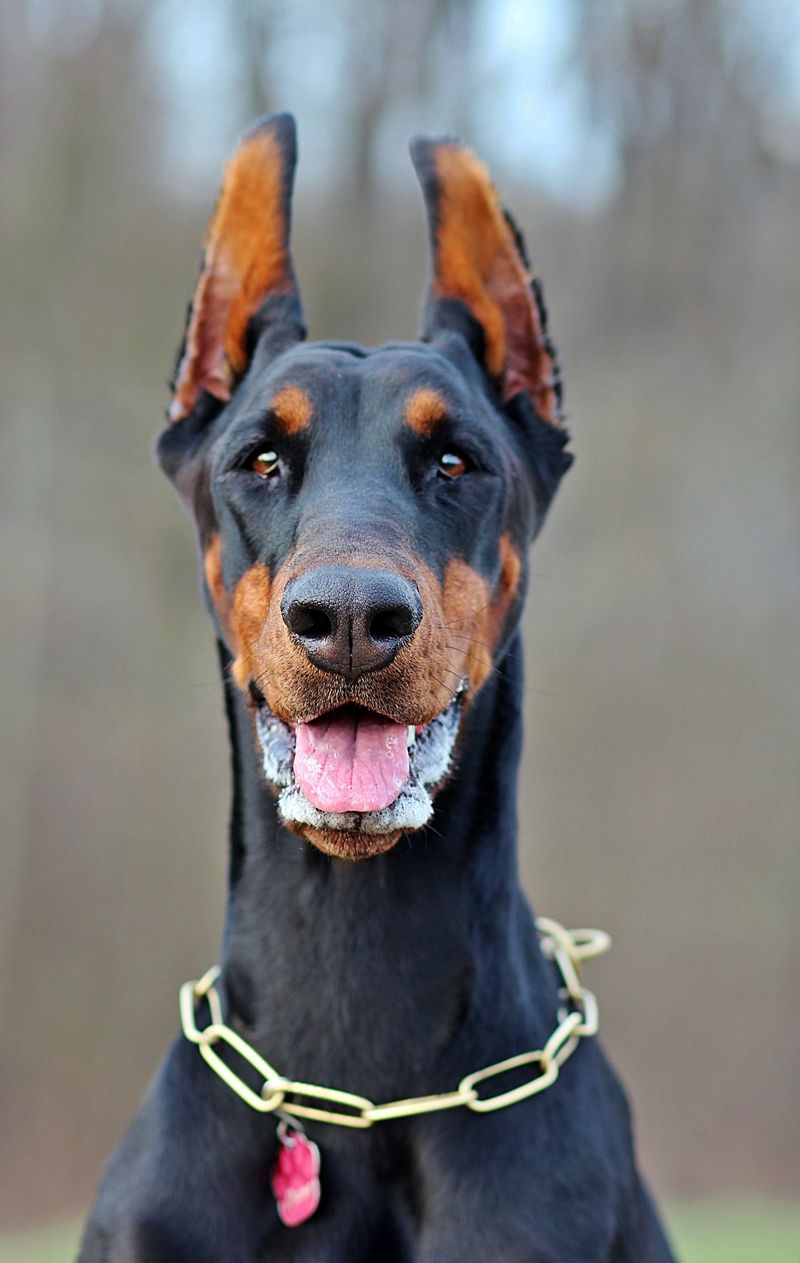
A Doberman glued to your side gets tagged as traumatized. In truth, this breed was designed for close personal protection, so proximity is the job.
Velcro tendencies are breed standard, not evidence of past harm.
Anxious pacing often stems from under-exercised minds and inconsistent rules. Daily obedience, impulse control games, and purposeful cardio smooth edges quickly.
They blossom under fair leadership and affectionate structure.
Expose gradually to new places, reward neutrality, and keep training fun. Once outlets exist, the dramatic look softens into goofball charm.
This dog was not abused. It is a guardian wired to stay near your heartbeat.
Rottweiler
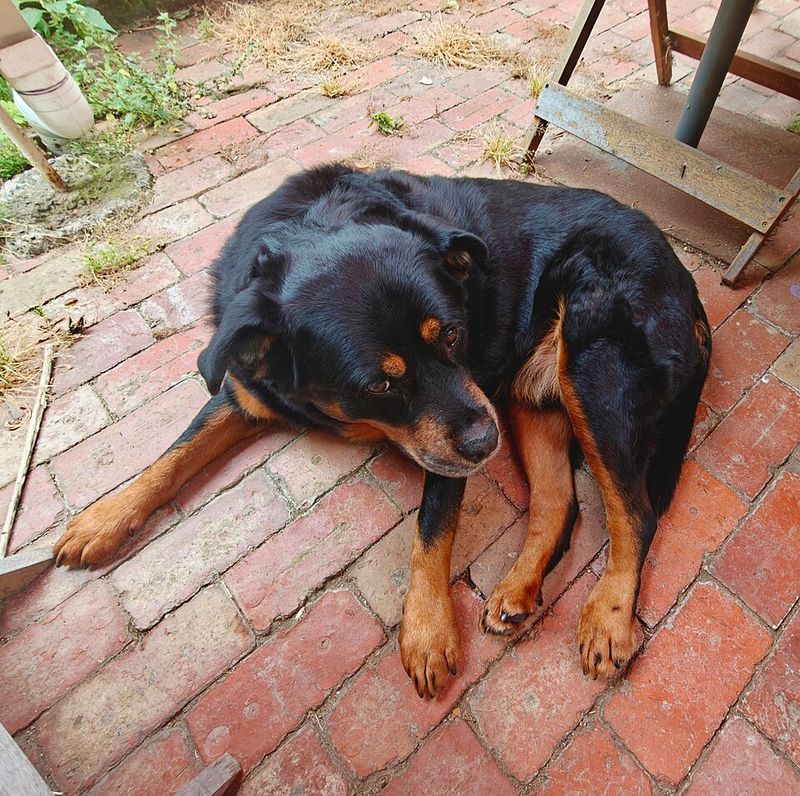
See a Rottweiler staring hard and hear instant abuse narratives. Often it is breed-level confidence plus watchfulness.
They are deliberate movers who assess quietly before acting.
In shelters, tight spaces and pressure can look like shutdown. Slow introductions, pattern games, and nosework rebuild curiosity.
Strength training with flirt pole or cart work channels power safely.
When boundaries are fair, they become affectionate clowns. Clear routines and polite greetings prevent misreads.
This is not a damaged dog. It is a steady worker who needs patient handling and meaningful jobs to shine.
Cane Corso
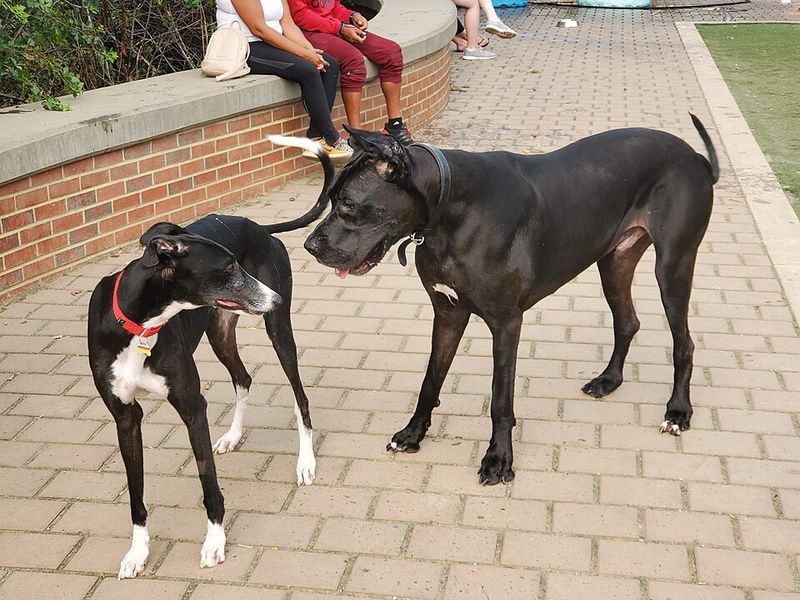
A Cane Corso avoiding strangers is quickly labeled abused. Reality check: this is a guardian mastiff bred to be discerning.
They warm up slowly and prefer clear introductions.
Overstimulation in loud kennels produces shutdown or big vocalizations. Neither equals cruelty history.
Provide structured socialization, obedience with place work, and controlled exposure to new environments.
Respect personal space, reward neutrality, and communicate with calm certainty. Once trust is earned, their devotion is enormous.
This is not a broken spirit. It is a thoughtful protector seeking consistent leadership and a quiet place to relax.
Akita
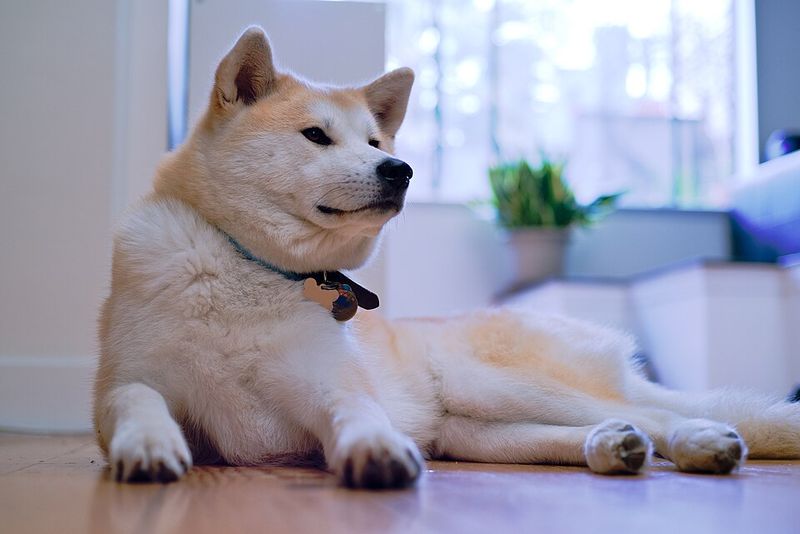
People see an Akita aloof with strangers and assume something terrible happened. Actually, the breed is naturally reserved and catlike.
They choose their circle carefully and value calm routines.
Shelter chaos can create shutdown that looks like sadness. Provide predictability, quiet decompression, and short training sessions.
Respectful handling wins more than cheerleading.
Once a relationship forms, loyalty is unwavering. They enjoy scent games, controlled walks, and minimal-drama households.
This is not an abused dog. It is a dignified companion who prefers trust earned slowly and respectfully.
Chow Chow
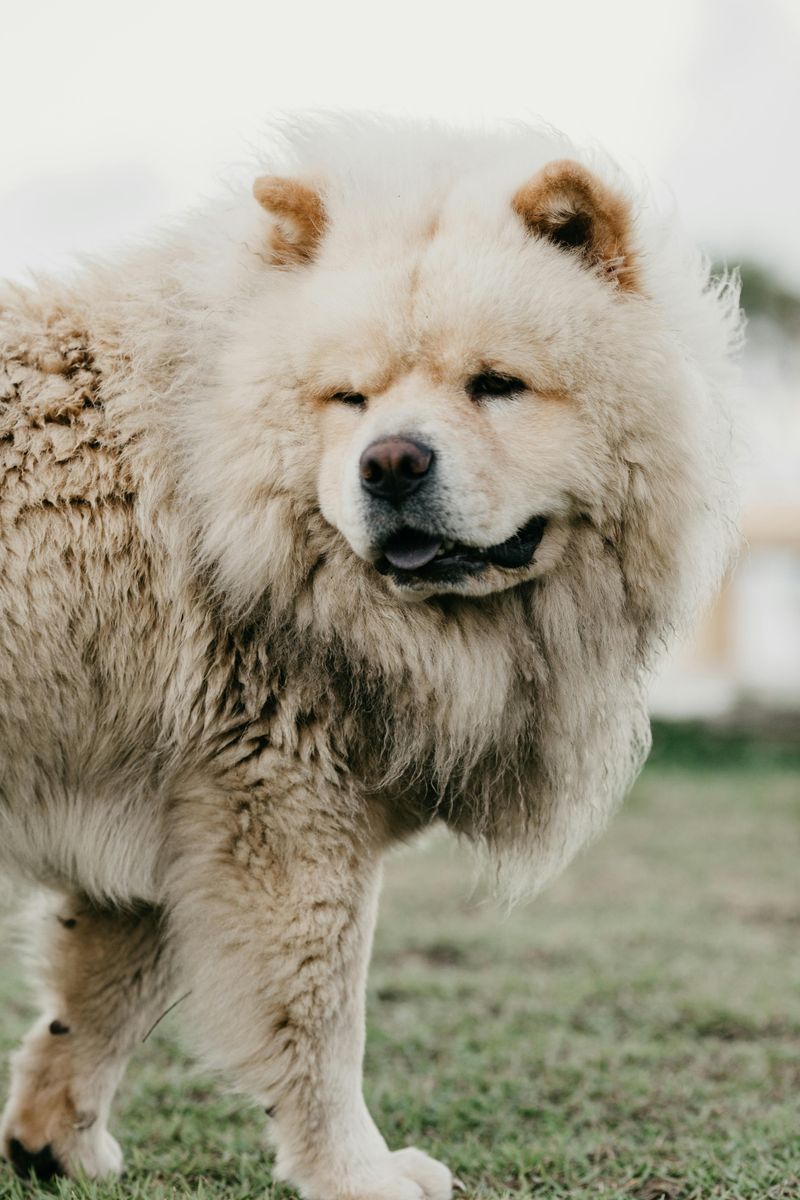
A Chow holding space instead of seeking cuddles often gets tagged as mistreated. Yet this ancient guardian is famously independent.
They bond deeply but do not perform affection on cue.
Their stoic nature means subtle signals replace waggy enthusiasm. Grooming discomfort or tight handling can sour trust, so go slow and kind.
Teach cooperative care and honor their boundaries.
With patient respect, they show quiet devotion and calm companionship. Short training bursts, scent work, and peaceful walks fit them best.
Not an abused dog, just a sovereign spirit who likes polite relationships and predictable homes.
Shar Pei
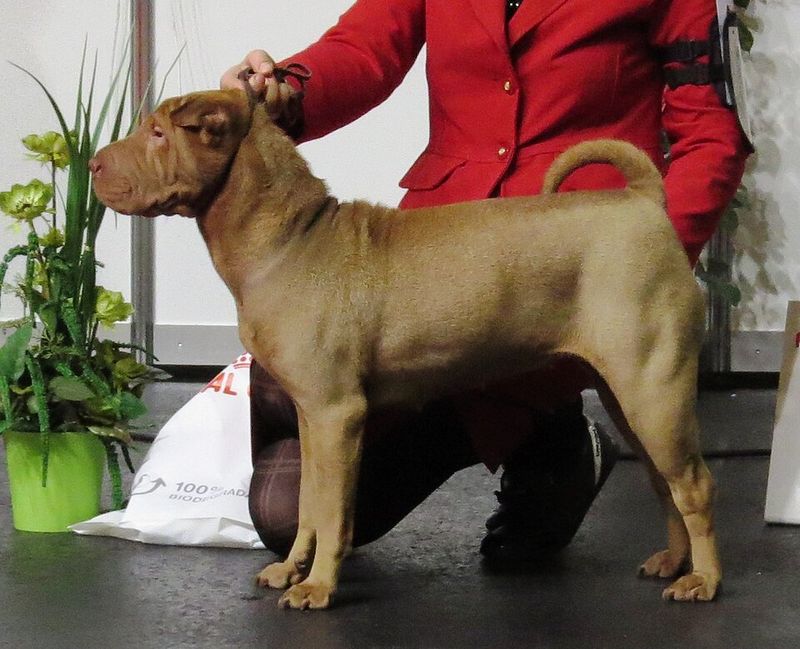
When a Shar Pei seems wary or defensive, people assume rough handling. In fact, the breed’s history includes guarding and hunting, with strong opinions wrapped in sensitive skin.
Pain from skin or ear issues can also fuel reactivity.
Rule out medical problems first, then build trust through calm routines. Use muzzle training for vet visits, reinforce neutrality, and reward choice-based engagement.
Keep sessions short and predictable.
Once comfortable, their dry humor and loyalty shine. They appreciate space, clear communication, and consistent boundaries.
This is not an abused dog. It is a thoughtful individual balancing sensitivity with courage, needing health care and respectful partnership.
Rhodesian Ridgeback

A Ridgeback ignoring recall and scanning horizons can look defiant from trauma. Really, you are seeing a sighthound-influenced hunter with independent problem solving.
Their endurance begs for long, structured exercise.
Without outlets, they turn to counter surfing and door darting. Use long-lines, scent games, and trail miles to meet needs.
Teach reliable routines and pay generously for check-ins.
They are affectionate once energy is satisfied. Calm homes, predictable expectations, and freedom balanced with rules reveal their sweetness.
This is not an abused dog. It is an athlete with a compass pointing to open spaces.
American Bulldog
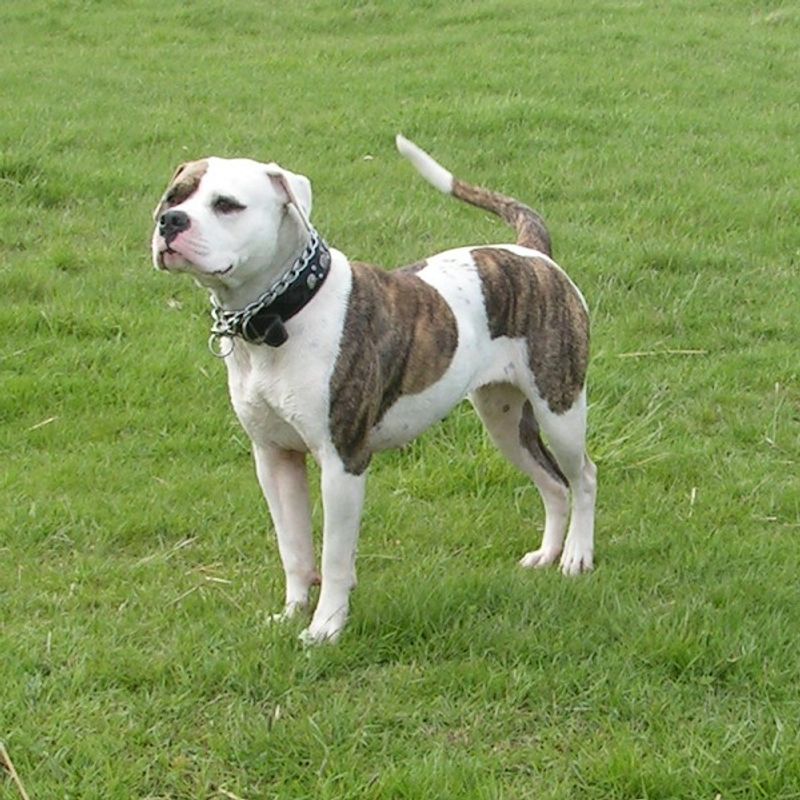
People see an American Bulldog pulling on leash and assume harsh treatment. Actually, many are high-drive farm dogs built for power and grit.
Excitement plus muscle equals big feelings at the end of a leash.
Teach impulse control with structured walks, pattern games, and strength outlets like flirt pole and weight pull basics. Reinforce calm greetings and provide chew therapy.
Clear, upbeat training works better than force.
Once needs are met, they are goofy, tender companions. Expect snuggles, clown energy, and steady devotion.
This is not an abused dog. It is a powerhouse who thrives with boundaries and play.