
You have probably seen an adoption photo where the comments erupt into arguments over what breed the dog really is. Shelter staff do their best with limited info, but labels can spark bias that helps or hurts a pup.
DNA tests complicate things further, often revealing surprising mixes and muddying certainty. Let’s walk through the usual suspects and why people keep insisting the label is wrong.
American Staffordshire Terrier
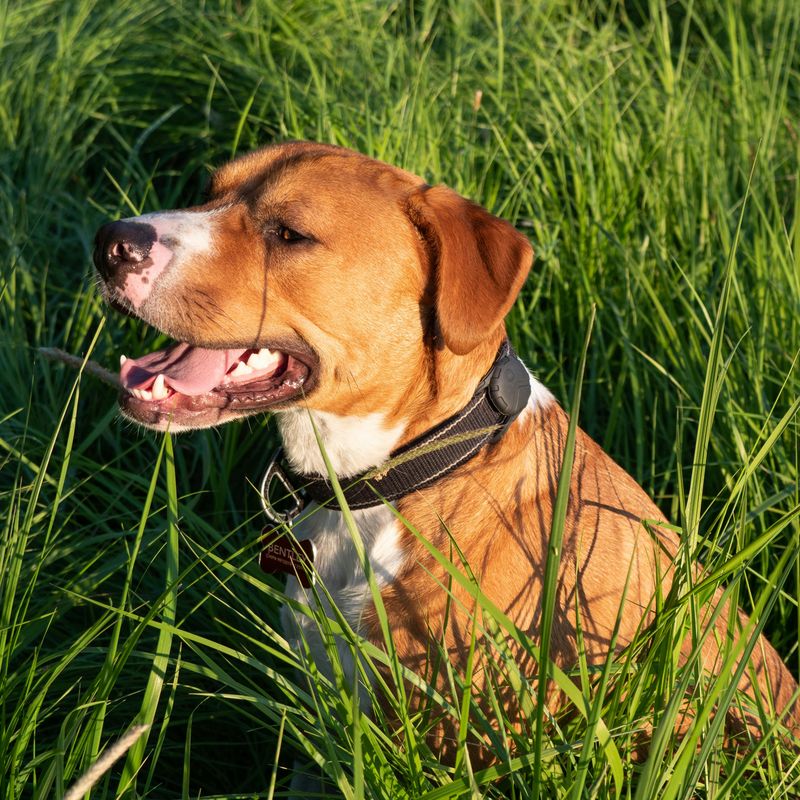
Scroll the comments on any shelter post and someone will say, That is not an AmStaff. The square head and muscular frame make quick assumptions easy, especially when lighting exaggerates cheek muscles.
You might also see a mix with similar features get labeled American Staffordshire Terrier just because it looks strong.
Labels carry baggage, and that affects how you view the smile and wagging tail. Ask for behavior notes instead of fixating on the head shape.
If possible, request a DNA test or meet and greet to learn who the dog really is beyond the label.
Staffordshire Bull Terrier
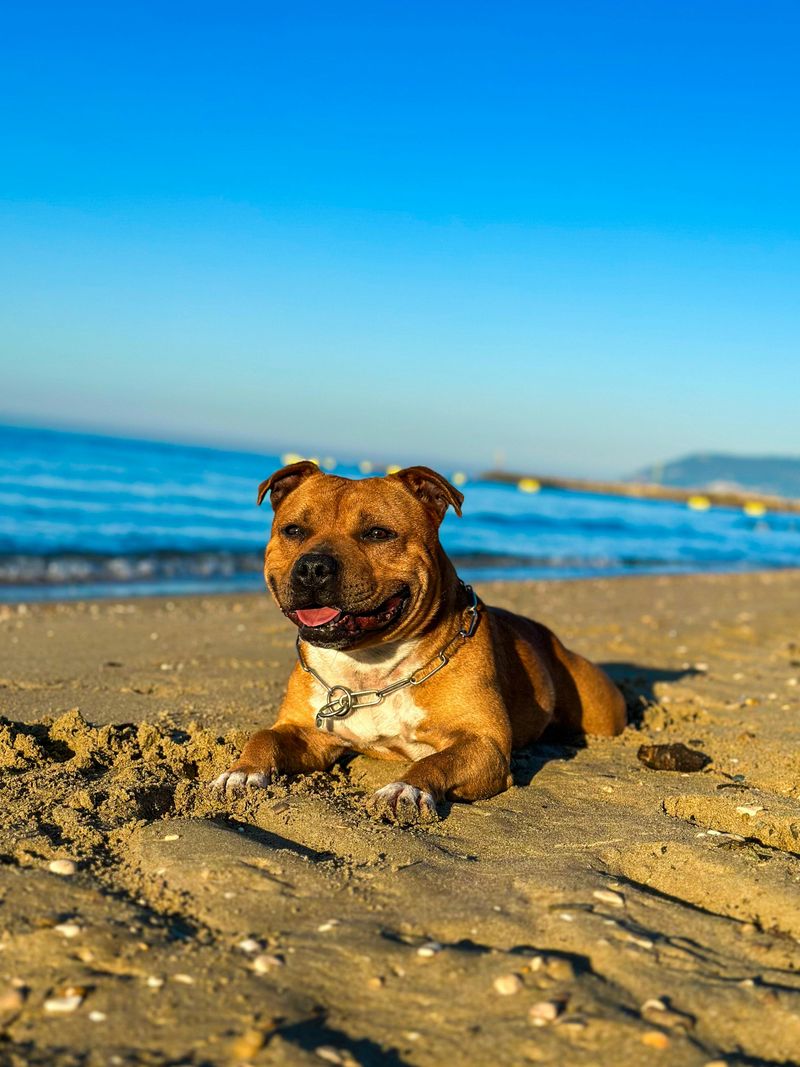
People often claim a dog labeled Staffy is actually an AmStaff or bully mix. The Staffordshire Bull Terrier is shorter, stockier, and typically lighter than its American cousin.
In photos without scale, that difference disappears, and commenters jump in with confidence that rarely matches reality.
Look for proportion, head size relative to body, and overall compactness, but remember mixes blur lines. Ask the shelter how the label was chosen.
If you feel uncertain, focus on the dog’s energy level, sociability, and training needs. Your daily life will match or clash with those traits much more than a debated label.
American Bully
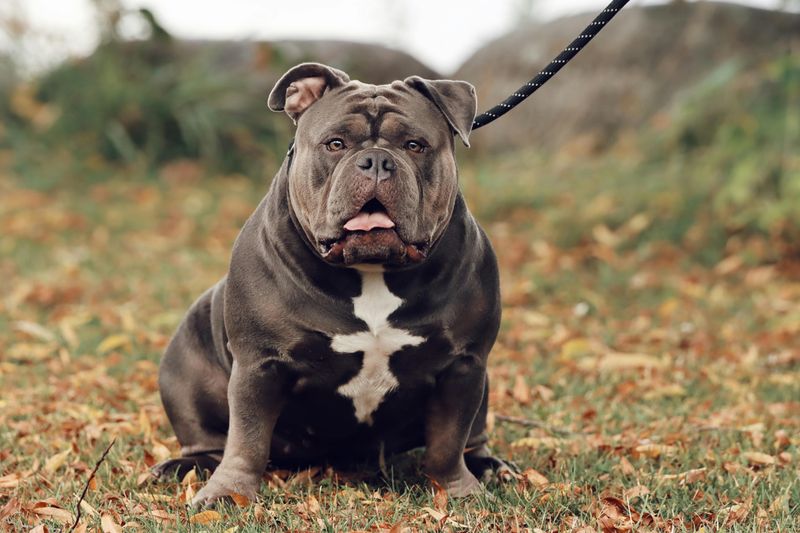
American Bully labels stir arguments because type varies from pocket to XL. In rescue photos, lens distortion can make heads look bigger and legs shorter, pushing viewers to say, That is a bully for sure.
Sometimes it is a mix of bully, AmStaff, or even Mastiff lines that mimic the silhouette.
Instead of arguing over categories, check temperament notes and exercise needs. Bully breeds can be affectionate couch companions with bursts of zoomies.
Meet the dog, see how it handles new people and spaces, and decide if that personality fits your home. Labels are snapshots, not biographies.
Boxer
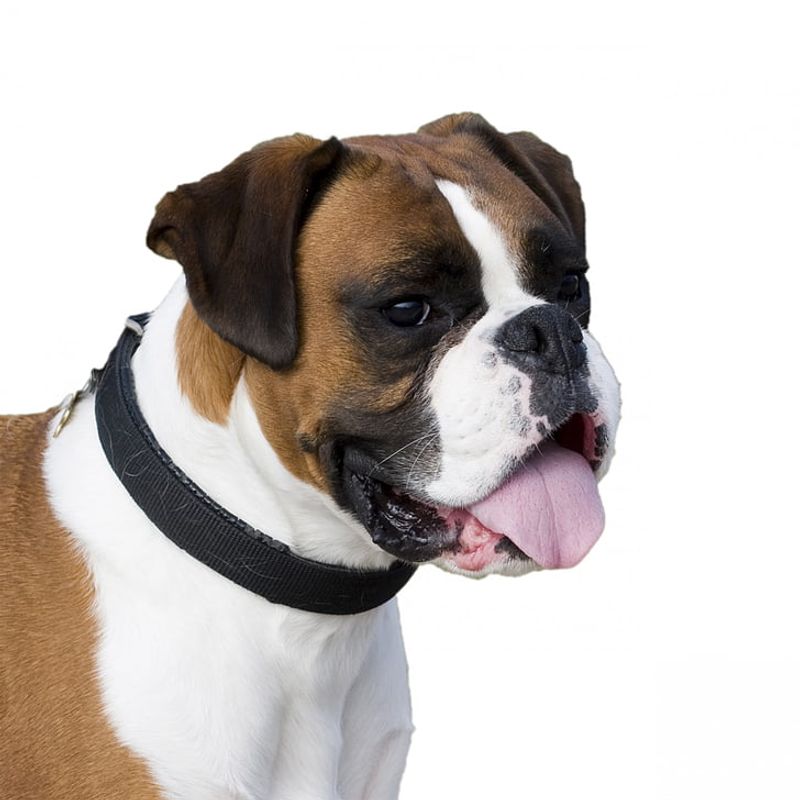
Boxers get misidentified as bully breeds or even Mastiff mixes because of their square muzzle and muscular chest. In low light, a black mask can read as a broader head, inviting comments that the label is wrong.
Puppies and seniors shift proportions, confusing the eye even more.
Look for the bouncy gait, expressive eyes, and that playful wiggle. Ask the shelter about energy levels, since Boxers thrive with activity and engagement.
Whether purebred or mixed, the real question is whether you can provide structure and outlets. A label helps with guesses, but meeting that goofy spirit tells you far more.
Labrador Retriever
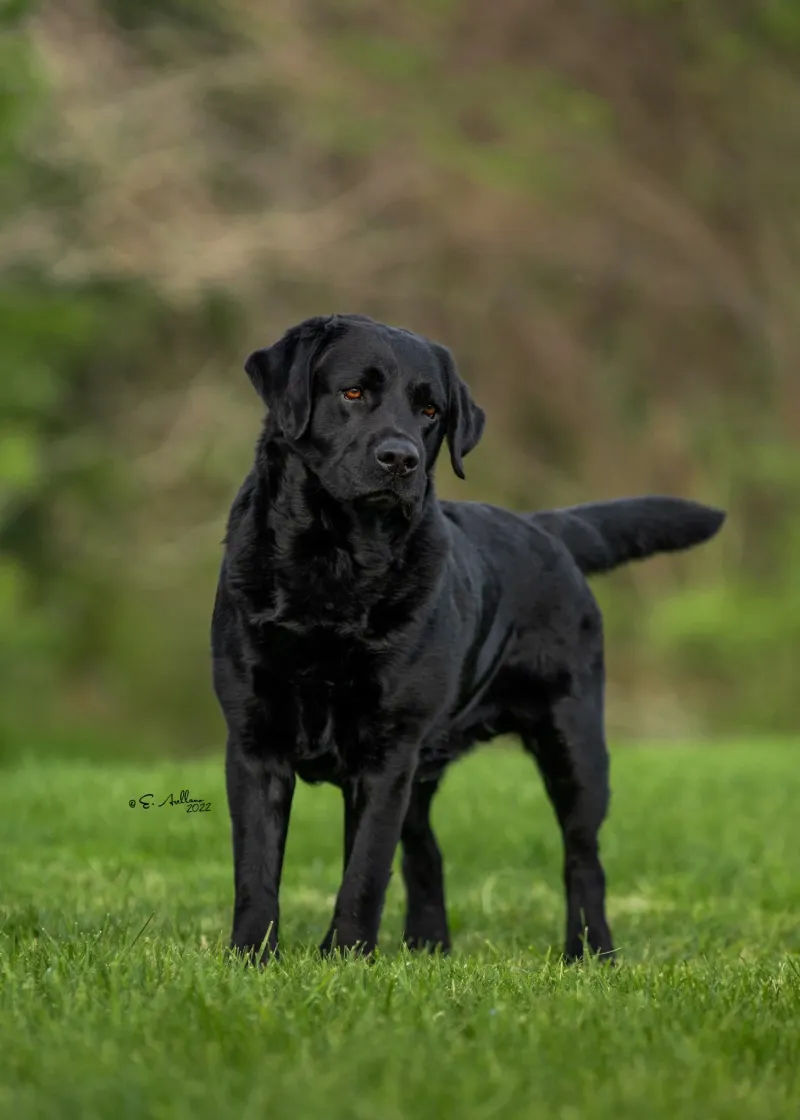
Everything black and medium sized becomes a Lab in shelter posts, which frustrates people who see hound, bully, or shepherd traits. The famous otter tail, double coat, and soft eyes can be mimicked by many mixes.
Photos flatten texture and tail shape, making labels feel like guesses.
Ask about retrieving drive, sociability, and sensitivity to noise. True Labs often adore people and water, but mixes might vary widely.
Meeting the dog on a walk reveals more than any caption. If you love the Lab vibe, focus on temperament and training compatibility more than certainty, because the best companion does not require pedigree proof.
Catahoula Leopard Dog
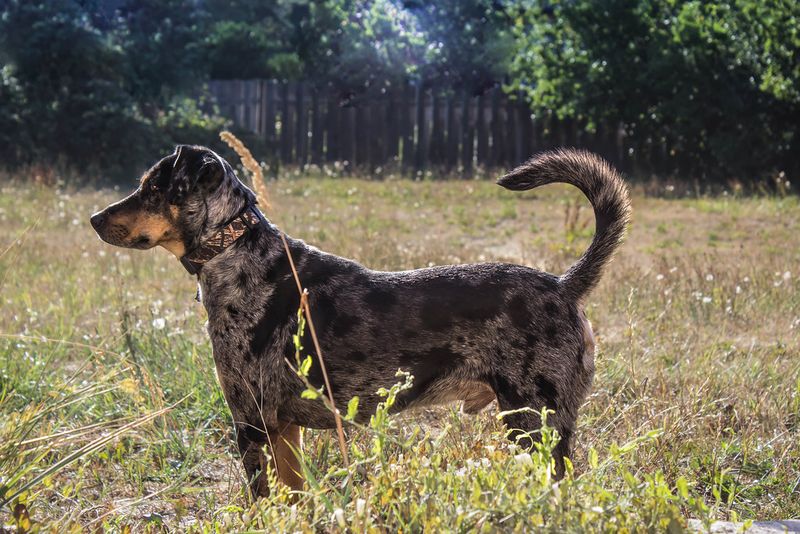
Merle and striking eyes make people shout Catahoula, even when the body screams herding or hound mix. Shelters might use Catahoula as a catchall for merle dogs because the pattern grabs attention.
Yet ear set, chest depth, and tail carriage tell different stories once you look closely.
Ask about work drive and reactivity, since Catahoulas can be intense problem solvers. Many mixes need outlets like nosework or structured hikes.
If you are intrigued by the look, make sure the brain and energy suit your life. Photos can sell a coat pattern, but daily harmony depends on the mind underneath those beautiful speckles.
Bull Terrier
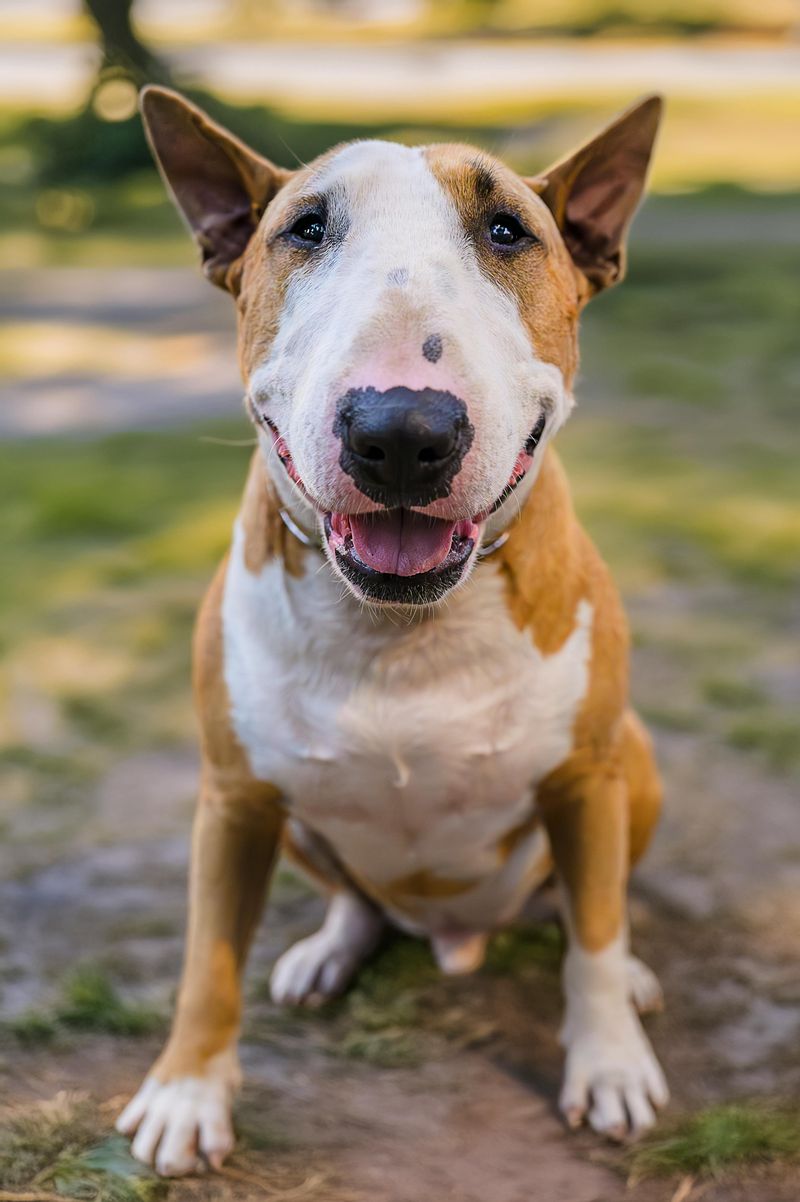
That distinctive egg head seems obvious, yet mixes with shorter muzzles sometimes get labeled Bull Terrier incorrectly. Camera angles exaggerate curves, and comment sections jump to conclusions.
Even purebred dogs can vary, from refined to more rugged outlines.
Focus on temperament quirks like clownish energy, strong play styles, and persistence. Ask the shelter how the dog handles handling and downtime.
If the vibe feels right, training and enrichment can steer that determination into fun games. The label may attract or repel people, but your daily routine is the true test.
Look past the silhouette and meet the goofball in front of you.
English Bulldog
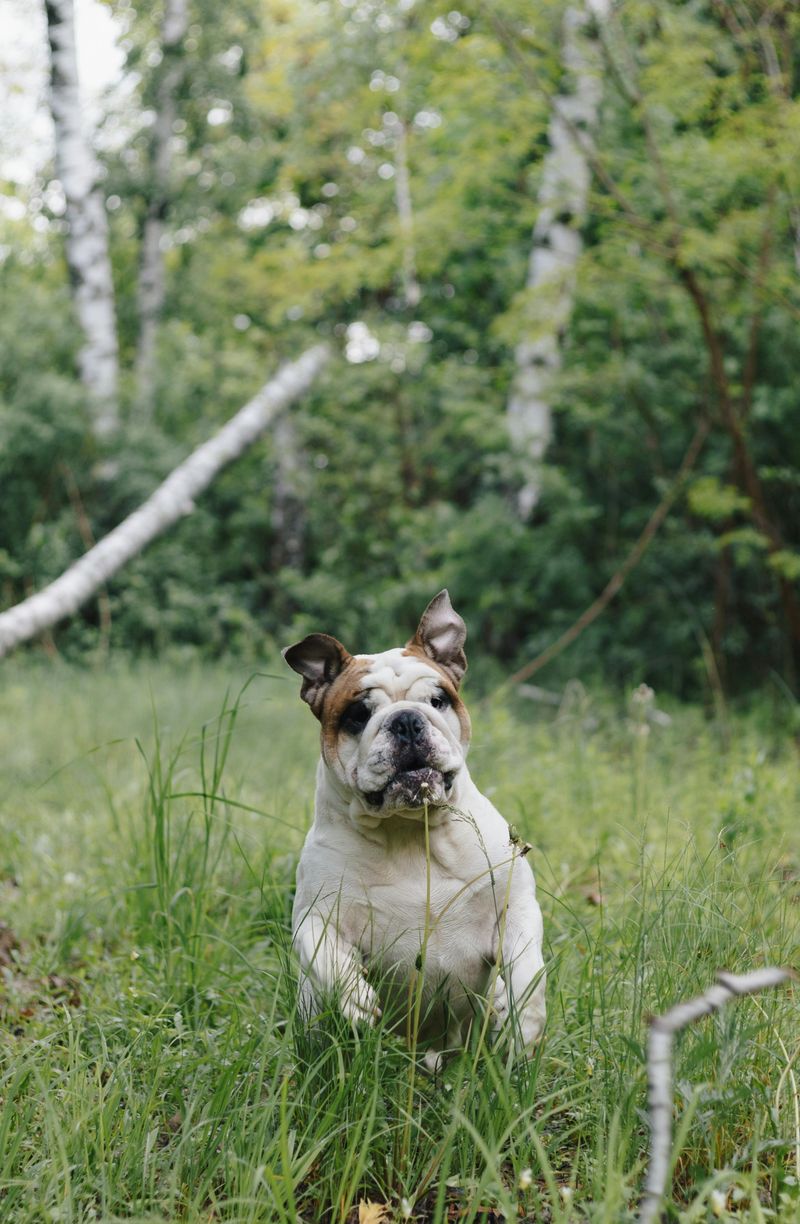
Wrinkles plus stocky frame and suddenly every compact dog becomes an English Bulldog online. Some are mixes with terrier or mastiff influence that soften or exaggerate features.
Health considerations matter here, because people assume certain breathing or mobility issues based on the label alone.
Ask the shelter about stamina, heat tolerance, and vet history. A dog with bulldog vibes might still handle walks well, or might need careful temperature management.
Focus on comfort, harness fit, and short fun sessions. Whether pure or mix, you deserve honest expectations, and the dog deserves someone who understands brachycephalic needs without stereotyping from a single photo.
French Bulldog
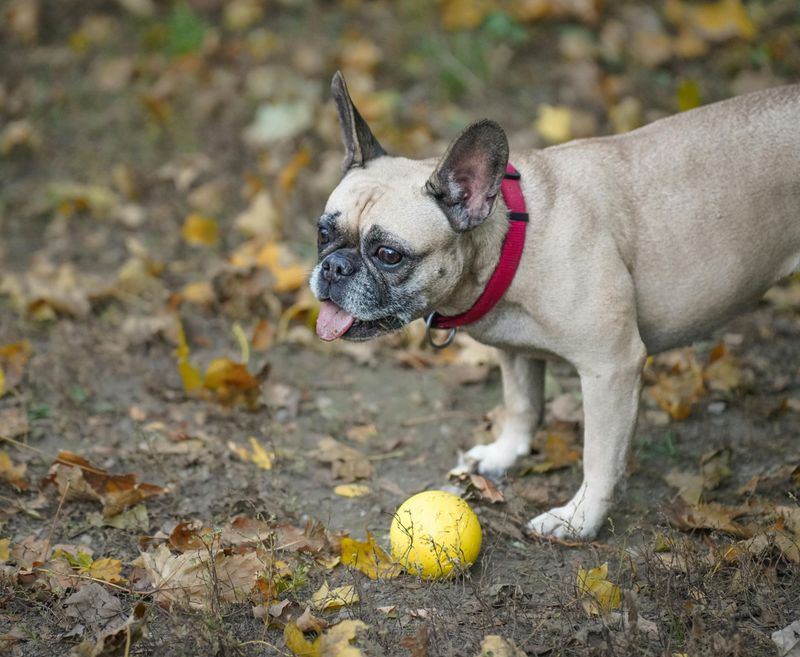
Bat ears and a smushy face shout Frenchie, but small bully mixes can fool the eye. In rescue posts, dramatic lighting makes ears look taller and bodies shorter.
Commenters might swear it is a Boston Terrier or pug blend, and honestly, sometimes it is.
Instead of chasing certainty, ask about breathing, exercise tolerance, and social preferences. Many Frenchies are affectionate shadows who cherish close contact.
Consider insurance or savings for potential airway or skin issues. If a dog labeled French Bulldog ticks your lifestyle boxes and feels like your match, that connection beats any heated thread debating ancestry.
Mastiff
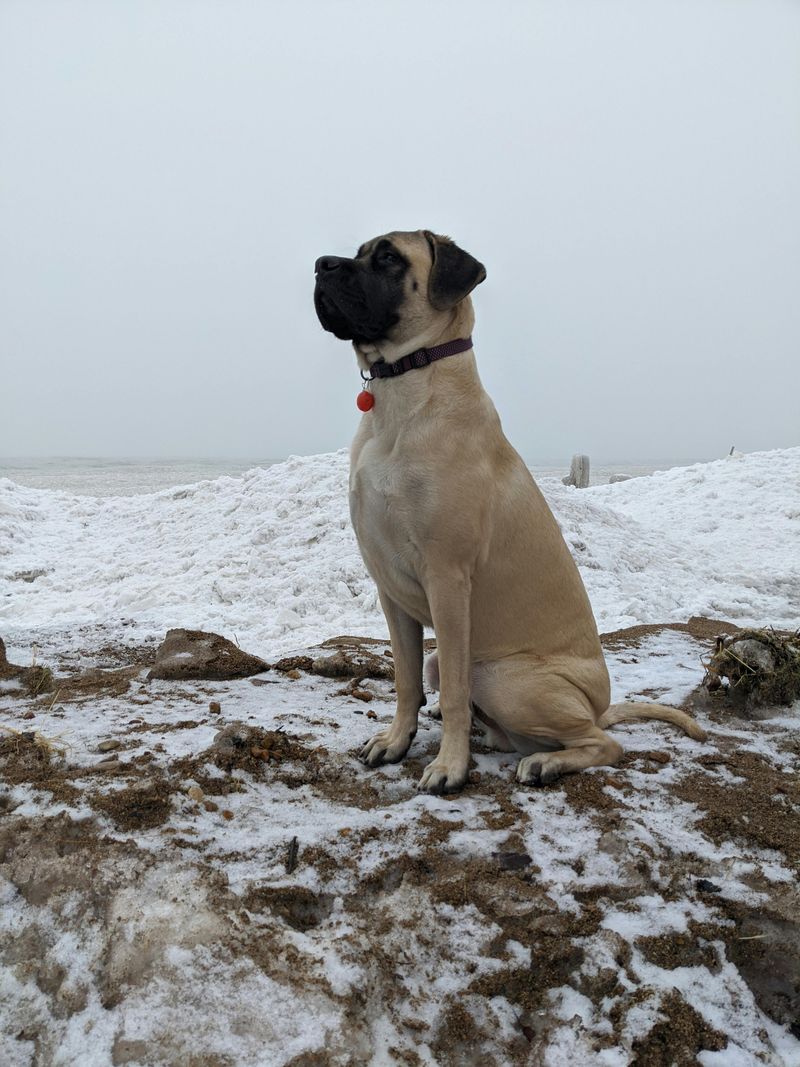
Large, drooly, and mellow becomes Mastiff in a heartbeat, but there are many mastiff types and mixes. In photos, scale is slippery without a human nearby.
People might claim the label is wrong, suggesting Dane or bully influence, and sometimes they are right.
Ask about size, joint health, and tolerance for stairs. Big dogs can be sensitive souls that need soft guidance and stable routines.
Your space, budget, and lifting capacity matter more than perfect breed certainty. If that gentle giant leans into you and sighs, the bond may be all the clarity you need.
Dogue de Bordeaux
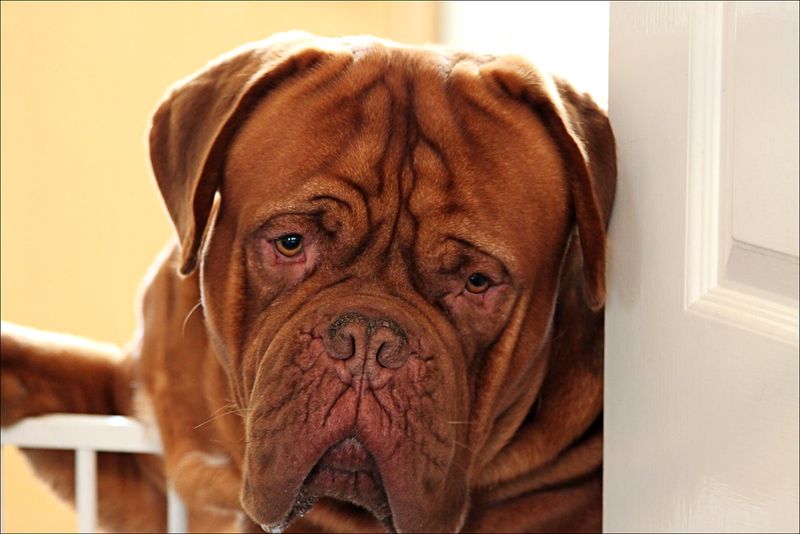
That giant pumpkin head draws fast Dogue de Bordeaux guesses, but mixes with Mastiff or Bulldog can look close. Shelters sometimes choose the label to help visibility, which then triggers comment debates.
Photos do not convey weight or bone density, two big clues in person.
Ask about age, orthopedic history, and daily energy. These dogs can be calm companions who still need steady exercise and joint care.
Budget for quality food and vet visits. If the personality suits you, the exact ancestry becomes less urgent than providing comfort and structure for that soulful, wrinkled face.
Presa Canario
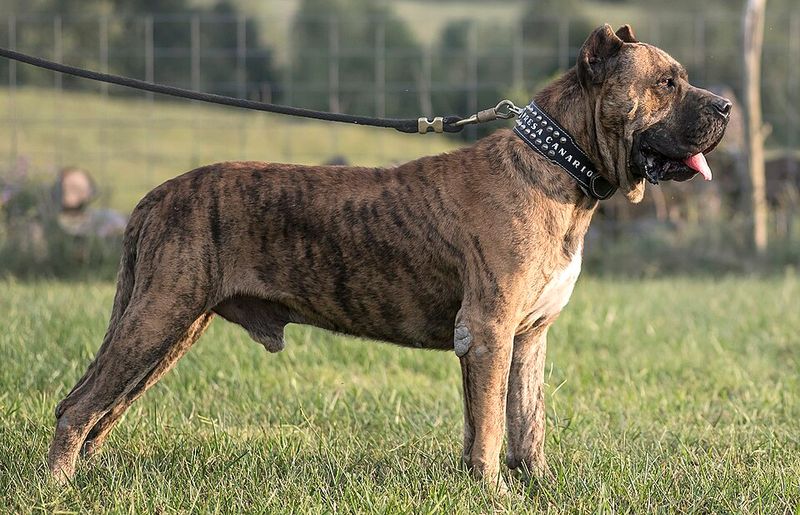
Presa labels invite heated pushback, since many bully or mastiff mixes share the same bold outline. Photos can overstate confidence with a wide stance or understate it when the dog slouches.
People reading risk into the label may skip a great dog or underestimate needs.
Ask about training history, handler engagement, and response to novel environments. Structured work, clarity, and boundaries matter for guardian types and lookalikes.
Meet with shelter staff who know the dog, practice handling skills, and be honest about your experience. The right match comes from temperament and management, not a perfect label typed under a picture.
Neapolitan Mastiff
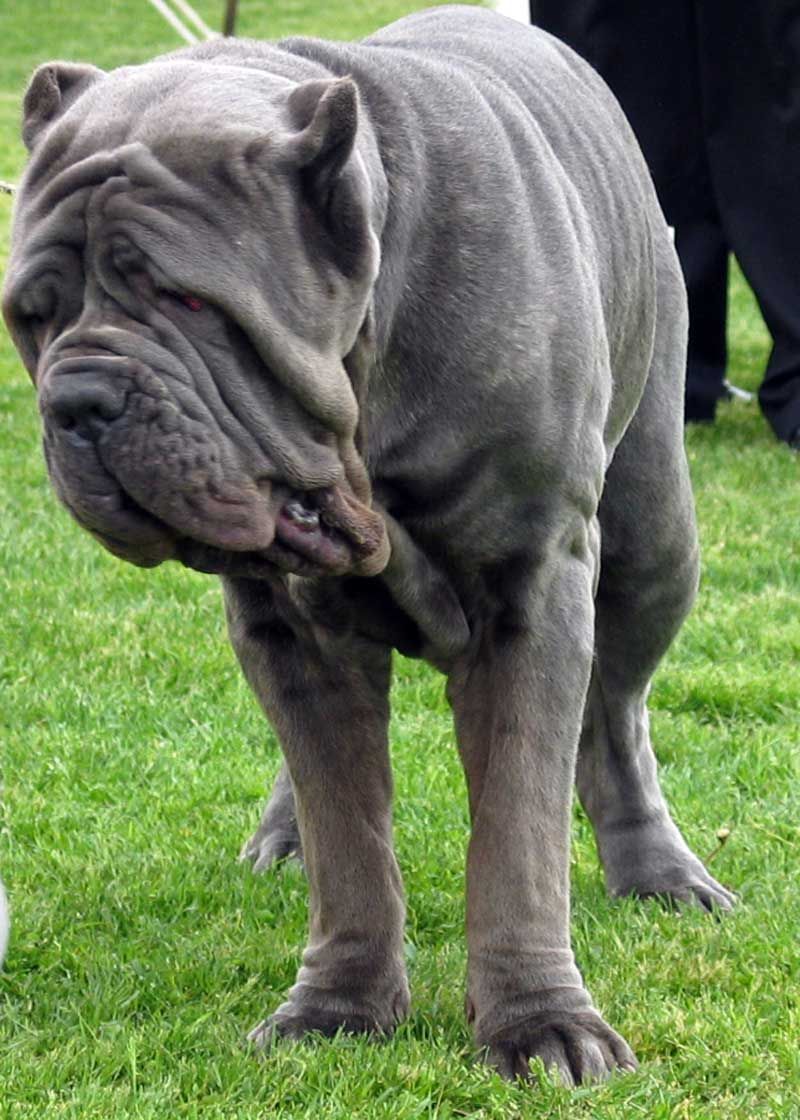
Enormous wrinkles make people shout Neapolitan Mastiff, yet some mixes develop skin folds without the true Neo mass. A dramatic angle can double the droop and convince commenters the shelter is wrong.
Meanwhile, health needs relate more to body condition than perfect lineage.
Ask about skin care, eye checks, and joint support. Gentle, consistent handling helps huge dogs feel safe.
If you love the look, be ready for drool, cleanup, and slower strolls. Spend time together and see if the temperament clicks.
A photo can mislead, but quiet moments in the meet yard tell you everything about fit.
Cane Corso
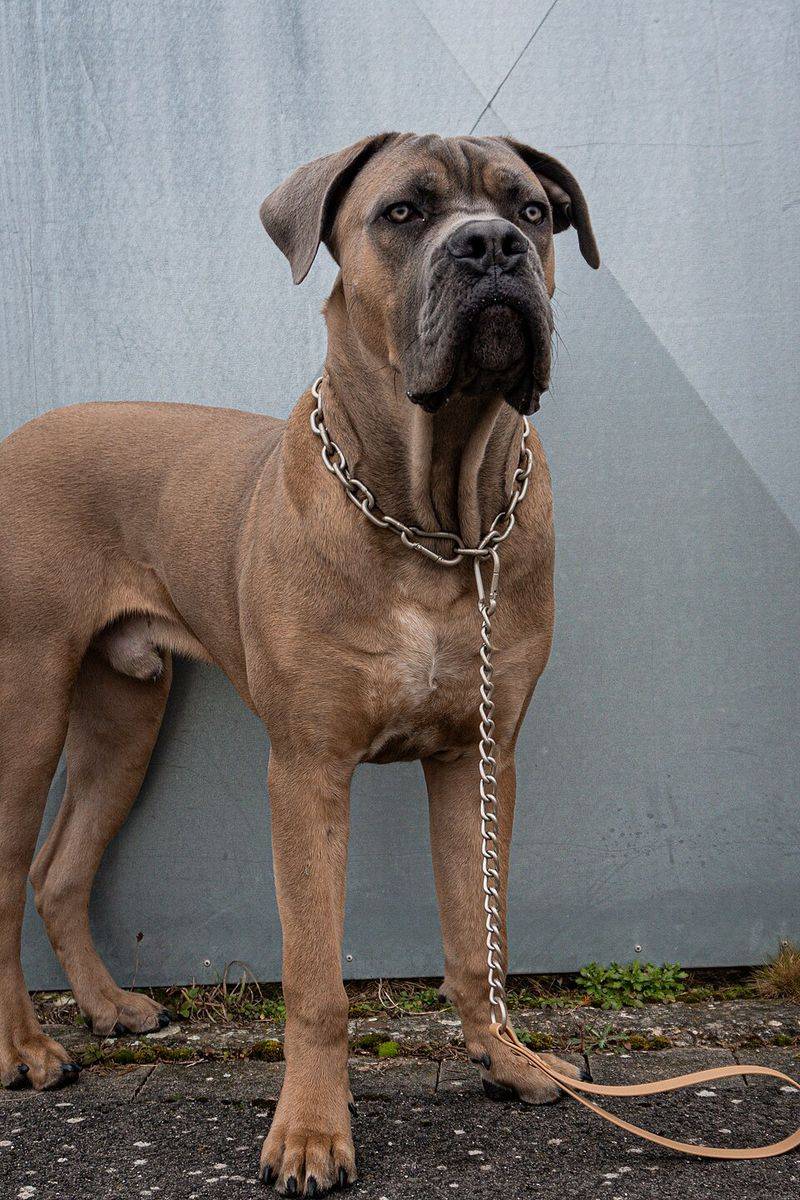
Corsos often get labeled from head shape and intensity in the eyes. Yet athletic bully mixes can mimic the same silhouette, and photos do not show stride or working focus.
Comment threads argue nonstop, but few have met the dog in person.
Ask about confidence with strangers, training responsiveness, and environmental sensitivity. Guardian types need clear structure, outlets, and calm leadership.
If that sounds like you, a labeled Corso or lookalike could thrive by your side. Choose based on behavior, lifestyle match, and support from the shelter team, not internet certainty.
Rottweiler
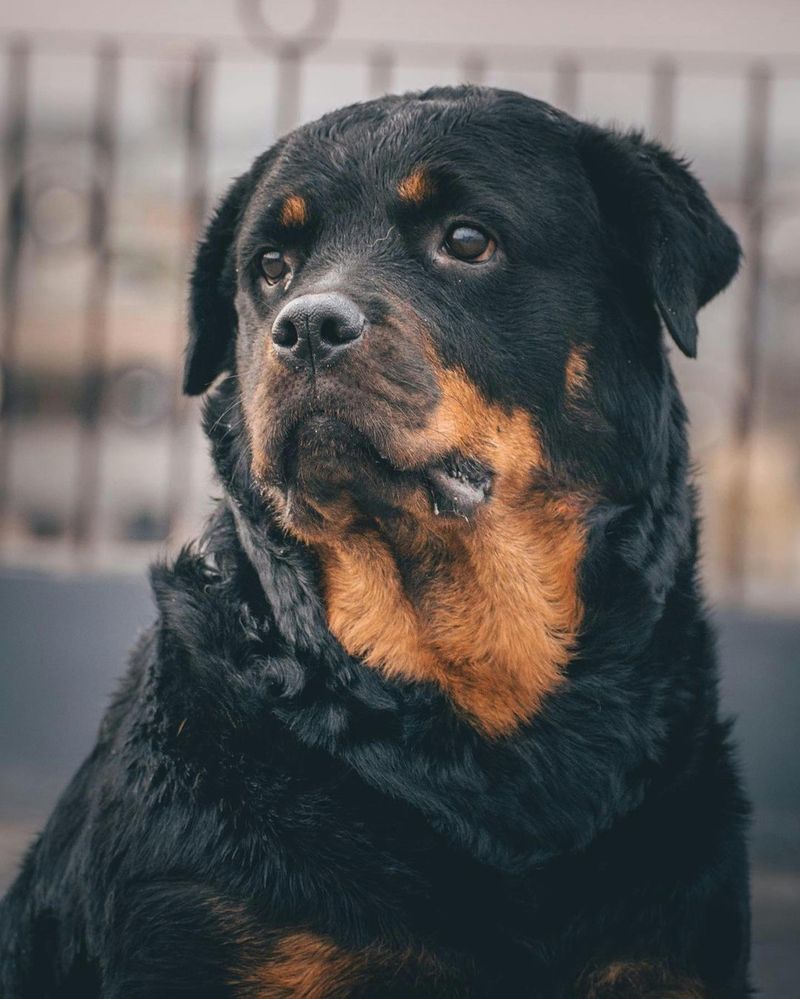
Black and tan pattern invites instant Rottie guesses, but many mixes share that classic look. Without seeing bone structure and movement, photos are deceptive.
Some dogs labeled Rottweiler turn out to be shepherd or hound blends wearing familiar colors.
Ask about guarding tendencies, training history, and play style. Many Rotties are cuddly clowns who need thoughtful socialization and clear boundaries.
Your time commitment to training matters far more than DNA percentages. If the dog loves you and settles well, that connection speaks louder than any armchair labeling from strangers online.
German Shepherd Dog
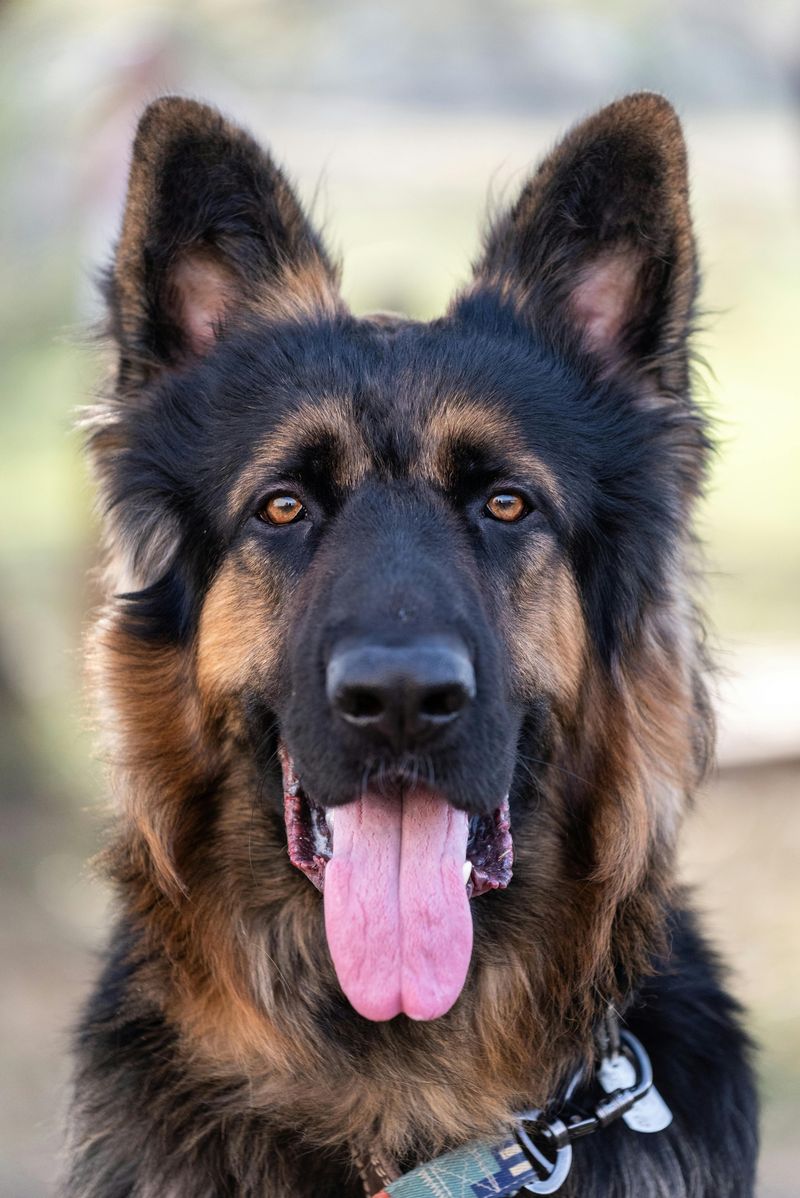
Pointy ears plus a saddle pattern and suddenly every lean dog becomes a German Shepherd. Photo angles can hide a narrower chest or longer houndy snout, leading to mislabels.
People weigh in confidently, but shelters often have only a guess from intake notes.
Ask about prey drive, sensitivity, and training enthusiasm. Shepherd types usually crave purpose, structure, and mental work.
If you are ready to train and engage daily, a labeled GSD or mix could be a brilliant partner. Meet, move together, and see if the mind behind those ears is the thinker you want beside you.