
You have probably seen those viral clips of giant “calm” dogs lying statue still, barely blinking. Many viewers call them zen, but trainers are warning that some of these dogs are not relaxed at all.
They are frozen, a shut down stress response often mistaken for good behavior. Let’s unpack the most mentioned breeds in these threads so you can recognize real calm versus a red flag freeze.
Great Pyrenees
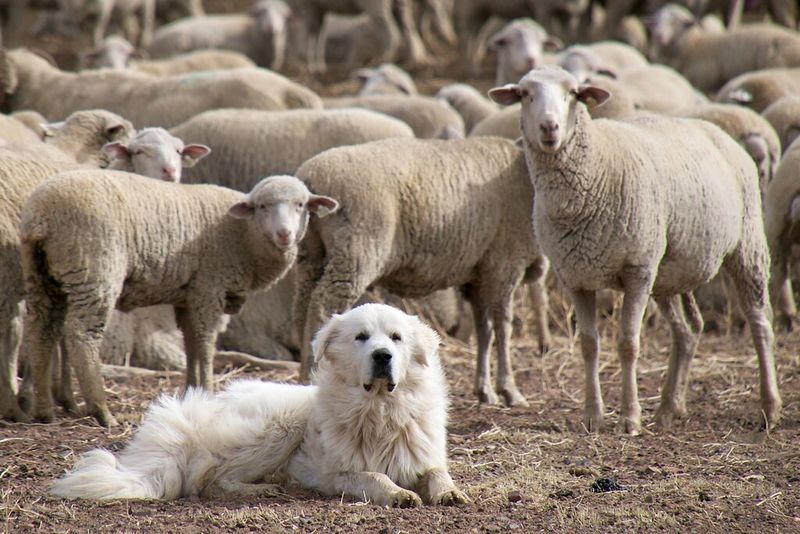
Big white fluff can trick you into assuming serenity, but the Great Pyrenees often goes still when overwhelmed. True calm shows soft eyes, loose lips, and slow blinking.
A freeze response looks statue stiff, with tight mouth corners, whale eye, and shallow breathing.
These guardians were bred to scan quietly, so silence alone is not proof of comfort. Watch for weight shifting, shake offs, or gentle tail sways after a startle.
If the dog stays locked and unresponsive to name or treats, that stillness may signal shut down.
Help by giving space, predictable routines, and slow decompression walks. Use low pressure reinforcement, not forced sits.
Calm grows from choice and safety, not suppression.
Maremma Sheepdog
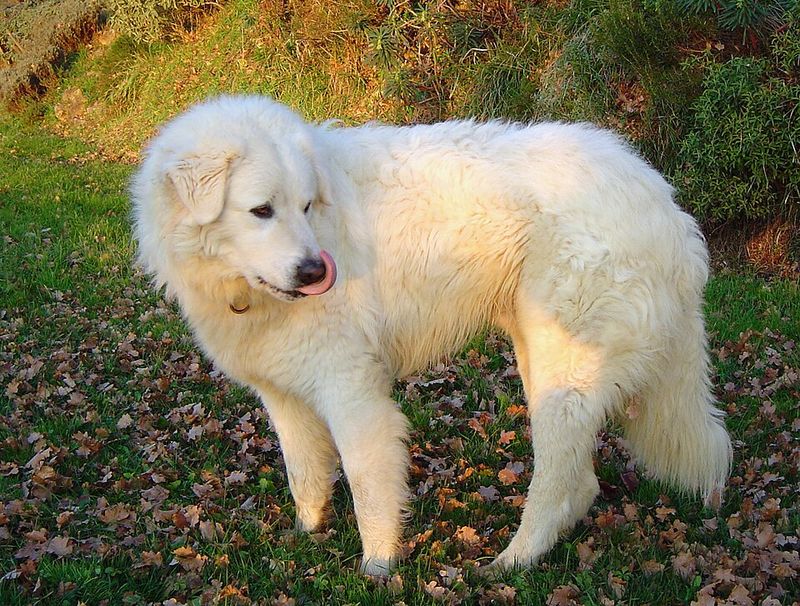
Maremmas read the world like a security team, and they learn to go quiet when stress builds. People often label that quiet as calm.
Check the details: soft eye corners, curved spine, and gentle head tilts suggest ease. A rigid neck, pinned ears, or frozen paw lift suggests freeze.
Because they bond strongly to territory, new places can overload them. Provide an exit path, avoid crowding, and let them choose contact.
If they cannot take food or respond to simple cues, pause and lower the pressure.
Teach consent cues and reward check ins. Reinforce sniffing, turning away, and settling on a mat.
Calm behavior should look fluid and curious, not statuesque and disconnected.
Kuvasz
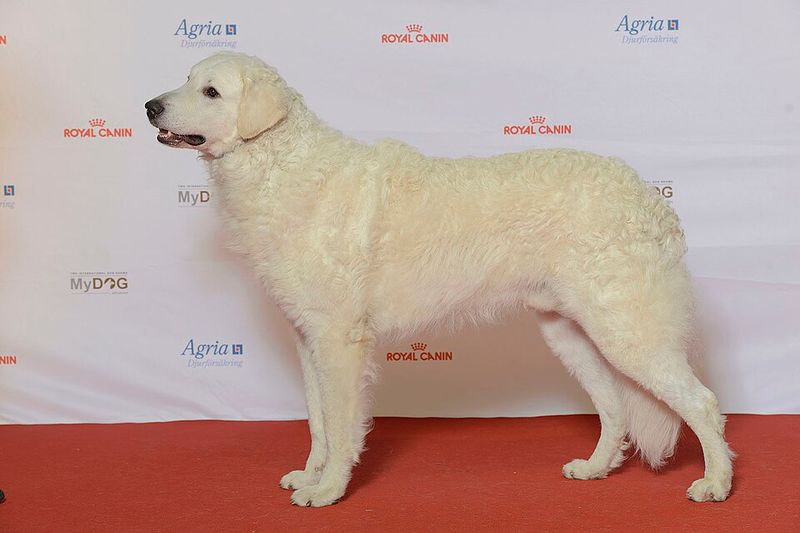
Kuvasz dogs have a poker face that fools many. They can appear placid while scanning and suppressing reactions.
Real calm features loose skin around the muzzle, regular breathing, and spontaneous sniffing. Freeze shows tightness, minimal blinking, and a tail held unnaturally still.
These dogs need autonomy to feel safe. Give them a wide bubble and avoid repetitive restraint that can trigger shut down.
Offer choices like moving away, hopping on a platform, or engaging in nosework.
Look for resilience signs after a surprise: a shake off, a yawn, or a little stretch. If the dog stays fixed, ease the environment.
Support with predictable routines, calm reinforcement, and time to decompress after social exposure.
Tatra Shepherd Dog
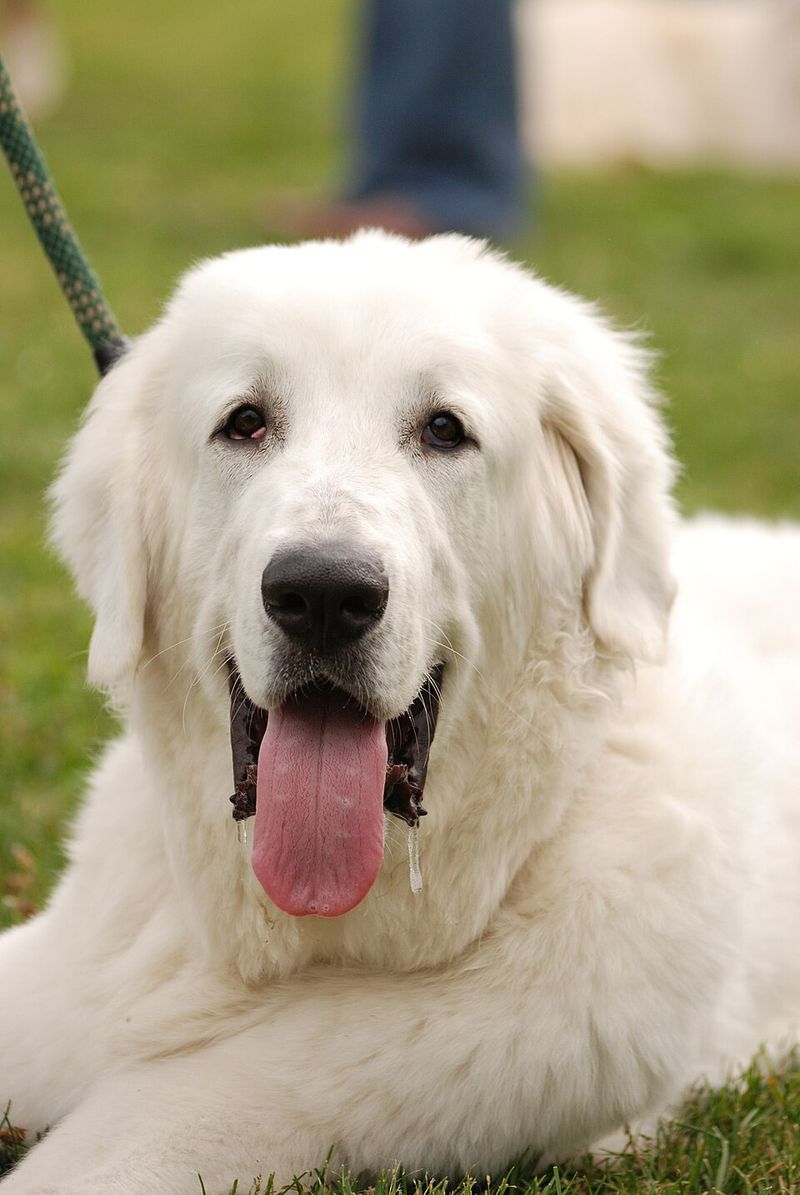
The Tatra Shepherd Dog is bred to stand firm without fuss, which can be misread as chill. True relaxation looks bendy and bouncy, with soft ears and a mobile tail.
Shut down shows as rigid posture, glassy eyes, or a fixed head orientation, even when called.
In busy spaces, reduce inputs before training. Start with distance, then gradually add novelty while rewarding voluntary engagement.
If food is refused and the body stays stiff, you are seeing coping, not learning.
Teach patterned decompression walks and scatter feeding in quiet areas. Invite, do not insist, on greetings.
Calm should look voluntary and flexible. A dog that cannot disengage or explore is asking for relief, not more pressure.
Anatolian Shepherd Dog
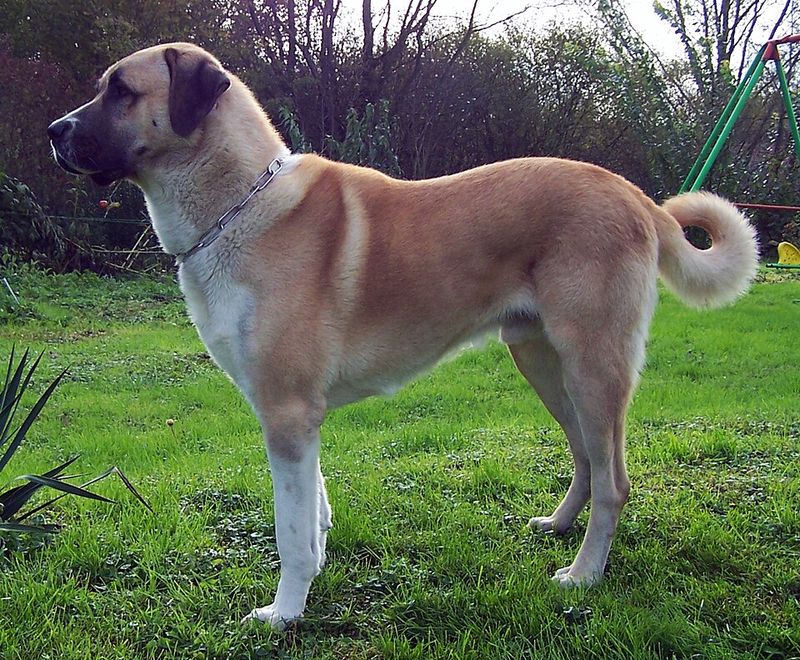
Anatolians often conserve energy by standing still, but stillness is not always peace. Calm has a soft mouth, regular breaths, and easy head movement.
Freeze appears as locked limbs, tension at the commissures, and tunnel vision on a trigger.
These dogs value choice and space. If they cannot turn away, they may shut down rather than explode.
Support them by creating distance, letting them observe, and rewarding micro relaxations like blinking or shifting weight.
Use slow engagement games and predictable handling. Avoid forced downs or prolonged holds that suppress communication.
When they resume sniffing and can take treats, you are back in learning mode. Respect thresholds so calm becomes authentic, not a survival strategy.
Akbash
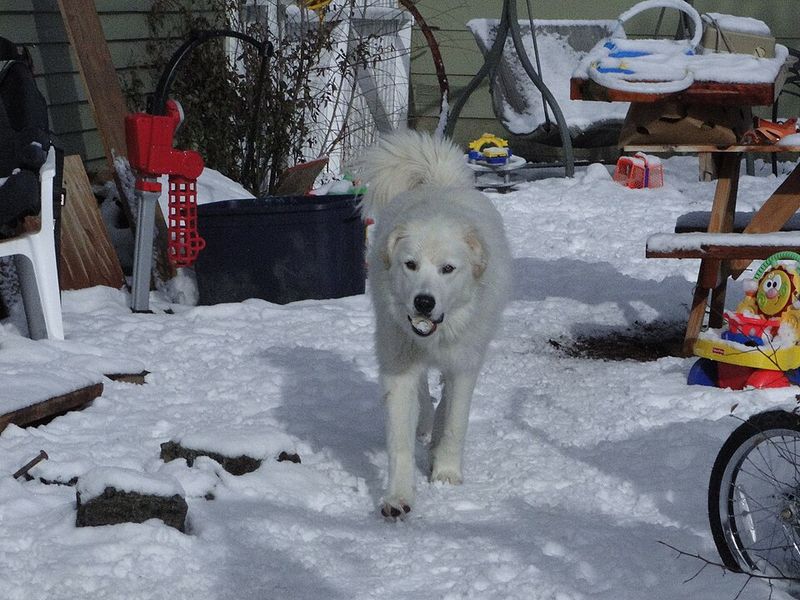
The Akbash can look angelically calm while silently bracing. Real ease shows rounded body lines, floppy lips, and a tail that drifts rather than clamps.
Freeze has chiselled angles, a tight jaw, and a fixed stare that ignores social cues.
Help by moving slowly, keeping greetings brief, and offering side-on approaches. Let the dog choose whether to interact.
If the dog goes still and breath becomes shallow, step back and lower intensity.
Build confidence through choice-rich activities like scent games and slow, decompressive walks. Reinforce check ins and voluntary touch.
Calm should include curiosity. When curiosity disappears and the body goes statue mode, the dog is managing stress, not relaxing.
Kangal
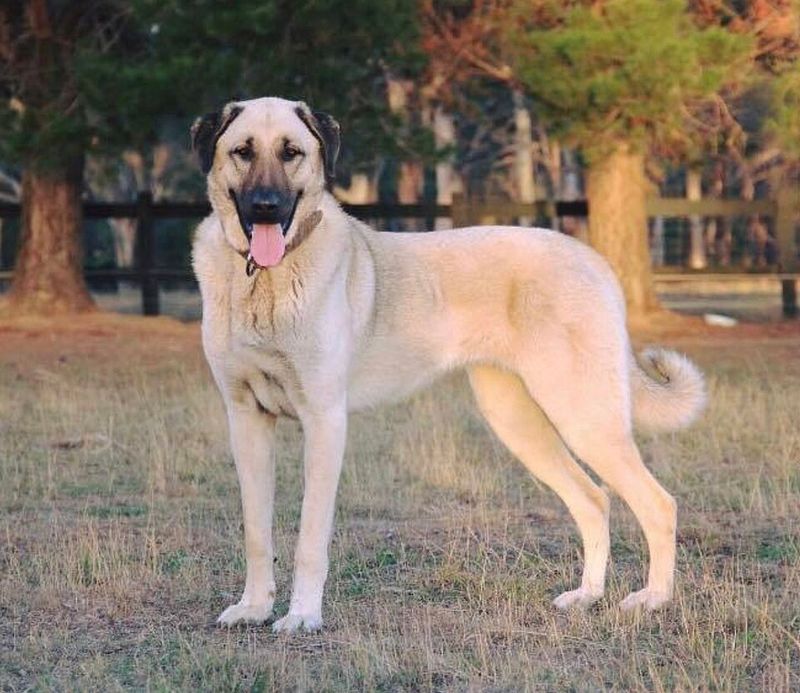
Kangals are masters of quiet assessment. That steady stillness often earns praise online, yet it can mask overwhelm.
True calm features soft scanning, loose shoulders, and a gently wagging tail. Freeze is different: rigid spine, pinned whisker bed, and unresponsive ears.
Support with space and slow pacing. Allow observation from a distance before any approach.
If the dog refuses food, locks its body, or ignores name recognition, you have surpassed threshold.
Use cooperative care routines and station training where the dog opts in. Reward disengagement from triggers.
Real calm returns when movement, sniffing, and blinking resume. Celebrate small relaxations instead of demanding stillness that simply shuts feelings down.
Estrela Mountain Dog
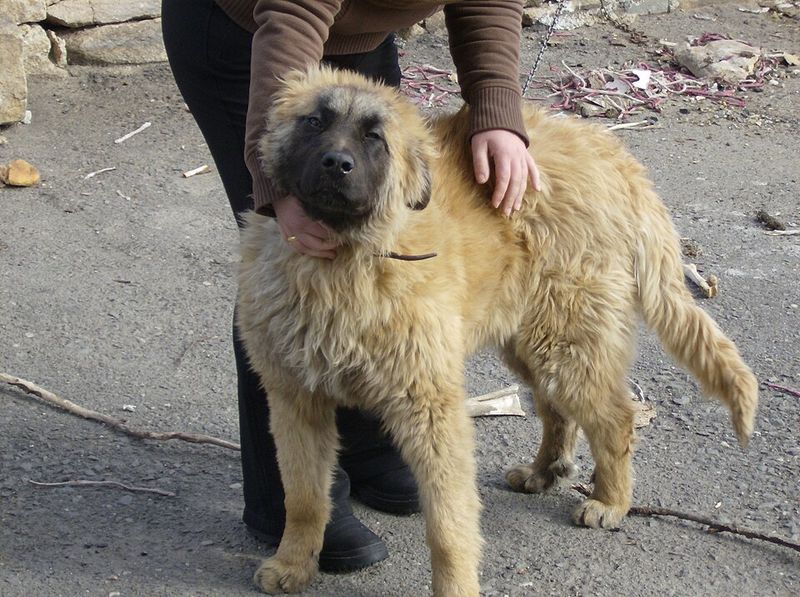
The Estrela’s thoughtful pause can be confused with tranquility. Look closer: relaxed dogs show wiggly spines, soft eyebrows, and exploratory sniffing.
A frozen dog stands tall and tight, breath shallow, eyes hard with minimal blinking.
Reduce social pressure by offering parallel walks and calm environments. Let the dog watch first and approach second.
If contact increases tension, back off and reward opting out.
Teach pattern games and easy targeting so engagement stays voluntary. Track stress with a simple checklist: food taking, ear mobility, tail baseline, blink rate.
When those markers dip, you are near freeze. Create distance, provide predictability, and let calm grow through agency, not restraint.
Spanish Mastiff
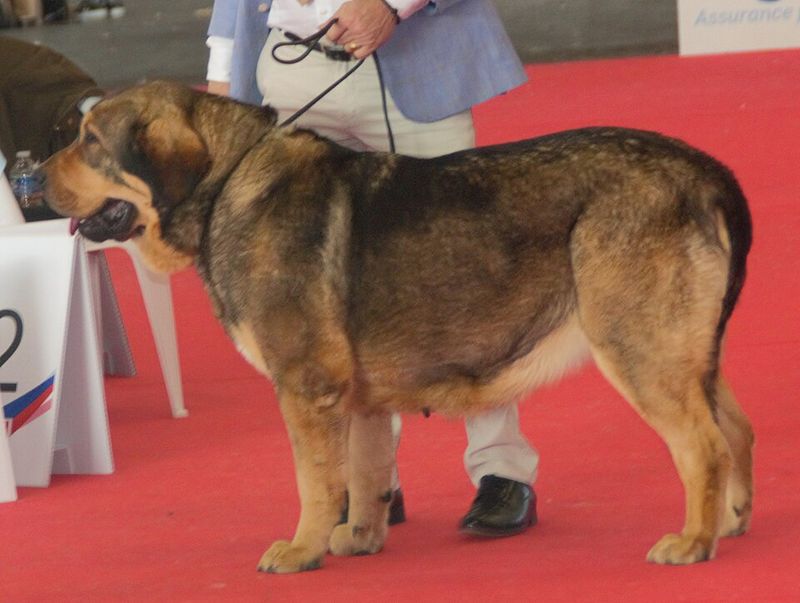
The Spanish Mastiff moves little to conserve energy, which gets mislabeled as chill. True calm includes slow blinks, loose jowls, and a softly pendulating tail.
Freeze shows a braced stance, mouth clamped shut, and eyes that track without head movement.
In crowded places, give wide corridors and avoid cornering. Reinforce choice by allowing approach-avoid loops.
If the dog stops taking treats and locks up, you are beyond comfort.
Build coping skills with quiet scent work and relaxed mat training. Reward orienting toward you, then back to the environment.
Calm behavior should look heavy yet fluid, not cemented. Respect thresholds so the dog learns that stepping away is safe and effective.
Pyrenean Mastiff
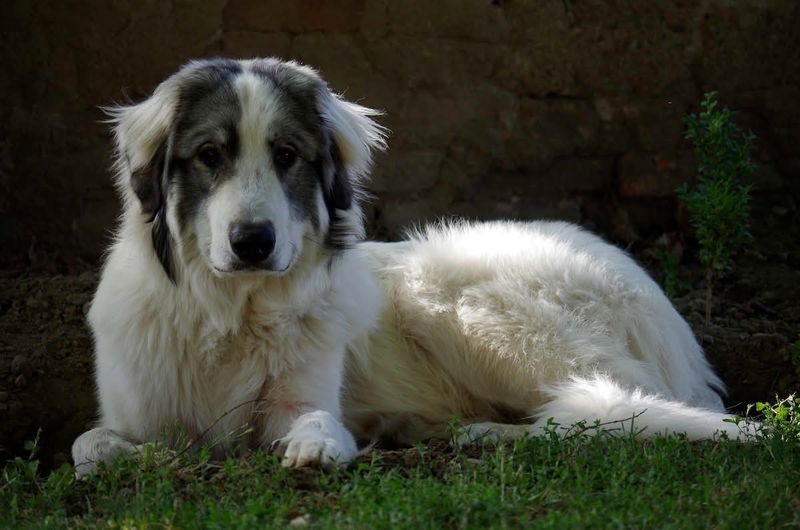
With their grand size, Pyrenean Mastiffs get praised for being low energy. Low energy is not the same as relaxed.
Calm shows as soft eyes, gentle weight shifts, and easy breathing. Freeze holds everything rigid, tail still, jaw tight, and attention tunneled.
Respect their need to observe first. Offer distance, slow introductions, and clear exits.
If they cannot accept food or break eye lock, reduce demands.
Use calm reinforcement, nosework, and decompression hikes to rebuild confidence. Reward turn-aways and head dips.
Real ease returns when movement becomes fluid and curiosity peeks through. Celebrate choice driven behavior rather than immobilization that looks good on camera but feels awful to the dog.
Slovak Cuvac
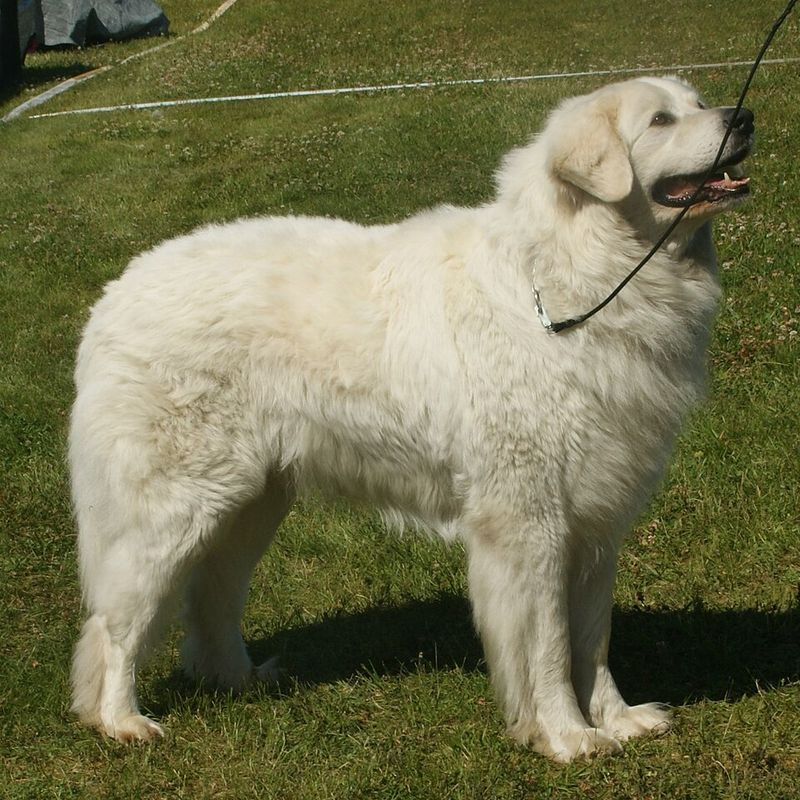
The Slovak Cuvac tends to plant and think, which viewers call calm. Yet real calm is flexible and curious.
Watch for soft foreheads, tail sweeps, and spontaneous check ins. Freeze is a statue posture, dry swallowing, and a distant stare that ignores connection attempts.
Give them space and predictability. Try parallel walking and quiet sniffing routes before social exposure.
If they turn glassy eyed and stop responding, reduce intensity immediately.
Teach consent based touch and mat stations. Reinforce small relaxation signals like blinking, sighing, and weight shifts.
When they move again and take treats, they are ready to learn. Calm should look lived in, not locked down by pressure.
Sarplaninac
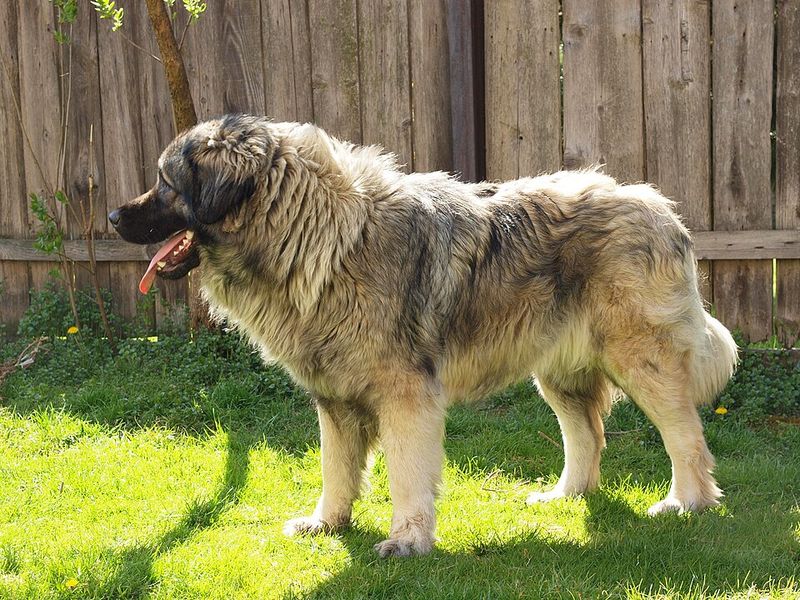
The Sarplaninac has a stoic vibe that social media loves. That stillness can be authentic, but it can also be freeze when stress stacks up.
Calm appears as soft eyes, a mobile tail, and gentle scanning. Freeze brings rigid muscles, pressed lips, and delayed responses.
To help, lower environmental load and let the dog choose distance. Reward disengagement and sniffing.
If treats are refused, pause and create space before trying again.
Build trust through cooperative care, predictable routines, and slow, choice driven training. Celebrate tiny relaxations, not mannequin poses.
Real calm invites movement, curiosity, and recovery after startles. If the dog stays locked, you are seeing survival mode, not serenity.