
Dog owners keep debating whether demand barking is learned or simply hardwired. If your small companion seems to run the household, you are definitely not alone.
Certain breeds get mentioned again and again in bossy dog posts, and the patterns are hard to miss. Let’s look at the tiny charmers with huge opinions and how you can work with them, not against them.
Miniature Pinscher
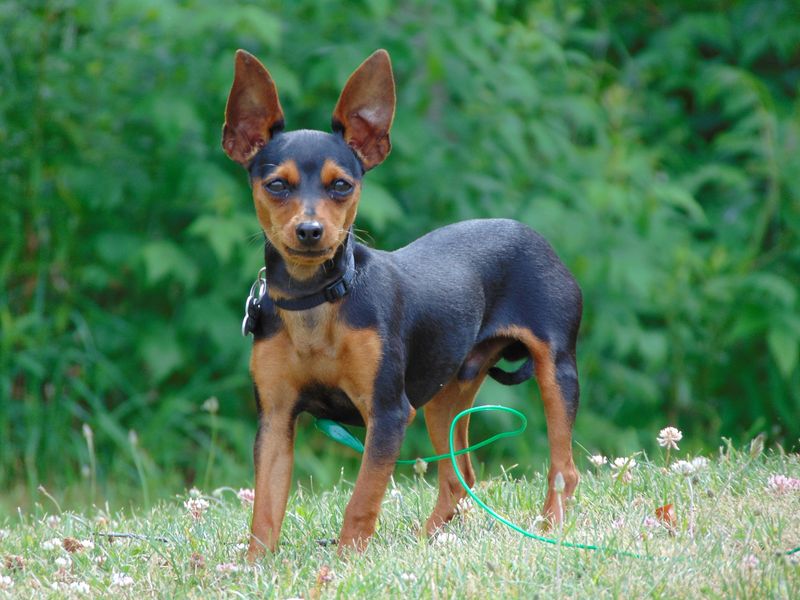
Few dogs project confidence like the Miniature Pinscher. You will notice quick, staccato alerts when anything changes around the home, from a door click to your phone buzzing.
That spark is endearing, but it can become a cycle of demand barking if reinforced by attention or treats on cue.
Build better habits by preempting their needs. Offer structured enrichment, sniffy walks, and training games that reward calm choices.
When pushy yaps start, mark quiet moments and redirect to a mat or chew.
Routine is the secret weapon. Predictable feeding, rest, and play windows help them relax between bursts of energy.
A little impulse control practice daily transforms that min-pin bossiness into delightful, focused partnership.
Toy Fox Terrier
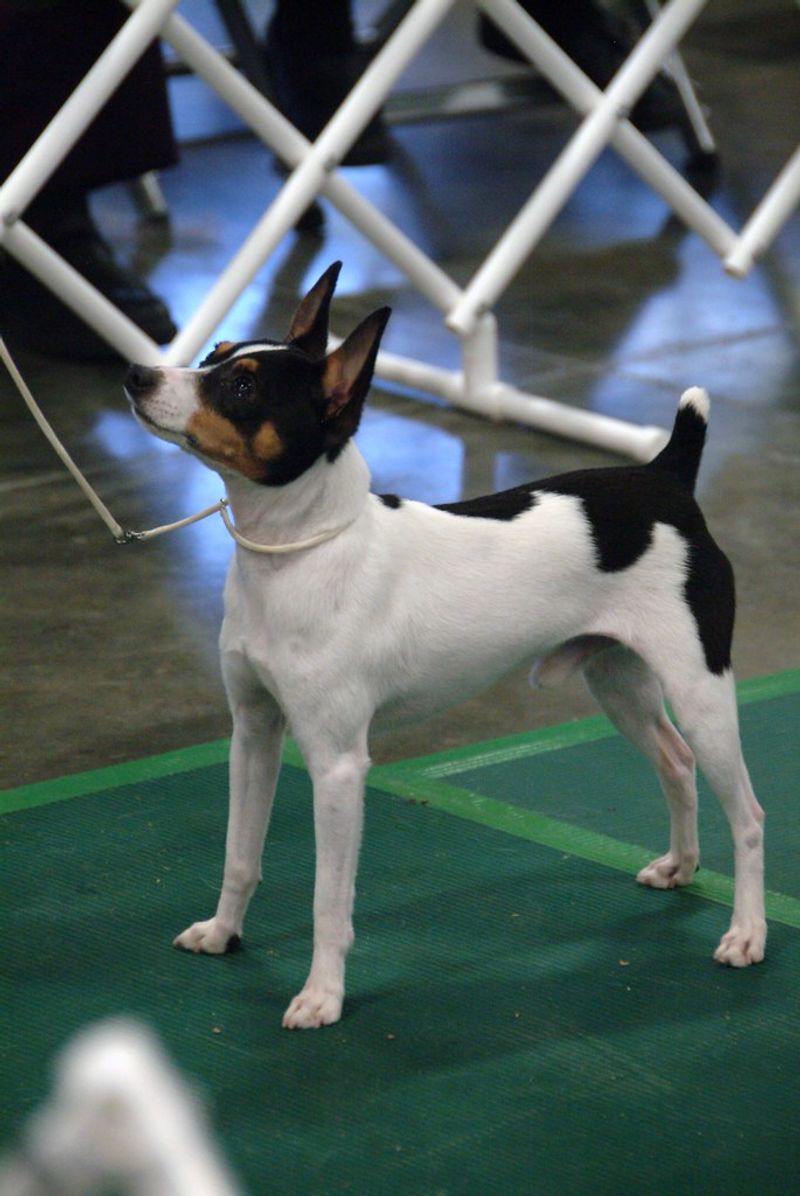
Toy Fox Terriers are tiny prosecutors, building a case with every yap. Their terrier tenacity means patterns form fast if vocal demands win results.
You will see a smart dog testing which sounds move you quickest toward the cookie jar or door handle.
Flip the script with clarity. Teach a speak cue, then a quiet cue, and make quiet the shortcut to rewards.
Provide puzzle feeders and short training bursts to channel that lively brain.
Consistency matters most. Family members should respond the same way to avoid mixed messages.
When they remember that silence and patience open doors, you will watch the courtroom drama fade into respectful, eager cooperation.
Russian Toy

The Russian Toy looks ethereal, yet that delicate frame can carry a surprisingly insistent voice. If attention reliably follows a chirp, expect orchestras of requests for laps, warmth, or the window seat.
You will want to separate needs from habits early.
Teach a station cue using a cozy bed near you. Reward settling, not pleading.
Short training sessions with gentle handling build confidence without encouraging constant commentary.
Maintain calm routines. Offer warmth and companionship on your schedule, then gradually lengthen quiet intervals.
With boundaries and empathy, their elegant presence shifts from clingy commentary to serene partnership that still feels wonderfully affectionate and connected.
Papillon

Papillons are brilliant and delight in analyzing humans. You will see them offering spins, paws, and yes, barks to prompt action during mealtimes or play.
Because they learn lightning fast, accidental reinforcement shapes behaviors almost overnight.
Build a menu of calm alternatives. Teach go-to-mat, chin target, and settle, then reward heavily when they choose quiet focus.
Sprinkle in trick training to satisfy their need to perform with structure.
Control the environment. Use baby gates, predictable cues, and pre-feeding calm rituals.
When silence unlocks rewards and routines make outcomes clear, your butterfly-eared friend channels bossy energy into delightful cooperation and thoughtful listening.
Japanese Chin
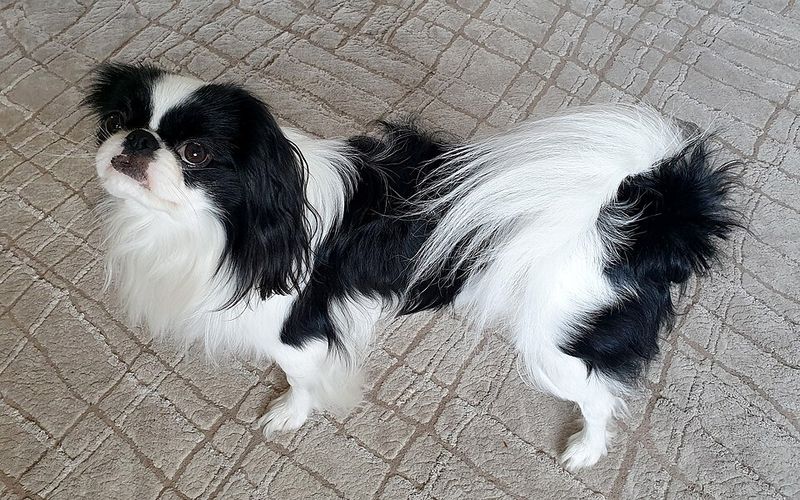
Japanese Chin are sensitive companions who read moods exquisitely. That sensitivity can morph into delicate yet persistent vocal nudges when they want closeness or attention.
If every peep brings cuddles, patterns lock in quickly.
Design calm connection. Schedule cuddle breaks and quiet grooming, then reward peaceful lounging on a nearby cushion.
Teach a gentle place cue and reinforce soft eyes and relaxed bodies.
Reduce triggers. Soften environmental noise, keep routines predictable, and ignore brief attention-seeking while praising quiet approach.
With consistent boundaries and sweetness, their aristocratic charm shifts from pleading to poised companionship you can enjoy all day.
Brussels Griffon
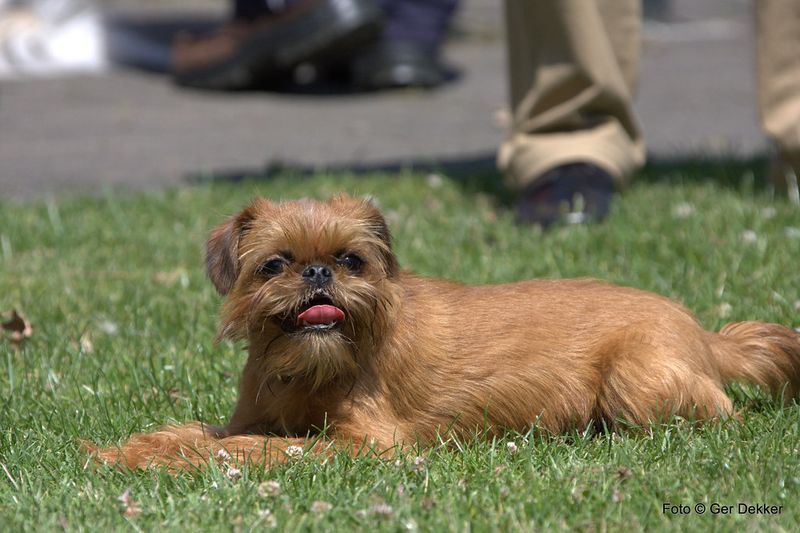
Brussels Griffons wear their feelings on that delightful face. The drama can escalate into theatrical commentary whenever routines slip or guests appear.
If a single yip turns into service on demand, you will hear an ongoing monologue.
Give the role a script. Pre-train a settle on a portable mat, reward nose targeting, and build duration with calm treats.
Use structured greetings so visitors only reward four paws on the floor and quiet.
Enrichment matters. Snuffle mats, foraging boxes, and decompression walks meet emotional needs.
Over time, the little actor learns that quiet scenes earn the best reviews, and the spotlight shines on polite, confident behaviors.
Chinese Crested

Chinese Cresteds crave warmth and closeness, which can fuel vocal requests for blankets, laps, or sunbeams. If those requests always work, demand barking becomes the thermostat.
You will get ahead of it by planning comfort before they ask.
Offer predictable cozy stations and timed cuddle breaks. Reinforce quiet settling with gentle touch or a treat delivered to a bed.
Teach a go-snuggle cue to direct needs without chatter.
Mind the arousal curve. Keep play short, avoid over-tiredness, and use calm decompression walks.
Consistency turns that need for connection into sweet, quiet rituals you both enjoy, without the constant commentary echoing through your home.
Silky Terrier
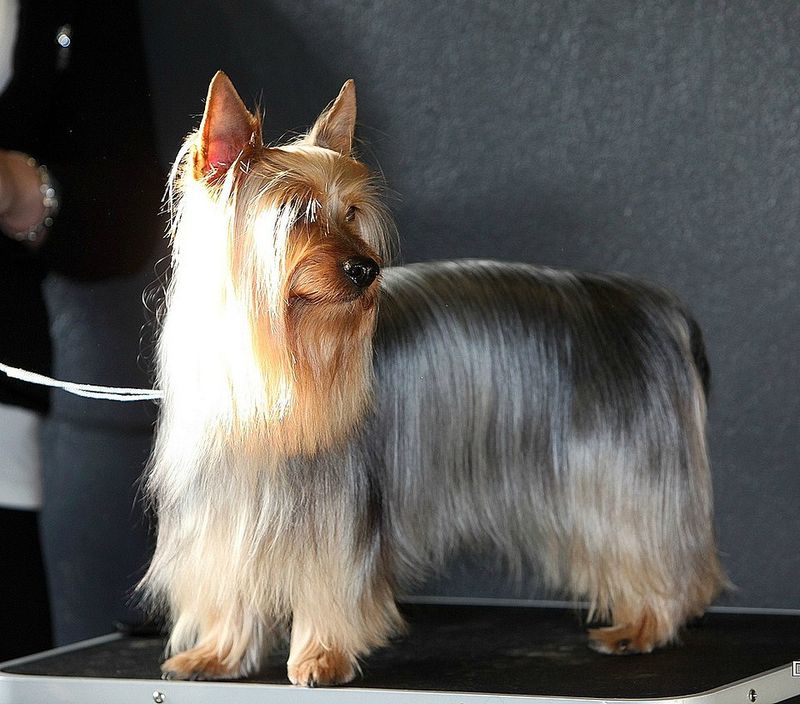
The Silky Terrier blends terrier grit with lapdog charm, creating a confident communicator. Left to guess the rules, they quickly learn that bark equals results.
You will see intensity spike around doorways, leashes, and toy storage.
Channel that drive. Use premack games, where sitting quietly earns access to sniffy walks or tug.
Reward quiet eye contact before doors open, and rotate chew projects to lower boredom.
Keep cues short and consistent. Everyone at home should reinforce the same calm standards.
With structure, their bossy energy becomes stylish poise, turning big-city hustle into polite, eager readiness instead of pushy noise.
Manchester Terrier
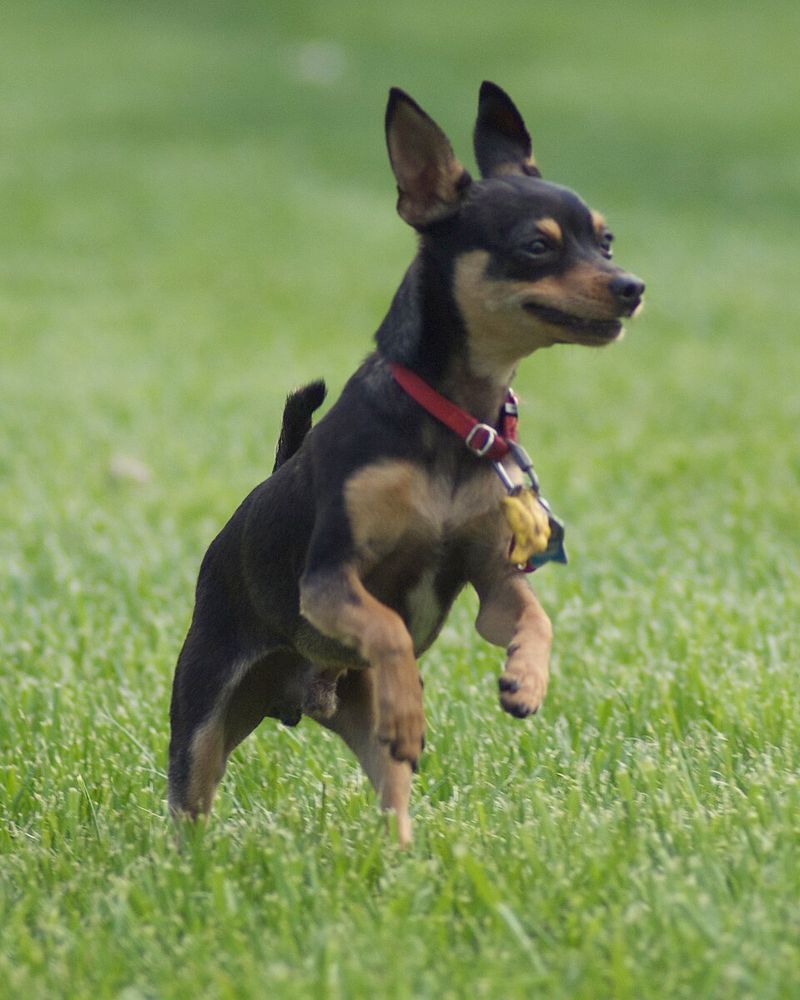
Manchester Terriers are observant, quick, and born problem solvers. Their alerts can slide into demands if excitement opens doors, starts games, or summons snacks.
You will notice patterns at predictable hotspots like windows and leashes.
Implement clear criteria. Quiet sits make doors open, calm on a mat brings toys, and eye contact gets guidance.
Pair impulse control drills with sprinty play to satisfy their athletic core.
Use smart management. Frosted film, tug on cue, and decompression walks reduce arousal overflow.
Over time, their sharp mind learns that restraint wins faster than racket, yielding a sleek, polite companion ready for anything.
Norwich Terrier
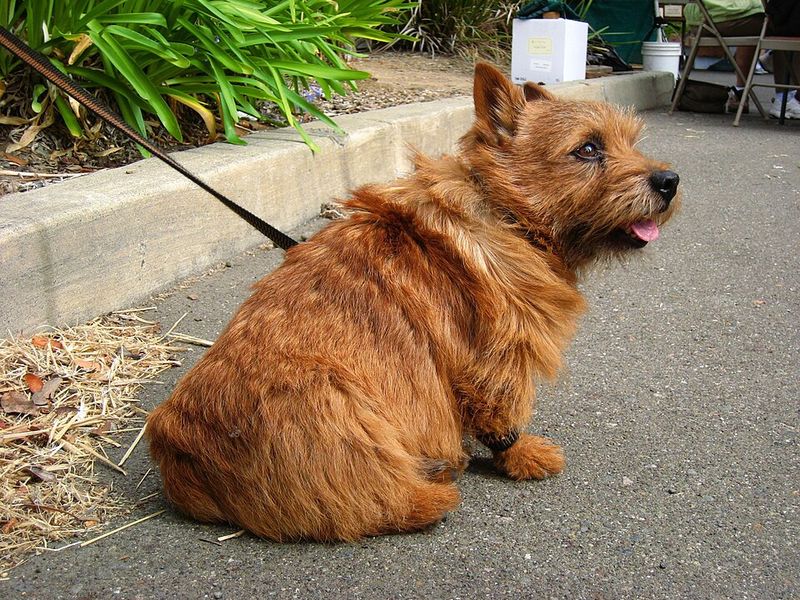
Norwich Terriers pack surprising gusto into a small frame. Their cheerful chattiness can become pushy if barking predicts doors opening or laps offered.
When routines wobble, they quickly test what works today.
Give them a job. Nosework games, scatter feeding, and brief obedience bursts satisfy curiosity.
Teach a park-it cue on a textured mat and reward breathy quiet over sharp yips.
Consistency builds confidence. Align family responses and preempt big triggers with planned activity.
Soon the Norwich sparkle remains, but requests arrive as polite glances and settled bodies, not a running commentary that rules the house.
Norfolk Terrier
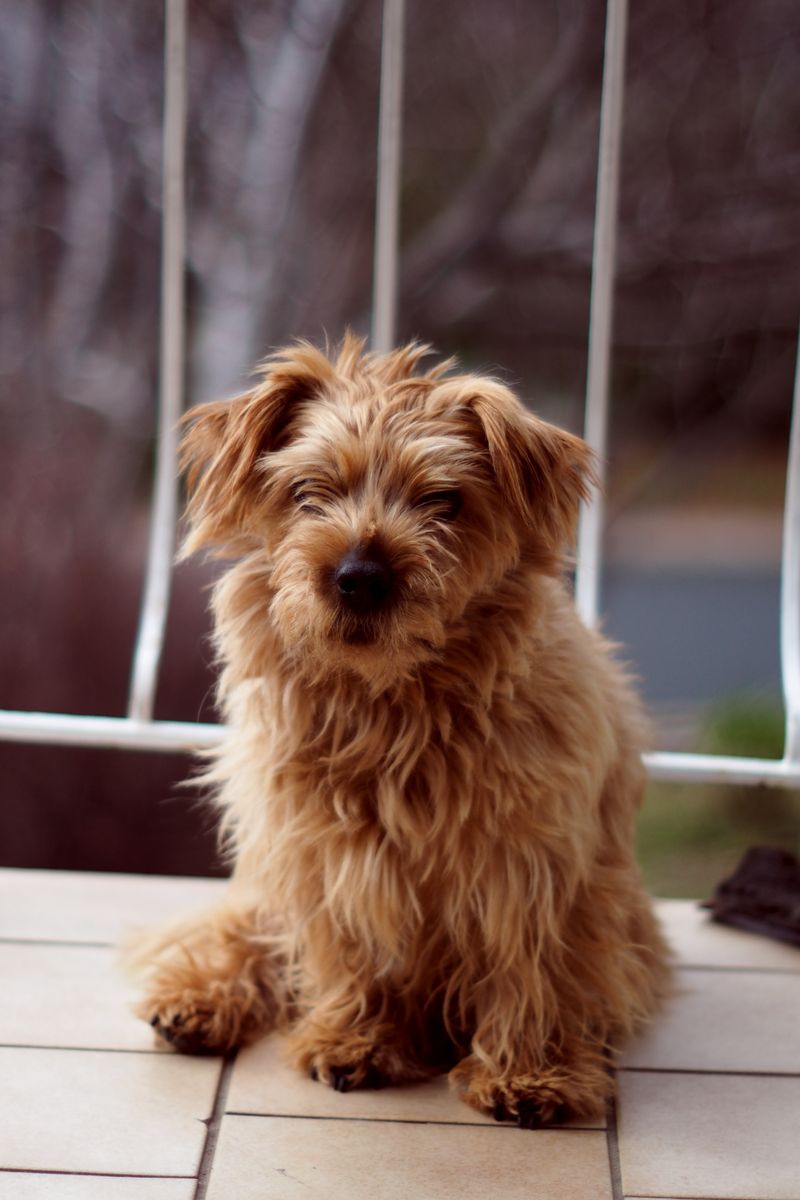
Norfolk Terriers are friendly, sturdy, and enthusiastic communicators. If excitement always unlocks attention, they will lobby noisily for play, walks, or couch time.
You will do best by teaching stillness as the fastest way to fun.
Use patterned rituals. Clip the leash only when quiet, start fetch after a calm sit, and feed when paws remain on the floor.
Reward tiny slices of silence, then extend duration.
Mind enrichment. Dig pits, tug on cue, and slow food puzzles keep the edge off.
Over weeks, their sturdy optimism remains, but the volume drops as they discover patience consistently pays better than pushiness.
Cairn Terrier
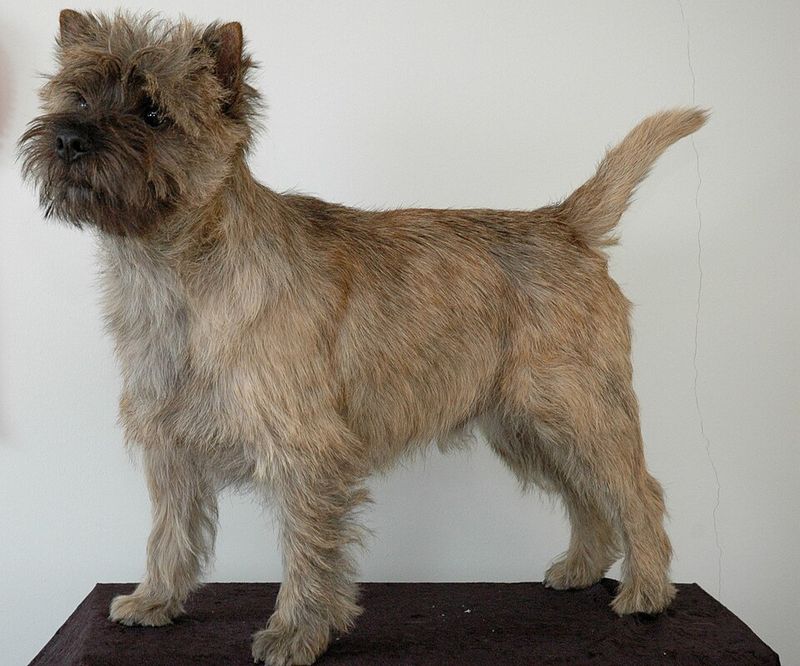
Cairn Terriers brim with curiosity and commentary. Their independent streak can sound bossy when boredom or unspent energy meets a history of rewarded barking.
You will want to harness that grit, not fight it.
Offer real work. Sniffari walks, hide-and-seek, and digging boxes scratch primal itches.
Teach a calm down cue paired with a heavy-duty chew to settle post-adventure.
Keep boundaries clear. Door privileges follow quiet, not chatter, and greetings happen after four paws stay grounded.
With routine and outlets, the Cairn voice softens into purposeful communication, giving you a spunky partner who listens as well as speaks.