
You have probably heard someone say training ruined their dog’s personality. The debate is getting louder, and emotions are high on both sides.
Here is the truth you can feel good about: smart, kind training reveals who your dog already is, it does not erase them. Let’s look at 12 beloved breeds and how training can shape, not flatten, their spark.
Golden Retriever
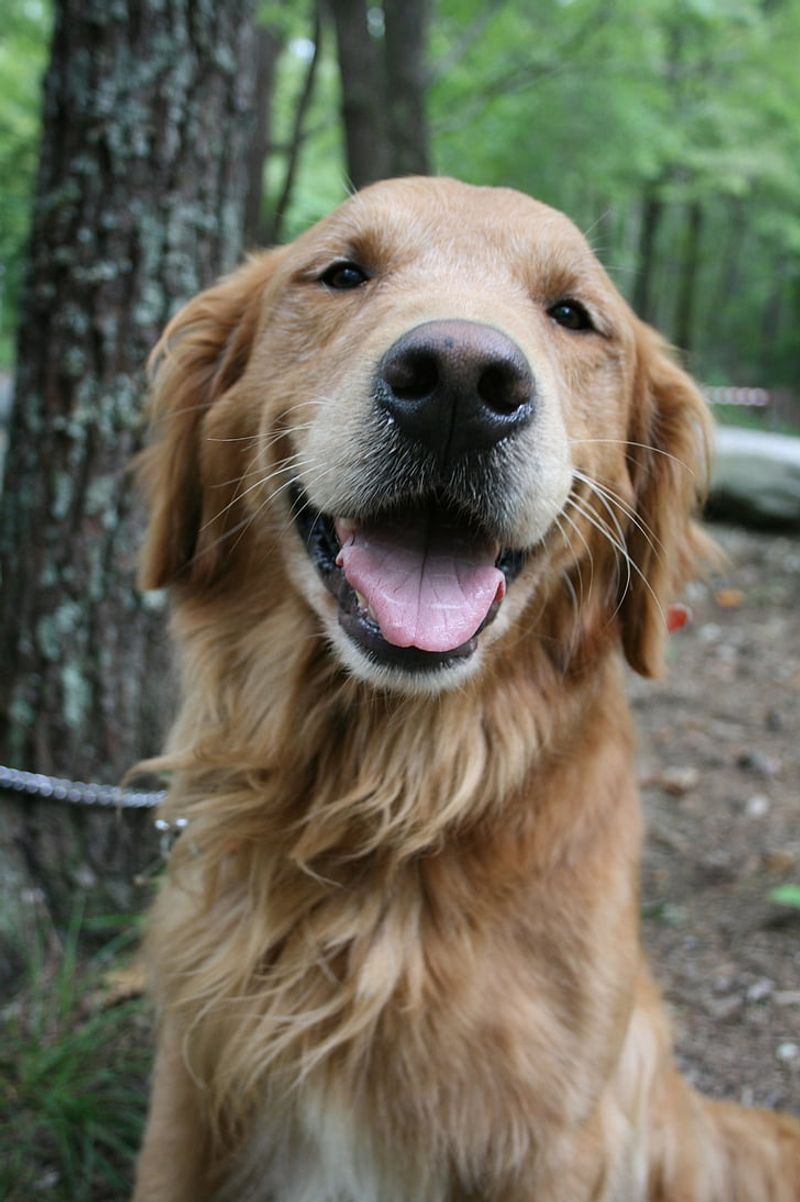
Goldens live to connect, so heavy handed rules can mute their glow. Balanced training with games, calm boundaries, and plenty of fetch keeps that sunshine intact.
Use rewards, short sessions, and forgiving structure to help them focus without losing their goofy charm.
Social needs run high. If you over correct a sensitive Golden, you may see worry or appeasement behaviors that look like personality loss.
Instead, let them succeed often, channel their mouthy habits into retrieves, and teach chill on a mat.
Teach impulse control through play, practice polite greetings, and celebrate softness. You will not create a robot.
You will reveal a thoughtful, joyful teammate.
Labrador Retriever
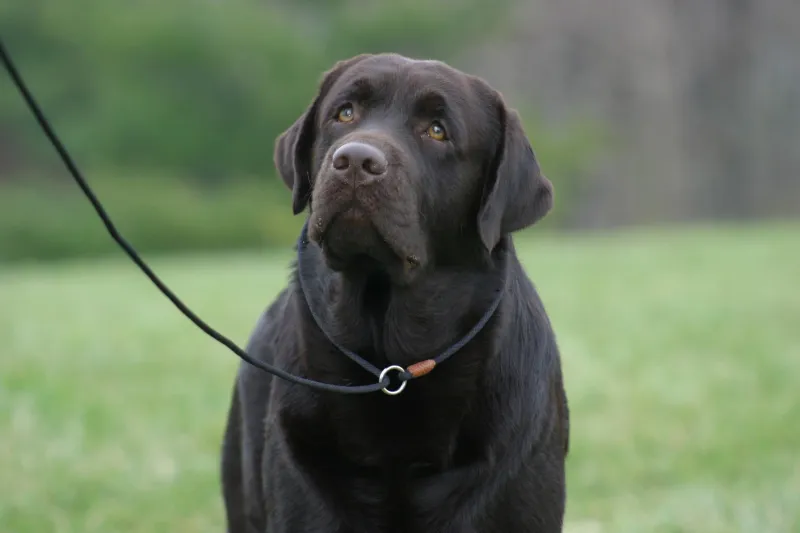
Labs are enthusiasm wrapped in a fur suit. Unclear rules and bored minds create chaos, not character.
Use structured fetch, scent games, and reward based obedience to give their engine a job while keeping the tail helicopter of joy.
Harsh leash pops can make a soft Lab shut down or a tough Lab push harder. Both feel like personality changes.
Swap in marker training, short recalls to food or toys, and calm leash skills.
Teach settle between sprints, keep training light and frequent, and let them carry things. You are not dimming a light.
You are pointing it so they can shine in your real life.
Standard Poodle
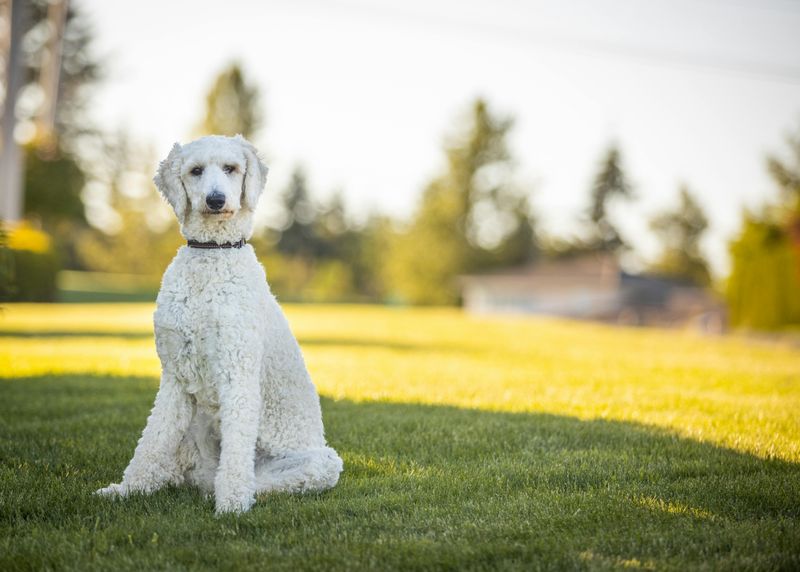
Standard Poodles are thinkers with feelings. Over drilling creates boredom that looks like aloofness, and scolding can spark anxiety.
Keep sessions brainy and brief with targeting, platform games, and novelty that rewards curiosity.
They bond deeply, so connection first, compliance second, wins. Use marker timing, food, and play, plus clear release cues.
Use their athleticism for agility or retrieves to channel elegance into action.
Grooming handling is a training curriculum by itself. Condition consent, practice chin rests, and reinforce calm stands.
When training respects their mind, their witty, mischievous sparkle gets brighter, not smaller.
Border Collie
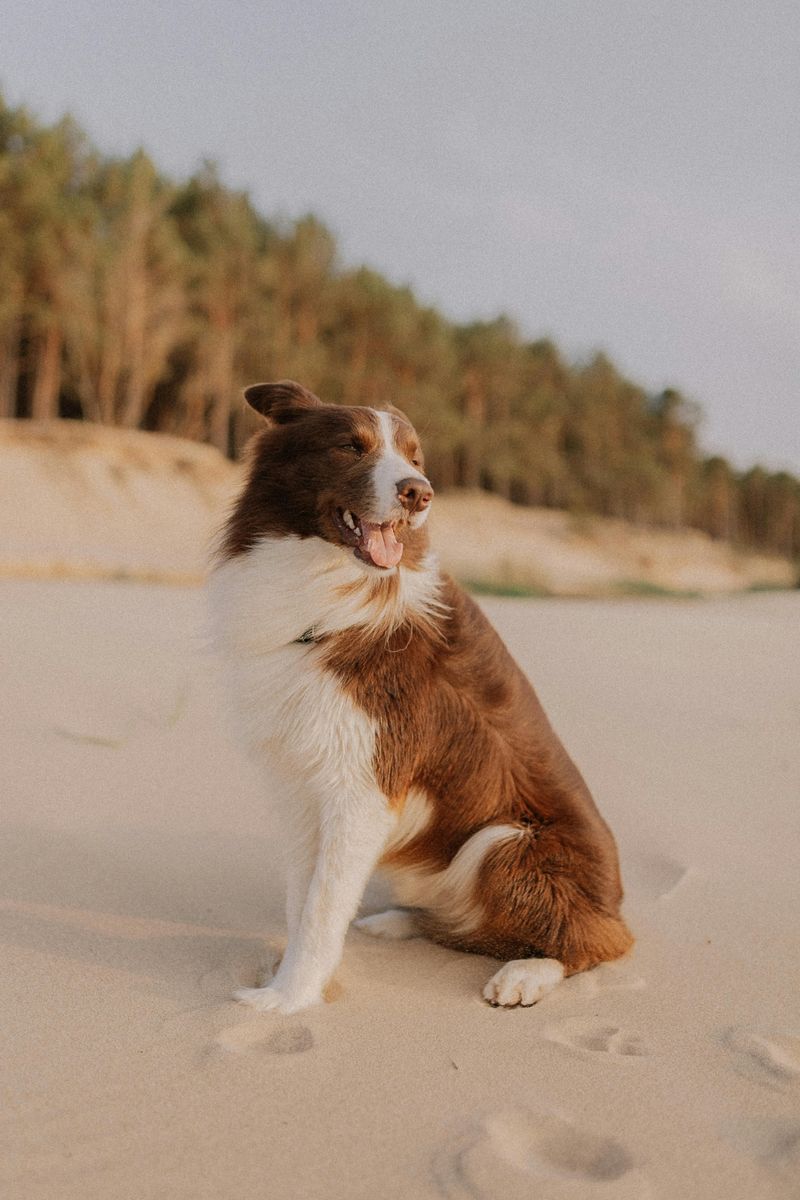
Border Collies read the room faster than you blink. That intensity needs respectful outlets.
Over suppression can produce a spooky, flat dog, while chaos fuels nipping and stalking. Build impulse control with movement based rewards and pattern games.
Teach downs from motion, flanks around cones, and calm eye contact followed by releases to chase. Let them work for you, not against the world.
Use decompression walks to dial down static in their brain.
Herding instincts are not defects. Give them jobs, teach off switches, and keep criteria crystal clear.
You will not break the Collie spirit. You will focus it into brilliance.
Australian Shepherd
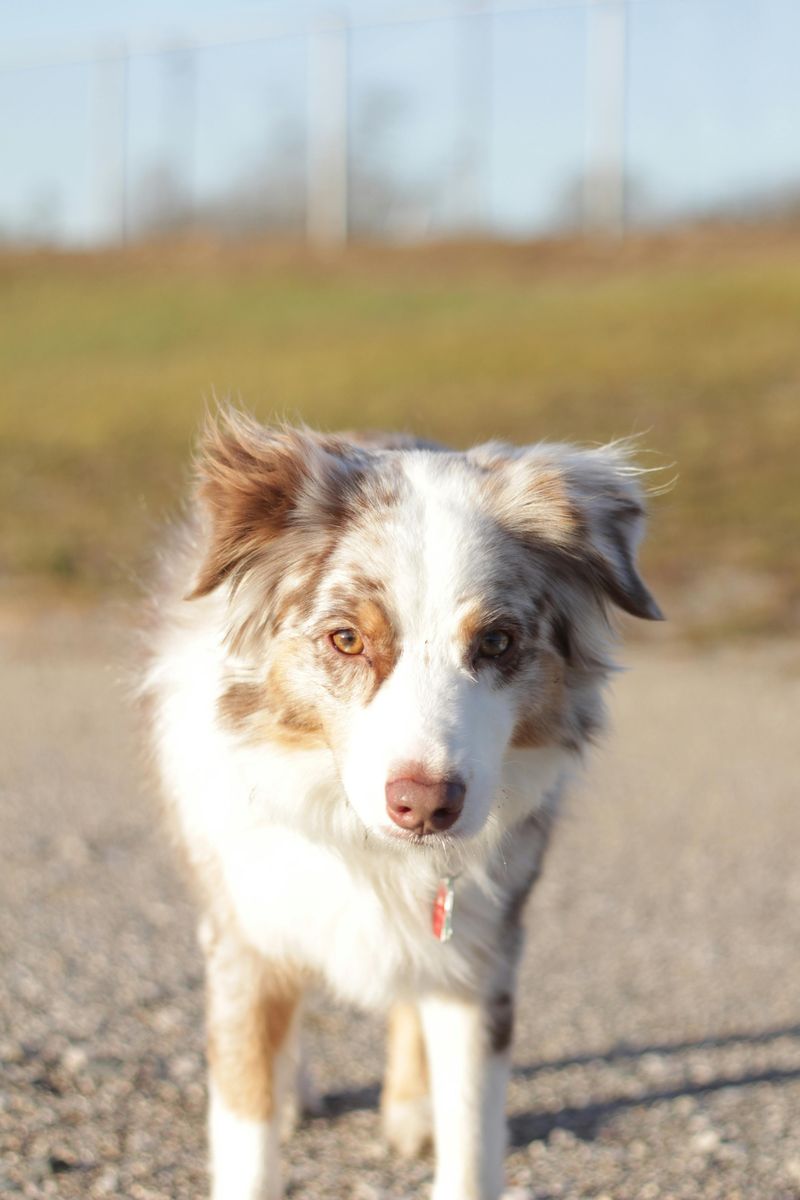
Aussies are spark plugs with opinions. If training is all sit still and no adventure, you get a frustrated dog that seems dulled or explosive.
Blend structure with hikes, disc, and problem solving to keep their brain satisfied.
Teach polite herding of life by reinforcing comes, outs, and mat settles. Use motion rewards and tug with rules.
Harsh corrections often create worry barking or sticky eye, which people misread as personality change.
Short, frequent sessions plus meaningful jobs protect their humor and heart. Clear boundaries around doorways and guests reduce micromanaging.
Done kindly, training turns their buzz into harmony without dimming their delightful sass.
Vizsla
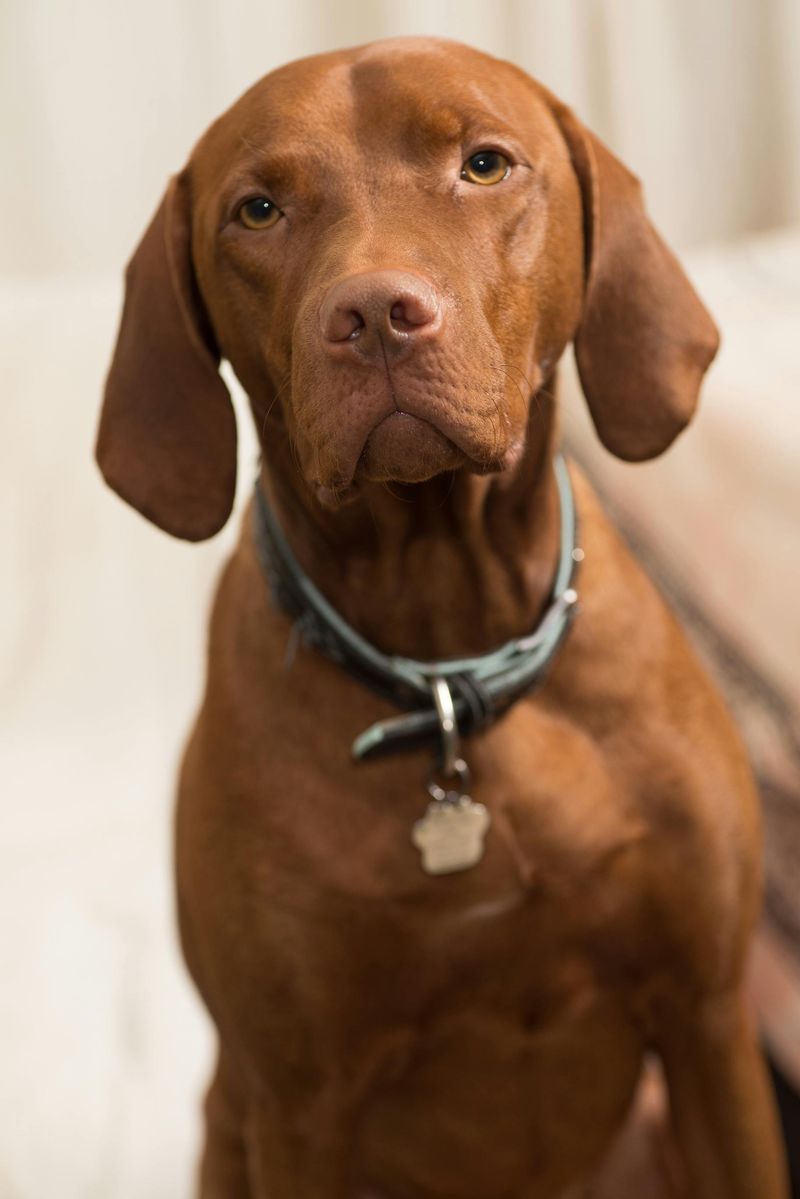
Vizslas are velcro with turbo. They wilt under rough handling and thrive on closeness.
If you punish clinginess, you may see shutdown that looks like lost personality. Instead, reward independence in tiny slices and build recall through joyful chases back to you.
Use nosework, field style retrieves, and interval training to match their engine. Teach settle in public with a mat and calm treats.
Keep sessions gentle and upbeat to protect their sparkle.
Alone time is a skill. Train it gradually, pair with chews, and honor their need for touch.
Done right, training boosts confidence, revealing the affectionate athlete you love.
Weimaraner
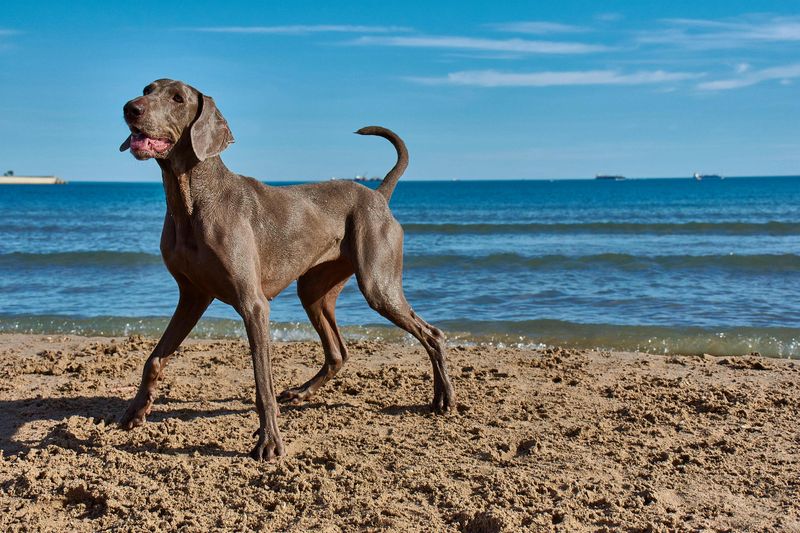
Weimaraners are intense, clever, and sometimes dramatic. Overly strict programs can spark conflict or avoidance that reads as personality loss.
Instead, use consistent rules, long line freedom, and scent games to keep their mind busy and body satisfied.
They bond hard, so practice structured separations and calm greetings. Reward check ins on hikes, then release to explore.
Teach recalls with big party energy, not pressure.
Channels like tracking, retrieving, and running beside a bike meet their drive. Layer impulse control through place training and door manners.
When training respects their instincts, you get a bold companion whose charisma feels bigger, not smaller.
Doberman Pinscher
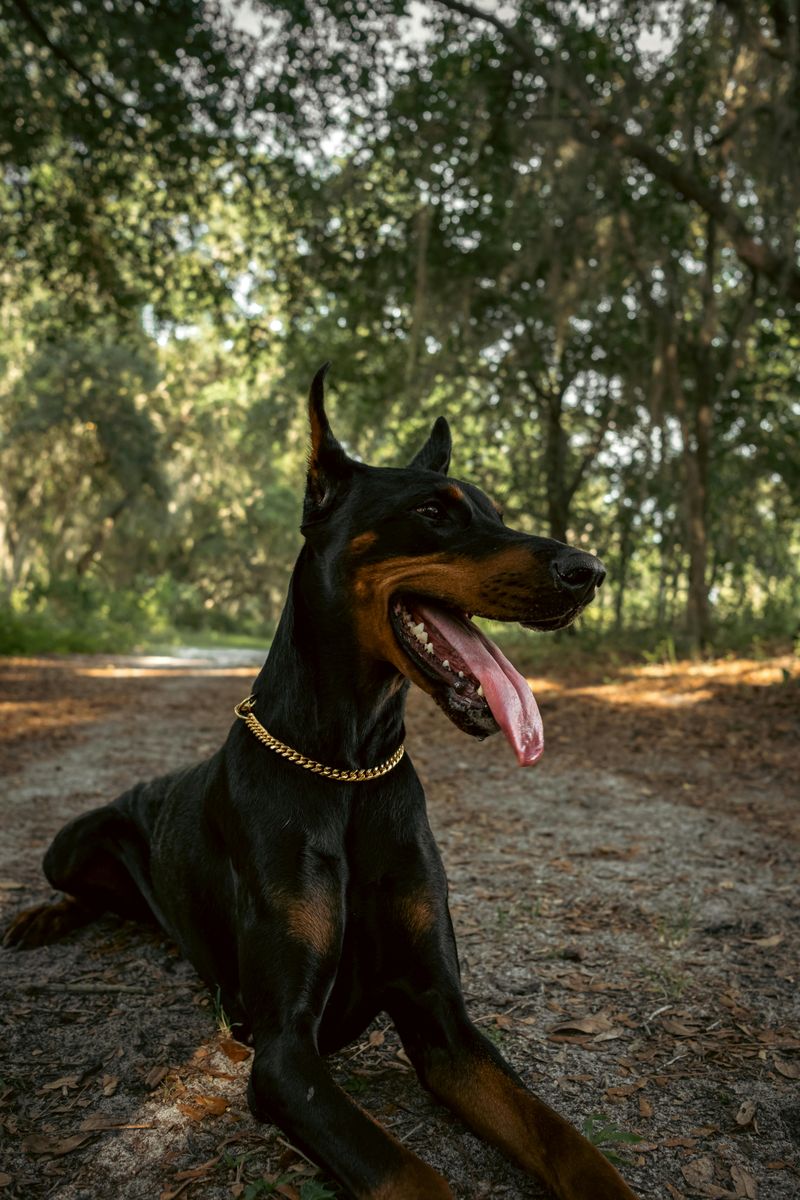
Dobermans are sensitive guardians who read emotions like subtitles. Heavy pressure can flip them into defense or freeze, which people misread as changed personality.
Prioritize clarity, rewards, and calm leadership that builds trust.
Teach obedience as a dialogue with markers, then add real world distractions. Reinforce neutrality around strangers while protecting their space.
Confidence grows when they succeed often and know what to do.
Jobs like scent detection, obedience sports, and structured runs satisfy mind and muscle. Practice off switches at home so intensity has boundaries.
Respectful training makes their nobility visible without sanding away their spirited edge.
German Shorthaired Pointer
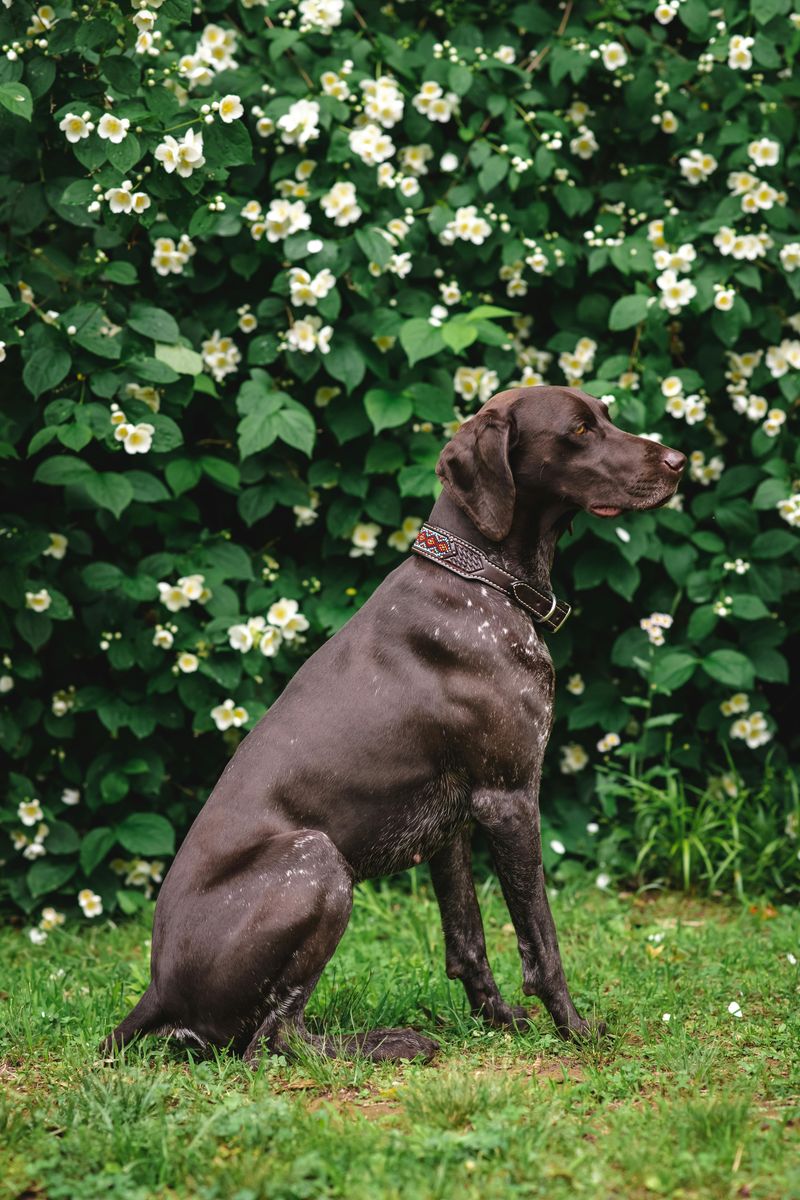
GSPs are rockets with noses. If you try to cap that drive with punishment, you risk creating anxiety or frantic energy that looks like personality loss.
Work with instincts using field style steadiness, recalls to tug or food, and structured hunts.
They need mileage and brain work. Use tracking lines, place training for downtime, and reliable crate skills for rest.
Reinforce quiet in the house so on switch and off switch make sense.
Celebrate curiosity while teaching boundaries around wildlife and guests. Keep sessions short and exciting, then decompress.
Balanced, kind training turns chaos into competence, revealing the joyful athlete you brought home.
Brittany
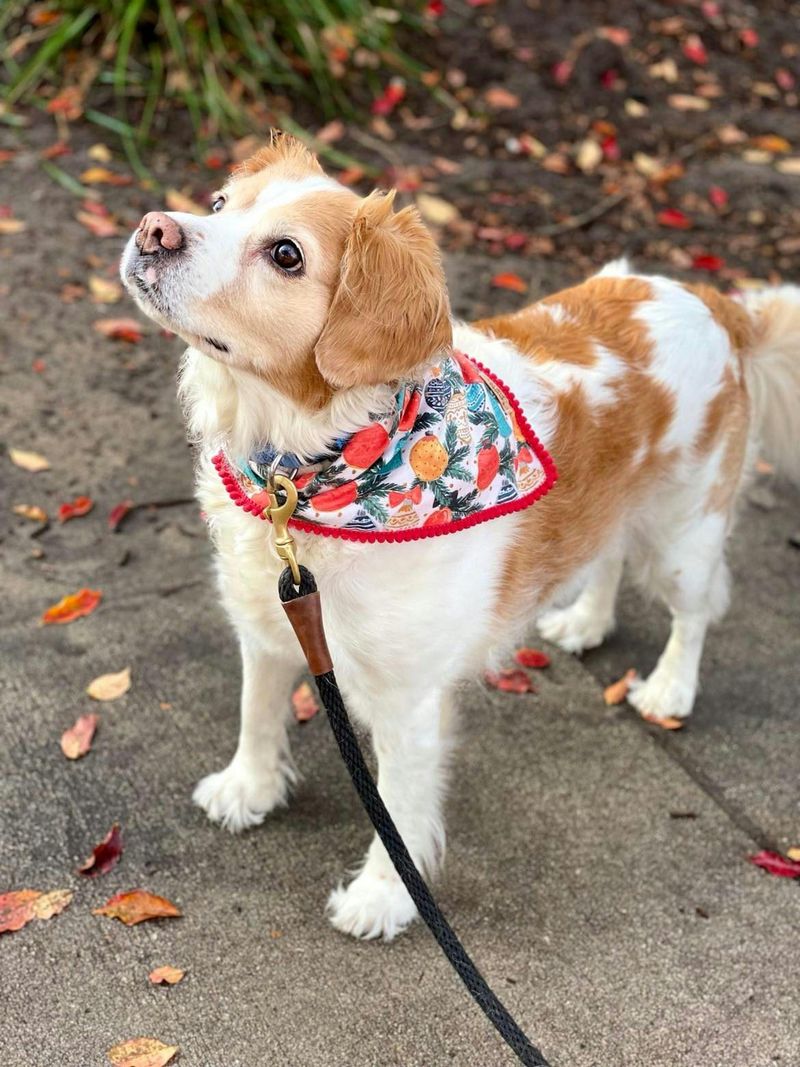
Brittanys are buoyant, birdy, and sensitive. Yanking them into obedience can flatten their cheer.
Shape manners with food and play, then blend in field games where stillness earns the chance to move.
Practice recalls that pay with a hunt back to you. Use impulse control on a platform before releasing to sprint.
Indoors, reward calm cuddles and quiet observation so their social sweetness shines.
Harsh corrections often produce worry spinning or clinginess. Choose clear cues, generous reinforcement, and predictable routines.
With thoughtful training, their zest becomes grace, and the bright Brittany personality remains unmistakable.
Boxer
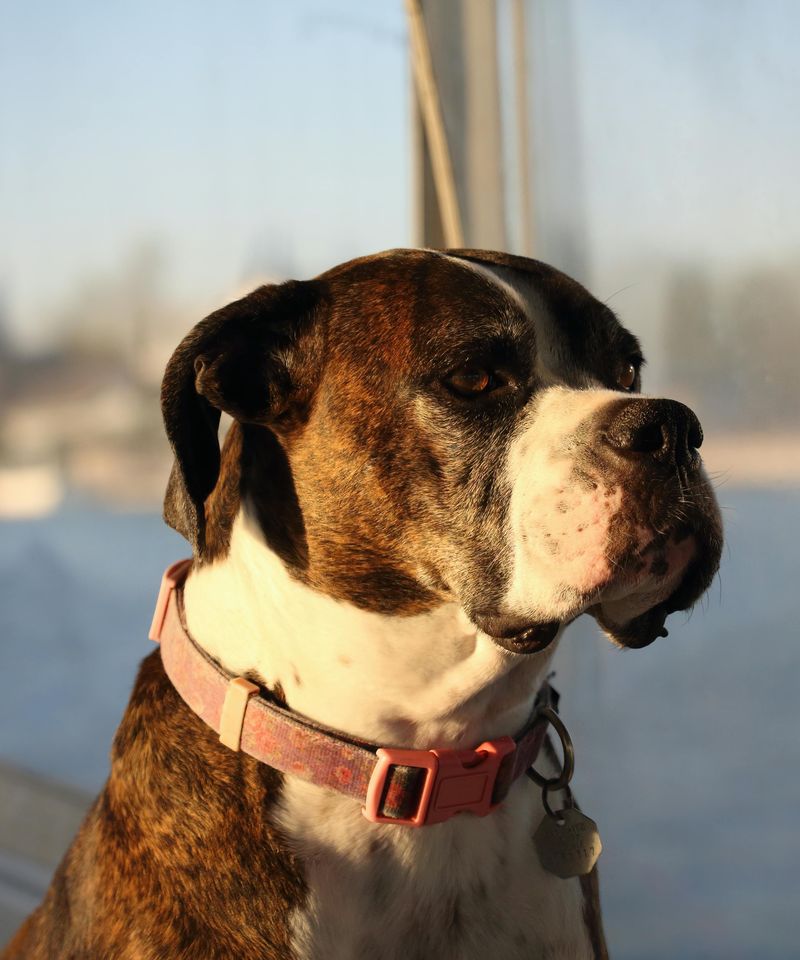
Boxers are comedians with springs for legs. Overly stiff training can smother their playfulness, yet no structure invites chaos.
Use games based obedience where sits and downs unlock tug, chase, and social play.
They are sensitive under the clown suit. Barky or grabby moments respond better to redirection than scolding.
Teach settle on a mat, and reward breath breaks so arousal has exits.
Short, silly sessions beat long lectures. Condition polite greetings, loose leash walking, and calm crate time for recovery.
Done kindly, training amplifies their charm while giving your furniture a fighting chance.
Cocker Spaniel
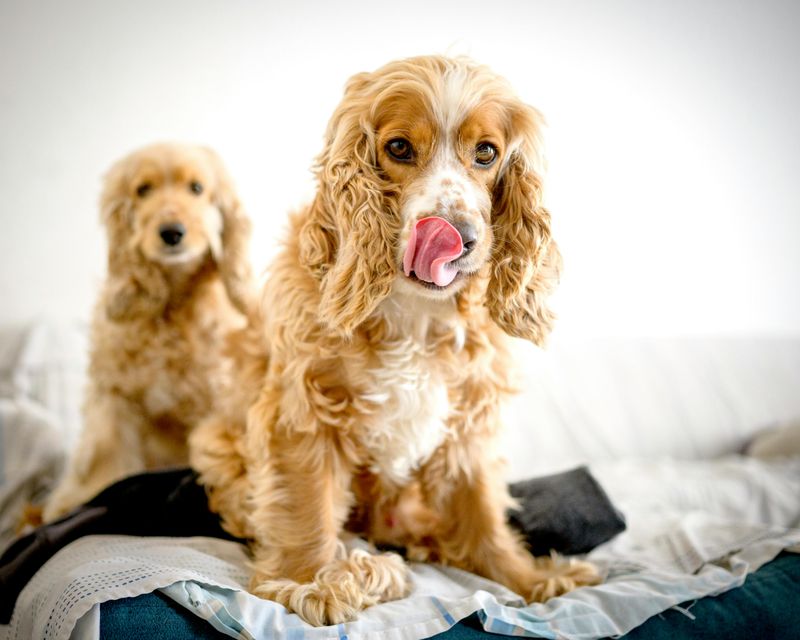
Cockers bring sweetness and sensitivity. Loud corrections can create worry or reactivity that reads as a faded personality.
Choose cooperative care, soft gear, and upbeat marker training to build trust.
Grooming is central, so teach chin rests, paw targets, and pause cues that earn treats. Keep sessions short, frequent, and full of wins.
Enrichment like sniffy walks and hide and seek keeps curiosity bright.
Resource concerns sometimes pop up. Trade games and predictable routines prevent conflict.
With empathy and structure, training highlights the affectionate, joyful companion you wanted, not a withdrawn version.