
CBD for dogs has become a lightning rod online, where personal stories, science, and skepticism collide. You see heated threads where one owner swears by a tincture and another warns about placebo and dosing risks.
The truth is more nuanced, and breed traits often color how people talk about calming aids. Let’s look at the breeds most often mentioned so you can sort signal from noise and make a level headed plan with your vet.
Shih Tzu

Shih Tzu owners often swap CBD stories when tackling separation stress, grooming anxiety, or post rescue jitters. You will read about slow, low dosing and plenty of patience, especially because this toy breed can be sensitive to taste and texture.
People mention soft chews for picky eaters and tinctures mixed into wet food when flavors clash.
On the flip side, skeptics argue routine, sniff walks, and mat training often do as much. Many highlight that CBD without a behavior plan can disappoint.
If you try it, keep a log of sleep, pacing, and vocalizing, share with your vet, and confirm the product is third party tested for contaminants and accurate cannabinoid content.
Lhasa Apso

Lhasa Apso discussions often circle around alert barking and hypervigilance, with owners saying CBD may take the edge off reactivity. You will see claims of smoother grooming sessions and fewer pacing laps during storms.
The breed’s independent streak means pairing any supplement with structured decompression and predictable routines.
Others report zero change until they addressed under exercise and boredom. A recurring tip is to start below label dose, then titrate based on body weight and observed calmness, never drowsiness.
Ask your vet about drug interactions if your Lhasa takes allergy or pain meds. Quality matters here, so full panel lab results and clear milligrams per treat help you avoid guesswork and forum fueled confusion.
Pekingese

Pekingese owners in calming threads often mention noise sensitivity, especially with city living. CBD comes up as a supplement to desensitization sessions and white noise during fireworks.
People say the compact frame requires careful dosing math, and palatable soft chews help when a dropper feels intrusive.
Critics push back, noting stubbornness and low motivation can mask results, so behavior metrics matter. Track latency to settle, intensity of startle, and recovery time.
Avoid products with artificial sweeteners toxic to dogs, and check hemp source transparency. When combined with enrichment toys and consistent training, some report gentler evenings.
Without those habits, you may just buy expensive hope. Start small, observe closely, and collaborate with your veterinarian.
Tibetan Spaniel

Tibetan Spaniel fans describe velcro tendencies and watchful alertness that escalates indoors. In threads, CBD is floated as a complementary tool to reinforce off switch behaviors like mat relaxation.
Chews with salmon flavor get shoutouts for picky eaters, and droppers are used for finer dose adjustments.
Balanced voices remind everyone that novelty walks, puzzle feeders, and boundary games often do the heavy lifting. When CBD appears helpful, owners report quicker settling after doorbell triggers and easier crate time.
Make sure the brand discloses Certificate of Analysis, THC levels below legal thresholds, and carrier oil details. Keep a two week baseline diary before starting, so you can compare changes rather than rely on wishful thinking or confirmation bias.
Tibetan Terrier

Tibetan Terriers show up in debates about storm anxiety and motion sickness. Some owners report CBD makes car rides less dramatic, paired with short practice trips and good ventilation.
Others claim calmer greetings when guests arrive, provided pre visit exercise happens first.
Detractors point to inconsistent product quality and placebo. The sensible path is objective tracking and veterinary guidance, especially if your dog is on NSAIDs or anticonvulsants.
Choose products with batch level testing and clear dosing per kilogram. If you notice wobbliness or excessive sedation, stop and call your vet.
Combine any supplement with confidence building games, like scatter feeding after thunder, and you may see changes that feel meaningful rather than magical.
Kromfohrländer

Kromfohrländer threads often revolve around sensitivity to novelty and quick arousal during play. Owners who try CBD describe softer rebounds after excitement and less pacing when routines shift.
Palatability matters, so bacon or chicken chews get nods, while tinctures allow micro adjustments on light days.
Because the breed is uncommon, data is thin, and people lean on careful observation. Keep records of vocalization counts, settle time, and appetite.
Look for hemp sources with pesticide and heavy metal screens, not just cannabinoid numbers. The culture war chatter aside, you will likely gain most by pairing any supplement with place training, sniff walks, and rest windows.
A calm plan beats a miracle claim every single time.
Schipperke

Schipperkes have energy to spare and a watchdog voice that turns forums spicy. People considering CBD hope for quieter windows and smoother crate transitions.
Reports vary, but many say the best gains come when dosing aligns with training sessions and structured decompression after exercise.
Skeptics emphasize impulse control games and scent work over supplements. If you test CBD, verify no THC spikes and confirm fat based carriers for better absorption with food.
Start with journal entries on vocalization, duration of calm, and sleep quality. Pair with chew outlets and predictable routines.
Used thoughtfully, CBD may blunt edges, not reshape personality. That realism helps owners stay kind, consistent, and less swayed by loud online takes.
Volpino Italiano

Volpino Italiano owners chat about alertness that flips into yappy spirals. In those threads, CBD enters as a nudge toward relaxation alongside patterned walks and window management.
Soft chews with clear milligrams per piece help avoid overdoing it on tiny frames.
Critics warn that caffeine like human habits and inconsistent schedules sabotage progress. If you proceed, look for transparent extraction methods and terpene profiles, plus heavy metal testing.
Document reactivity distances and recovery curves. Celebrate realistic wins, like fewer false alarms or faster chill after a delivery truck.
You are not silencing a guardian breed, just buffering edges while you teach alternatives. Vets can guide dosage and rule out pain driven restlessness.
Japanese Spitz
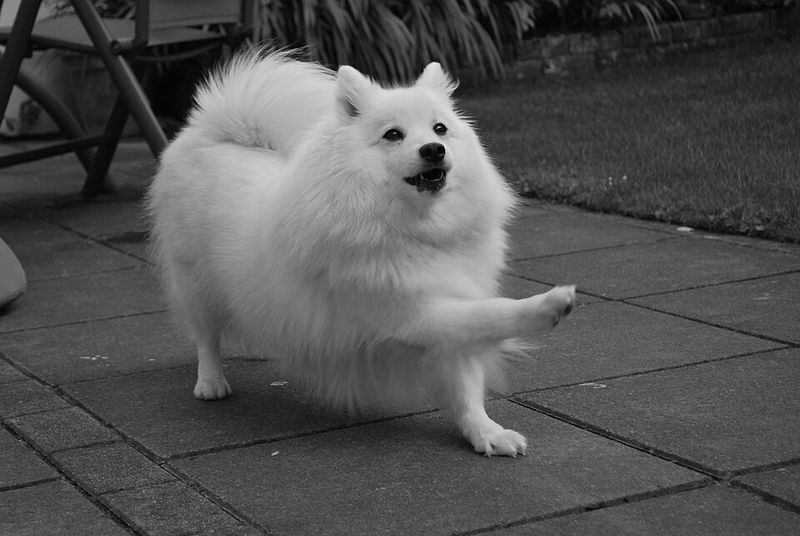
Japanese Spitz discussions highlight snow white charm paired with high alert sound sensitivity. Owners trying CBD report easier downtime when kids get noisy and smoother threshold training at doors.
Chews with fish flavors tend to win over picky palates, while oils let you fine tune per kilogram.
Detractors note placebo, shipping delays, and mislabeled bottles muddy the waters. Protect yourself by demanding batch COAs, verifying THC remains minimal, and logging daily behavior scores.
Combine with enrichment, consistent sleep windows, and gentle impulse work. When it helps, you notice quicker recovery after startles and less restless pacing.
When it does not, you still improved routines, which pays off regardless of supplements or internet debates.
Eurasier

Eurasiers are thoughtful and sensitive, and owners say environmental changes can rattle them. In community threads, CBD is framed as one lane in a wider plan that includes predictable routines and gentle socialization.
People report easier car loading and less vocal protest during storms when dosing is steady.
Others find no difference until they tweaked exercise and decompression. Your best bet is measurable goals like doorbell reactivity counts, nap duration, and training latency.
Choose reputable brands with solvent residue testing and clear mg per drop. If sedation or GI upset appears, stop and check with your vet.
A calm environment plus skill building often carries more weight than any bottle, but some families value the added buffer.
Prague Ratter

Prague Ratter owners often mention trembling during fireworks or visitors. CBD appears in threads as a micro dose strategy alongside sound desensitization playlists.
Because these pups are so small, math matters, and people prefer droppers for sub milligram adjustments.
Some say results are subtle until they tightened sleep schedules and introduced sniffy walks. Track data: startle frequency, calm settle time, and appetite.
Demand third party testing that includes microbials and heavy metals, not just cannabinoids. Pair with a safe hideaway and mat work, and celebrate small shifts like faster recovery.
If you notice sedation, back down and call your vet. The goal is smoother coping, not a zonked companion.
Russian Toy

Russian Toy conversations center on fragility, chilly weather shivers, and social stress in busy spaces. CBD gets proposed to take the edge off while training calm behaviors and using warm layers outdoors.
Owners say flavored oils help, since this breed can be wary of new textures.
Skeptics point to adaptation over time and better socialization as the real drivers. If you experiment, use precise scales and confirm mg per drop, not just per bottle.
Keep notes on shake intensity, greeting behavior, and sleep consolidation. Choose brands showing terpene and solvent results.
Team CBD with gentle exposure, rest, and predictable routines, and you might find smoother days without chasing dramatic overnight transformations.
Toy Fox Terrier

Toy Fox Terrier owners talk about big dog attitude in a compact package, with reactivity that spikes fast. CBD appears as a possible cushion paired with pattern games and impulse control drills.
People prefer chews for convenience during training sessions, using oils only for fine adjustments.
Realists warn that without consistent boundaries and enrichment, supplements disappoint. Start low, log behavior, and consult your vet, especially if your dog takes seizure meds.
Insist on COAs with potency accuracy and contaminants screening. Wins look like shorter bark bursts and smoother settle times after guests.
No bottle replaces training, but thoughtful use may make your plan easier to execute when life gets loud.