You have probably seen those viral confessions claiming dog sports ruined someone’s sweet pet. The truth is more nuanced, and the real lessons can help you protect your dog’s joy while still enjoying performance training.
Let’s unpack the breeds people mention most, why things sometimes go sideways, and how to balance drive with downtime. If you love training but also crave a laid back companion, this will show you how to have both.
Border Collie
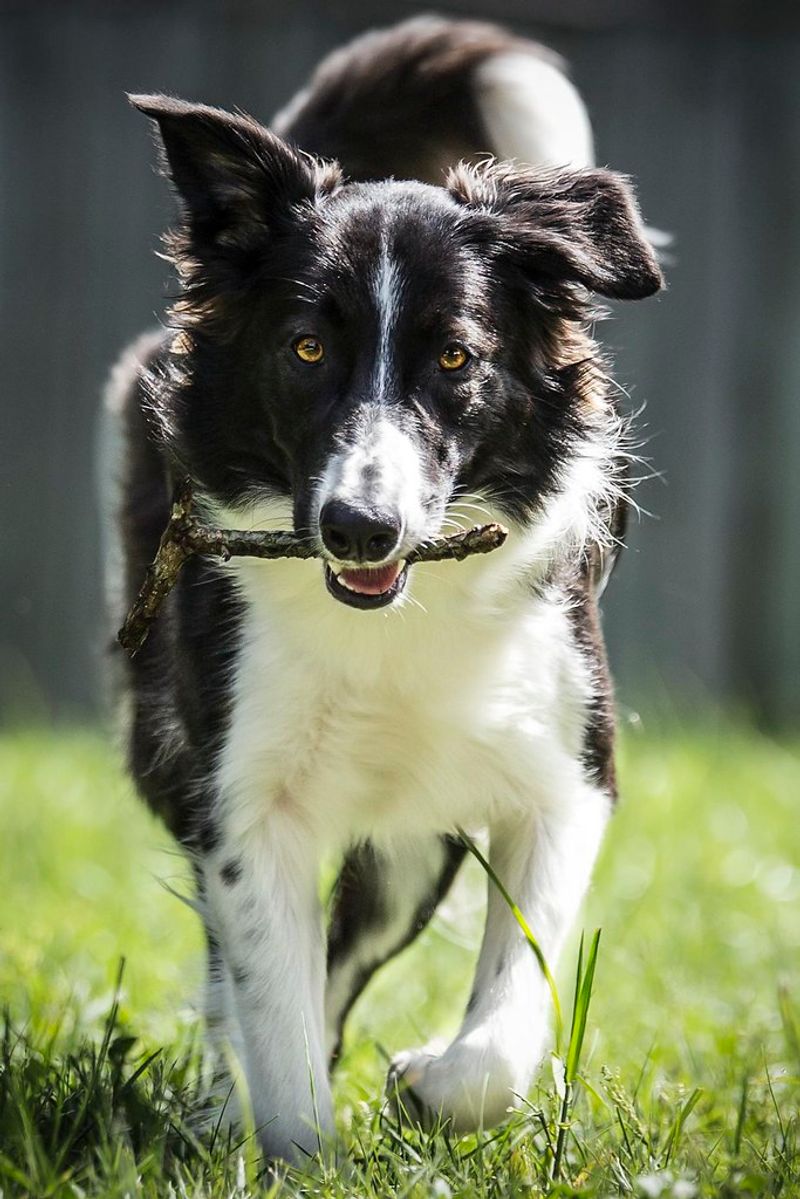
Border Collies shine in sports, yet that brilliance can become overwhelming at home. When every moment becomes a training rep, they pattern seeking and pace, scanning for the next job.
Without decompression, their superpower turns into constant motion and frustration.
Balanced routines help. Use structured off switches, scatter feeding, and scent games to soften their laser focus.
Keep training windows short and predictable so arousal peaks are followed by quiet time.
Teach calm as a skill with mat work and massage. Rotate low impact hikes with trick sessions, then truly rest.
If you protect sleep and limit rehearsals of frantic fetching, the Border Collie stays dazzling on course and delightful on the couch.
Belgian Malinois
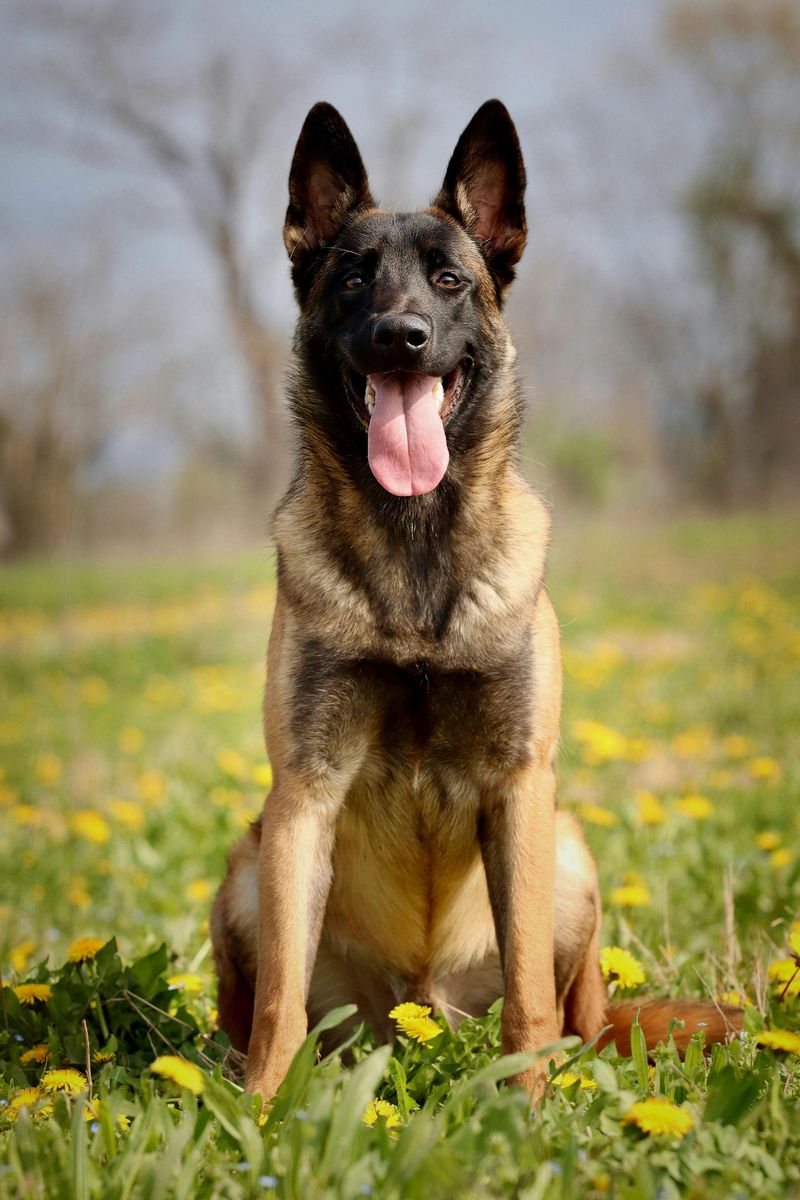
Malinois are astonishing workers, which is exactly why pet life can wobble. High arousal rehearsed in protection or fast heeling often leaks into doorways, car exits, and guests.
Without intentional downshifts, they anticipate conflict or sport cues in everyday noise.
Counterbalance with clarity and quiet routines. Teach parking in a settle, pattern walk routes, and reinforce neutrality around motion.
Reward slowness as deliberately as speed.
Use bitework sparingly and pair with decompression in nature. Build rocked solid place cues and generous chew time.
Keep social exposure neutral, not thrilling. When you honor their need for structure, rest, and meaningful outlets, the Malinois becomes a composed housemate whose intensity shows only when asked.
Australian Shepherd
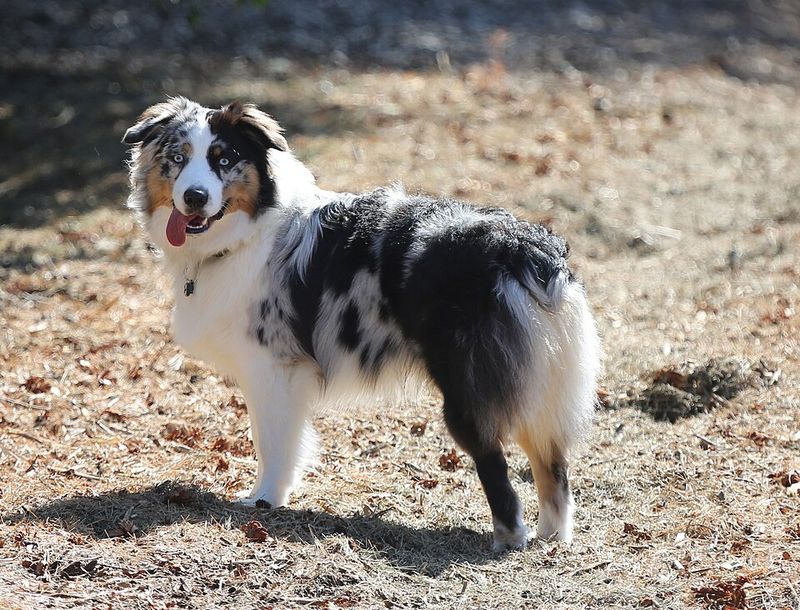
Aussies love to do, and they start offering everything they know before you even ask. In sport cycles, that eagerness gets reinforced until constant rehearsal creates a restlessness at home.
They may bark, herd kids, or patrol windows looking for jobs.
Put the brakes on gently. Teach a release word for fun and a clear cue for off duty.
Reward stillness with snuffle mats, long lasting chews, and sunbathing time after workouts.
Break training into micro sessions, then decompress with sniffy walks. Keep novelty low on rest days, and protect quiet.
If you celebrate calm the same way you celebrate speed, your Aussie learns the rhythm: try hard, relax harder. That rhythm saves the pet you adore.
German Shepherd Dog
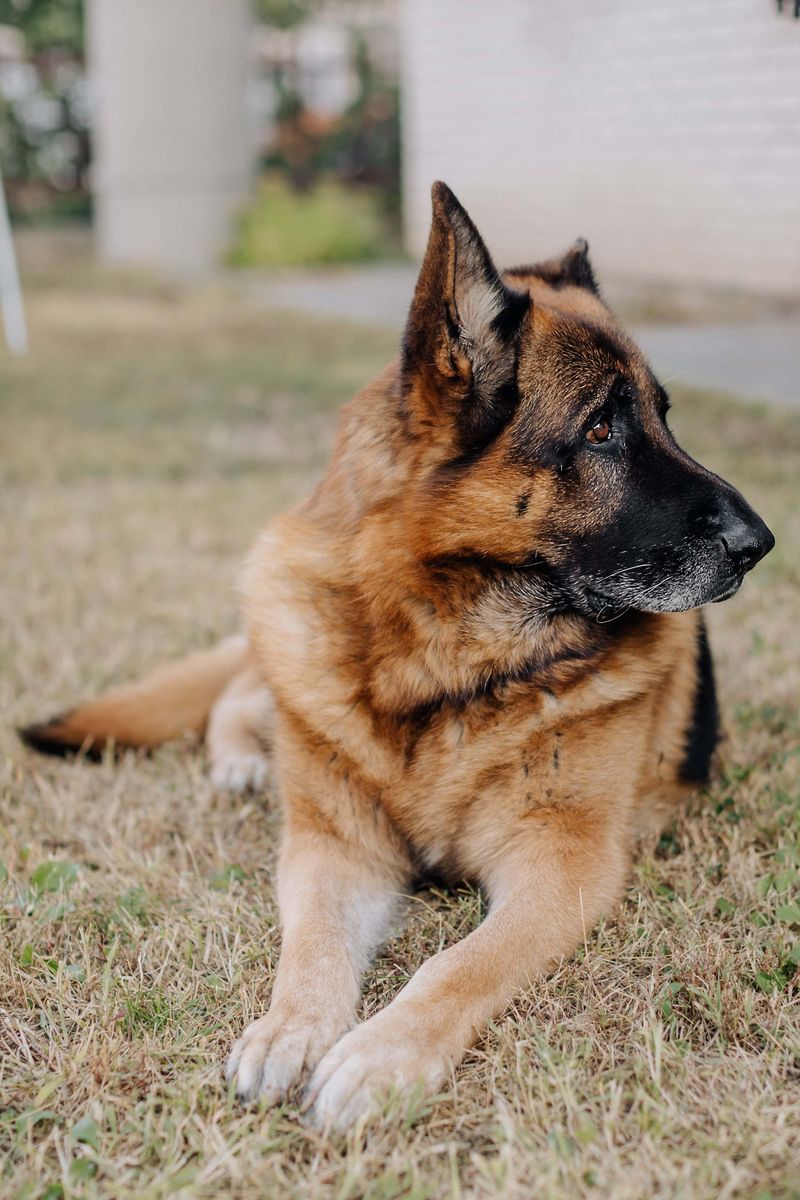
German Shepherd Dogs bring devotion and power to sport, yet pressure can make them serious about everything. Repeated high intensity drills can sharpen environmental sensitivity and guarding impulses.
Suddenly the doorbell feels like trial day, and the yard becomes a perimeter to manage.
Balance with loose routines and predictable social rules. Reinforce neutrality around joggers, bikes, and deliveries.
Use pattern games and middle positions to reduce decision load.
Mix tracking or nosework to satisfy purpose without constant arousal. Provide chew outlets, controlled greetings, and many naps.
Keep obedience crisp but short. With thoughtful rest and confidence building, the GSD maintains that noble presence in public while remaining a steady couch companion at home.
Shetland Sheepdog
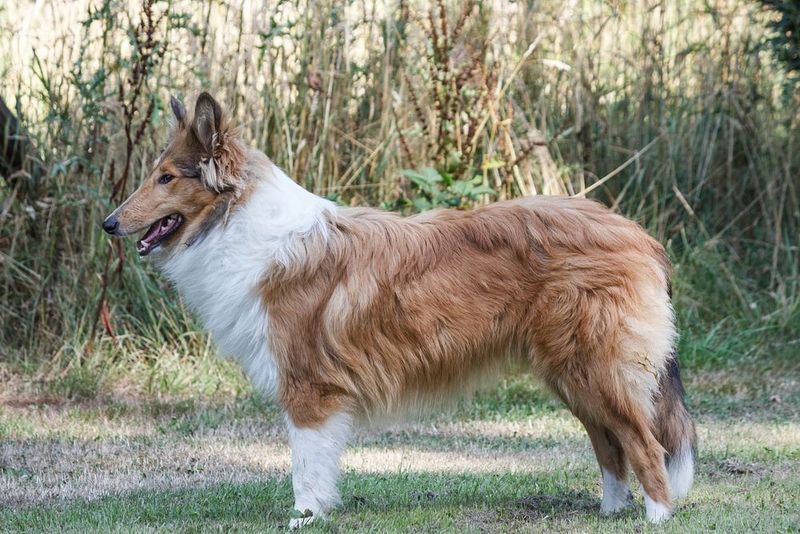
Shelties thrive on patterns and often anticipate your cues too well. In sport, that anticipation wins seconds.
At home, it becomes spinning, barking at tiny sounds, and rehearsing door dashes. The engine never really idles without help.
Teach stillness and quiet as trained behaviors. Reinforce a chin rest, park on a mat, and pair calm with predictable rewards.
Keep agility work precise but bracketed by sniff walks.
Use white noise and covered crates for true rest. Rotate games that encourage slower thinking like scent puzzles.
Limit reheard barking by redirecting early with stationing. Do this, and your Sheltie keeps the sparkle in the ring while staying sweet and settled on rainy Sundays.
Dutch Shepherd
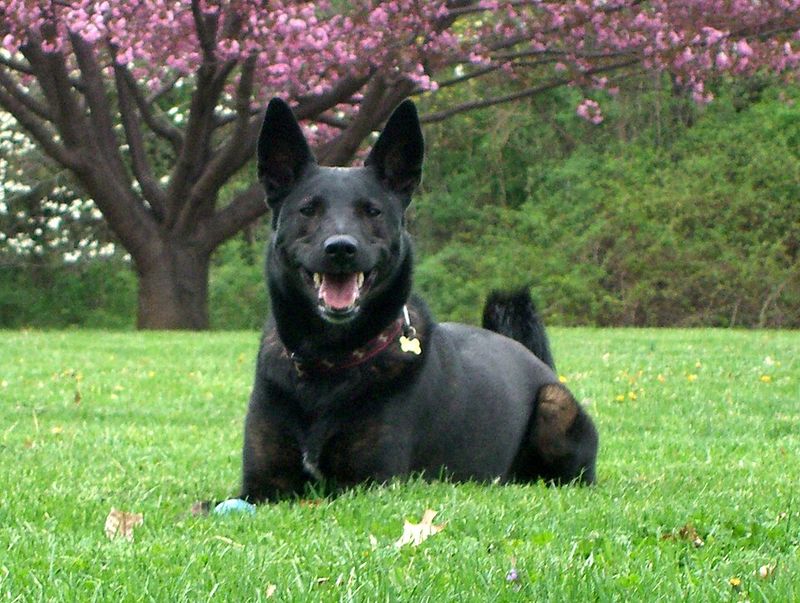
Dutch Shepherds are bold problem solvers who love complex work. If every session amps intensity, the household gets the overflow: gate slamming launches, frantic car exits, and hyper vigilance.
The dog starts writing their own script because the world feels like training.
Counterprogram with deliberate calm. Reward slow sits and relaxed scanning, not only explosive behaviors.
Add structured decompression hikes and predictable crate naps.
Rotate sports with nosework or tracking to satisfy the brain without constant speed. Use patterned rituals for guests, leashes, and vehicles.
When neutrality is trained as carefully as drive, the Dutchie channels that beautiful grit on the field while staying truly off duty at home.
Kelpie
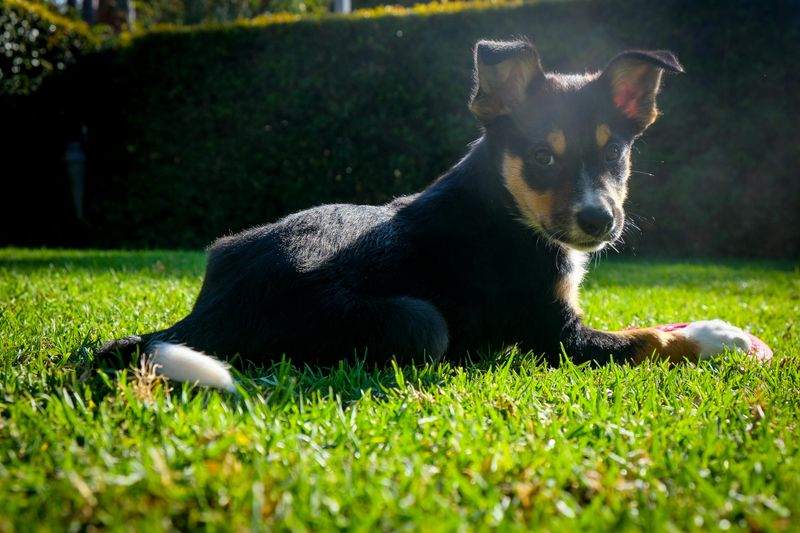
Kelpies are purpose built to work all day, which can backfire in sport heavy routines. If every outing means flat out sprinting and tight turns, they chase that feeling indoors too.
Window watching, pacing, and shadow chasing can creep in.
Introduce low arousal enrichment. Long sniff walks, controlled herding exposures, and calm settle games rebalance the ledger.
Reward exhale moments as generously as speed.
Keep sessions short, surface varied, and include mobility work. Give them real rest with dark, quiet spaces and thoughtful feeding schedules.
Teach a release to begin fun and a clear finished cue. With that contrast, the Kelpie remains electric on course and comfortably neutral when the day is done.
Vizsla
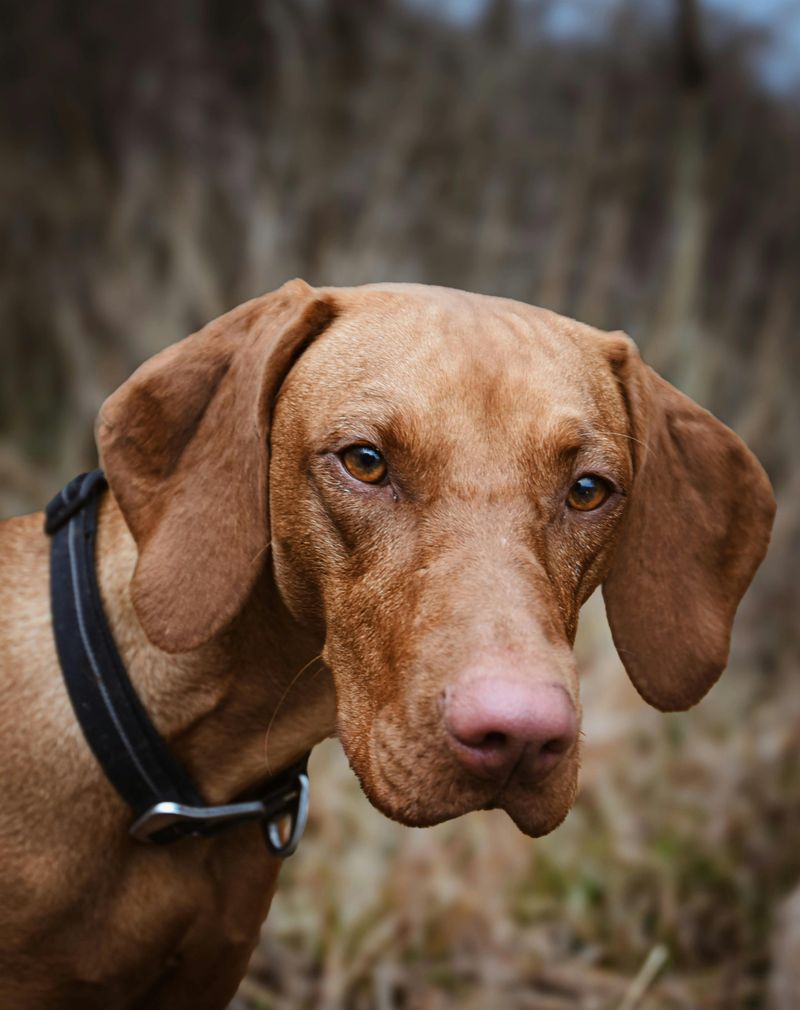
Vizslas are sensitive athletes, tuned to your emotions and routine shifts. Intense field work or agility can raise their baseline arousal, and suddenly guests feel like events.
They may cling more, vocalize in crates, or zoom through the house looking for tasks.
Answer with gentle structure. Create reliable rest windows, soothing crate setups, and predictable greetings.
Reinforce relaxed contact like quiet leaning and settled cuddles after training.
Blend cardio with nosework, then follow with couch decompression. Keep cues soft and consistent to avoid over interpreting.
Support confidence through easy wins and calm social walks. When you make serenity as rewarding as sprinting, the Vizsla stays velcro sweet and sport ready without melting down between reps.
Weimaraner
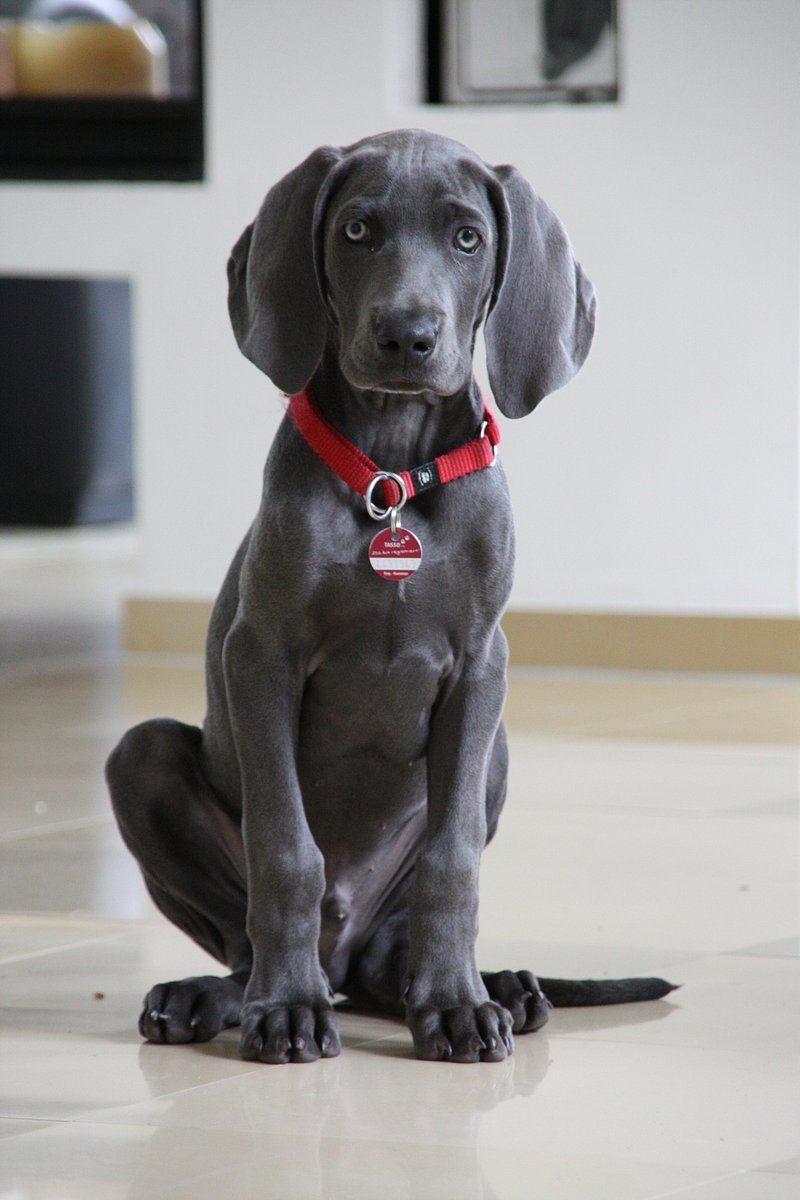
Weimaraners bring drama and drive, and sports can dial both to eleven. After repeated hype, everyday transitions feel urgent: doorways, leashes, visitors.
You might see counter surfing, vocal protest, or demand behaviors escalate.
Deflate the bubble thoughtfully. Install patterned calm downs after workouts: sniff walks, chews, and cozy crates.
Teach a rock solid station cue and reinforce slow movement.
Cross train with tracking or swimming to tire the body without revving the engine. Protect sleep with darkened spaces and longer afternoon naps.
Keep communication clear, low key, and consistent. With steadiness and decompression baked in, the Weimaraner remains striking in sport, then melts into a surprisingly easygoing companion most evenings.
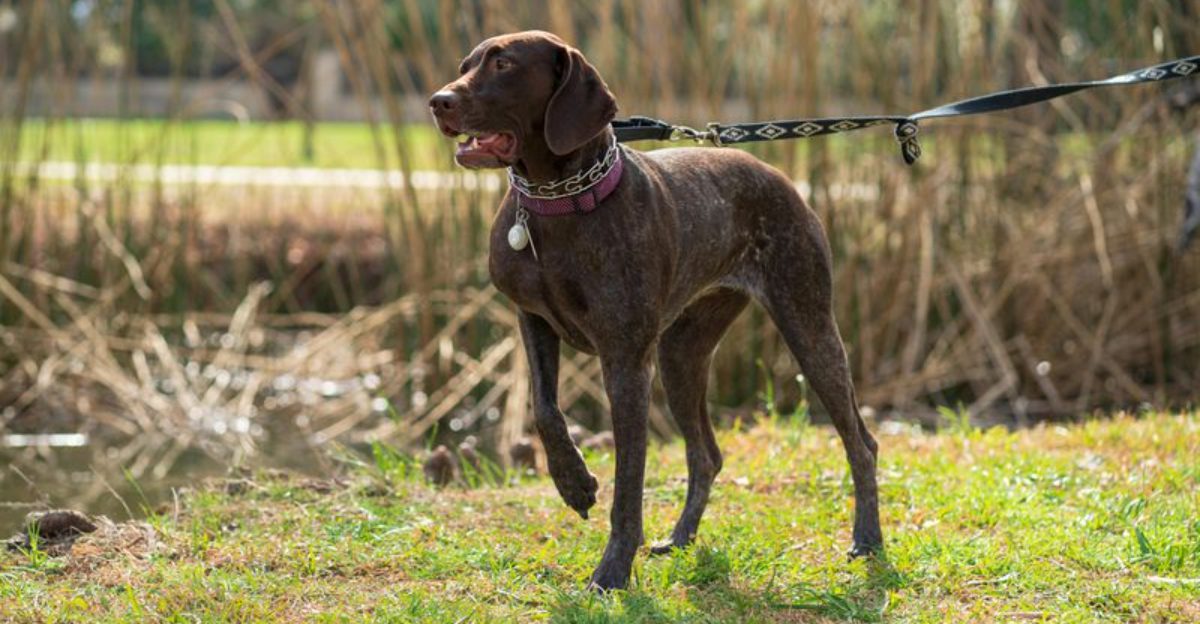
German Shorthaired Pointer
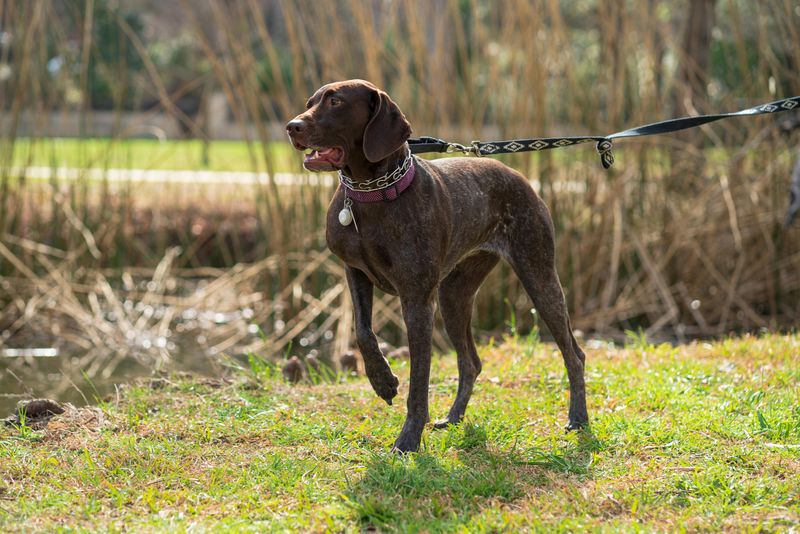
GSPs are turbo charged and clever, which means sport intensity can spill into mischievous chaos. After big days, they may counter surf, redecorate your laundry, or shout opinions at the window.
It is not stubbornness as much as leftover arousal without a map.
Give them the map. Ritualize unwinding with sniff time, long chews, and quiet dens.
Reinforce downshifts using mat work and slow feeding.
Alternate high drive field drills with nosework and cooperative care. Maintain a simple, repeatable schedule and generous calm rewards.
When the body rests and the brain has thoughtful puzzles, the GSP keeps that spectacular field style while transforming into a civilized housemate between adventures.
Brittany
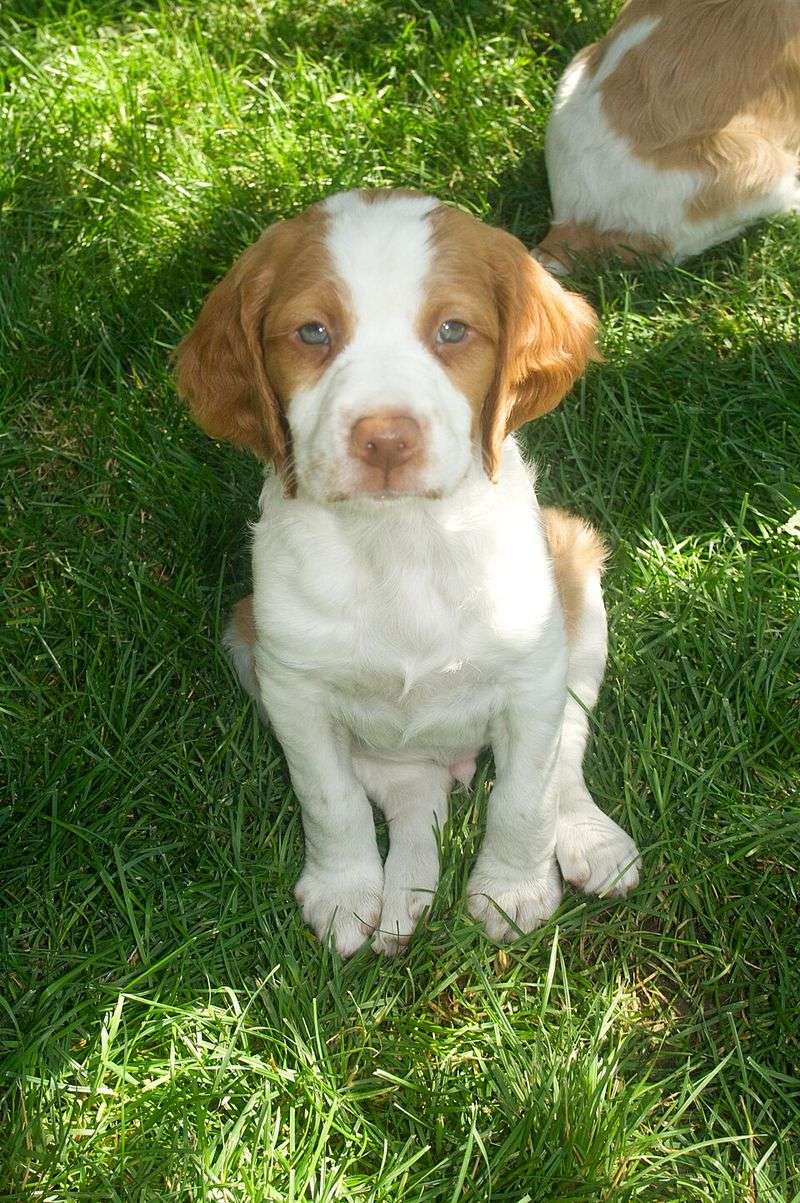
Brittanys brim with optimism and bounce. When sport becomes the daily headline, they start scripting excitement into every hallway and doorway.
Expect joyful yelling, pogo greetings, and endless toy deliveries when arousal goes unmanaged.
Channel the cheer. Teach a go to mat cue that pays hugely for stillness.
Build calm greeting rituals with sit, sniff, treat, then settle.
Mix short field sessions with long decompression walks and simple scent puzzles. Keep sleep sacred and use gentle massage to cue relaxation.
Reward exhale breaths, soft eyes, and quiet lies. Do this consistently, and your Brittany keeps the sunshine while learning the difference between game time and home time.
Doberman Pinscher
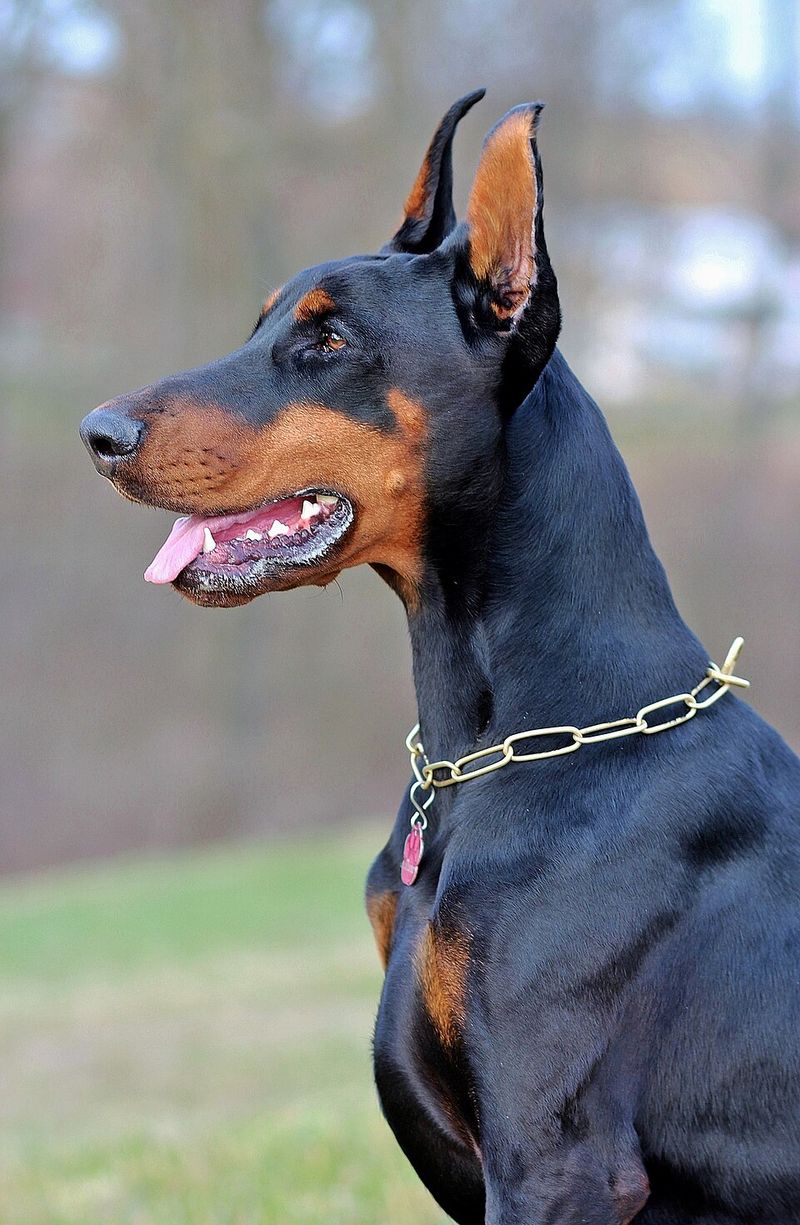
Dobermans are intense and deeply bonded, so sport pressure can magnify both. Rehearsed drive may turn into door guarding, window scanning, or friction with unfamiliar dogs.
They read your tension, then carry it like a mission.
Engineer calm clarity. Structure guest routines, reward neutrality around movement, and build a blissful station cue.
Alternate power work with nosework and easy hikes.
Protect joints and prioritize flexibility so arousal does not ride on soreness. Give predictable affection after training, then purposeful alone time for decompression.
Keep boundaries kind and consistent. When balance returns, the Doberman’s poise shines during sport while home life settles into elegant, affectionate ease.
Standard Poodle
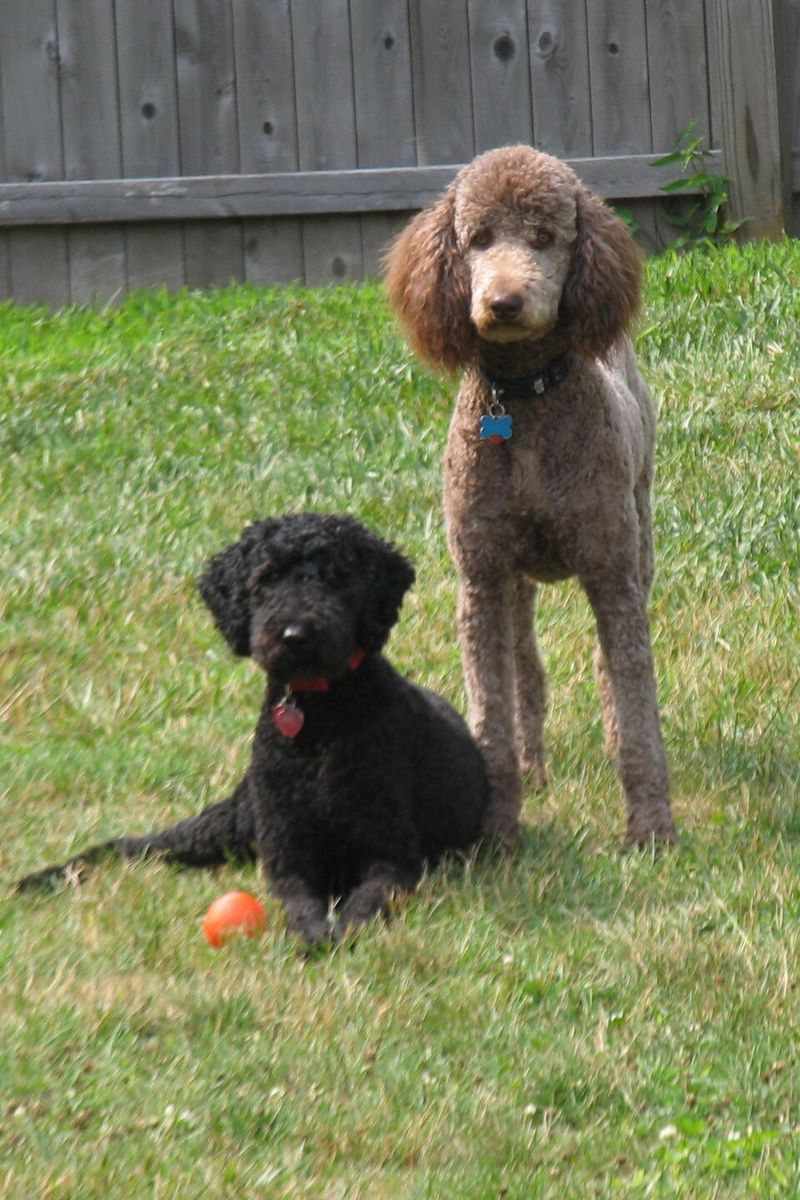
Standard Poodles are brilliant and playful, and sports can supercharge both. Without guardrails, they become pattern pros who script chaos: counter raids, zoomies at midnight, and loud opinions about leashes.
Clever rehearsals make mischief durable.
Meet brains with boundaries. Teach clear start and finished cues, reinforce stationing, and sprinkle in slow thinking games.
Pair agility with scent work and grooming cooperation to round out the mind.
Schedule true off days with long naps and calm walks. Reward quiet curiosity and soft settles.
Keep novelty intentional, not constant. With thoughtful contrast, the Poodle dazzles in the ring and returns home a witty, poised roommate who actually powers down when you do.