
Suddenly, social feeds are overflowing with confessions from owners whose dogs came home from boarding more anxious than when they left. The pattern is hard to ignore, and certain breeds are being named again and again in post-trip meltdown posts.
If you have a sensitive, sight-driven dog, this might hit close to home. Here is what people are reporting and why these 14 breeds might need a different plan before your next getaway.
Italian Greyhound
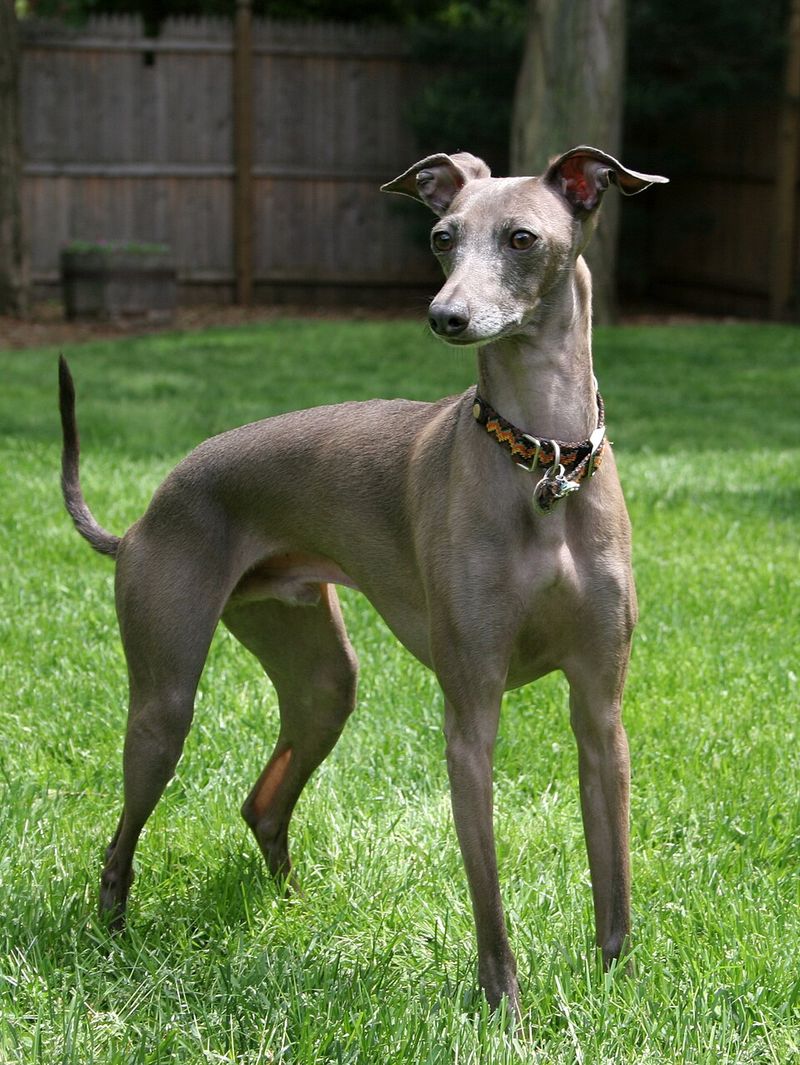
Italian Greyhounds can be heartbreakingly sensitive in noisy kennel settings. Sudden barks echo, metal bowls clatter, and their delicate frames shiver with the stress.
After boarding, many owners report clinginess, house training setbacks, and skittish reactions to everyday sounds. You might see your dog pacing or freezing in corners, watching doors like a hawk.
A quick reunion cuddle rarely fixes the nervous system overload.
These dogs often thrive with in-home sitters or quiet, boutique boarding with soft lighting and slow, predictable routines. Warm pajamas can help for chilly, concrete floors.
Request consistent potty breaks on-leash, gentle staff handling, and a private rest area. Daily text updates reduce your worry too.
With patience, decompression walks and predictable meal times help restore confidence.
Whippet
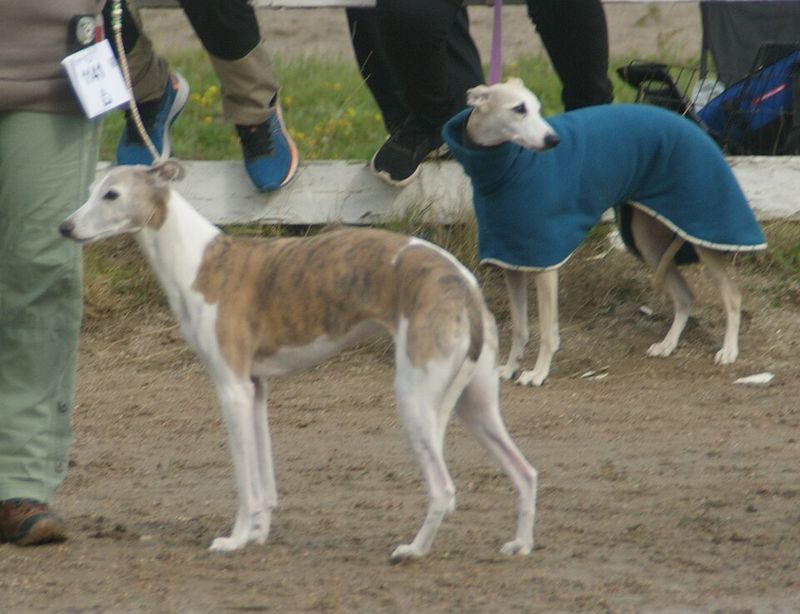
Whippets are quiet companions who read rooms like poets. In kennels, unpredictable noise and rapid-fire routines can feel like chaos.
After pick-up, owners describe trembling, startle responses, and sudden avoidance of play. Some whippets stop eating for a day or two, then cling like velcro.
It is not drama, it is nervous system fatigue from novelty stacked on novelty.
Choose sitters who understand silent stress signs, not just barking. Ask about sound-dampened suites, visual barriers, and soft bedding.
A sniffy decompression walk, not a high-energy park dash, is a better first day home. Rebuild confidence with short training games for easy wins.
Keep a predictable schedule and watch appetite and stool. Gentle patience works better than pep talks.
Saluki
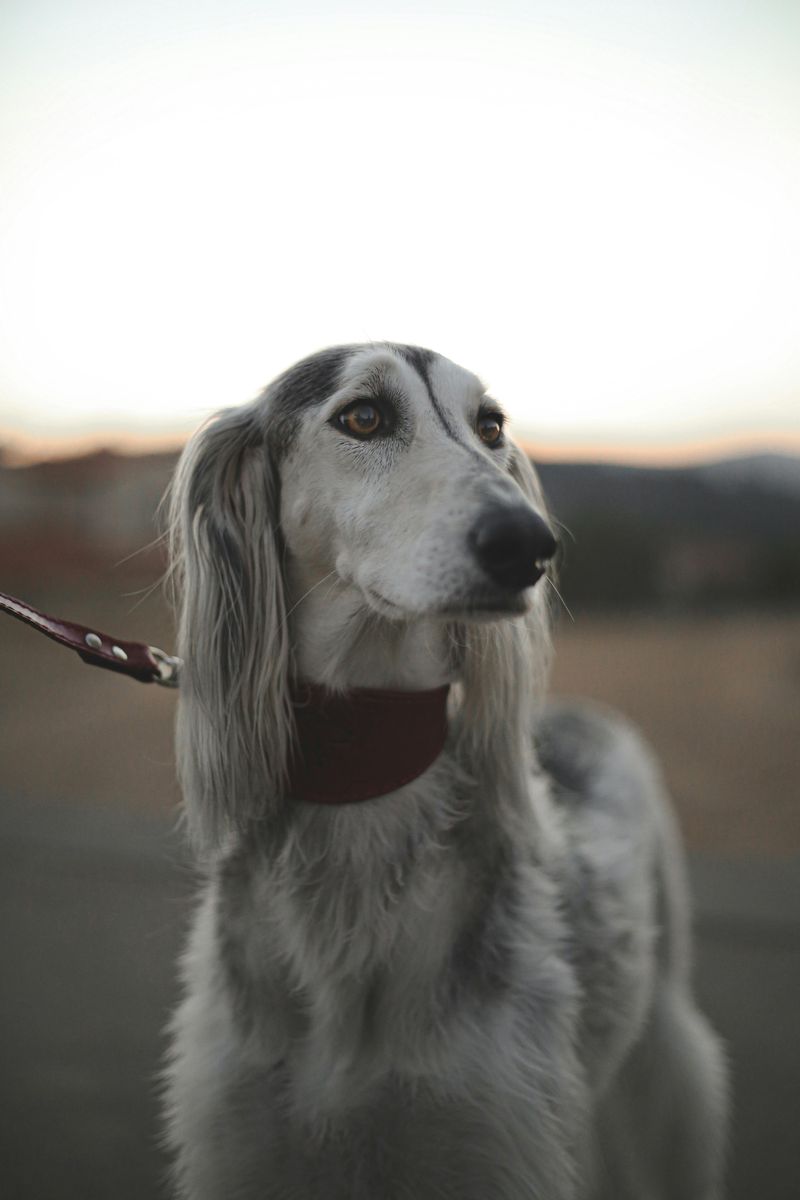
Salukis carry a quiet nobility that frays under fluorescent lights and echoing corridors. Many shut down rather than protest, then unravel at home with pacing and glassy-eyed stares.
Owners report delayed meltdowns on day two, including restlessness at night and sudden sound sensitivity. This breed bonds deeply yet privately, and kennel rotation schedules can feel like revolving-door confusion.
Look for care with consistent handlers and predictable routines. Private runs with high visual barriers help, as does soft music and low-odor cleaning products.
Provide familiar bedding and a worn T-shirt for scent anchoring. After pickup, prioritize calm walks, gentle stretching, and light meals.
Track sleep debt and add quiet time. With steady, calm days, equilibrium returns.
Borzoi
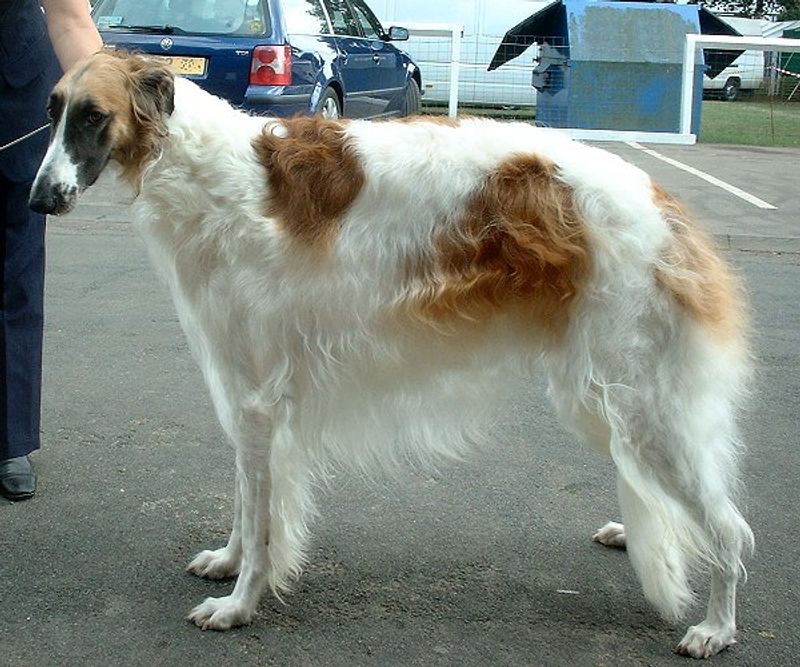
Borzoi often mask discomfort with elegant stillness, but stress leaks through in subtle ways. In kennels, their height and sensitivity make crowded aisles and sudden interactions exhausting.
Post-boarding, people report stiffness, startle-y jerks, and a reluctance to lie down in new spaces. Some dogs vocalize mournfully at night, then shadow you during the day, seeking quiet corners.
Ask facilities about large, low-traffic suites and slow introductions. Handlers should approach laterally, not head-on, and use soft voices.
Send a thick bed to protect joints on hard floors. Transition home with massage, sniff walks, and gentle floor exercises.
Break meals into small portions. With thoughtful pacing, the Borzoi’s poise returns and their signature calm reappears.
Afghan Hound
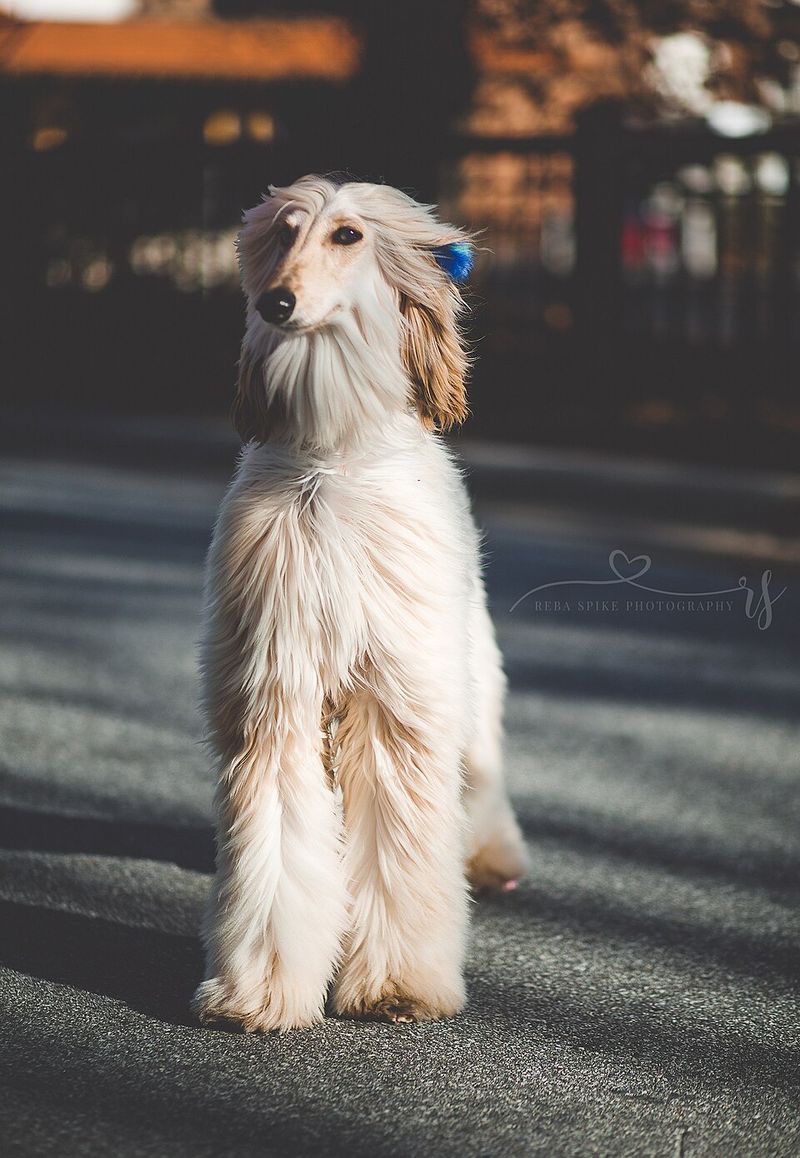
Afghan Hounds are sensitive aesthetes who notice every draft, clang, and stare. Boarding can overload them with scent, sound, and constant turnover.
Owners describe aloofness flipping into neediness after pickup, plus appetite dips and nighttime pacing. Grooming neglect in kennels can add tactile stress, matting, and discomfort that amplify reactivity.
Choose a facility with gentle handling, coat management, and quiet rest areas. Ask for scheduled decompression breaks and minimal dog-dog exposure.
Provide a grooming plan, detangling spray, and a soft snood. Home again, focus on structured calm: short training reps, low-scent foods, and early lights-out.
Keep greetings simple, not overwhelming. Within a few days of consistency, most Afghans settle and glow again.
Pharaoh Hound
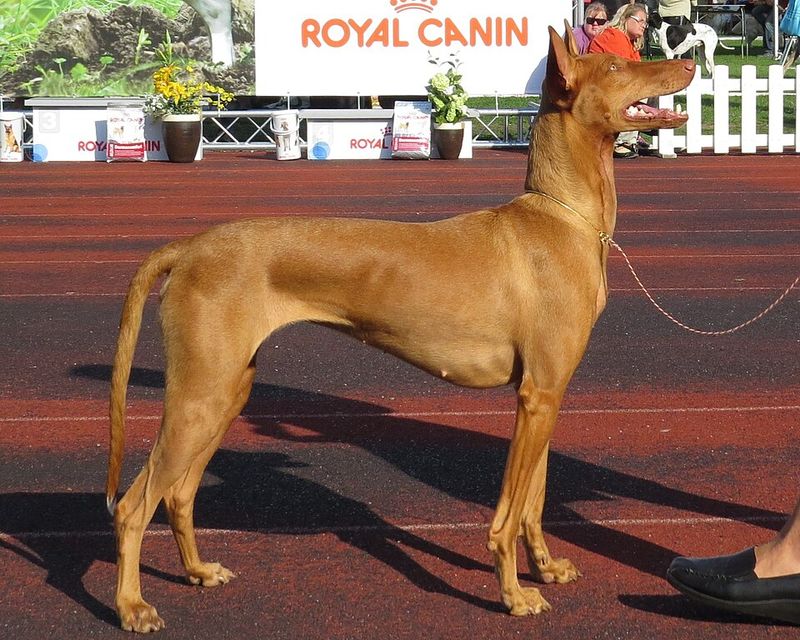
Pharaoh Hounds are expressive, laughing companions who can sour quickly under kennel stress. Echoing barks and strange routines flip their on-off switch toward hypervigilance.
After boarding, owners describe startle responses, clinginess, and sudden noise sensitivity. Some dogs forget house manners for a few days.
It looks mischievous, but it is actually frayed nerves seeking predictability.
Seek a low-arousal facility with individual play times and scent-enrichment, not chaotic group sessions. Ask for soft surfaces, warm temps, and dimmed evenings.
Send a familiar blanket and chews that reward calm. At home, reset the clock with simple cues, easy wins, and early bedtime.
Brief, happy training sessions rebuild confidence. Within a week, most Pharaohs bounce back.
Ibizan Hound
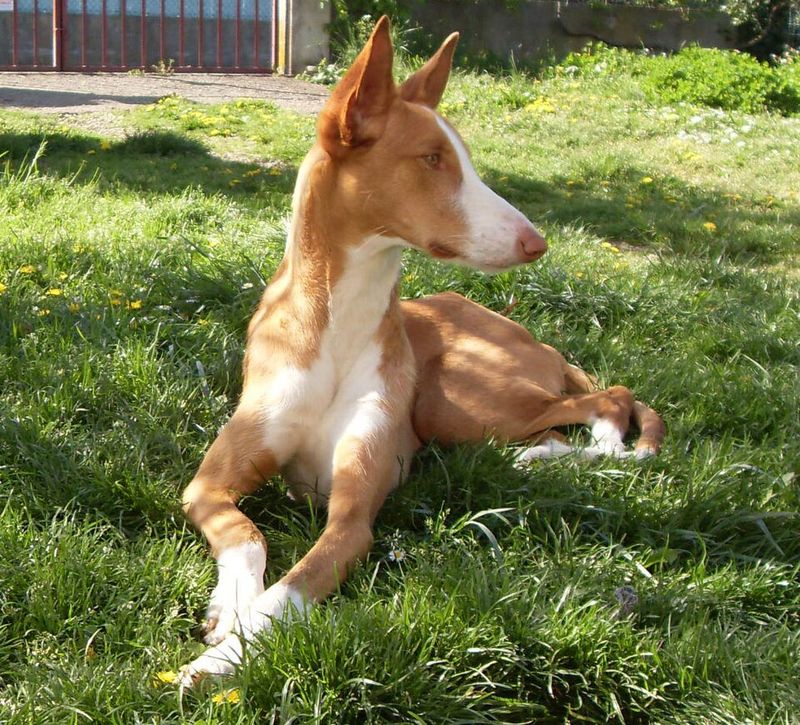
Ibizan Hounds are bright, sensitive, and tuned to micro-signals. In kennels, fast handoffs and unpredictable dog traffic can feel like constant alarm bells.
After pickup, owners mention coiled energy, vocalization at night, and sudden startle on walks. Appetite may wobble for a day.
What you are seeing is arousal that never got to discharge safely.
Choose care that offers controlled exploration and quiet rest. Ask for visual barriers, scent mats, and one handler per shift.
Send a long-lasting chew and your dog’s usual food. At home, schedule decompression: sniff walks, scatter feeding, and training games under threshold.
Avoid dog parks the first 72 hours. With rhythm restored, the bunny-eared joker eases back to joy.
Cirneco dell’Etna
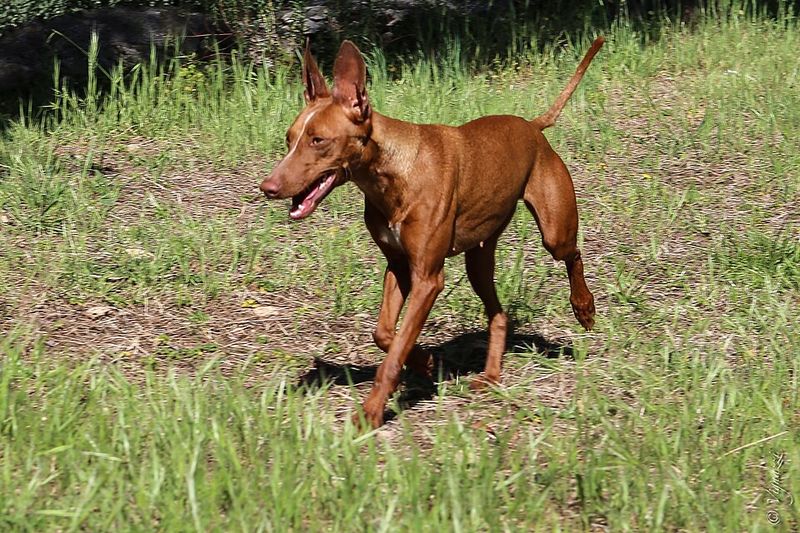
Cirnechi are alert, fine-boned hunters who dislike chaotic spaces. Boarding often means clangs, drafts, and hurried handling, which pile up into edgy behavior.
After pickup, you might see pacing, sudden flinches, and restless sleep. Some dogs become picky with food for a couple of days.
It is not stubbornness, it is a nervous system recalibrating.
Look for small-scale care with gentle routines and scent comforts. Ask for quiet suites, soft bedding, and regular nosework breaks.
Provide your usual diet and a worn T-shirt. Home care should emphasize gentle walks, scatter feeding, and early nights.
Keep greetings low-key and predictable. With steady days and kind structure, Cirnechi typically shed the stress and regain their sunny focus.
Galgo Español
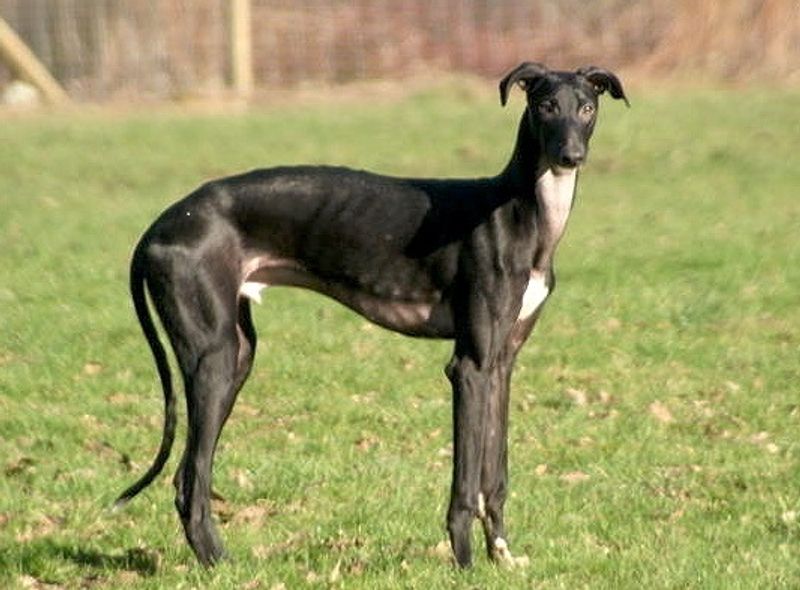
Galgo Españols, often rescues, can carry layered histories that boarding reactivates. Open-bar kennel noise and rushed handling can feel like old alarms.
After boarding, owners report shutdown behaviors, clingy bursts, or skittish avoidance on walks. Sleep may fragment, and appetite may stall.
The goal is not cheerleading, it is safety and predictability.
Pick facilities experienced with rescue sighthounds. Priority: calm suites, patient handling, and predictable routines.
Provide familiar bedding, calming scents, and the regular diet. At home, use decompression protocols: quiet rooms, gentle enrichment, and short, choice-filled walks.
Track stress signals in a diary. Over a week of stability, most Galgos soften, reorient to you, and rest more deeply.
Scottish Deerhound
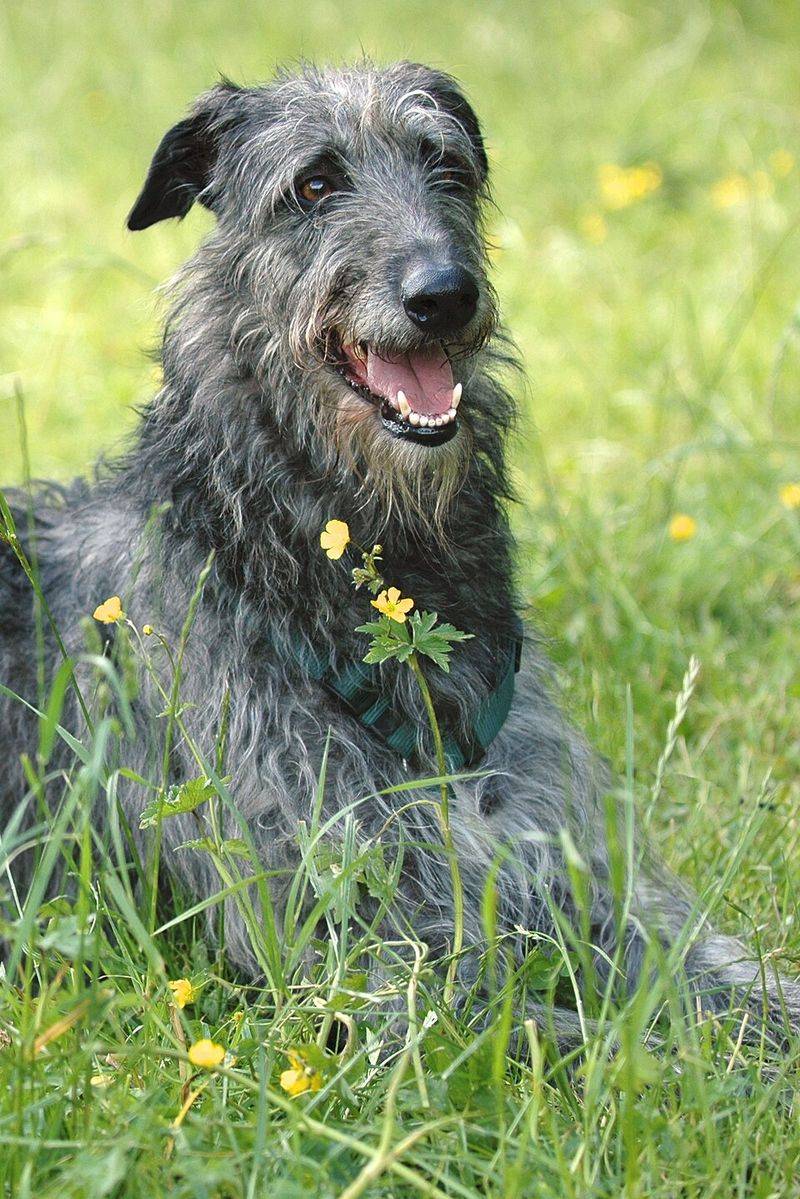
Scottish Deerhounds are gentle giants who feel everything in widescreen. Kennel corridors can be too tight, floors too hard, and noise too constant.
Post-boarding, people note stiffness, clingy following, and startle at sudden clangs. Some deerhounds briefly refuse car rides, associating them with the stressful stay.
It is an overload story, not stubbornness.
Ask for extra-large suites, soft bedding, and low-traffic placement. Staff should move slowly and allow sniff-based greetings.
Send joint-supportive mats and your dog’s normal meals. Reentry should be quiet: backyard decompression, light stretching, and massage.
Keep exercise low-impact for a few days. With space, softness, and routine, the deerhound’s steady humor and grace return.
Irish Wolfhound
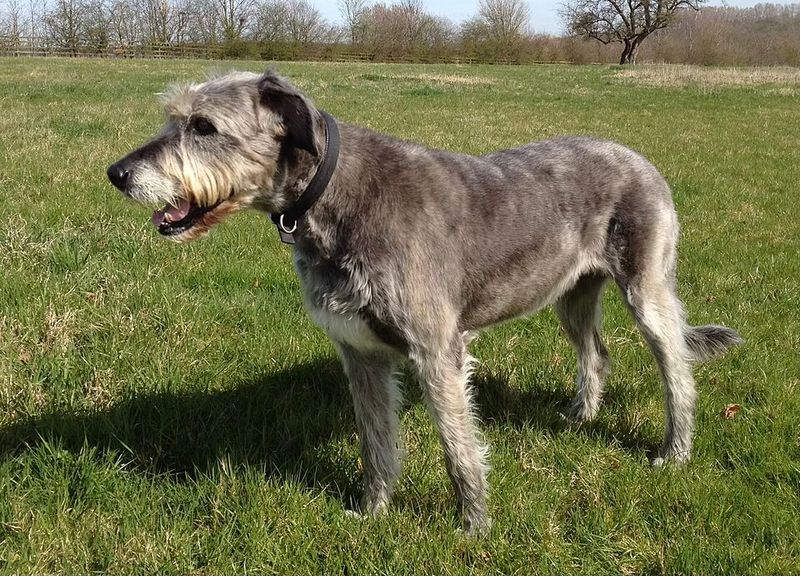
Irish Wolfhounds are affectionate titans who wilt under clamor. Kennels can challenge their joints, patience, and need for gentle handling.
After pickup, owners report fatigue paired with anxious shadowing, startle at door slams, and brief appetite dips. Some dogs show bathroom regressions for a day or two.
It is uncomfortable, but reversible with calm structure.
Book facilities with oversized suites, orthopedics, and quiet hours. Ensure slow introductions and handler consistency.
Send familiar bedding and slow-feeder bowls. At home, use a decompression plan: sniff walks, predictable mealtimes, and early lights-out.
Avoid crowded outings for 72 hours. With steady reassurance and space, the wolfhound’s warmth and confidence rise again.
Azawakh
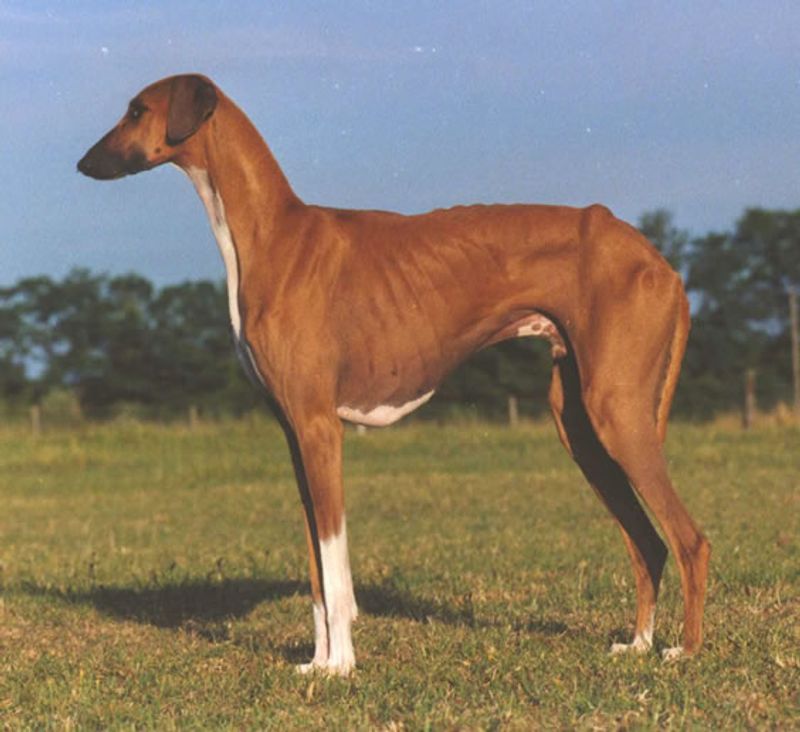
Azawakhs are hyper-attuned guardians who distrust chaotic spaces. Boarding crowds, echoing noise, and unfamiliar handlers can spike vigilance into exhaustion.
After pickup, people report glassy stares, restless pacing, and sudden reactivity to movement outside windows. Eating may be selective.
Expect a system that needs clear, calm signals to downshift.
Choose facilities with private suites, limited traffic, and handler continuity. Ask for quiet hours, dim lighting, and scent-based enrichment.
Provide your dog’s bed and a routine card. Reentry should be boring: predictable walks, settled naps, and short training for easy wins.
Reduce visual triggers near windows. With consistent calm, the Azawakh’s elegance and self-possession reemerge.
Sloughi
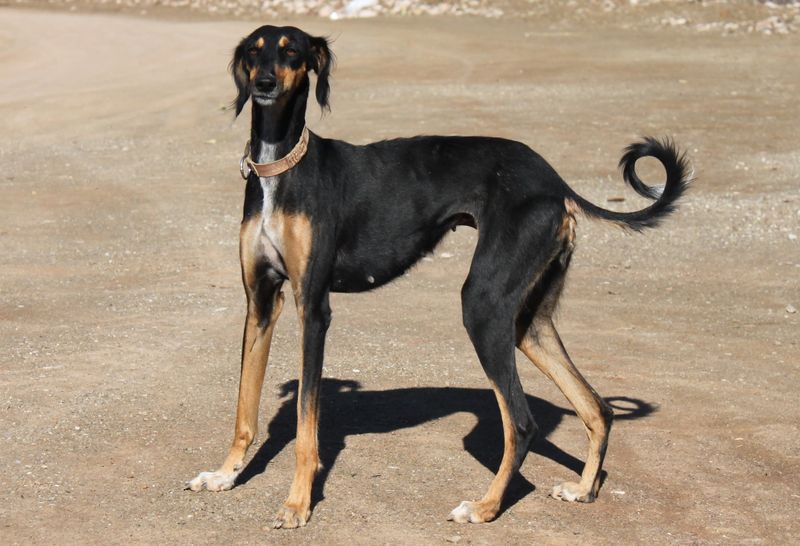
Sloughis can be reserved, reading environments with quiet intensity. Kennels flood them with movement and clangs that keep arousal high.
After boarding, owners describe cautious approaches, careful chewing, and scanning during walks. Some dogs retreat to isolated corners, then follow you room to room.
Think sensory fatigue needing low-input recovery.
Seek care with small numbers, quiet suites, and staff trained in subtle body language. Provide a soft bed, familiar scents, and your normal diet.
At home, set up a calm corner, add sniffy enrichment, and keep greetings understated. Track tiny improvements: deeper sighs, longer naps, softer eyes.
Within days of predictability, most Sloughis loosen and reengage.
Taigan
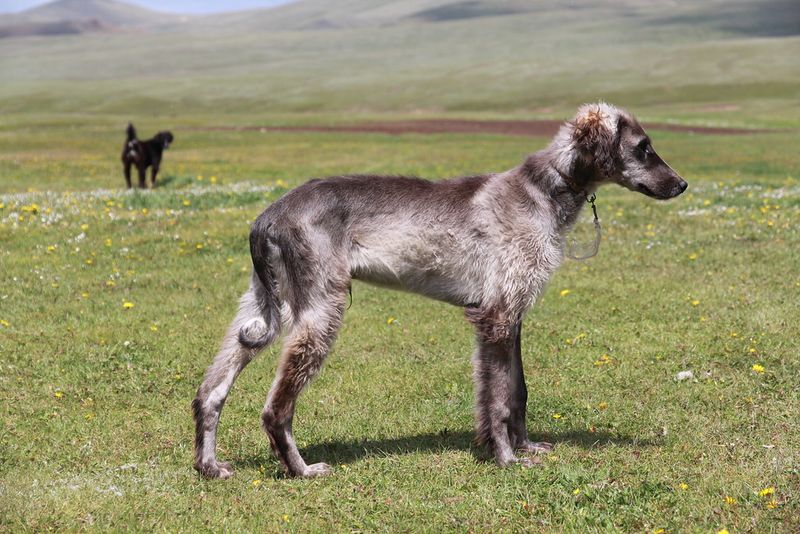
Taigans, rare and thoughtful, can be rattled by high-arousal kennels. The relentless novelty taxes their watchful nature.
After boarding, owners report unsettled sleep, heightened startle, and clingy following. Some Taigans seem aloof, then suddenly demand proximity.
It is a pendulum swinging back toward safety.
Find low-density care with handler consistency, soft surfaces, and quiet enrichment. Outline a routine that mirrors home: meal timing, potty schedule, and rest blocks.
Pack familiar bedding and chews. On return, focus on calm: slow walks, predictable cues, early bedtime.
Avoid crowded spaces for several days. With gentle structure, the Taigan steadies and their thoughtful calm returns.