You have probably seen the hot takes claiming clicker training is useless, especially for certain stubborn or independent breeds. The truth is more nuanced, and your dog deserves better than one size fits all advice.
Let’s look at the breeds most often named in those viral threads and unpack what might really be happening. With the right expectations and tweaks, you can turn frustration into real progress.
Shiba Inu
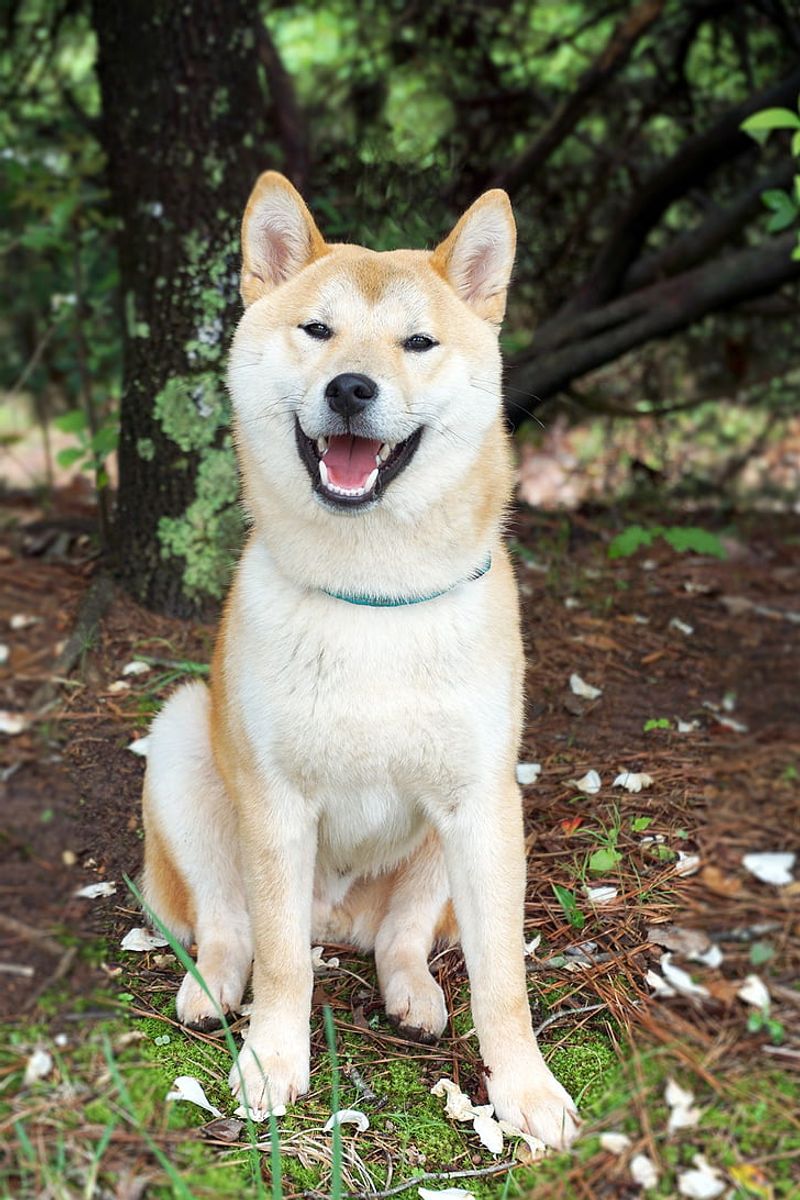
Shibas are famously independent, so clicks can feel irrelevant unless timing and rewards are perfect. Start in a low-distraction space, use truly compelling food or play, and keep sessions brief.
If the dog disengages, lower criteria immediately and capture calm, easy wins.
Many owners rush shaping steps or click too late, which teaches nothing. Try a quieter marker or a soft tongue click if the standard clicker spooks your dog.
Pair the marker with jackpots for tiny tries.
Build value for engagement first: head turns, eye contact, following your hand. Rotate reinforcers to prevent boredom.
With patience and micro-criteria, Shibas learn fast while still feeling in control.
Basenji
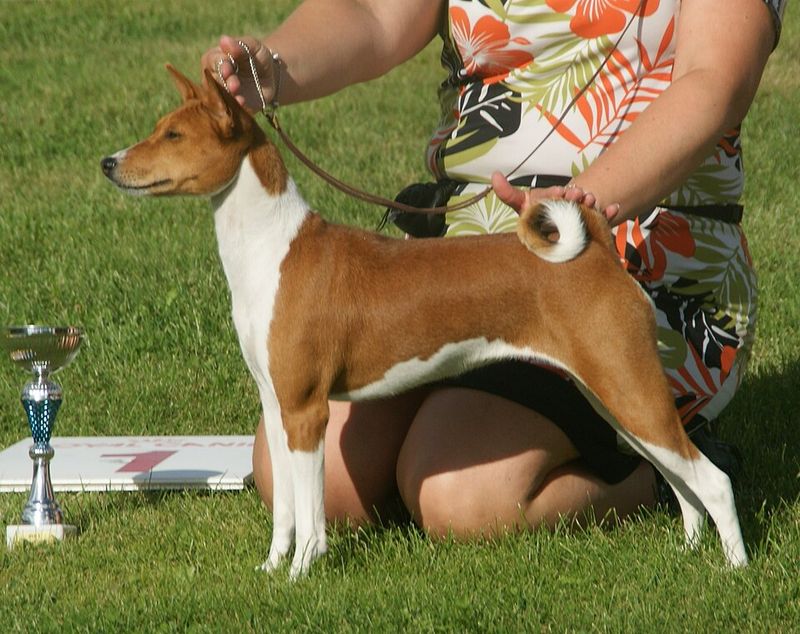
Basenjis are sight and scent driven, so the environment can outbid any cookie. Use a long line, begin far from excitement, and let sniffing become a reward you release to.
Click tiny orienting behaviors before asking for full tasks.
Markers matter: some Basenjis prefer a softer click or a verbal marker. Keep sessions swift, playful, and novel.
Mix chase games with obedience to satisfy their hunting brain.
When frustration bubbles, split the behavior smaller and move locations. Reinforcement variety is crucial: tug, sprinting, and sniff breaks beat dry treats.
Respect their autonomy and you will see reliable responses grow.
Chow Chow
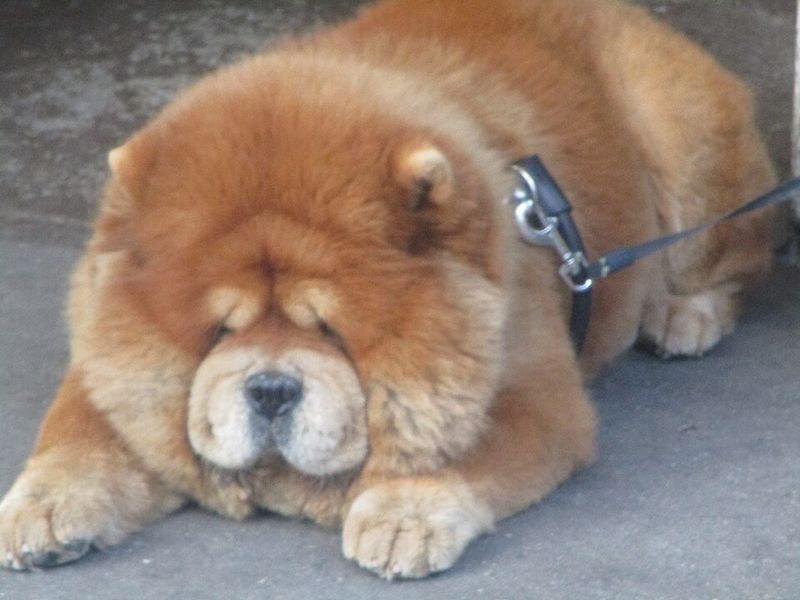
Chows value calm routine and choice. Loud clicks or frantic drills can shut them down.
Use a quiet marker, softer treats delivery, and mat training to create predictability. Reinforce stillness and gentle engagement first, then build behaviors with short, clear steps.
Guarding tendencies need proactive management. Click for turning away from triggers and relaxed body language.
Avoid luring too much or you may lose consent.
Let your Chow opt in. Offer breaks and massage or brushing as rewards if they enjoy it.
Consistency and respectful pacing make clicker work feel safe rather than pushy, turning skepticism into steady cooperation.
Shar Pei
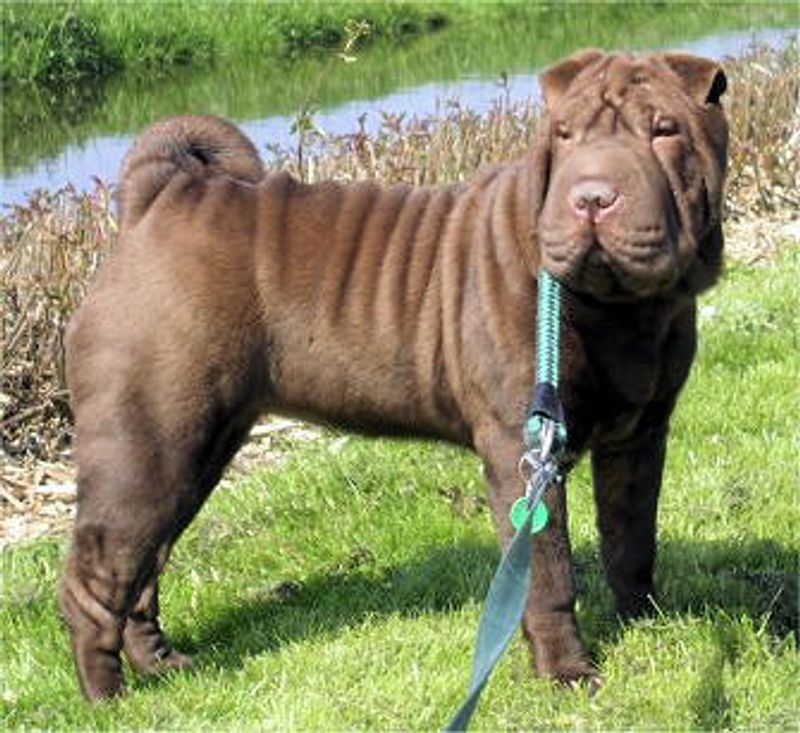
Shar Pei dogs can be sensitive to pressure and novelty. Introduce the clicker gradually and test a softer verbal marker.
Teach targeting and simple hand touches to build trust. Reward relaxation signals and voluntary engagement, not just obedience.
Eye and skin sensitivities mean comfort first. Keep equipment minimal and sessions short.
Reinforce cooperative care like handling paws and cleaning folds, one tiny step at a time.
If they freeze, criteria are too high. Reset, split the step, and mark for micro-movements.
Food variety, sniff breaks, and quiet praise keep motivation steady. Over time, clear markers predict safety and choice, unlocking reliable behavior.
Akita
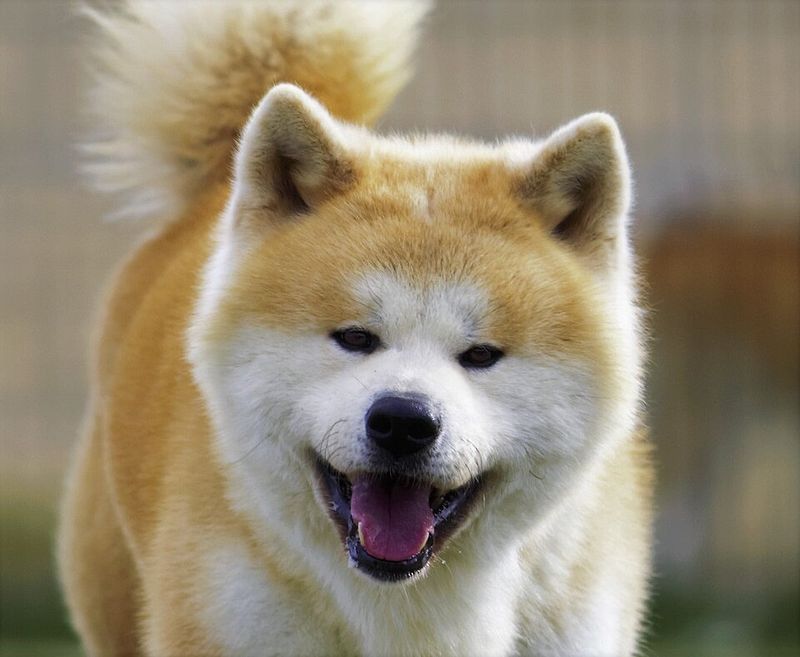
Akitas are loyal yet independent. Compete with the environment by paying heavily for check-ins and calm neutrality.
Clicker work should prioritize impulse control near triggers, starting at generous distances. Keep requests clear, single-step, and meaningful.
Use meaty, high-value rewards and intersperse them with life rewards like continuing the walk. Train neutrality around dogs and movement, marking relaxed glances away.
Sessions should feel like collaborative missions, not drills. Short, strategic reps prevent pushback.
With predictable criteria and generous reinforcement, Akitas respond with dignified reliability without constant repetition.
Finnish Spitz
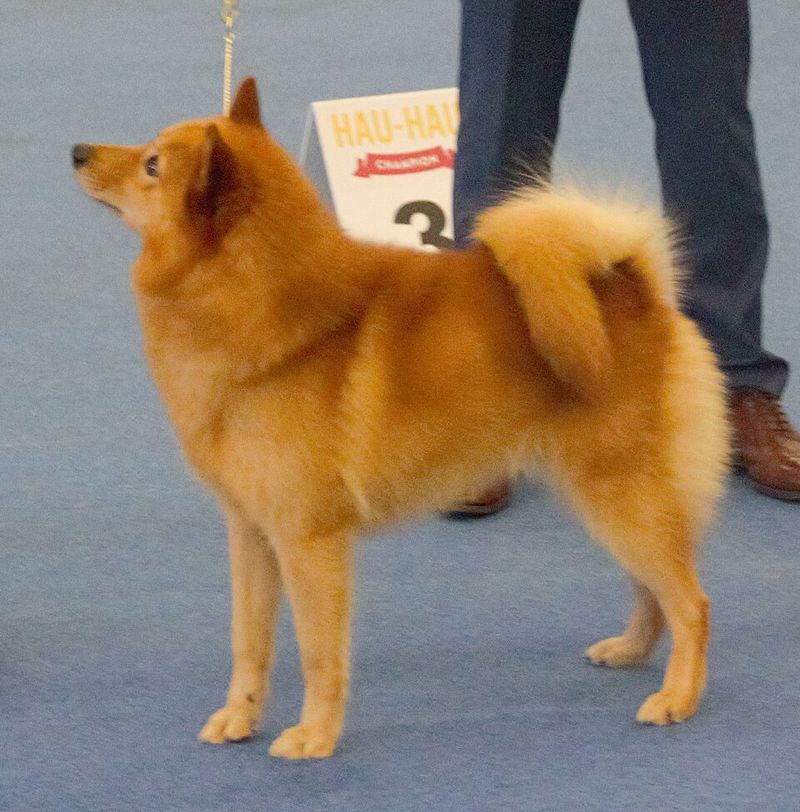
Finnish Spitz excel with variety and vocal outlet. Use clicker games that reward brief silence and eye contact between natural alerts.
Build recall by clicking tiny orientation shifts before a full return, then release to controlled sniffing.
Rotate reinforcers: squeaky toy, tug, chasing a flirt pole, and soft treats. Keep reps playful and short.
If arousal spikes, switch to calm pattern games and mat settles.
Expect streaks of independence. Lower criteria, shift environments, and celebrate small wins.
With upbeat pacing and clear markers, you will transform their curiosity into reliable cues without dampening their spirit.
Norwegian Elkhound
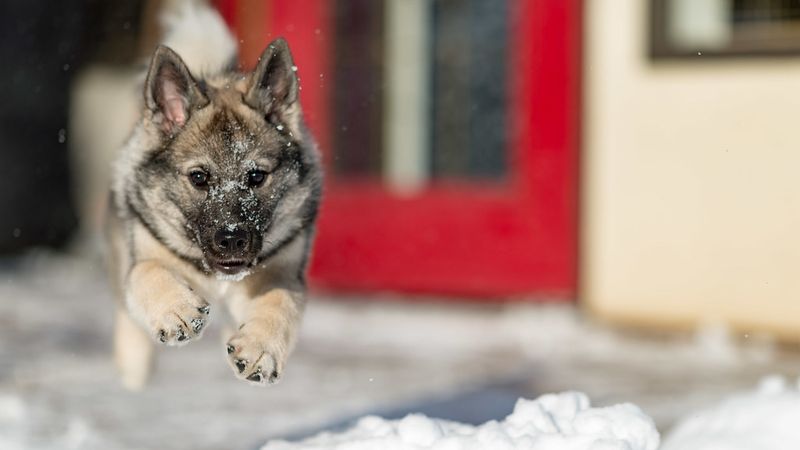
Elkhounds track and scan, so teach them that checking back pays. Click for head turns and slack in the leash, gradually increasing duration.
Use a long line early and reward with forward movement to satisfy their explorer mindset.
Sniff breaks are currency. Pair food with environmental access and you will see faster buy-in.
Avoid repetitive heel drills that ignore their instincts.
Cue clarity matters. One cue, one behavior, then reset.
If distractions win, back up distance and criteria. Over time, the marker predicts choices that keep freedom flowing, making cooperation the smartest path.
Keeshond
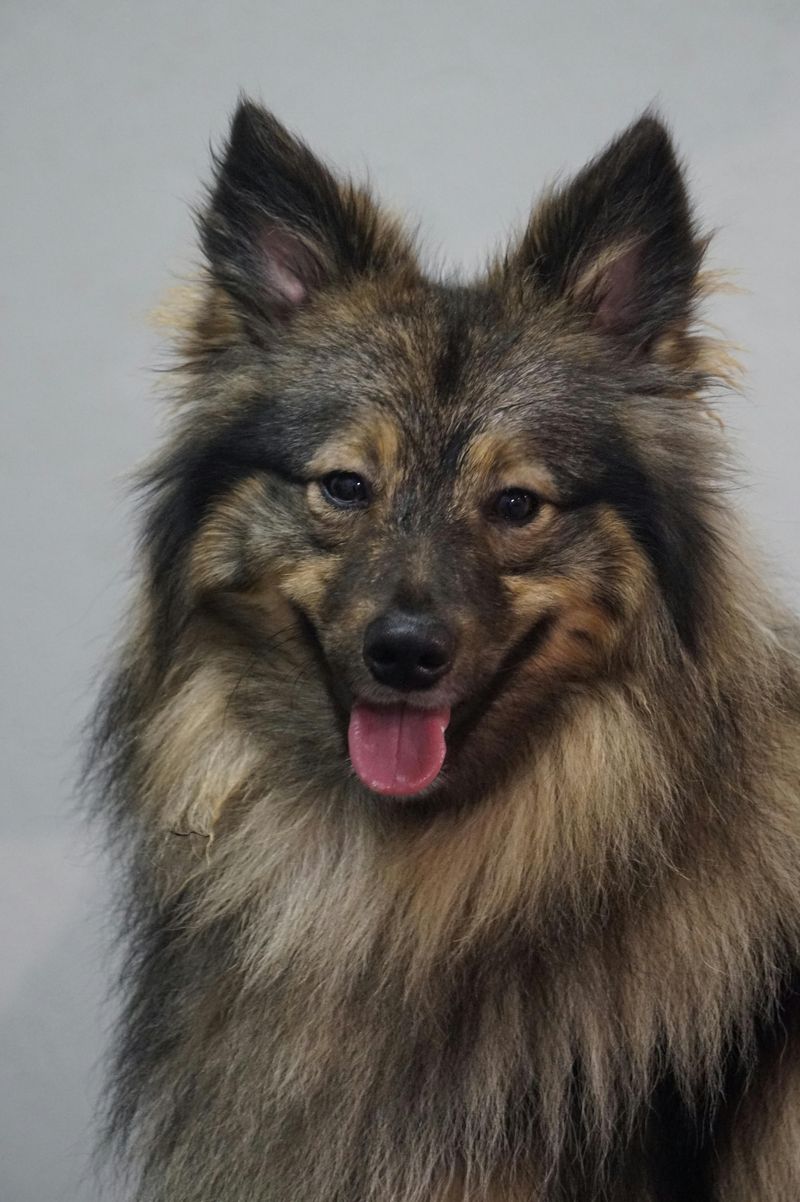
Keeshonden are social, food motivated, and quick to pattern. Use that to your advantage with trick chains and mat games.
Click frequently for offered behaviors, then raise criteria slowly for duration and precision.
Watch arousal; excitement can tip into scatter. Insert calm reinforcement like slow feeding, chin rests, and brief pauses.
Keep sessions playful but focused.
Generalize to new rooms and quiet sidewalks before big outings. Sprinkle life rewards like greeting friends after calm sits.
The click becomes a promise that effort pays, turning their enthusiasm into polished manners.
American Eskimo Dog
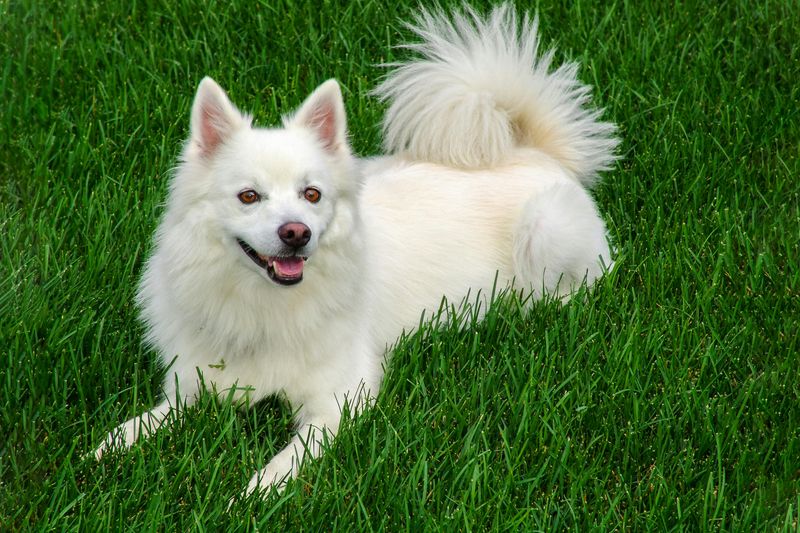
American Eskimo Dogs thrive on novelty and clarity. Clicker training shines when cues are clean and criteria are bite-sized.
Start with offered sits, touches, and spins to build momentum, then shift to leash manners and impulse control.
These dogs can get vocal. Reinforce quiet moments and calm eye contact before delivering the next cue.
Use variable rewards, mixing treats with tug or jumping onto a platform.
Prevent frustration by pre-planning three tiny steps for each skill. If you see sticky spots, split again and keep wins frequent.
Soon the click means progress, not pressure, fueling rapid, reliable learning.
Icelandic Sheepdog
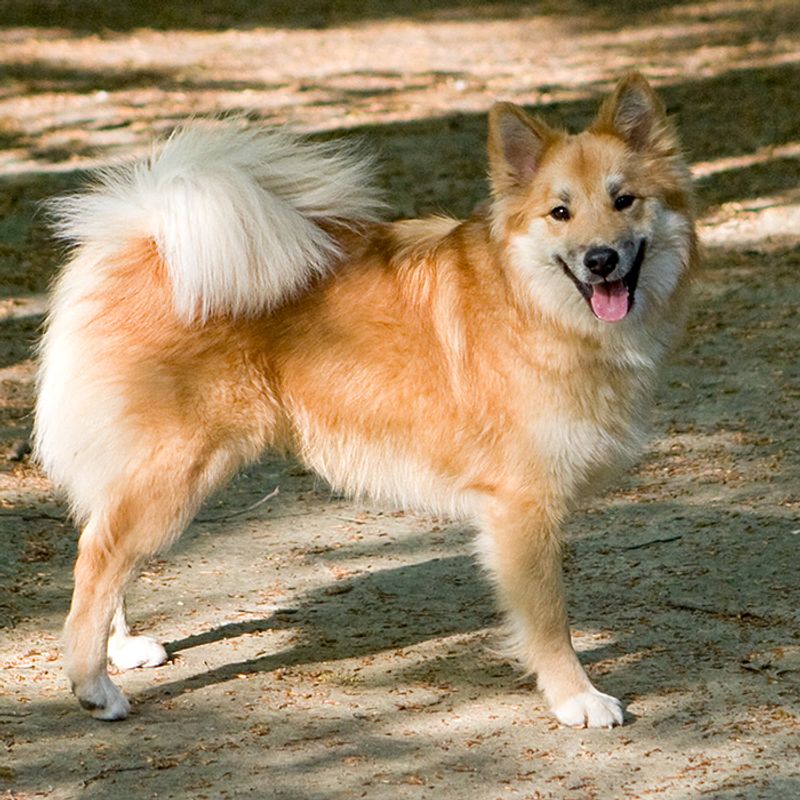
Icelandic Sheepdogs love motion, so design sessions that channel that drive. Click for pauses between movement, like a brief sit before chasing a toy.
Use platforms and cones to create visual stations and build stop-go control.
Reinforcement can be motion itself. Release to fetch or a short sprint after calm focus.
Keep drills short and upbeat to avoid over-arousal.
Generalize near mild livestock or bikes at distance, paying for disengagement. If excitement spikes, step back and reward stillness.
With consistent markers and thoughtful outlets, their joy becomes structured cooperation.
Swedish Vallhund
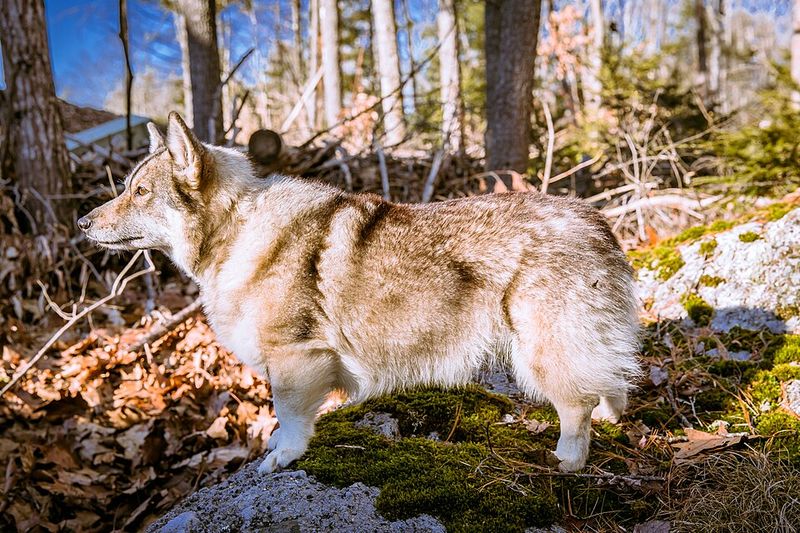
Vallhunds are thinkers with stamina. Build engagement with rapid-fire reinforcement for eye contact and position.
Use pattern games like one-step heel, click, feed, then release to sniff, repeating in short bursts.
They can be vocal or nippy when bored. Offer tug on cue and reinforce calm mouths.
Rotate tricks to keep their brain busy without flooding.
Raise criteria slowly and celebrate accuracy. If they forge, reset to one step and rebuild.
The click clarifies success, turning their drive into tidy, joyful obedience.
Finnish Lapphund
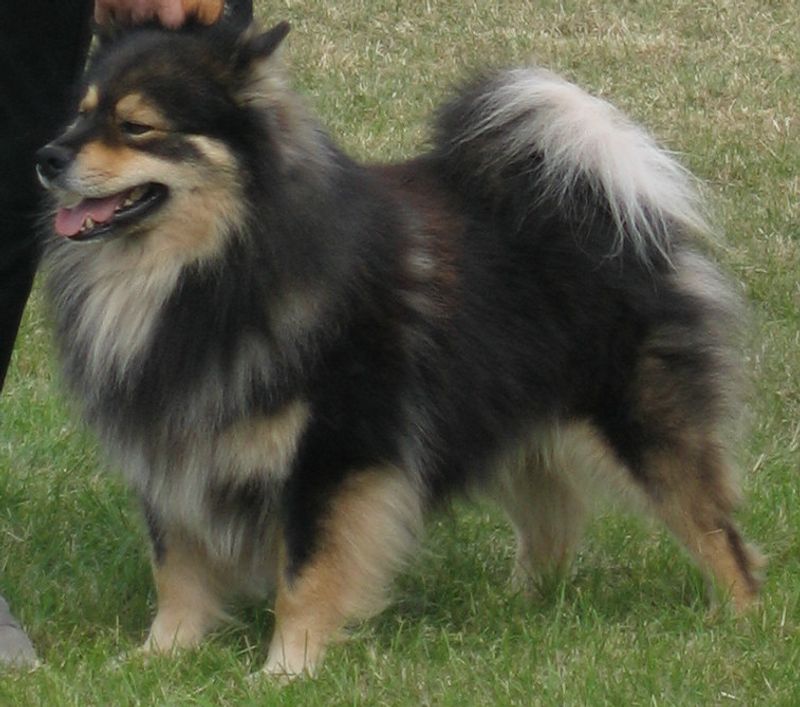
Finnish Lapphunds are biddable but sensitive to tone. Gentle markers and calm delivery help them stay confident.
Build duration on a mat with tiny increments and frequent releases, then take the behavior to slightly busier places.
They value social reinforcement. Pair food with soft praise and touch if the dog enjoys it.
Avoid harsh voice or rushed criteria that can erode trust.
Teach cooperative care and husbandry early. Click for consent cues like chin rests and stillness.
With steady, kind structure, their natural willingness blossoms into reliability in real life.
Lapponian Herder
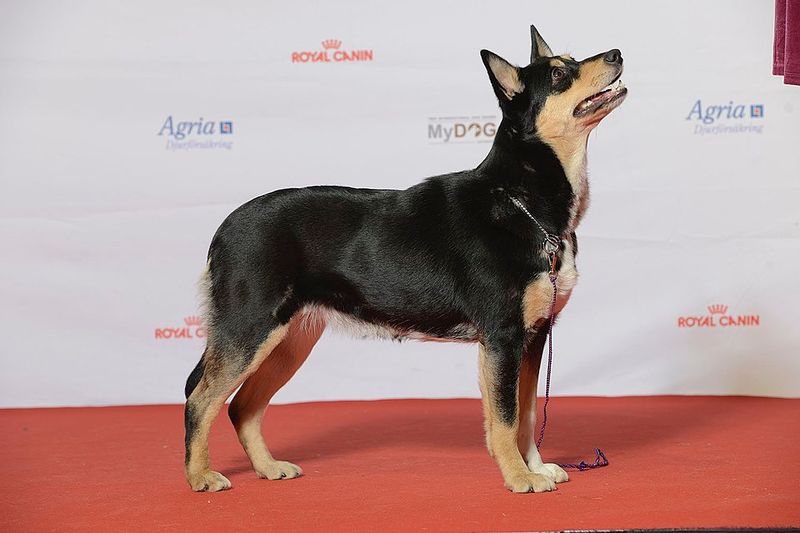
Lapponian Herders excel with jobs. Use the clicker to mark precise positions, then pay with work-like games: tug, herding-style circles, or scent tasks.
Keep criteria crystal clear and sessions structured to challenge their brain.
If they anticipate, randomize patterns and add brief stillness. Reinforce disengaging from motion and reorienting to you.
Long lines help safeguard success outdoors.
Reward problem solving. Shaping complex chains prevents boredom.
When frustration appears, split the step and rotate reinforcers. Soon the click becomes a green light for effort and accuracy.
Norwegian Buhund
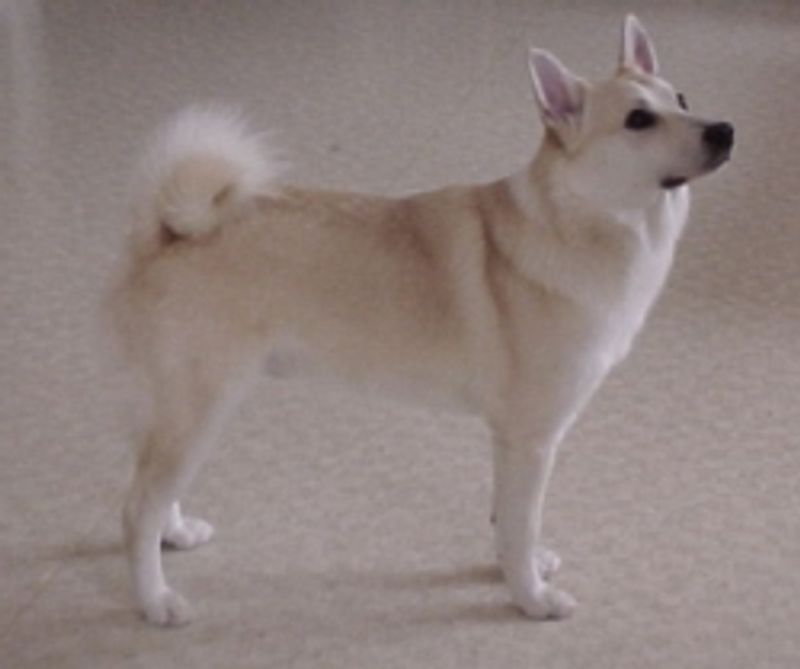
Buhunds are energetic herders who love patterns and purpose. Teach platform pivots and stationing so movement has rules.
Click often for offered focus, then build duration and distraction resistance in micro-steps.
Use mixed rewards: food, tug, and permission to trot ahead. Vocal dogs benefit from reinforcing brief quiet before cues.
Keep drills snappy and fun to prevent restlessness.
If they scatter, reduce distance from you and increase reinforcement rate. Success snowballs when criteria are obvious and rewards are meaningful.
Soon everyday cues feel like fast, fair games you both enjoy.