
You have probably heard the whisper: he only bites family. Those words feel both comforting and terrifying, especially when a familiar dog suddenly draws blood from the people it trusts most.
We dug through confessions, trainer notes, and vet insights to uncover patterns behind the most frequently mentioned breeds. Keep reading to learn what might be fueling those nips at home and how to turn tense moments into calm, safe routines.
Cocker Spaniel

Cocker Spaniels can be heartbreakingly sweet until stress stacks up at home. Many owners report resource guarding around couches, laps, and food bowls, especially when petting turns from soothing to overstimulating.
Ear infections and grooming discomfort often go unnoticed, and pain can lower a dog’s bite threshold quickly.
If you hear he only bites family, it may be because familiar people push the dog past subtle warnings. Watch for lip licks, stillness, head turns, and tucked paws.
Create consent routines for touch, and pair grooming with high value treats.
Use gates to manage space during mealtimes and rest. Short, upbeat training with cooperative handling helps.
A vet check and a force free trainer are game changers.
Jack Russell Terrier

Jack Russell Terriers pack rocket fuel into a compact body. That drive, when under satisfied, can ricochet into snappy moments with household members.
Owners often report incidents during restraint, nail trims, or when interrupting high arousal play.
His only bites family rings true when outsiders do not push the same buttons. Build daily outlets: scent games, structured tug with clear start and stop cues, and controlled fetch.
Teach a rock solid drop and stationing on a mat to reset arousal.
Interrupt with recalls before the energy spikes. Reinforce calm handling with treats and break tasks into micro steps.
Predictability reduces frustration, and a puzzle feeder can be the difference between nippy and nice.
Miniature Schnauzer

Miniature Schnauzers are vigilant little sentinels, and that watchfulness can turn inward at home. Many bites happen during grooming, collar grabs, or when lifting the dog from furniture.
Their wiry coat needs maintenance, so cooperative care becomes essential.
Teach a chin rest and pause cue so your dog can say yes to handling. Pair clippers and brushes with steady, generous rewards.
If he only bites family, it may reflect boundary testing where he feels safest and most practiced at stopping you.
Use predictable routines, approach from the side, and avoid looming. Add sniff walks and training games to bleed off mental pressure.
Consistency plus kind structure lowers the risk dramatically.
Dachshund
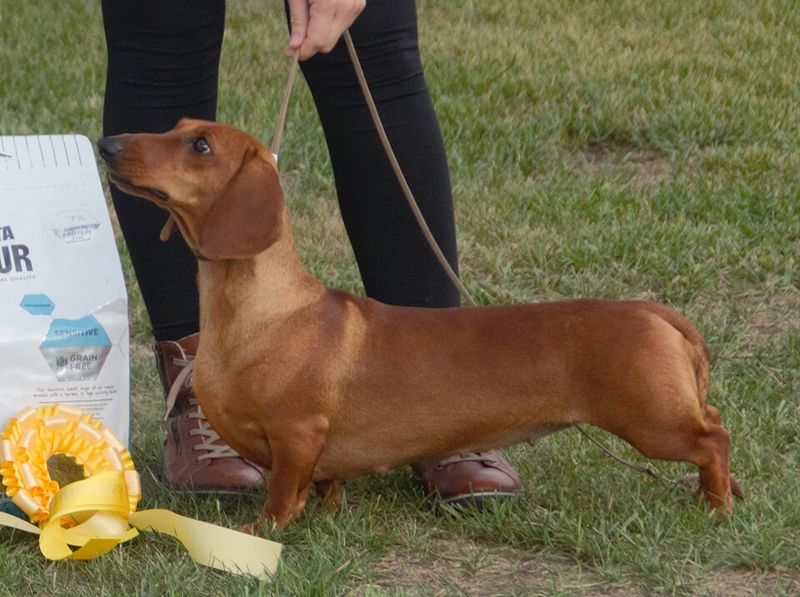
Dachshunds are courageous hunters in small packages, and back sensitivity is a recurring issue. Bites at home often follow being picked up abruptly, blocked from furniture, or startled during rest.
Pain from intervertebral disc disease can quietly lower tolerance.
Make stairs, ramps, and no jump rules your friends. If he only bites family, it might be because loved ones handle him most and accidentally push past warnings.
Teach a hop off cue with treats and invite rather than lift.
Schedule vet checks for any movement hesitation. Use calm sessions to build touch tolerance around ribs and paws.
Respect nap zones, and reinforce gentle disengagement. Small body, giant feelings, manageable with empathy and structure.
Chihuahua
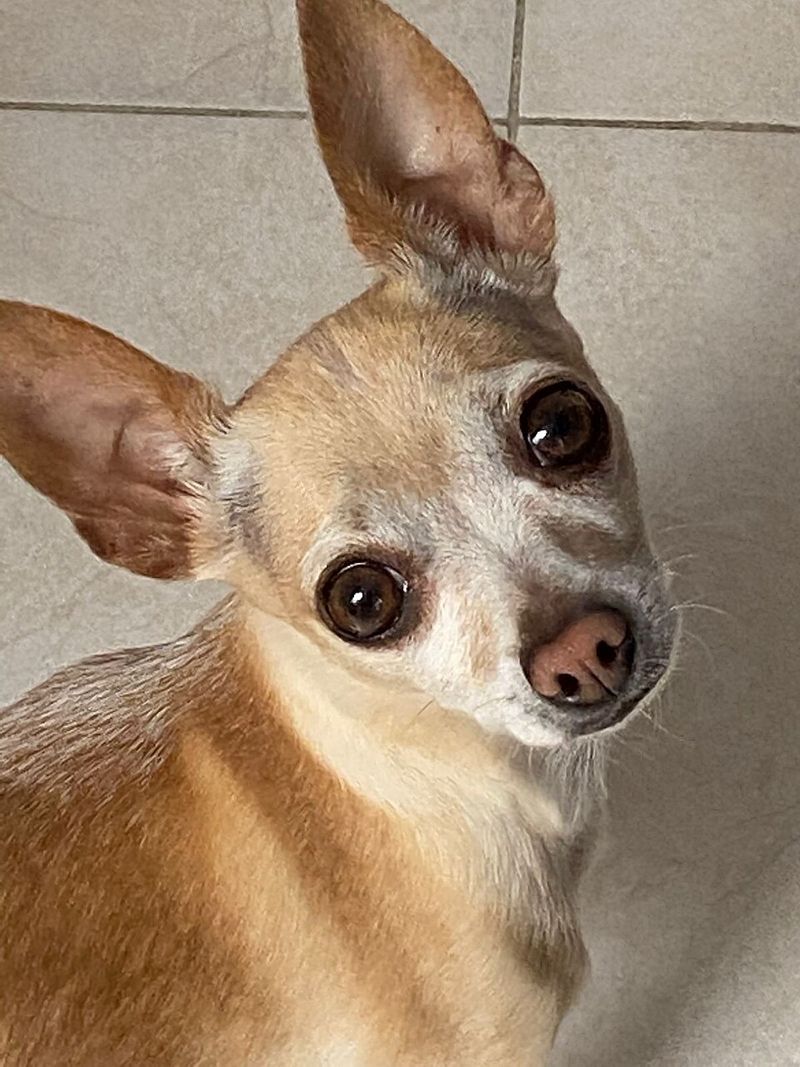
Chihuahuas are tiny, but their boundaries are not. Many nips happen when someone leans in for kisses, scoops them up, or disturbs a cozy nest.
Fear and defensive behavior get mislabeled as attitude, especially around strangers at home.
Respect personal space and teach a pick up cue. Invite onto laps rather than reaching, and reward calm approaches.
He only bites family sometimes means only family ignores the signals because love feels urgent.
Use soft body language, blink, and turn slightly to reduce pressure. Create a safe zone bed that is untouchable.
Practice hand targeting, then follow with treats for touch. Clarity builds trust, and trust softens teeth.
Shiba Inu
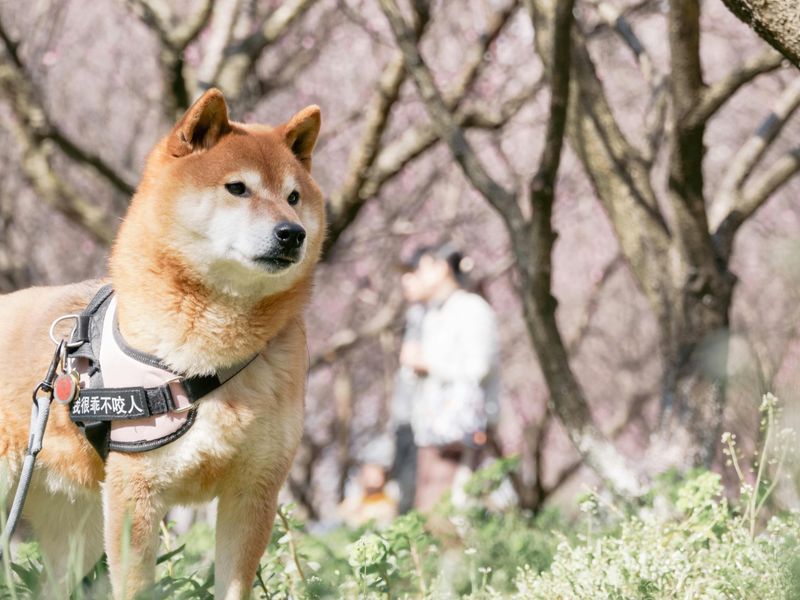
Shiba Inus value autonomy and will defend it. Many incidents occur during harnessing, nail trims, or being cornered for cuddles they did not request.
They are expert communicators with stillness and side eye before escalation.
Teach cooperative care with start and stop signals. Use treats for every step of gear on and off.
If he only bites family, it is often because family keeps insisting while the dog keeps saying no.
Leverage choice: offer platforms, ask for consent behaviors, and reinforce compliance generously. De compress with sniff walks and quiet decompression zones.
Avoid forced retrieval from under tables. Respect earns reliability, and reliability reduces risk.
Border Collie
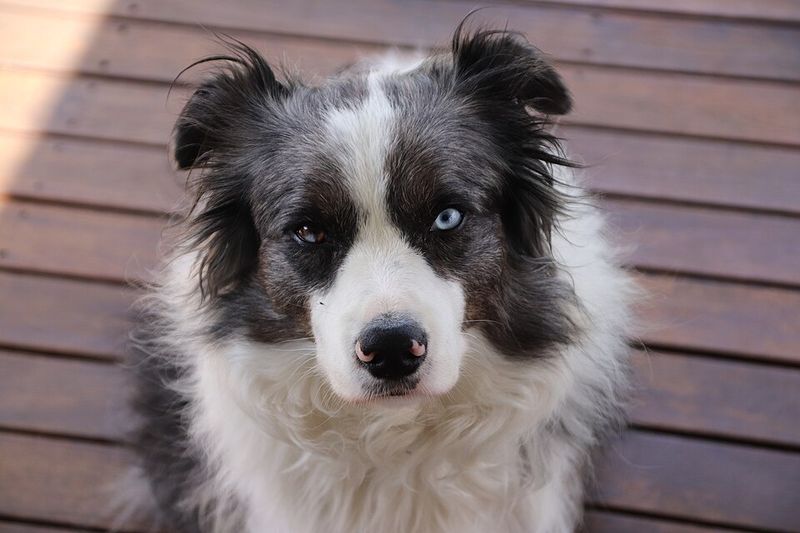
Border Collies are thinkers with a hair trigger for movement. Bites at home frequently follow redirected frustration when kids run, cats bolt, or someone interrupts obsessive toy staring.
Herding tendencies can morph into heel nips without outlets.
Schedule brain work daily: scatter feeding, scent puzzles, and clicker shaping. Teach an on your mat cue and reinforce calm while action happens.
If he only bites family, it is because family supplies the motion and the interruptions.
Prevent rehearsal by parking toys between sessions. Use long decompression walks and structured fetch with clear breaks.
Reinforce impulse control with leave it and drop cues. Make rest a trained behavior, not a wish.
Australian Shepherd
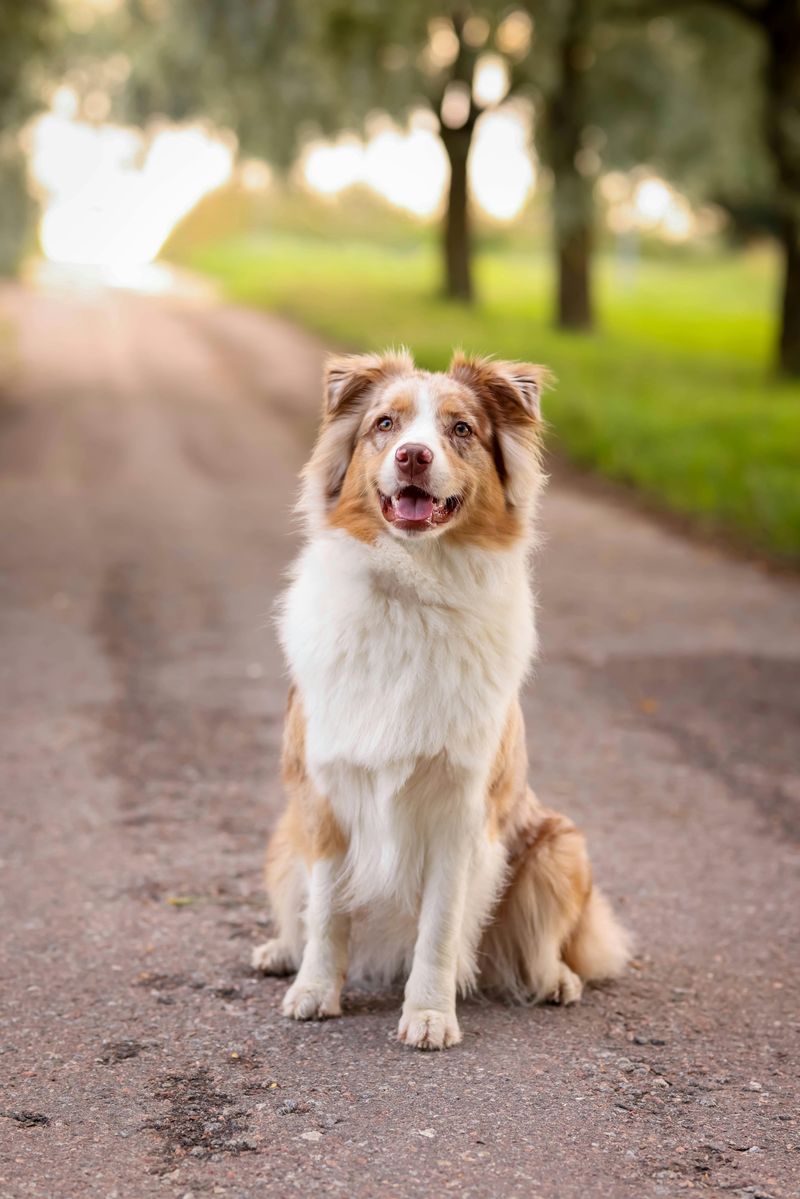
Australian Shepherds read environments like novels and react fast. Family bites often surface during high energy greetings, doorway chaos, or attempts to corral kids.
Overstimulation mixes with protectiveness, creating conflict near thresholds and furniture.
Install structure: leash on before guests, mat training by the door, and treat scatter to lower arousal. Teach a go behind cue to redirect herding urges away from ankles.
He only bites family can reflect practiced patterns that only happen at home.
Rotate jobs: scent work, trick training, and calm settle periods. Add predictable nap windows.
Reward quiet observation of movement instead of correcting late. Smart dogs thrive when expectations are crystal clear.
German Shepherd Dog
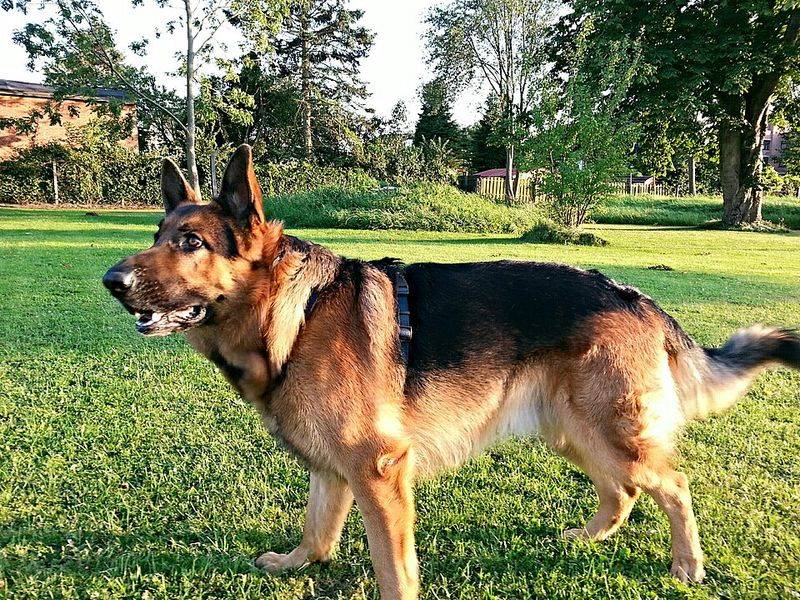
German Shepherd Dogs are loyal, sensitive, and body language literate. Bites at home often come from conflicting jobs: guard the house but also tolerate handling and chaos.
Startle responses can sharpen during adolescence when confidence wobbles.
Clarify roles with calm exposures and predictable routines. Teach place, muzzle conditioning, and a guided greeting protocol.
If he only bites family, it may reflect resource guarding of people or spaces that only family activates.
Meet needs first: long decompression walks, nose work, and satisfying chew sessions. Interrupt tension early using name game and recall to station.
Consistency, not force, builds reliability. Pain checks for hips and elbows should be routine.
Labrador Retriever

Labradors are social optimists, yet many family bites trace back to food, stolen items, or rough play that tips into arousal. Labs often mouthy as youngsters, and that habit can persist under stress.
Interrupting counter surfing or prying objects from jaws is a common incident trigger.
Trade, do not chase. Teach drop and leave it with tasty reinforcers.
Feed enrichment meals and use management like closed doors and tethers during cooking. He only bites family usually means family is near the fridge and the fun.
Set play rules: brief tug, quick wins, and automatic sit to restart. Reinforce calm greetings.
Keep vet checks for ear and joint discomfort current. Happy dogs still need boundaries.
Golden Retriever
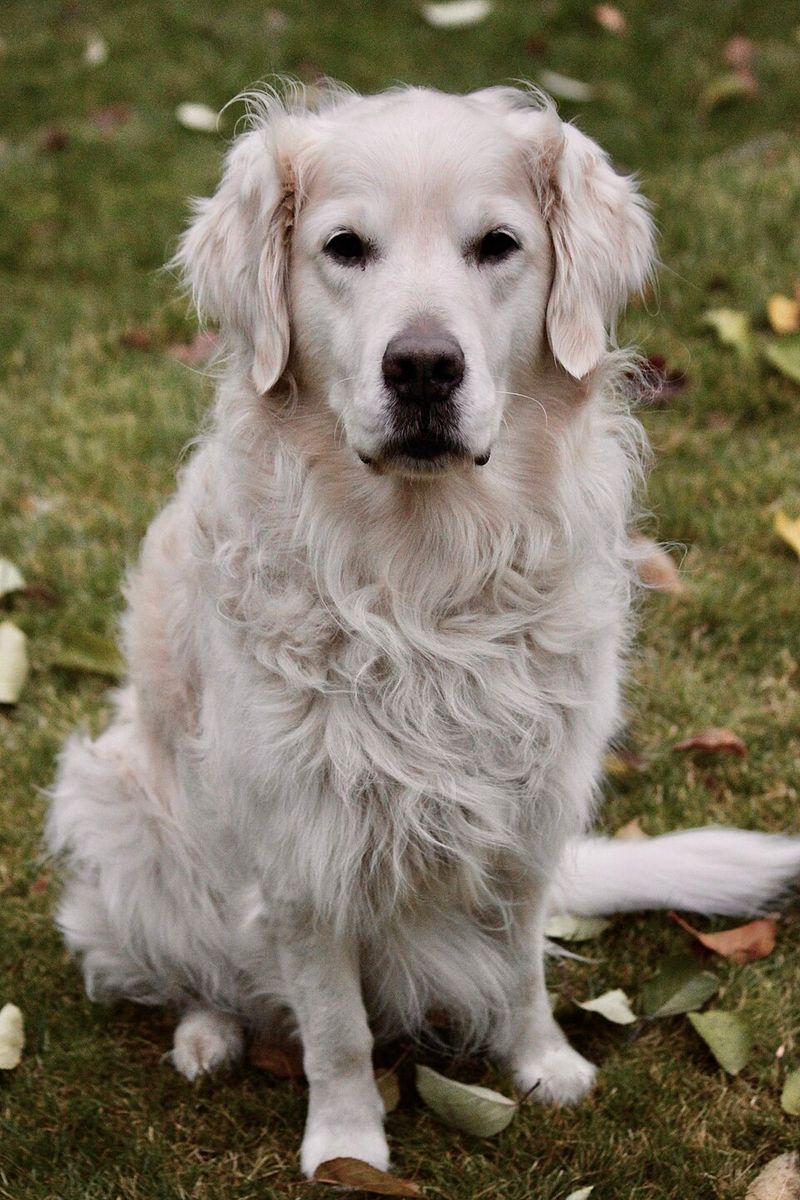
Golden Retrievers are famously gentle, but discomfort and overhandling can change the script. Family bites often involve grooming tangles, ear care, or kids hugging too tight.
Pain from skin issues or hips can quietly lower tolerance.
Teach consent cues and cooperative brushing. Reward stillness, then pause often.
He only bites family may happen because family touches most and does not catch subtle no signals. Watch for whale eye, yawns, or moving away.
Build structured rest and give a kid free zone. Use high value chews to pair with routine care.
Check for hotspots and ears regularly with treats. Kindness plus clarity keeps the golden glow.
Boxer

Boxers are clowns with jet engines. Family bites typically follow overexcited greetings, jumping, or frustration during restraint.
Their play style is full contact, and without rules, arousal boils over.
Install impulse control games: sit to say hi, hand targeting, and tug with clean start and finish. Use a house leash during guest arrivals to guide calmly to a mat.
If he only bites family, it is because family cues the biggest emotional spikes.
Provide daily cardio plus sniffy decompression. Break play into sprints with recovery.
Reinforce four on the floor and quiet eye contact. Humor is wonderful, but structure keeps teeth out of trouble.
French Bulldog

French Bulldogs are affectionate comedians, yet breathing and skin issues can make them prickly. Family bites often occur when removing objects from the mouth, wiping faces, or cleaning folds.
Discomfort and frustration stack quickly in humid rooms.
Teach swaps for treasures and reinforce cooperative muzzle or chin rest. Keep sessions short and cool, with frequent breaks.
If he only bites family, it might be because only family performs the unfun hygiene tasks.
Use lick mats during cleaning, and condition harness on and off with treats. Schedule vet checks for airway and skin care.
Gentle handling plus predictable trades turn drama into teamwork.