
If your once-chill dog turned chaotic when a second pup moved in, you are not alone. Social feeds are bursting with stories of perfect first dogs who unraveled once the roommate arrived.
It is messy, emotional, and surprisingly fixable when you know what patterns to watch. Here are the 13 breeds people mention most, with honest context to help you navigate the two dog learning curve.
French Bulldog
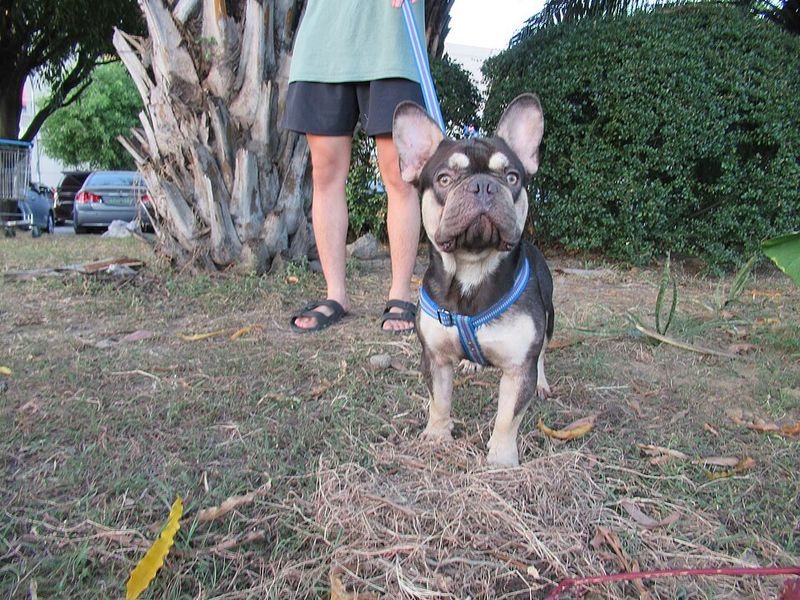
When a second dog shows up, Frenchies often double down on people time and get salty about sharing. You might notice clinginess, toy hoarding, and loud protests that sound dramatic but signal insecurity.
Keep greetings low key, gate off cool-down zones, and reinforce calm with frequent tiny rewards.
Short snouts mean low exercise tolerance, so over-arousal snowballs fast indoors. Rotate attention fairly, but sprinkle surprise solo micro-sessions to prevent rivalry patterns.
Structured parallel walks and sniff breaks build truce energy without forced play.
Manage resources like food, beds, and laps to stop spats before they start. Teach a go-to-mat cue for both dogs.
You will see harmony grow as predictability and rest increase.
Dachshund
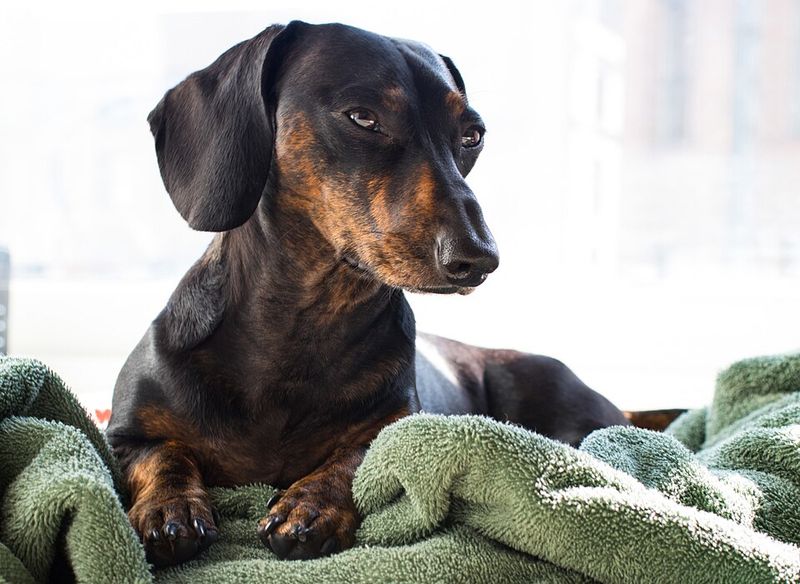
Dachshunds can become treasure keepers when a second dog arrives. Expect under-the-blanket guarding, dramatic vocals, and selective hearing.
Respect their need for cozy dens by giving multiple covered rest spots and teaching a calm trade routine.
Short legs do not reduce big opinions. Use scatter feeding and nose work to redirect intensity away from each other.
Parallel decompression walks help lower suspicion without pressure to interact.
Keep toys high value but controlled, and feed far apart. Reinforce coming off furniture on cue so access is not a flashpoint.
With fair rules and predictable routines, the spicy sausage dog learns the new roommate is not a thief.
Chihuahua
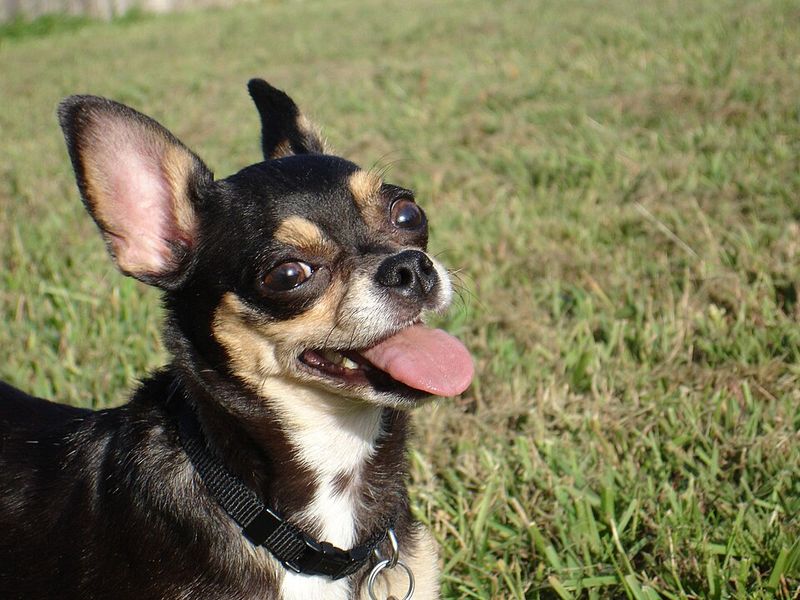
Chihuahuas often feel huge feelings in tiny bodies when another dog arrives. Look for perch guarding, shivering from stress, and explosive bark-then-retreat ambushes.
Build safety with elevated rest spots and calm rituals that do not involve scooping every time they squeak.
Reward curiosity at a distance, not forced cuddles. Use scent swapping and side-by-side sniffaris to reduce social pressure.
Keep human laps neutral ground so attention does not trigger turf drama.
Meals and chews should be separated by doors or pens. Teach a settle cue on a plush mat and pay generously for quiet watching.
Confidence grows fast when the little one controls space and gets predictable choices.
Border Collie
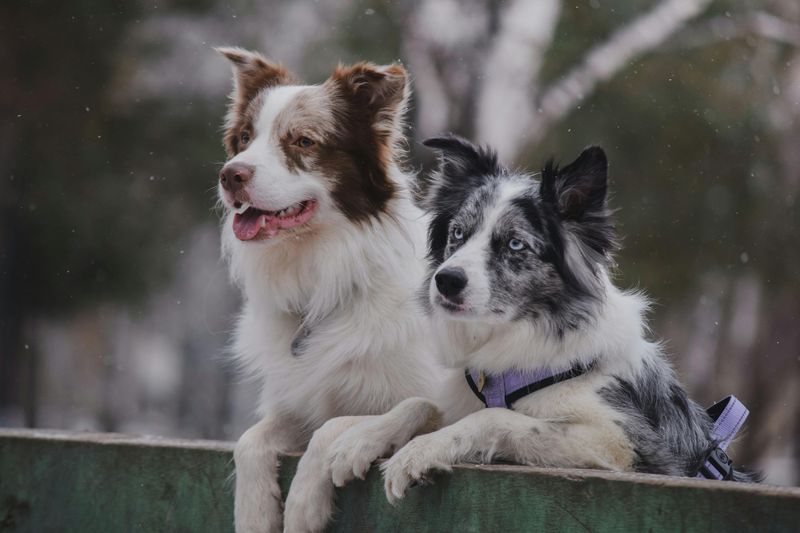
Border Collies may try to manage the new dog like livestock. You will see stalking, eye, and slice moves that stress housemates.
Channel that brain with pattern games, search tasks, and decompression walks on long lines.
Avoid endless fetch duels that spike arousal and spark nips. Build independent reinforcement so each dog earns without competing.
Alternate solo training days to prevent codependency.
Teach a station cue with visual boundaries, like cots. Reinforce looking away from the other dog and relaxing hips down.
When the manager has a job that is not policing, everyone breathes easier and play becomes fair.
Australian Shepherd
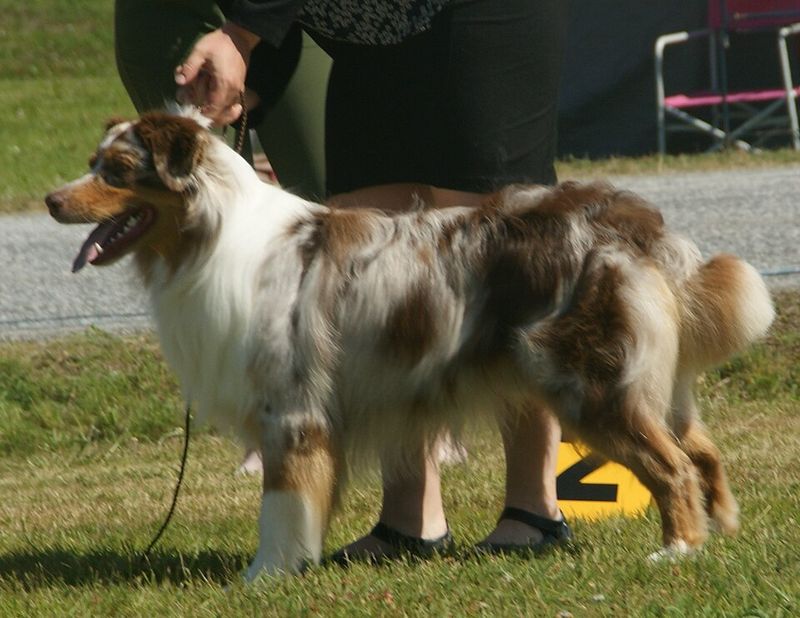
With a second dog, Aussies may become hyper hall monitors. The push-pull of motion can ignite chase, bark spirals, and rude body checks.
Use gates, lines, and pattern games to throttle arousal and reward disengagement.
Independent decompression is your secret weapon. Schedule solo hikes and puzzle time apart to avoid a chaos feedback loop.
Practice two-dog recalls with separate releases so success does not mean collision.
Resource control matters: rotate toys, split training, and rehearse calm door routines. Teach a move to place cue for doorbells and deliveries.
When structure meets enrichment, the shepherd brain stops supervising and starts collaborating.
Golden Retriever
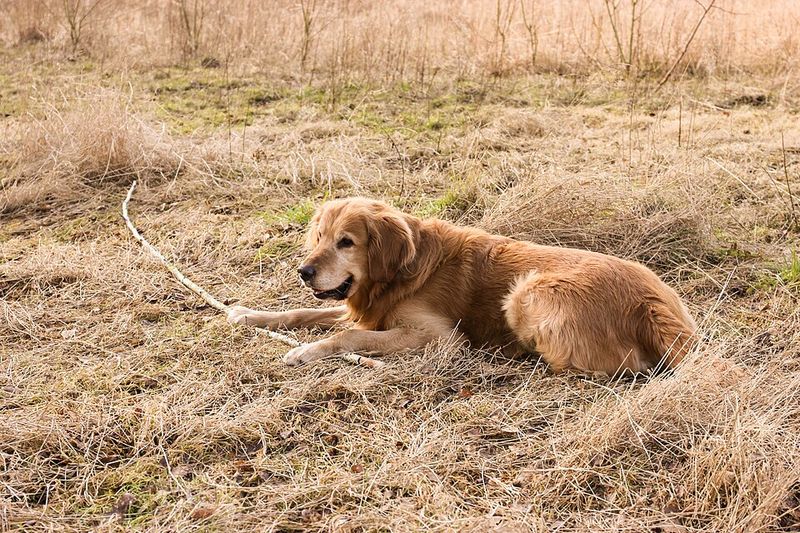
Goldens usually welcome a roommate, but over-friendly greetings can swamp shyer dogs. Expect door zoomies, toy parades, and cheerful body slams.
Shape calmer intros, reinforce sit to say hi, and keep leashes on for the first minutes after reunions.
They can get jealous when affection flows unevenly. Use name games to deliver turns fairly, and create predictable cuddle windows.
Food and chews should be managed to prevent accidental theft.
Daily sniff walks and retrieve sessions done separately reduce rivalry and refill patience. Teach both dogs to relax on mats while you cook or watch TV.
The golden glue works best when routine and rest outrun the party vibes.
Labrador Retriever
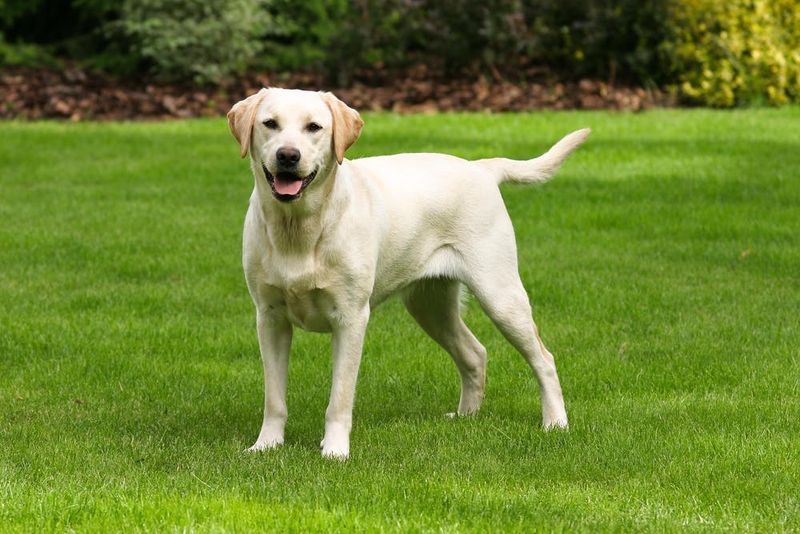
Labs often amplify fun when a second dog arrives. The risk is fun turning into chaos, with collisions, mouthy play, and resource mix-ups.
Set fetch rules, limit simultaneous retrieves, and separate high value chews.
Teach impulse control through start-stop games and releases to sniff. Parallel swims or walks tire bodies without spiking rivalry.
Rotate training one-on-one so each dog learns to listen without the other present.
Doorways and kitchens need traffic plans. Ask for sits before passing, and park dogs on separate mats during meal prep.
Balance predictable exercise with real downtime, and the duo becomes cheerful, not rowdy.
German Shepherd Dog
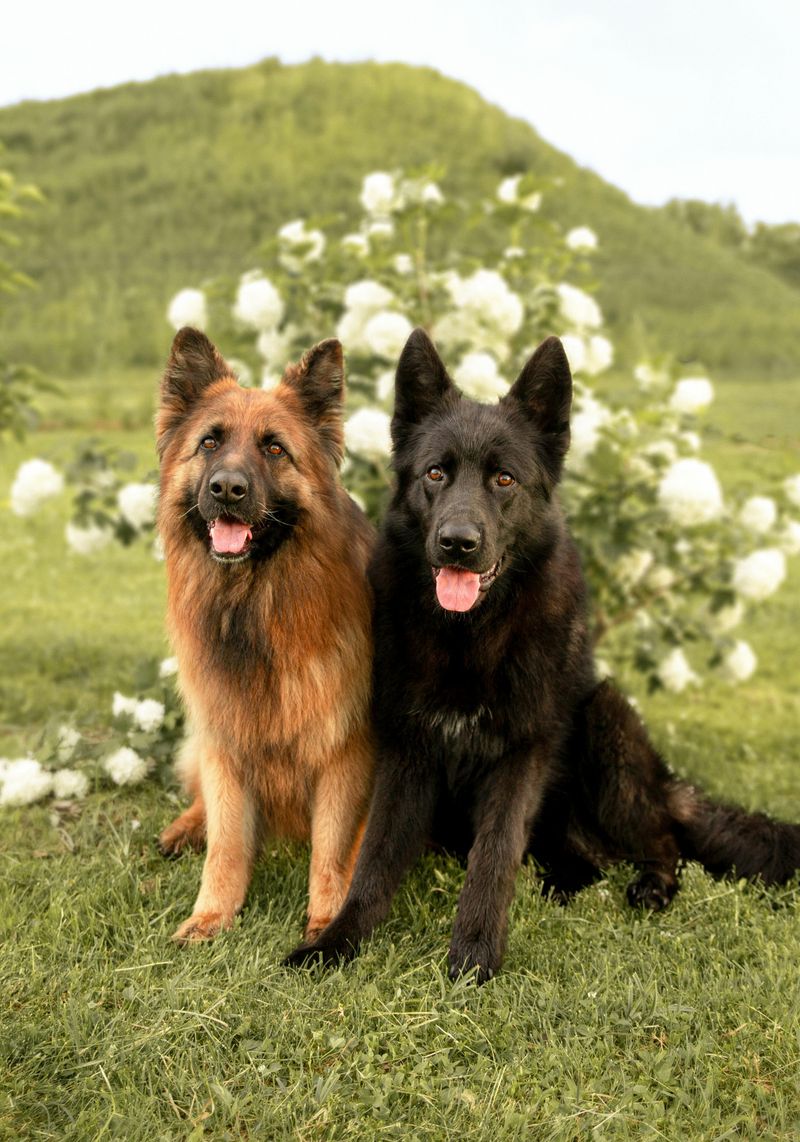
GSDs may take on security detail when a second dog enters. Watch for doorway blocking, posturing, and over-ownership of humans.
Lower neighborhood sentinel duties with privacy film and quiet routines around windows.
Teach fluent place and release cues so the new dog can pass safely. Reward neutrality during triggers like deliveries or guests.
Solo structured walks build impulse control without audience effects.
Manage resources tightly: feed apart, rotate chews, and rehearse calm handler focus. Reinforce soft social approaches and voluntary disengagement.
With predictable jobs and fair boundaries, the shepherd shifts from bouncer to teammate.
Cocker Spaniel

Spaniels can get intense about prized objects and people cuddles. When a second dog shows up, watch for growls near toys, laps, or grooming time.
Handle brushing and ear care separately to avoid cranky cross talk.
Use trade games and food puzzles to defuse value spikes. Keep play gentle and short, then break for calm sniffing.
Parallel walks with frequent treat scatters melt tension without face-to-face pressure.
Teach both dogs a bed target and reward staying while the other gets attention. Small, frequent training turns prevent jealousy.
With steady routines and clear exits, the pair learns cooperation over clutching.
Beagle
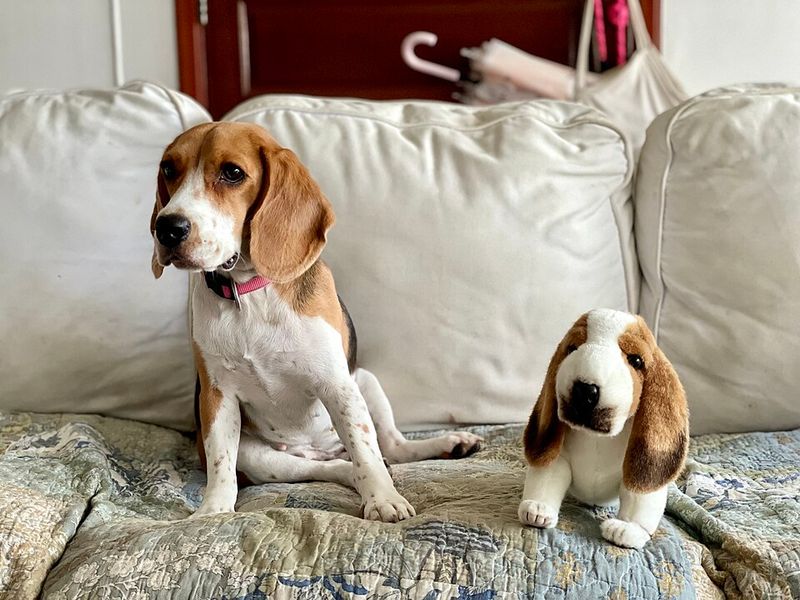
Beagles meet new housemates nose first. Scent obsession can ignore social cues, causing crowding and accidental rudeness.
Long line sniff walks in parallel let curiosity burn without bumping.
Food is lightning. Feed in separate rooms and use calm release cues.
Channel hunt drive into search games so energy points outward, not at each other.
Howls may spike when attention divides. Preload the environment with stuffed Kongs and rotate nap zones.
Teach a recall to hand target and reinforce for checking in while the other dog works. Structure plus smell time keeps the duo harmonious.
Miniature Schnauzer
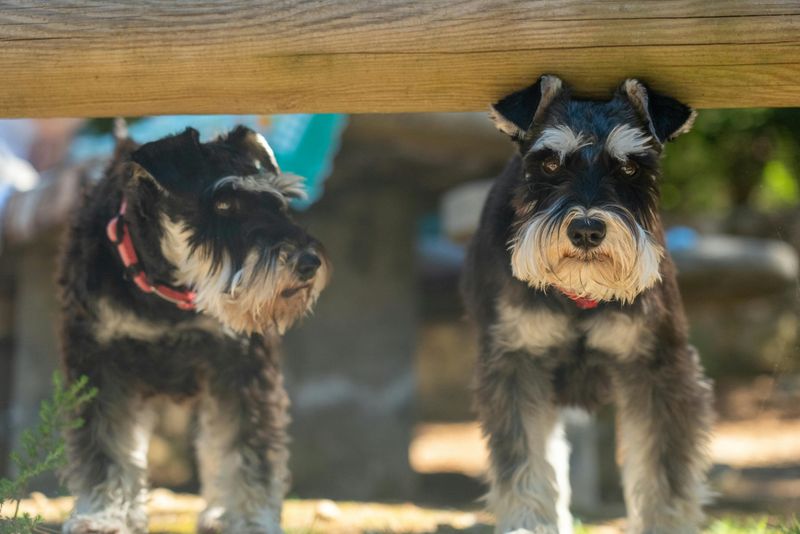
Mini Schnauzers often rally around window duty, which escalates with a second dog. You get duet barking, fence running, and frayed nerves.
Frost windows, shift furniture, and introduce quiet pattern games at thresholds.
They are clever and formal. Teach alternate sits and hand targets to take polite turns.
Keep grooming sessions one at a time to avoid jealousy spikes.
Rotate toys, split training, and run tiny scent searches before reuniting. Reward calm co-watching on mats with high value snacks.
When noise has structure and rest is protected, their spark becomes teamwork instead of competition.
Shih Tzu
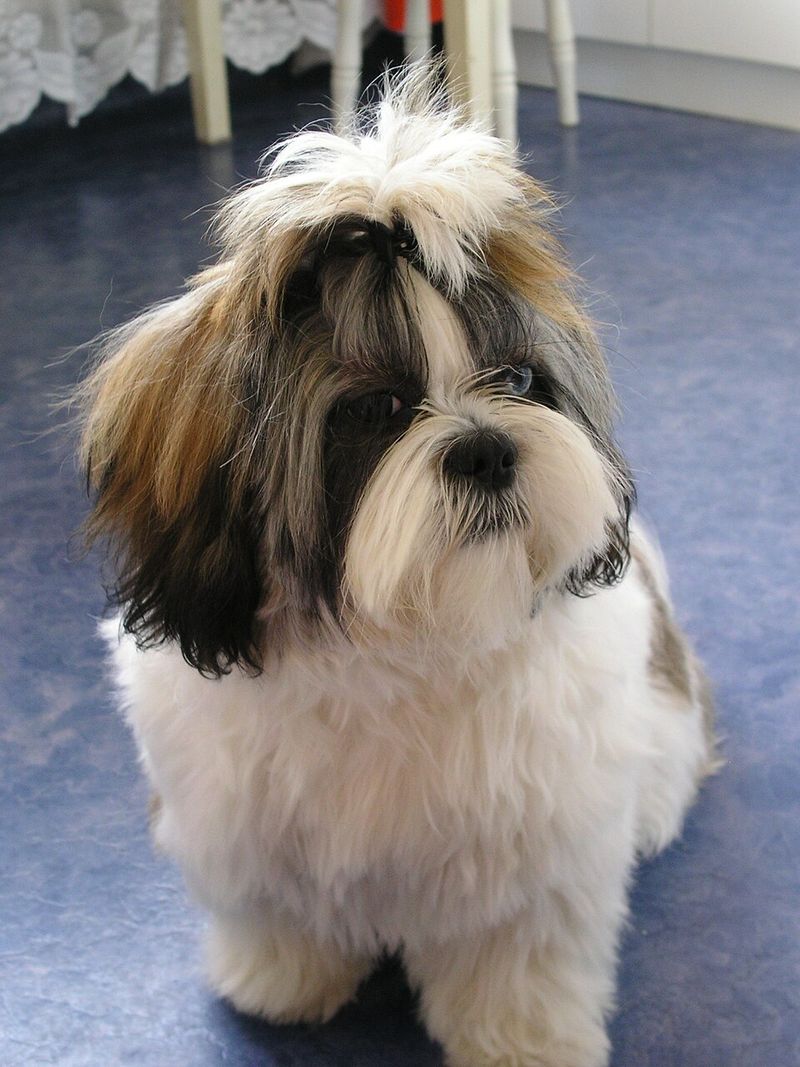
Shih Tzus cherish comfort and can guard cozy beds when a second dog appears. Expect side-eye near pillows and subtle stiffening before a grumble.
Provide multiple plush rest zones and reward swapping on cue.
Keep grooming and face-wipe sessions separate to reduce tension. Use short play bursts paired with longer relax routines.
Slow, sweet intros work better than rowdy park meetings.
Teach stationing to beds while you give affection fairly. Feed apart, then reunite for calm sniff walks.
When comfort is abundant and predictable, the royal vibe returns and roommate drama fades.
Boston Terrier
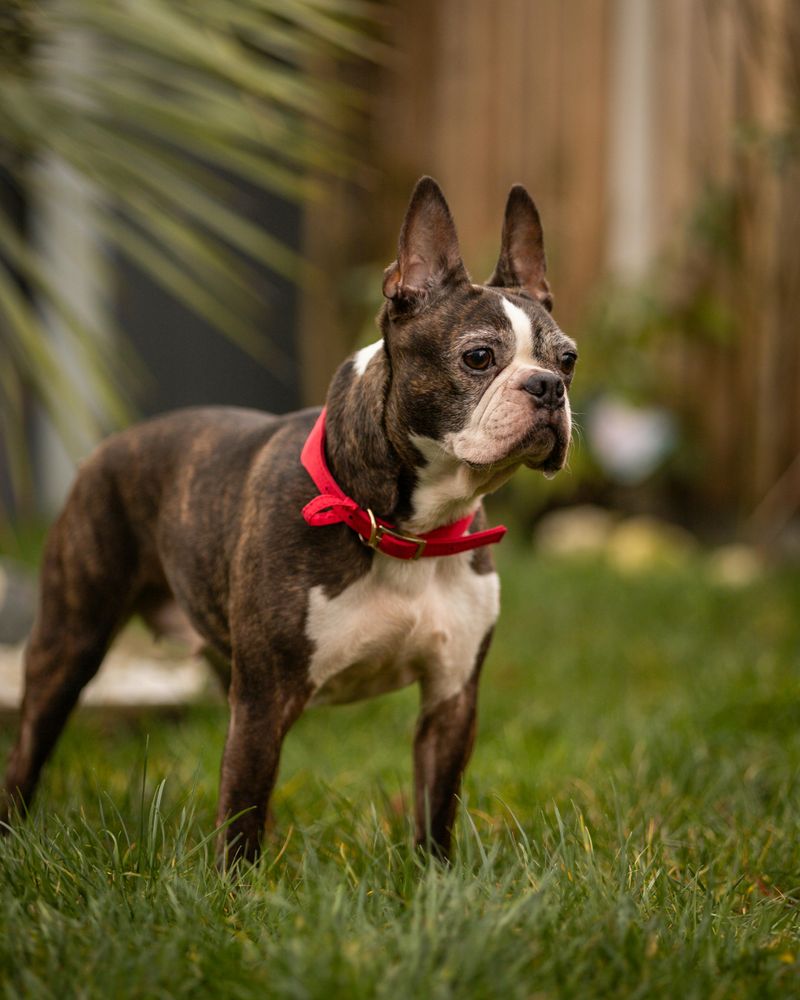
Boston Terriers bring joyous zoomies that can overwhelm a new dog. Snorty breathing and tight spaces add to bump risks.
Use play windows with start-stop cues and release to sniff between sprints.
They thrive on people laughs, which can reinforce rowdy behavior. Reward calm eye contact and gentle play breaks.
Keep chews and meals well apart to avoid impulsive theft.
Short training bursts build impulse control: mat time, nose targets, and easy trick swaps. Parallel stairs practice prevents shoulder checks.
With structure wrapped in silliness, the duo learns fun without frenzy.