
Ever notice how a tiny click, ding, or drip can send your dog into a full tailspin? You are not imagining it, and you are definitely not alone.
Some breeds are wired to react to the faintest household sounds, from ice makers to phone alerts. Let’s decode the quirks behind those jump-scares so you can spot the triggers and help your pup chill faster.
German Shepherd Dog
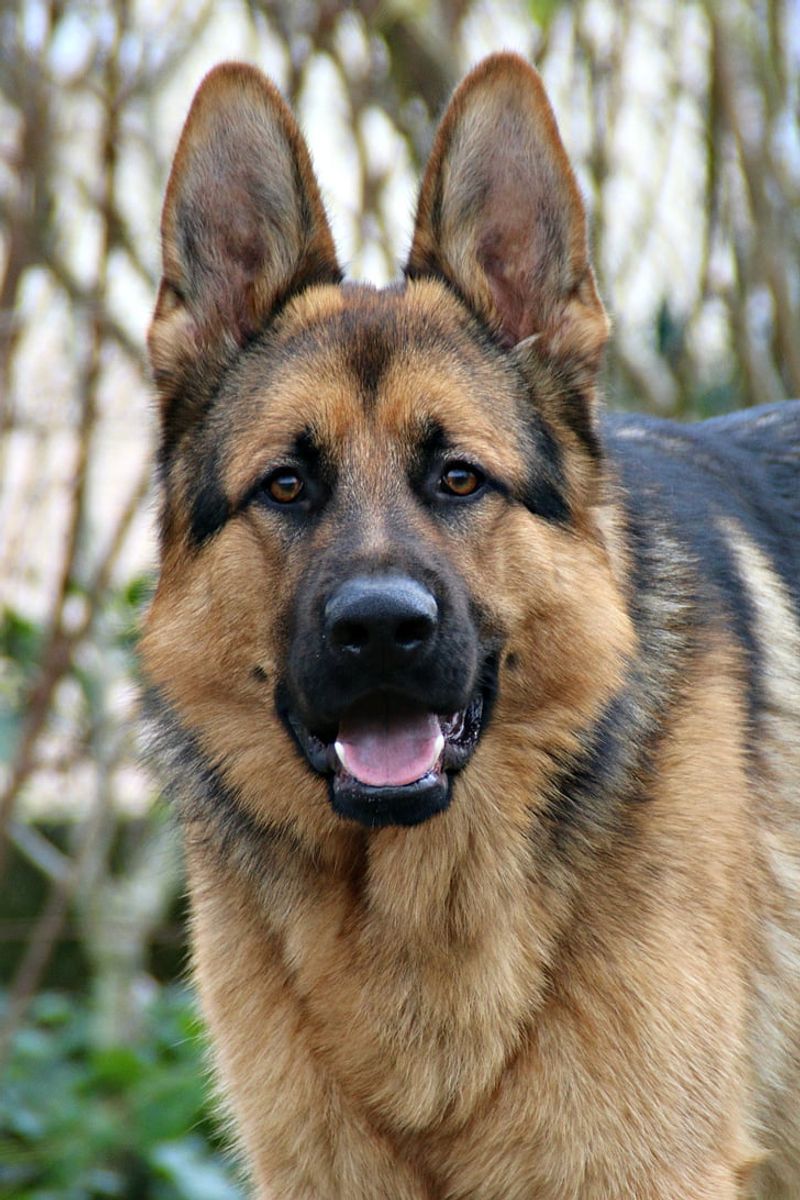
German Shepherds are hyper aware of their environment, so small household noises can flip their internal alarm. A drawer click or distant microwave beep registers as potential change, and change demands action.
You might see the head tilt first, then a stiff body, then pacing.
Their working heritage primes them to interpret faint cues as tasks. If yours reacts to ice makers or HVAC ticks, preempt with structure.
Try conditioned relax cues, like a mat and a long exhale signal.
Pair each tiny noise with calm rewards, keeping sessions short. White noise machines help smooth unpredictable spikes.
You are not rewarding fear, you are rewarding neutral ears and soft eyes. Over time, the hush becomes the habit.
Border Collie
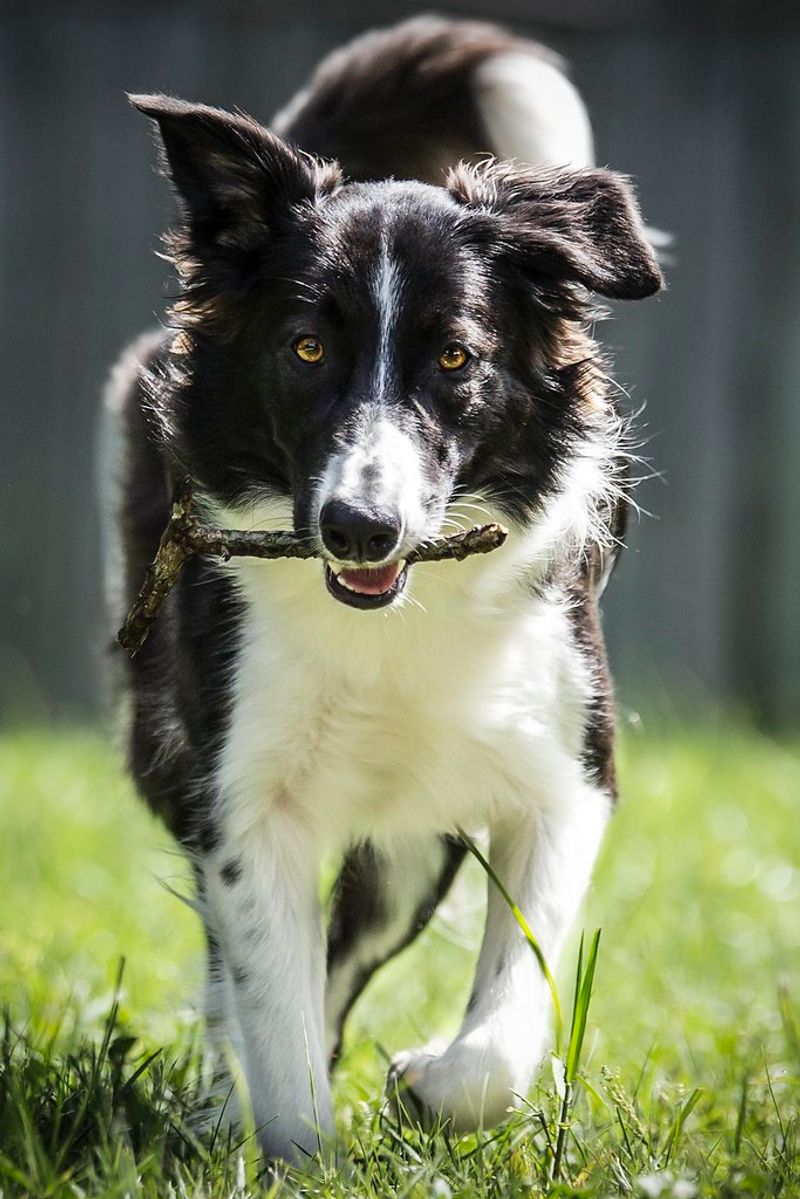
Border Collies are pattern detectives, and tiny noises are patterns breaking. A spoon tapping a mug or a thermostat click can feel like a job assignment.
They notice, they fixate, and sometimes they spiral.
Give that brain a valve. Preload the day with scent games and decompression walks.
Introduce noise at a whisper while rewarding look-aways and settling on a bed.
Use predictable rituals before known triggers, like the coffee grinder. Ask for a down, feed a few calm treats, and mark soft blinks.
If reactivity spikes, widen distance or lower volume. Consistency teaches that micro sounds predict relaxation, not chaos.
You will watch obsessing turn into casual glances and then glorious boredom.
Australian Shepherd
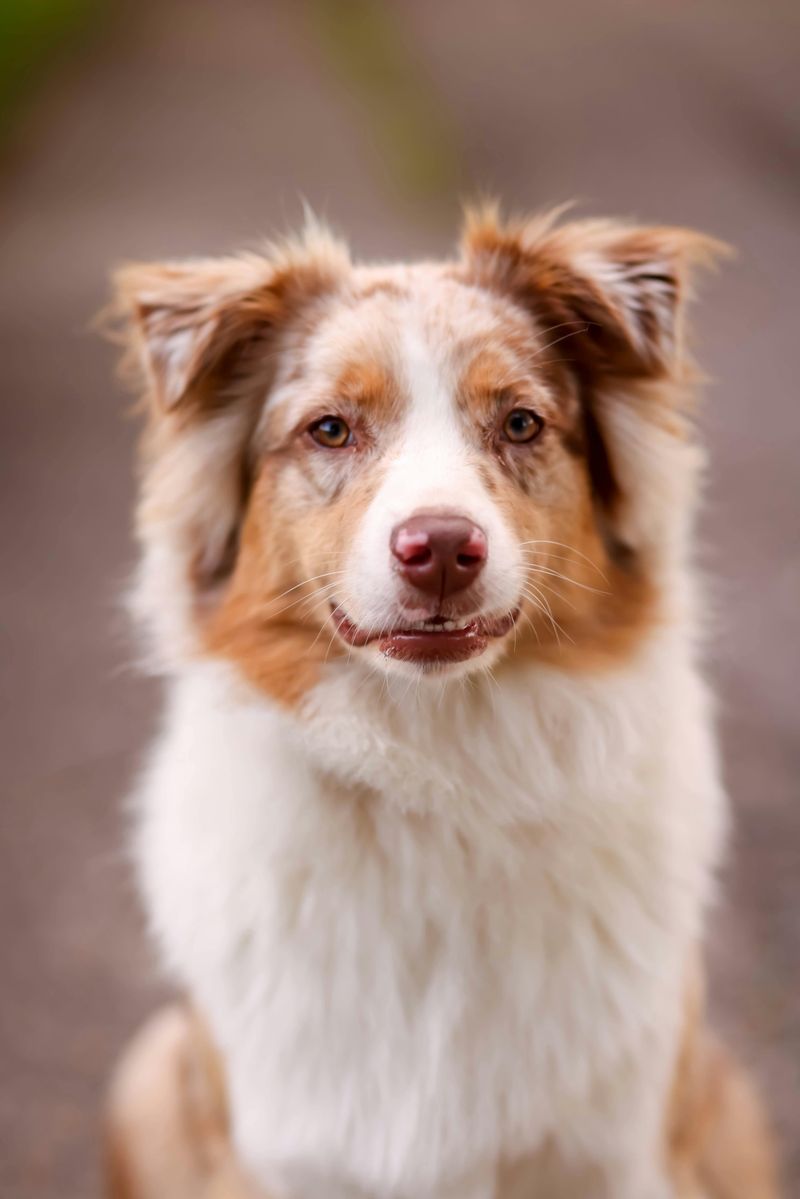
Australian Shepherds carry big feelings in compact ears. That faint dishwasher chirp or dryer ping can yank their attention like a whistle.
You might catch the prance, the bark, or a zoomie lap around the sofa.
Channel it with pre-planned calm. Teach a stationing cue near your feet, then pair light household sounds with slow treat delivery.
Keep your voice low and movements smooth.
Use puzzle feeders when appliances cycle, so background pings predict sniffing and chewing. If noises stack up, add gentle music for cover.
Avoid scolding the outburst. Instead, mark tiny relax moments: soft mouth, lowered tail, sigh.
With reps, the home soundtrack becomes a lullaby rather than an alarm.
Shetland Sheepdog

Shetland Sheepdogs live on the edge of alert and adore noticing what others miss. A key drop or a pen click can spiral into frantic herding of everyone.
Their dainty paws move fast when a sound pops.
Blend management with confidence work. Start with distance from the sound source and feed steady, tiny treats for calm.
Build a ritual phrase like quiet time before likely triggers.
Provide a hidey spot, like a covered crate with a chew, so the world gets smaller and safer. If sensitivity skyrockets, consult a trainer about desensitization.
Gentle exposure wins over brute volume. You will soon see perked ears soften, and your Sheltie choose snuggles over sirens.
Belgian Malinois
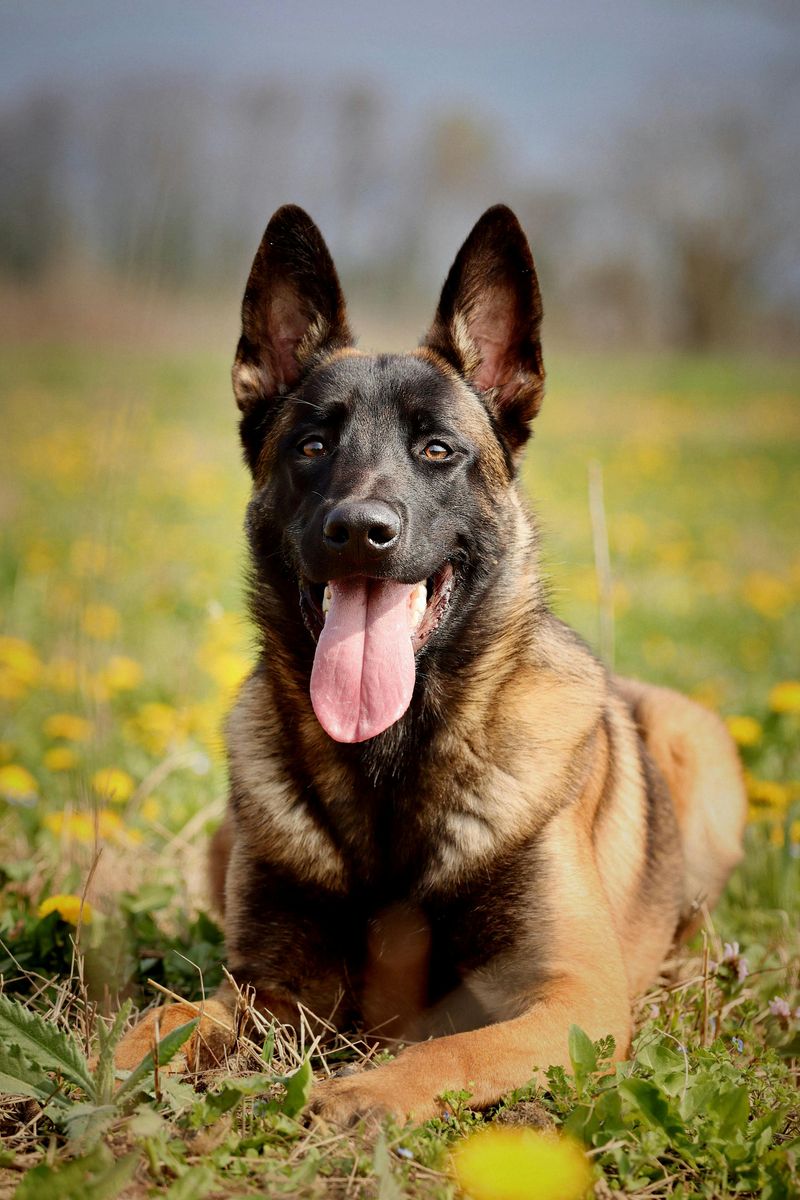
Belgian Malinois run hot, and tiny noises are sparks. A sliding window latch or the printer waking up can trigger instant patrol mode.
They were bred to respond quickly, and your living room feels like a mission field.
Preload calm with structured decompression: long sniff walks, flirt pole finished by settle. Teach a place cue that becomes non negotiable during appliance cycles.
Practice noise pairing at low intensity, rewarding disengagement and slow breathing. Use food scatter to keep noses down while beeps happen.
If arousal explodes, interrupt gently with a reset routine, then try again smaller. Over weeks, those micro sounds flip from go to chill.
Precision and patience are your secret teammates.
Doberman Pinscher
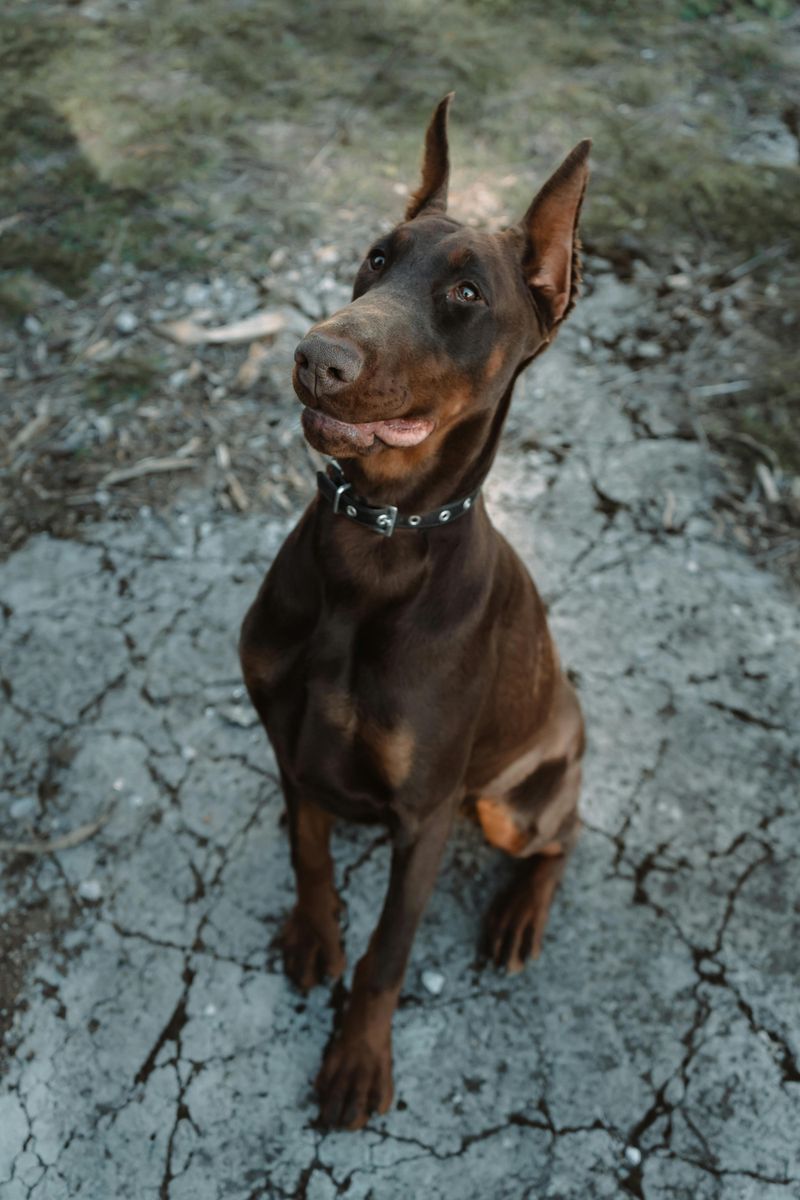
Dobermans are loyal door monitors, and tiny hallway dings feel like breaking news. The soft buzz of a dryer or the elevator bell can cue pacing, whining, or a sharp alert bark.
They want to keep you safe from mysterious beeps.
Give them a job you approve. Teach go to bed paired with a chew whenever building sounds happen.
Keep sessions short and upbeat.
Desensitize with recorded dings at whisper volume, marking relaxed posture and slow blinks. Add a white noise buffer at night.
Avoid tension on the collar during alerts to prevent stacking. With repetition, your Doberman learns these sounds are routine background, not emergencies, and your evenings get wonderfully quiet.
Rottweiler
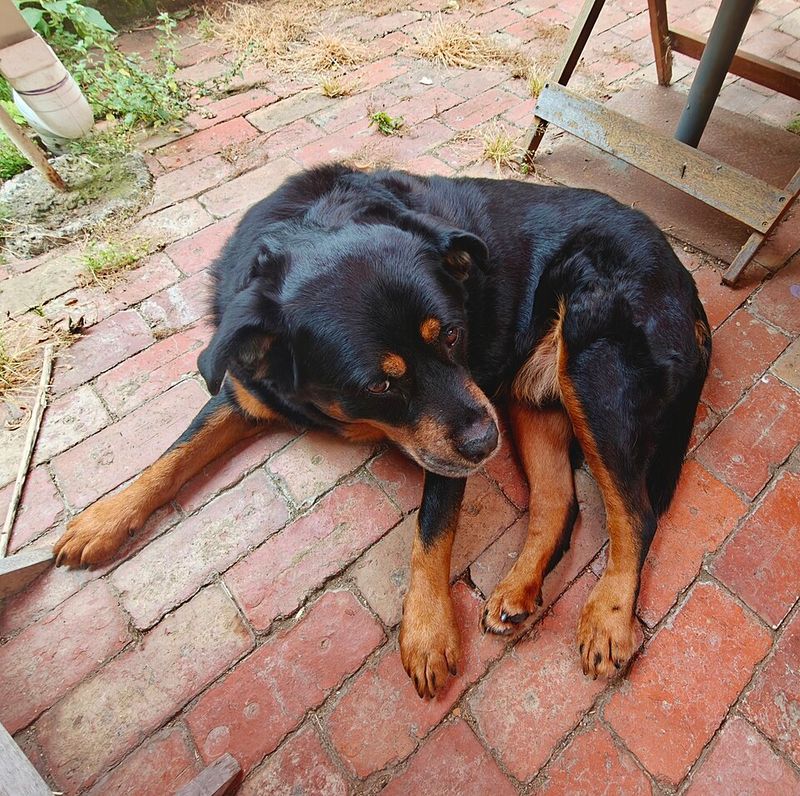
Rottweilers are thoughtful guardians who catalog home rhythms. A faint faucet drip or ice dropping in the freezer might tip them from chill to vigilant.
You will notice the low rumble and a steady stare into the middle distance.
Redirect with purposeful calm. Cue a down stay and deliver slow, deliberate treats.
Pair noises with a massage along the shoulders to soften muscles.
Limit surprise by fixing repetitive triggers like squeaky vents. For training, keep intensity low and wins frequent.
When they choose to ignore a ping, pay big. Over time, that steady brain wins out, and your Rottie treats micro noises like boring elevator music, not intruders sneaking through the pantry.
Boxer

Boxers carry their hearts on their sleeves and their ears. A remote click or toy squeak can spark goofy zoomies or sudden woofs.
They read your face too, so your surprise can amplify theirs.
Set the vibe early. Precue calm with a mat and a frozen Kong before turning on gadgets.
Keep greetings low key when unexpected sounds occur.
Turn the game into training: noise happens, treat lands, Boxer breathes. Add a cue like easy to stretch out their exhale.
Avoid wrestling during spikes, which can escalate arousal. With repetition, small sounds start to predict snacks and serenity, and your silly clown learns a very dignified chill.
Cocker Spaniel

Cocker Spaniels are sensitive souls with satellite ears. The tiniest tick from a clock or a zipper can send them into alert mode.
You might see a tremble followed by cautious steps toward you.
Comfort first, then confidence. Offer a cozy bed near you and a predictable routine.
Layer in low volume recordings of household sounds while hand feeding relaxed posture.
Use scent work to shift focus from ears to nose. Short sniffy walks and scatter feeds help decompress after startles.
Be gentle with reassurance without over petting during spikes. Over time, that steady cadence of small sounds becomes harmless background, and your Spaniel leans into calm like a soft blanket.
Miniature Schnauzer
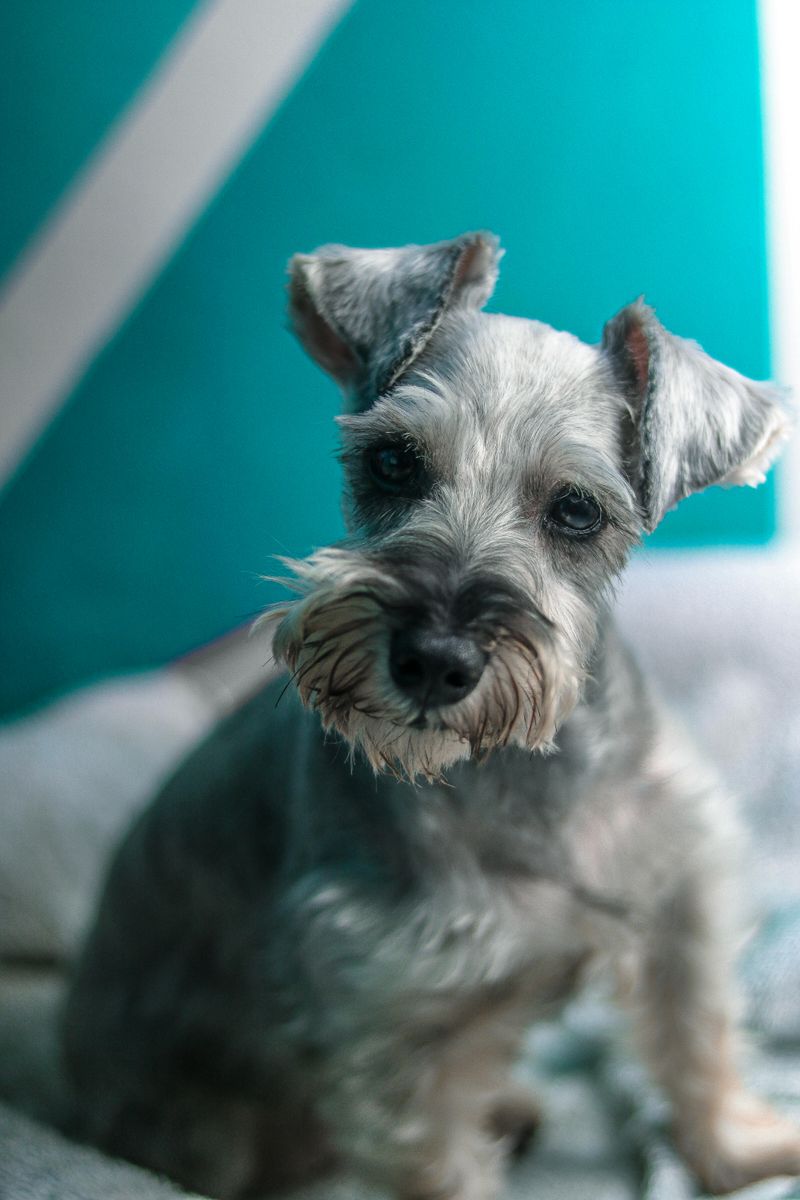
Miniature Schnauzers are spirited watchdogs with big opinions about small noises. A mail slot clink or keyboard tap can cue rapid fire commentary.
Their eyebrows do half the talking before the bark arrives.
Give structure to the soundtrack. Teach a quiet cue by marking a single breath of silence.
Reinforce stationing on a bed when door sounds echo.
Add controlled exposure to gentle clinks while feeding calm. Keep sessions short and frequent, then generalize to different rooms.
Provide chews to occupy that busy mouth. With patience, the clink turns into a cue for stillness, and your Schnauzer discovers that silence earns better rewards than speeches.
Beagle
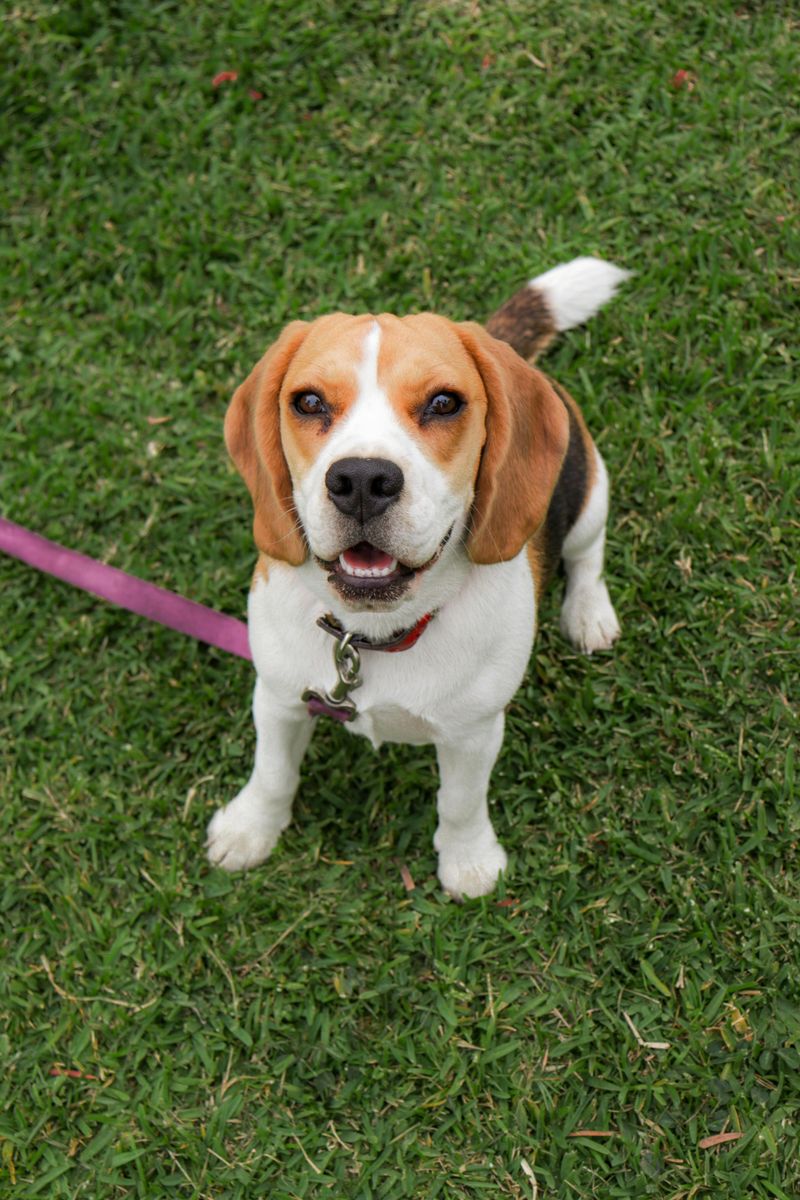
Beagles track the world with noses, but ears do plenty of work. A radiator ping or pantry jar clink can start a vocal investigation.
Soon you have a chorus that sounds bigger than the noise deserved.
Redirect curiosity into tasks. Scatter a few kibble, cue a sniff command, and let them hunt.
Introduce tiny sounds at low volume while rewarding check ins and quiet moments.
Keep hands relaxed and voice steady. Add white noise at night to smooth apartment pops.
If howling stacks, step back to easier volume. The goal is not silence, it is control.
Soon, your Beagle learns tiny pings predict sniffing fun, not a full neighborhood briefing.
Chihuahua

Chihuahuas feel life at maximum volume, even when sounds are tiny. A light switch click or remote tap can unleash trembles and big dog warnings.
Their size makes sudden change feel huge.
Build a safe bubble. Create a warm nest and practice calm touch paired with micro noises at whisper level.
Reward nose licks, blinks, and tiny relax signs.
Carry less, coach more. Let them choose retreat spaces while you keep routines predictable.
Avoid startling them with quick movements during sound training. With steady practice, your Chihuahua learns to file small clicks under not my problem and reclaims that royal nap.
French Bulldog
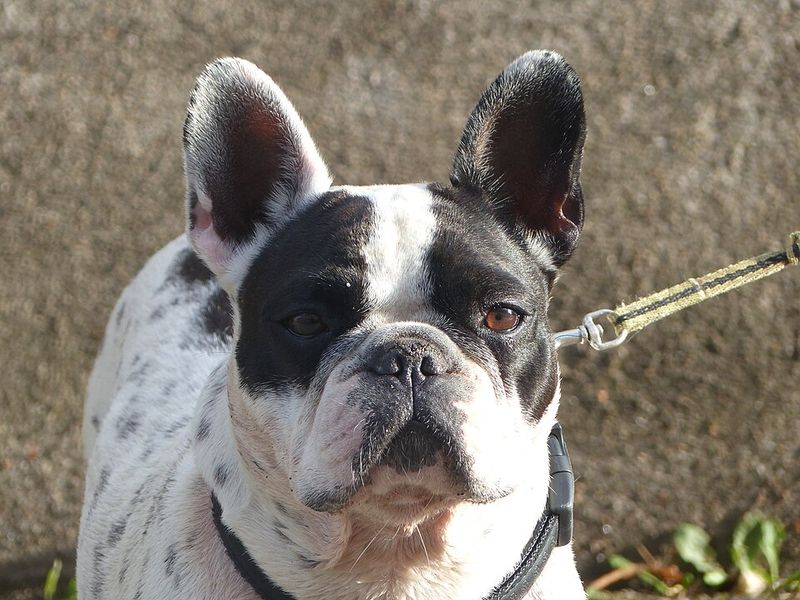
French Bulldogs are comedians until a tiny chime rewrites the script. A smart speaker ping or fridge alarm can jolt them upright with snorts and side eye.
They read your laughter or surprise and mirror it.
Stage calm like a scene. Keep a soft mat, slow treats, and a relaxed cue ready before you trigger devices.
Reward stillness and soft ears.
Use micro sessions with recordings, gradually nudging volume. If they escalate, reset with a sniff and stretch.
Keep play gentle after startles to avoid stacking arousal. Soon, those quirky pings become background noise, and your Frenchie returns to their regularly scheduled naps and ridiculous snores.
Pomeranian

Pomeranians are pocket-sized sentries who think small sounds are big gossip. A keyboard click or distant microwave beep can trigger rapid commentary and bustling feet.
Their confidence is adorable, their reactivity less so.
Give that energy a script. Teach a station on a mat with slow feeding while you type or prep food.
Add recorded beeps at low levels and pay for quiet.
Rotate chews and snuffle mats during predictable sound windows. If barking blooms, take a quick reset walk and try again lighter.
You are shaping a calm narrator, not a critic. With repetition, your Pom trades hot takes for cool composure and keeps the home soundscape pleasantly small.