
Some dogs hear your keys jingle and immediately brace for a five minute roller coaster. If quick errands feel like you are chauffeuring a tiny tornado, you are not alone.
Certain breeds are adorable at home yet dramatic in motion, turning every stop sign into a saga. Let’s break down which pups are most likely to huff, pant, and complain the whole ride, and how you can help them keep their cool.
Dachshund
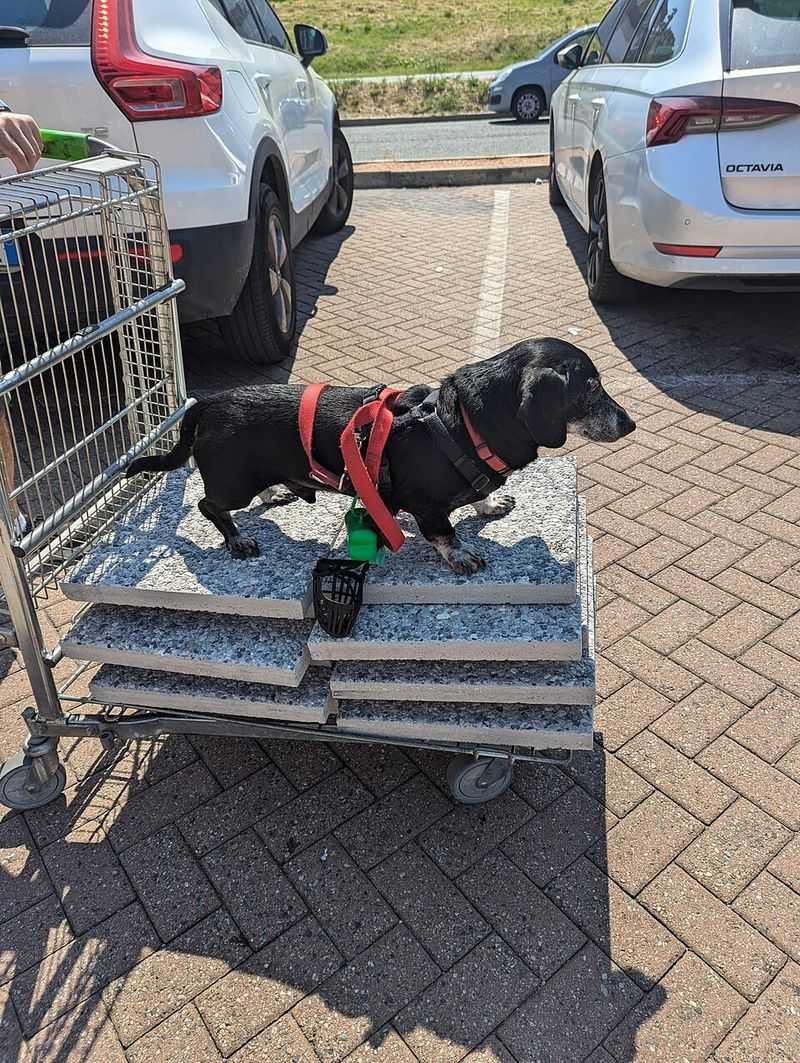
Dachshunds are brave on the ground yet suspicious of rumbling cabins. Their long backs make balance tricky, so every turn feels like a wobble.
Add their alert nature, and five minutes can become a panting, squeaking protest that rattles both of you.
They often prefer being low and snug, not perched with big window views. Motion sickness can join the drama, especially without a stable base.
A booster with side bolsters, coupled with a snug harness, gives their spine support and reduces sliding during stops and starts.
Keep rides short and predictable, then treat generously after parking. Fresh air helps, but avoid blasting wind.
Quiet music, a chew, and pre-ride potty breaks transform dread into something closer to tolerable.
French Bulldog
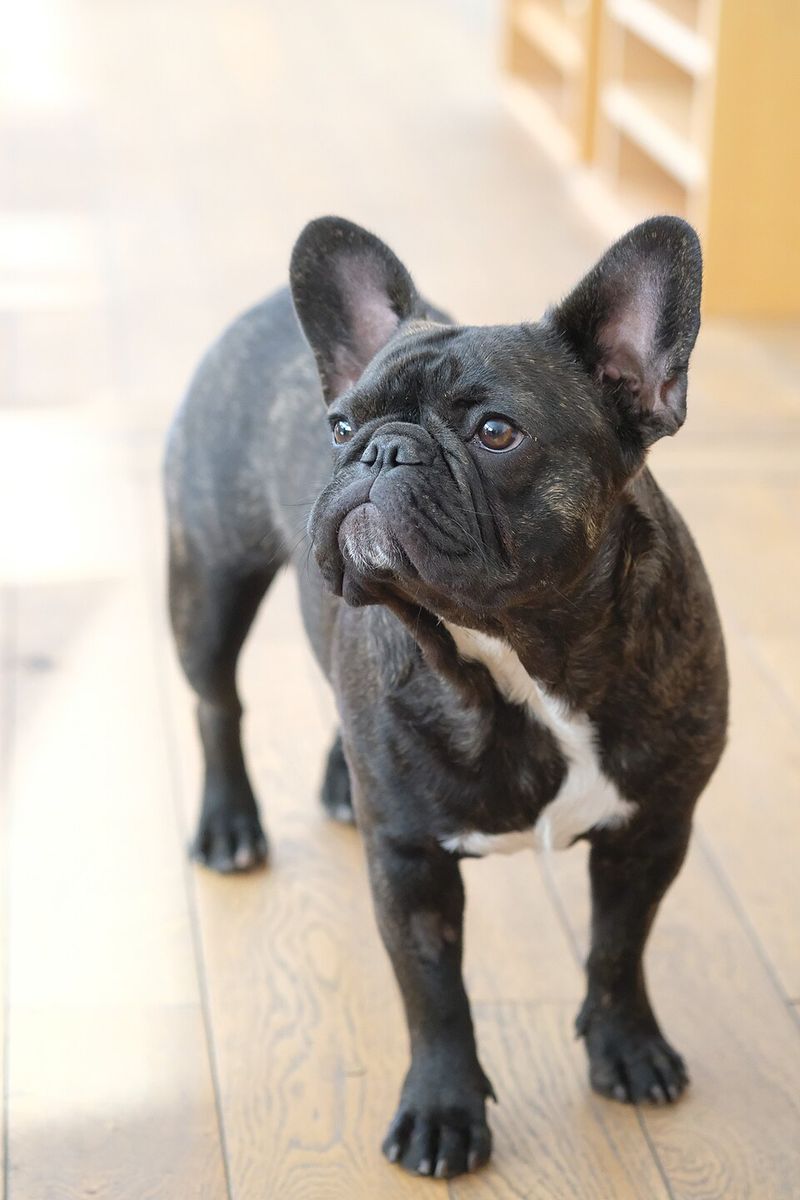
Frenchies bring big opinions to tiny trips. Their compact bodies and brachycephalic faces mean breathing can feel harder when stressed, compounding car jitters.
Panting, whining, and restless shifting often appear the second the engine hums.
Stability is everything. A properly sized booster with a low front helps them see without overreaching, and a breathable harness prevents chest pressure.
Keep the cabin cool, crack windows for gentle airflow, and avoid perfumes that might irritate sensitive airways.
Practice calm load-ins. Buckle, treat, engine on, treat, then a one block loop.
Pair rides with fun destinations, not just vet days. Short sessions build confidence, and you will notice fewer dramatic huffs each time.
English Bulldog
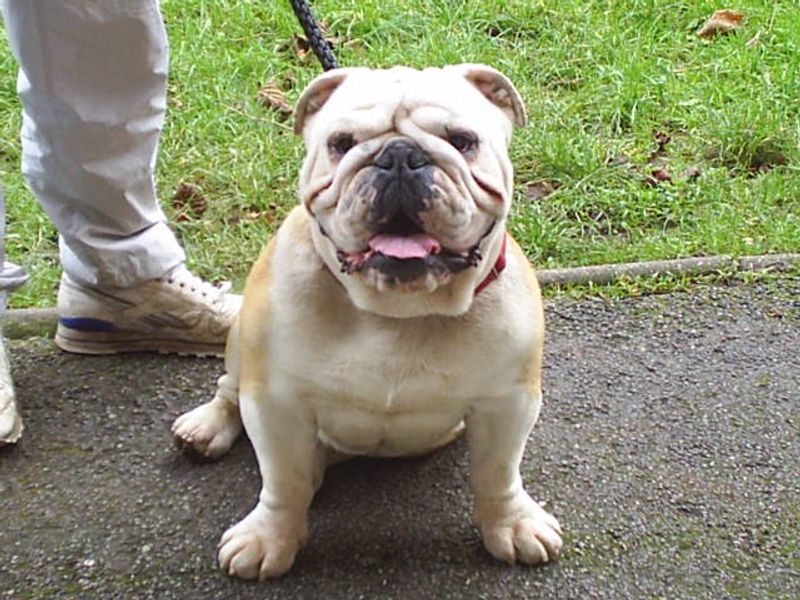
English Bulldogs can turn a quick drive into a heavy breathing soundtrack. Their stocky frames and short muzzles make heat and stress uncomfortable, so cars feel stuffy fast.
Sudden stops plus low tolerance for jostling create grumbles, drool strings, and stubborn sit downs.
Temperature control is critical. Pre-cool the cabin, use a non-slip mat, and fit a broad chest harness that distributes force.
A low, stable resting spot with side support reduces sliding and keeps joints aligned during cornering.
Keep routes smooth and predictable, and stop if panting spikes. Offer water and take shade breaks on longer errands.
Pair rides with calm routines and a slow exit, rewarding quiet behavior so stress gives way to bulldog zen.
Pug
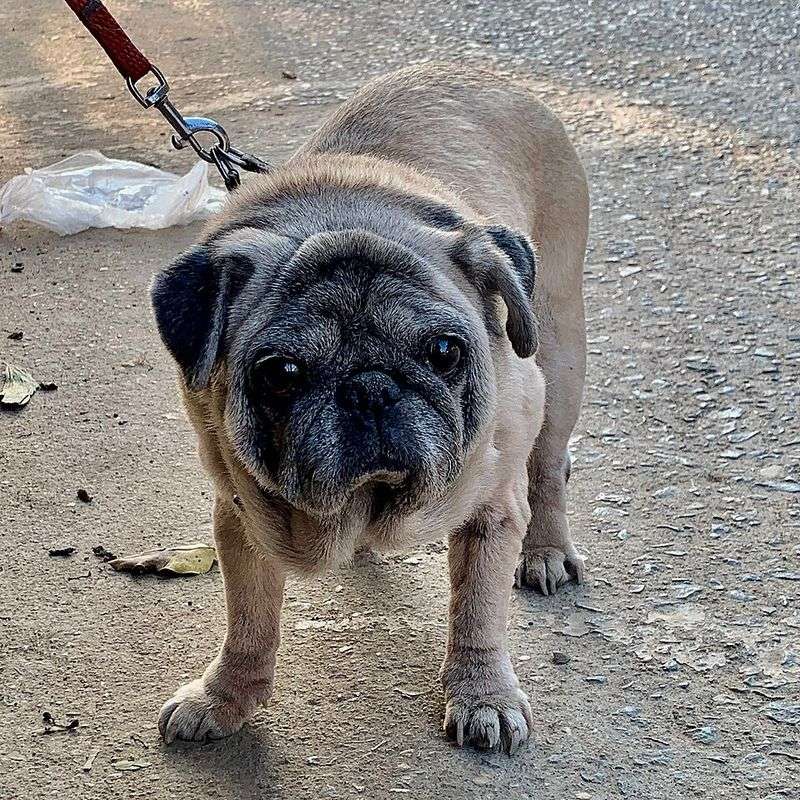
Pugs are charming drama specialists. With short muzzles and big eyes, stress shows quickly as snorts, gulps, and exaggerated head tilts.
Even five minutes can feel intense if the seat is slick and the cabin warm.
Focus on airflow and traction. Mesh harnesses help their breathing, and a booster with anti-slip fabric keeps them steady.
Sunshades cut glare that triggers squinting and fussing, and a gentle fan cools their compact frame.
Desensitize slowly. Treat for calm buckling, then treat again while idling, then for tiny drives around the block.
Keep voices upbeat and movements smooth. With practice, the Pug soundtrack fades from anxious grunts to curious snuffles.
Boston Terrier
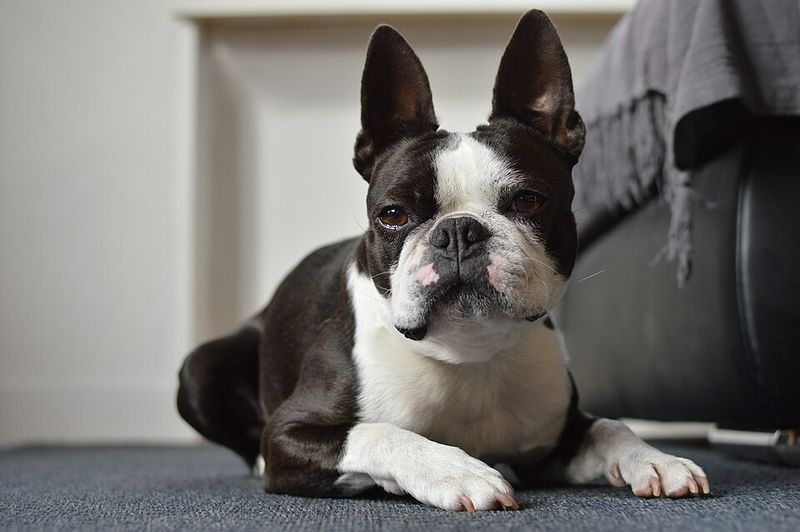
Boston Terriers are energetic clowns who may treat cars like puzzling stages. If they cannot see well, they hop and whine, and quick stops amplify nerves.
Their short muzzles can make heat stressful, so panting ramps up fast.
Visibility helps settle them. A booster at window level with a secure tether reduces precarious leaning.
Keep the temperature cool, use a comfy harness, and limit sudden lane changes that jolt their balance.
Turn the car into a training gym. Practice sit and stay before moving, reward quiet eye contact, then roll gently.
Quick successes build calm. Soon your Boston trades frantic footwork for relaxed people watching and soft sighs.
Cavalier King Charles Spaniel
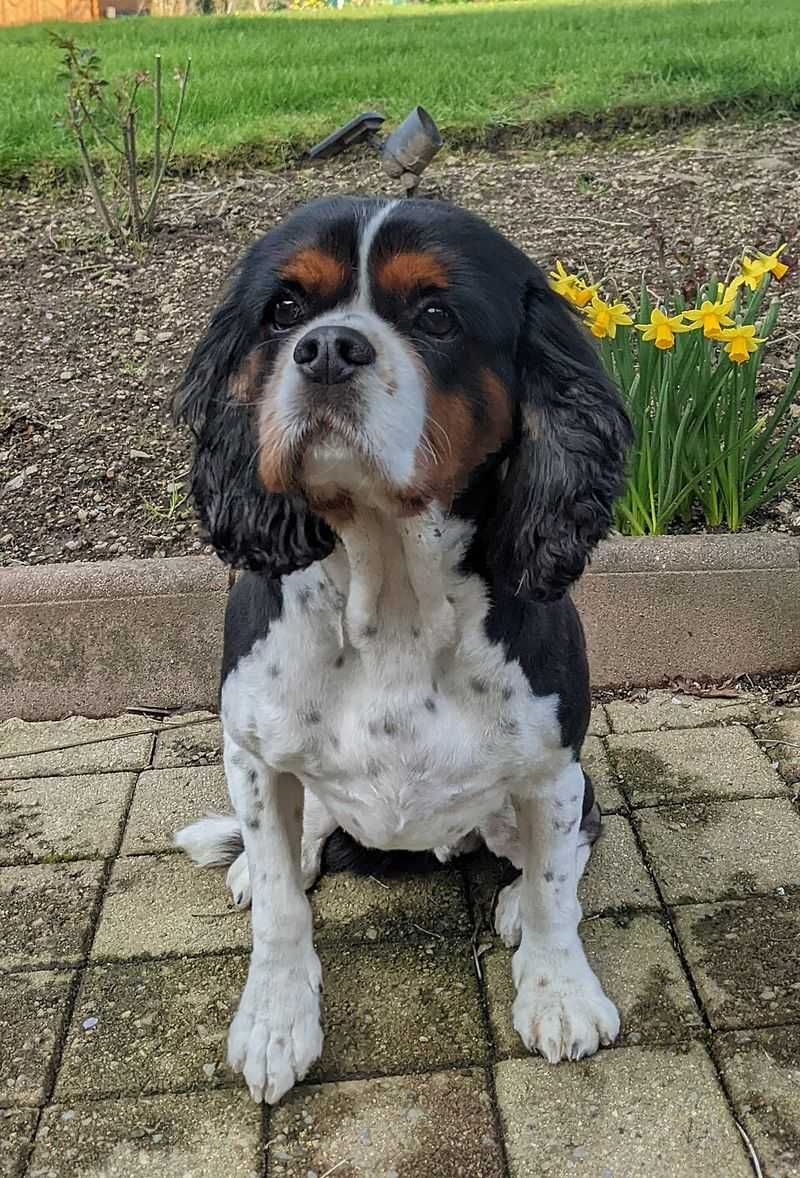
Cavaliers love closeness and can protest when strapped apart. Separation plus motion can trigger whines, drool, and attempts to climb into your lap.
Their sensitive stomachs add a motion sickness wildcard, especially on twisty streets.
Give secure comfort. A padded booster with high sides feels like a cuddle nest while preventing wandering.
Stop feeding heavy meals before driving, and try a ginger chew or vet-approved remedy for nausea.
Keep music soft and your tone reassuring. Practice tiny, pleasant trips to parks instead of only clinics.
Reward relaxed down positions during red lights. With gentle routines, your Cavalier learns the car means cozy snuggles, not separation drama.
Shih Tzu
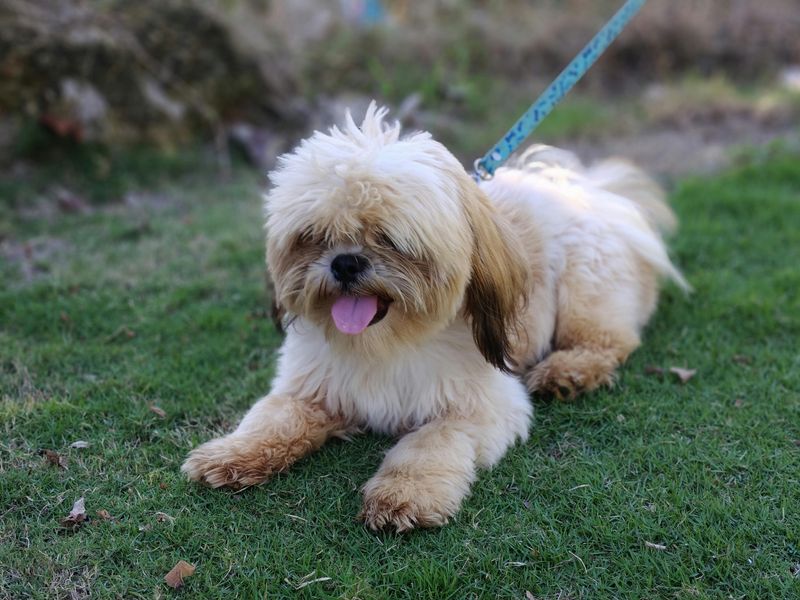
Shih Tzus prefer pampered predictability, and cars are anything but. Bumps jostle their compact frames and fluffy faces, leading to fussing, pawing, and seat surfing.
Long hair near eyes can tickle and heighten nervous blinking during motion.
Trim around the eyes and secure a gentle booster with firm sides. A breathable harness prevents tugging on the neck, and a non-slip mat reduces scrambling during turns.
Keep ventilation steady and avoid strong scents.
Practice calm entry rituals, then reward quiet sits before rolling. Short exposures paired with treats and soothing talk build trust.
Over time, the Shih Tzu soundtrack softens from worried whimpers to contented snuffles as the routine becomes familiar.
Maltese
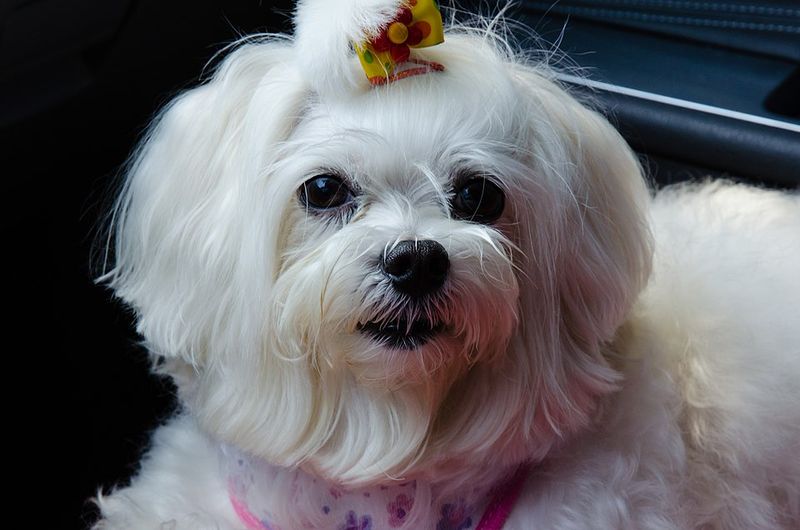
Maltese dogs are sensitive and people focused, so separation behind a seatbelt can spark quick distress. They tend to tremble, pace, and vocalize when corners feel slippery and loud.
Their petite frames amplify every bump, turning five minutes into a saga.
Set them up with a snug, soft booster and a well fitted harness. Cover windows partly to reduce visual chaos, and play gentle music.
Feeding a tiny snack beforehand can prevent an empty stomach yawn spiral.
Build positive associations. Start with engine-on treat parties, then tiny loops, then celebratory cuddles after parking.
Consistency turns dread into routine. Soon your Maltese may sit like a pocket cloud, simply watching the world float by.
Yorkshire Terrier
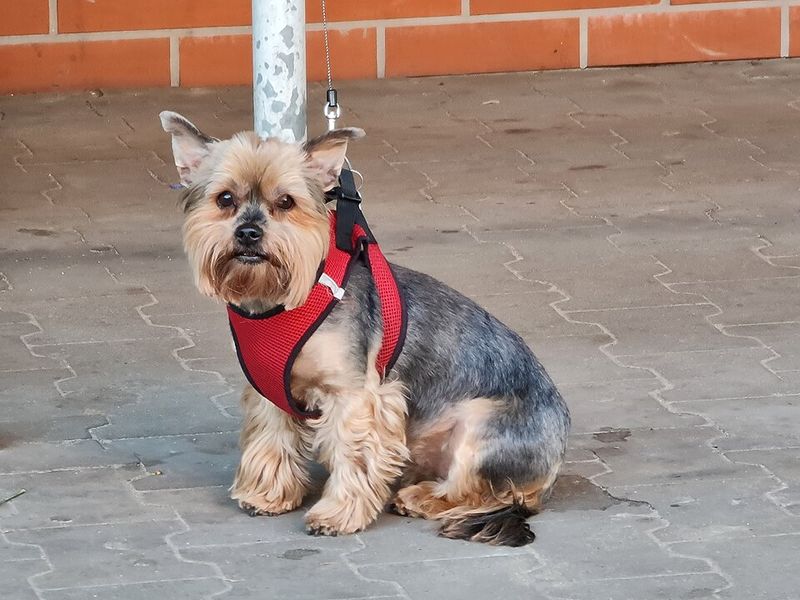
Yorkies are fearless at home but dramatic in motion. Their tiny paws slide on seats, and big trucks or horns spark instant commentary.
Expect high pitched protests, pacing circles, and determined attempts to climb higher for a better view.
An elevated booster with firm bolsters and a stable tether helps enormously. Use a comfortable chest harness, not a collar, and keep windows cracked for gentle scents and fresh air.
Avoid feeding right before departure to reduce queasiness.
Channel that spunky brain. Ask for sit, mark it, treat, then roll.
Keep drives short and end at fun stops. Over repeats, your Yorkie trades squeals for curious stares and a proud front row perch.
Chihuahua
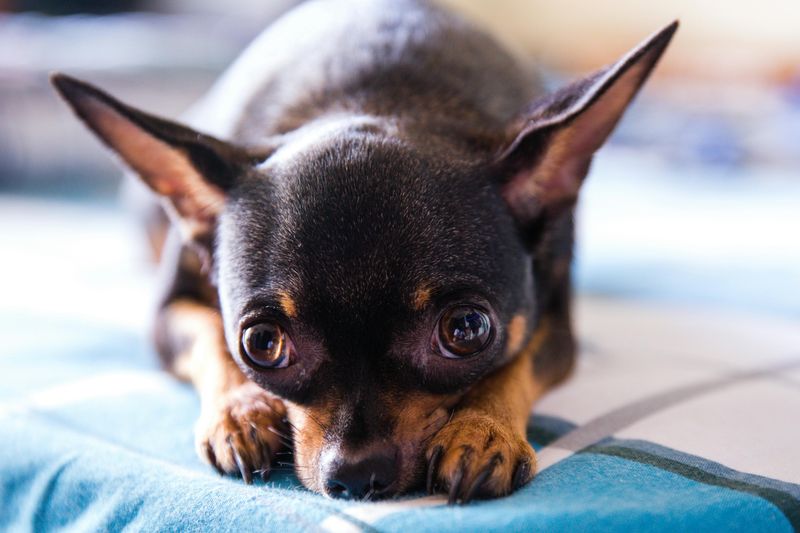
Chihuahuas feel every vibration. Their big emotions in small bodies turn lane changes into epics, with trembling, yips, and burrowing attempts under jackets.
Visual chaos outside the window can overwhelm them quickly.
Give a covered, cave-like booster with breathable sides. A properly fitted harness prevents choking if they lunge, and a fleece blanket dampens rattles.
Try calming chews or vet-approved supplements for extra-sensitive pups.
Practice micro rides at quiet times, not rush hour. Pair with calm breathing and a steady hand on the blanket.
Reward stillness often. In time, your Chihuahua learns the car is a cozy den that moves, not a monster on wheels.
Italian Greyhound
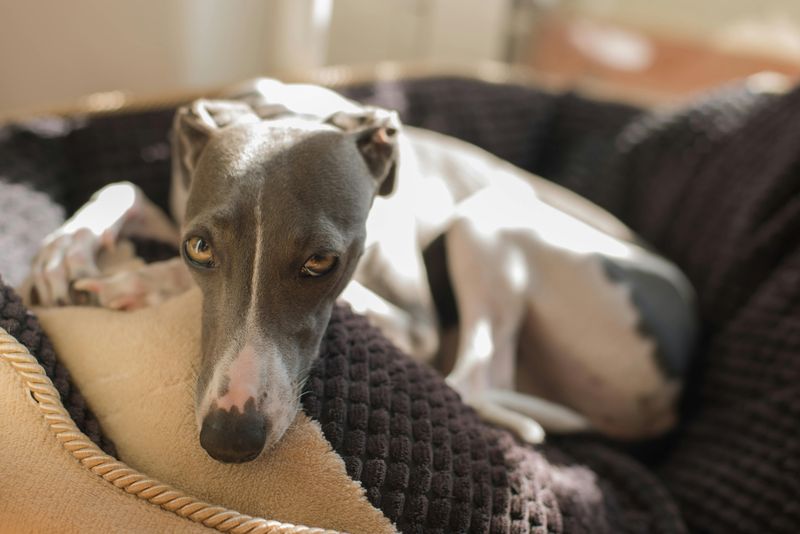
Italian Greyhounds are delicate and easily chilled, so cars feel drafty and strange. Their long legs and light frames slide easily, and sudden stops startle them into wide eyed stillness or frantic scrambling.
Even short errands can feel exhausting.
Warmth and stability matter. Use a padded bed with raised sides, add a light sweater, and secure a Y-front harness to a short tether.
Keep the cabin gently warm but fresh, and avoid hard braking.
Practice slow, predictable loops, offering soft treats for relaxed curled positions. Cover windows partly to reduce motion blur.
Over time, that tense silhouette unwinds, and your IG becomes a graceful passenger who prefers snug naps to nervous shakes.
Whippet
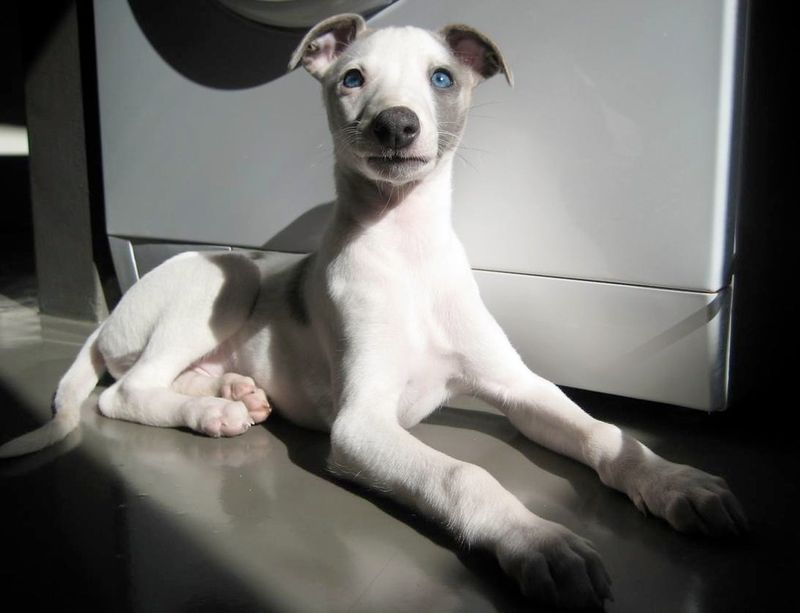
Whippets are sensitive sprinters who like predictable footing. Slick leather seats make them skate, and highway gusts spook their keen senses.
They may stand awkwardly, whine, or try curling into impossible shapes as the car leans.
Give them length and cushioning. A backseat bridge or platform with a bolstered bed lets legs stretch without slipping.
Attach a comfortable Y-harness to a short tether, and keep the cabin temperate.
Start with brief, smooth drives and quiet routes. Reward down stays and relaxed ears.
A light coat helps on chilly mornings. Soon your Whippet trades ballerina wobbles for elegant loafing, watching scenery with a thoughtful, settled expression.
Cocker Spaniel
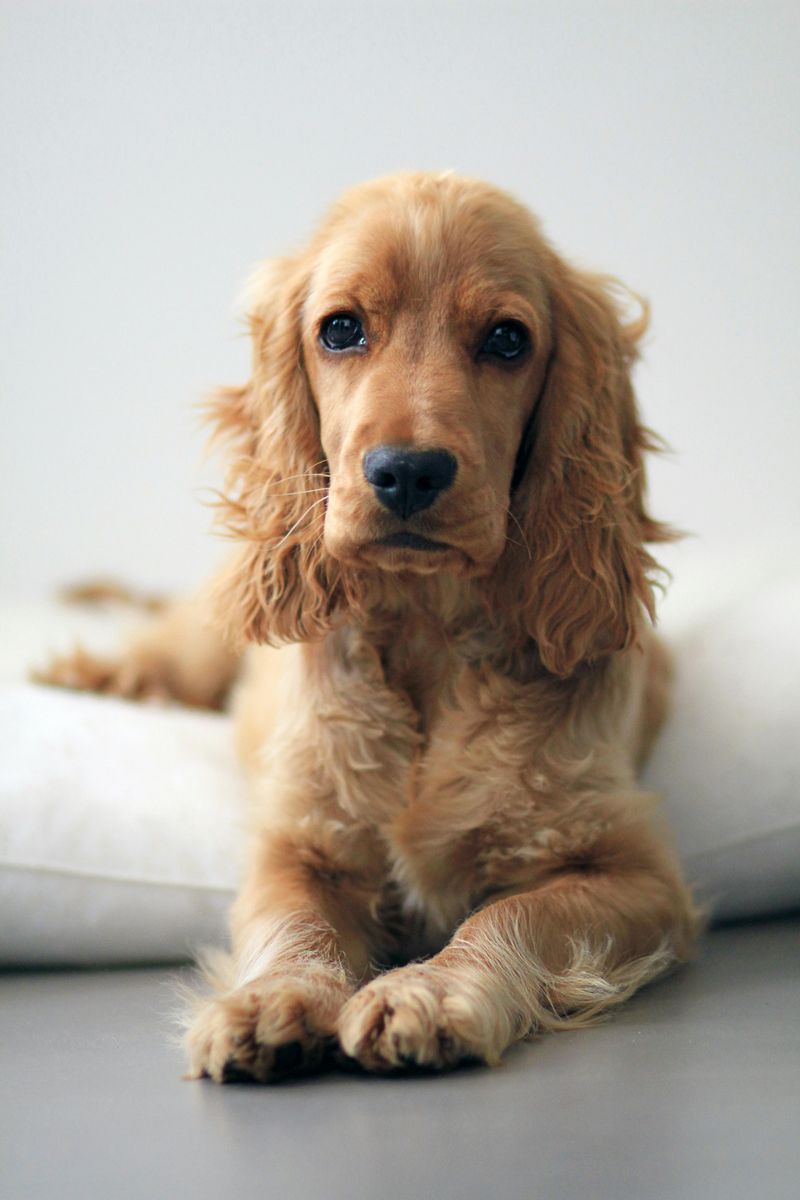
Cockers are sweet but sensitive, and motion plus noise can flip their worry switch. Ears flap, drool starts, and they pace between windows like hall monitors.
If rides mostly mean grooming or vet visits, anxiety cements fast.
Reset associations with comfort and clarity. Use a booster or bed with defined edges, and secure a wide chest harness.
Keep grooming around the eyes and ears tidy to cut irritation, and try ginger for queasy stomachs.
Plan destination variety. Park visits, sniff walks, and quiet errands balance out stressful trips.
Praise relaxed sits and soft eyes. Gradually, your Cocker links the car with pleasant routines, not just appointments and awkward hair days.
Miniature Pinscher
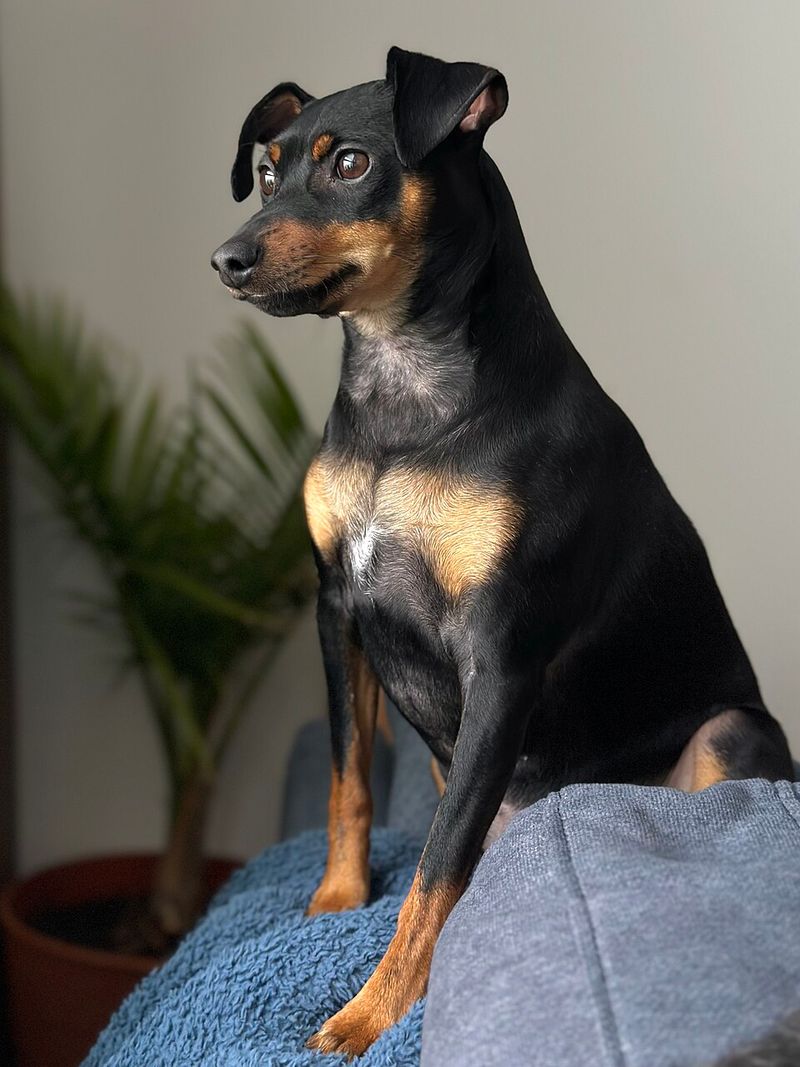
Min Pins are bold navigators who dislike giving up control. Engine noise, flashing scenery, and sudden braking can trigger barking lectures and pogo jumping.
Their slim frames slip easily, turning every curve into a dramatic stomp.
Channel that energy into structure. A snug booster with a short tether and firm bolsters keeps them anchored.
Practice sit, look, treat cycles, and avoid high calorie bribes that fuel hyper antics.
Drive short, smooth routes at first. Keep windows cracked and cues consistent.
Reward quiet scanning, not frantic commentary. With repetition, your Min Pin transitions from backseat supervisor to focused co-pilot who rides without staging a mutiny.
Havanese
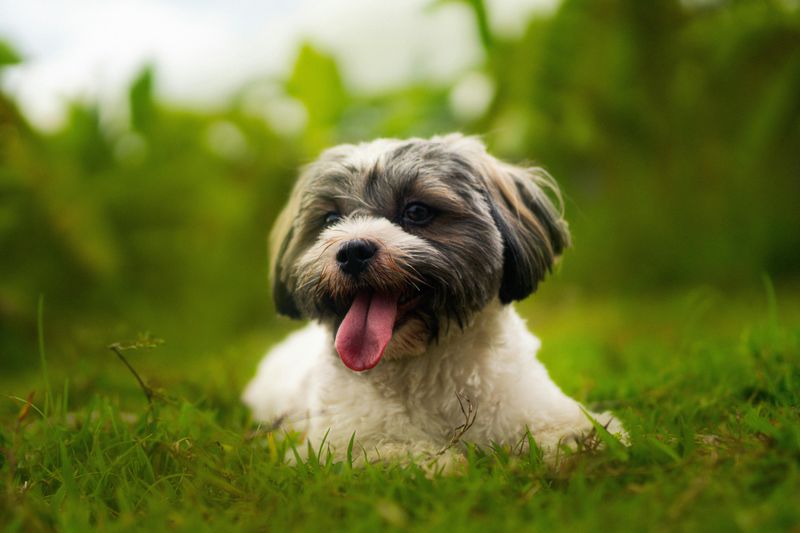
Havanese thrive on closeness and routines, so cars can scramble their social radar. They may whine, scratch for laps, or pace with worried eyes, especially if the seat is slippery.
Add a sensitive tummy, and even short rides feel dicey.
A travel crate or booster that feels like a den works wonders. Line it with a familiar blanket, clip a harness to the inside tether, and play calming music.
Keep turns gradual and cabin temperature steady.
Build a pre-ride ritual. Quick potty, buckle, treat, gentle praise, then a calm exit at arrival.
Soon your Havanese learns the pattern and settles, trading anxious pacing for comfy loafing and a soft wag.