
Some dogs are natural guardians, and without clear rules they can mistake everyday life for a job that never ends. If you have one of these devoted protectors, boundaries are not just helpful, they are essential for harmony.
Learn what triggers their protective streaks and how to guide that energy safely. With the right structure, you keep their confidence while protecting your peace.
Rottweiler
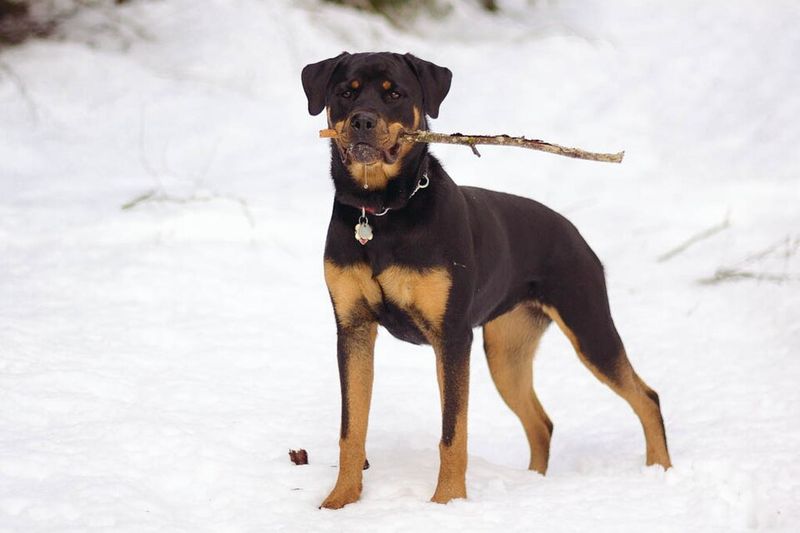
Rottweilers are thoughtful guardians, and that steady gaze can quickly become a defensive posture without clear guidance. You will see confidence that borders on control if routines slide, especially around doors, vehicles, and family spaces.
Firm structure teaches them what is theirs to guard and what is simply background noise.
Daily obedience refreshers matter, not just long walks. Controlled greetings with visitors and calm crate time reduce overownership of rooms and people.
Be consistent about thresholds, leashes, and release cues so your Rottie learns predictability.
Early socialization with neutral, well behaved dogs and strangers builds their flexible mindset. Teach quiet on command, reward relaxed scanning, and redirect fixations.
When you lead calmly, the Rottweiler follows, protective yet polite.
Doberman Pinscher
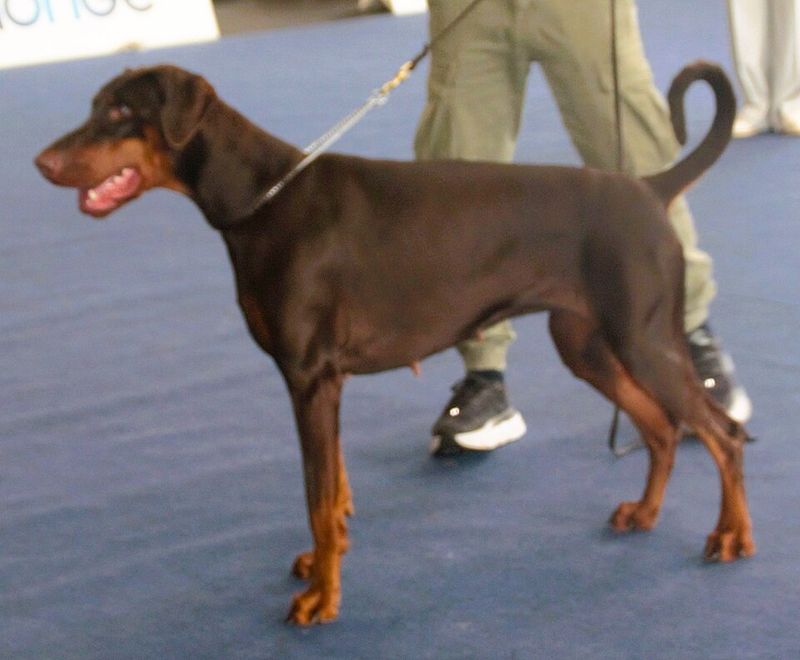
The Doberman reads body language instantly and fills any leadership gaps you leave. Without firm rules about doorways, yards, and guests, this athlete might escalate from watchfulness to confrontation.
Boundaries reduce decision making pressure and keep brains engaged, not just bodies.
Practice place training near windows to prevent sentinel duty from turning obsessive. Teach a reliable recall and a release word after knocks or doorbells.
Short impulse control drills before walks help dial down arousal at the leash.
Rotate mental games like scent searches and obedience chains to satisfy their sharp mind. Greet visitors calmly, then guide the Doberman to a mat for decompression.
Confidence grows when expectations are consistent and fair.
Cane Corso
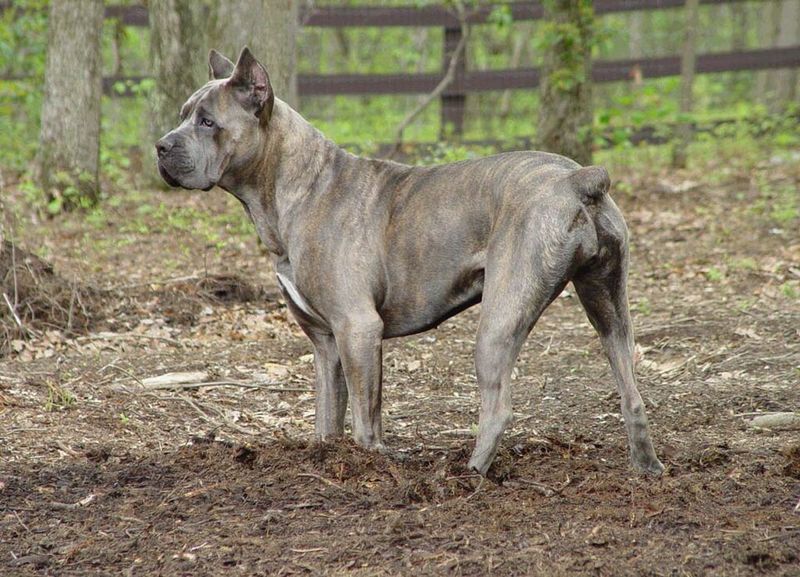
The Cane Corso was bred to guard property, so gray areas feel like invitations to take charge. Without consistent household rules, they may control hallways, gates, or even furniture.
Clear structure communicates that vigilance has limits and humans handle decisions.
Teach heel, stay, and out commands to interrupt pushy behavior kindly. Use controlled exposures to delivery drivers, fences, and passing dogs to build neutrality.
Keep greetings low key and end them before arousal spikes.
Daily jobs help: carry a pack, hold a down-stay during chores, or follow a scent track. Reward calm watching and teach an off switch with a mat routine.
Predictable leadership keeps the Corso grounded and respectful.
Bullmastiff
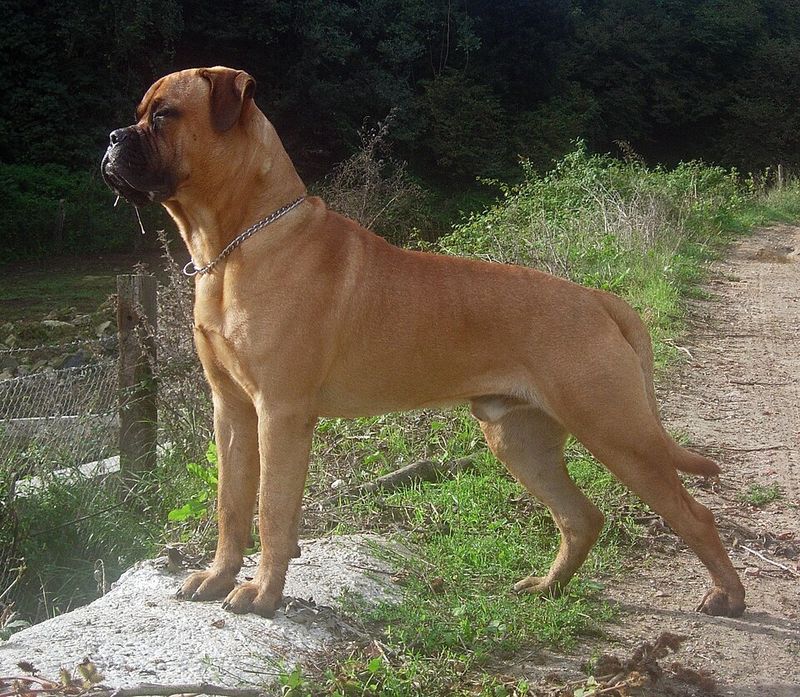
Bullmastiffs are gentle at rest but decisive when triggered, especially by boundary breaches. Without routines, they can claim doorways or block movement with their sheer presence.
Teach them that calm following beats independent patrolling.
Practice structured door drills: sit, watch, release. Limit window sentry duty with curtains or a designated place bed.
Keep leash manners sharp to prevent shoulder blocking and creeping ahead.
Short training sessions paired with restful decompression help manage energy. Socialize to varied people and surfaces so surprises do not prompt hard stares.
Praise soft eyes and relaxed posture, and interrupt slow building tension early. With clear leadership, the Bullmastiff becomes a steady, loving roommate.
American Bulldog
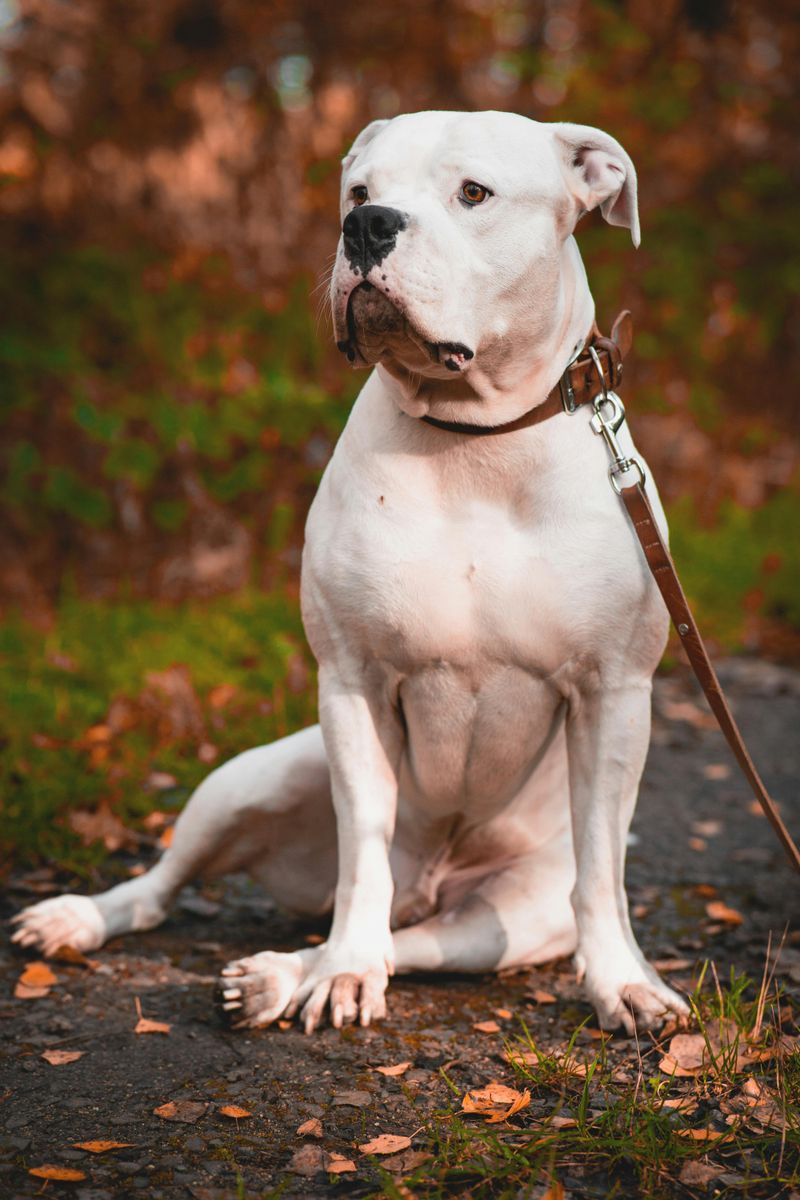
American Bulldogs can flip from cuddly to sentry when guests or delivery trucks appear. If you allow unsupervised yard time with fence running, the habit becomes territorial rehearsal.
Structure helps them separate family fun from boundary work.
Teach a rock solid recall and enforce calm returns from the fence line. Use decompression walks away from the property to reduce guarding intensity.
Reward check ins and train a settle cue for visitors.
Provide tug with rules, puzzle feeders, and obedience games to channel drive constructively. Early socialization with neutral dogs prevents posturing.
You will get loyalty without conflict when you set predictable rules and keep arousal in check.
Akita
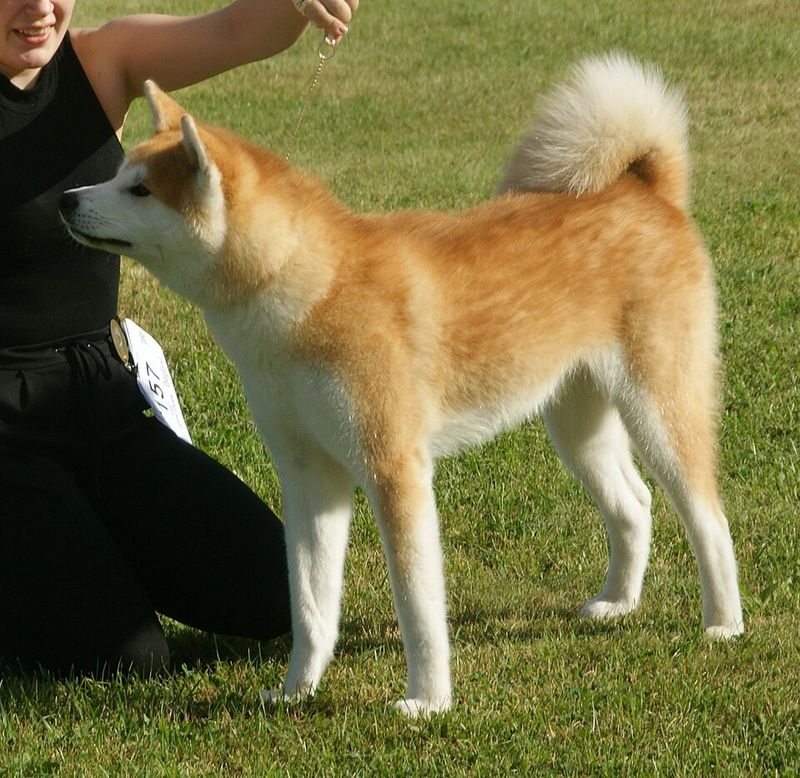
The Akita is dignified, independent, and quick to guard home turf. Without clear guidance, they may resource guard spaces, people, or even scenic viewpoints on walks.
Boundaries show that leadership is handled and vigilance has limits.
Prioritize neutrality training: watch quietly, then disengage on cue. Keep greetings short and avoid pushy dog parks that reward posturing.
Use structured heel work and patterned decompression routes after stimulating events.
Mentally engage with tracking games and quiet problem solving tasks. Reinforce soft eyes and loose body language generously.
When you communicate expectations consistently, the Akita respects your decisions and relaxes into calm companionship, saving that bold spirit for when you actually ask.
Chow Chow
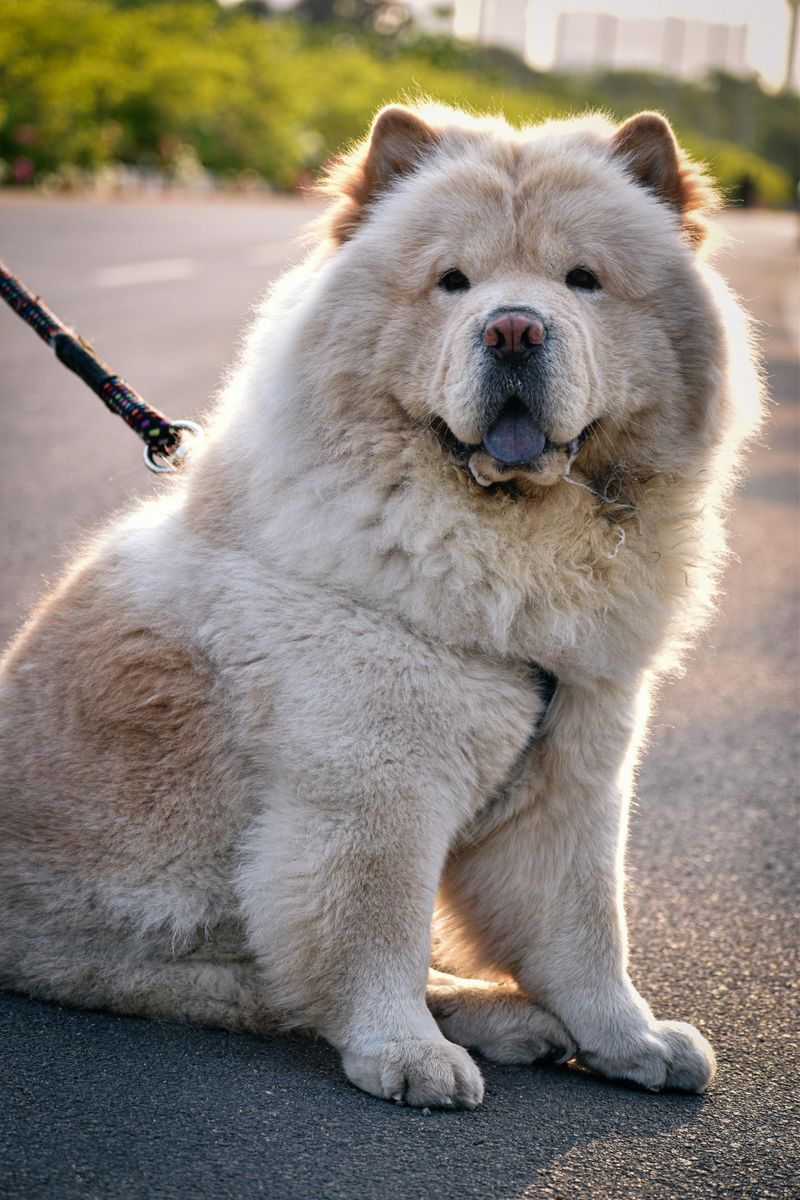
Chow Chows are famously reserved, and that reserve can morph into strict boundary keeping. Without structure, they may decide who passes and who pauses, even inside your home.
Calm, predictable routines reduce the urge to regulate traffic.
Teach go to your spot and close door drills to manage entries. Reward easy eye contact and gentle head turns away from triggers.
Keep grooming peaceful to prevent guarding around brushes and towels.
Use short training bursts with high value rewards to maintain engagement. Socialize early in quiet, positive contexts rather than chaotic crowds.
When you uphold clear rules kindly, the Chow Chow shows soft affection and reliable civility around your spaces.
Shar Pei
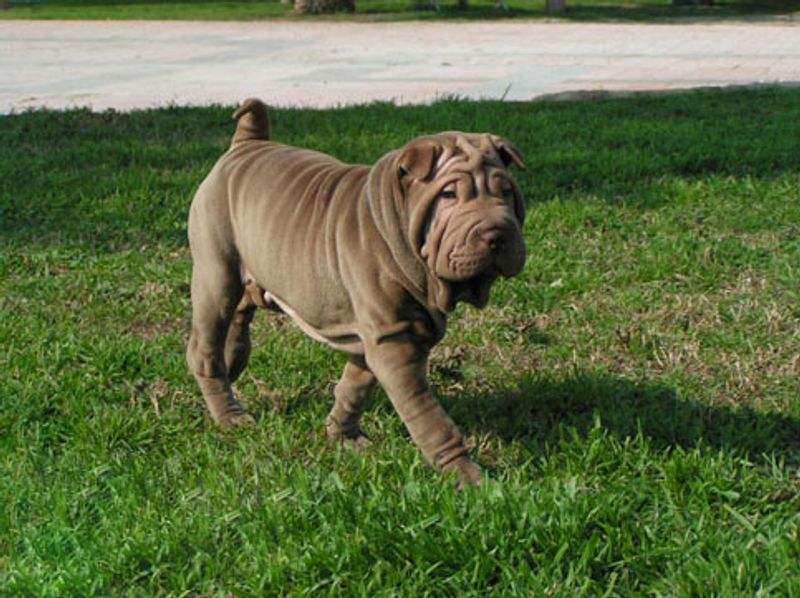
Shar Pei dogs are thoughtful and can be suspicious of unfamiliar movement near their people. Without guidance, that suspicion becomes territorial habits like doorway blocking or intense staring.
Gentle structure teaches them when to observe and when to relax.
Build routines around place training and calm visitor introductions. Teach a turn away cue for hallways and narrow spaces.
Keep walks purposeful to prevent scanning and reactivity from escalating.
Use scent games and targeting to occupy their clever mind. Reward soft approaches and relaxed expression, and interrupt tense build ups early.
With consistent boundaries and patient socialization, the Shar Pei trades hypervigilance for steady, considerate companionship.
Rhodesian Ridgeback
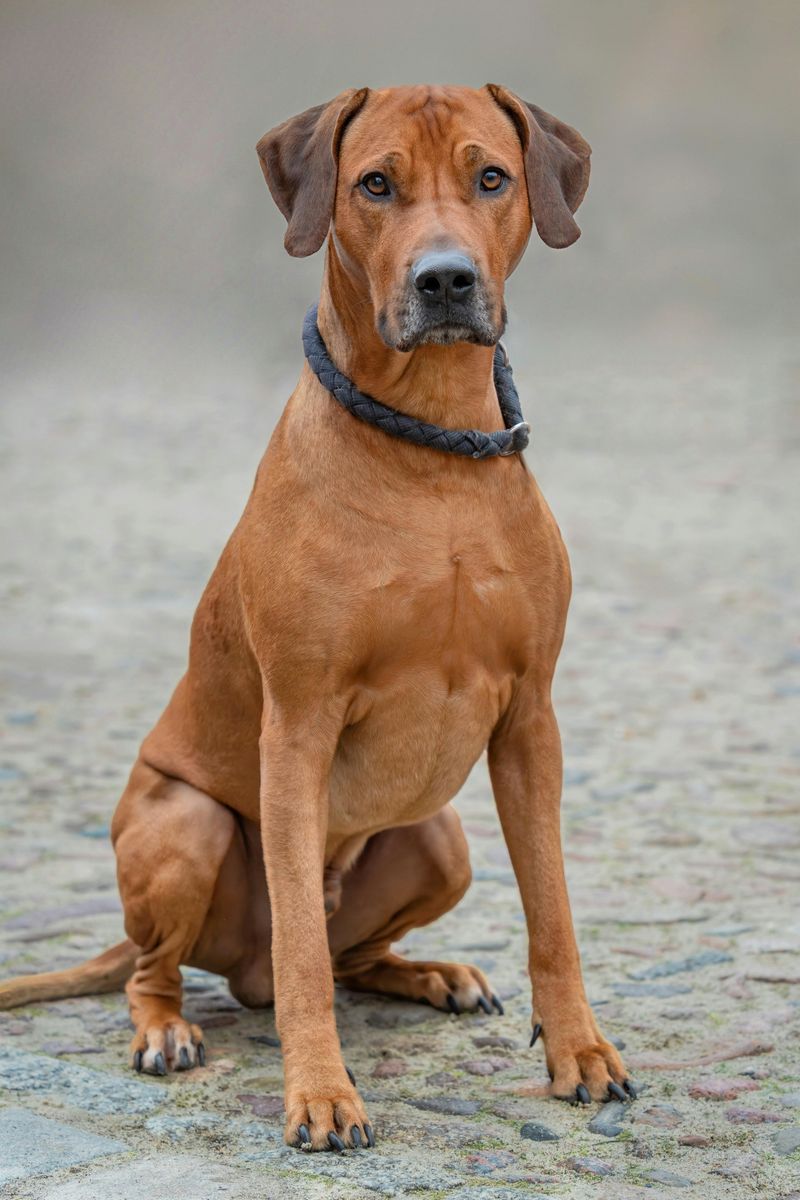
Rhodesian Ridgebacks are independent hunters turned guardians, and empty rules invite self appointed patrols. Without boundaries, they may chase along fences, shadow joggers, or control doorways.
Purposeful structure channels that bold confidence into partnership.
Teach strong recalls, long duration stays, and patterned loose leash walking. Use long lines in open spaces to prevent freelancing.
Rotate scent work, canicross light jogging, and impulse control games to balance drive.
Keep greetings brief and release them to a mat before arousal spikes. Reinforce check ins and calm eye contact often.
With clear expectations, the Ridgeback stays athletic and affectionate without turning every horizon into a security post.
German Shepherd Dog
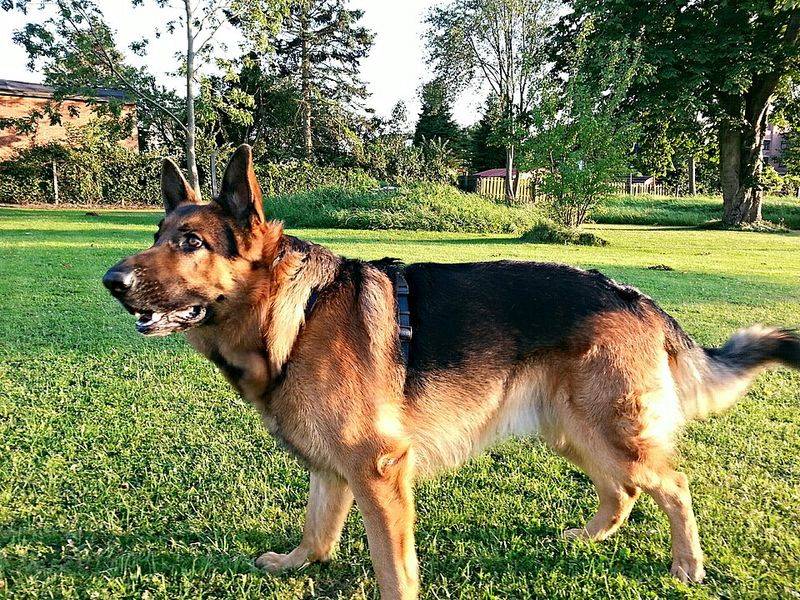
German Shepherds excel at reading patterns and will quickly claim responsibilities you forget to define. Left unchecked, window watching, barrier frustration, and yard patrolling become default jobs.
Boundaries keep their brilliance from hardening into reactivity.
Practice threshold routines and calm greetings, then send to a place bed. Pair mental work like scent articles and obedience chains with decompression walks.
Teach speak and quiet on cue to control vocal alerts.
Reward relaxed scanning and soft body curves, interrupt hard stares with movement. Use structured play that ends on your signal.
When guidance is consistent, the Shepherd becomes a balanced partner, protective when asked, easygoing when not.
Belgian Malinois
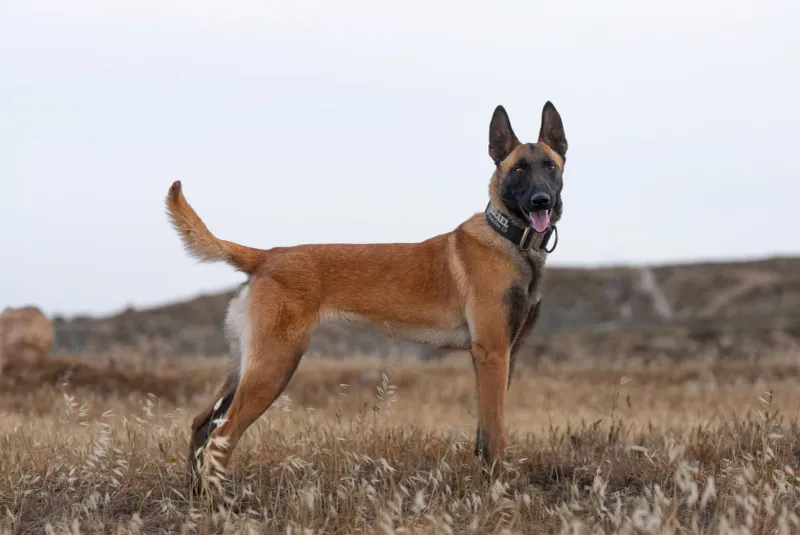
The Belgian Malinois thrives on purpose and will invent missions if you do not assign them. Unstructured time turns into perimeter runs and rehearsed reactivity.
Clear, frequent training sessions give that energy a healthy outlet.
Use place work between reps, precise heeling, and send away recalls to keep control. Rotate bite pillow games with strict rules, scent detection, and platform work.
Keep durations short and engagement high.
Teach arousal downshifts with breathing breaks and mat settles. Reward neutrality near fences, fields, and parked cars.
With tight boundaries and daily jobs, the Malinois becomes astonishingly reliable, channeling intensity into teamwork instead of territory.
American Staffordshire Terrier
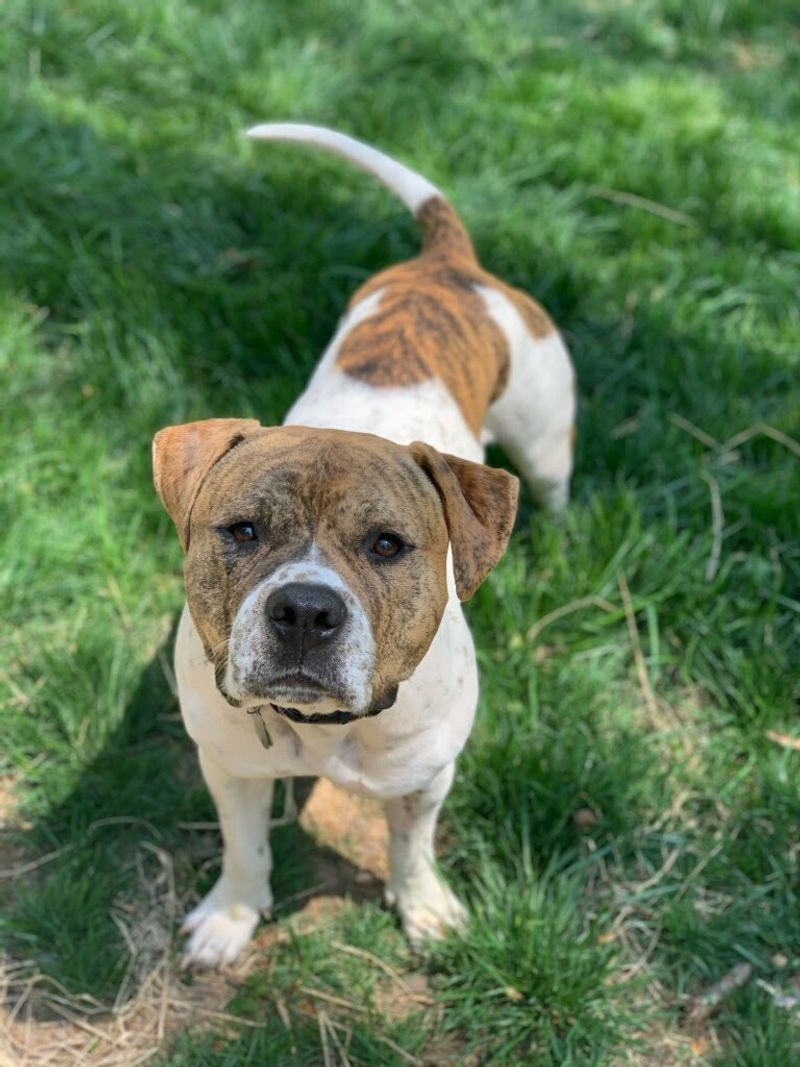
AmStaffs are people focused athletes, and unclear rules can make them gatekeepers. Without guidance, they may posture at windows, crowd guests, or argue over couches and laps.
Boundaries turn affection into manners.
Teach polite door routines and mat settles during visits. Reward calm check ins on walks and redirect hard stares before tension builds.
Use tug with rules and impulse control games to satisfy drive.
Keep socialization steady and positive, avoiding chaotic off leash scenes. Reinforce sharing spaces with structured place work around other pets.
With consistent leadership and outlets for energy, your AmStaff remains loving, confident, and gracious in tight quarters.
Staffordshire Bull Terrier
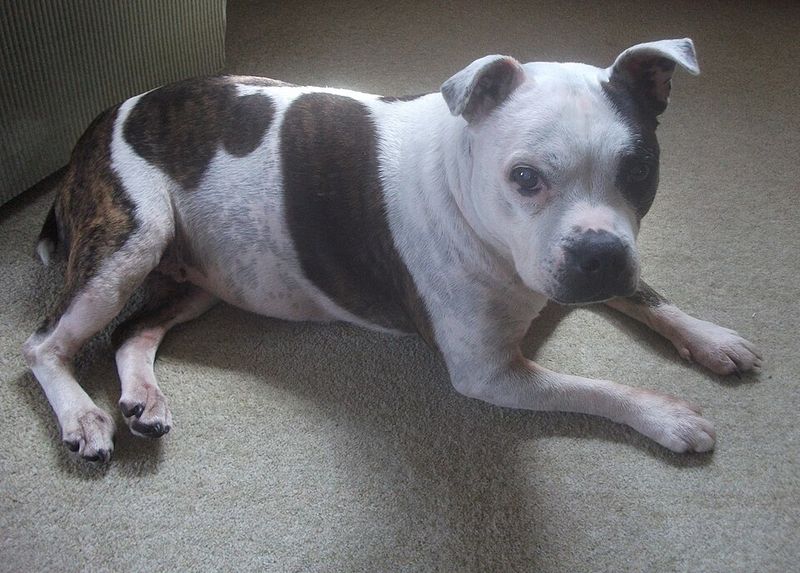
Staffordshire Bull Terriers are affectionate clowns with surprising resolve. If boundaries blur, they may guard sofas, doorways, or favorite people with outsized determination.
Clear rules help them relax and share.
Practice out and off cues daily, then reward calm returns. Use structured fetch, tug with release, and puzzle feeders to focus energy.
Keep greetings cheerful yet short, guiding them to a mat when guests arrive.
Socialize steadily with neutral dogs and varied environments. Reinforce soft mouth, loose body curves, and quick disengagements from triggers.
With predictable routines and patient coaching, the Staffy stays cuddly and confident without turning the living room into a personal kingdom.