Some dogs thrive on bustle, but others quietly crumble when life gets too noisy. If your home runs on high volume and constant motion, the wrong match can lead to stress for both you and your pup.
This guide spotlights breeds that prefer gentle routines, soft voices, and predictable days. Learn which companions need calmer spaces so you can set them up for a happier life.
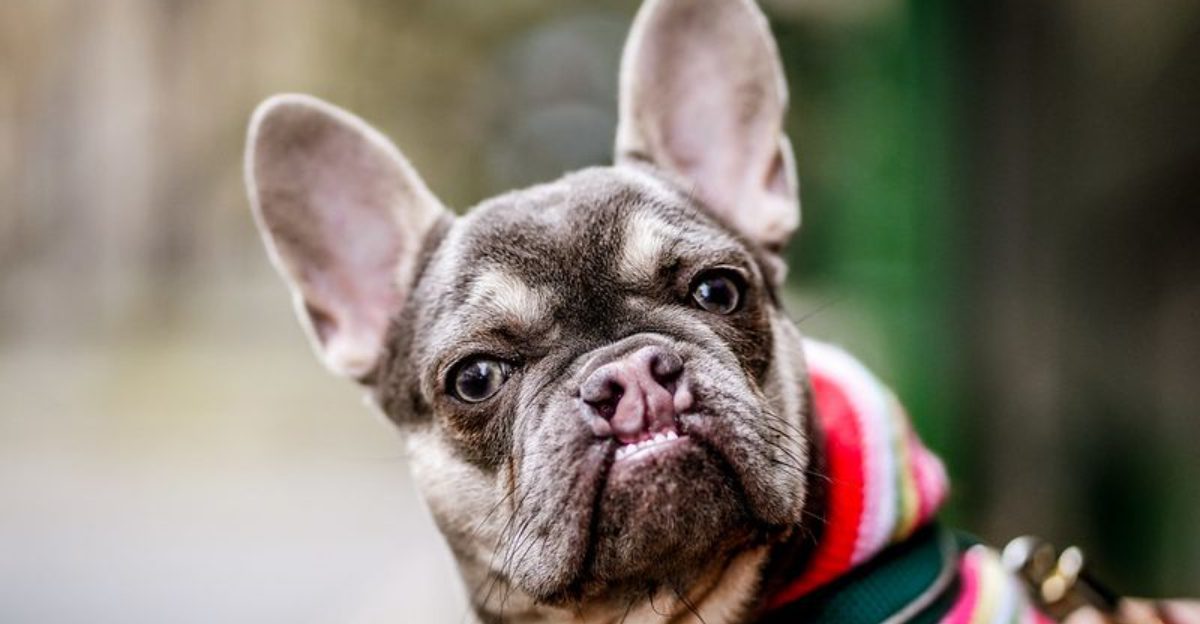
French Bulldog
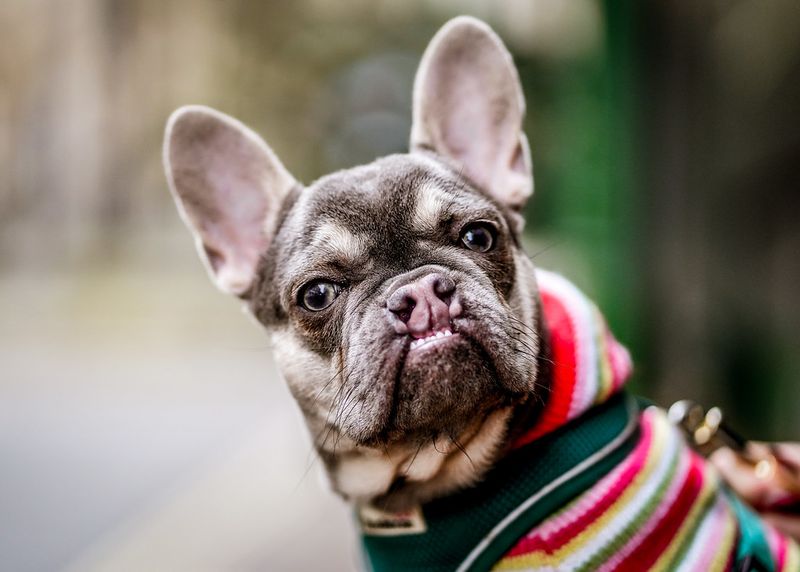
French Bulldogs adore being near you, but chaos can overwhelm their sensitive nature. Loud voices, frequent visitors, and excited kids add up fast, leaving this breed anxious or clingy.
Heat and overexertion also stress them, so a calm home with steady routines works best.
You will notice they decompress when the TV is low, foot traffic is light, and naps are protected. Short, predictable walks and quiet enrichment keep their minds busy without overload.
If your schedule is hectic, aim for calm zones and consistent potty breaks.
Positive training with gentle praise helps them relax. Avoid rough play and sudden changes.
Give them cool spaces, slow introductions, and you will see their affectionate, goofy charm bloom.
English Bulldog
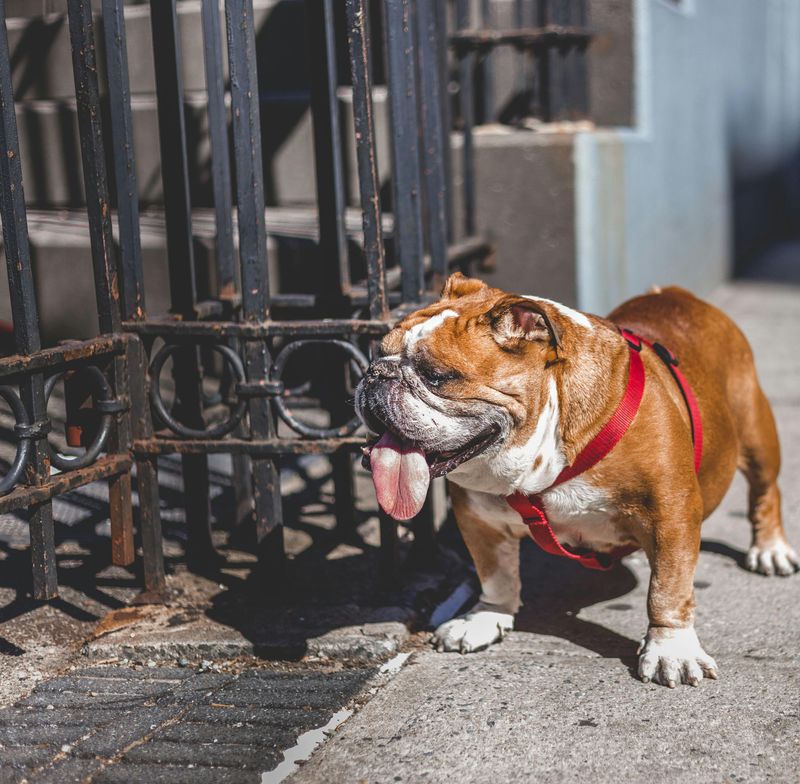
English Bulldogs crave predictability and tend to shut down when life gets loud. Sudden commotion can make them stubborn or stressed, especially if they feel pressured to move quickly.
Their brachycephalic breathing means heat, excitement, and chaos can exhaust them fast.
Keep activity low to moderate and schedule rest after short play sessions. Gentle routines for feeding, walks, and grooming help them feel safe.
If kids are around, teach calm interactions and quiet voices to prevent overwhelm.
Provide cool zones, non slip flooring, and patient training with tasty rewards. Avoid frantic fetch or crowded dog parks.
With a laid back environment and steady affection, this mellow companion becomes a confident, loyal couch buddy.
Pug

Pugs are social clowns, but lots of noise and nonstop action can wear them out. Their breathing challenges make overexcitement risky, and constant stimulation may trigger restless pacing or barking.
They do best when days flow smoothly and downtime is protected.
Keep visitors staggered, play gentle games, and use quiet puzzle toys. A dedicated nap corner helps them reset when the volume rises.
You will notice happier behavior when exercise is short, shade is easy to find, and air conditioning is available.
Positive reinforcement builds confidence without stress. Avoid roughhousing, high heat, and unpredictable schedules.
With calm cuddles, short walks, and tender structure, your Pug will thrive as a lovable shadow.
Boston Terrier
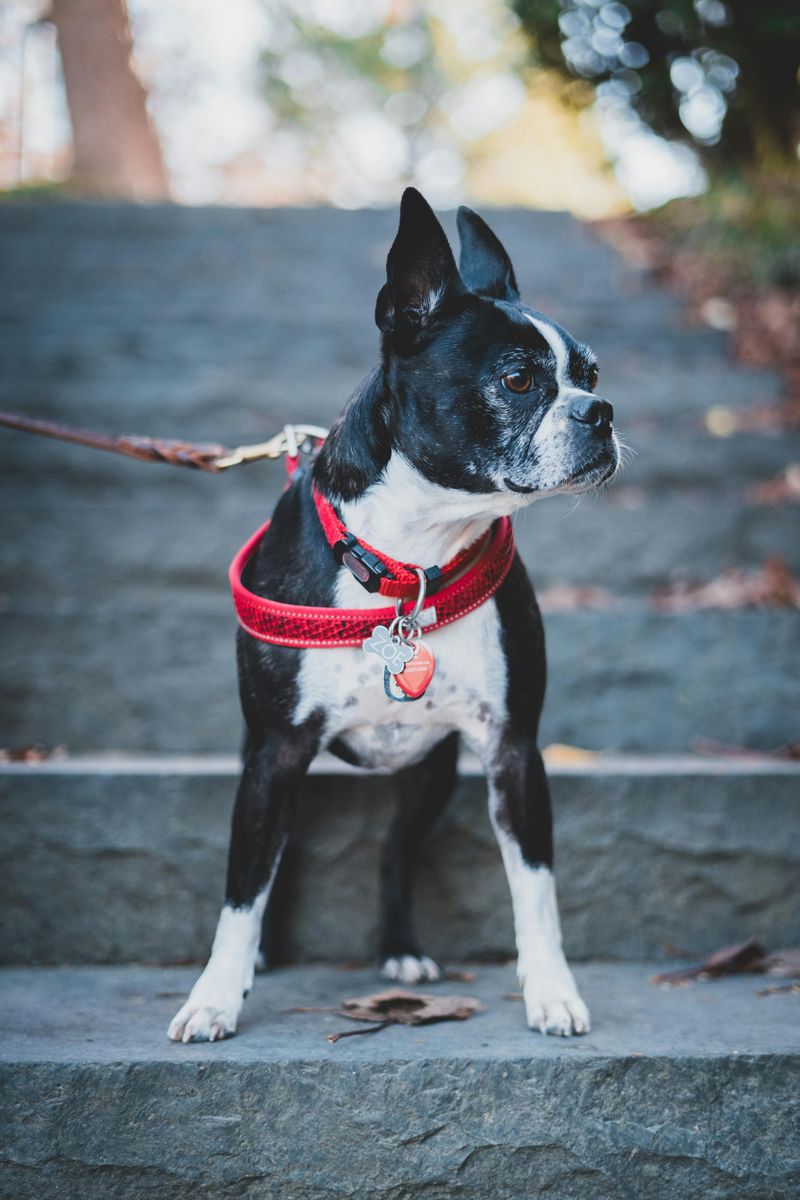
Boston Terriers are lively, yet they can be sensitive to chaos and quick changes. Too much excitement can wind them up, leading to zoomies, barking, or jumpy behavior.
They shine with structure, calm guidance, and predictable outlets for energy.
Offer short training bursts, soft tug games, and relaxed sniff walks. Keep greetings polite and spaced out so they do not spiral into overstimulation.
A quiet crate or bed gives them a place to self settle when things get busy.
Reward calm choices and use low key voice tones. Avoid rowdy play and overcrowded spaces.
With steady routines, your Boston becomes charming, focused, and fun without tipping into frenzy.
Cavalier King Charles Spaniel

Cavaliers are sensitive companion dogs who read your mood and mirror it. Chaotic homes can make them clingy, anxious, or vocal, especially if they cannot predict what happens next.
They flourish with gentle voices, kind handling, and cozy cuddle time.
Plan calm enrichment like scent games, slow fetch on carpet, and soothing grooming sessions. Avoid rough play or loud corrections, which can shut this breed down.
Provide a quiet retreat where they can nap undisturbed during family bustle.
Short walks, steady feeding times, and positive training help them relax. Monitor separation anxiety, since they bond deeply.
In a peaceful home with loving routines, Cavaliers glow with sweetness and grace.
Shih Tzu
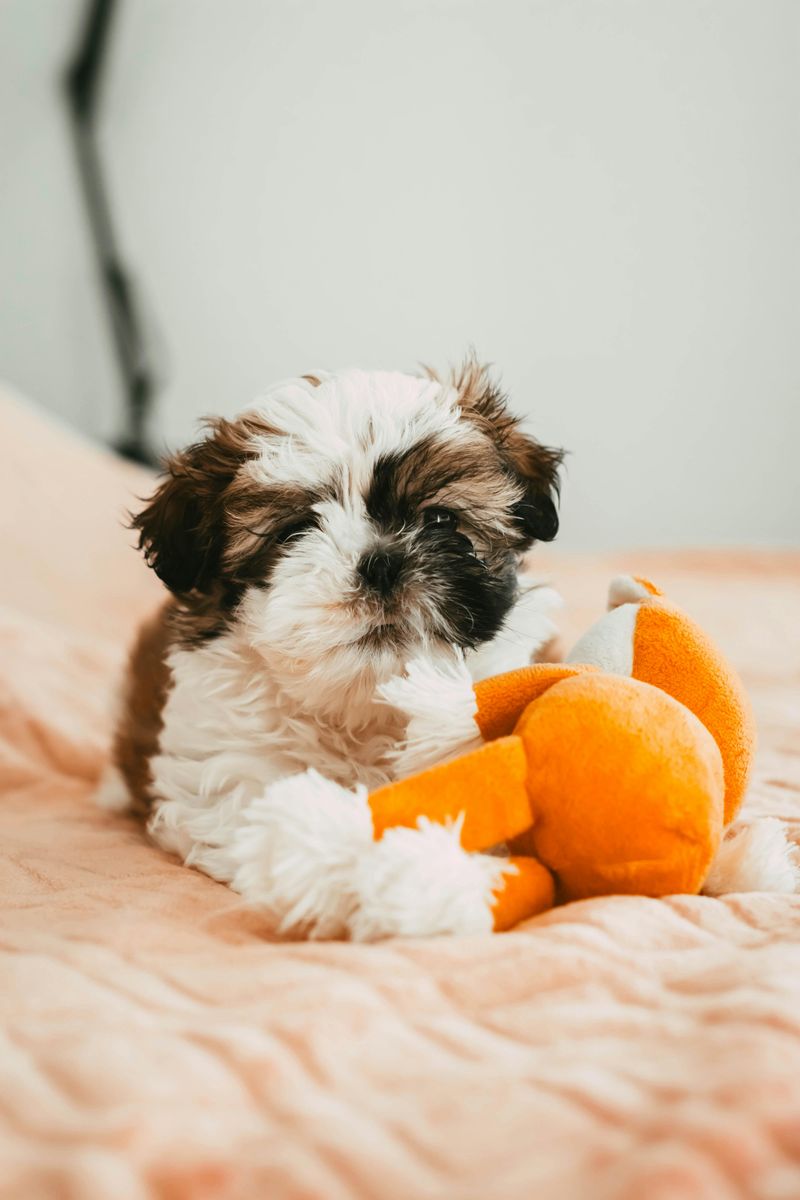
Shih Tzus are affectionate lap dogs that prefer soft rhythms over high volume. Loud, unpredictable environments can lead to nervous barking or hiding.
They do best when grooming, walks, and play happen on a set schedule, with gentle handling throughout.
Create a calm grooming routine to keep hair from irritating eyes. Offer puzzle feeders and slow sniff walks for mindful enrichment.
A quiet crate or cozy bed helps them decompress when household energy spikes.
Use positive training and low stress introductions to children and guests. Avoid roughhousing, yanking leashes, and chaotic dog parks.
With patient structure and peaceful spaces, your Shih Tzu blossoms into a serene, loving companion.
Maltese

The Maltese is delicate and people focused, thriving on calm attention. Overstimulating homes can trigger trembles, barking, or clinginess, especially if routines are inconsistent.
This breed appreciates quiet grooming, soft voices, and gentle play that respects their small frame.
Offer short training sessions with high value treats and plenty of praise. Provide a dedicated nap zone away from doorways and speakers.
Slow indoor games and scent work meet needs without overwhelming.
Keep introductions mellow and supervise interactions with kids carefully. Avoid rough grabby play and crowded settings.
With predictable days, mindful enrichment, and tender handling, your Maltese will glow with confidence and affectionate charm.
Havanese

Havanese love companionship but can struggle when noise and movement never stop. Constant chaos may result in barking, reactivity, or clingy behavior.
They excel with gentle structure, clear boundaries, and frequent quiet breaks throughout the day.
Use positive training to shape calm greetings and polite leash skills. Rotate soft toys and puzzle feeders for balanced enrichment.
Provide a peaceful retreat, like a covered crate, so they can self soothe when guests arrive.
Keep grooming regular to prevent mats that add discomfort. Avoid crowded dog parks and rowdy playdates.
In a cozy, predictable home with lots of affection, your Havanese becomes a cheerful, confident companion who loves to learn.
Bichon Frise
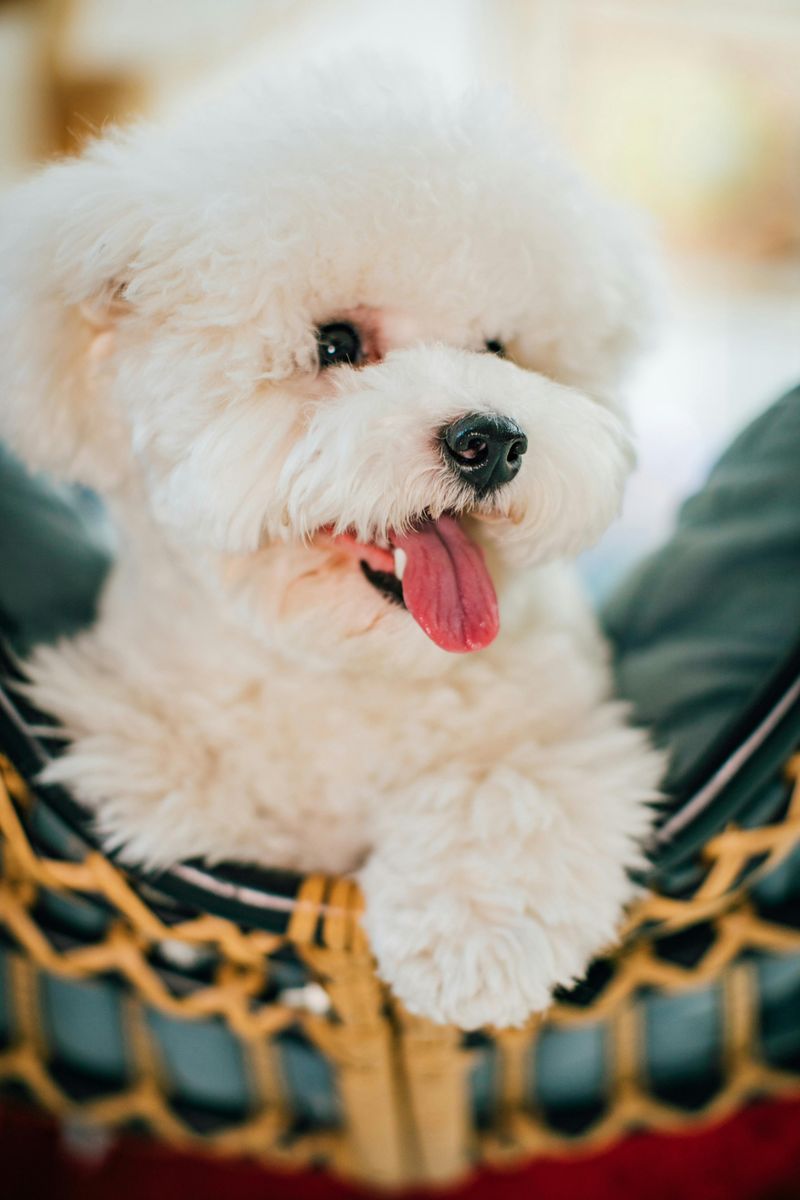
Bichons are bright, sensitive, and people oriented, which makes constant commotion overwhelming. Loud environments can push them into barking or attention seeking spirals.
They thrive when play, training, and rest follow a steady, gentle rhythm.
Teach calm greetings, use scent games, and schedule regular grooming to keep their coat comfortable. Offer a quiet snooze zone away from hallways and kitchens.
Soft training with treats and praise builds confidence without stress.
Avoid punitive methods and chaotic dog parks. Keep enrichment varied but not frantic, like slow fetch or indoor hide and seek.
In a peaceful, affectionate home, the Bichon radiates joy, wit, and resilience.
Yorkshire Terrier
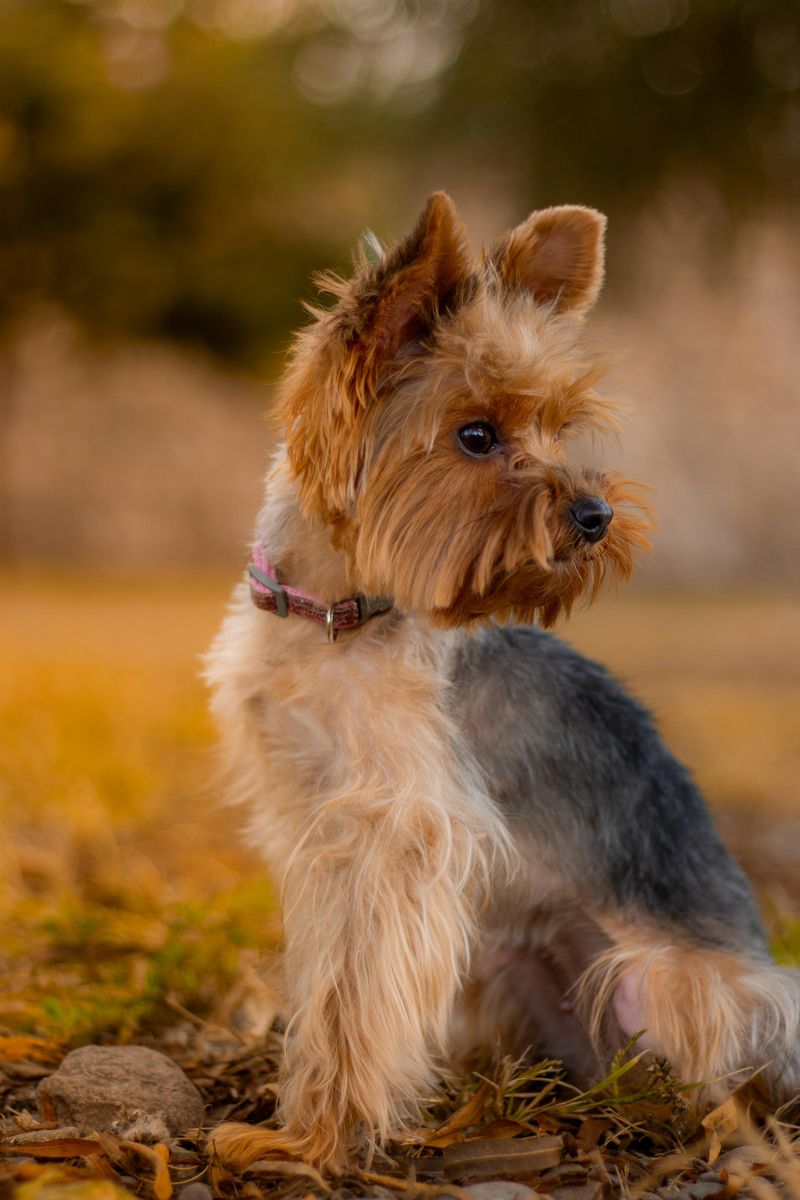
Yorkies are tiny with big feelings, and nonstop noise can make them reactive. They may bark at movement or guard laps when overstimulated.
Calm routines, gentle training, and structured enrichment keep their sharp minds busy without tipping into chaos.
Short sniff walks, target games, and quiet tug help them focus. Provide a perch or cozy bed where they can observe without being in the center of action.
Reward settled behavior generously.
Avoid rough play and overwhelming crowds. Manage door excitement with mat training and soft cues.
With patience, predictability, and kind leadership, your Yorkshire Terrier blossoms into a brave, charming sidekick who feels safe at home.
Pomeranian
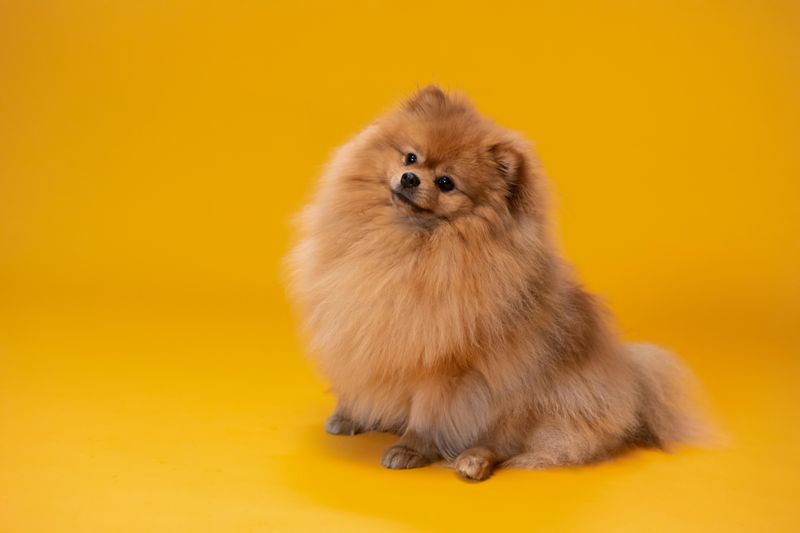
Pomeranians are alert and vocal, which means chaos can crank up their volume. They may spin, bark, or guard when the household never settles.
These bright dogs shine with calm training, gentle boundaries, and scheduled quiet time.
Teach go to mat, reward stillness, and use puzzles to channel energy productively. Keep grooming regular so their dense coat stays comfortable.
Offer a peaceful nook where they can retreat during high activity.
Avoid rough handling and overly busy dog parks. Slow introductions and soft voices help them feel secure.
With predictable routines, mindful enrichment, and lots of reassurance, your Pomeranian becomes a confident, cuddly companion.
Chihuahua
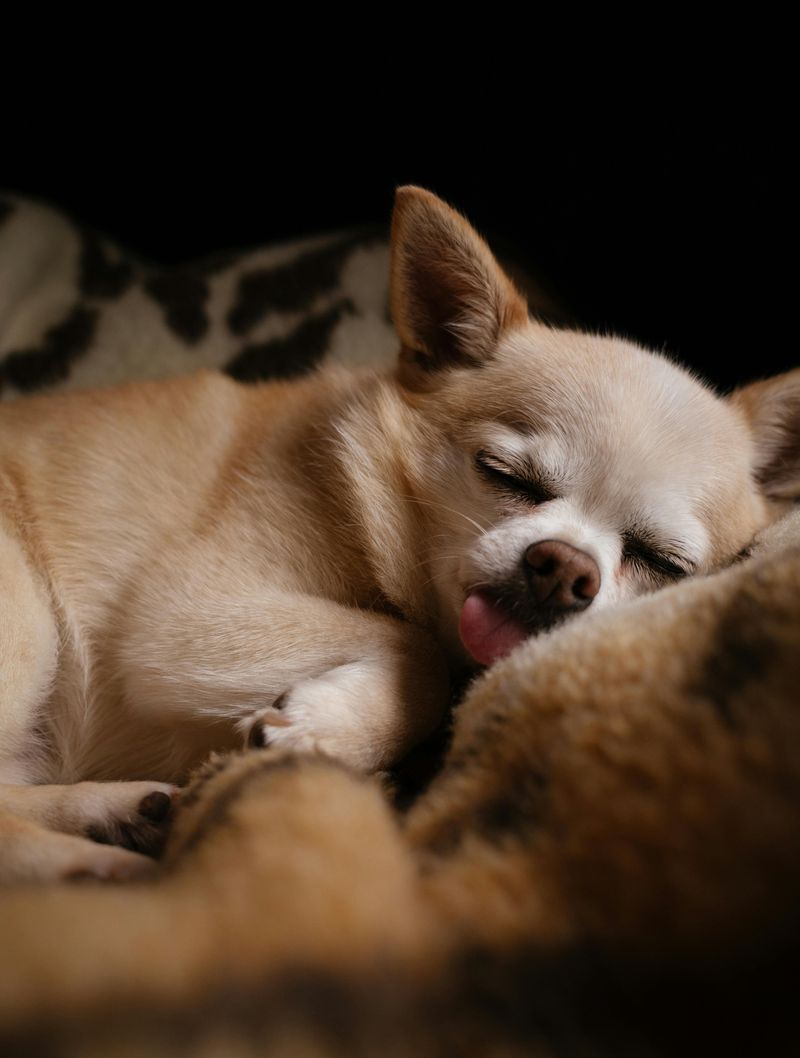
Chihuahuas are tiny and alert, often startled by loud sounds or fast movement. In chaotic homes, they may bark, tremble, or hide, especially without safe spaces.
They thrive with gentle handling, consistent routines, and respectful boundaries.
Provide cozy dens and teach kids to move slowly and speak softly. Short training sessions with tasty rewards build confidence.
Keep walks calm and avoid crowded dog areas that can feel threatening.
Use patience, not punishment, for sensitive behaviors. Encourage quiet games and scent work to tire their mind.
With predictability, soft voices, and protected rest, your Chihuahua will show brave, affectionate sparkle.
Papillon

Papillons are bright and sensitive, quick to respond to every movement. In hectic homes, they may bark or pace, struggling to settle.
They do best with brain games, calm training, and plenty of quiet decompression.
Teach impulse control with go to mat and hand targets. Offer puzzle toys, shaping sessions, and gentle sniff walks.
Keep greetings low key and give them a retreat space when company arrives.
Avoid rough play and constant high energy fetch. Reward stillness and soft eye contact generously.
With predictable routines and thoughtful enrichment, your Papillon becomes a focused, elegant partner who loves to learn.
Miniature Schnauzer
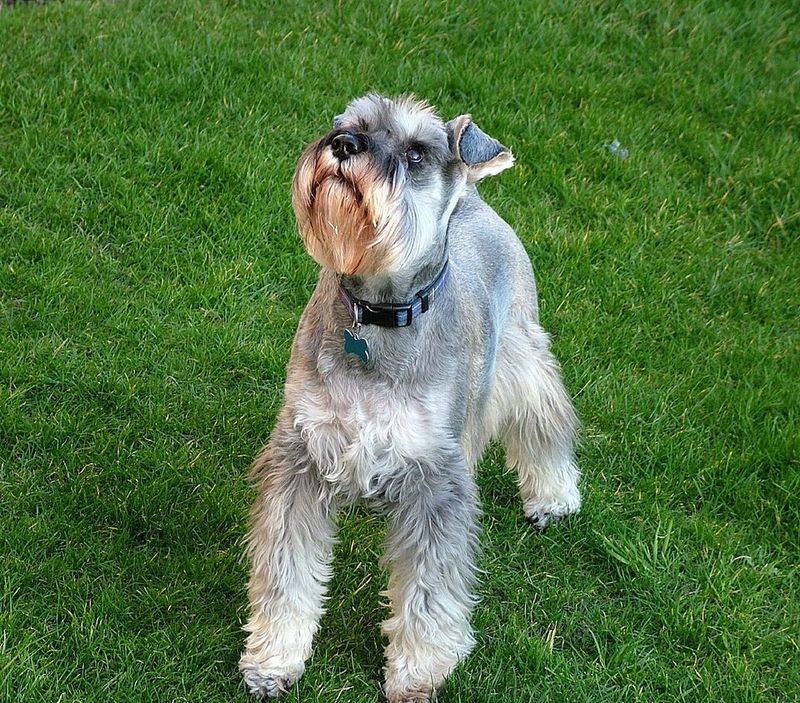
Miniature Schnauzers are spirited watchdogs, which makes chaos a trigger for barking. Constant stimulation can wind them up, leading to reactivity.
They thrive with clear rules, calm training, and steady mental work that keeps their minds busy.
Practice quiet settle on a mat, structured walks, and scent games. Limit window access if they fixate on passersby.
Provide a peaceful crate or bed where they can decompress between activities.
Avoid harsh corrections that fuel stress. Reward calm choices and use predictable routines.
With patient leadership and thoughtful outlets, your Miniature Schnauzer channels energy into confident, polite behavior at home.
Dachshund
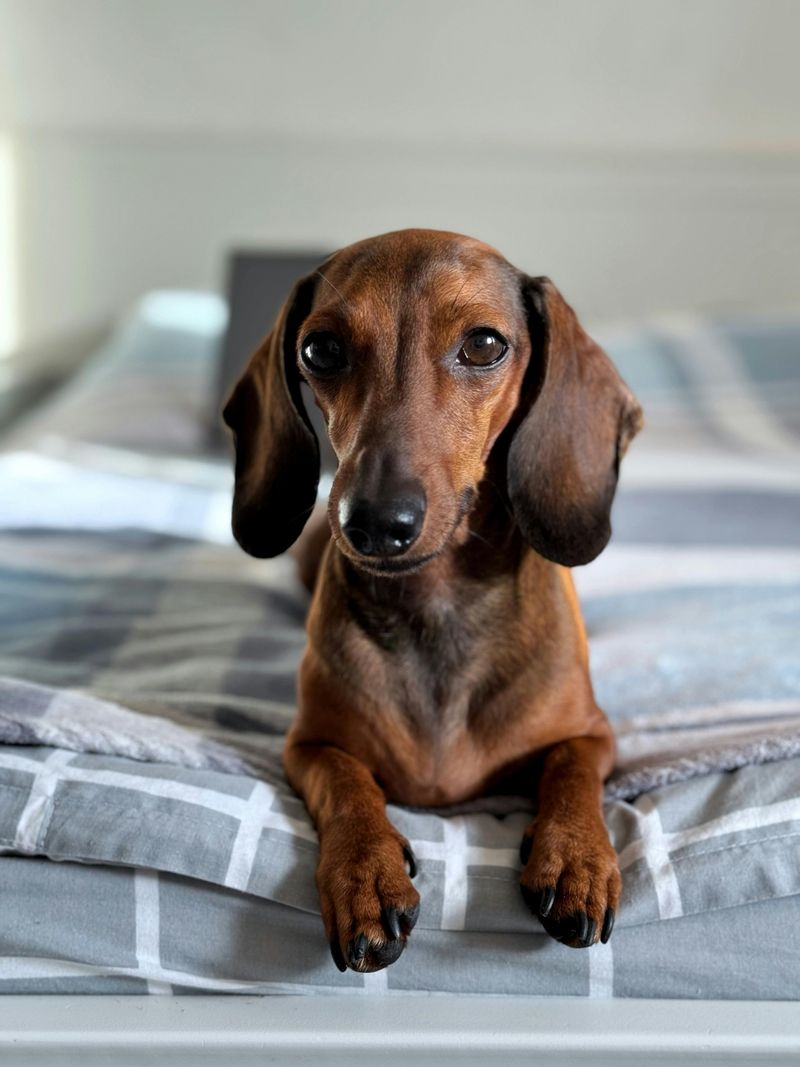
Dachshunds are clever hunters with big opinions, and nonstop noise can heighten their watchdog instincts. In chaotic homes, they may bark, dig at carpets, or guard resources.
Calm routines, clear boundaries, and gentle enrichment help them feel secure.
Use nose work, slow tug, and short training bursts to channel energy. Provide ramps or steps to protect backs and reduce jumpy excitement.
Offer a dark, quiet den where they can retreat during busy periods.
Avoid rough play, forced handling, and rowdy dog parks. Reward calm behaviors and teach place to settle near you.
With predictability and respect for their sensitivities, Dachshunds become affectionate, humorous companions.
Cocker Spaniel
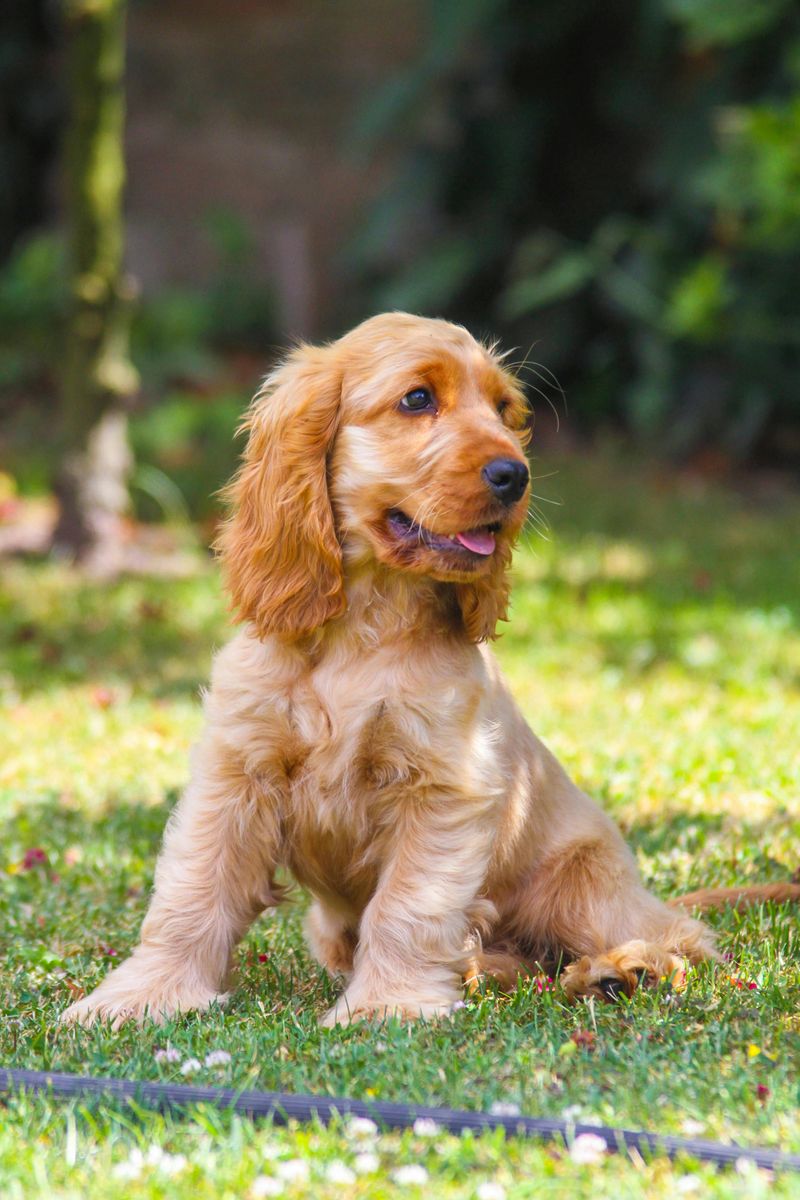
Cocker Spaniels are loving and sensitive, often overwhelmed by loud, unpredictable spaces. Overstimulation can show up as whining, barking, or clingy behavior.
They thrive with soft guidance, consistent routines, and plenty of decompression time.
Schedule grooming to keep ears clean and coat comfortable, reducing irritability. Offer scent games, slow fetch, and relaxing walks to balance their energy.
Provide a quiet corner where they can rest without interruption.
Avoid harsh corrections and chaotic dog parks. Reward calm choices, teach settle on a mat, and keep greetings low key.
In a gentle home with structure and patience, Cockers reveal their sunny, devoted nature.