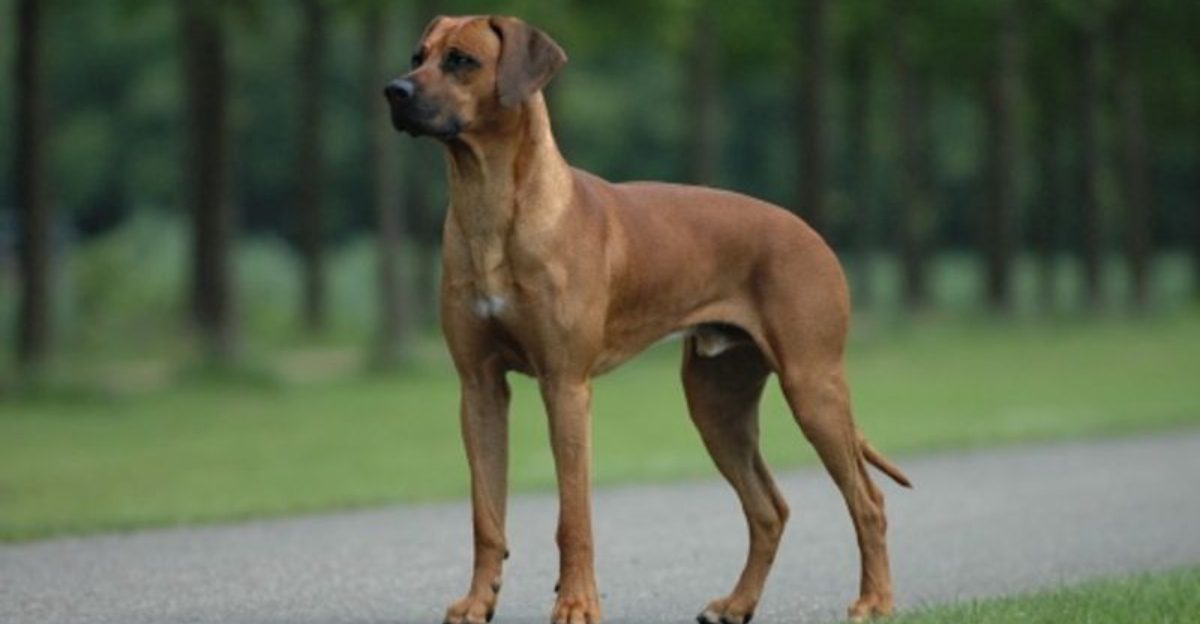
You have probably seen those viral posts saying a growl is not always aggression, and the comments are on fire. It makes sense, because growls can signal discomfort, confusion, or a clear please give me space.
If we label every growl as dangerous, we miss a crucial early warning that helps prevent bites. Let us talk about the breeds most mentioned and how to read their signals with fairness, nuance, and respect.
German Shepherd Dog
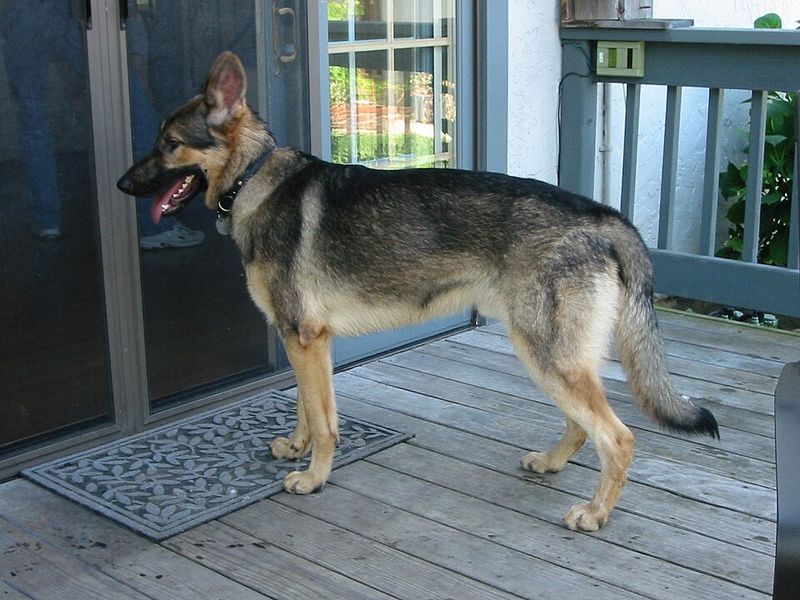
German Shepherds are brilliant problem solvers, so their growls often read like helpful notes. You might hear a grumble when a stranger hugs too fast, or when kids crowd a resting dog.
That sound can be a boundary marker more than a threat, asking for space and clarity.
Watch the body language first. Are the ears neutral, tail low, mouth loose, and movement slow.
That usually signals stress rather than intent to bite. Create space, lower excitement, and give a predictable cue.
Reward calm choices and teach consent cues like touch here or off. Confident shepherds thrive on structure, decompression walks, and clear exits from pressure.
Intervene early, not harshly.
Rottweiler
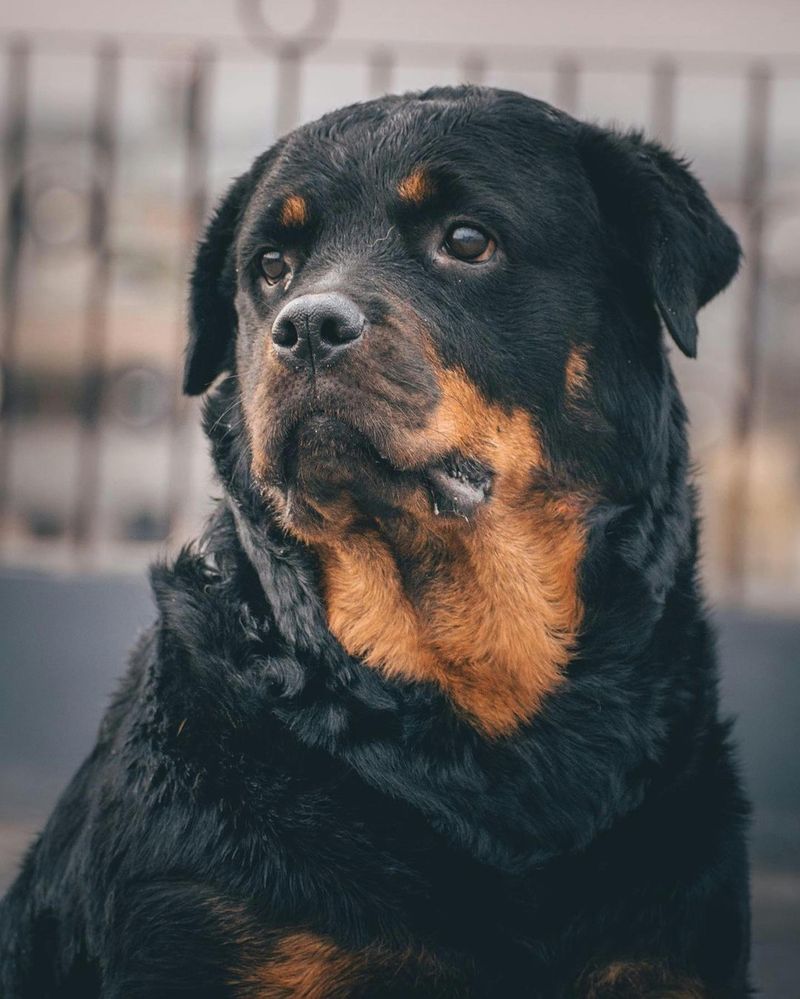
Rottweilers communicate with their whole bodies. A low rumble may be a hey, I am uncertain, not a promise of aggression.
If the dog’s eyes stay soft and the tail is neutral, you are likely hearing discomfort instead of danger.
Respect the message. Pause petting, give space, and invite a choice like come away.
Rotties value predictability and steady handling. Overcorrecting can escalate fear and conflict.
Teach an opt out cue and reinforce calm check ins. Practice cooperative care for nails and grooming so your dog learns consent.
The more you honor early signals, the less they need to shout.
Cane Corso
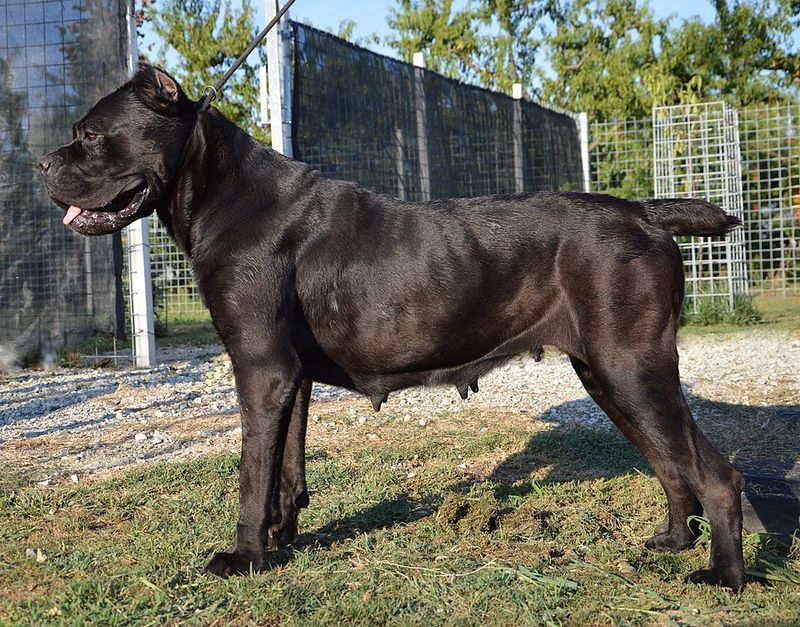
Cane Corsos are discerning guardians. A growl can be a calm boundary cue when a stranger approaches too directly.
Before assuming aggression, scan posture. Loose muscles, side body presentation, and a low tail often mean the dog is asking for room.
Guide with neutrality. Increase distance, curve your path, and let the dog observe.
Avoid staring or crowding. Harsh scolding can make warnings disappear, which is risky.
Train default behaviors like look, turn, and behind. Reinforce calm observation and short decompression breaks.
With thoughtful advocacy, Corsos learn they do not need to escalate because you handle the social pressure.
Doberman Pinscher
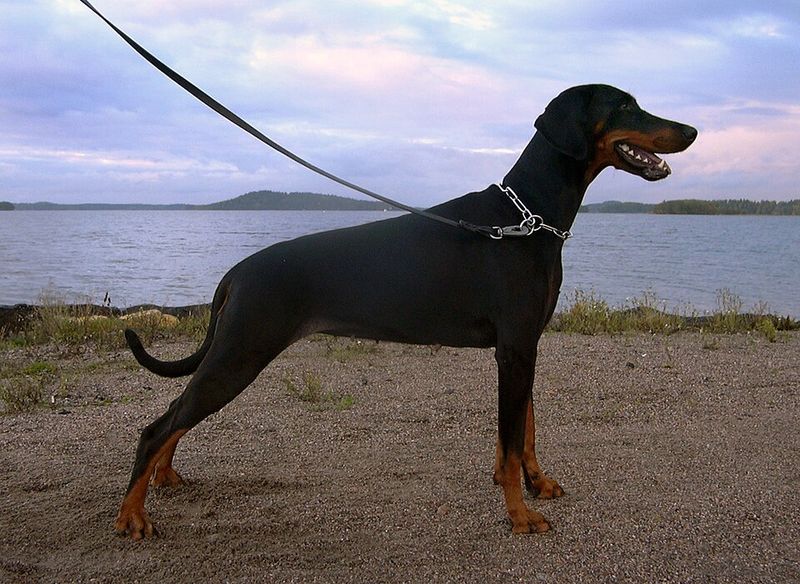
Dobermans are sensitive and quick to notice patterns. A growl may surface when routines shift or someone looms over their space.
Look for context clues. If the dog takes food gently and disengages after space is offered, that speaks to stress, not malice.
Use movement to reset. Arc away, soften your shoulders, and breathe.
Avoid pinning the dog in corners. Clarity and choice build trust for these thinkers.
Teach a go to mat and a check in cue. Reinforce quiet observation at thresholds and elevators.
When you honor early communication, Dobermans relax and learn you will interpret the world fairly.
American Bulldog
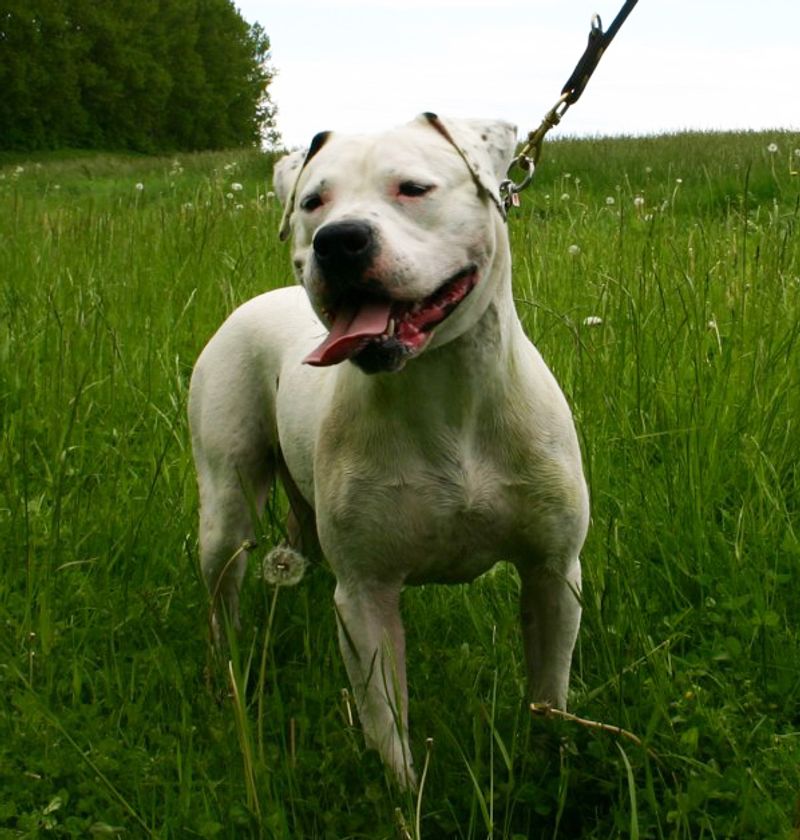
American Bulldogs are powerful, yet many are tender with clear guidance. A brief growl during chaotic moments can signal overwhelm.
If the body loosens when space appears, you have feedback, not a threat. Think pressure and release.
Manage arousal carefully. Slow greetings, stable footing, and short sessions help.
Step between kids and the dog when energy spikes. You are advocating, not coddling.
Build skills like settle on a mat and hand target to move away. Reinforce when your dog chooses distance over confrontation.
Early respect for boundaries keeps everyone safe and strengthens trust.
Boxer
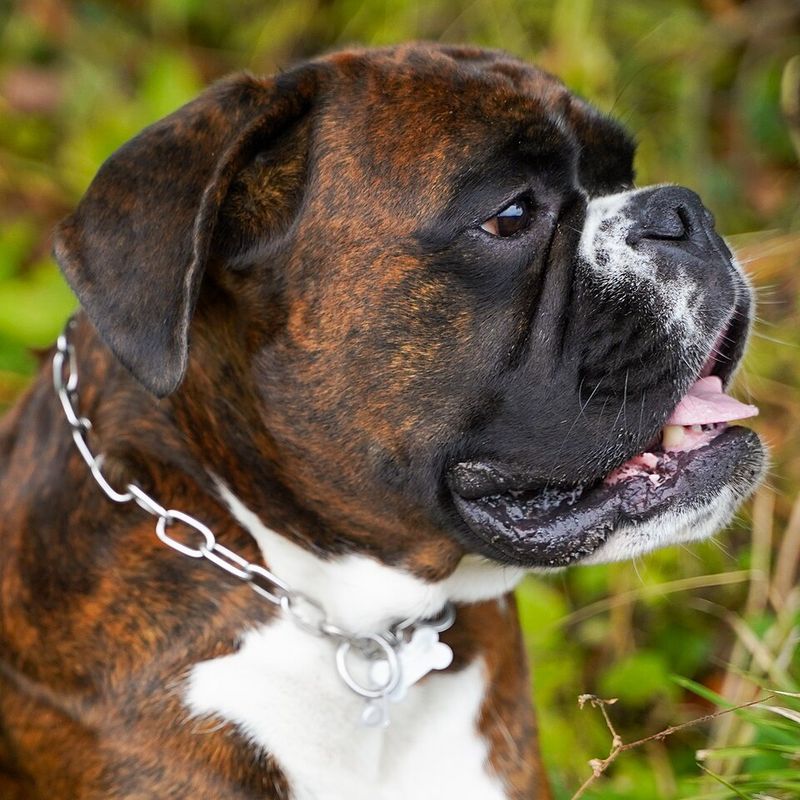
Boxers are clowns with big feelings, and many vocalize during play. A playful growl during tug is common when the body is springy, tail loose, and eyes bright.
That is not aggression, it is enthusiasm paired with arousal.
Set rules anyway. Use start stop games, trade cues, and brief cool downs so excitement does not tip into frustration.
Watch for stiff freezes or a hard stare. Those shift the picture.
Teach drop, take it, and out to reduce conflict. Reward polite re engagement after mini breaks.
Boxers thrive when outlets are clear and energy has structure.
American Pit Bull Terrier
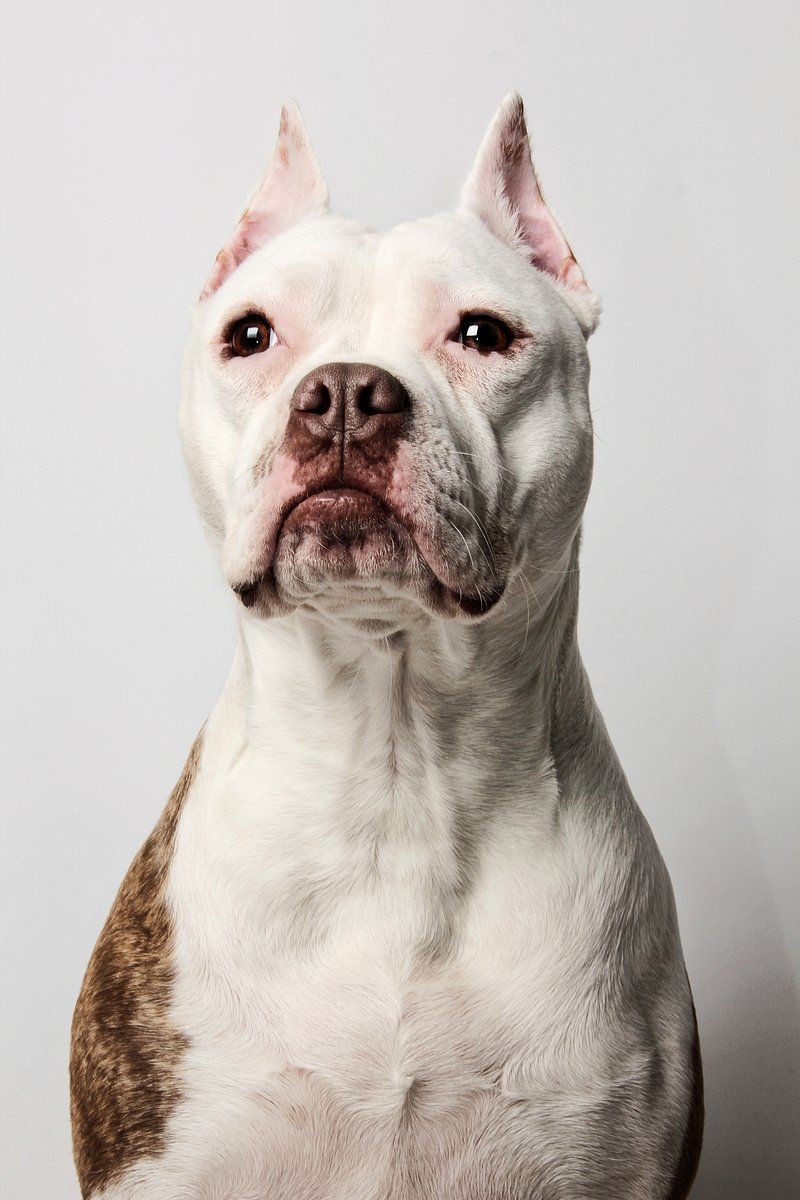
APBTs are people focused, yet some dislike surprise touches. A soft growl from the couch can be a boundary about soreness, sleep, or guarding a spot.
Respect the pause. Invite a chin rest or ask for off, then reward cooperation.
Check the whole dog. Loose tail, relaxed blink, and willingness to move suggest discomfort, not intent to harm.
Remove pressure, not the warning system.
Build cooperative care habits, teach trades, and give predictable routines. Reinforce calm exits from tight spaces.
When you honor communication, these dogs lean into you with confidence and ease.
Bullmastiff
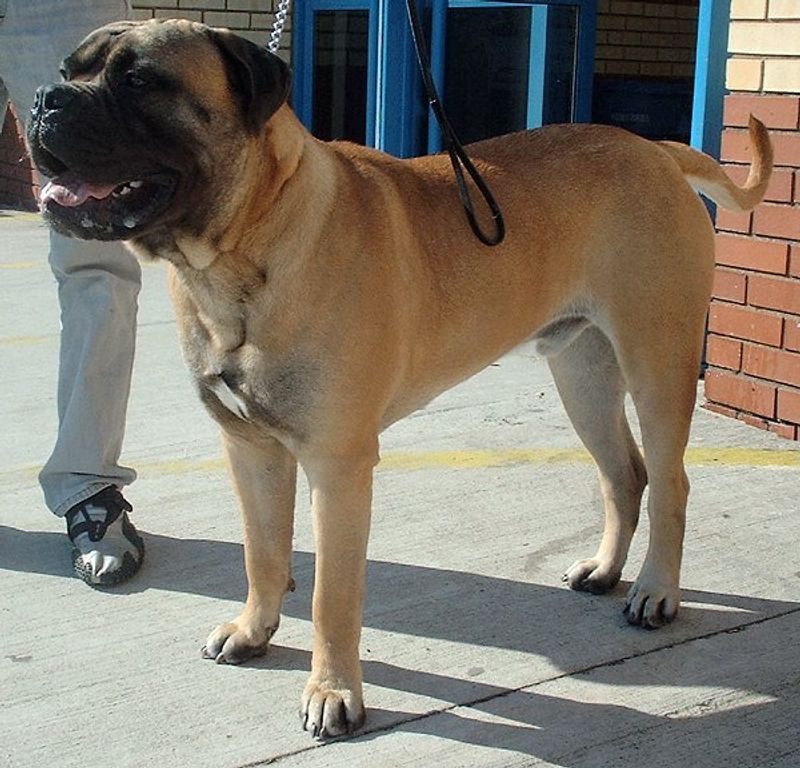
Bullmastiffs can be stoic, so a growl may be a rare but valuable signal. Often it means I need more space or slower pacing.
If the dog de escalates once pressure drops, you just heard healthy communication.
Keep interactions brief and predictable. Avoid crowding, looming, or repeated reaching over the head.
Sideways approaches and gentle arcs help. Corrections that punish warnings can silence safety signals.
Teach a go rest cue and reinforce calm observation from a mat. Practice polite visitor protocols with distance.
When respected, Bullmastiffs remain composed, confident partners.
Akita
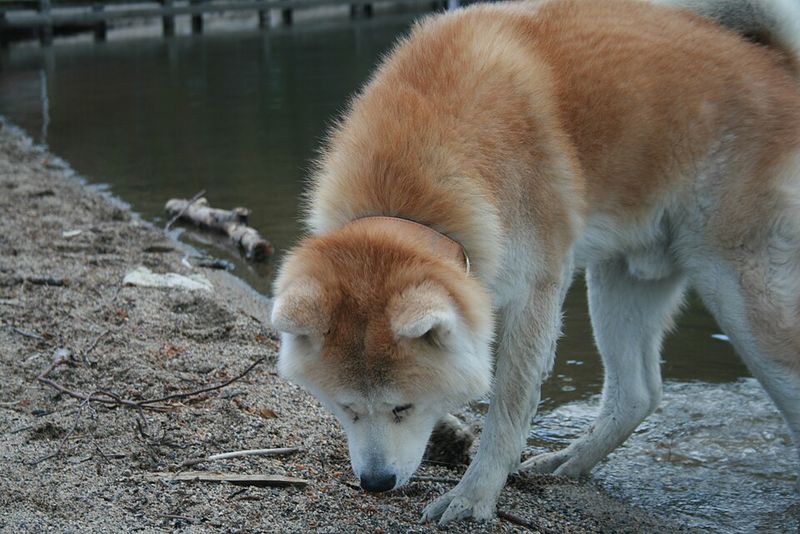
Akitas are independent thinkers with clear preferences. A measured growl can be a request for personal space, especially with unfamiliar dogs.
Watch for head turns, slow blinking, and a neutral tail. Those cues speak politely.
Honor the culture of distance. Curved approaches, short exposures, and predictable routines keep arousal down.
Skip forced greetings. Pressure risks escalation.
Train a let us go cue to exit gracefully. Reinforce calm observation and check ins.
When the dog learns that you listen, early signals stay honest and manageable.
Chow Chow
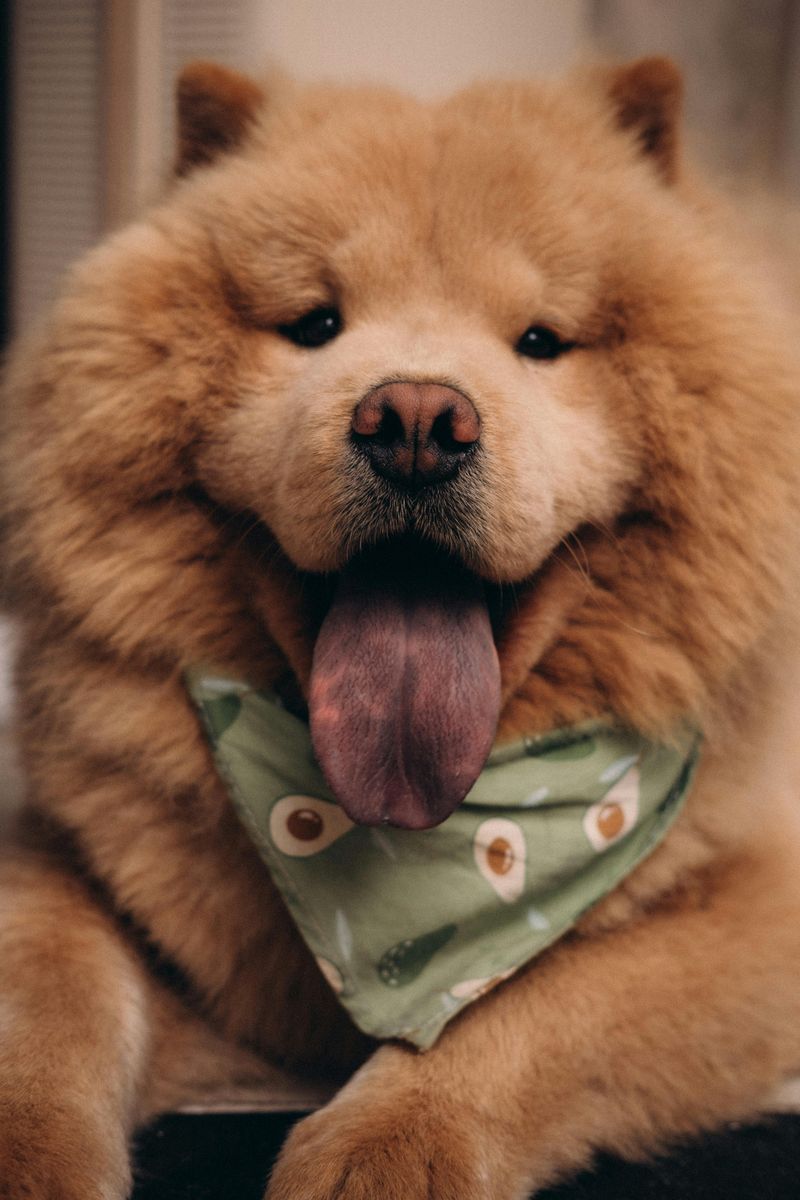
Chows often value autonomy. During grooming, a growl might mean that area is sensitive or the session is too long.
If you pause and the dog softens, you are reading a request, not a threat. Consent matters here.
Break tasks into tiny steps. Use a touch here cue, mark yes, and reward cooperation.
Keep sessions short with frequent releases. Forcing through discomfort teaches shutdown or escalation.
Condition tools positively and let the dog opt back in. Reinforce stillness and relaxed muscles.
Respect makes grooming safer and strengthens trust over time.
Shar Pei
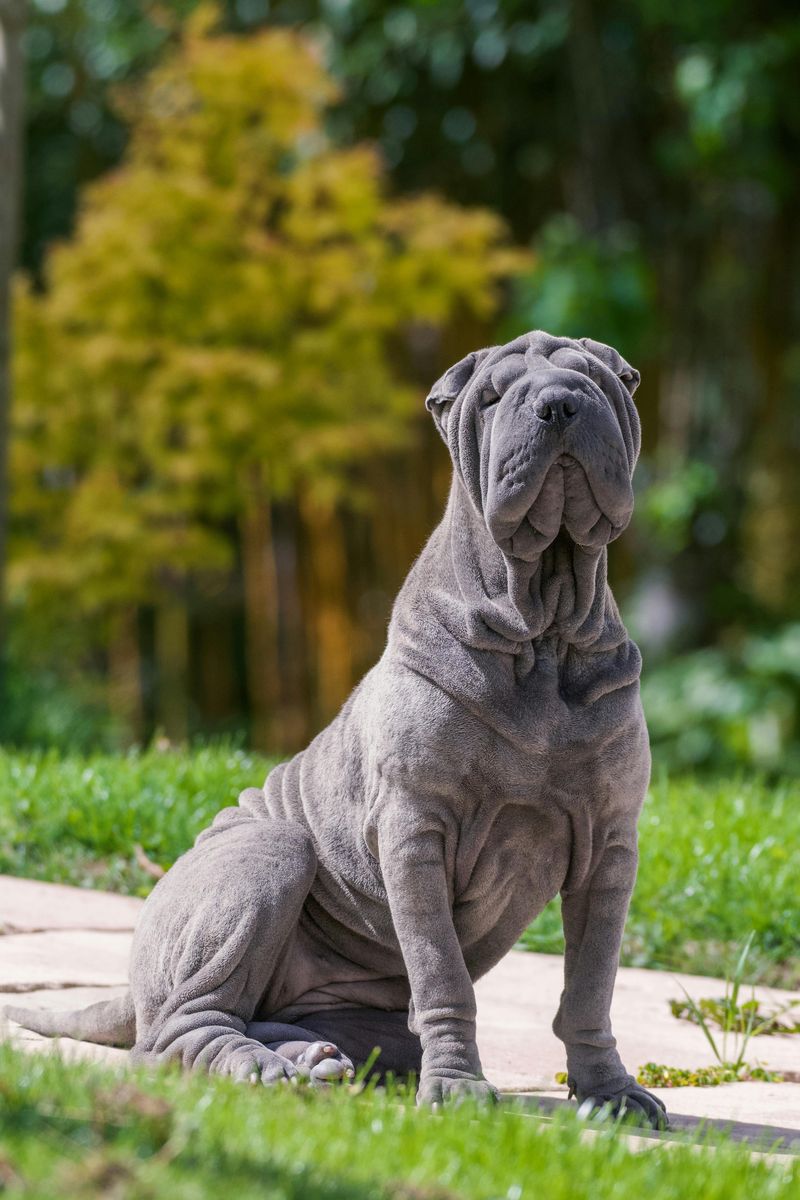
Shar Pei dogs can be cautious with new handling due to past discomfort or tight skin. A quiet growl at the clinic often says I am unsure, please slow down.
If you scatter treats and the dog relaxes, that was stress talking.
Advocate confidently. Ask for gentle handling, breaks, and muzzle training with cookies for safety.
Punishing warnings risks removing the early brake system.
Train cooperative care step by step. Reinforce chin rests, consent to touch, and recovery breaks.
Predictability turns vet visits from battles into manageable routines.
Rhodesian Ridgeback
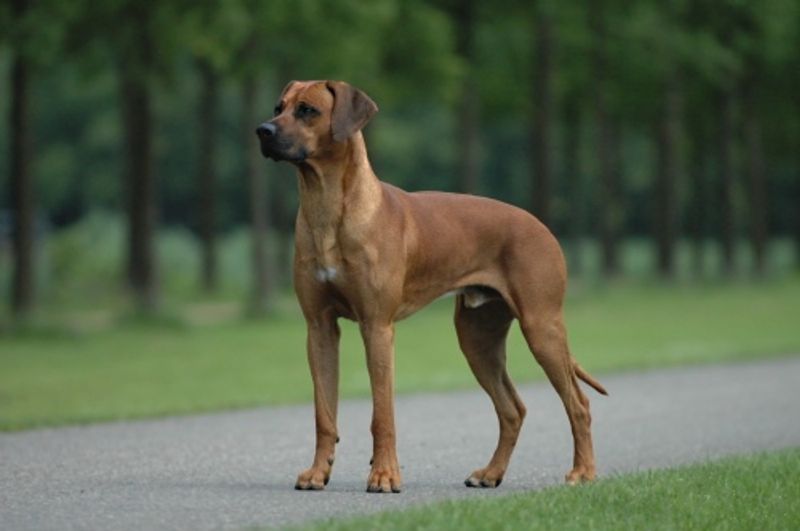
Ridgebacks are observant and can be motion sensitive. A brief growl near fast joggers may be a startle response or spatial boundary.
If distance restores calm, you are hearing communication rather than hostility. Manage the environment first.
Teach stand and watch me for passing scenarios. Step off the path, feed calmly, and release to sniff.
Avoid tightening the leash, which can add pressure.
Rehearse in low traffic areas before busier trails. Reinforce recovery after the trigger passes.
With respectful handling, Ridgebacks learn to trust your plan even when surprises pop up.
Staffordshire Bull Terrier
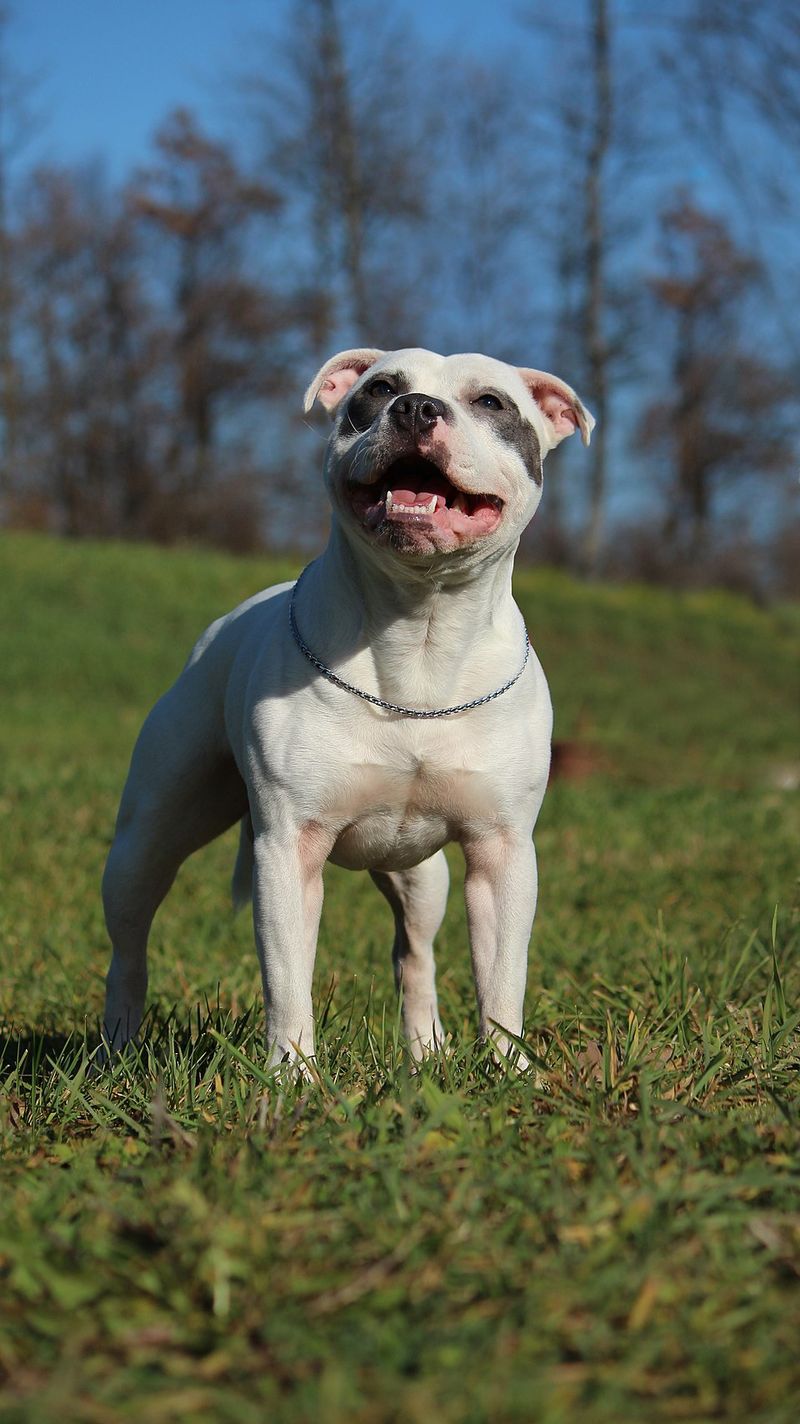
Staffies are joyful and often vocal during play. A grumble in tug can be normal when paired with loose posture, wiggly hips, and soft eyes.
That sound shifts meaning if the body stiffens or the dog guards the toy.
Use rules that keep play safe. Cue take it and drop, insert brief pauses, and reward re engagement.
If arousal spikes, switch to sniffing or a scatter.
Teach trades and reinforce calm choices around resources. Let the dog opt into contact rather than crowding.
Listening to those early signals keeps play friendly and trust strong.