
Some small dogs seem totally chill until your arms get involved. One second they are cuddly and calm, the next second they pull a dramatic twist like you offended their royal status.
If you have ever whispered sorry after getting side-eyed by eight pounds of fluff, this list is for you. Let’s decode the tiny divas who prefer ground rules over being ground-lifted.
Chihuahua
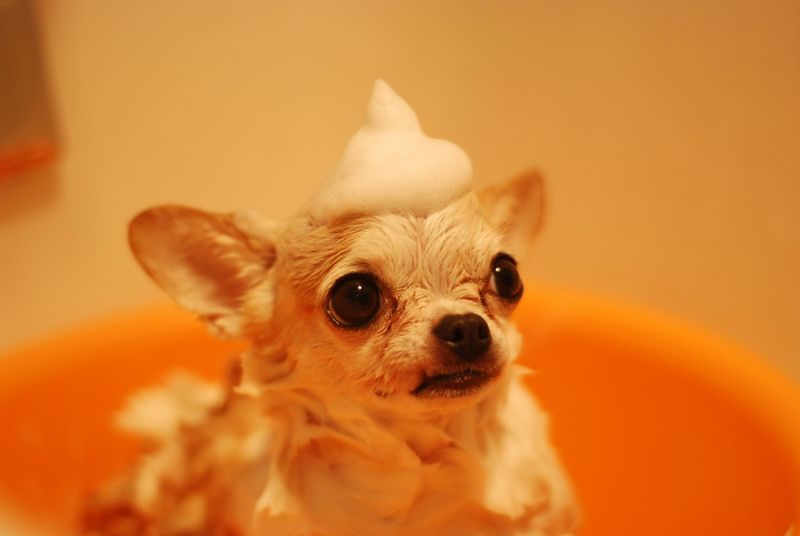
Chihuahuas act like they own the block, and honestly, they might. Many enjoy attention on their terms but stiffen or air-snap when scooped without warning.
That sudden lift can feel like a trust test, especially for a tiny body that values control.
You can help by teaching a consent cue. Offer a hand under the chest, lift slowly, and reward calm behavior with soft praise or treats.
Keep sessions short and predictable so your Chihuahua knows what is coming.
Also watch for body language like whale eye, lip licking, or a tucked tail. If you see those, pause.
Respecting boundaries turns that dramatic “don’t touch me” moment into a polite “okay, fine” compromise.
Dachshund
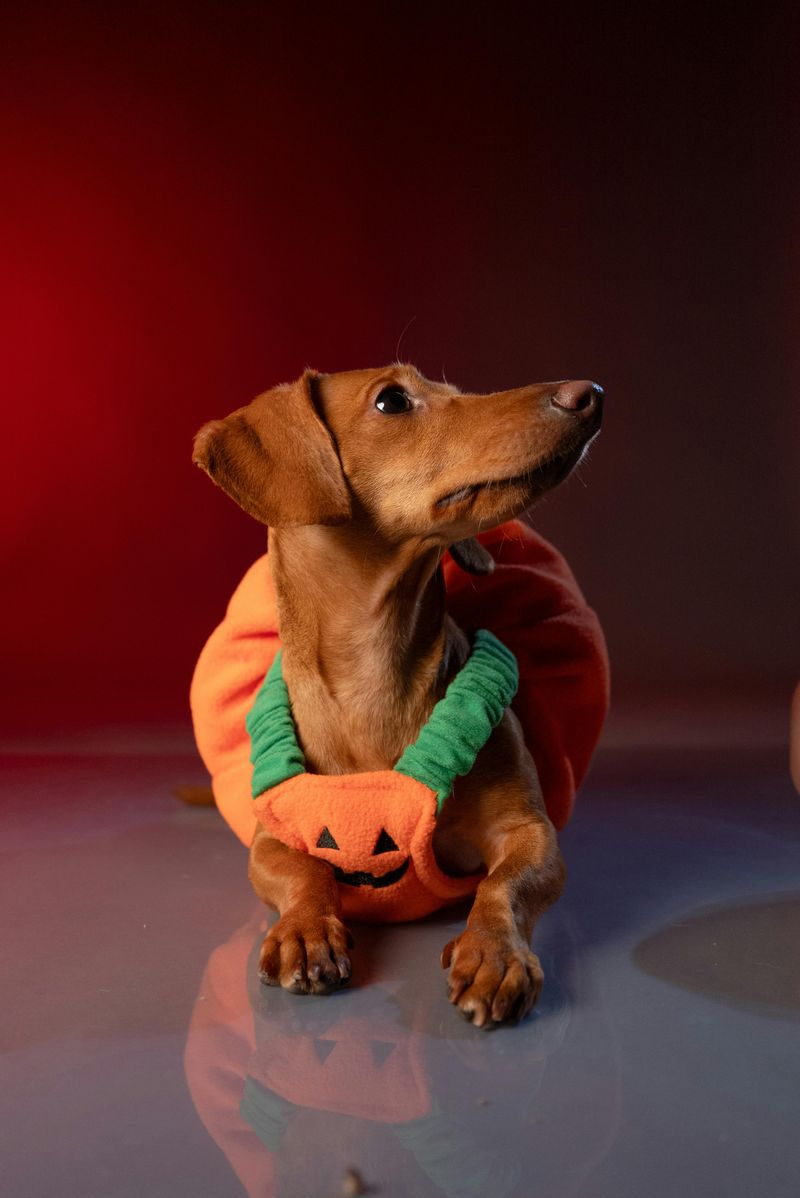
Dachshunds have long backs and short legs, which makes lifting feel weird or risky to them. Many protest when grabbed under the armpits, because that can strain the spine.
It is less attitude and more biomechanics meeting personal space.
Support both chest and rear when lifting, keeping the spine level. Use a calm cue and move slowly, then reward once settled in your arms.
Consistency builds confidence and reduces that squirmy “put me down” flail.
Be mindful of intervertebral disc disease risk. If your pup tenses or yelps, stop and reassess.
Floor-level affection, ramps, and gentle conditioning will keep cuddles positive without triggering the “no thanks” response.
Pomeranian
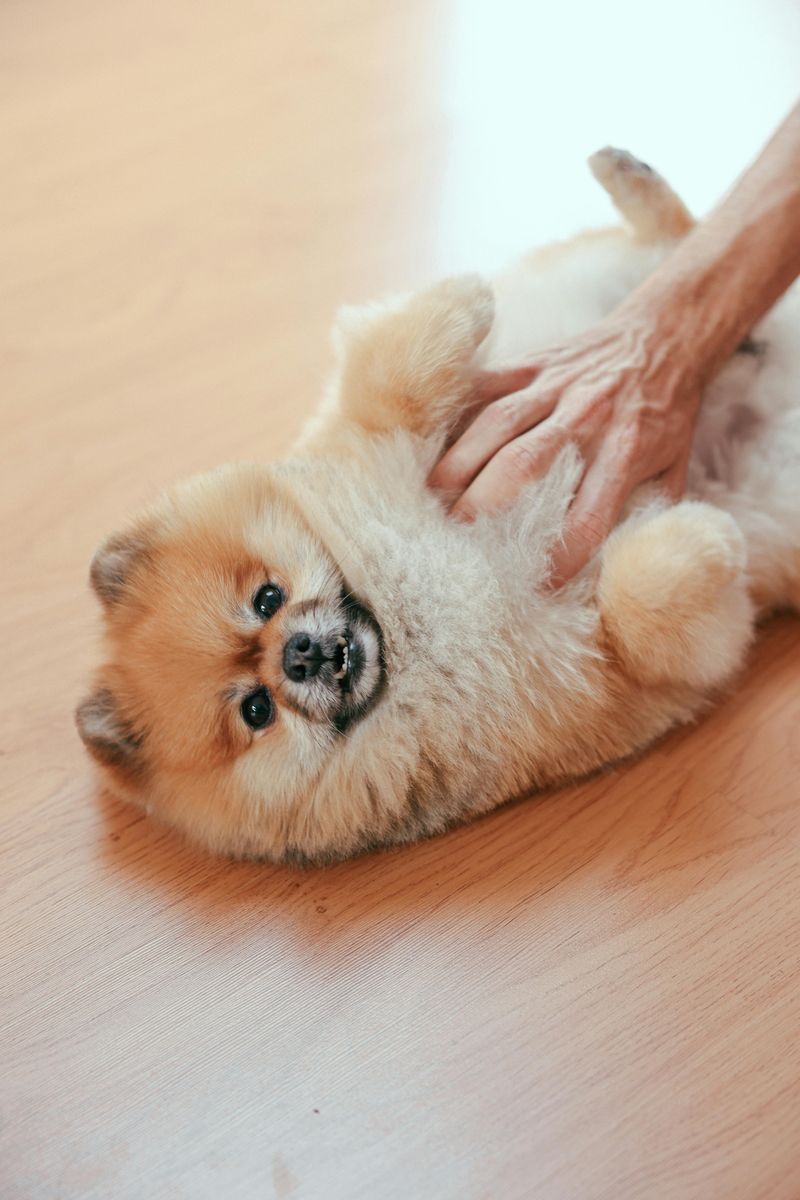
Pomeranians look like cotton candy with opinions. They often enjoy being admired but may panic when lifted abruptly, especially if their feet leave the ground too fast.
That floof hides a tiny frame that craves stability.
Let your Pom step into your hands rather than swooping. Hold close to your chest so they feel secure and not dangling.
Pair lifts with a word cue and a micro-treat to create a predictable routine.
Brushes, grooming tables, and vet visits can sensitize them further. Keep sessions bite-sized and upbeat.
When you honor their royal protocol, you get fewer offended squeaks and more cooperative snuggles.
Yorkshire Terrier
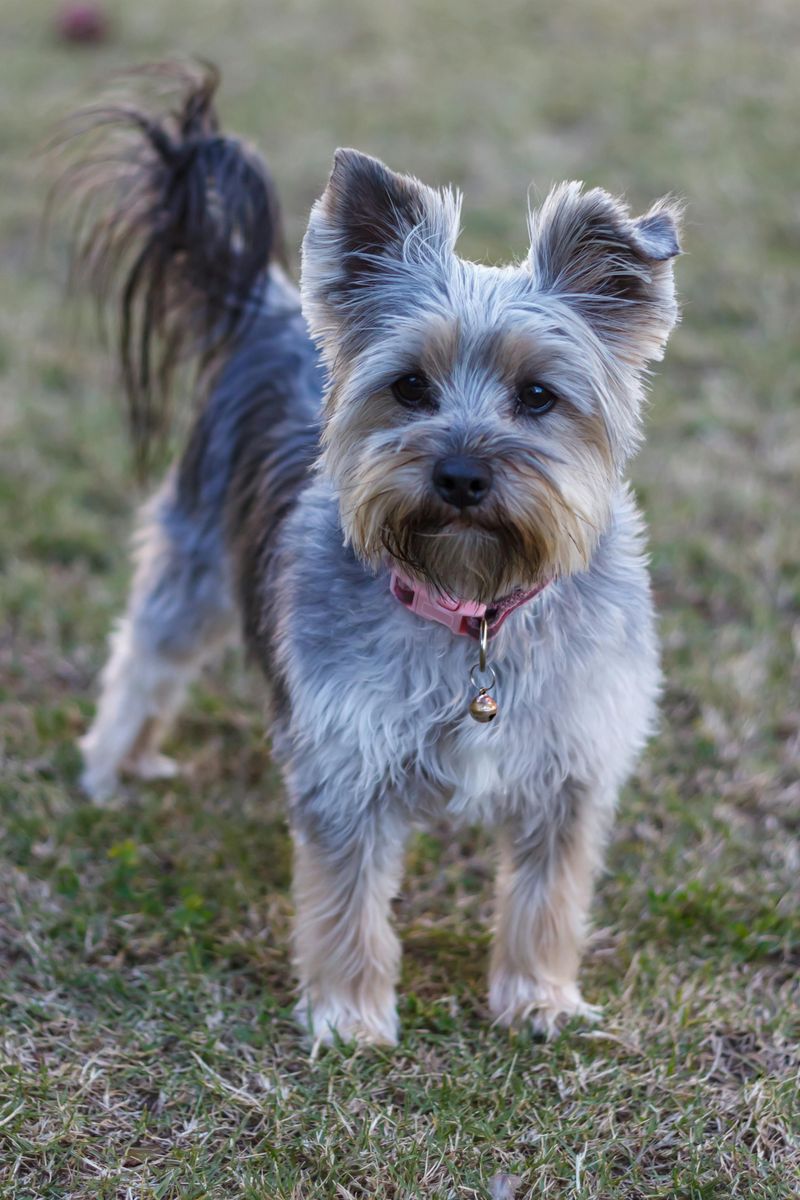
Yorkies are bold in spirit and petite in body, which makes surprise lifts feel like ambushes. Many tolerate cuddles on the couch but resist the airborne moment.
It is not attitude so much as self-preservation wrapped in sparkly confidence.
Teach a consistent approach: say the cue, scoop from beneath the chest and hindquarters, and hug gently into your torso. Reward immediately for calm.
Practice short repetitions so your Yorkie predicts safety, not suspense.
Pay attention to coat snags on jewelry or zippers, which can create negative associations. Keep grooming tidy and movements smooth.
With predictability, your pint-size boss upgrades from “absolutely not” to “carry me, but nicely.”
Maltese
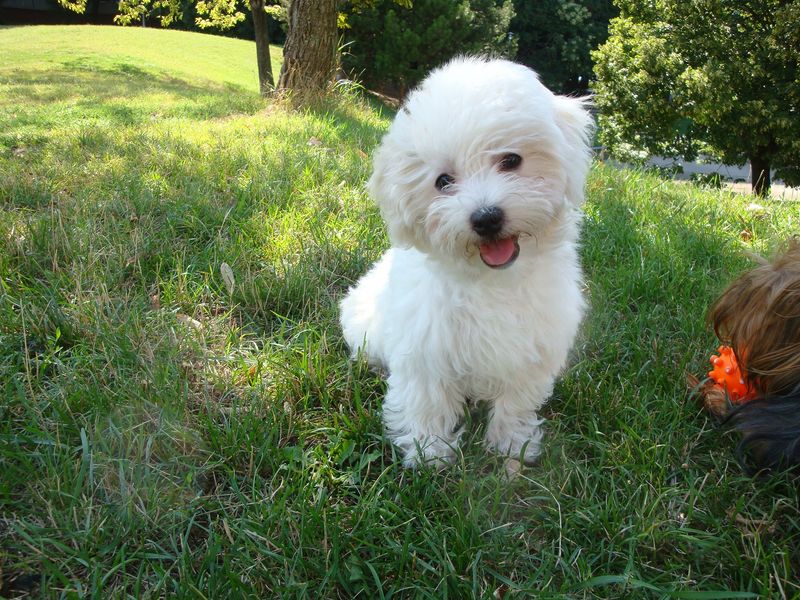
Maltese dogs are gentle companions who adore closeness, yet some fluster when scooped too quickly. Their small stature means sudden height changes feel huge.
Sensitive souls, they notice every wobble and loose grip.
Use a calm voice and steady hands, supporting chest and hips. Hold them snug against you to reduce swaying.
Pair with slow breathing or light petting so the lift signals comfort, not chaos.
Regular practice in tiny doses helps. Invite your Maltese to step into your arms from a low perch like a sofa.
When you let them participate and respect pace, the “don’t touch me” vibe softens into trusted cuddle time.
Shih Tzu
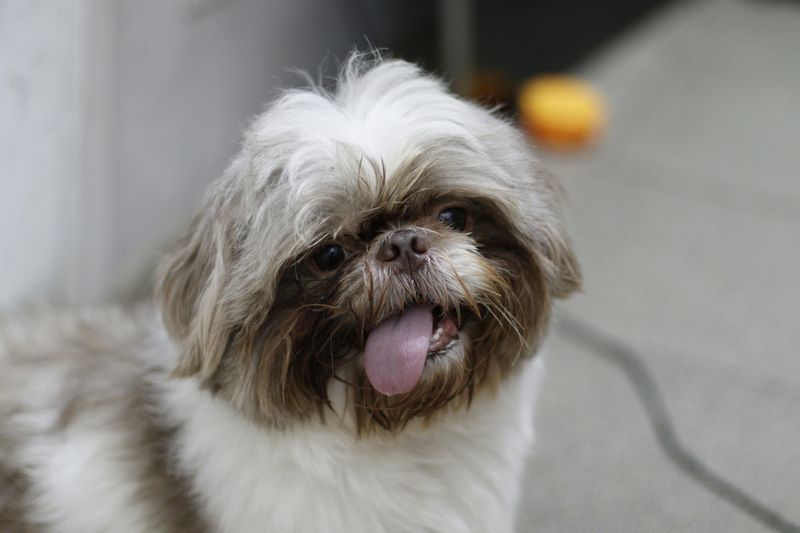
Shih Tzus often love laps, but not the surprise elevator ride to get there. A quick scoop can tangle hair, pinch skin, or unsettle their balance.
You will hear the huff that says please do not.
Announce your plan with a cue and gentle touch. Slide one hand under the chest and the other under the rump, then keep them close to your body.
Follow with praise and a calm release back to the floor.
Grooming desensitization helps with handling. Keep lifts short and sweet, and never grab by front legs.
With patience, your Shih Tzu relaxes, trading side-eye for soft sighs.
Havanese
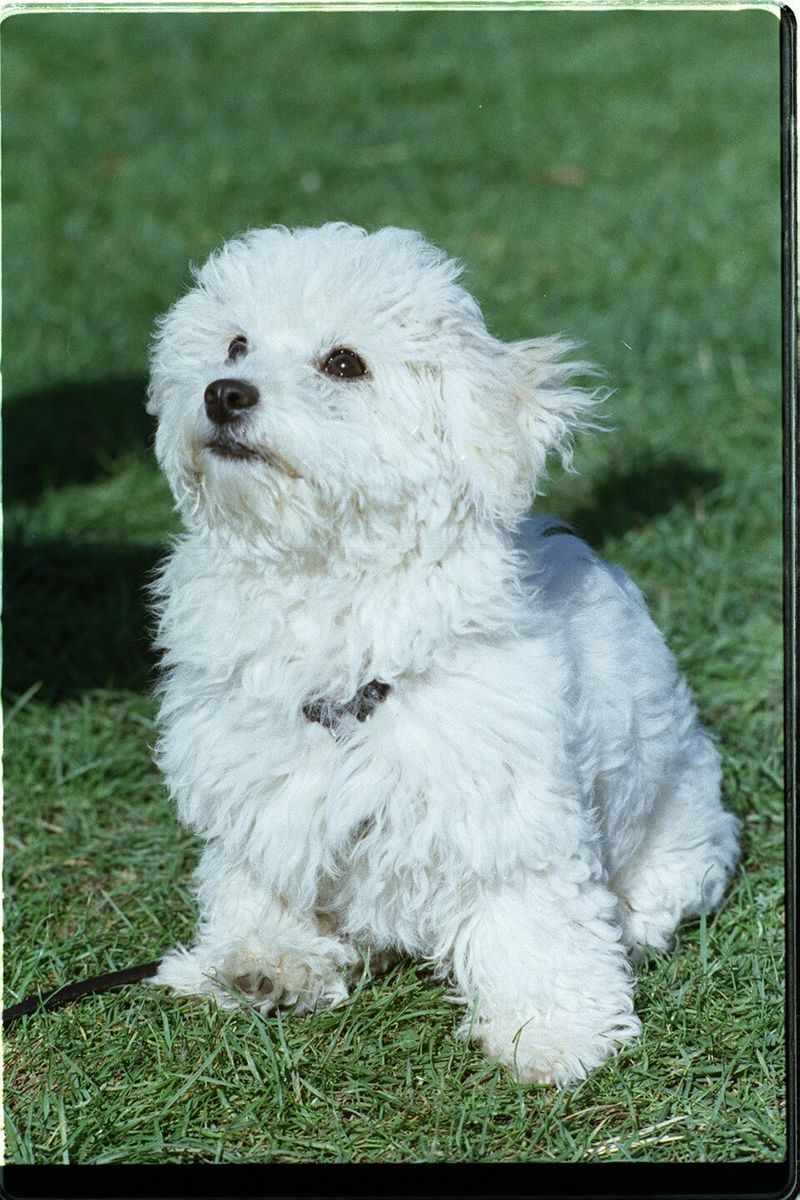
Havanese are social butterflies who like shadows of their humans, yet sudden lifts can still trigger a flinch. Many prefer stepping into your lap rather than being whisked skyward.
It is about choice and stability.
Teach a hop-up cue onto a stool or couch, then assist with a secure scoop. Hold them snug and keep movements slow.
Reinforce with treats and soft talk so the sequence feels predictable.
Watch for stress signs like yawning or paw lifts. If you see them, pause and give space.
Over time, you will get more cooperative cuddles and fewer “excuse you” wiggles.
Bichon Frise
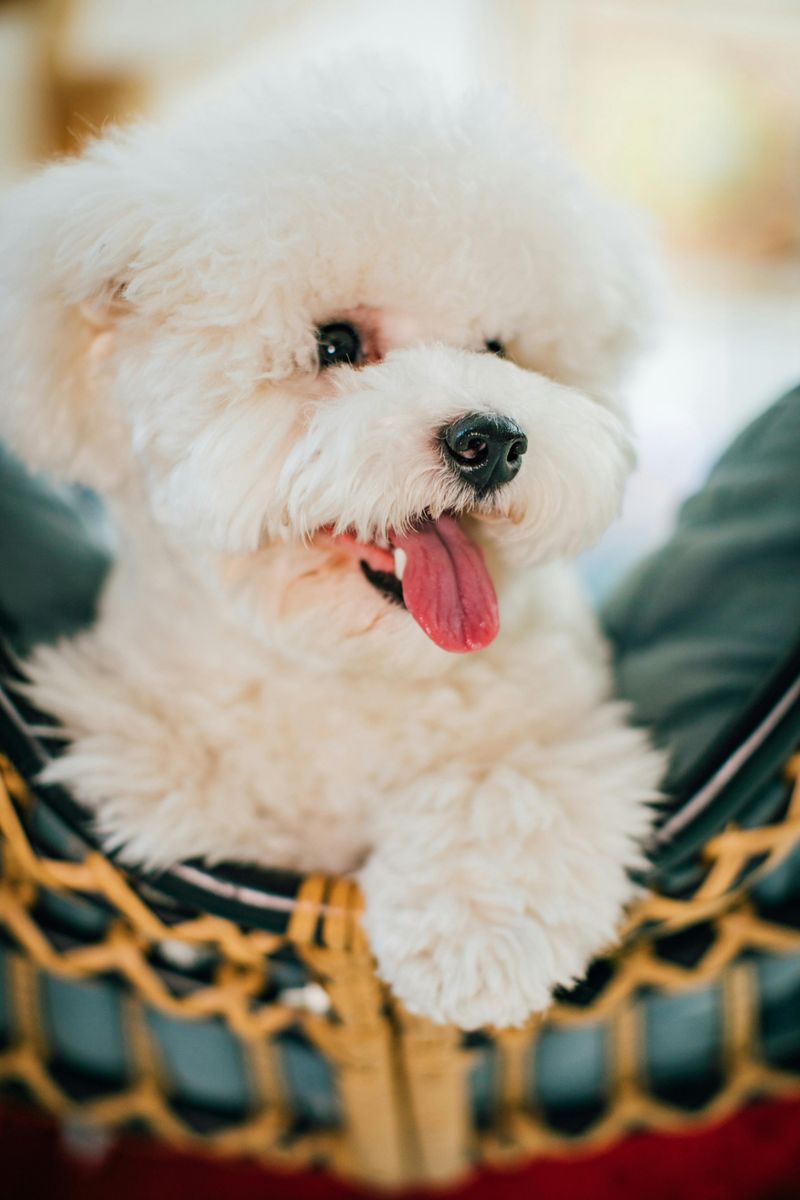
Bichons are sunshine in dog form, but they can be dramatic about surprise lifts. Their fluffy coat hides a delicate frame, and dangling feels precarious.
Add in grooming sensitivities and you get the classic twist-n-squirm.
Give a warning cue and support both ends, keeping the spine level. Hug gently into your chest to prevent wobble.
Reward calmness immediately and set them down before they panic.
Short handling sessions build trust. If your Bichon braces or licks lips, reset and slow down.
When they know the plan, you get cheerful compliance instead of the “not today” performance.
Papillon
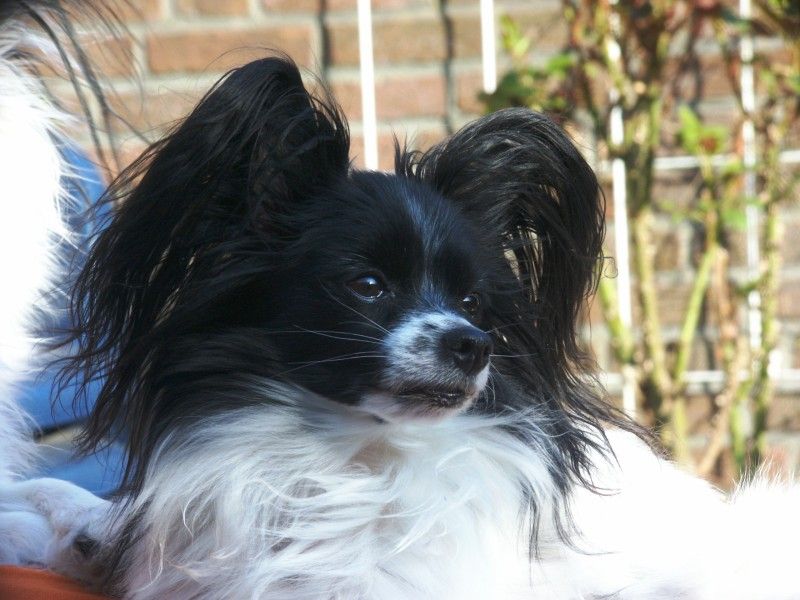
Papillons are agile and whip-smart, often more into leaping than lifting. Being grabbed mid-play can feel rude, and those fine bones prefer secure support.
You might see a head turn or quick dodge when you reach in.
Teach a pause cue, then scoop smoothly with two hands and hold close. Offer a tiny treat once settled so stillness pays.
Keep repetitions brief to prevent building tension.
Mind those glorious ears and trim nails to avoid snags. If your Papillon chooses to climb up first, lifts go smoother.
Respect the athlete within and you will skip the “hands off” drama.
Japanese Chin
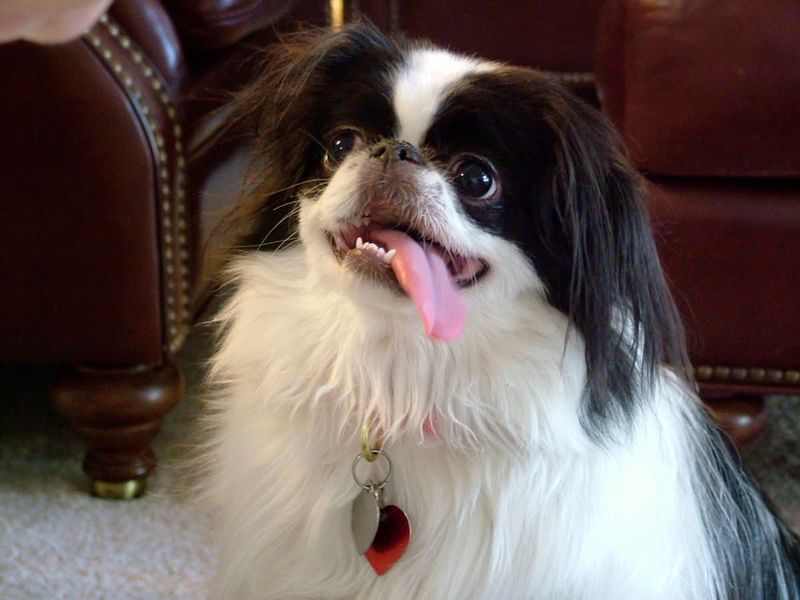
Japanese Chins carry a catlike elegance that says admire, do not manhandle. They can freeze or wriggle when lifted without notice, especially if startled.
Their delicate build and independent streak reward gentle predictability.
Approach calmly with a cue, support chest and hindquarters, and keep them close. Avoid overhead grabs that shadow their face.
Reward with quiet praise or a tiny treat once secure.
Watch for subtle signals like stillness, head turn, or paw lift. Those mean slow down.
When you honor their refined boundaries, the “do not touch me” turns into willing cooperation.
Brussels Griffon
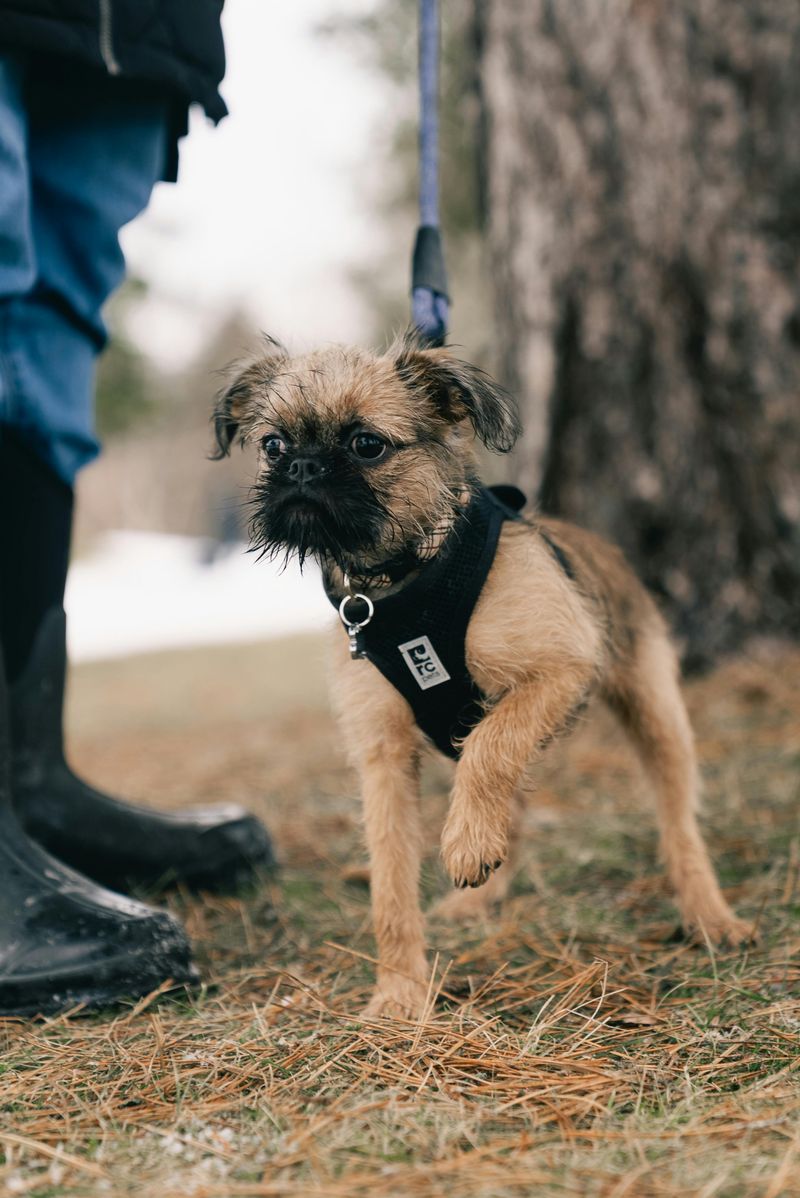
Brussels Griffons have big feelings in compact bodies. They bond deeply but can side-eye sudden lifts, especially if they feel trapped.
That scruffy dignity insists on slow, respectful handling.
Teach a pick-up routine with a cue, then scoop supporting both ends and tuck close. Reward calm eye contact and release before they fuss.
Consistency helps them feel in control even when off the ground.
Be mindful of beards and harnesses that snag. Keep motions smooth and breathable.
Do that, and the grumpy gremlin act fades into cuddly companionship.
Chinese Crested
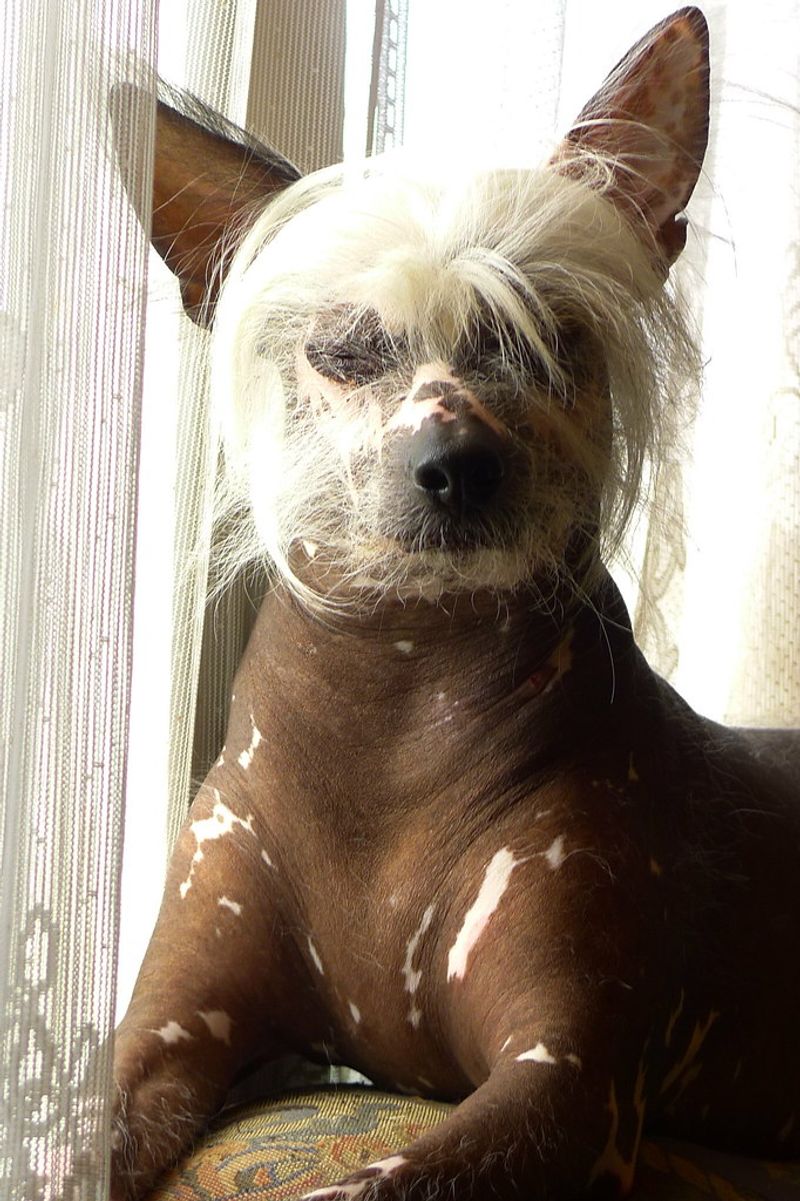
Chinese Cresteds can be sensitive to touch due to delicate skin and fine-boned frames. A quick lift may feel slippery or insecure, prompting a squirm or squeak.
It is less drama and more comfort management.
Use a non-slip hold: one hand under chest, one under rump, body close to yours. Consider a soft shirt or blanket barrier if skin contact worries them.
Reward with calm words and a treat for stillness.
Moisturizers or clothing can reduce friction issues. Keep nails smooth to prevent accidental scratches.
With thoughtful handling, the “no thanks” becomes “I trust you.”
Toy Poodle
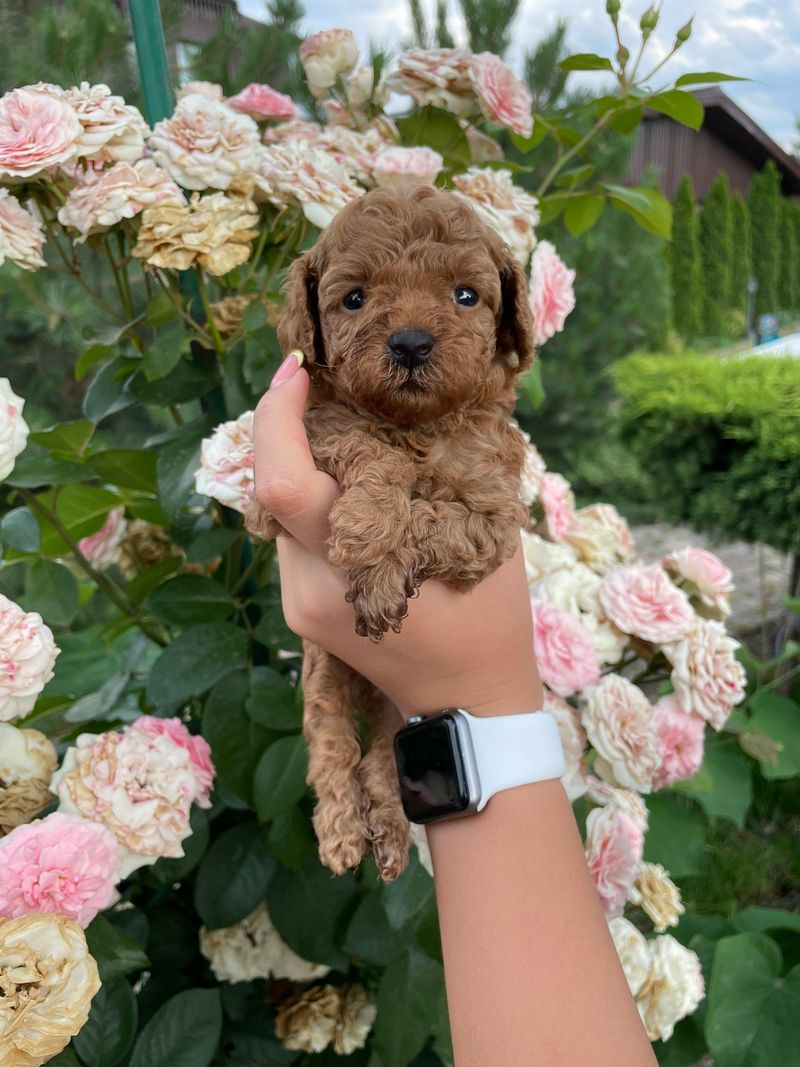
Toy Poodles are clever and observant. They notice every movement, so fast lifts can trigger suspicion or wiggling.
Add grooming routines and you get a dog who likes structure, not surprises.
Use a clear cue, support both ends, and pull in close. Keep your motion smooth like an elevator, then pay with praise or a kibble.
Short sessions create habit loops that feel safe.
Mental enrichment helps reduce anxiety around handling. If your Poodle anticipates fun after the lift, resistance drops.
Trade the side-eye for cooperation by making every rep predictable and rewarding.
Italian Greyhound
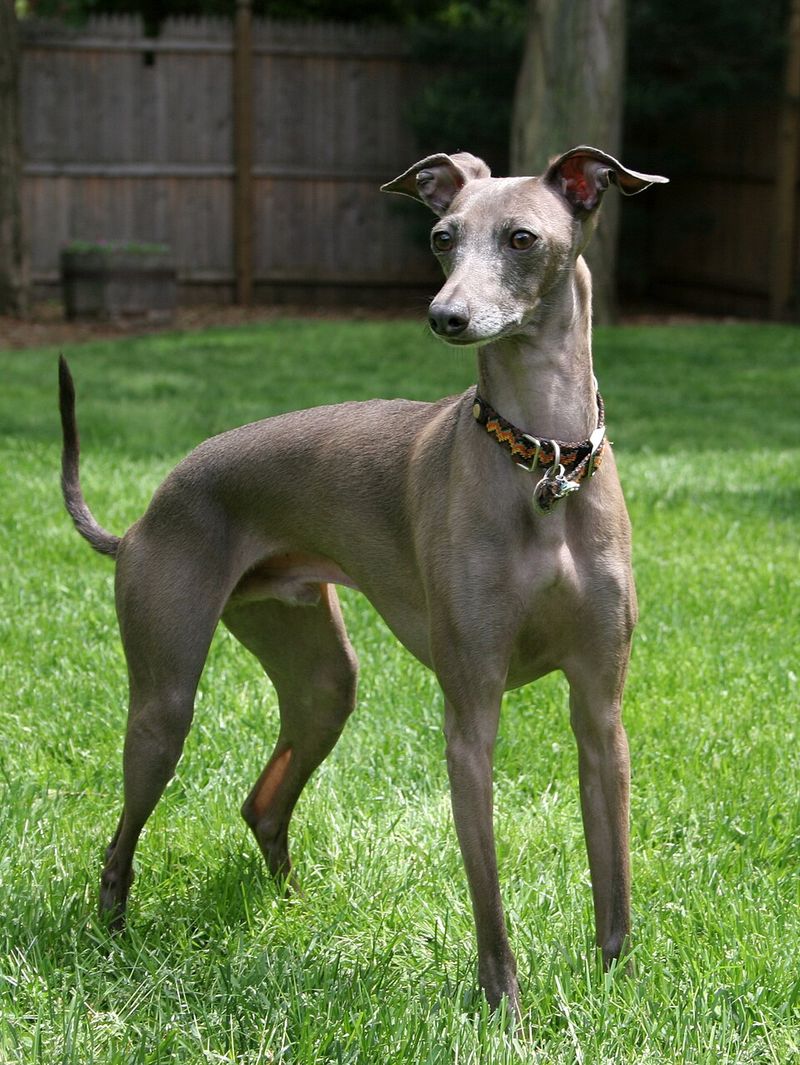
Italian Greyhounds are delicate and springy, more comfortable leaping than being lifted. Thin skin and fine bones make loose holds feel risky.
Many will tremble or twist if surprised off the ground.
Guide them with a cue and scoop securely, supporting chest and hindquarters. Keep them close to prevent flailing.
Warm hands and calm breathing help ease tension during the rise.
Watch for chattering or stiff posture that signals stress. Practice from low heights and end before they worry.
With respectful handling, your elegant shadow learns the lift is safe, not scary.