
Dogs cannot tell you when something is wrong, but their bodies give plenty of clues. Spotting small changes early can save you stress, money, and even your pet’s life.
Vets agree that certain shifts in behavior, appetite, or energy are never just “a phase.” Here is how to read the signs clearly so you know exactly when to call your vet.
Sudden Loss of Appetite

When a dog that usually eats with enthusiasm suddenly refuses meals, it matters. Skipping one meal might be normal after excitement or travel, but more than a day can signal trouble.
Vets worry about gastrointestinal blockages, dental pain, infections, organ disease, or medication reactions when appetite drops quickly.
Watch for drooling, lip smacking, vomiting, diarrhea, or visible abdominal discomfort. Check the mouth for broken teeth, gum swelling, or foreign objects if safe.
Offer bland food and water, but do not force feed or delay care if your dog seems lethargic.
Call your vet within 24 hours if appetite has not returned, sooner if paired with vomiting or weakness. Early action helps prevent dehydration and complications.
Excessive Thirst or Urination
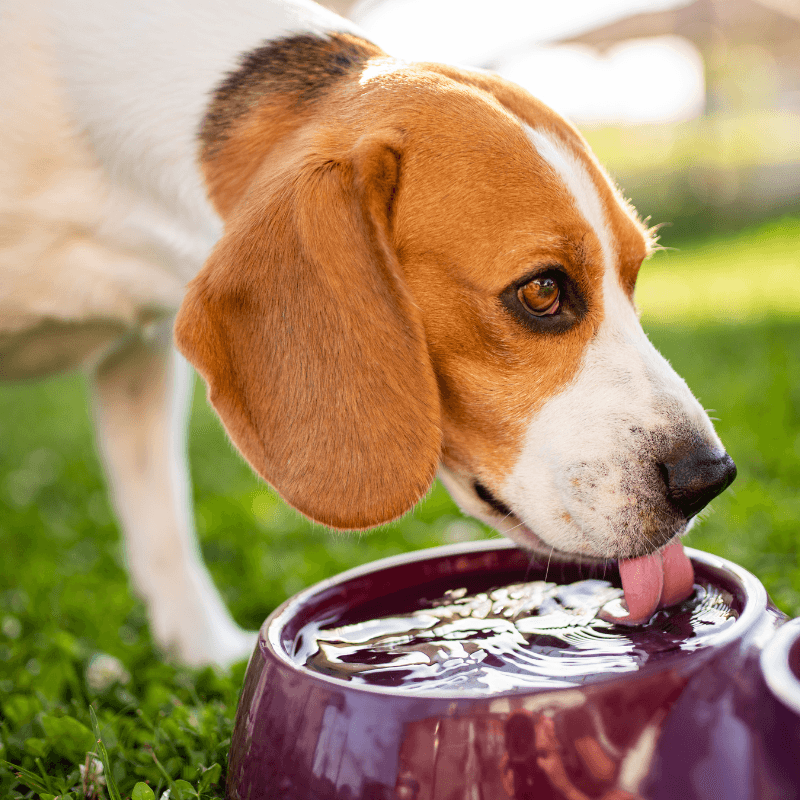
Notice the water bowl emptying faster than usual or more frequent backyard trips. Marked increases in thirst or urination can point to diabetes, kidney disease, Cushing’s disease, urinary infections, or side effects from medications like steroids.
Vets consider changes significant if you refill bowls much more often or see house accidents in a trained dog.
Track how many times your dog urinates and measure water intake for a day or two. Check urine for blood, cloudiness, or strong odor.
Increased drinking with weight loss, lethargy, or appetite changes is especially concerning.
Call your vet promptly for testing, including bloodwork and urinalysis. Early diagnosis can stabilize conditions and protect kidneys.
Do not restrict water, since dehydration worsens many illnesses.
Sudden Lethargy or Weakness
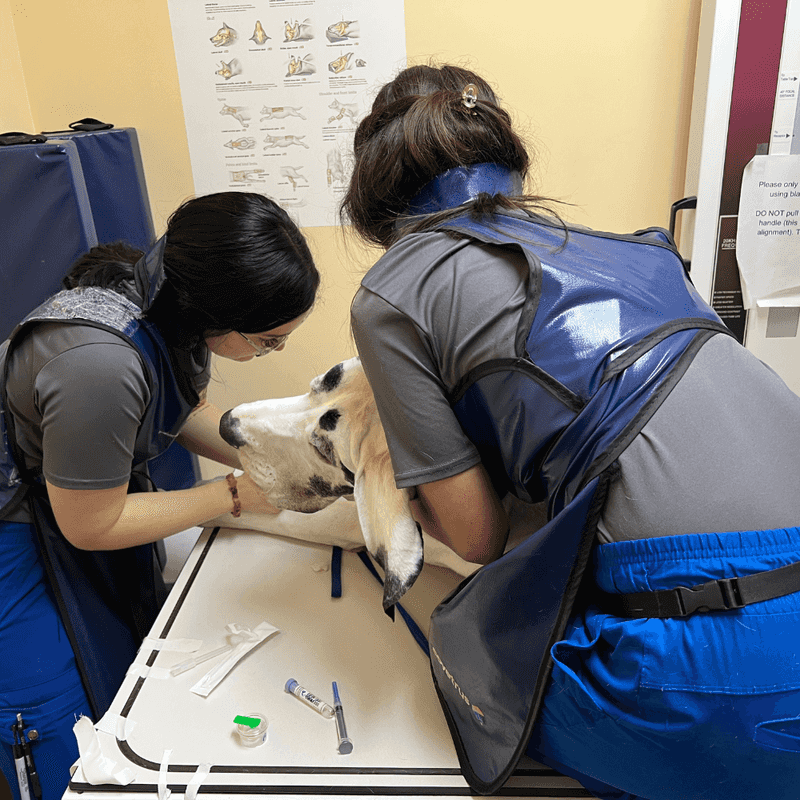
A normally playful dog that becomes unusually tired or weak deserves attention. Lethargy can stem from fever, infection, internal bleeding, heart problems, pain, or toxin exposure.
Sudden collapse, pale gums, or difficulty standing are emergencies.
Check gums for color, feel for a rapid or weak pulse, and note breathing effort. Consider recent exertion, heat, or access to trash, human medications, or xylitol foods.
Keep your dog calm and limit activity until evaluated.
Call your vet the same day for sudden lethargy, and immediately if paired with vomiting, gum paleness, or wobbling. Quick assessment can detect hidden issues like anemia or arrhythmias.
Trust your gut when energy drops sharply.
Persistent Vomiting or Diarrhea
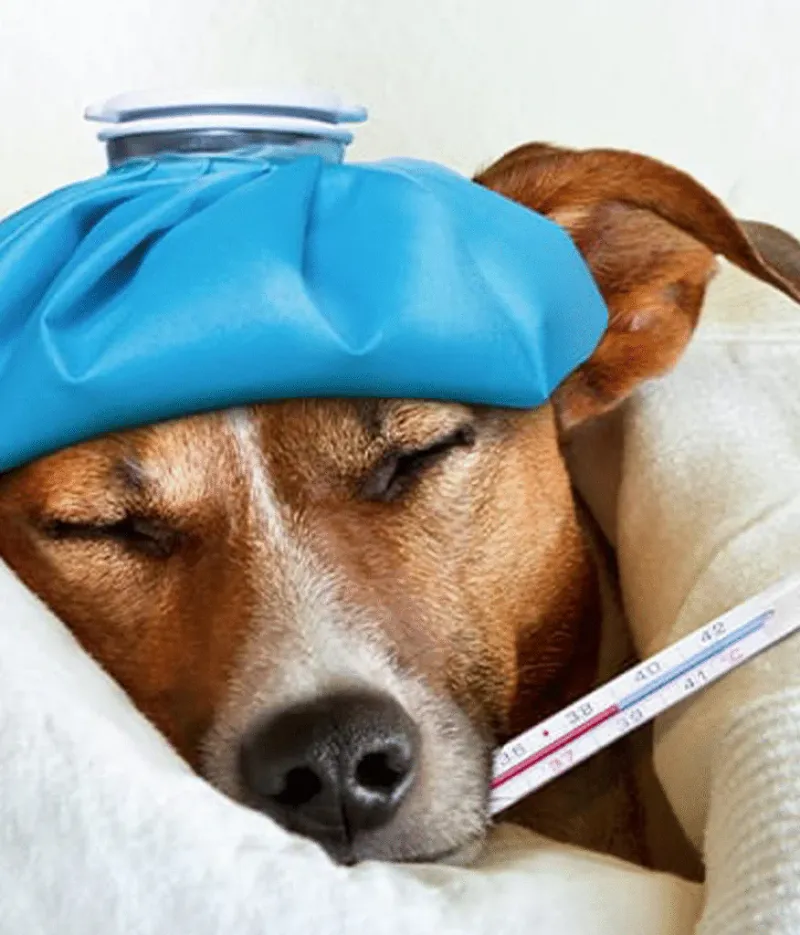
One upset stomach can happen after dietary indiscretion. Repeated vomiting or diarrhea, especially with blood, mucus, or dark tarry stools, is different.
Vets worry about pancreatitis, parasites, dietary intolerance, intestinal blockage, or toxins when signs persist beyond 12 to 24 hours.
Check for dehydration by monitoring gum moisture and skin tenting. Withhold food briefly, then offer small bland meals per your vet’s advice.
Avoid over-the-counter human meds unless your vet approves.
Call your vet if there is repeated vomiting, severe diarrhea, fever, lethargy, or your dog is a puppy, senior, or has chronic disease. Swift care prevents electrolyte imbalances and worsening inflammation.
Bring a stool sample and list all recent foods and treats.
Coughing or Trouble Breathing

Coughing, wheezing, or labored breathing is not normal, even if it comes and goes. Causes include kennel cough, pneumonia, collapsing trachea, heart disease, allergies, or inhaled foreign bodies.
Blue or gray gums, rapid breathing at rest, or open mouth breathing are red flags.
Count resting breaths while your dog sleeps; more than about 30 per minute is concerning. Keep the environment calm and avoid neck pressure from tight collars.
Do not expose to smoke, aerosols, or dusty areas.
Seek veterinary care urgently if breathing looks effortful or if coughing persists over a day. Chest X-rays and bloodwork can guide treatment.
Timely support, including oxygen or medications, can be lifesaving and ease distress quickly.
Unexplained Weight Loss
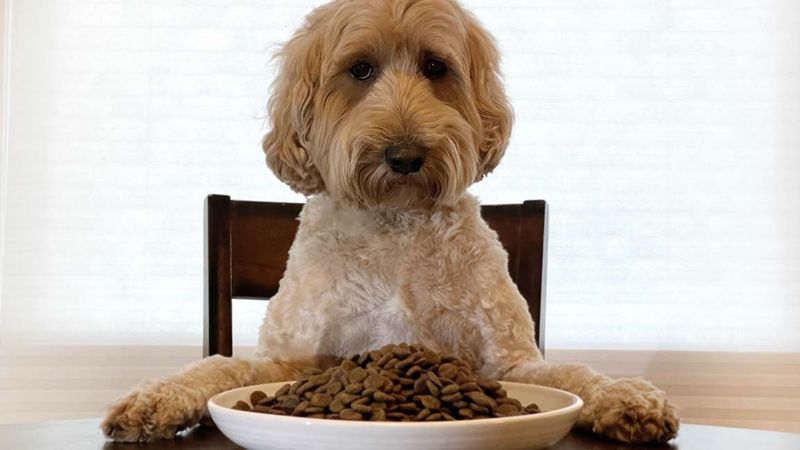
Weight that drops without a diet change is a big clue. Parasites, diabetes, hyperthyroidism in rare cases, cancer, malabsorption, dental disease, and chronic infections can all cause unwanted loss.
Vets pay attention when ribs or spine become more visible or clothing like harnesses fit looser.
Weigh your dog weekly and keep a simple log. Check stools, appetite, thirst, and activity changes.
Review recent food brand or batch changes and ensure you are measuring portions consistently.
Book an exam for bloodwork, fecal testing, and possibly imaging. Early detection can reveal treatable problems and prevent muscle wasting.
Bring your feeding measurements and a recent photo to help your vet gauge the timeline and severity accurately.
New Lumps or Skin Changes

Finding a new lump is common, but it should never be ignored. Many masses are benign, yet only a fine needle aspirate can tell.
Rapid growth, redness, ulceration, bleeding, or pain raise concern. Skin changes like crusting, thickening, or color shifts also warrant attention.
Map the lump’s size with a ruler and take photos monthly. Do not assume a fatty lipoma without testing.
Avoid squeezing or puncturing at home, which can inflame tissues.
Schedule your vet to sample any new or changing mass. Early removal of malignant tumors improves outcomes and can be less invasive.
Tracking details helps your vet prioritize which areas to test first and monitor over time.
Limping or Mobility Changes

A new limp, stiffness, or reluctance to jump is not just aging. Strains, cruciate ligament tears, luxating patella, hip dysplasia, or tick-borne disease may be involved.
Pain can appear as slower walks or shying from stairs and car rides.
Restrict intense activity and avoid slippery floors. Check paws for thorns, cracked nails, or cuts.
Never give human painkillers like ibuprofen, which are dangerous for dogs.
See your vet for an orthopedic exam and, if needed, X-rays. Early treatment can prevent worsening joint damage and chronic pain.
Ask about weight management, anti-inflammatory meds, joint supplements, and physical therapy to protect mobility and keep your dog comfortable.
Eye Redness, Discharge, or Squinting
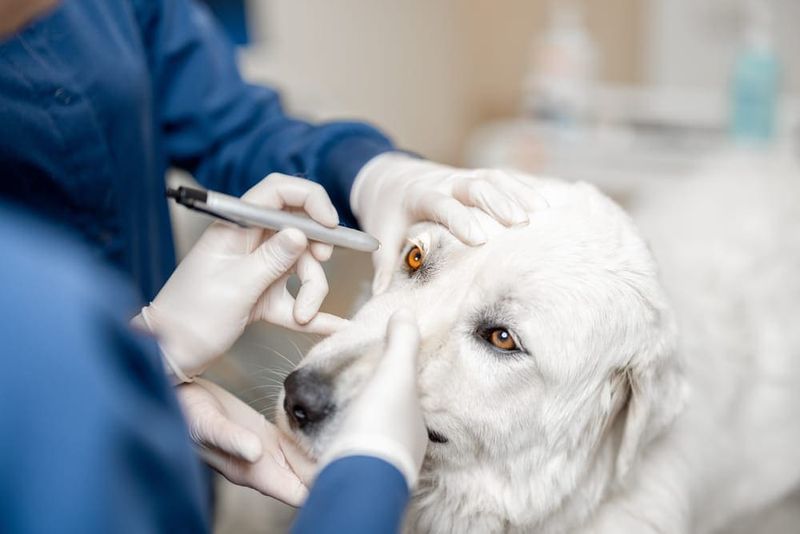
Eyes change quickly and can be damaged in hours. Redness, discharge, cloudiness, or squinting suggest irritation, ulcers, glaucoma, allergies, or infection.
Pawing at the eye or keeping it closed points to pain and should not wait.
Use an Elizabethan collar to prevent rubbing, and avoid human eye drops unless prescribed. Check for debris after windy walks.
Note if one eye or both are affected and whether vision seems altered in low light.
Call your vet the same day for eye issues. Stains, pressure tests, and fluorescein can detect ulcers or glaucoma early.
Prompt treatment preserves vision and comfort, preventing deeper damage that becomes harder to reverse.
Behavior Changes or Anxiety

Shifts in behavior often signal pain or medical problems before physical signs appear. New clinginess, hiding, pacing, growling, or accidents can reflect arthritis, cognitive decline, thyroid disease, or discomfort.
Vets recommend ruling out health issues whenever behavior changes suddenly or dramatically.
Track triggers, time of day, and context. Offer predictable routines, quiet spaces, and enrichment like sniff walks.
Avoid punishment, which can worsen fear and mask clues your vet needs.
Schedule an exam to screen for pain, infections, and endocrine problems. If medical causes are cleared, a behavior plan and possible medication can help.
Early support protects quality of life for both you and your dog and rebuilds confidence.
Bad Breath or Drooling

Funky breath is not just a cosmetic issue. Dental disease, oral tumors, foreign bodies, kidney disease, or gastrointestinal problems can sour breath or trigger drooling.
Vets see gum redness, tartar, pawing at the mouth, dropping food, or bleeding as warning signs.
Lift lips gently to check gums and teeth if your dog allows. Offer water and avoid hard objects that can fracture teeth.
Daily brushing and dental diets help, but do not replace professional cleanings when indicated.
Book a dental exam if breath worsens, drool increases, or eating looks painful. Early care prevents infections from spreading and protects heart and kidneys.
Treating dental pain also improves appetite and mood noticeably.
Seizures, Collapse, or Disorientation
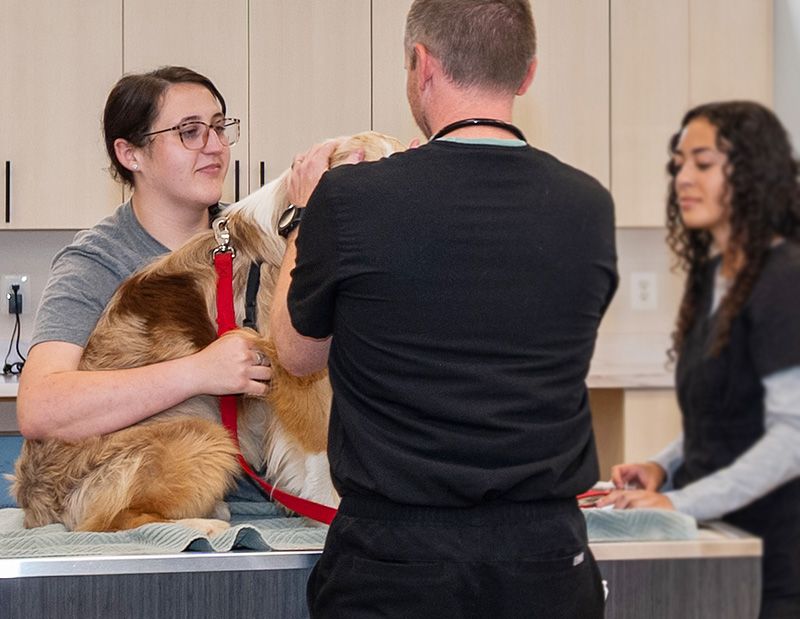
Any seizure, fainting episode, or sudden disorientation is urgent. Causes range from epilepsy to toxins, low blood sugar, heart rhythm problems, or brain disease.
Signs include paddling limbs, drooling, loss of consciousness, or brief confusion afterward.
Keep the area safe by removing objects and avoid putting hands near the mouth. Time the event and record video if possible.
Note exposures to new foods, cleaners, or yard chemicals.
Call your vet immediately after a first episode or if seizures cluster or last over five minutes. Emergency evaluation helps stabilize and find causes.
With prompt care and monitoring, many dogs live well with managed neurologic conditions.