
Some dogs thrive in noise and bustle, but others quietly fold under pressure. If your pup seems to freeze, avoid eye contact, or disengage when things get loud, you are not alone.
Understanding which breeds are prone to overwhelm can help you prevent shutdowns and build calmer routines. Let us explore sensitive souls that need predictability, gentle handling, and thoughtful training to feel safe.
Italian Greyhound
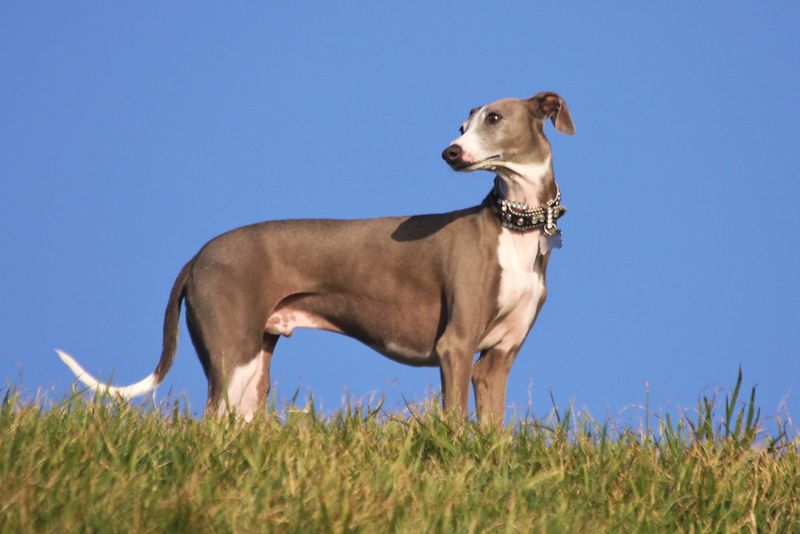
Italian Greyhounds are exquisitely sensitive companions that read rooms like seasoned empaths. In crowded, noisy spaces, they often hunch, tremble, or retreat, choosing stillness over engagement.
Their thin skin and lean frame heighten sensory input, so sudden bangs or frantic movement can feel overwhelming.
Gentle structure helps them blossom. Provide cozy hideaways, predictable routines, and gradual social exposure at the dog’s pace.
Reward calm curiosity and keep sessions short and sweet.
Use soft voices, slow gestures, and equipment that fits comfortably. Think quiet enrichment like snuffle mats, gentle puzzle toys, and short sniffy walks.
When life gets chaotic, advocate for space, practice calm mat training, and celebrate tiny wins that rebuild confidence.
Whippet
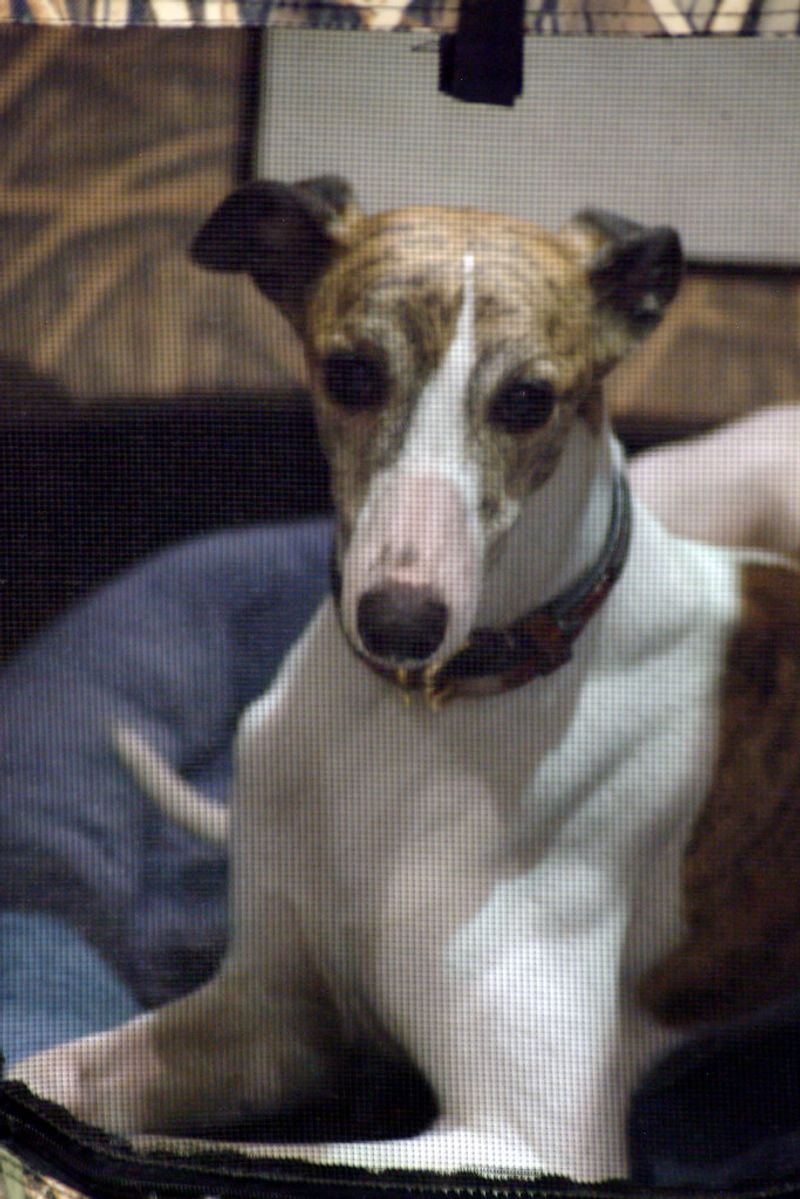
Whippets are graceful athletes with surprisingly fragile feelings in hectic settings. Loud music, shouting, or unpredictable crowds can switch them into conservation mode, where they disengage rather than act out.
You might notice tucked tails, frozen bodies, or quiet attempts to leave.
Support starts with distance and decompression. Choose calm venues, keep leashes light, and offer consistent escape options like a covered crate or car break.
Reinforce check-ins with soft treats.
Short training bursts in low-distraction spaces pay off. Build resilience through gradual noise desensitization and novelty games that end before stress spikes.
Respect their need for warmth and security, and you will unlock that affectionate, goofy side that shines in safe, predictable environments.
Border Collie
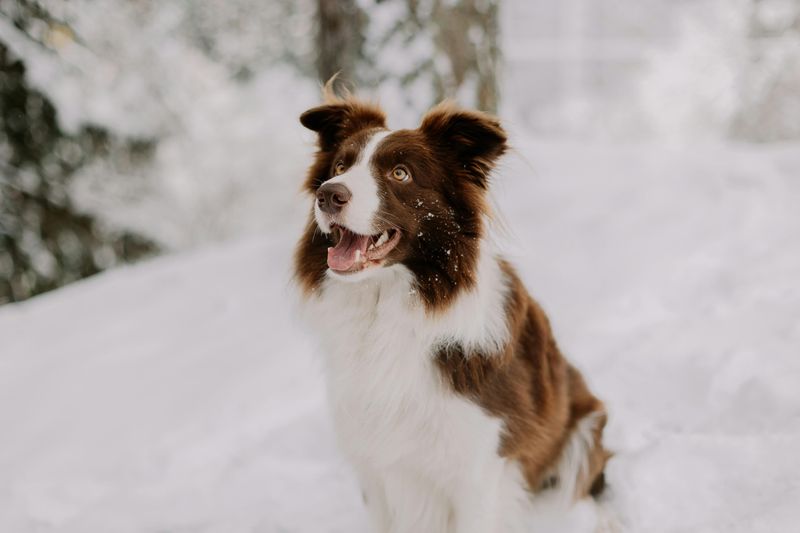
Border Collies crave clarity and purpose, yet chaos scrambles their supercharged processors. When noise and randomness collide, they may freeze, stare, or hyper-fixate, then quietly shut down.
Overwhelm looks like glued paws, flattened ears, or compulsive herding that stalls into stillness.
Channel their brain with structured tasks. Pattern games, target work, and predictable routines give them a job when life feels messy.
Keep cues crisp and reward choices that lower arousal.
Break environments into manageable slices: distance, duration, and intensity. Offer decompression walks, sniffing, and visual barriers.
Rotate mentally rich but calm activities like shaping, scentwork, and calm fetch rules. With clarity and consistency, they shift from frozen to fluent, regaining confident problem solving.
Australian Shepherd
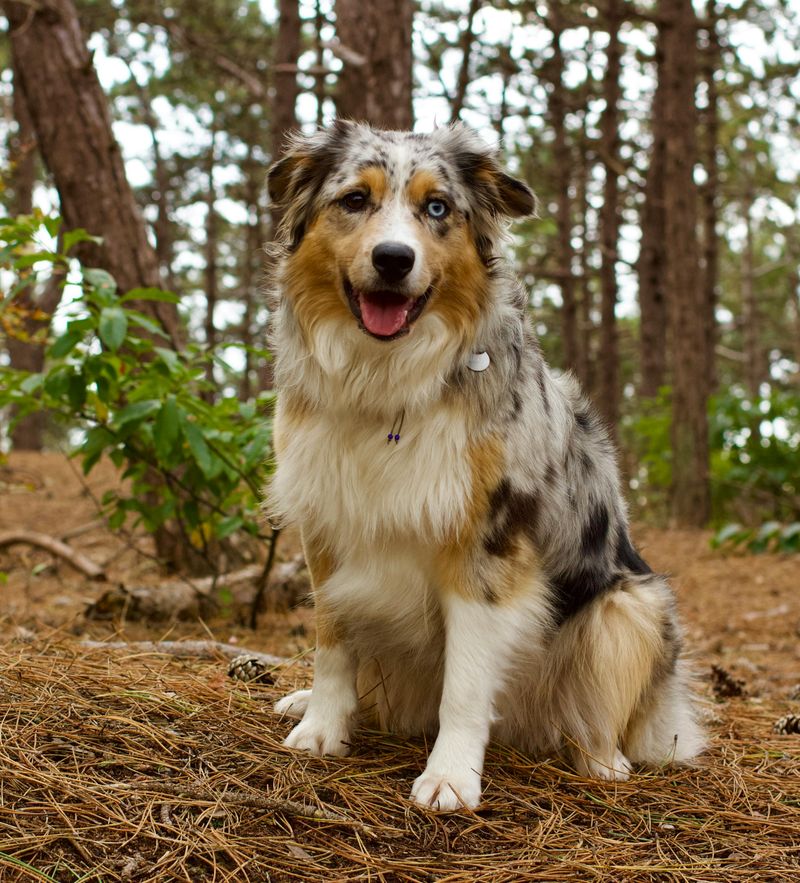
Australian Shepherds are brilliant multi taskers who can short circuit in chaotic spaces. Competing sights, shrieks, and movement may push them from herding focus to shutdown, showing stillness, lip licking, and subtle avoidance.
They often look obedient yet mentally checked out.
Reduce noise, simplify choices, and give them purposeful outlets. Stationing on a mat, middle positions, and hand target patterns provide clarity.
Reward calm orientation to you.
Use proactive management at gatherings: strategic parking, visual barriers, and quiet breaks. Schedule decompression hikes to bleed off pressure without frantic play.
Rotate calm brain games and trick training that ends on success. When life feels predictable, Aussies reengage, offering their trademark drive and thoughtful enthusiasm.
Shetland Sheepdog
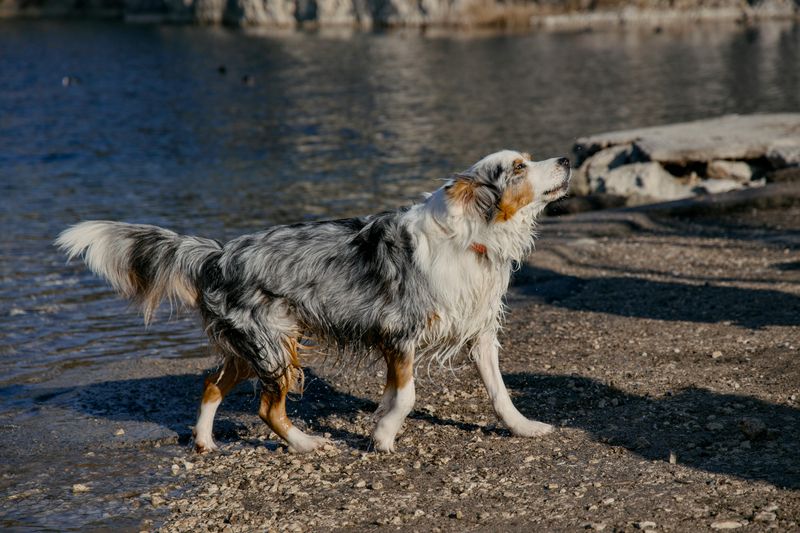
Shetland Sheepdogs are sensitive observers that prefer order over uproar. In clamorous scenes, they may stop responding, blink rapidly, or quietly hide behind legs.
Shutdown can masquerade as unusual obedience, where compliance replaces curiosity.
Protect their bubble with distance and gentle introductions. Teach a reliable retreat cue to a mat or crate, and pair it with high value calm rewards.
Keep training upbeat but brief, celebrating small steps.
Low-impact enrichment like scentwork, trick shaping, and pattern games builds confidence. Manage social visits with short windows and clear exits.
If stress creeps up, reset with a sniffy stroll and soft praise. With predictability and kindness, Shelties resume their bright-eyed engagement and tidy focus.
Cavalier King Charles Spaniel

Cavaliers are tender-hearted companions that wilt in harsh, frantic environments. When overwhelmed, they can go still, lower their head, and tune out, choosing withdrawal over protest.
They read human emotion acutely, so tension in the room can deepen shutdown.
Craft calm through routines, soft handling, and predictable social plans. Provide lap time, quiet chews, and covered crates as safe retreats.
Reward voluntary engagement in tiny slices.
Keep gatherings short and kindly curated. Use distance, white noise, and familiar scents to soften spikes.
Gentle sniff walks and light training refresh their optimism. Respecting their softness does not coddle it, it protects their courage, letting that sunny, affectionate sparkle return when the world slows down.
Papillon
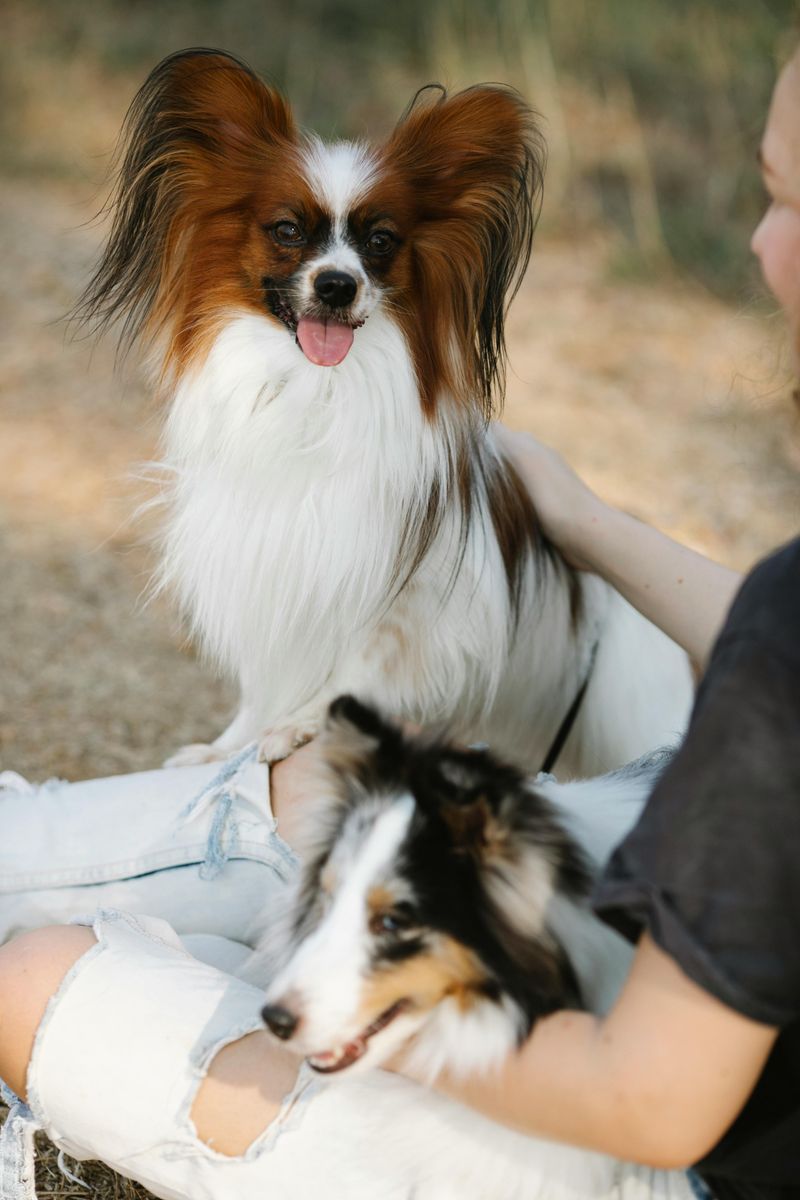
Papillons are clever, eager, and surprisingly sensitive to sensory overload. Rapid movement and harsh noise can flip them from curious to frozen, ears pinned and tail low.
They may stop taking treats, a classic sign that arousal tipped into stress.
Support with short, playful training that ends on a win. Use pattern games, hand targets, and chin rests to organize choices.
Offer safe perches and quiet rooms during gatherings.
Gradually introduce novelty with distance and gentle sound desensitization. Keep equipment light and comfortable for tiny necks and spines.
Calm sniffing games and soft tug sessions help discharge tension. With respect for their limits, Papillons transform back into sparkling, chatty partners who love learning when life feels predictable.
Havanese
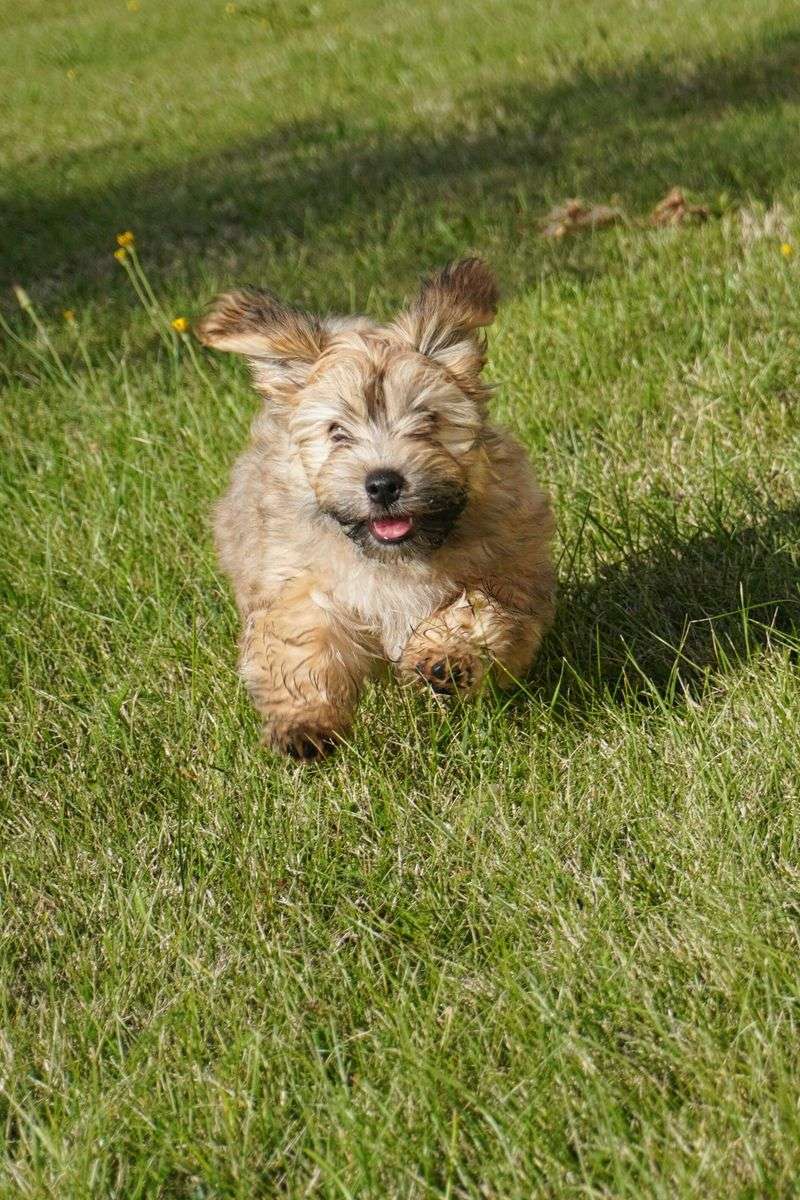
Havanese thrive on companionship but can shut down when the vibe turns hectic. In party-level noise or fast crowds, they may become statues, avoiding interaction and defaulting to stillness.
Subtle stress signs include yawns, paw lifts, and refusing treats.
Build security with routines, gentle handling, and soft social arcs. Encourage calm exploration using sniff stations and treat scattering.
Give them a covered crate or carrier den that travels.
Keep training upbeat and tiny. Reinforce check-ins, settle-on-mat, and quiet chin targets.
Protect rest between outings and cap performance before fatigue. With patient advocacy and thoughtful pacing, Havanese regain bounce, offering their trademark cheerful charm once the storm of stimulation passes.
Maltese
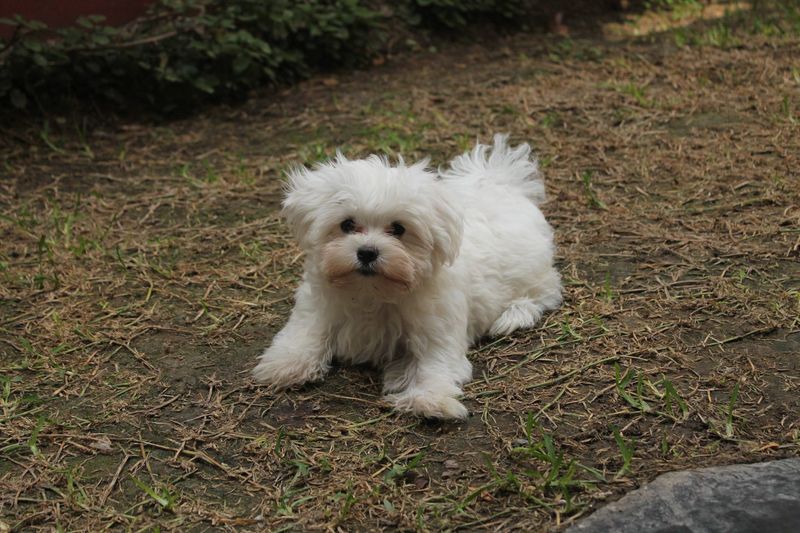
Maltese dogs are gentle, people-focused companions who can retreat inward during chaos. Shouting, clattering, and jostling push them toward freeze responses, where they disengage and soften into silence.
You might see glassy eyes, tight lips, or tiny trembles that signal overload.
Make safety predictable. Keep outings brief, offer lap breaks, and use quiet carriers to create portable sanctuaries.
Pair calm with soft rewards and easy wins.
Practice slow, pleasant desensitization to sound and motion. Choose harnesses that avoid neck pressure and teach a relaxed settle.
Use scent games, licking mats, and gentle trick sessions to rebuild confidence. With careful pacing, Maltese reemerge bright and friendly, ready to sparkle when the world softens.
Vizsla
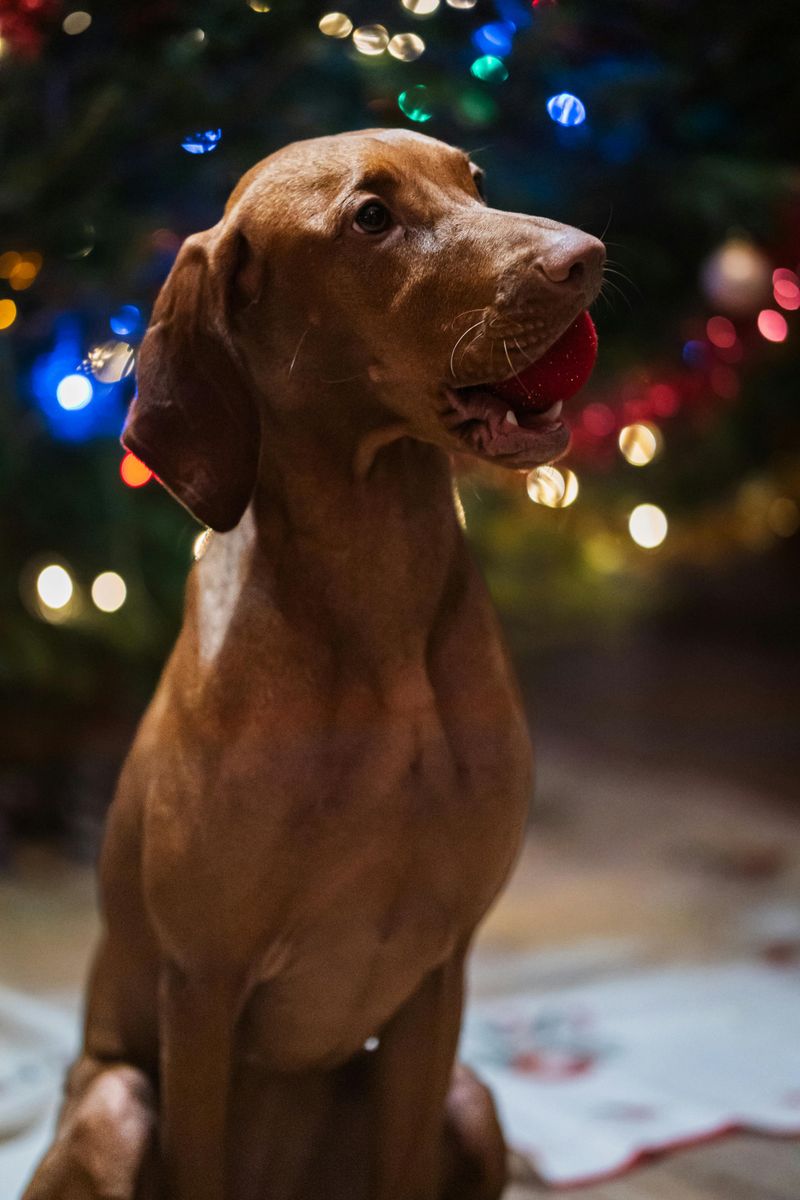
Vizslas are sensitive, velcro athletes who can short out in intense environments. Their people-orientation means tension spreads quickly, prompting freeze or quiet avoidance when chaos spikes.
Look for stillness, rapid blinking, or ignoring cues they usually nail.
Anchor them with connection. Teach default check-ins, deep-breath pauses, and stationing on a mat.
Provide aerobic outlets away from crowds, then transition to calm brain work.
Use predictable routines, soft voices, and structured greetings. Manage events with distance, car breaks, and visual barriers.
Gradual noise exposure paired with sniffing helps recalibrate. Respecting their sensitivity does not limit drive, it frees it, allowing Vizslas to refocus and shine once the world feels comprehensible and kind again.
Collie
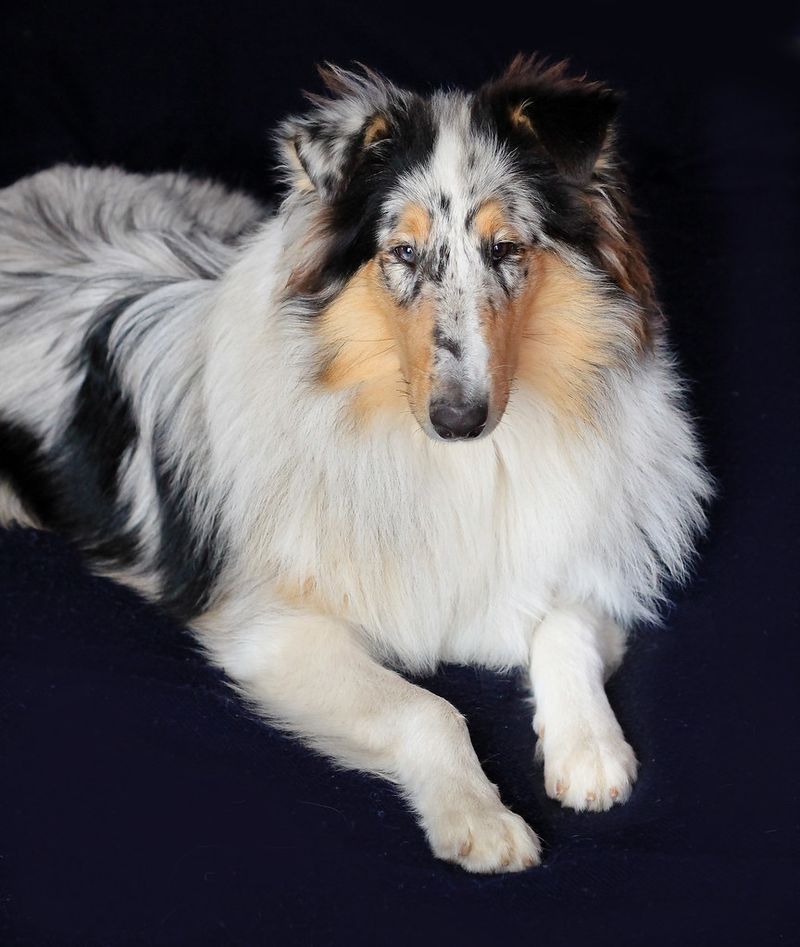
Collies are gentle guardians who prefer harmony over hubbub. In unruly environments, they may appear compliant yet inwardly shut down, staring into space or clinging to a handler’s side.
They often absorb household stress like sponges, magnifying overwhelm.
Offer clarity and predictability. Teach calm routines, mat settles, and easy orientation games.
Provide quiet corners and consistent decompression walks.
Sound desensitization, low-arousal trick training, and scentwork rebuild confidence without chaos. Keep grooming calm and unhurried to prevent sensory spikes.
At social events, curate brief cameos and exit early. With kind advocacy and stable patterns, Collies reengage, showing their trademark empathy and thoughtful responsiveness when the noise finally fades.
Poodle
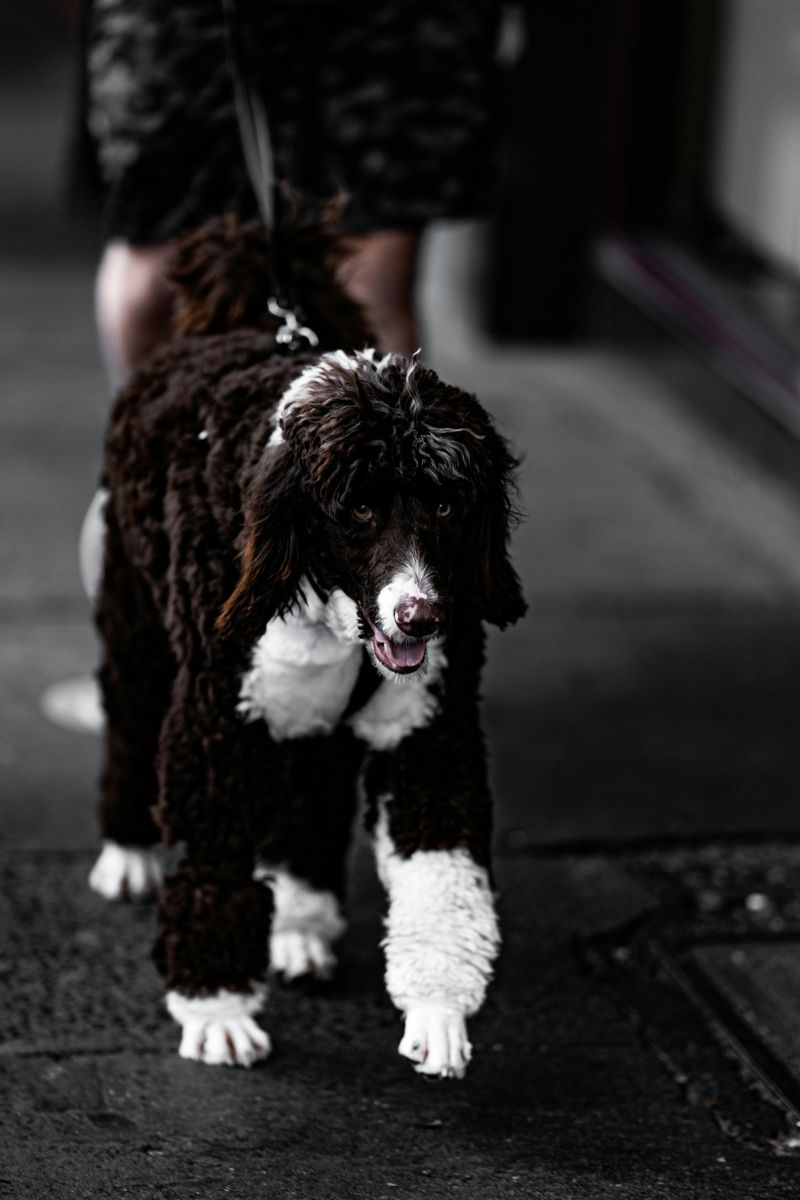
Poodles are brilliant problem solvers who can power down when stimuli stack up. Rapid-fire demands, loud rooms, or pushy greetings may trigger freeze, where they process silently rather than react.
You might notice stillness, slow responses, or suddenly ignoring known cues.
Feed their brain gently. Use short shaping sessions, scent games, and pattern work to create order.
Keep gear comfortable and grooming experiences slow and predictable.
Manage dense settings with distance, quiet breaks, and visual barriers. Reward self-soothing behaviors and voluntary engagement.
Rotate exercise with decompression walks to balance arousal. With respectful pacing and clear communication, Poodles settle, then sparkle again, bringing back that witty, cooperative brilliance you love.