
Some dogs can shrug off noise, but others read your tone like a headline. If your voice spikes, these sensitive breeds often shut down, worry, or overreact, even when you only meant to be firm.
Learning which pups are most sound sensitive helps you train with kindness and confidence. Keep reading to see which breeds need softer cues, steadier routines, and extra reassurance when the volume rises.
Border Collie
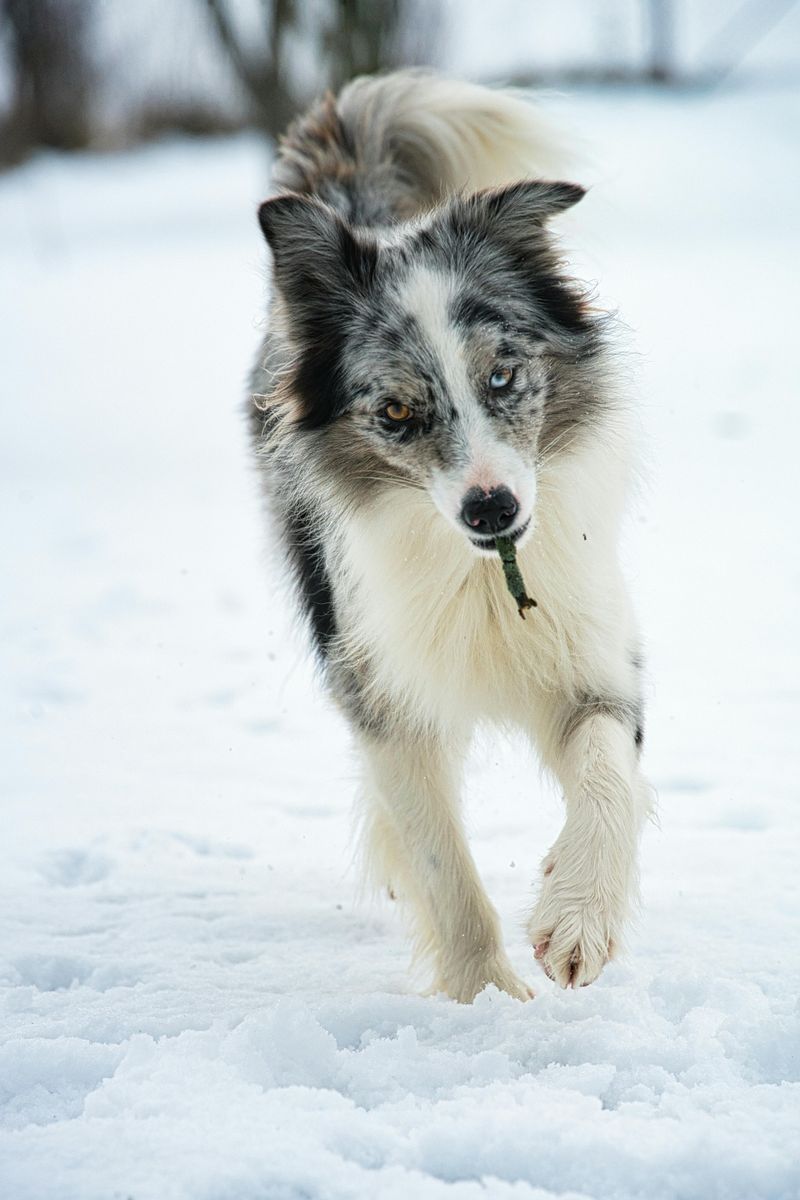
Border Collies read every flicker in your expression, so a raised voice can feel overwhelming. They are bred for problem solving and pressure, but emotional pressure is different.
When you shout, their ears pin, focus scatters, and they may avoid eye contact or slink away.
Use quiet, consistent cues and let rewards do the talking. Redirect with a sniffy break or a simple task they can nail, like a down or hand target.
Keeping training goals bite sized preserves confidence.
These dogs thrive with structured jobs and mental games that channel energy productively. If conflict rises, step back, breathe, and reset.
Calm tone, predictable routines, and clarity help Border Collies shine without emotional fallout.
Australian Shepherd
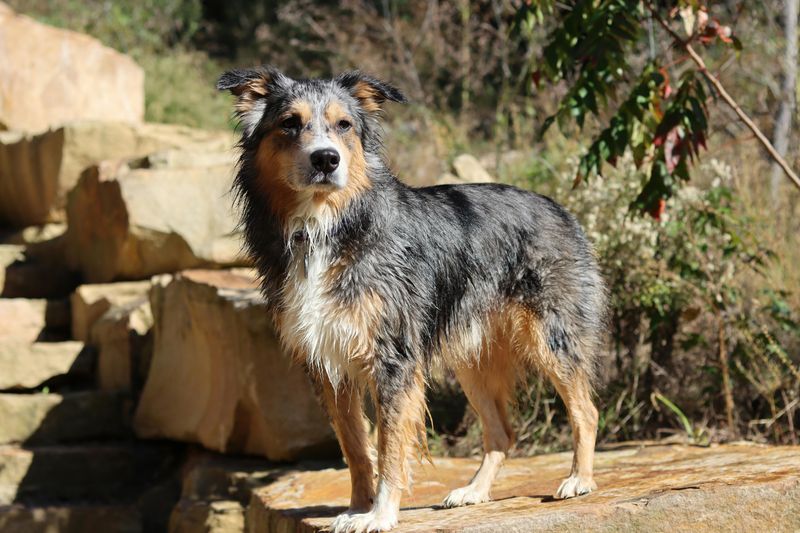
Australian Shepherds track human emotion like radar, and loud tones can short circuit their willingness. You might see lip licking, yawning, or herding behaviors ramping up when voices rise.
Their drive to control motion collides with uncertainty, creating frantic energy.
Speak softly, guide with clear markers, and reward calm choices. Offer outlets like scentwork or controlled fetch to decompress.
When corrections are needed, keep them neutral and brief, then show the right behavior immediately.
Routine, movement, and thoughtful training keep Aussies balanced. Practice impulse control through patterned games and mat training.
If tension creeps in, lower your volume, slow your breathing, and let structure reestablish trust.
Shetland Sheepdog
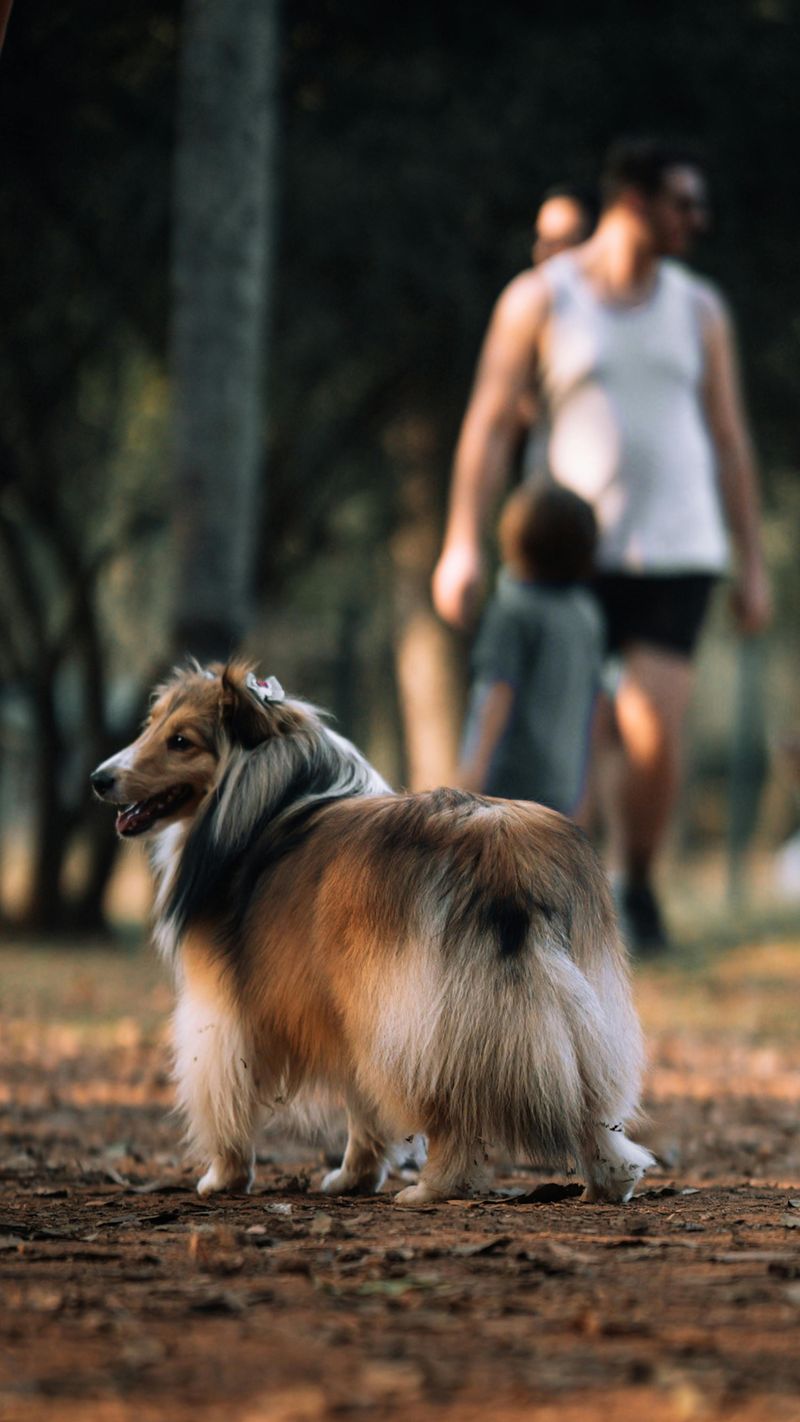
Shetland Sheepdogs, or Shelties, are gentle communicators and often crumble under harsh tones. Even enthusiastic yelling can sound punishing to them.
You may notice trembling, barking escalation, or hiding behind furniture when volume spikes.
Replace raised voices with marker words and high-value treats. Short, upbeat sessions paired with confident body language help settle nerves.
Encourage sniffing and decompression walks to diffuse lingering stress.
Shelties want to get it right, so coaching beats scolding every time. A predictable daily rhythm builds resilience and bravery.
Keep cues crisp, celebrate little wins, and you will see their sparkle return without fear-driven mistakes.
Poodle
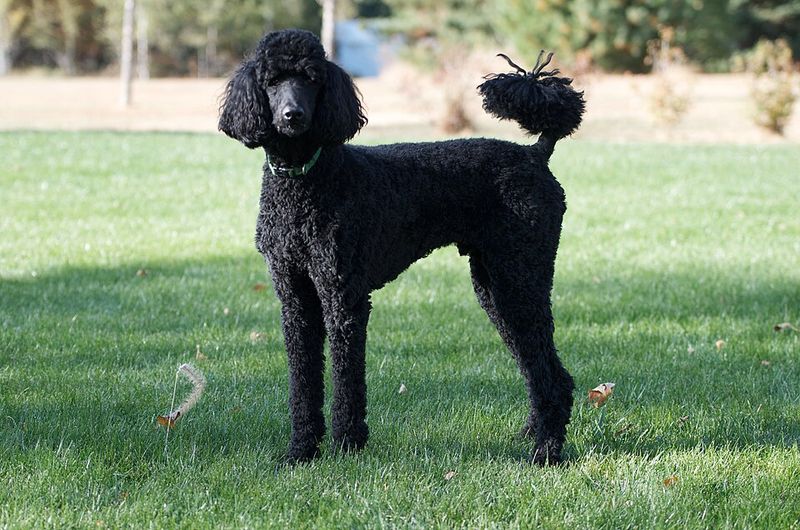
Poodles, from Toy to Standard, tune into tone changes with near theatrical sensitivity. A loud voice can prompt appeasement gestures, spinning, or sudden stillness.
Their smarts do not buffer emotional shock, so yelling muddies learning rather than clarifying.
Choose a calm marker word and pair it with consistent rewards. Shape behaviors in tiny increments and end sessions while enthusiasm is high.
If anxiety bubbles up, switch to a simple known cue to restore confidence.
Enrichment like puzzle toys, nosework, and structured play releases pressure. Poodles blossom with polite guidance and steady routines.
Speak softly, be precise, and you will see flawless performance without fear-laced hesitation.
German Shepherd
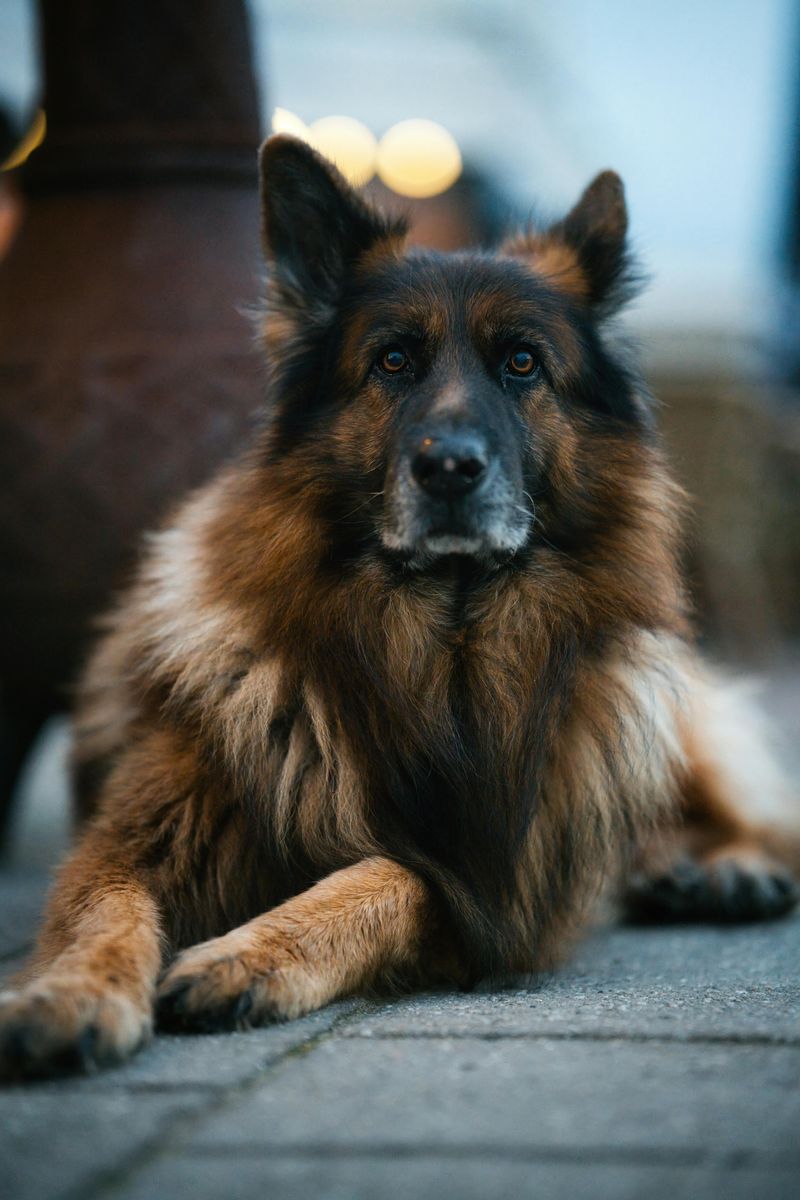
German Shepherds are loyal, intense workers, yet many are sensitive to emotional tone. A raised voice can spur defensive postures or shutdown, especially in adolescents.
Confusion plus volume may trigger barking instead of compliance.
Communicate with clarity, not force. Use consistent markers, fair timing, and immediate reinforcement for correct choices.
Balance obedience with decompression, like sniff walks and calm chewing.
Confidence grows when expectations are predictable. If stress spikes, pause and reset the picture rather than escalating.
A low, steady voice, clear body language, and structured practice build the reliability you want without fear-based fallout.
Doberman Pinscher
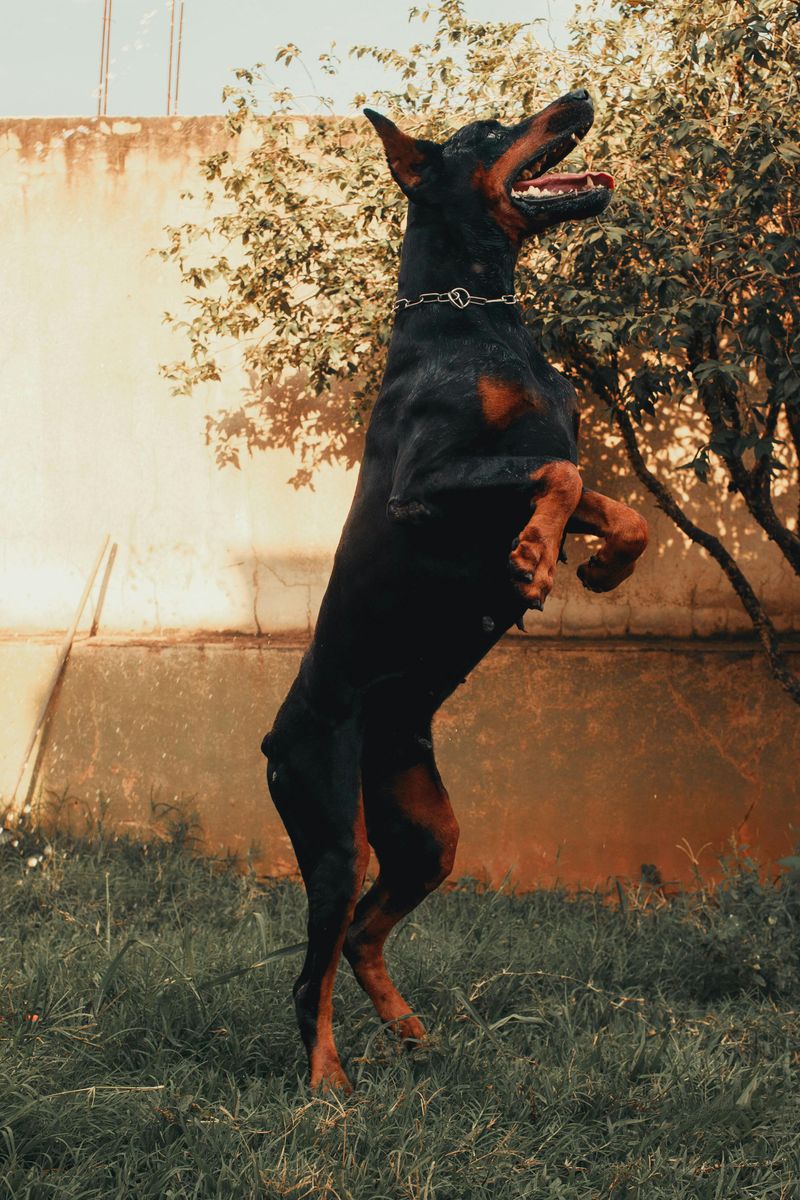
Dobermans bond tightly and can over-interpret sharp tones as conflict. Shouting often produces appeasement licking, pacing, or stiff stillness.
Their sensitivity is hidden under confidence, making reactions easy to miss until behavior skews.
Use neutral feedback and reward precision immediately. Hand signals paired with soft verbal markers keep them focused without pressure.
Provide mental work, like place training and scent games, to drain tension.
Consistency and kindness build trust that withstands distractions. If your voice rises, take a breath and reset the cue picture.
Calm leadership, predictable routines, and fair boundaries help Dobermans respond with relaxed accuracy.
Vizsla
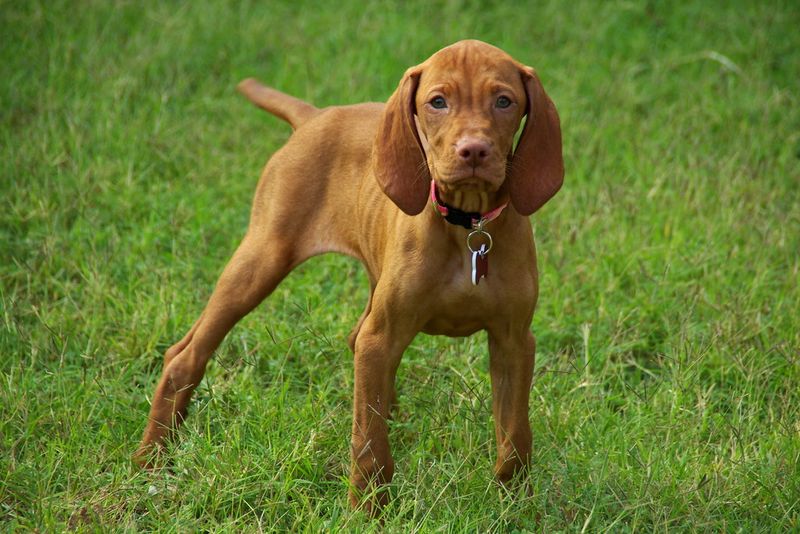
Vizslas are famously velcro and wear emotions on their sleeves. A raised voice can make them wilt, glue to your leg, or abandon tasks entirely.
They thrive on partnership, so tension in your tone undermines that bond.
Train with gentle markers, food reinforcement, and playful interludes. Keep sessions short and energetic, ending on success.
Give them cardio followed by nosework to balance arousal with focus.
If frustration appears, switch to an easy behavior and celebrate it. Rely on management rather than scolding to prevent mistakes.
With predictable structure and a soft voice, Vizslas respond joyfully and consistently.
Italian Greyhound
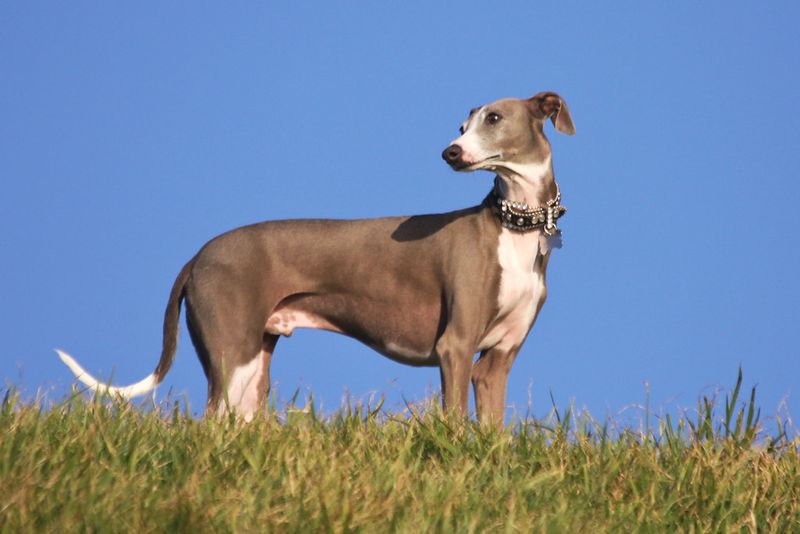
Italian Greyhounds are delicate souls who read tension fast. A sharp tone can cause shaking, hiding in blankets, or potty regressions from stress.
They want harmony, so raised voices quickly erode confidence.
Use whisper-level cues and reward generously for brave choices. Keep training low pressure with tiny criteria steps.
Offer warm, cozy rest spots and predictable routines to stabilize emotions.
Build resilience through gentle socialization and short confidence games. If mistakes happen, manage the environment instead of correcting.
Your calm presence and soft voice create the safety these little sprinters need to learn well.
Chihuahua
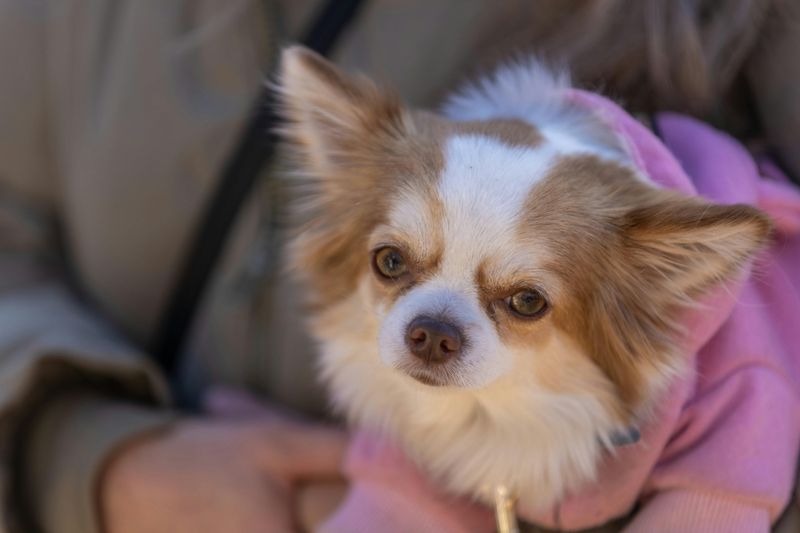
Chihuahuas may posture boldly, but many are sensitive to loud voices. Shouting can trigger frantic barking, spinning, or freezing.
Their small size makes big sound feel overwhelming, turning simple guidance into scary noise.
Use calm markers, tiny reinforcers, and lots of breaks. Shape behaviors in short bursts and end early on success.
Encourage sniffing and safe perches to reduce overwhelm.
Confidence grows with predictable routines and gentle handling. If tension spikes, lower criteria and celebrate a simple behavior like a nose target.
With a soft voice and steady expectations, your Chihuahua will listen without fear.
Papillon
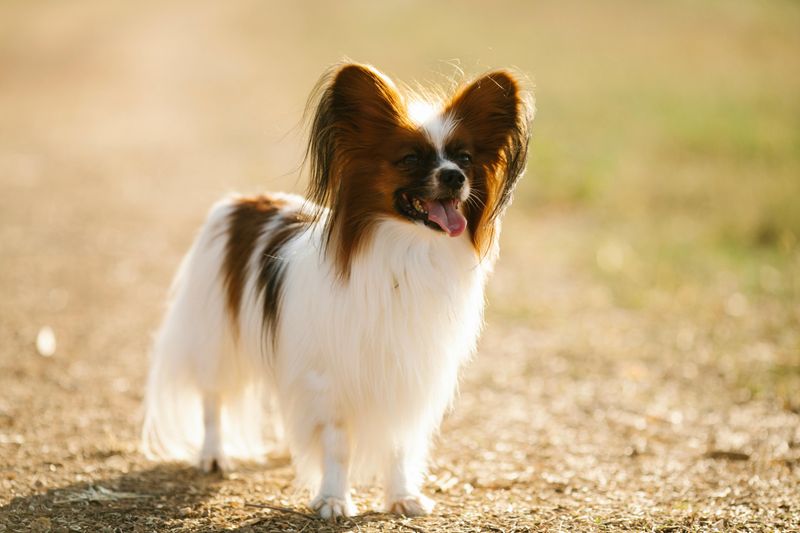
Papillons are bright, quick learners who key into vocal tones immediately. A raised voice can cause trembling, appeasement gestures, or frantic compliance that unravels precision.
They excel with clarity, not volume.
Keep cues soft and pair them with consistent rewards. Use targeting, perch work, and trick training to build confidence.
Short, varied sessions prevent stress and keep enthusiasm high.
When frustration appears, reset to an easy win and reinforce generously. Provide enrichment like shreddable toys and sniffy walks to drain pressure.
Speak softly, move thoughtfully, and your Papillon’s brilliance stays joyful and focused.
Cavalier King Charles Spaniel

Cavaliers crave harmony and can wilt under harsh tones. Even playful yelling may be misread as conflict.
You might see drooped ears, lowered tail, or avoidance when volume rises.
Guide gently with soft cues and upbeat reinforcement. Keep lessons fun and short, mixing easy wins with new skills.
Build security through routine, cuddles, and calm decompression walks.
If anxiety spikes, pause training and offer a soothing activity like licking mats. Reduce criteria and celebrate small steps forward.
With kindness and a steady voice, Cavaliers learn beautifully and stay emotionally buoyant.
Golden Retriever
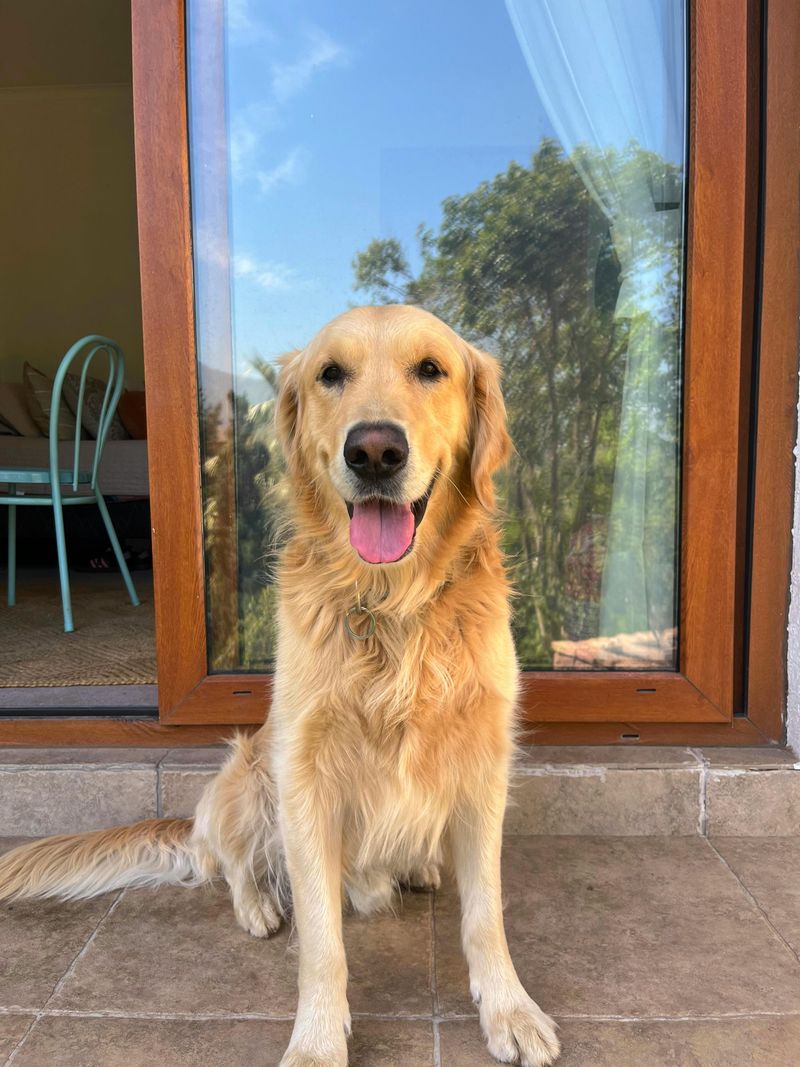
Goldens want to please, yet many are surprisingly tone sensitive. A raised voice can produce apologetic body language or scattered focus.
They learn best when instructions are clear, upbeat, and consistent.
Use a cheerful marker word and reinforce generously. Keep sessions short, ending on a success to preserve confidence.
Balance obedience with decompression like swimming or sniff walks.
If frustration creeps in, switch to a known cue and reward big. Avoid lecturing; show the right choice instead.
With a soft voice and predictable routines, Golden Retrievers deliver reliable responses without stress.
Labrador Retriever
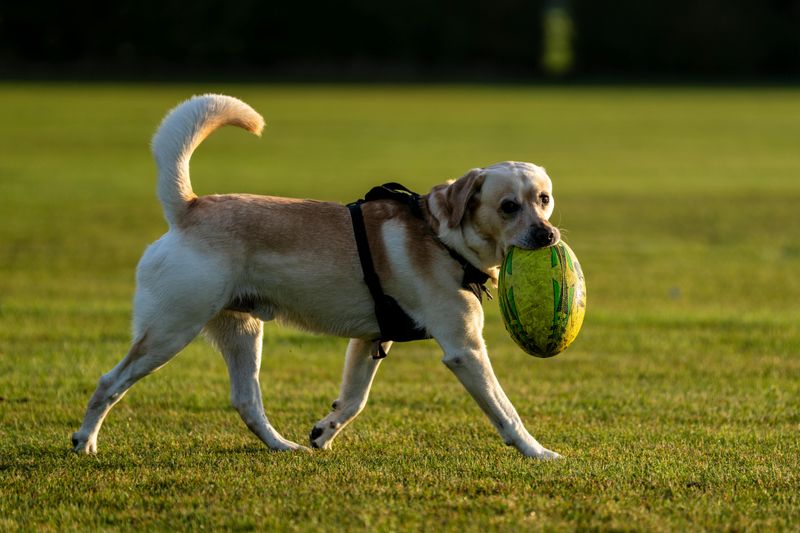
Labradors are friendly and resilient, but many still react to sharp tones. Yelling can create confusion or overexcitement rather than understanding.
They perform best with clarity, repetition, and positive reinforcement.
Set simple criteria, mark calmly, and reward consistently. Use structured play and place training to channel energy.
End sessions while enthusiasm is high to prevent slump or stress.
When mistakes happen, manage the setup and try again quietly. Pair soft cues with confident body language so Labs know exactly what you want.
A steady, kind voice keeps their trademark optimism working for you.
Havanese
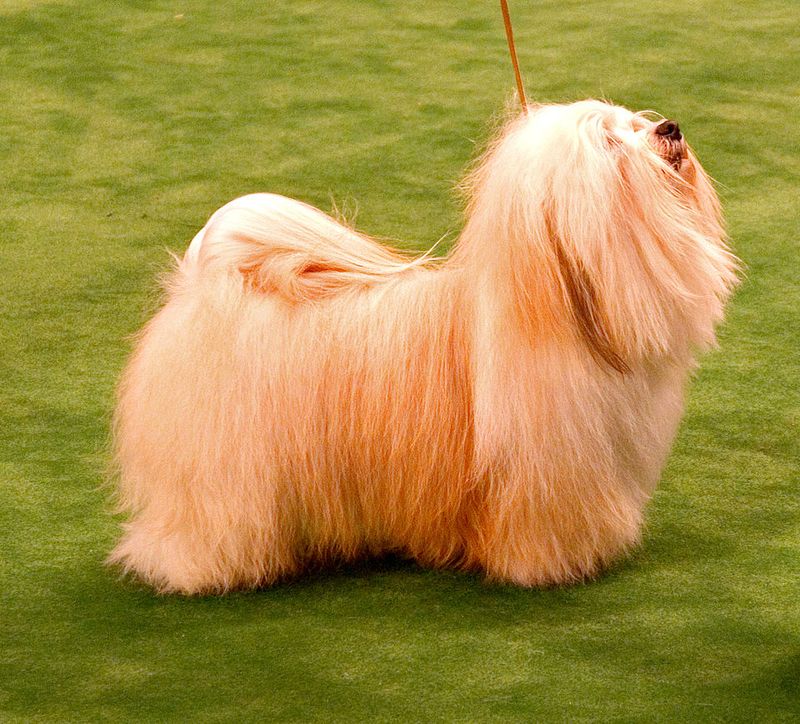
Havanese bond closely and can take loud voices to heart. You may see trembling, hiding, or clingy behavior after a sharp tone.
Their cheerful nature rebounds fastest with gentle guidance.
Train through play, soft markers, and tasty rewards. Keep criteria tiny and celebrate progress often.
Provide cozy rest spots and quiet routines to lower background stress.
If setbacks occur, step back to easy successes and rebuild. Use management to prevent rehearsing mistakes.
With kindness, predictability, and a calm voice, Havanese retain enthusiasm and learn quickly.
Whippet
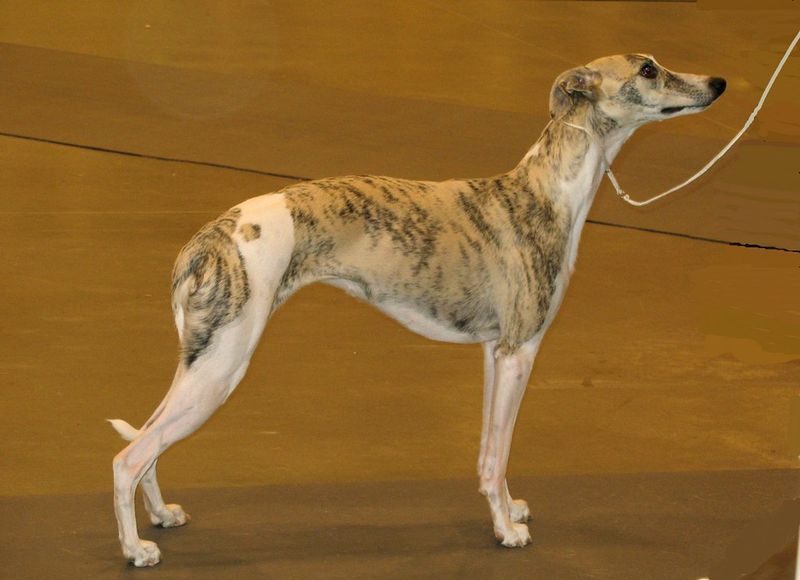
Whippets are elegant sprinters with gentle temperaments. Loud voices can send them to a safe corner or make them freeze.
They thrive when guidance is quiet and consistent.
Use soft markers, short sessions, and generous reinforcement. Encourage calm through sniffing, stretching, and cozy rest between lessons.
Confidence games and low-pressure socialization build resilience.
When tension rises, reset the environment and lower criteria. Avoid scolding; instead, show the right behavior and reward.
A steady, warm tone keeps Whippets engaged without anxiety.
Great Dane
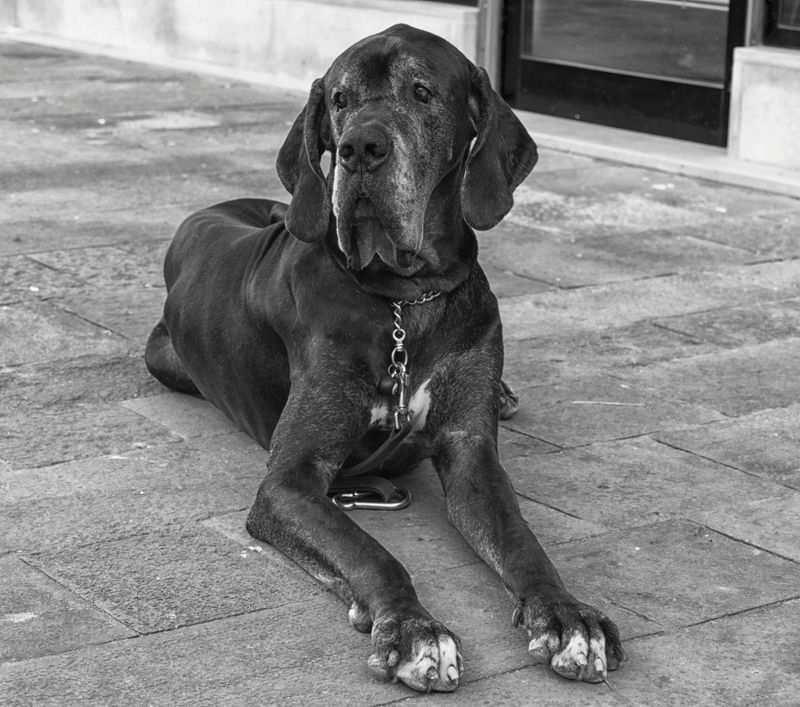
Great Danes look imposing, but many are sensitive to emotional pressure. A raised voice can create confusion or shutdown, especially in young dogs.
Their size amplifies clumsy reactions when stressed.
Guide with gentle markers and clear body language. Keep sessions short on non-slip flooring and reward generously.
Build confidence through cooperative care tasks and calm leash work.
If frustration appears, pause, breathe, and restart with easier criteria. Provide decompression time and steady routines to stabilize mood.
With a low, kind voice and predictable structure, Danes learn smoothly without fear.
Bernese Mountain Dog
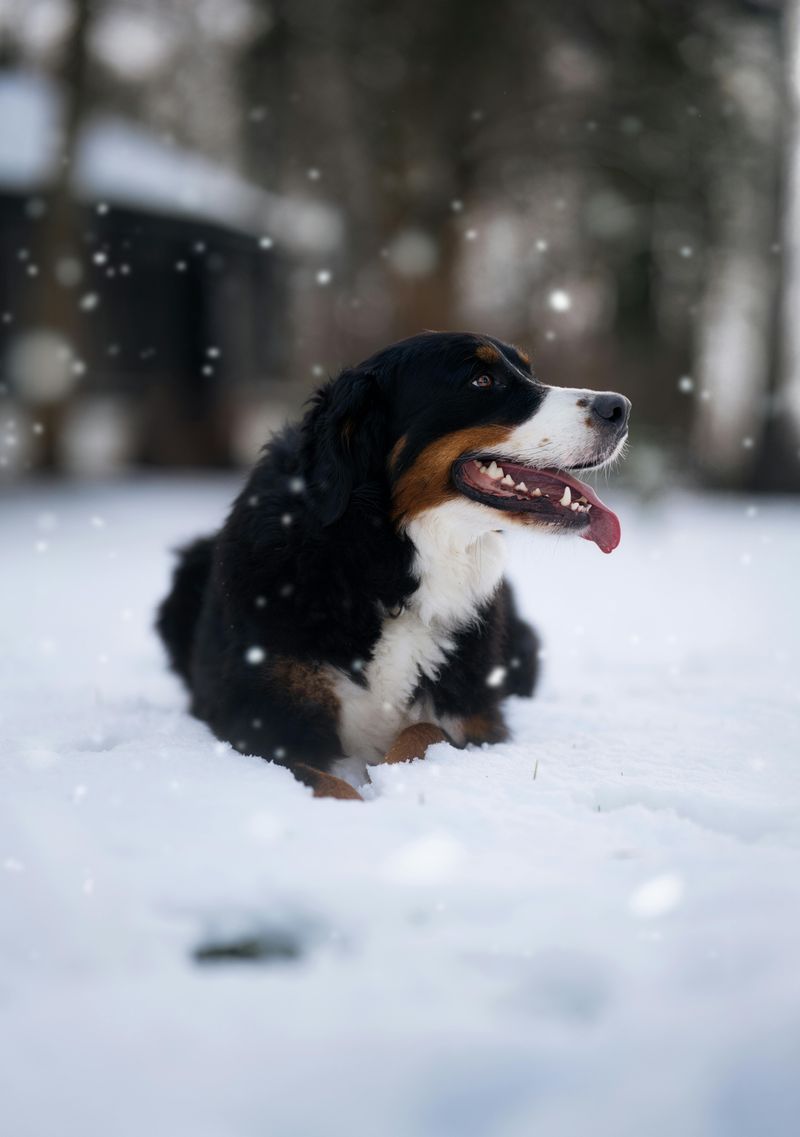
Berners are affectionate and may take stern tones personally. Loud voices often lead to droopy posture or hesitant responses.
They respond best to patience, consistency, and gentle feedback.
Use calm markers and reinforce confident steps. Mix easy wins with mild challenges to keep spirits high.
Provide steady routines, grooming rituals, and relaxed walks to ground them.
When mistakes happen, manage the setup and try again quietly. Keep corrections minimal and informative, not emotional.
With kindness and predictability, Berners offer reliable, enthusiastic cooperation.
Collie
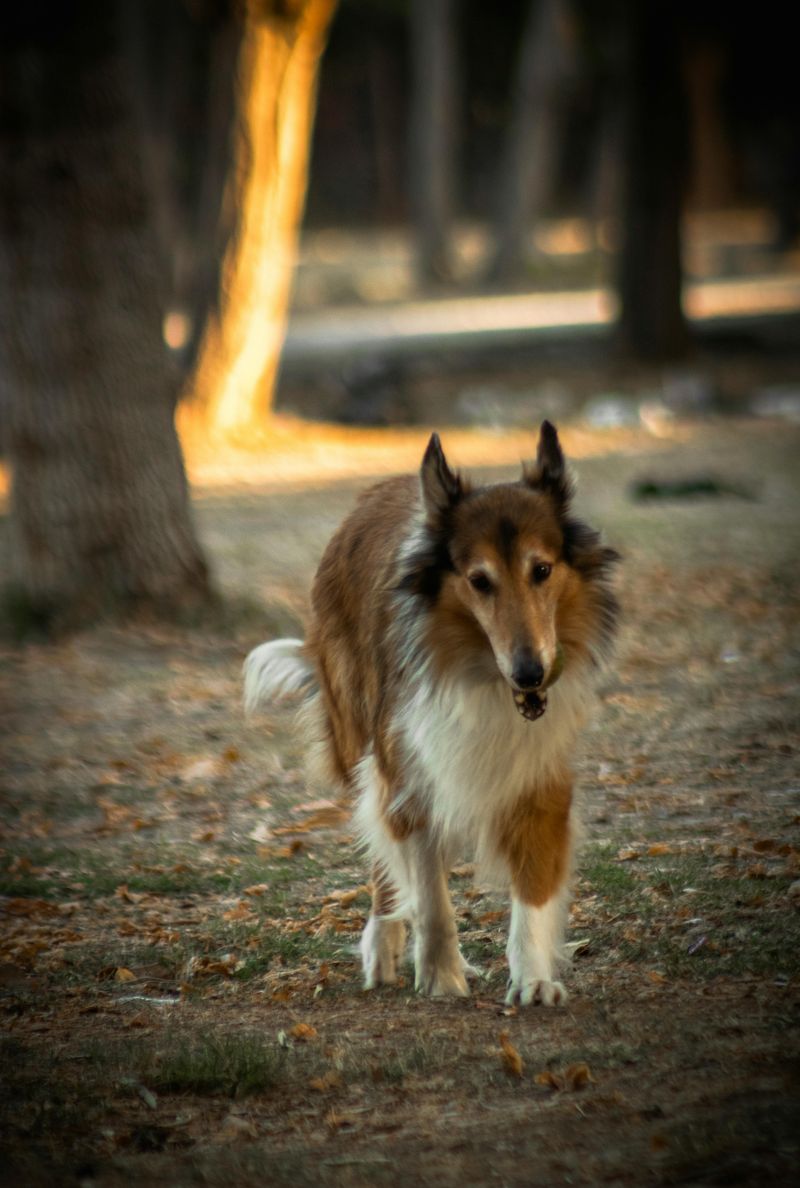
Collies are intuitive and can wilt under harsh tone. Raised voices often cause appeasement or retreat, and learning stalls.
They flourish with precise, quiet guidance instead of volume.
Employ soft markers, generous rewards, and short, purposeful sessions. Add herding-style impulse games to channel focus without pressure.
Decompression walks and predictable routines reduce background stress.
If tension builds, simplify the task and reward success immediately. Avoid repeating cues loudly; change the picture calmly.
With steadiness and warmth, Collies deliver graceful, reliable responses.