
Some dogs bounce back from stern words, but others carry that memory like a heavy backpack. If training ever felt tougher than it should, your dog might be more sensitive than stubborn.
Understanding which breeds need softer guidance can transform frustration into breakthroughs. Let’s explore the dogs that respond best to patience, empathy, and smart, reward based methods.
Border Collie
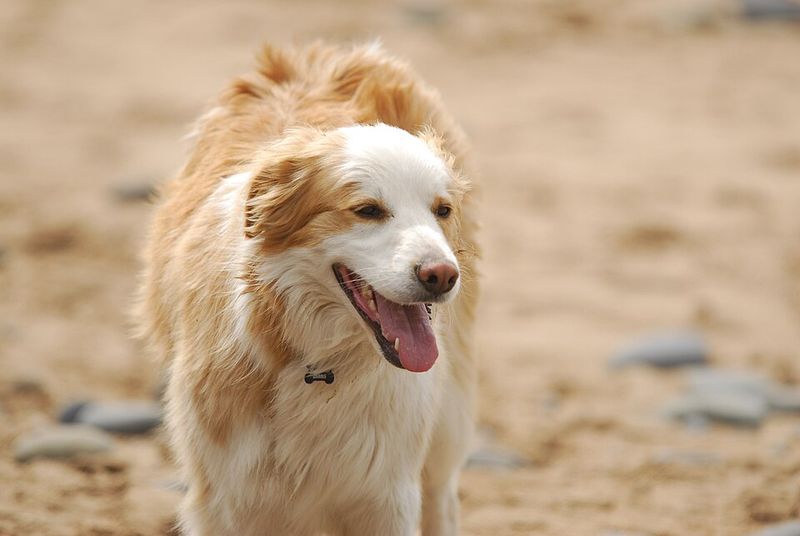
Border Collies are emotional sponges, reading your tone and body language with uncanny precision. If you push too hard, they can shut down, becoming conflicted or stressy instead of driven.
Gentle structure, short sessions, and clear reinforcement keep their brilliant brains happily engaged.
Use games, puzzles, and fast feedback to make learning feel like play. Harsh corrections erode trust, which this breed values above almost everything.
You will see their confidence grow when you celebrate little wins.
They thrive on consistency, movement, and predictable cues delivered with kindness. Keep tasks varied and achievable, and always end on a success.
With empathy, they become dazzling partners who offer focus because they want to, not because they fear mistakes.
Australian Shepherd
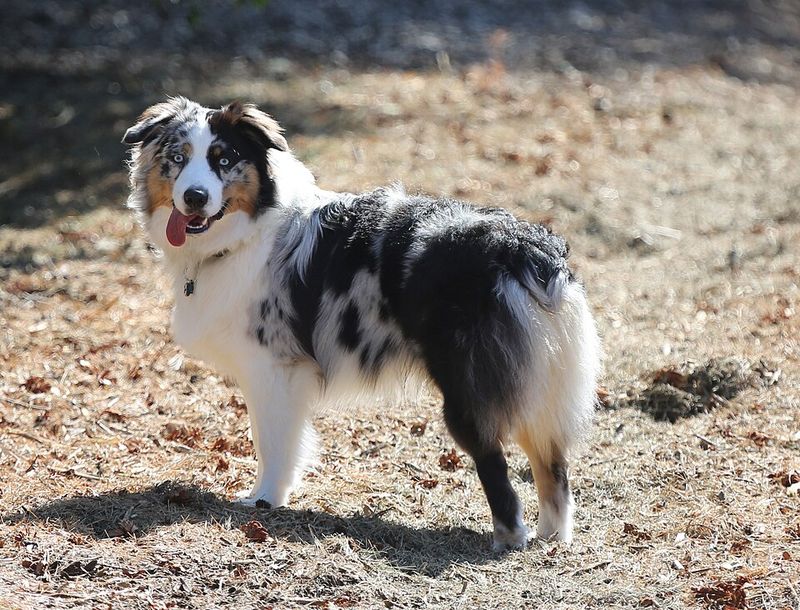
Australian Shepherds crave purpose and connection, so a stern voice can feel like a broken promise. These dogs often internalize pressure, leading to frantic behaviors or avoidance.
Balanced routines and upbeat markers guide their intensity into thoughtful responses.
Make training collaborative, using tug, treat chases, and movement to release tension. Keep criteria fair and crystal clear, and watch for early stress signals like lip licking or checking out.
When you slow down, they speed up in the right way.
Reward impulse control as generously as speed. Rotate jobs like nosework, herding balls, or trick chains to satisfy their busy minds.
Trust built through kindness turns their natural zeal into reliability you can count on anywhere.
Shetland Sheepdog
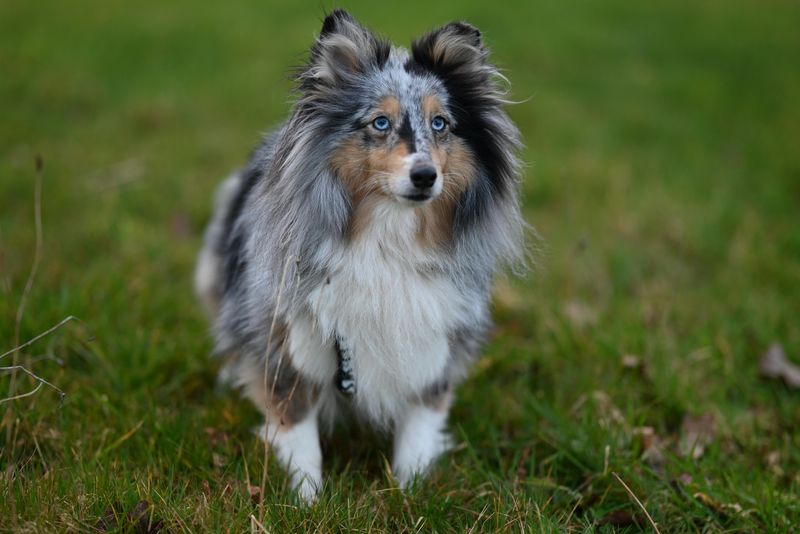
Shetland Sheepdogs notice everything, including your mood. A sharp correction can echo in their hearts, making them hesitate or offer appeasement instead of learning.
Use quiet hands, cheerful markers, and tiny criteria steps to build momentum.
Short, frequent sessions avoid overwhelm and preserve enthusiasm. They adore predictable patterns and gentle guidance that respects their sensitivity.
Pair new challenges with easy wins so confidence stacks instead of crumbles.
Socialization should be thoughtful, not flooded. Reward curiosity, retreat when needed, and celebrate calm choices.
With warmth and structure, a Sheltie blossoms into a nimble, responsive partner who tries hard because you feel safe to them.
German Shepherd
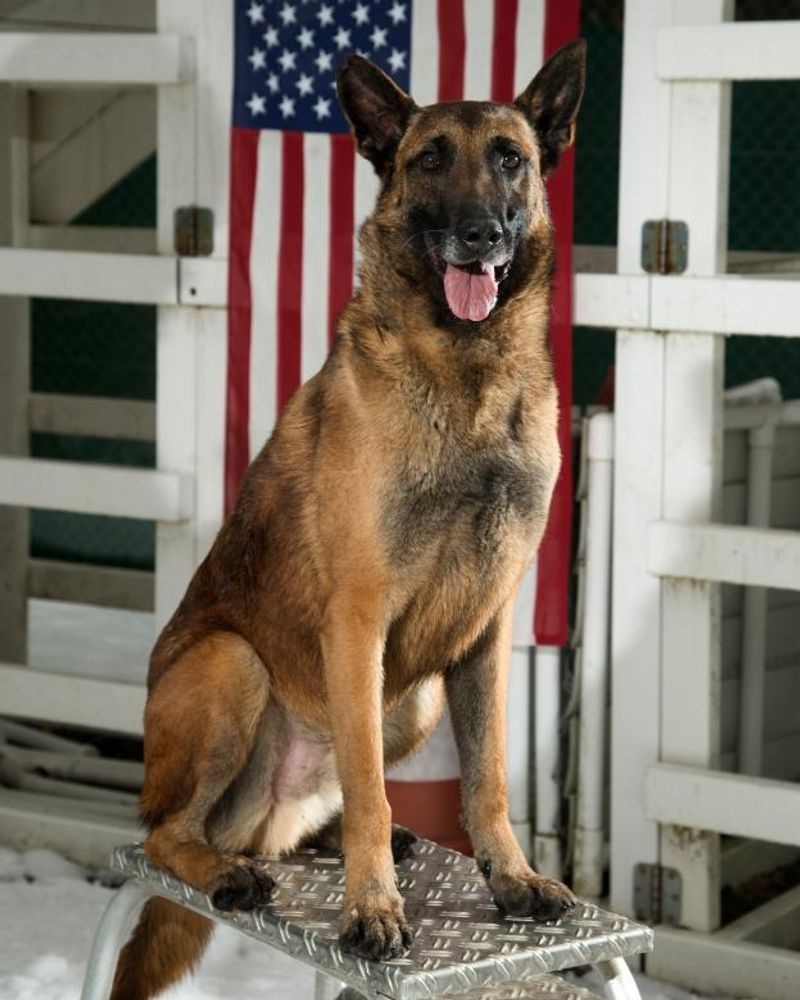
German Shepherds are loyal guardians who read intent quickly. Overly harsh handling can create conflict or defensive reactions, undermining the stability you want.
Clear criteria, calm repetitions, and rewarding neutrality build dependable behavior.
Teach engagement through play, food, and purposeful jobs like tracking or obedience games. Keep pressure low and information high, using markers to separate right from wrong without intimidation.
Channel their drive into tasks that make sense to them.
Confidence grows when you reinforce steadiness and clear-headed choices. Avoid confusing double standards or unpredictable corrections.
With fairness and empathy, a GSD becomes balanced, courageous, and responsive because respect goes both ways.
Doberman Pinscher
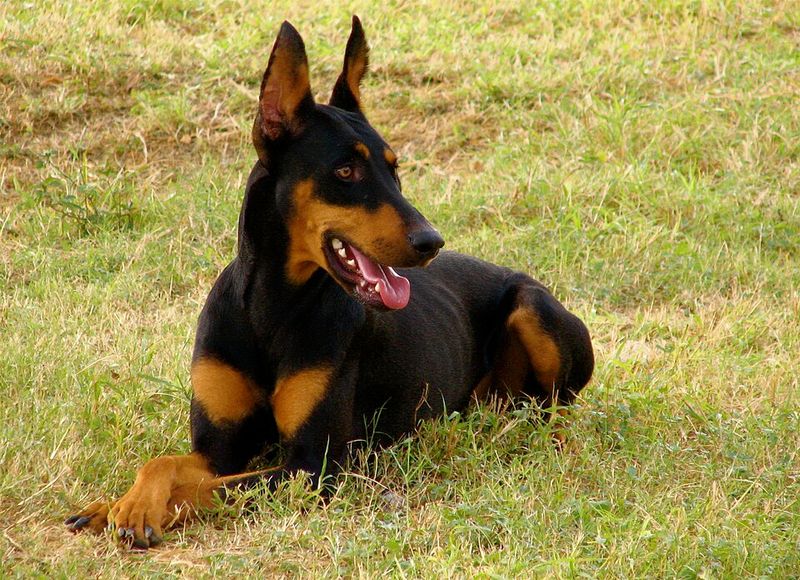
Dobermans form deep bonds and can be sensitive to inconsistencies. Heavy-handed tactics often backfire, creating anxiety or pushback.
Instead, rely on precise markers, fair criteria, and rewards that match their sleek intensity.
Keep sessions short, focused, and purposeful. Teach impulse control as a skill, not a standoff, and reinforce calm reflexes in real life moments.
Meaningful play like controlled tug turns arousal into cooperation.
When they trust your clarity, they offer power with restraint. Celebrate correct choices, then raise difficulty gradually.
A Doberman trained with respect becomes elegant in motion and mind, responding because the rules make sense and the relationship feels safe.
Papillon
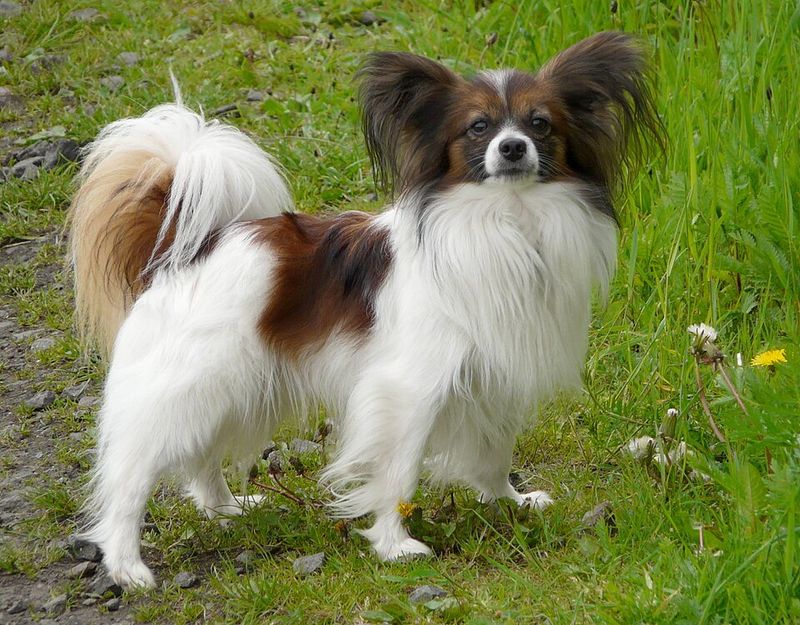
Papillons are bright, sensitive companions who wilt under scolding. Big emotions in a small body mean corrections can feel overwhelming.
Keep instructions tiny and cheerful, using markers to spotlight each success.
Turn training into play with target sticks, spins, and platform games. Reward curiosity and quick thinking, and give breaks before stress stacks up.
Their confidence soars when you celebrate effort, not just perfection.
Social settings should be paced, not forced. Provide safe retreats and reinforce calm observation.
With patience and positive structure, this delicate dynamo becomes a joyful teammate who tries fearlessly because the world feels kind.
Poodle
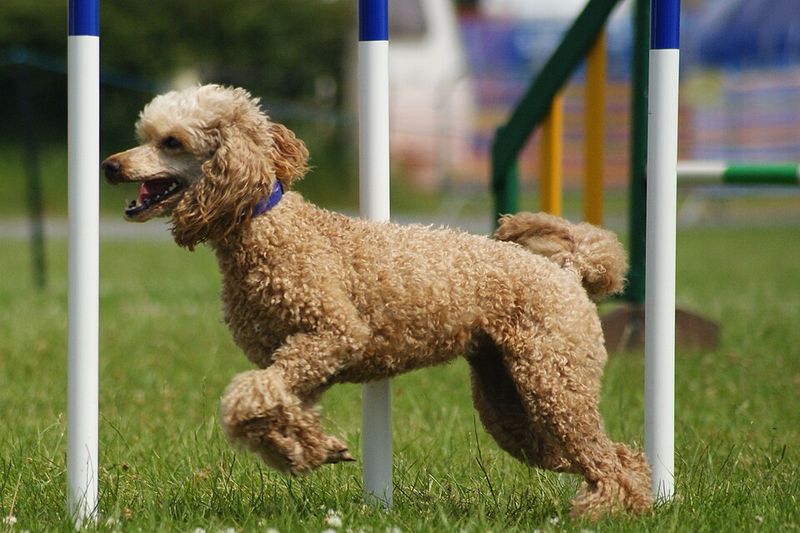
Poodles are tuned to nuance, so harshness introduces static into clean communication. They learn fastest when criteria are tidy, feedback is immediate, and mistakes are simply information.
Replace pressure with clarity to unlock their brilliance.
Use shaping, platform work, and novel puzzles to prevent boredom. Rotate reinforcers, mixing food, toys, and life rewards to keep motivation buoyant.
Sessions should end on a confident success, not fatigue.
Grooming and handling are training opportunities too. Pair touch with rewards so cooperation becomes default.
With empathy and precision, a Poodle channels elegance into reliability, offering crisp responses because the process felt respectful every step.
Italian Greyhound
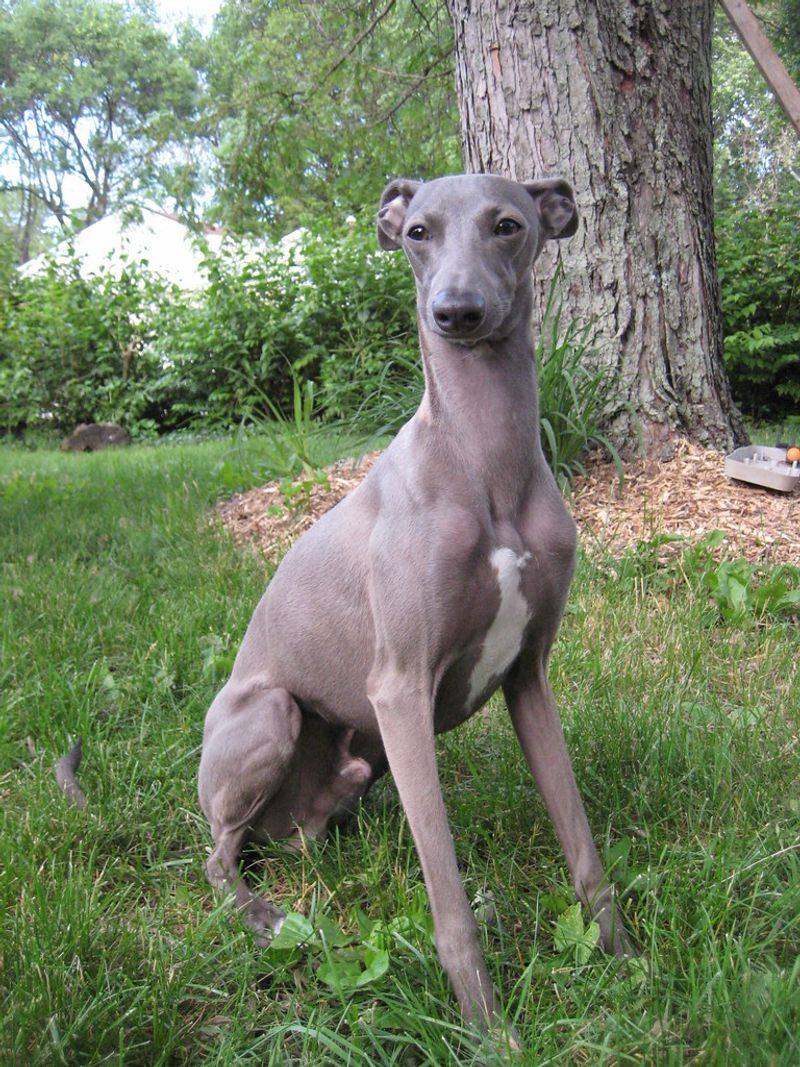
Italian Greyhounds are delicate in body and feelings. Loud corrections or rough handling can make them withdraw or tremble.
Gentle introductions, warm environments, and soft voices help them lean in instead of shut down.
Build skills with tiny steps and generous reinforcement for brave choices. Use cozy textures and calm spaces to reduce startle.
Practice handling with slow movements and predictable patterns so trust becomes their safety net.
Outdoors, protect them from overwhelming chaos and cold surfaces. Reinforce recall and calm observation with frequent, tiny jackpots.
Respect their sensitivity, and you will see a sweet, willing partner who offers effort when the world feels kind.
Vizsla
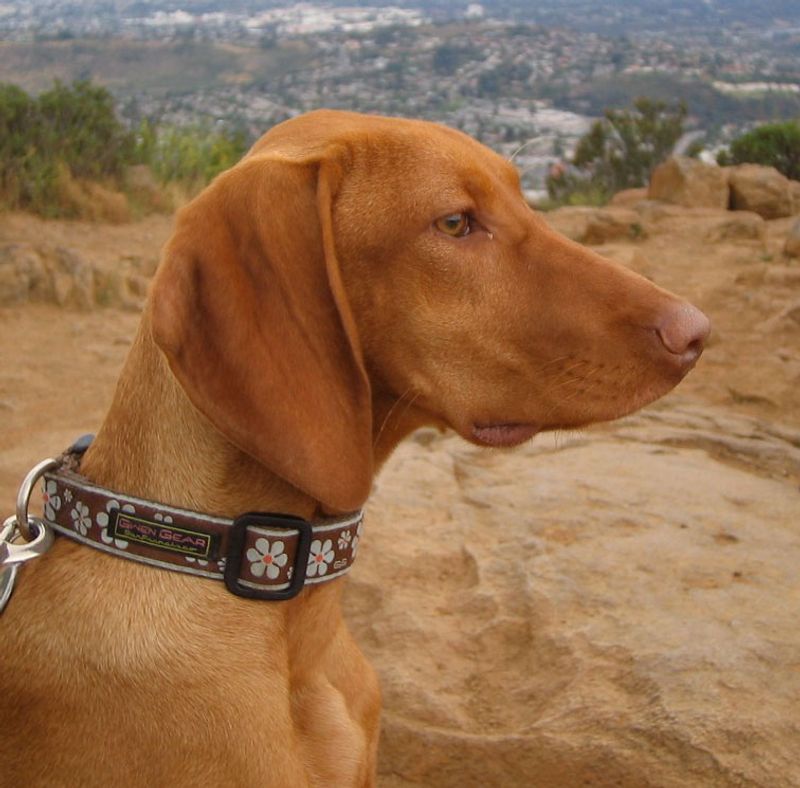
Vizslas are velcro dogs, deeply attuned to your emotions. Harsh methods fray that connection, leading to clinginess or confusion.
Structure your training around engagement games, steady routines, and upbeat markers to keep their hearts light.
Provide outlets for energy through field games, scenting, and recall drills with joyful reinforcers. Keep expectations fair and escalate difficulty slowly.
When they succeed often, confidence stabilizes and focus improves.
Teach relaxation as deliberately as excitement. Reinforce mat settles, slow breathing, and check-ins during distractions.
With kind consistency, a Vizsla becomes both affectionate and dependable, working with you because the relationship feels safe and exciting.
Collie
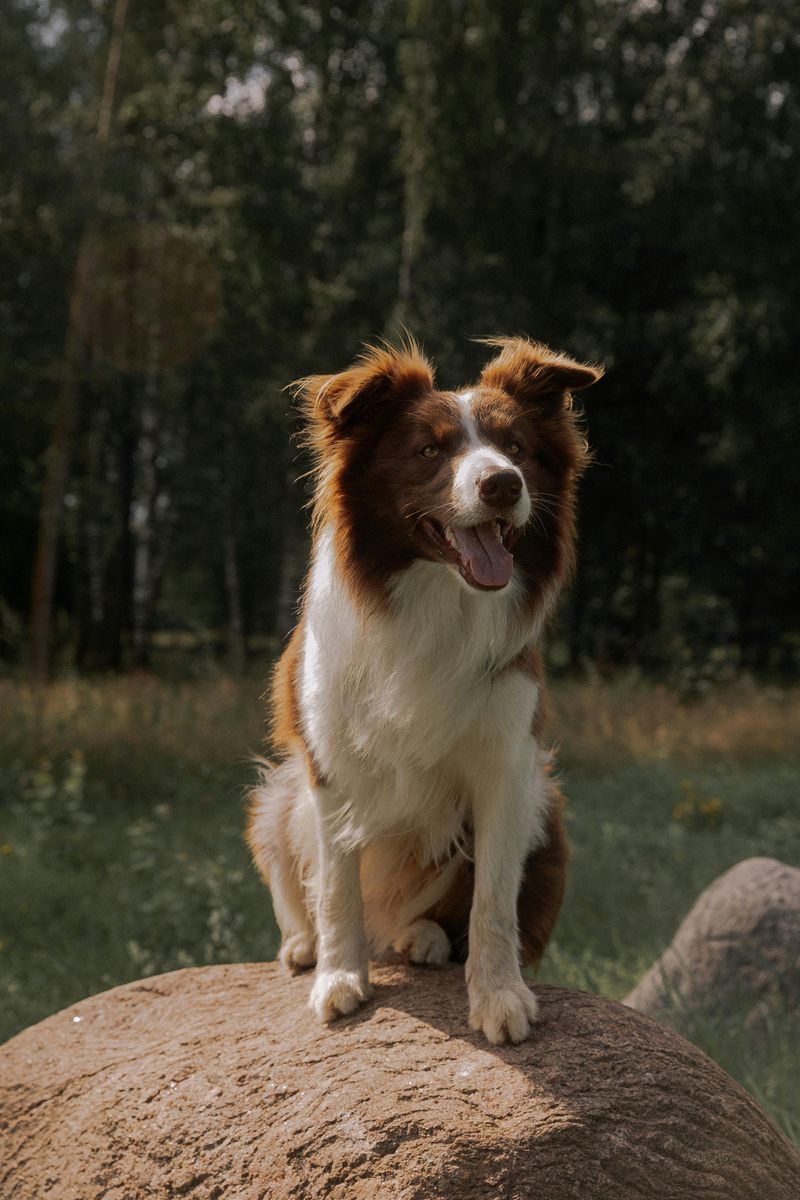
Collies are sensitive communicators who notice micro-shifts in mood. Harsh corrections can collapse their willingness, replacing curiosity with worry.
Use calm structure, clear markers, and fair criteria so they always know how to win.
Introduce distractions in layers, rewarding thoughtful choices and soft focus. Trick training, directional cues, and herding ball games satisfy their brains without pressure.
End sessions on a confident note to bank trust.
Grooming and daily handling should be cooperative, not forced. Pair tools with treats and teach consent cues.
Nurtured with patience, a Collie offers steady brilliance, responding because kindness made learning feel safe and meaningful.