
Some dogs are naturally confident, but many need careful introductions to the world to feel safe. Skip that step, and even the sweetest pup can respond with barking, lunging, or guarding.
The good news is that early, positive experiences can build calm, reliable behavior. Let’s walk through twelve breeds that especially benefit from thoughtful socialization so you can set your dog up to thrive.
German Shepherd
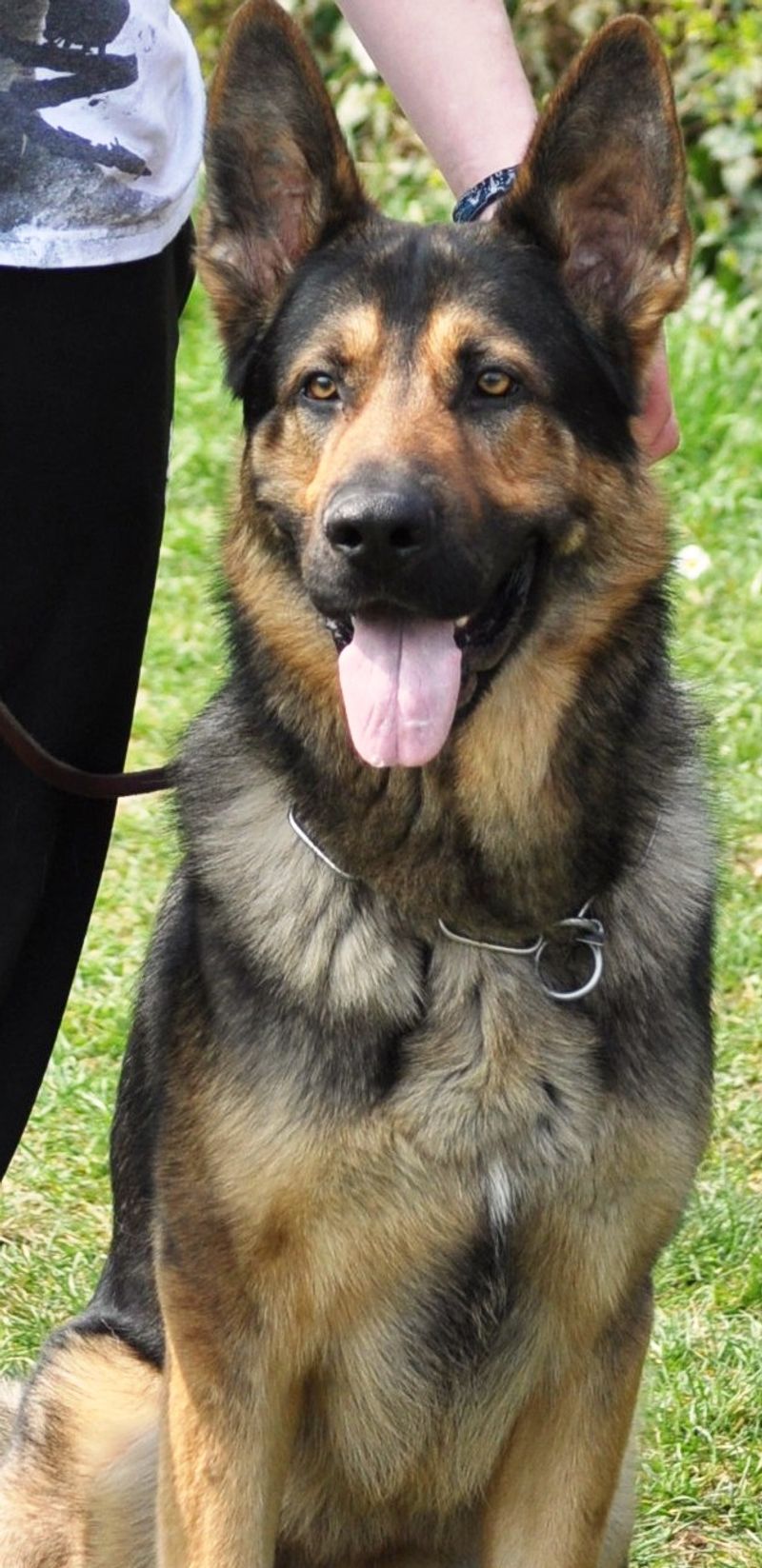
German Shepherds are brilliant problem solvers with protective instincts, which is why they shine in police and service work. Without early, positive exposure to people, places, and sounds, that protective edge can tip into reactivity.
You might see barking at strangers, stiff posture, and intense focus that escalates quickly.
Prioritize puppy classes, calm meetups, and low pressure outings where you reward curiosity. Teach a strong look at me cue and reinforce loose leash walking near mild distractions.
Gradually add novelty while keeping sessions short and upbeat.
Give structured jobs like scent games and obedience routines to channel their drive. Clear boundaries, enrichment, and daily mental work reduce stress.
Balanced guidance helps them read the world as safe, not suspicious.
Belgian Malinois
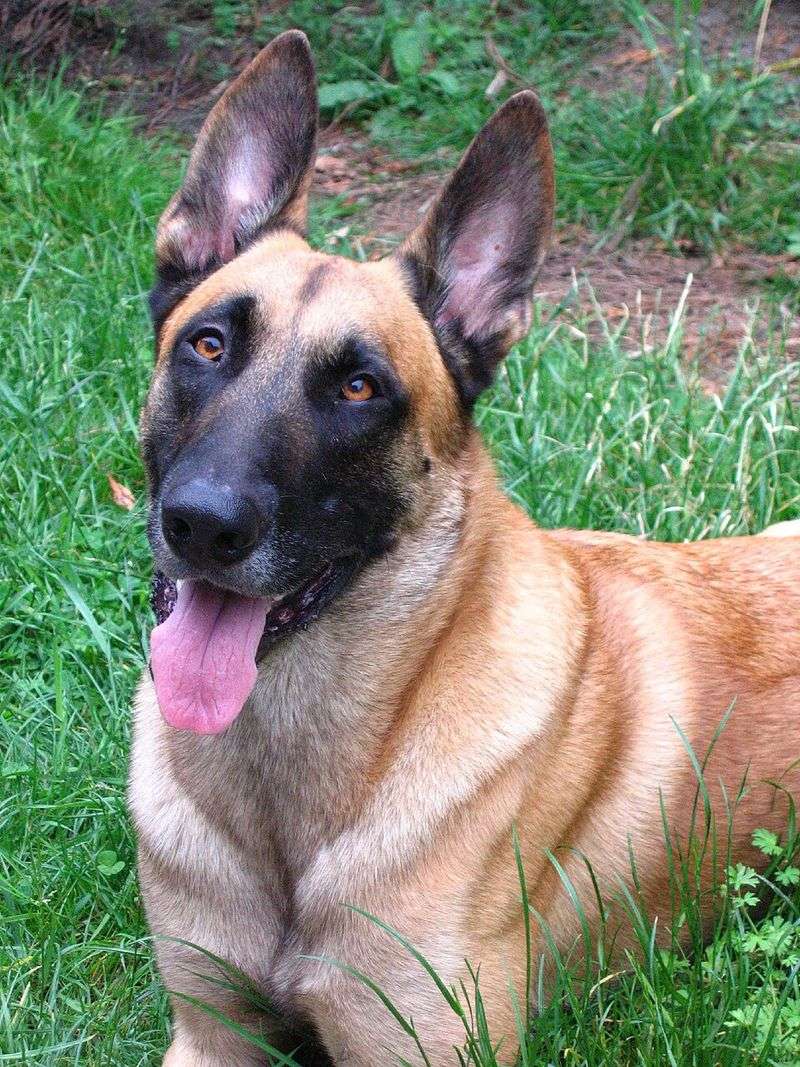
Belgian Malinois have rocket fuel energy and laser focus, which can morph into reactivity if not directed well. Skipped socialization often shows up as frantic scanning, lunging at motion, or fixating on bicycles and runners.
They thrive when novelty is paired with clear structure and frequent reinforcement.
Start with calm environmental exposures and predictable routines. Layer in impulse control games like sit to say hello and leave it with moving targets at a distance.
Reward neutrality as much as engagement.
Use tug and sniffing to decompress after stimulating sessions. Keep training slices short, then rest.
When you teach the world is manageable and work is available on cue, their intensity becomes breathtaking focus instead of overreaction.
Rottweiler
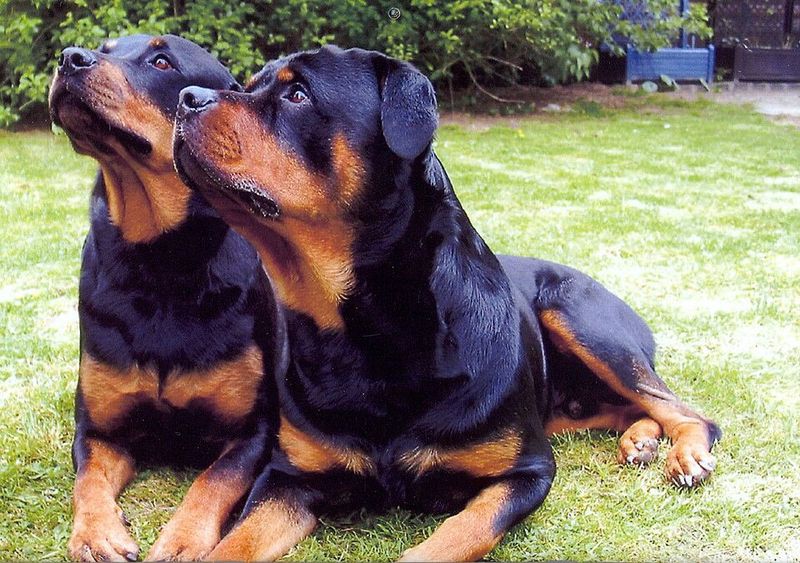
Rottweilers are steady guardians at heart, and that loyalty can look like suspicion if early social experiences are thin. Without guided introductions, they may body block, bark, or hard stare when new people approach.
Confidence grows when you pair strangers with calm, predictable rewards.
Practice neutral hangs near low key crowds, rewarding relaxed posture and soft eyes. Teach place to settle around visitors and use consent based greetings.
Keep pressure low and exits available so they never feel trapped.
Short training reps, cooperative handling, and vet prep matter. Add controlled dog encounters at a distance before closing space.
With patience, you shape a composed companion who evaluates, not reacts.
Doberman Pinscher
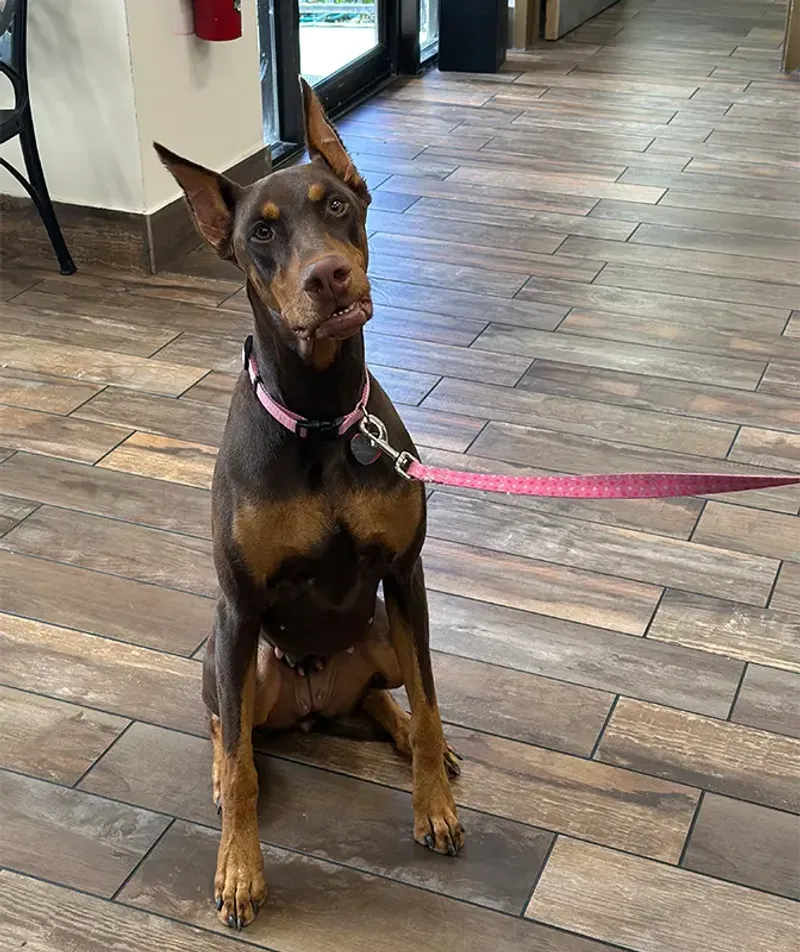
Dobermans are sensitive, fast learners who read your emotions closely. If socialization is skipped, their alert nature can turn into startle responses or vocal warnings toward strangers and sudden movement.
They benefit from slow, thoughtful exposures paired with clear communication.
Build a pattern: see novelty, check in, get paid. Practice calm stationing at patios and parks during off peak hours.
Reinforce loose leash walking near bikes and scooters at a comfortable distance.
Teach touch for cooperative care, and integrate decompression walks where they can sniff and relax. Keep sessions short with frequent success.
With consistency, their natural elegance becomes composed confidence instead of edge of seat reactivity.
Akita
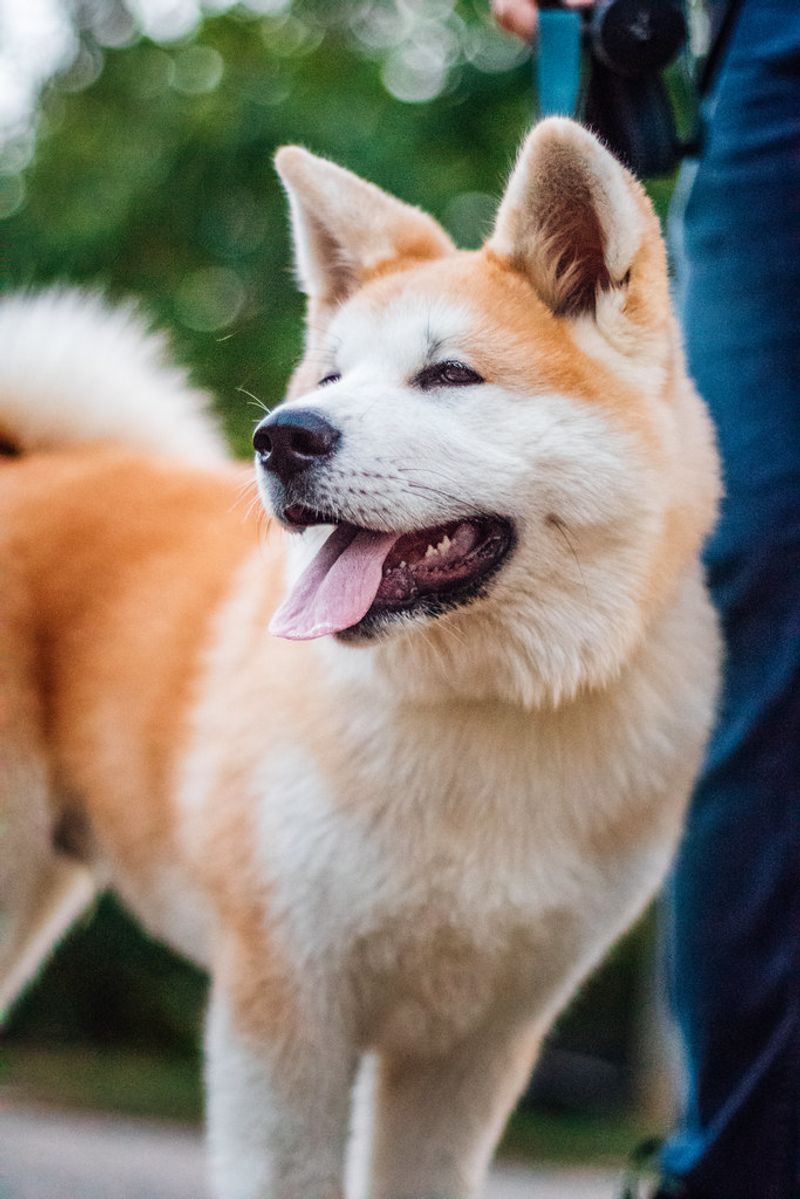
Akitas are independent and discerning, traits that can slide into reactivity if they miss early exposure windows. Without careful introductions, they may guard space, bristle at unfamiliar dogs, or go rigid when approached.
Respectful distance and predictable routines help them feel secure.
Use slow motion socialization: observe first, approach later. Reward relaxed ears, soft blinks, and weight shifts toward curiosity.
Keep greetings brief, optional, and polite rather than forced.
Teach strong recall and a go behind cue for passing dogs on trails. Daily sniff walks and puzzle feeders reduce tension.
With patient leadership and choice based training, Akitas learn the world is safe and their voice is heard.
Cane Corso
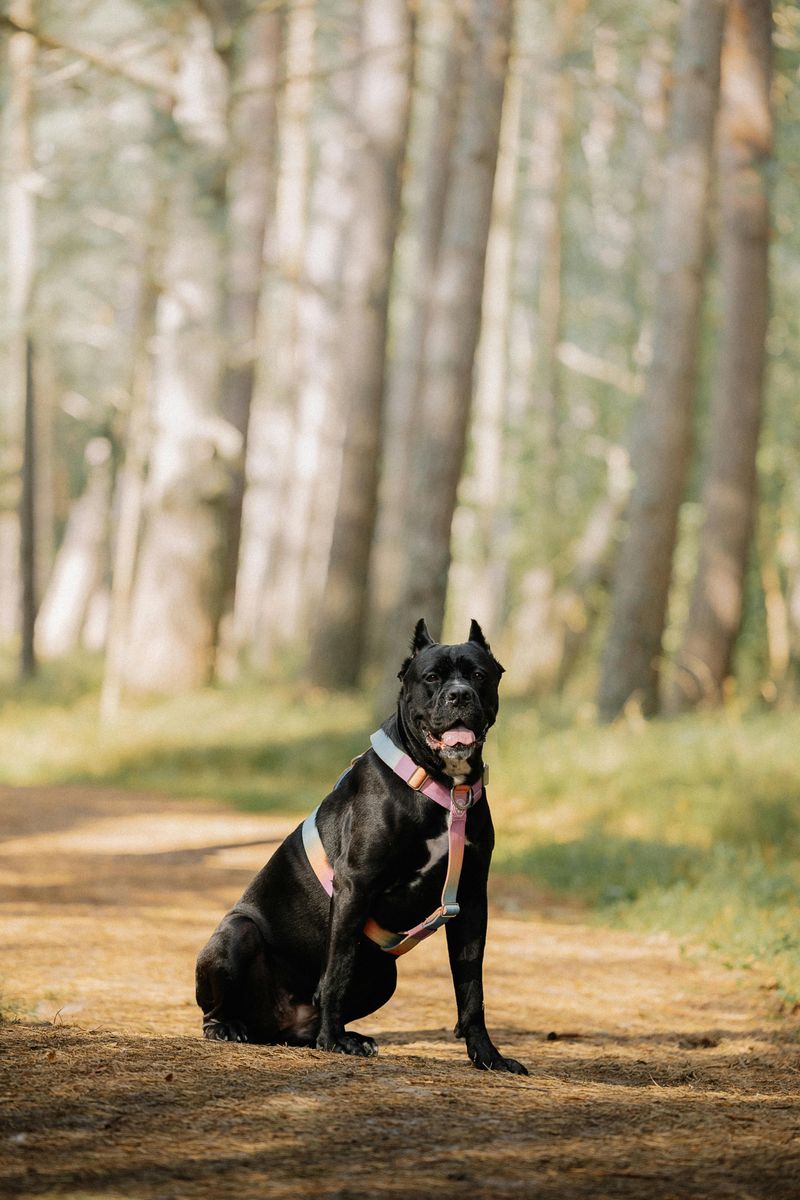
Cane Corsos are imposing guardians with thoughtful minds. Skipped socialization can amplify wariness, leading to barrier barking, hard stares, and pushy body language.
Their size adds impact, so early, structured experiences are essential.
Introduce controlled environments first: quiet parks, training classes, and calm visitors. Reinforce neutrality, stationing on a mat while life happens at a distance.
Build consent based greetings and advocate for space when needed.
Teach muzzle training as a life skill, not a punishment. Add scent work and cart pulling style tasks to meet working needs.
A steady routine, clear cues, and positive exposures turn their natural confidence into reliable composure.
Giant Schnauzer
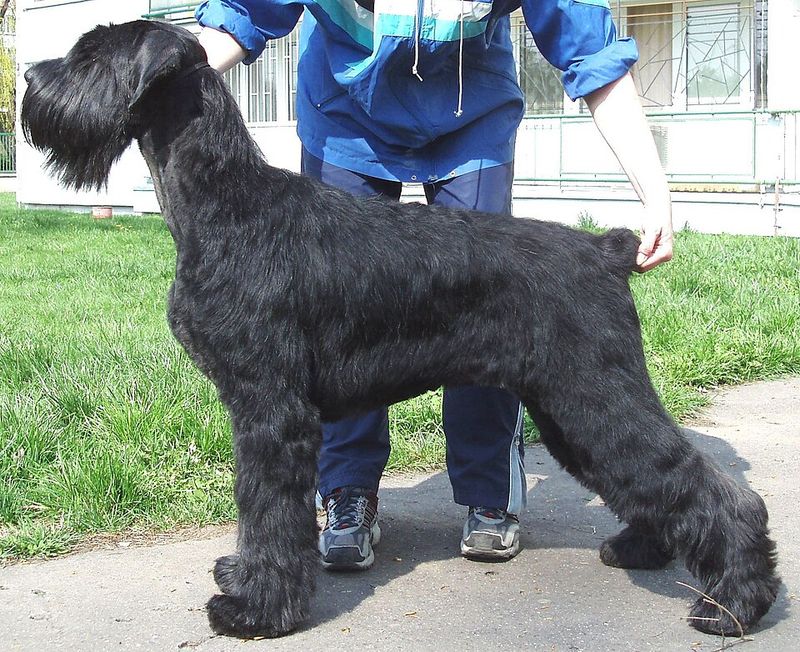
Giant Schnauzers are intense, biddable workers bred to guard and drive stock. Without early practice, that vigilance can spill into reactivity toward motion, strangers, or other dogs.
Expect big feelings in a big body if socialization is skipped.
Use structured exposures with clear jobs: heel past distractions, settle on a mat, then release to sniff. Reward check ins and loose body language generously.
Keep novelty at a distance before you close space.
Mental workouts matter: scent puzzles, obedience patterns, and tug on cue. Grooming cooperation training reduces handling stress.
With predictable outlets and steady guidance, they transform from overaroused watchdog to thoughtful partner.
Australian Cattle Dog
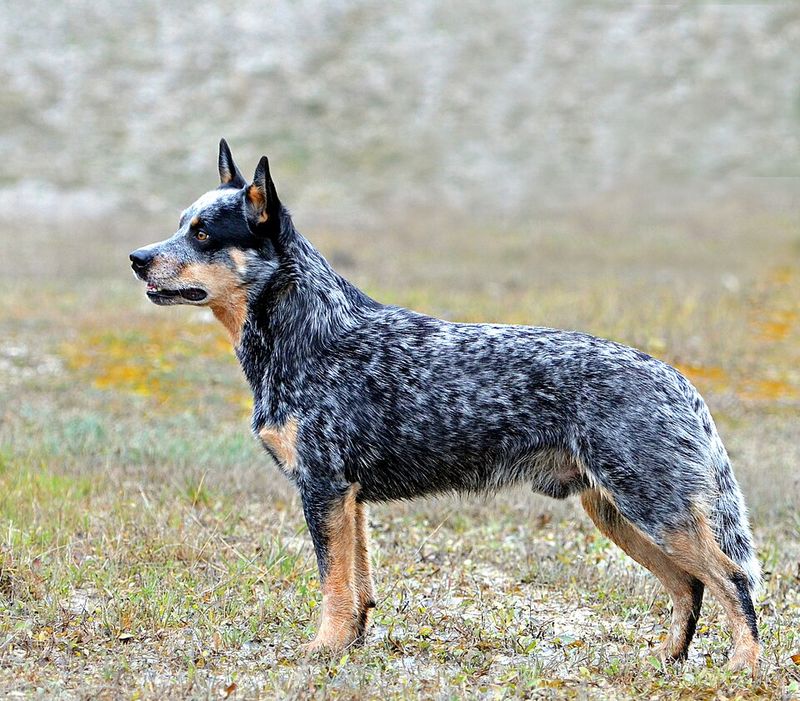
Australian Cattle Dogs are sharp, motion motivated herders. If socialization is thin, they may nip, chase, or bark at joggers and wheels.
Their stamina means unwanted behaviors can practice themselves quickly.
Start with exposure at safe distances where the dog can observe and earn rewards for calm. Use leave it with moving targets and reinforce eye contact before releasing to sniff.
Build decompression into the day to prevent overload.
Give jobs: platform work, trick training, and controlled fetch with impulse control. Rotate enrichment to tire the mind, not just the legs.
With structure and patience, that intense drive becomes focus rather than frantic reactivity.
Shiba Inu
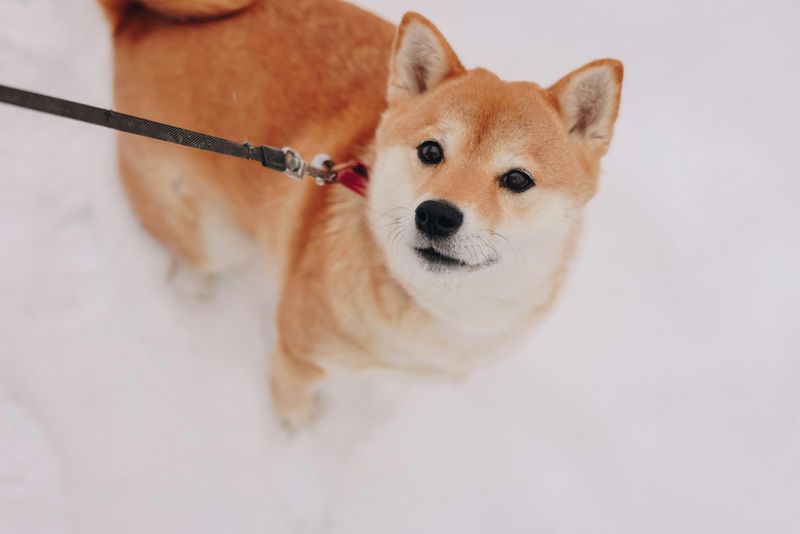
Shiba Inus are clever, independent, and sensitive to pressure. Missing socialization can show up as avoidance, vocal protests, or sudden outbursts when approached.
They need choice and gentle pacing to feel safe.
Work at the edge of comfort, rewarding glances toward triggers and voluntary engagement. Keep greetings optional and brief, using parallel walks before direct contact.
Focus on predictability with routines they can count on.
Teach cooperative care through start button behaviors like chin rest. Short sessions, high value food, and quiet decompression help prevent overload.
With respect for their autonomy, Shibas learn to navigate busy spaces without flipping into reactivity.
Chow Chow
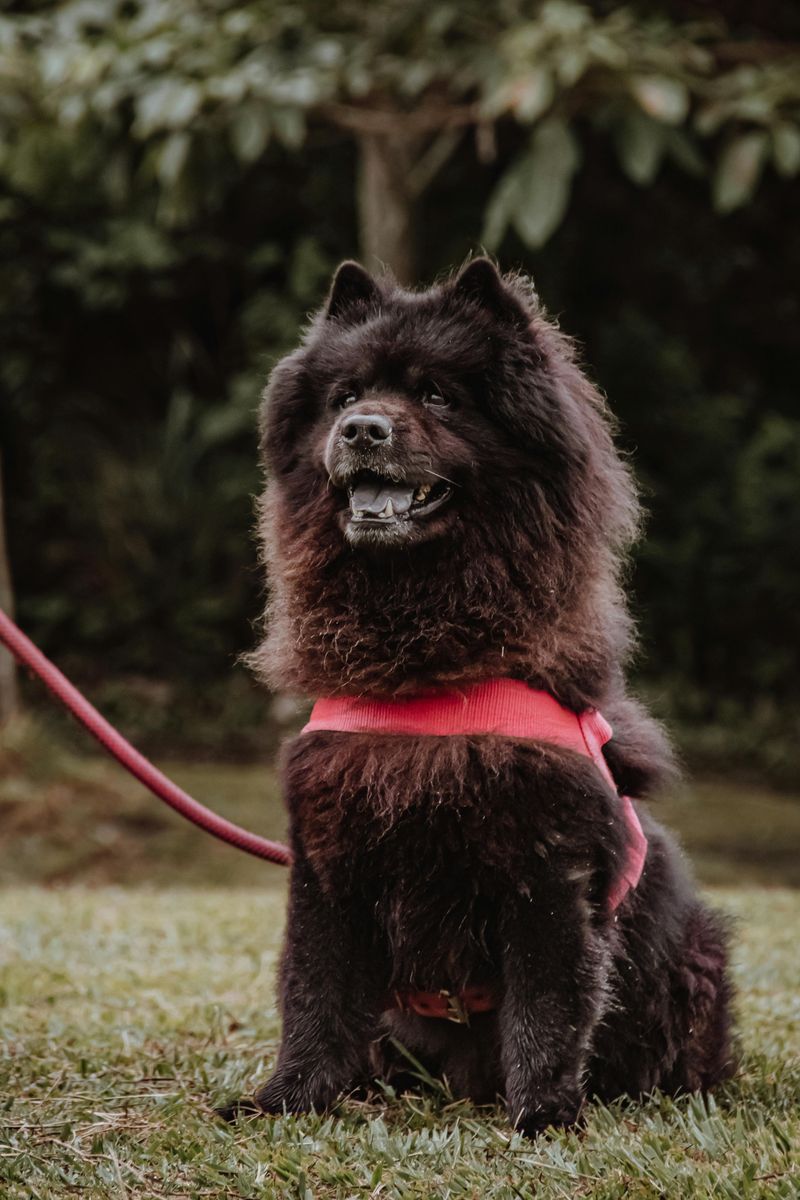
Chow Chows are dignified and reserved, often slow to warm up. When socialization is skipped, they may become defensive with strangers or stiff during handling.
Respectful space and predictable routines are essential.
Begin with quiet observation posts where they can watch the world and earn calm rewards. Use cooperative handling games and practice muzzle conditioning early.
Keep greetings short and consent based.
Teach settle on a mat for visitors and reinforce soft eye contact. Provide sniff walks and puzzle toys to lower arousal.
With patience and consistent reinforcement, their natural poise develops into calm confidence instead of guarded reactivity.
Jack Russell Terrier
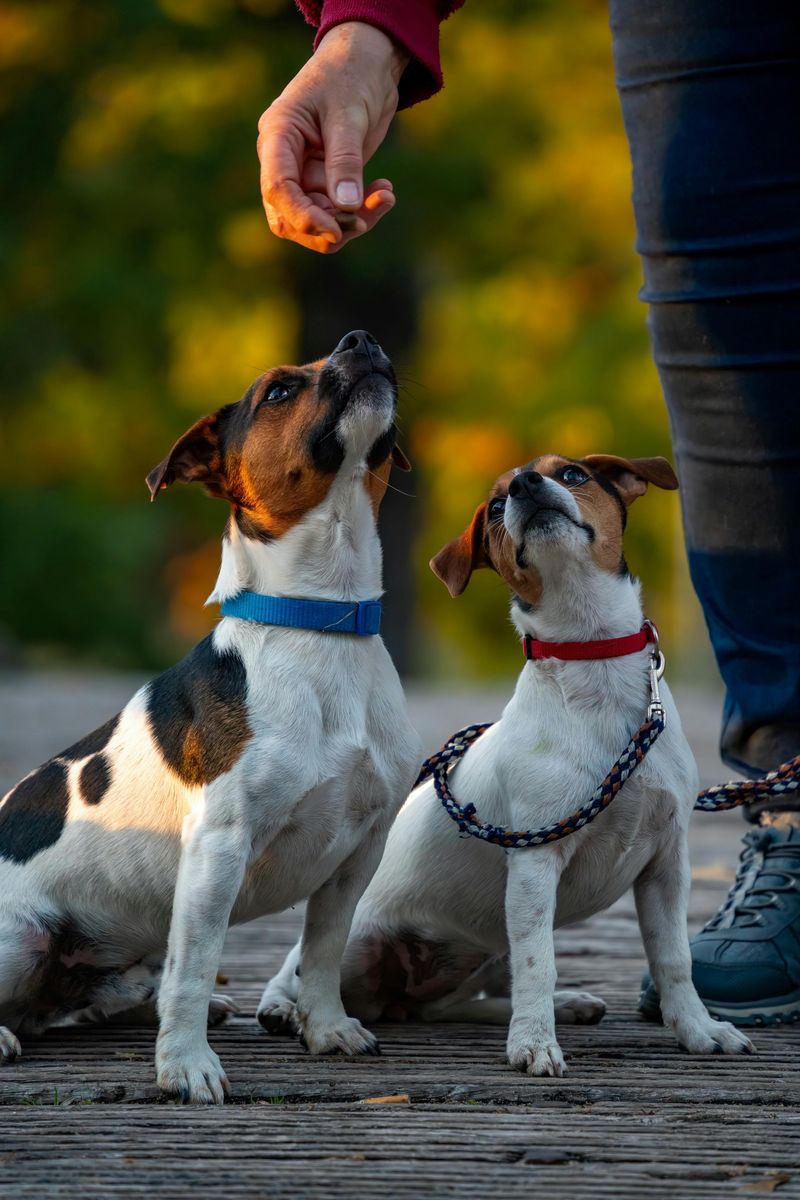
Jack Russell Terriers are spring loaded athletes with keen prey drive. Miss those early lessons, and motion can trigger barking, lunging, or frantic pulling.
Their enthusiasm needs structure to prevent overarousal turning into reactivity.
Train frequent check ins, settle on a mat, and leave it with rolling objects. Start far enough away for success, then close distance gradually.
Reward calm just as much as tricks.
Add scent games, trick chains, and controlled fetch with start and stop cues. Use decompression walks to drain steam without chaos.
With consistent outlets and patient guidance, their spark becomes charming focus rather than explosive reactions.
Miniature Schnauzer
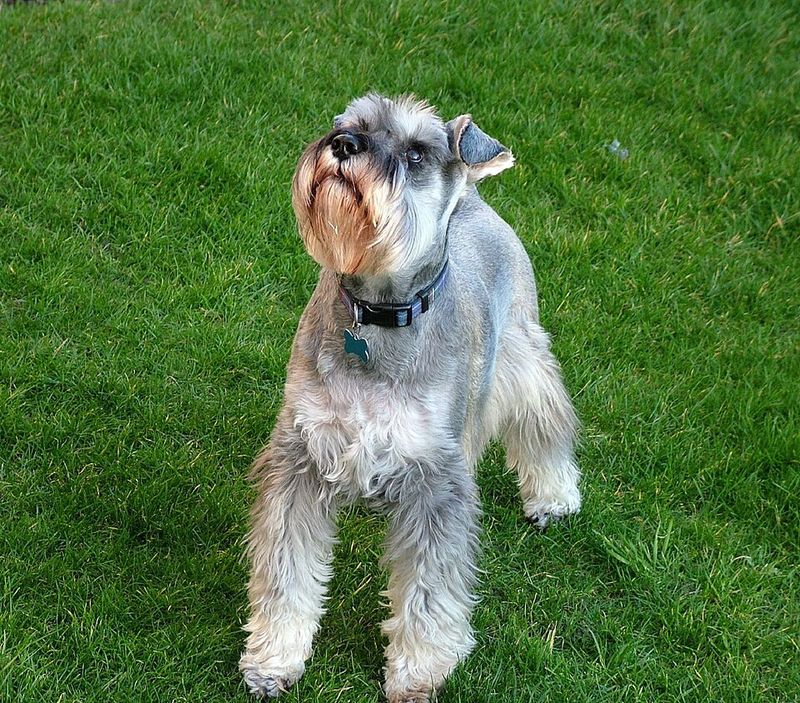
Miniature Schnauzers are alert watchdogs with big voices. Without guided socialization, doorbell frenzies, barrier barking, and stranger suspicion can escalate.
They do best when neutrality is taught early and often.
Practice quiet sits for greetings, station on a mat during deliveries, and reward settled behavior while guests arrive. Use pattern games like engage disengage to build calm curiosity.
Keep sessions short and upbeat.
Grooming cooperation is vital for this breed. Teach chin rest and pause cues for brushing and nail care.
With clear routines and plenty of reinforcement, their natural vigilance softens into polite manners instead of reactivity.