
If cold weather makes you want to bundle up, these dogs will show you how it is really done. Built for snow, wind, and frosty adventures, they turn winter into their personal runway.
You will meet fluffy legends and powerhouse sled dogs that thrive when temperatures drop. Get cozy, because these pups wear winter like it is their favorite outfit.
Siberian Husky
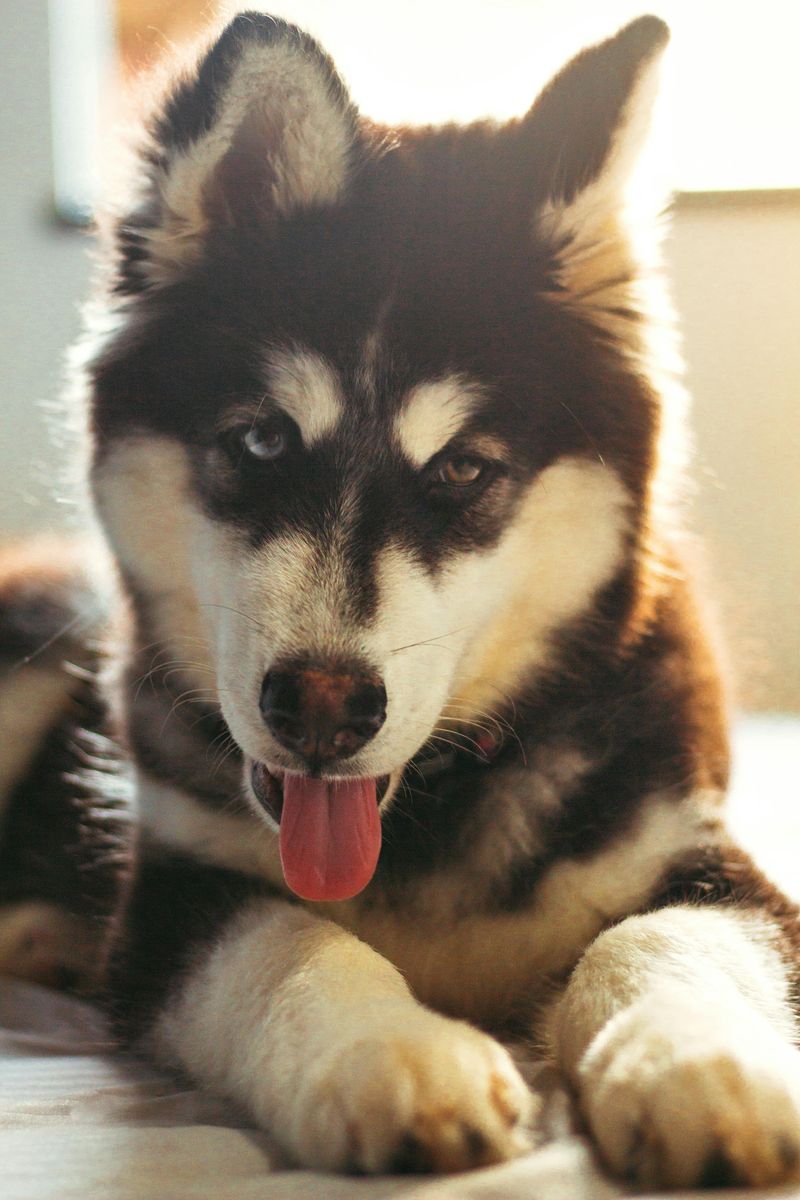
The Siberian Husky is the quintessential snow athlete, bred to pull sleds swiftly across frozen landscapes. That plush double coat, foxlike tail, and bright eyes make winter look effortless.
You can practically hear the crunch of snow under nimble paws as they dance through drifts with elegant precision.
Despite their endurance, Huskies love play just as much as work. They thrive in cold air, where their insulating undercoat and weather resistant outer layer shine.
Keep them mentally engaged with mushing, skijoring, or long hikes, and they will glow with satisfied energy.
Training matters because they are clever escape artists. Secure fencing and reliable recall help balance their adventurous streak.
Give them purpose, space, and icy trails, and they will reward you with pure winter joy.
Alaskan Malamute
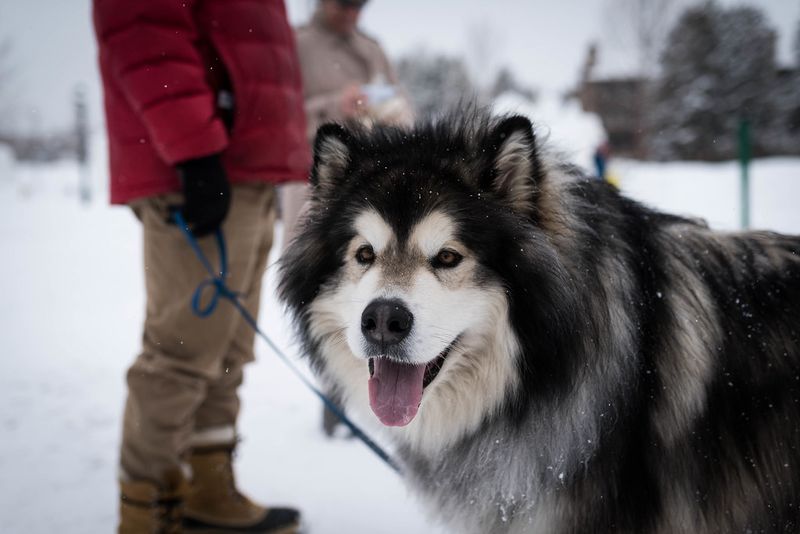
The Alaskan Malamute looks like winter royalty, wrapped in a thick, weatherproof coat built for heavy pulling. Broad chested and steady, this breed moves through snow like a living snowplow.
You feel their calm power in every step, matched by a dignified expression and loyal heart.
Malamutes were made for freight, not speed, and they excel in cold climates with challenging terrain. Their undercoat insulates fiercely, while the outer guard hairs shed sleet.
Regular brushing keeps that glorious coat healthy and reduces seasonal tumbleweeds.
They are affectionate with family but independent thinkers, so patient training pays off. Give them work, like weight pulling or backpacking.
In winter, their stamina and big spirit turn snowy trails into home.
Samoyed
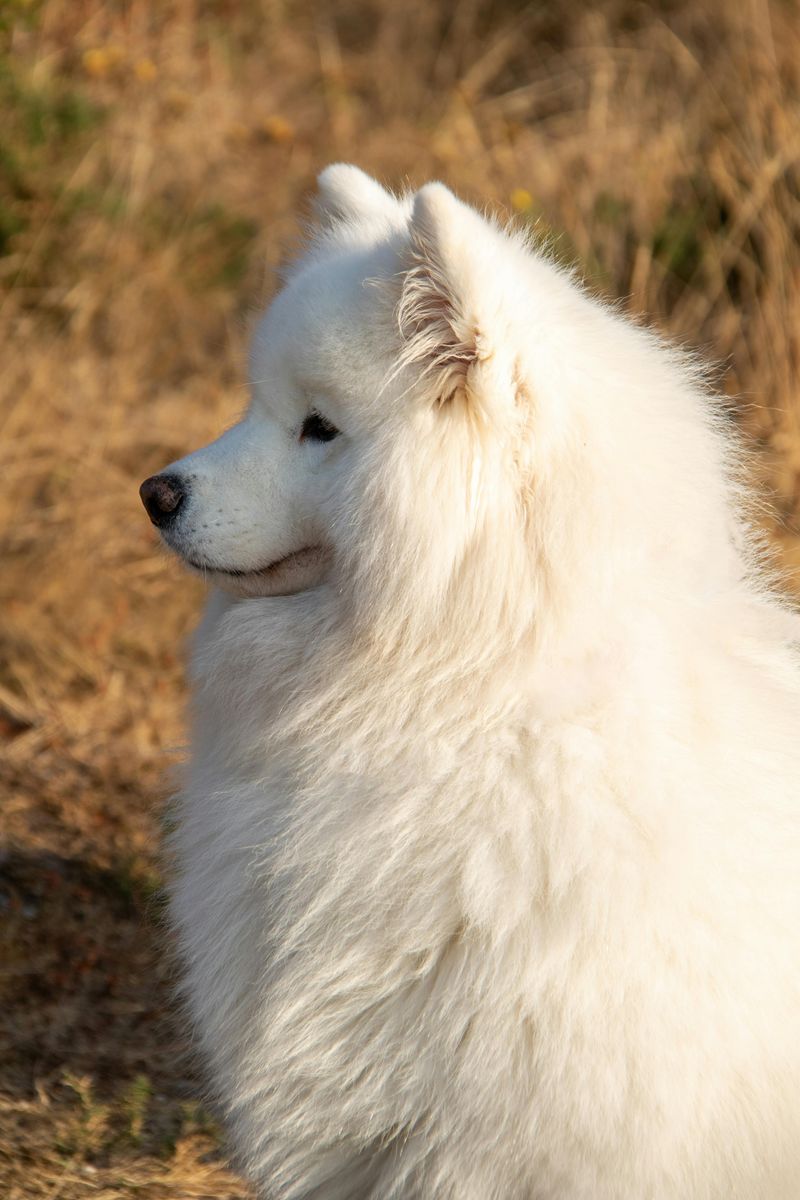
The Samoyed wears winter like a couture cloud, with a plush white coat that seems to glow against the snow. That trademark Sammy smile is more than cute, helping prevent drool icicles in frigid air.
You cannot help but feel cheerful when this fluffball trots by.
Bred to herd reindeer and pull sleds, Samoyeds are sturdy and weather ready. Their double coat insulates so well that mild temperatures can feel too warm.
Regular grooming prevents matting and keeps the coat bouncy and breathable.
Sociable and bright, they adore interactive play, nosework, and brisk hikes. Training should stay upbeat and consistent.
Give them wintry adventures and plenty of company, and they will beam through every snowy day.
Newfoundland
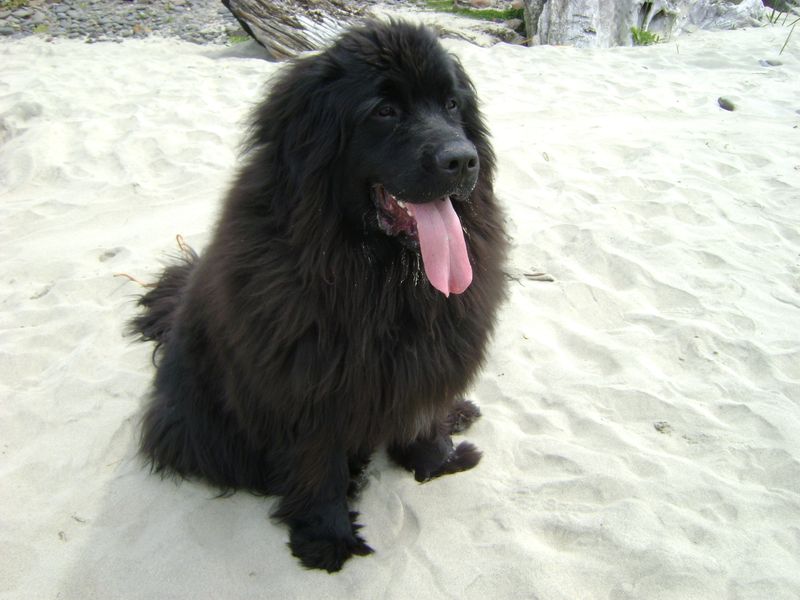
The Newfoundland is the gentle giant of winter, wrapped in a water resistant coat that laughs at sleet and spray. Originally bred for cold water rescues, this powerhouse moves steadily across icy ground with calm purpose.
You feel safe just walking beside one.
Their dense double coat and webbed feet thrive near snow lined shorelines. Newfies love brisk strolls and purposeful tasks like cart pulling.
Regular brushing keeps their coat insulating without tangles, especially around the chest and feathering.
Sweet tempered and devoted, they relish family time and handle winter play patiently with kids. Keep exercise low impact yet consistent to protect joints.
With thoughtful care, these titans turn frosty months into cozy companionship.
Saint Bernard
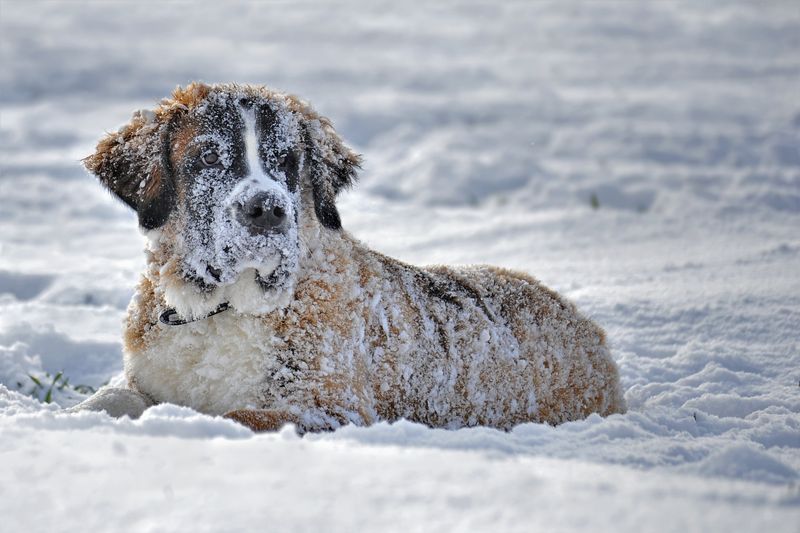
The Saint Bernard brings alpine hero energy, striding through powder with a thick, protective coat and barrel chest. Bred for monastery rescues, this gentle guardian handles cold peaks with serene determination.
You can picture them breaking trail to find lost travelers.
Their double coat resists harsh weather, but grooming is essential to manage shedding. Moderate exercise suits their size, especially in winter when traction and joint care matter.
A sturdy harness helps them move comfortably over snow packed paths.
Affectionate and steady, Saints enjoy mellow adventures and family snuggle sessions afterward. Keep training kind and consistent to match their sensitive, cooperative nature.
Give them snowy strolls, warm naps, and they will thrive beautifully all season.
Bernese Mountain Dog
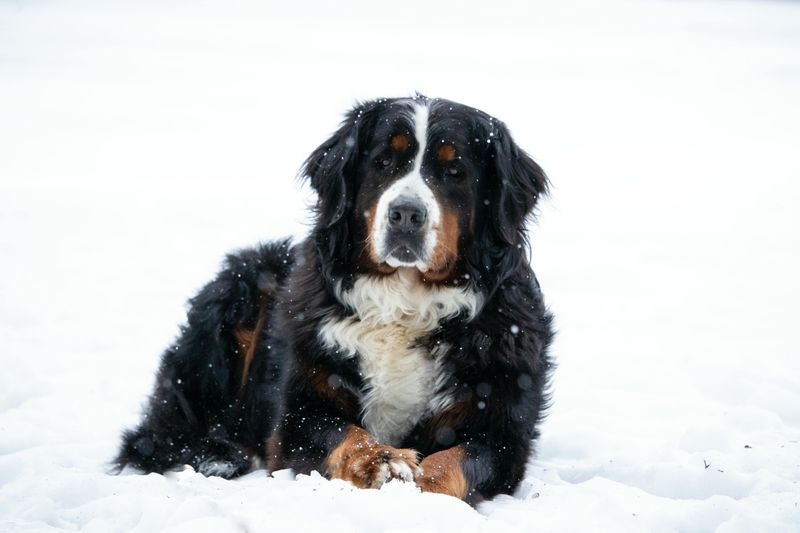
The Bernese Mountain Dog looks tailor made for snow, draped in a silky tricolor coat that insulates without fuss. Originating from Swiss farms, they hauled loads and guarded property through winters.
You will notice their calm, affectionate demeanor matching their gentle stride over frosted ground.
Daily brushing helps manage shedding and keeps the undercoat fluffy and warm. Short, meaningful outings in cold weather suit them well, especially with carting or light pull work.
Watch for heat sensitivity, but snow tends to be their comfort zone.
These dogs crave close companionship and clear guidance. Keep training positive and steady to nurture confidence.
Pair winter walks with purpose and cozy downtime, and you will see their happiest self shine.
Akita
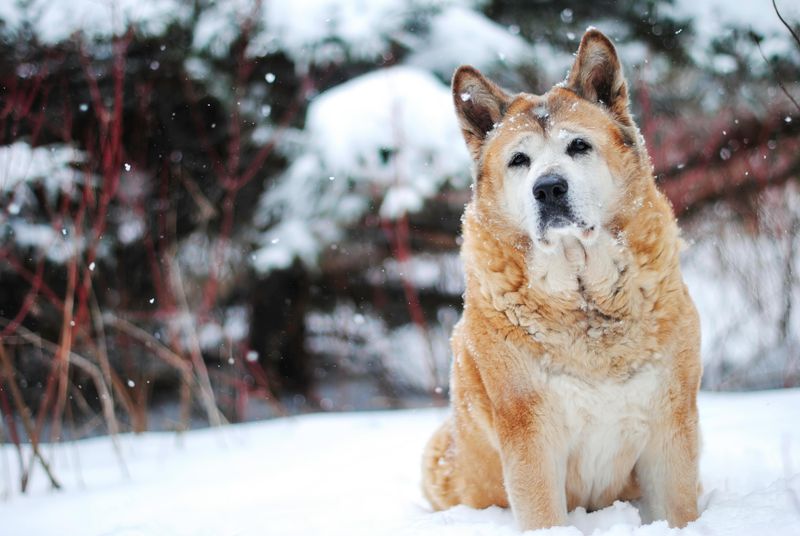
The Akita cuts a striking silhouette against snow, with a dense, plush coat and powerful frame. Originating in Japan, this breed was shaped for cold regions and demanding work.
You will feel their dignified presence as they survey a frosty horizon, confident and composed.
The double coat protects brilliantly in winter, shedding water and insulating the body. Weekly brushing and seasonal blowout care keep things manageable.
Akitas appreciate structured exercise and mental tasks like tracking or obedience drills.
Loyal yet independent, they respond best to calm, consistent training. Give them boundaries, purposeful outings, and respect for their thoughtful nature.
With snow underfoot and crisp air, an Akita seems perfectly in tune with winter.
Norwegian Elkhound
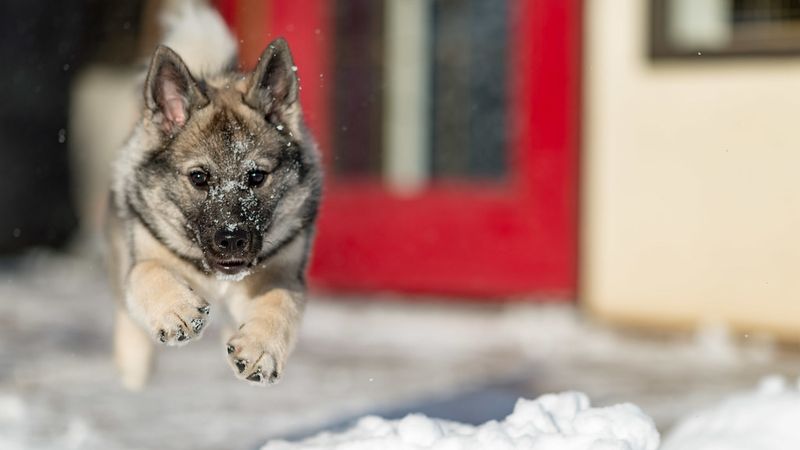
The Norwegian Elkhound is a hardy hunter, bred to track game through Nordic winters. Their silver gray double coat and curled tail feel simply at home in snow.
You can sense the alertness as they read the wind and weave through frosted trees.
Elkhounds are agile, vocal, and energetic, loving cold weather hikes and scent games. That dense coat sheds seasonally, so regular brushing helps keep insulation effective.
Nail and paw care matter when ice and packed snow enter the routine.
They thrive with firm, fair training and plenty of mental stimulation. Balance independence with teamwork games to build connection.
Give them a job on wintry trails, and they will light up with purpose.
Finnish Lapphund
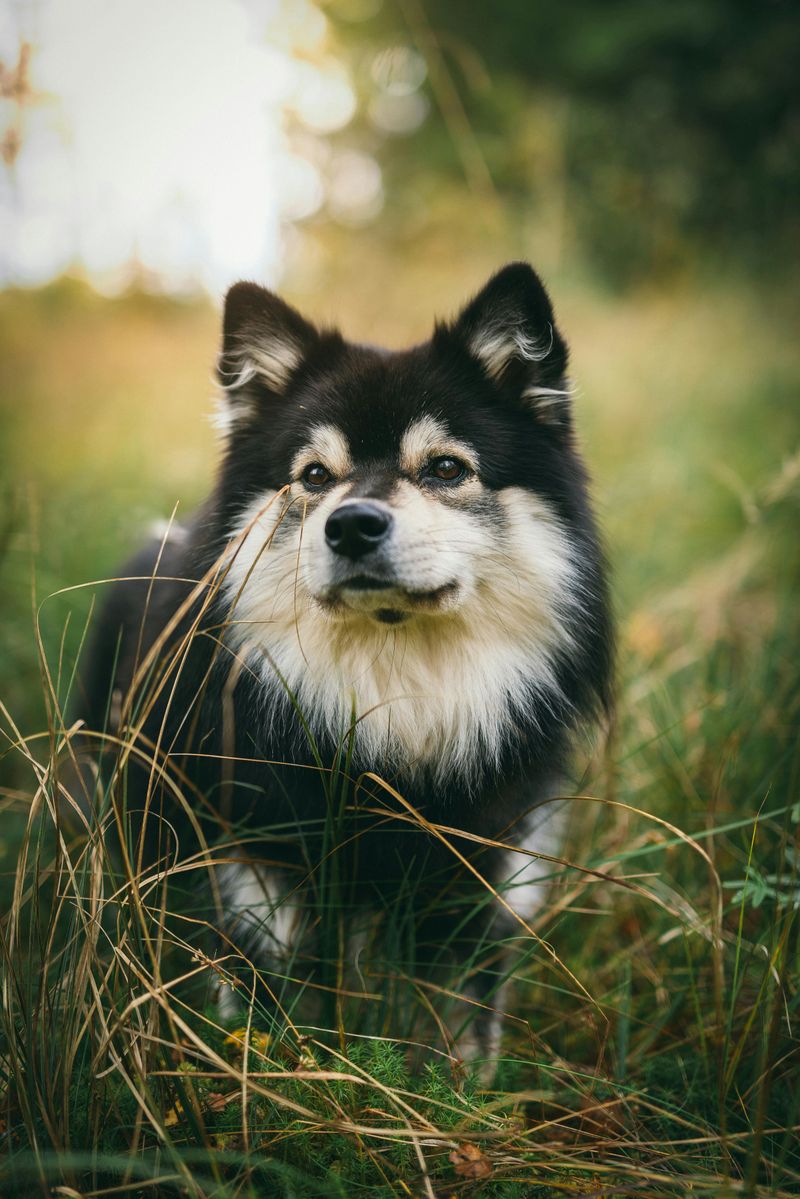
The Finnish Lapphund brings herding roots and a smile that brightens gray winter skies. Compact yet sturdy, they move confidently through snow with a lush, weather ready coat.
You will appreciate their friendly vibe and quick responses on frosty walks.
Bred for herding reindeer, they handle cold remarkably well and enjoy active play. Regular grooming maintains insulation and avoids matting behind ears and legs.
Short training bursts, trick work, and recall games keep their minds buzzing.
Lapphunds adore family life and participate enthusiastically in everyday routines. Offer varied winter activities like light skijoring or agility in safe conditions.
With warmth at home and crisp air outside, they flourish beautifully through the season.
Icelandic Sheepdog
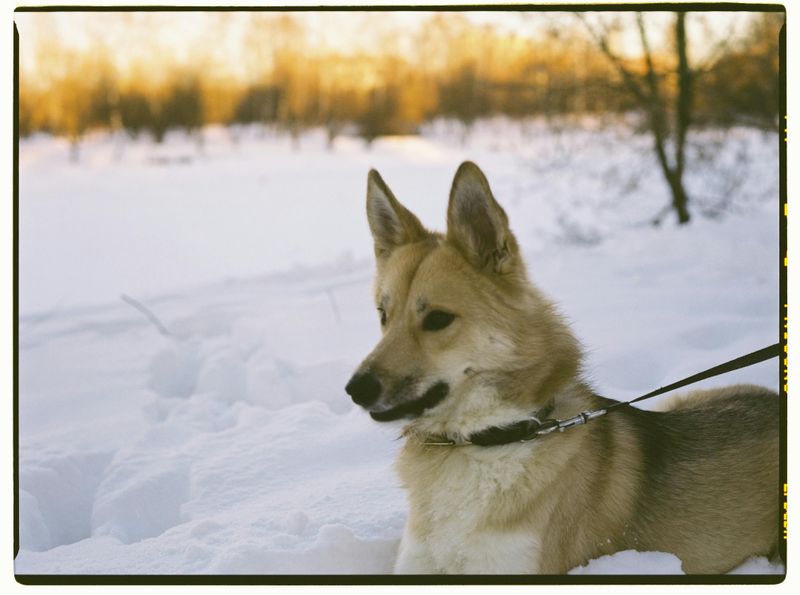
The Icelandic Sheepdog is a cheerful snow companion, lively and resilient in brisk northern weather. Their curled tail and expressive face make every winter walk feel playful.
You can picture them zipping across icy paths, guiding flocks and grinning the whole way.
This spitz breed sports a thick double coat that sheds moisture and traps warmth. Routine brushing keeps the undercoat lofty and functional.
They thrive on activity, from herding style games to brisk hikes over packed trails.
Friendly and vocal, they bond tightly with family and enjoy positive, upbeat training. Keep sessions short and rewarding to match their bright spirit.
Give them snowy adventures and cozy cuddles, and they will shine all winter.
Keeshond
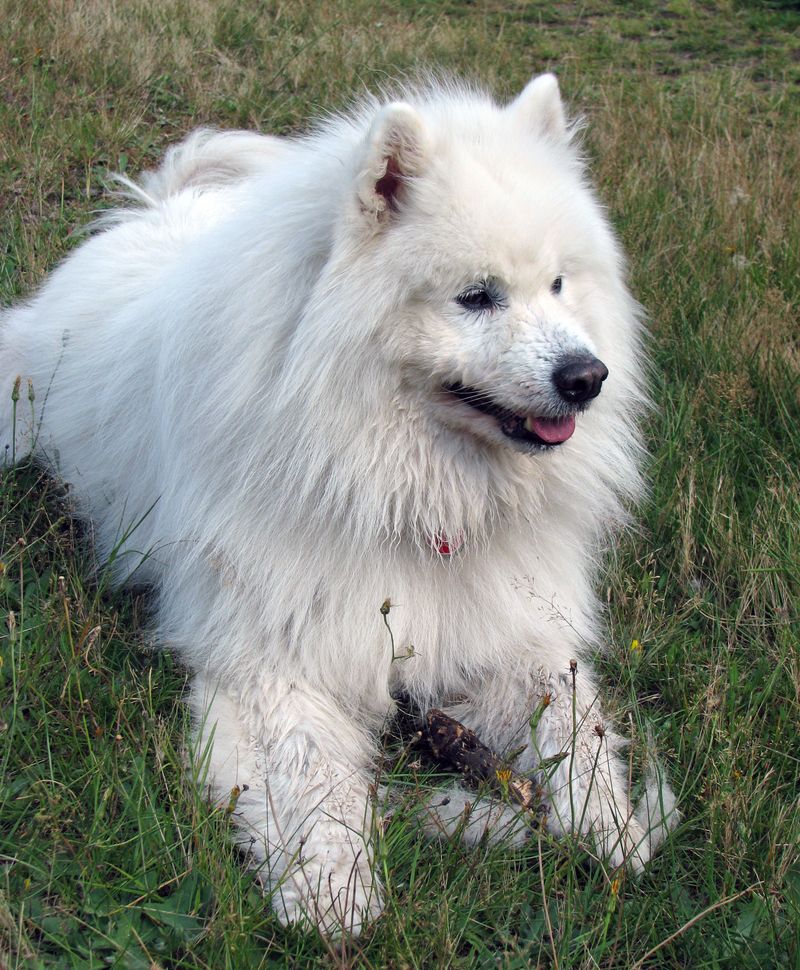
The Keeshond wears a glamorous winter ruff that frames a famously expressive face. With spectacles like markings and a plush double coat, they seem made for crisp air.
You will love their cheerful charisma on cold morning strolls.
Originally a barge and watchdog, the Keeshond handles chill with ease. Regular brushing keeps that thick coat from matting and maintains warmth.
They enjoy moderate exercise, puzzle games, and social time that prevents boredom.
Gentle and people focused, this breed responds beautifully to praise based training. Keep outings brisk and fun, then return to blankets and treats.
Through frost or flurries, a Keeshond turns winter into a friendly stage.
Chow Chow
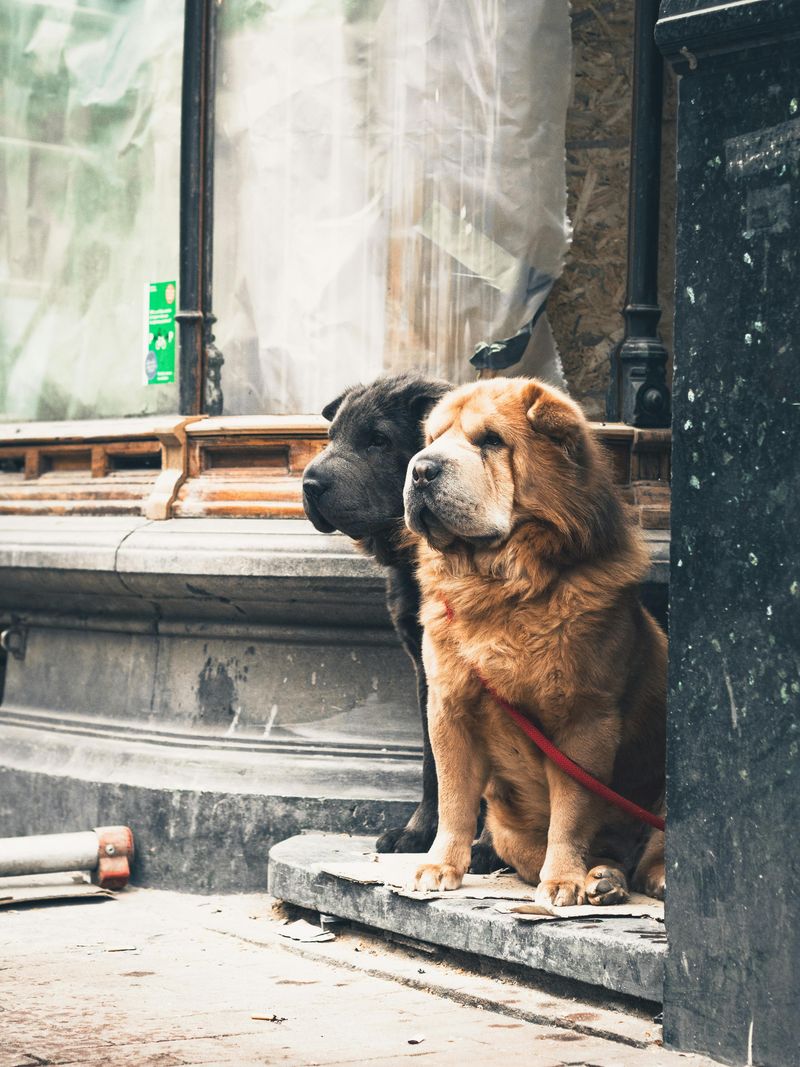
The Chow Chow looks like a winter monarch, crowned with a lionlike mane that shrugs off chill. Their dense, stand off coat creates natural insulation and striking presence.
You will notice their dignified gaze and purposeful trot through swirling flakes.
Independent by nature, Chows appreciate calm routines and clear boundaries. Regular grooming is essential, especially around the mane and hindquarters to prevent mats.
Cold weather suits them, but traction and paw checks keep outings safe.
They respond best to respectful, consistent training and minimal repetition. Reward quiet focus and steady progress.
With thoughtful care, a Chow can make every snowy sidewalk feel like a royal promenade.
Great Pyrenees
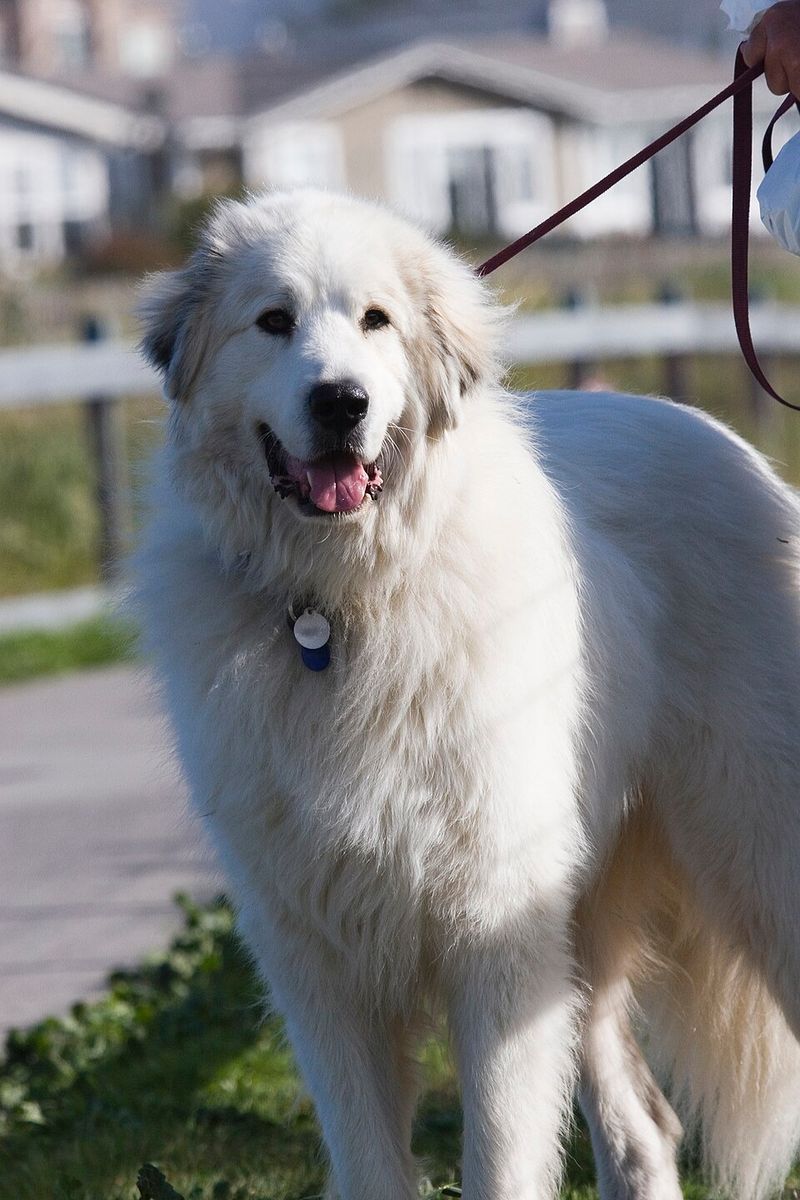
The Great Pyrenees drifts through winter like a serene snow guardian. That thick, weather resistant white coat is built for mountain nights and watchful patrols.
You feel their calm confidence as they move slowly but surely across frosty ground.
Bred to guard livestock, they are independent decision makers who tolerate cold exceptionally well. Regular brushing maintains loft and sheds debris after snowy outings.
Moderate, purposeful exercise suits their joints and thoughtful temperament.
Training should be patient and respectful, emphasizing boundaries and reliable recall. Provide secure fencing, since patrolling instincts run deep.
Give them chilly dawn walks and quiet evenings by the fire, and they will thrive in every winter chapter.