
Some dogs are brilliant, loyal, and breathtaking, but they need steady leadership to shine. If you bring firm guidance and patient structure, these breeds will reward you with deep devotion and impressive versatility.
This list shows you which dogs thrive with calm confidence and how that energy unlocks their best selves. Ready to meet the powerhouse companions who need your steady hand.
Akita
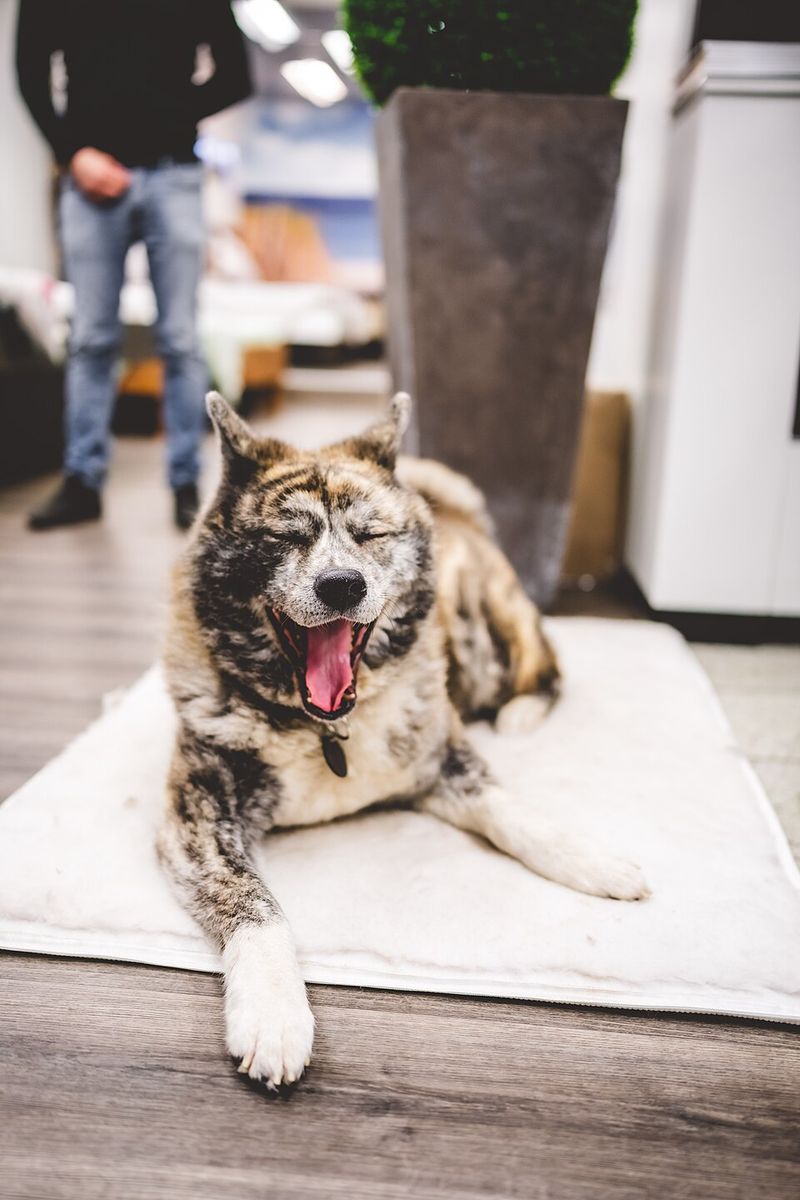
The Akita is a proud, powerful guardian with deep loyalty and quiet intensity. You get their best when you set firm boundaries and remain steady under pressure.
They read your energy, so calm confidence keeps them grounded and responsive.
Early socialization matters because the Akita can be aloof with strangers and assertive around other dogs. Consistency, not harshness, is the key to earning trust.
Reward based training works well when paired with clear structure and predictable routines.
Daily mental challenges prevent boredom fueled stubbornness. Think scent games, obedience drills, and calm leash work.
With a stable leader, the Akita becomes gentle at home, vigilant when needed, and impressively composed in new environments.
Cane Corso
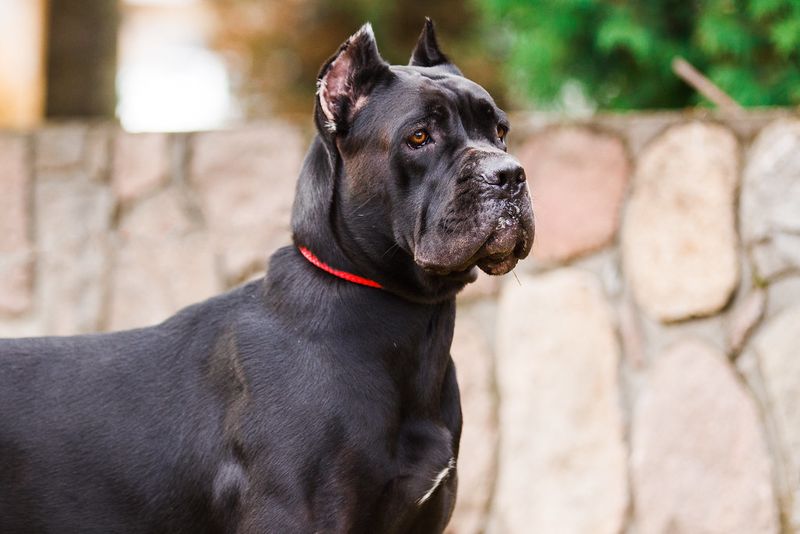
The Cane Corso is imposing yet sensitive, thriving under confident, fair guidance. You set the tone through structure, calmly directing energy into obedience and impulse control.
Without that leadership, this intelligent guardian can make its own rules.
Socialize early with neutral exposures, not chaotic greetings. Teach solid place, heel, and recall to channel power into cooperation.
Reward effort, but maintain clear boundaries so the dog does not practice pushiness or resource guarding.
Daily work keeps the mind satisfied. Short training reps, controlled play, and jobs like carting or scent work build purpose.
With a steady handler, the Corso becomes a composed protector and affectionate family companion who responds to your quiet authority.
Rottweiler
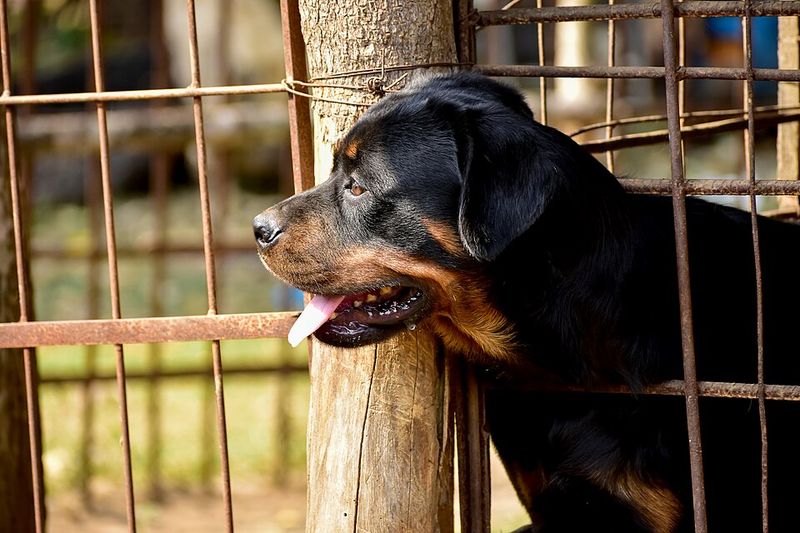
Rottweilers are intelligent, biddable, and powerful, requiring a leader who is calm, consistent, and fair. You will guide this breed best with clear routines, not force.
They appreciate purposeful work and thrive when expectations are unambiguous.
Early socialization, structured obedience, and impulse control are essential. Teach polite greetings, loose leash walking, and reliable recall.
Protect their joints during growth while building confidence through controlled challenges and thoughtful exposure.
Mentally engaged Rottweilers become gentle house companions. They enjoy task oriented play, scent puzzles, and short, precise training sessions.
Your composed leadership helps them remain steady in stimulating environments, preventing overprotective behavior and ensuring their inherent confidence stays balanced and cooperative.
Doberman Pinscher
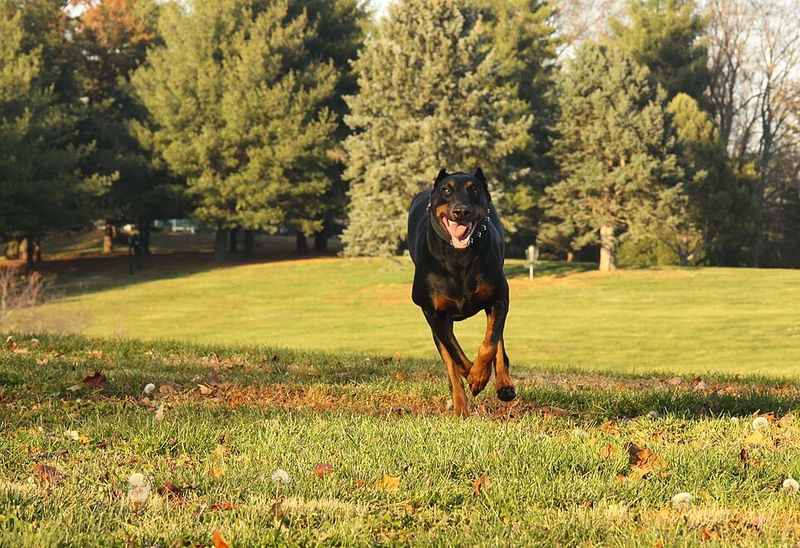
The Doberman is keen, sensitive, and quick to learn, making your energy and timing critical. Firm yet friendly guidance produces laser focus and eager cooperation.
If you stay composed, the dog mirrors that steadiness in public and at home.
Socialize with clarity, not chaos. Practice neutrality around strangers and dogs, building reliable obedience under distraction.
Dobermans excel with short, upbeat sessions, precision heelwork, and impulse control games that reinforce emotional regulation.
Daily outlets for mind and body are essential. Consider obedience sport foundations, tracking, or scent work.
With consistent structure and calm confidence, the Doberman becomes a loyal shadow, alert protector, and polished partner that anticipates your cues without anxiety.
German Shepherd

German Shepherds combine intelligence, drive, and sensitivity, so your steadiness matters. They watch body language closely and thrive on clear, fair expectations.
Overhandling can create stress, while consistent structure unlocks their eager work ethic.
Early socialization and confident neutrality around distractions are key. Teach reliable obedience, calm leash skills, and off switch behaviors like place.
Rotate mental tasks to prevent pattern boredom and channel intensity productively.
Balanced exercise supports a composed mind. Mix controlled fetch, scent games, and precise obedience reps.
With calm leadership, the German Shepherd becomes a trustworthy protector and loyal family partner, capable of complex tasks while remaining polite, focused, and relaxed in everyday life.
Belgian Malinois
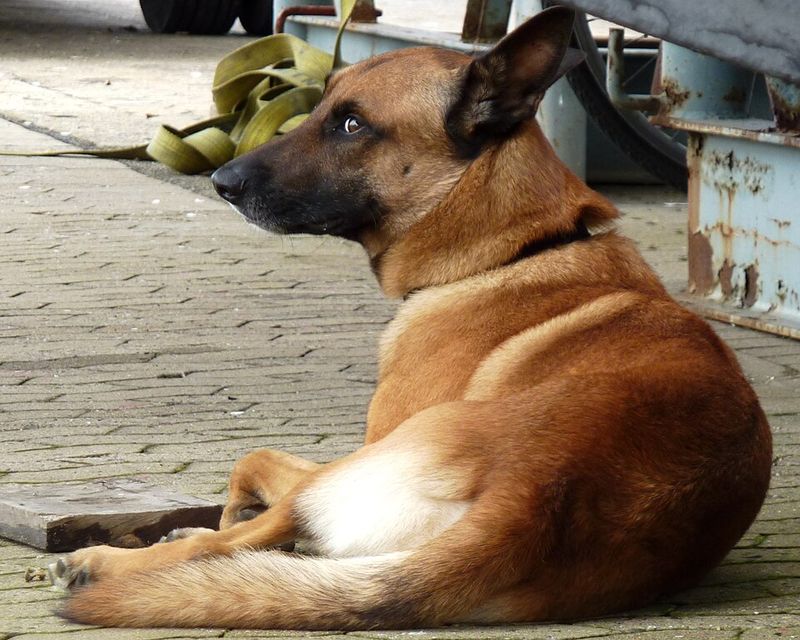
The Belgian Malinois is a rocket smart athlete that needs clear rules and steady direction. Without structure, drive spills into chaos.
With calm confidence, you channel intensity into obedience, agility, or scent work that satisfies mind and body.
Short, precise sessions prevent frustration and keep engagement high. Build neutrality around movement and noise, rewarding stillness and impulse control.
Avoid repetitive drilling that fuels stress; instead, vary tasks and reinforce calm focus.
Daily jobs are non negotiable. Incorporate place, heeling, retrieves, and problem solving games.
Under consistent leadership, the Malinois becomes a laser focused partner, capable of immense control, turning raw energy into thoughtful work and settling peacefully when the job is done.
Chow Chow
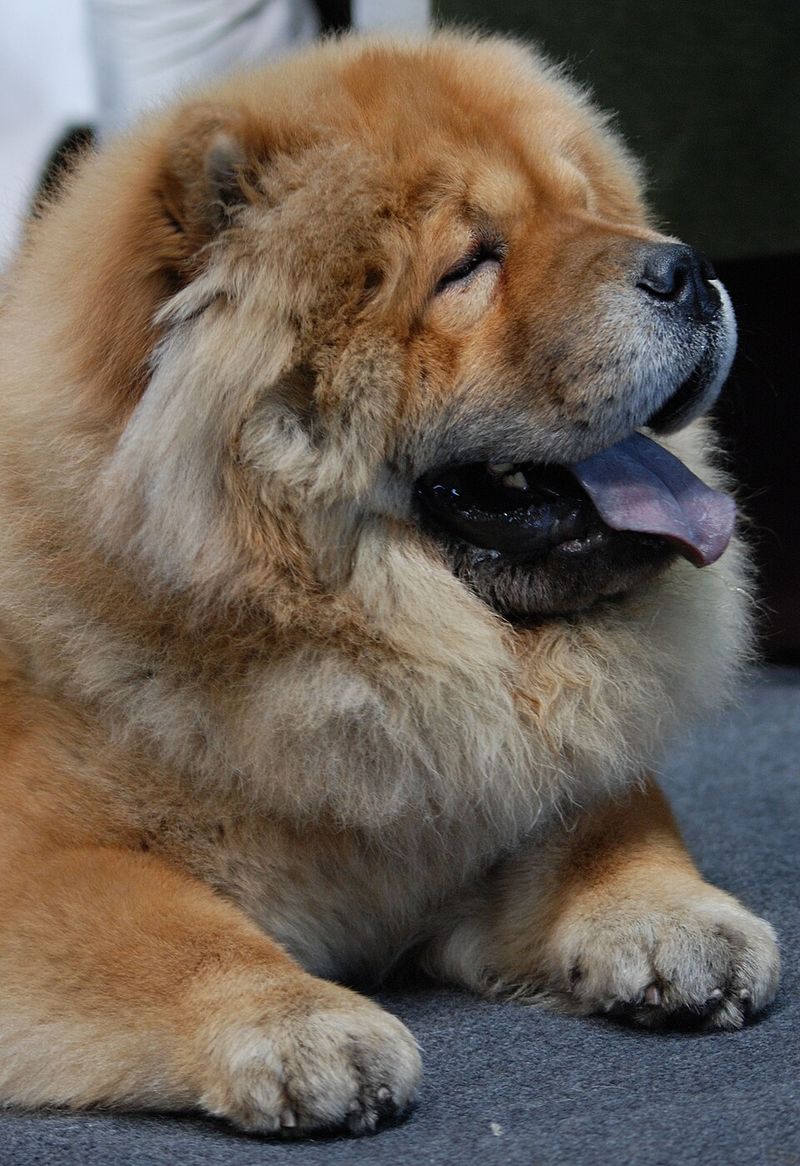
Chow Chows are independent, catlike thinkers who respect calm, consistent boundaries. You will not bully cooperation from this breed.
Instead, set routines, reward polite behavior, and avoid chaotic environments that spike suspicion.
Early, gentle socialization encourages tolerance without forcing interaction. Teach cooperative care for grooming, nails, and handling.
Clear door manners and leash etiquette help manage aloofness and reduce pushiness around resources.
Mental work beats endless fetch. Use shaping games, slow obedience reps, and scent puzzles to build trust.
With patient leadership, the Chow Chow becomes a dignified companion, quietly affectionate with family, and confident enough to navigate new situations without defensive reactions.
Shiba Inu
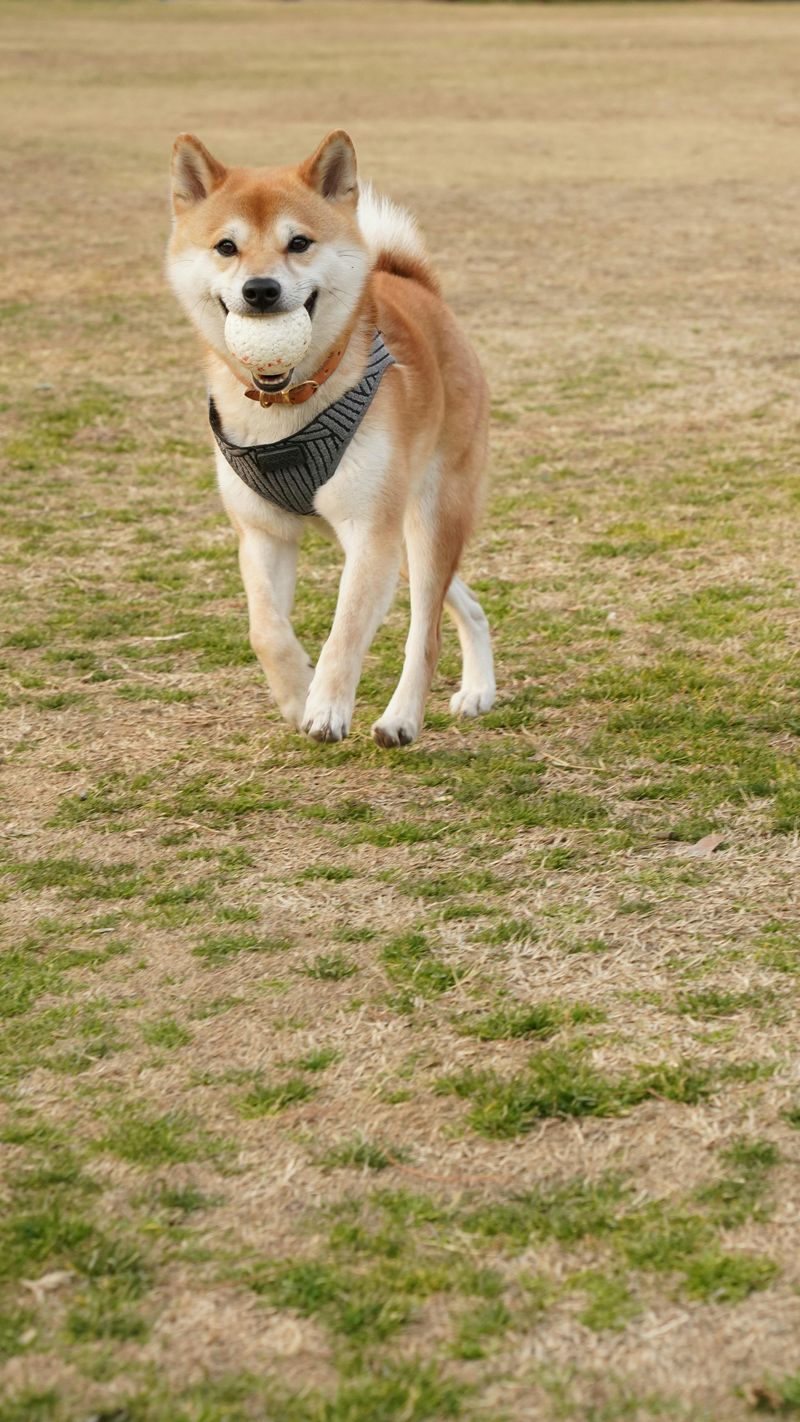
The Shiba Inu is clever, independent, and sometimes cheeky, requiring confident, patient handling. They respond best to calm boundaries and creative reinforcement, not pressure.
Keep sessions playful and brief to harness curiosity without triggering stubbornness.
Early exposure to surfaces, sounds, and handling pays off. Teach rock solid recall games indoors before expecting reliability outside.
Leash skills and polite greetings reduce impulsive dashes and selective hearing.
Enrichment is vital. Rotate sniff walks, puzzle feeders, and training games that reward stillness and engagement.
With steady leadership and humor, the Shiba becomes a tidy, charming housemate who respects rules, explores thoughtfully, and channels independence into well mannered confidence around the world.
Giant Schnauzer
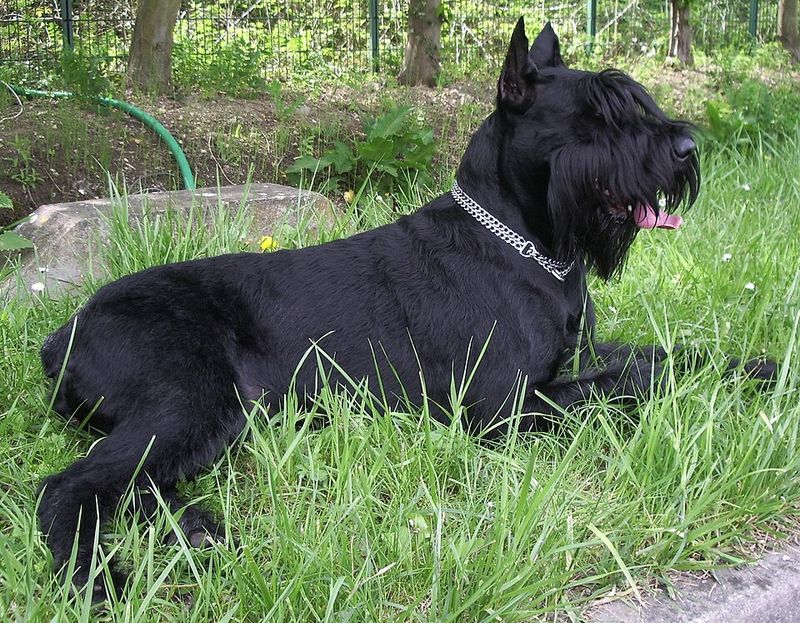
The Giant Schnauzer is intense, bright, and driven, flourishing under structured routines and confident handlers. Clarity prevents pushy behavior and gives this worker a job to do.
You will see focus bloom when training is fair, consistent, and challenging.
Socialize purposefully to avoid suspicion developing into reactivity. Teach place, heel, and impulse control early.
Reward engagement, but require manners, especially during greetings and high arousal moments.
Daily outlets matter. Mix obedience, tracking, and tug games with clear rules.
Provide problem solving tasks and controlled freedom. With calm leadership, the Giant Schnauzer matures into a formidable yet cooperative partner, protective when appropriate, and polite, settled, and responsive in busy environments.
Rhodesian Ridgeback
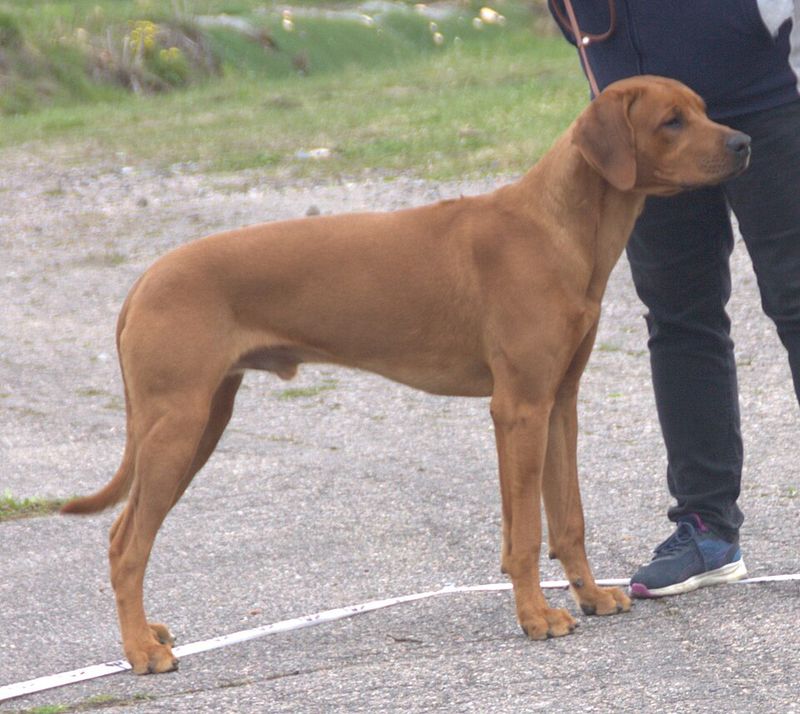
Rhodesian Ridgebacks are athletic, independent hounds that respect confident, steady guidance. They balance affection with a keen sense of self, so clear house rules matter.
Avoid repetitive drilling; instead, use varied challenges that reward responsiveness and impulse control.
Early recall foundations are essential for a sighthound prone to chasing. Practice neutrality around wildlife and joggers.
Teach calm leash skills and reliable stays to manage arousal in open spaces.
Meaningful exercise keeps the mind calm. Use structured runs, scent games, and hill work instead of frantic fetch.
With consistent leadership, the Ridgeback becomes a thoughtful adventure companion, dignified at home, and capable of ignoring distractions while staying tuned to your quiet direction.
Bullmastiff
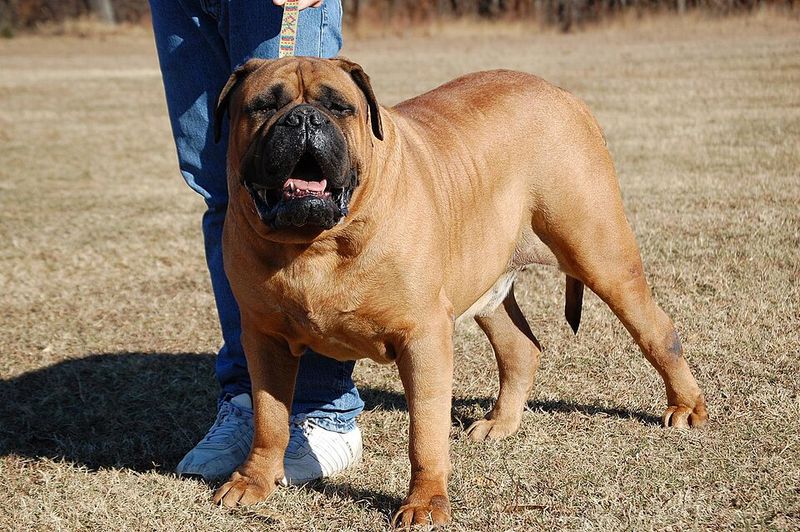
The Bullmastiff is a gentle giant with guardian instincts that need steady, confident handling. Your calm demeanor helps prevent pushiness and overprotective decisions.
Focus on clear routines, cooperative care, and polite greetings to channel strength responsibly.
Socialization should be neutral and controlled, not overwhelming. Teach impulse control, solid leash manners, and door etiquette.
Reward quiet choices, like settling on a mat when guests arrive, to reinforce composure.
Exercise should be moderate and purposeful. Short training sessions, scent games, and structured walks maintain fitness without joint stress.
With consistent leadership and patience, the Bullmastiff becomes a devoted, steady companion, affectionate with family, and reliable in public spaces despite their impressive size.
Anatolian Shepherd
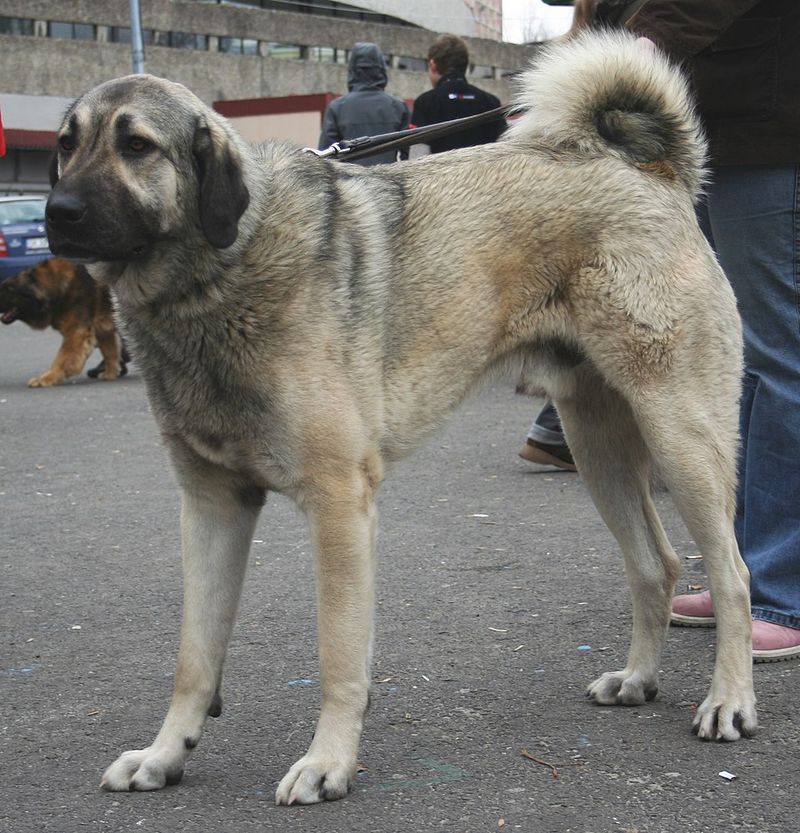
Anatolian Shepherds are independent livestock guardians bred to make decisions without constant direction. They need a calm, confident owner who sets boundaries while respecting instincts.
Overhandling can backfire, but steady structure builds trust and cooperation.
Early socialization should be measured, focusing on neutrality rather than endless greetings. Teach reliable recall, leash skills, and place to manage a dog that thinks for itself.
Reinforce calm responses to new sights and sounds.
Provide real jobs when possible, like perimeter walks and scent games that simulate patrol work. Mental engagement reduces boredom and roaming impulses.
With patient leadership, the Anatolian becomes a thoughtful guardian and polite companion, responsive to your cues while maintaining composed independence.
Great Pyrenees
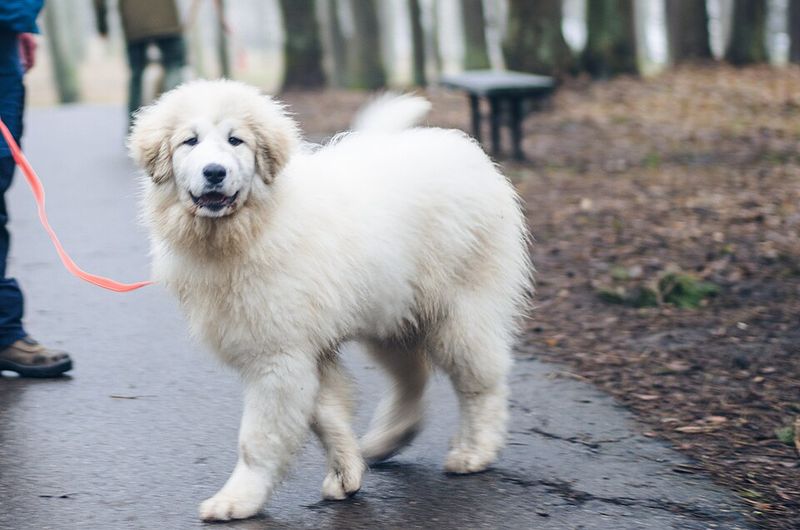
The Great Pyrenees is gentle, steady, and purpose driven, thriving under calm leadership and routine. This breed values quiet confidence over intensity.
Provide structure, cooperative care training, and opportunities to settle instead of constant excitement.
Socialization should build neutrality, not forced friendliness. Teach loose leash walking, reliable recall in low distraction environments, and door manners.
Reinforce decisions to rest quietly, especially during household bustle.
Mental jobs prevent nuisance barking and wandering. Use scent work, boundary games, and supervised yard time.
With patient guidance, the Great Pyrenees becomes a serene protector, affectionate with family, and balanced in public, choosing thoughtful stillness over reactivity because your steadiness sets the tone.
Kuvasz
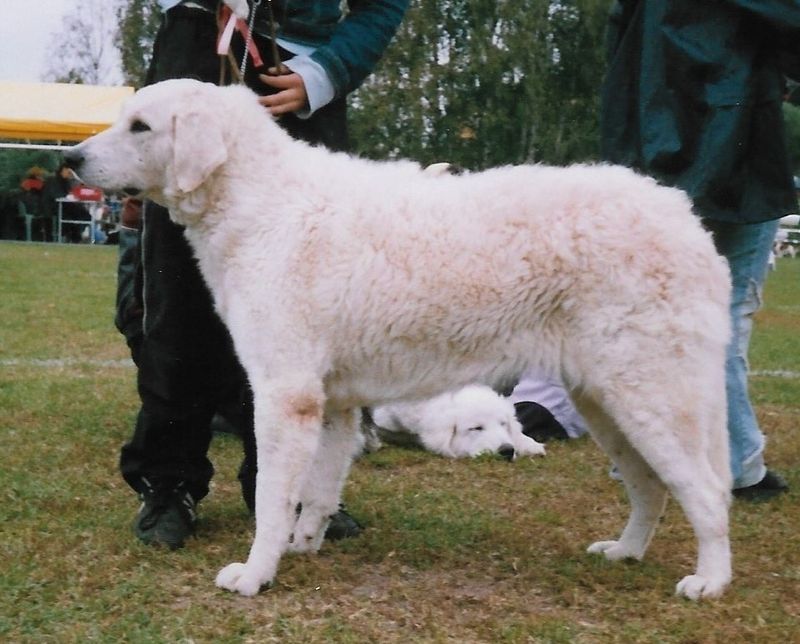
The Kuvasz is a vigilant guardian with an independent mind, best guided by a calm, confident owner. This breed respects fairness and clarity, not force.
Establish routines, cooperative care, and impulse control from the start.
Socialize thoughtfully to build neutrality and reduce suspicion. Practice recall in contained spaces, then gradually add distractions.
Teach place and heel to manage a dog that scans and decides quickly.
Provide meaningful work. Perimeter walks, scent puzzles, and supervised free time satisfy purpose without chaos.
With consistent leadership and patient reinforcement, the Kuvasz becomes a loyal, composed family guardian, affectionate at home, and reliable enough to ignore noise while staying tuned to your steady cues.
Shar Pei
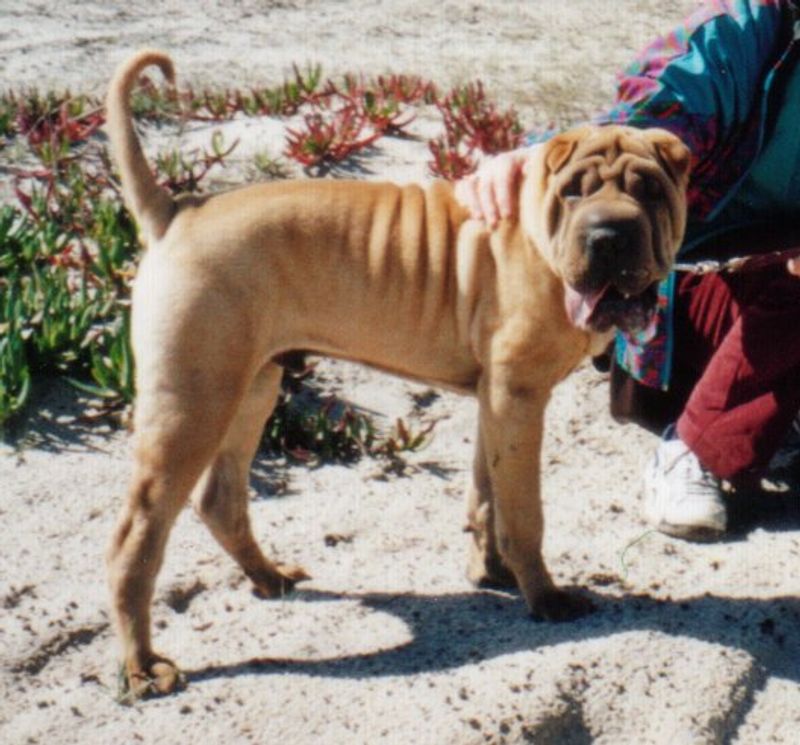
The Shar Pei is independent and watchful, responding best to steady, low drama leadership. You will build trust through predictable routines and kind clarity.
Harsh methods create shutdowns, while thoughtful reinforcement nurtures cooperation.
Early socialization should be gentle and structured, reducing suspicion without overwhelming. Teach calm leash skills, polite greetings, and cooperative grooming, which is crucial for skin care.
Reward stillness and eye contact to shape emotional regulation.
Mental enrichment prevents stubborn habits. Use scent games, place training, and short obedience drills.
With calm confidence at the helm, the Shar Pei becomes a courteous companion, devoted to family, and capable of navigating busy settings without tension or defensive reactions.
Alaskan Malamute
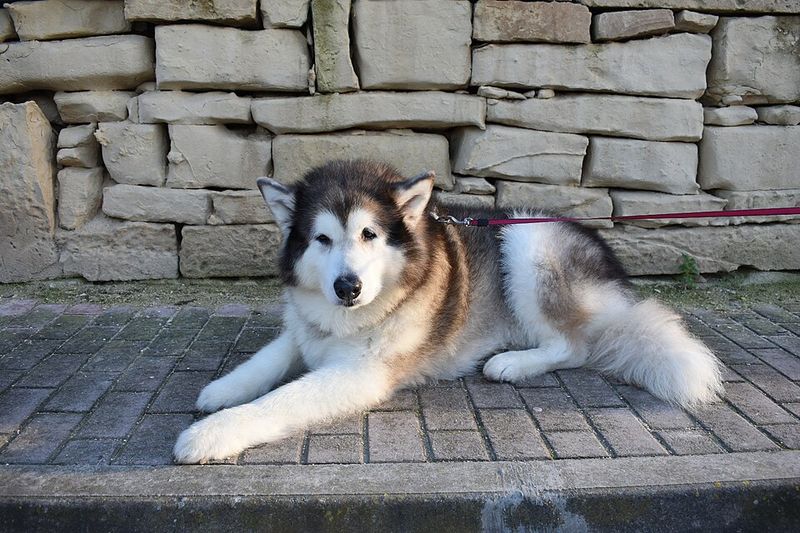
Alaskan Malamutes are strong, social, and independent, needing clear leadership to prevent mischief. They thrive on teamwork framed by steady rules.
Without structure, pulling instincts and stubbornness can take over daily life.
Socialize thoroughly and practice neutrality around other dogs. Teach reliable leash manners, impulse control, and settle cues.
Reinforce calm behavior before excitement, especially when harnesses or sleds come out.
Provide purposeful exercise like weight pulls, canicross, or structured hikes. Rotate puzzle feeders and scent games to tax the mind.
With calm, confident guidance, the Malamute becomes a cheerful worker and affectionate family dog, channeling power into cooperation and resting peacefully when the job ends.
Siberian Husky
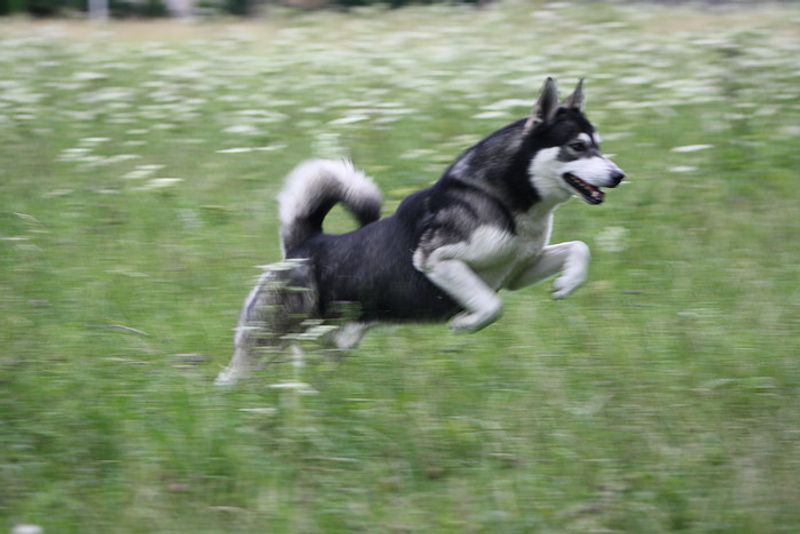
The Siberian Husky is energetic, clever, and escape prone without structure. Calm, confident leadership teaches patience and impulse control.
You will make progress by rewarding focus and neutrality more than nonstop speed.
Socialize broadly and build a bulletproof recall indoors first. Practice leash skills and reinforce restful behaviors like place.
Manage environment to prevent door dashing and unsanctioned adventures.
Provide channelled outlets such as canicross, bikejoring, or long line hikes. Add scent games and short obedience bursts to balance endurance with self control.
Under steady guidance, the Husky becomes a friendly, expressive companion who listens, settles, and saves their big energy for times you choose together.
Scottish Terrier
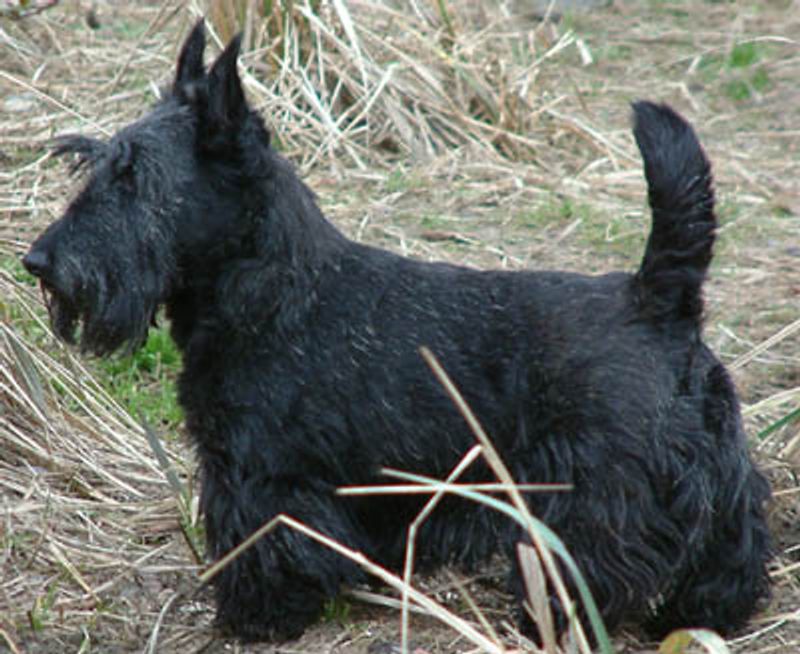
Scottish Terriers are bold and independent, thriving when owners set calm, confident boundaries. They respect clarity and routine over nagging.
Use short, upbeat training to prevent boredom while teaching reliable manners.
Socialize early to manage suspicion and reduce reactivity. Practice leash skills, polite greetings, and stillness around motion.
Terriers love to problem solve, so channel that drive into scent games and controlled digging areas.
Daily enrichment keeps them balanced. Rotate puzzle toys, shaping sessions, and structured walks.
With steady leadership, the Scottie becomes a charming, dignified companion who listens, settles, and saves feisty moments for appropriate games instead of everyday disputes.
Basenji
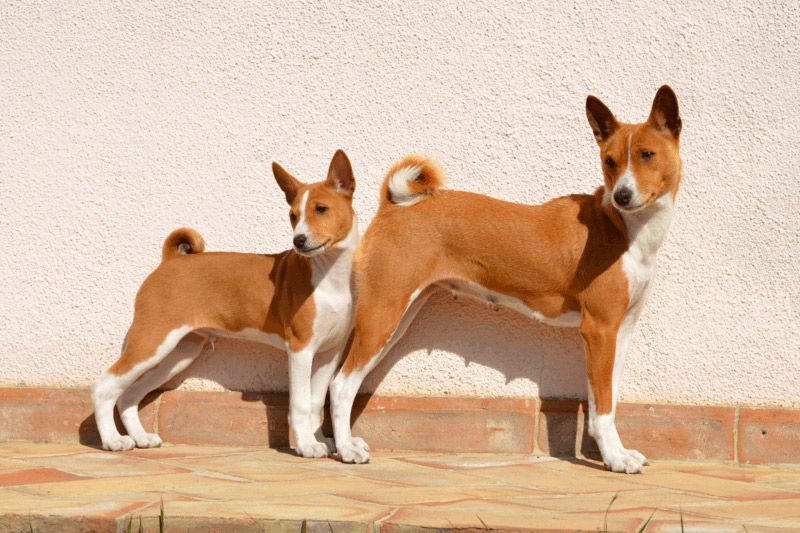
The Basenji is inventive, agile, and famously quiet, calling for patient, confident guidance. They learn quickly but dislike repetition.
Keep sessions playful and purposeful, rewarding calm eye contact and stillness between bursts of activity.
Early exposure to varied environments helps prevent skittishness. Build recall indoors before adding distractions.
Teach leash skills and polite house rules to curb mischief fueled by curiosity and independence.
Enrichment matters more than mileage. Use scent trails, puzzle feeders, and shaping games.
With steady leadership and thoughtful structure, the Basenji becomes a tidy, affectionate housemate, expressive through body language, and fully capable of focusing when it counts because you taught composure and self control.