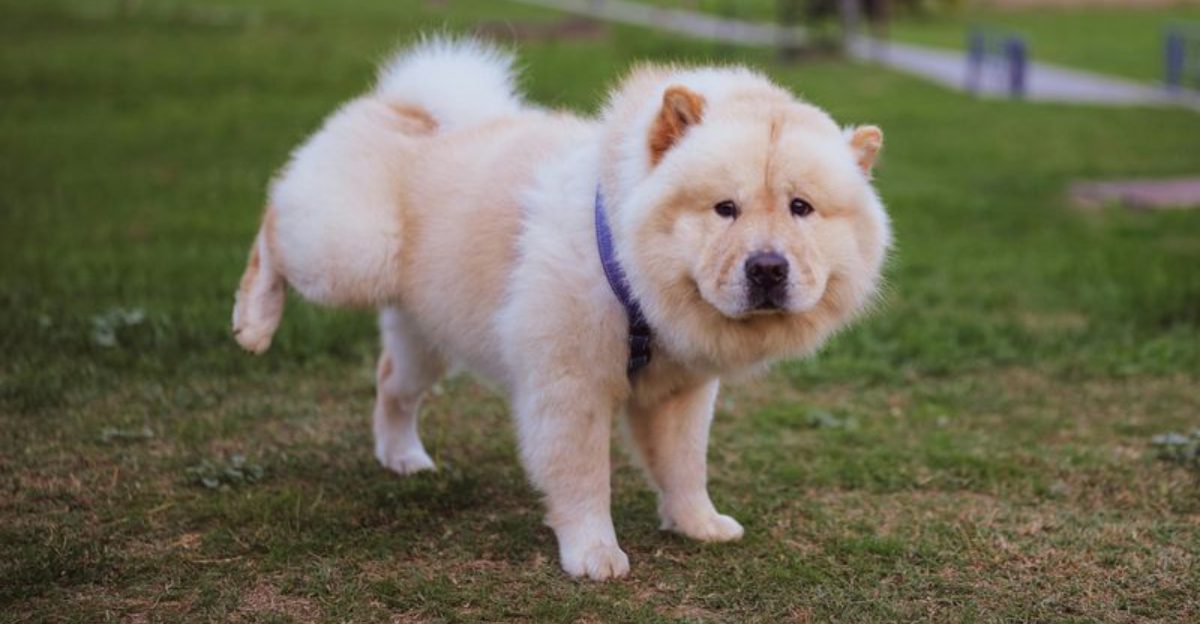
Some dogs light up with cheer squads, but others blossom when the world slows down. If high-energy training sessions leave your pup stressed, you might be paired with a quiet soul who craves steady, gentle guidance.
This list spotlights breeds that respond best to patience, predictability, and soft voices over constant hype. Discover who thrives when you bring the calm—and how that can change your daily routine for the better.
Clumber Spaniel
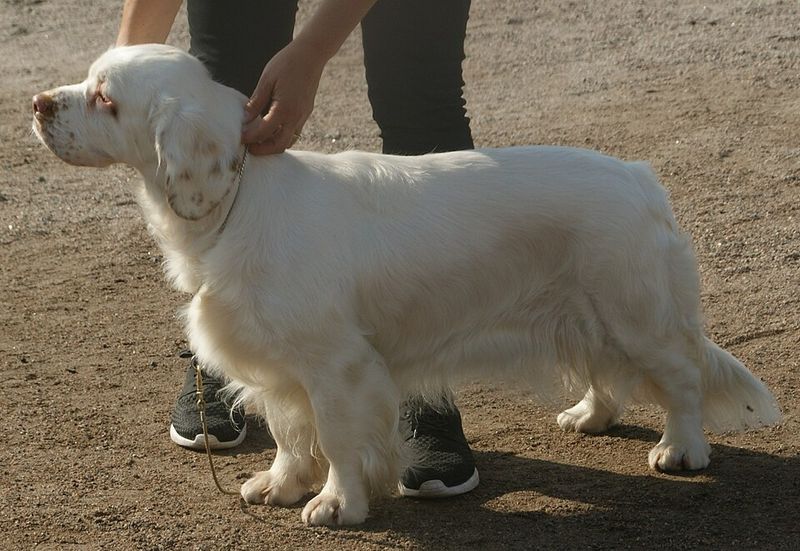
The Clumber Spaniel is a mellow companion who thrives under steady, low-key handling. Loud praise and frantic movements can make this thoughtful dog shut down.
You will see better focus when training stays short, predictable, and reward based. Think calm voice, soft treats, and clear boundaries.
Their heavy build appreciates an unhurried pace, especially during adolescence.
Clumbers adore sniffy walks and puzzle games more than rowdy fetch marathons. Keep environments uncluttered so choices feel simple.
Socialize kindly with stable dogs rather than chaotic playgroups. Grooming time becomes bonding time if you slow your hands and keep sessions short.
With patience and routine, this gentle spaniel’s confidence blooms, revealing dry humor and steadfast loyalty that shines brightest when life stays unruffled.
Sussex Spaniel
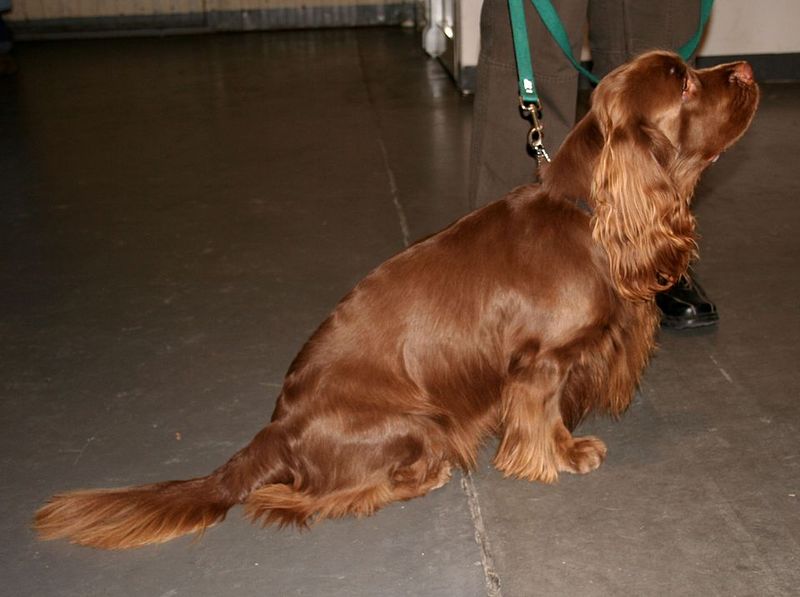
The Sussex Spaniel prefers a measured rhythm to life, responding best when you keep energy low and expectations clear. Hype makes this breed dig in its heels, but gentle persistence unlocks surprising enthusiasm.
Use steady cues, moderate rewards, and frequent breaks. You will notice their confidence grow when training happens in quiet spaces.
They relish meaningful sniffing, not chaotic chase games.
Early socialization is vital, yet slow introductions beat bustling dog parks. Groom regularly with a soothing voice and gentle brush strokes.
Respect their sensitivity to heat and overexertion. Provide short field-style exercises that engage their nose without overloading excitement.
With calm leadership, the Sussex gives soulful eye contact, unwavering devotion, and a dignified work ethic that blossoms when pressure fades into patient consistency.
Field Spaniel
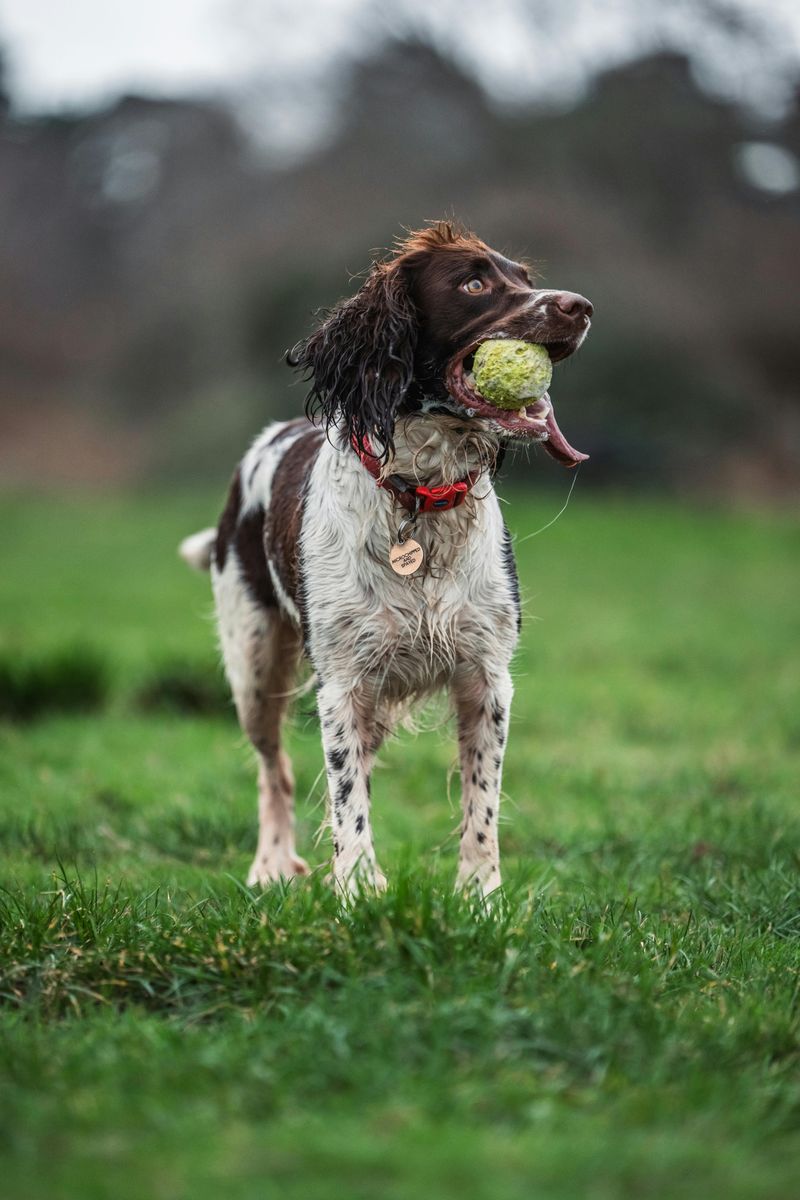
The Field Spaniel sits between drive and composure, but leans toward steadiness with the right handling. Over-the-top cheerleading can scatter their focus.
Gentle, structured sessions with clear criteria allow them to perform beautifully. Use food lures initially, then fade to quiet praise and tidy body language.
Keep sessions varied yet predictable, alternating nose work and easy retrieves.
They appreciate respectful socialization and soft equipment that does not yank or startle. Offer decompression walks where you move slowly and let them investigate.
Grooming, especially ears and feathers, goes best with patient desensitization. You will find this breed eager to please when you dial down noise and celebrate small wins.
With time, they reveal fluid movement, keen noses, and warmly understated charm.
Irish Water Spaniel
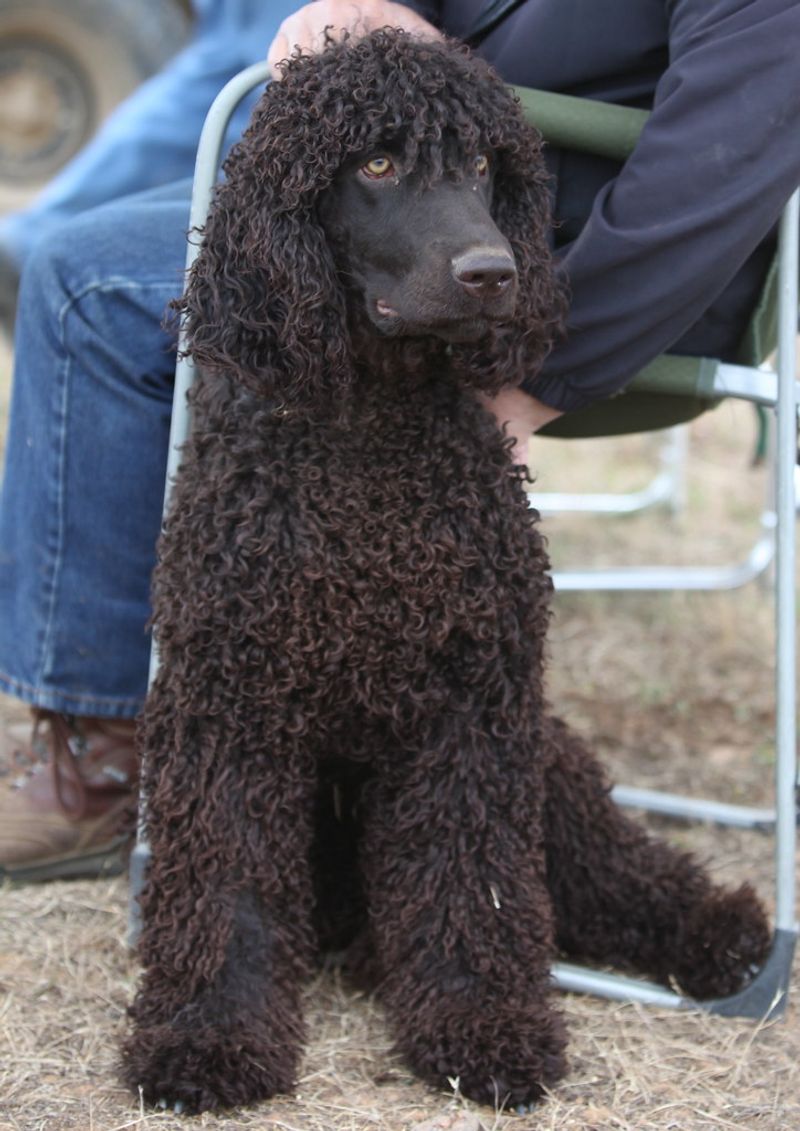
The Irish Water Spaniel is witty and observant, flourishing when training is calm, clever, and a bit playful without frenzy. Excess hype flips their switch from curious to chaotic.
Keep criteria simple, reward thoughtfully, and punctuate work with quiet sniff breaks. You will earn better cooperation by managing arousal before it spikes.
Use water retrieves sparingly until impulse control matures.
They benefit from early exposure to new textures, docks, and boats, but in small, positive steps. Grooming those curls takes patience, so introduce clippers and combs with treats and time.
Avoid roughhousing that cranks excitement beyond learning zones. With steady guidance, they channel brilliance into polished field work and affectionate companionship, shining brightest when your voice stays even and your plan stays clear.
English Setter
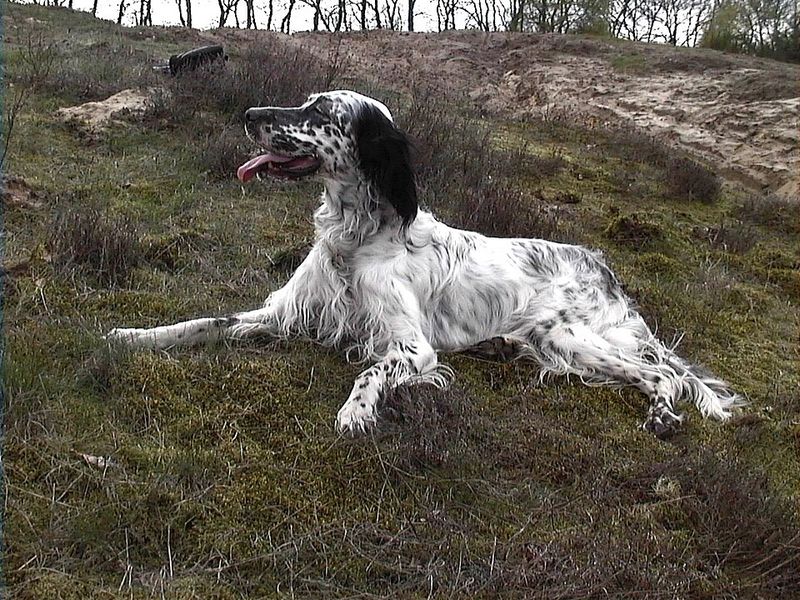
The English Setter thrives with grace and steadiness, not frantic cheerleading. High-volume praise can scatter this sensitive bird dog’s thoughts.
Use calm voice markers, clear hand signals, and modest food rewards. Keep sessions short with predictable patterns, like heel, settle, then gentle recalls.
Field work should emphasize quiet steadiness on birds more than high-speed chases.
Daily decompression walks in peaceful spaces help them reset. You will find grooming easier when you move slowly around ears and feathering.
Socialize thoughtfully with friendly, balanced dogs to preserve confidence. Consistency and soft structure build trust, allowing their natural elegance to shine.
When you lower the noise, the Setter’s soft eyes, flowing movement, and reliable cooperation emerge like a melody played at the perfect tempo.
Gordon Setter
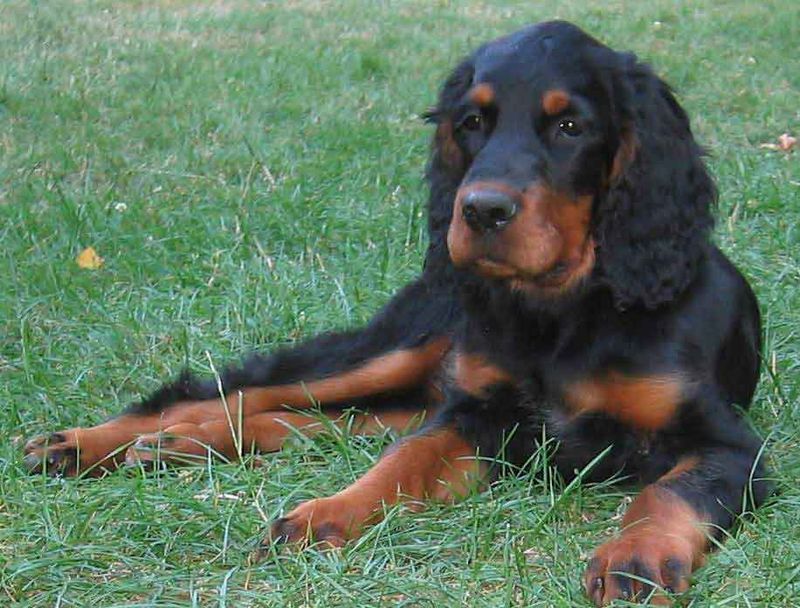
The Gordon Setter is powerful and thoughtful, best guided by quiet clarity rather than rah-rah energy. Too much excitement builds steam that erupts into sloppy decisions.
Use low-key reinforcement, steady eye contact, and clean criteria. Alternate mental tasks with slow sniff walks to keep arousal in check.
You will see steadier points and recalls when training prioritizes impulse control and patience.
Structured retrieves, place work, and calm heel refine their natural drive. Early, polite socialization matters, focusing on neutral exposures rather than crowded chaos.
Grooming sessions should be unhurried, with special care around feathering. Long adolescence calls for consistent routines and recovery time.
With calm leadership, the Gordon displays dignified confidence, velvety loyalty, and field brilliance that arrives like thunder after quiet gathering clouds.
Basset Hound
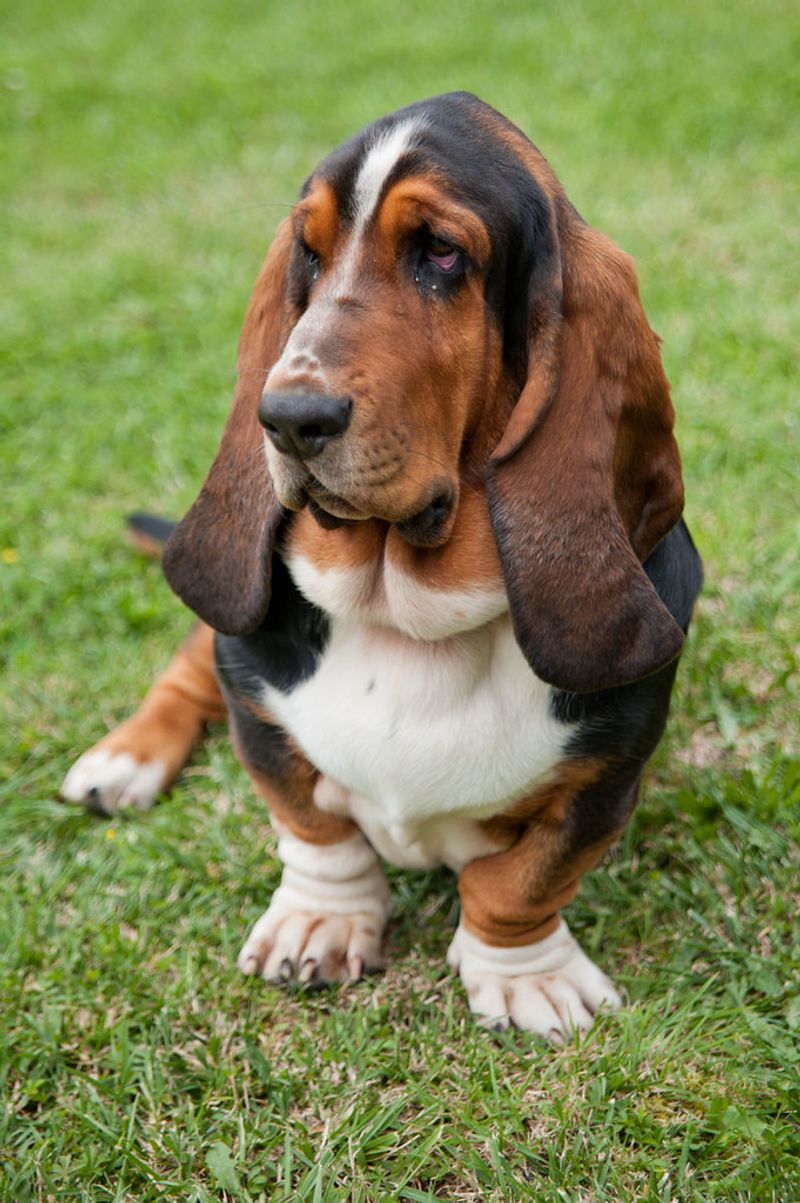
The Basset Hound’s supernose runs the show, so calm handling keeps communication clear amid scent distractions. Hype feels irrelevant to a dog listening to the ground.
Use patient, food-forward training with simple leash skills and frequent sniff breaks. You will make progress by rewarding check-ins instead of dragging them away from smells.
Keep sessions short, predictable, and cheerful without getting loud.
Stairs and jumping deserve caution due to their build. Socialize steadily with low-conflict dogs and patient people.
Grooming ears and feet needs gentle, regular care. Enrichment like scent trails and slow puzzle feeders suits them better than high-octane fetch.
When you respect their tempo and nose-first worldview, the Basset repays you with easygoing companionship, comedic timing, and surprising trail tenacity.
Bloodhound
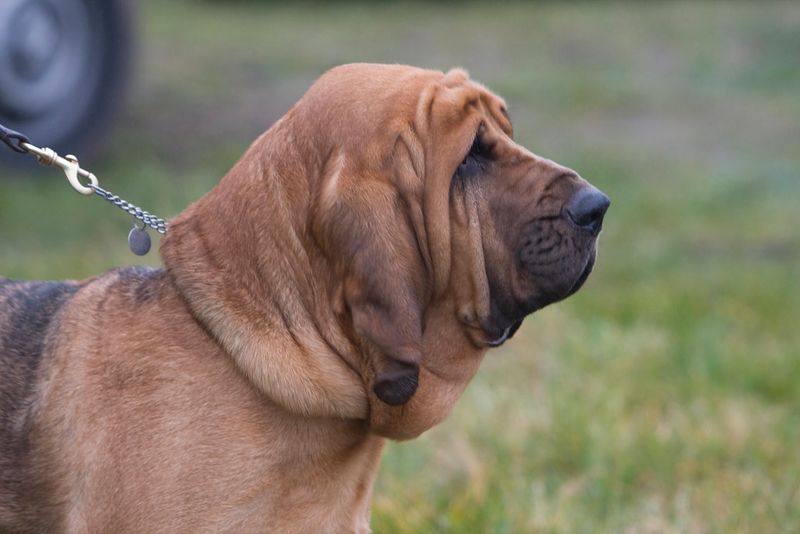
The Bloodhound is a tracking genius who needs calm leadership more than cheerleading. Arousal spikes can turn beautiful scent work into tangled chaos.
Use quiet markers, clear start signals, and structured line handling. Reward methodically at scent articles, then build duration gradually.
You will find their focus deepens when the environment is managed and your body language stays still.
Everyday manners improve with low-key repetition and controlled choices. Socialize with purpose, not crowds, introducing novel surfaces and people thoughtfully.
Grooming folds and ears requires gentle, routine care to prevent irritation. Decompression walks after training help reset the nervous system.
Kept steady and respected, the Bloodhound delivers astonishing tracking, tender affection, and noble presence that shines when pressure is replaced by deliberate, patient teamwork.
Newfoundland
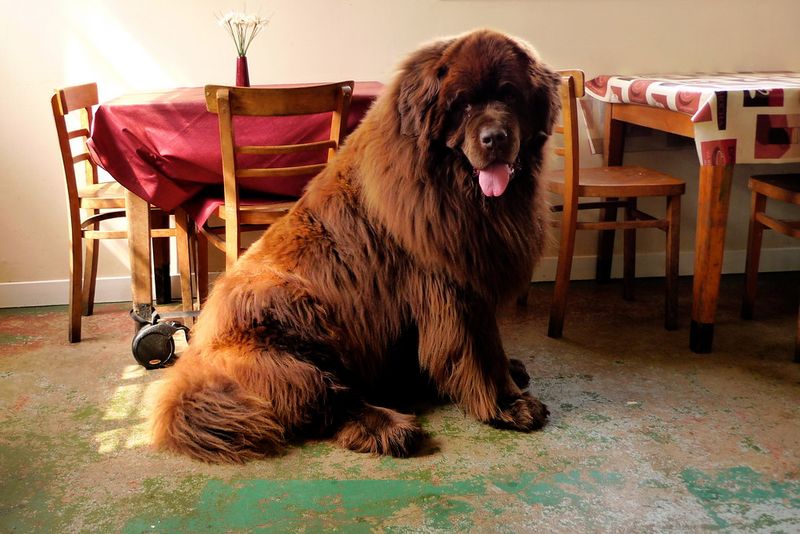
The Newfoundland’s heart is giant and gentle, thriving with soft voices and structured calm. Constant hype can stress their sensitive nature and heavy frame.
Use patient, reward-based training with clear boundaries and short sessions. You will see better cooperation with slow approaches, gentle equipment, and predictable routines.
Water work should emphasize safety and steadiness over adrenaline-fueled leaps.
Socialize early to varied surfaces and calm crowds to build confidence. Grooming is a marathon of patience, best divided into manageable chunks with plenty of breaks.
Protect joints with low-impact exercise and thoughtful conditioning. Decompression time with quiet family moments matters.
When handled kindly, the Newfie becomes a serene guardian and affectionate helper, radiating calm that settles an entire household like a warm blanket.
Great Pyrenees
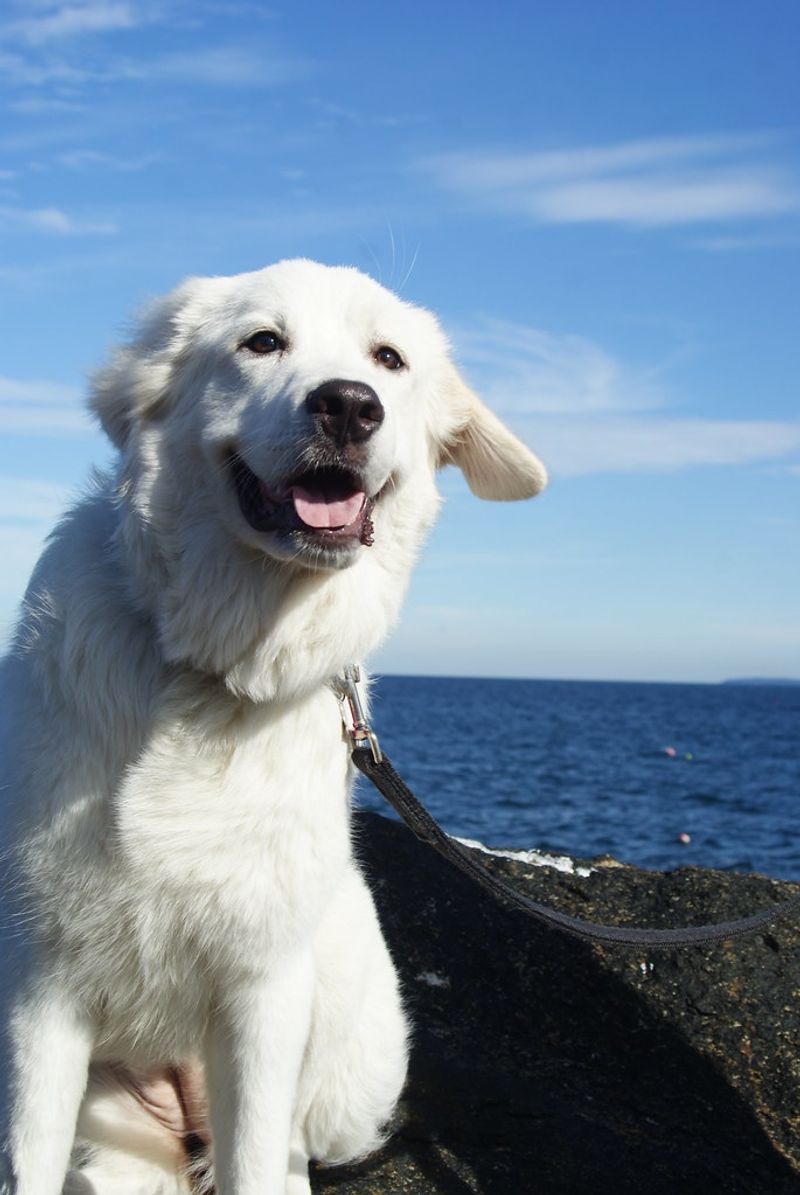
The Great Pyrenees is bred to think independently, so calm handling beats constant cheerleading every time. Loud hype erodes trust, while steady routines build partnership.
Use low-arousal rewards, quiet leash work, and consistent boundaries. You will gain cooperation by honoring their guardian instincts with peaceful observation posts.
Keep training short, focused, and predictable to prevent shutdowns or stubbornness.
Socialize thoughtfully to neutralize reactivity toward novel sights and sounds. Grooming the dense coat requires patience and regular maintenance.
Provide secure fencing, slow patrol walks, and decompression time in quiet spaces. The payoff is immense: a serene, dependable protector who reads the environment with wise calm.
Lead like a shepherd, not a hype squad, and the Pyrenees meets you with dignified loyalty.
Eurasier
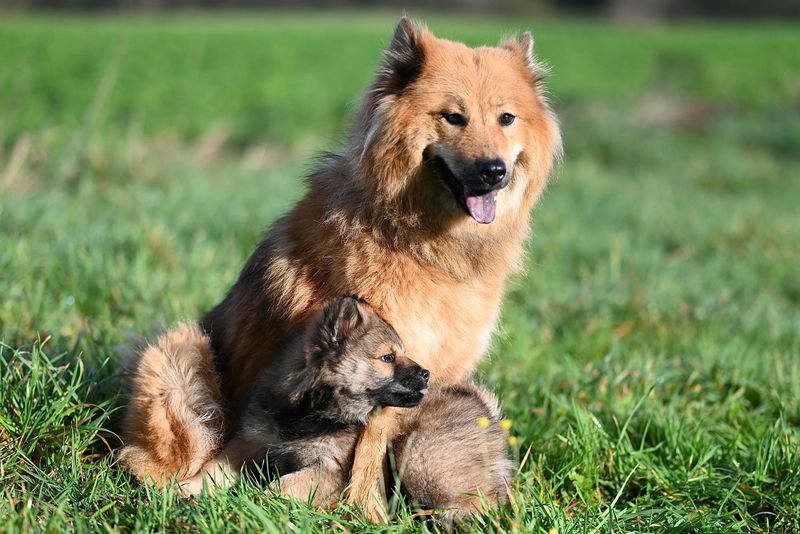
The Eurasier is sensitive and people centered, preferring gentle, predictable guidance to high-energy hype. Overstimulation can cause withdrawal, so keep sessions short with clear, quiet cues.
Use soft food rewards, mild praise, and calm environments to build confidence. You will see their social nature shine when pressure is low and routines feel safe.
Prioritize decompression walks and controlled greetings.
Socialization should be thoughtful, focusing on quality over quantity. Grooming becomes bonding when introduced gradually with brush desensitization.
Avoid harsh corrections that fracture trust. Support with enrichment like nose games and low-arousal shaping.
In a peaceful home, the Eurasier offers steady companionship, expressive eyes, and a gentle humor that appears when you meet them at their tempo, replacing hype with kindness and clarity.
Akita
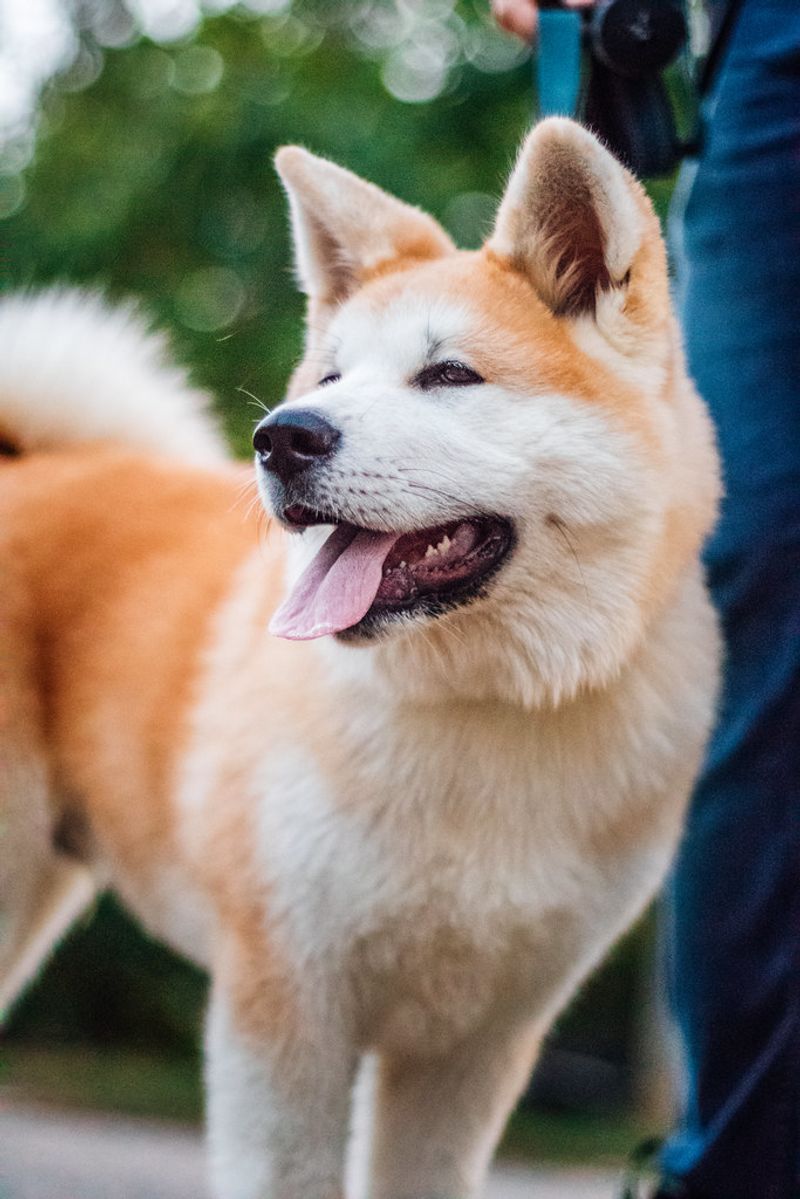
The Akita values composure and clear boundaries, not rah-rah enthusiasm. Hype can escalate tension, while quiet leadership earns respect.
Use structured routines, neutral praise, and high-value rewards used sparingly. You will make strides with calm leash skills, place work, and impulse control games.
Social exposures should be controlled and brief, focusing on neutrality rather than forced friendliness.
Grooming requires patience, especially during seasonal sheds. Avoid rough play that encourages pushy behavior.
Train in short sessions with clear start and stop signals. Provide decompression walks and mental tasks that respect independence.
Under steady, fair guidance, the Akita becomes a serene, loyal guardian, offering deep devotion when you replace noise with confidence and consistency, honoring their dignity at every step.
Chow Chow
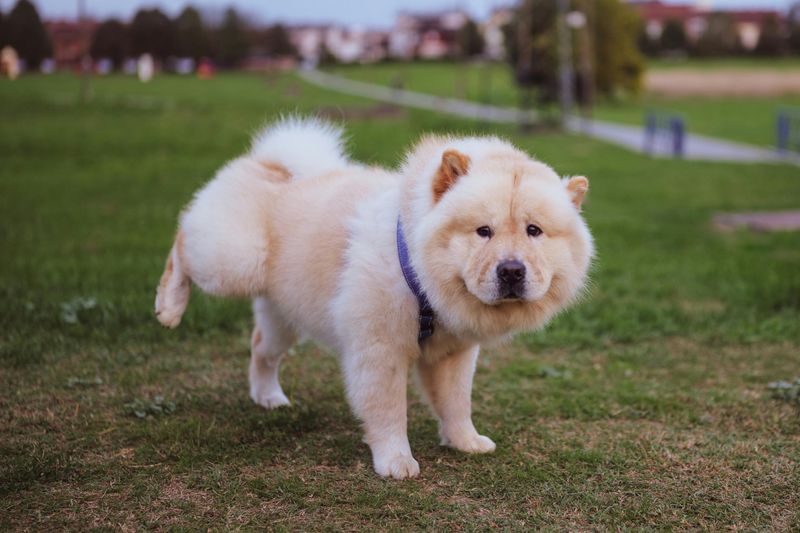
The Chow Chow thrives under calm, respectful handling that acknowledges their reserved nature. High-energy hype can trigger defensiveness or shutdown.
Use clear routines, soft markers, and thoughtful rewards. You will see progress by prioritizing cooperative care, like consent-based brushing and nail work.
Keep training concise with predictable structure, avoiding busy environments that flood their senses.
Socialization should be steady and positive, focusing on neutrality around people and dogs. Provide decompression time in quiet areas and enrichment that encourages problem solving.
Avoid rough physicality that undermines trust. When led with patience and consistency, the Chow reveals quiet affection, house manners, and dignified companionship, proving that serenity builds bridges where noise cannot.
Calm guidance turns this ancient soul into a steadfast friend.