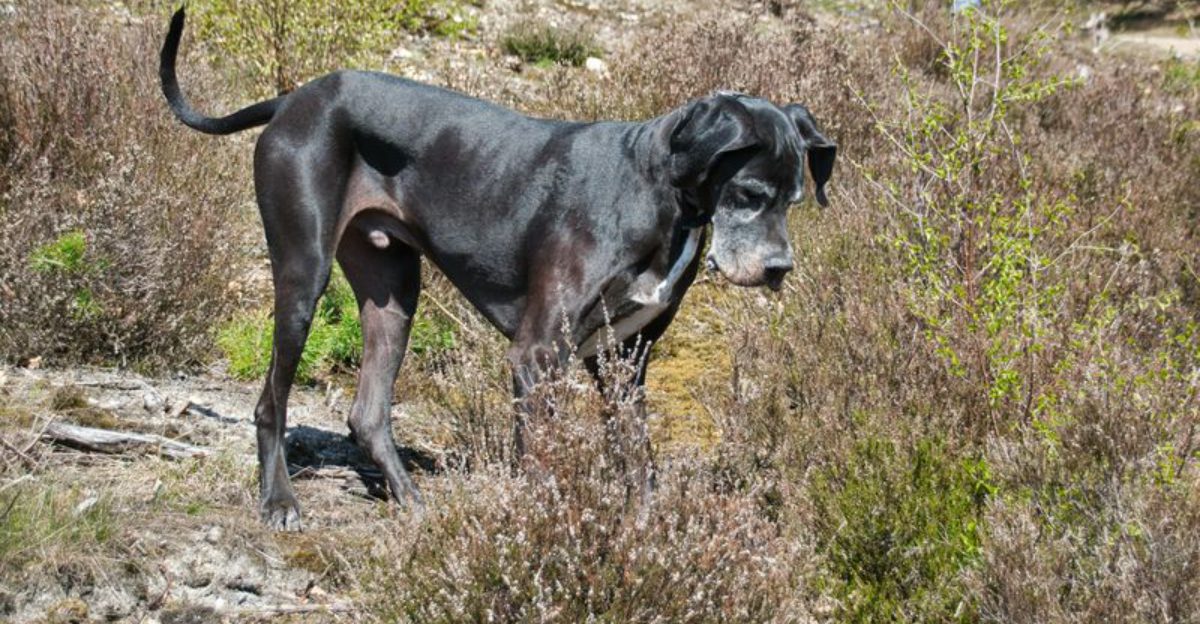
Ever notice how your dog seems to read the room before you do? Some breeds are especially tuned to subtle shifts in mood, routine, and even the way you move through your home.
Understanding their sensitivity can turn chaos into calm and help you build deeper trust. Let’s explore the breeds that mirror your energy most and how to support them when the vibe changes.
Border Collie
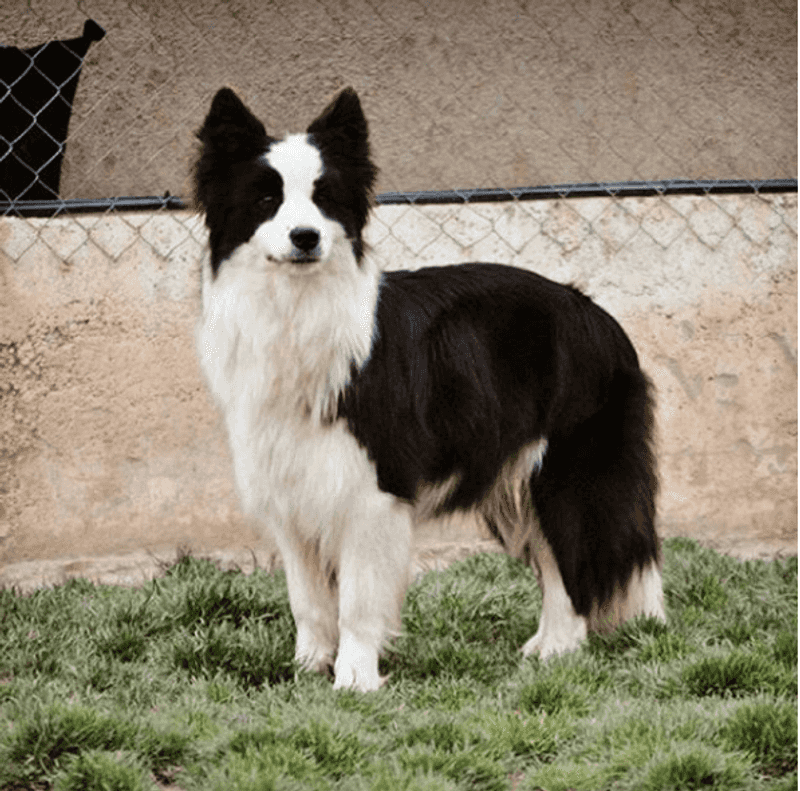
Border Collies pick up on tone, posture, and routine changes faster than most dogs. When energy spikes, they might circle, stare, or herd kids and pets because their brains crave order.
Keep transitions predictable with clear cues, quick obedience games, and a wind down ritual.
If your schedule shifts, build micro routines you can keep even on busy days. Offer problem solving toys, scent work, and short training bursts to channel their sharp minds.
When the house feels tense, teach a go to mat cue and reinforce calm with slow breathing around them.
Australian Shepherd
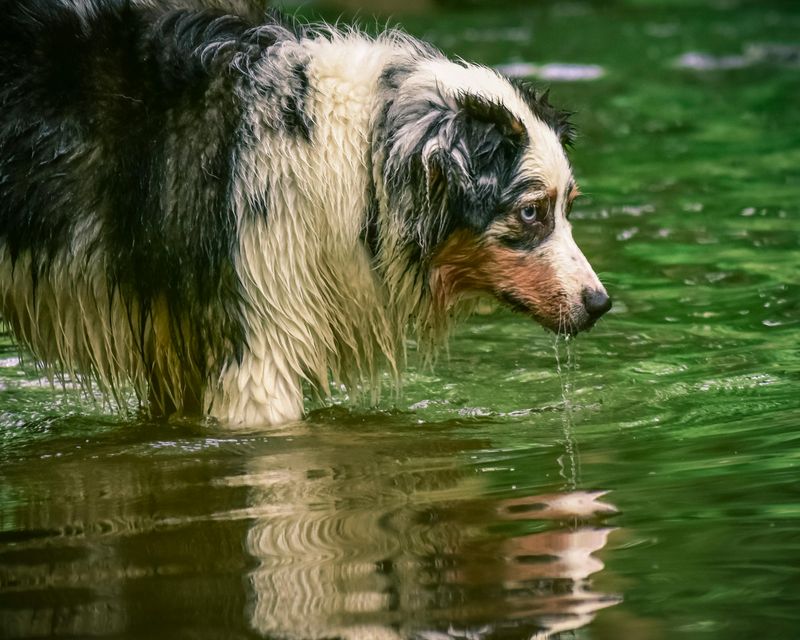
Australian Shepherds thrive on structure and connection, so shifting household energy can rev them up quickly. You might see shadowing, nudging, or vocalizing when routines wobble.
Use consistent markers like a release word and a daily decompression walk to anchor them.
During high excitement, redirect to a brief trick session, then cue settle on a bed with a chew. On low energy days, give sniffaris and puzzle feeders to meet needs without wild play.
When tensions rise, soften your voice, slow your movements, and reward relaxed body language generously.
Shetland Sheepdog
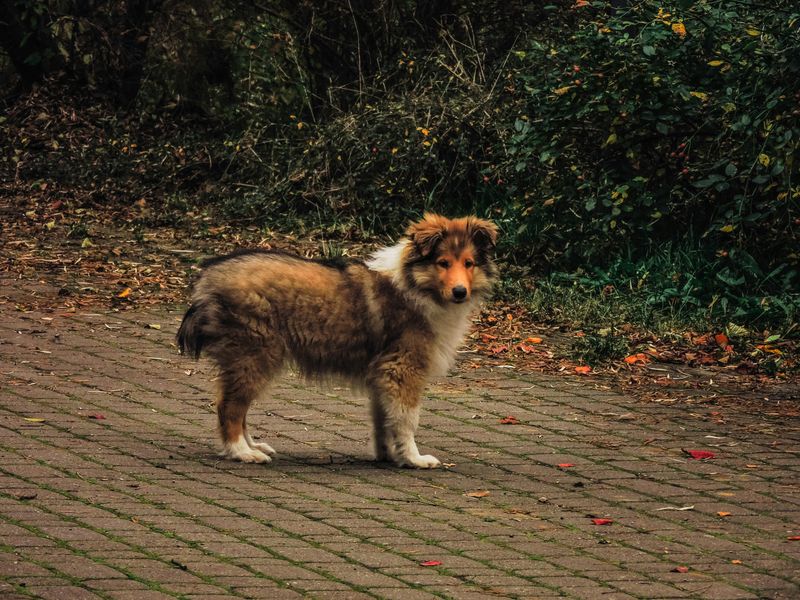
Shetland Sheepdogs are sensitive observers who map patterns in your day. Sudden noise or emotional spikes can trigger barking or pacing.
Offer predictable touchpoints like morning training, afternoon sniff walks, and evening cuddle time to smooth transitions.
Use gentle desensitization for doorbells and guest arrivals, pairing sounds with treats and a place cue. Keep their busy mind engaged with shaping games and low impact agility in hallways.
When vibes turn heavy, dim lights, play soft music, and practice calm reinforcement for settled posture and soft eyes.
German Shepherd
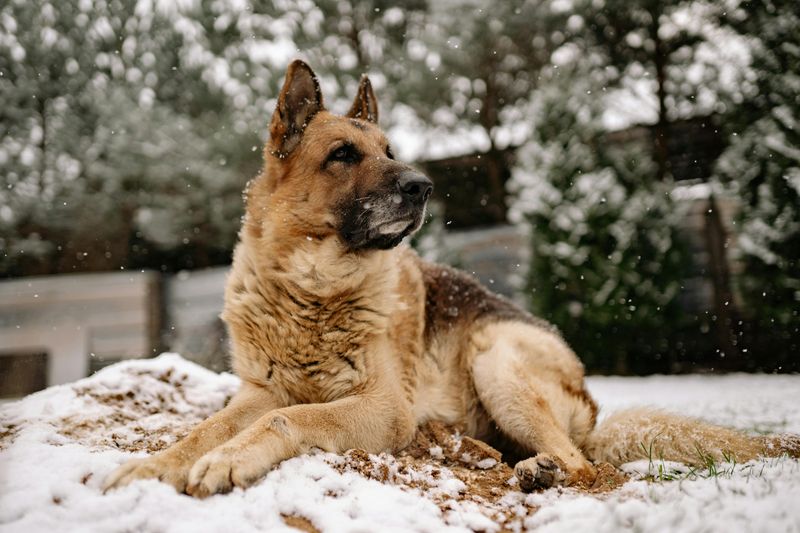
German Shepherds read tension like bodyguards and may escalate alert behaviors when energy spikes. You might see increased vigilance, doorway guarding, or protective positioning.
Build reliability with impulse control games and a well rehearsed place command.
During chaotic moments, give a job like carrying a tug to a mat, then reward stillness. Keep routines steady with structured walks, scent work, and off switch cues.
If emotions run high, lower your voice, slow breathing, and feed calm through relaxed handling and predictable boundaries.
Golden Retriever
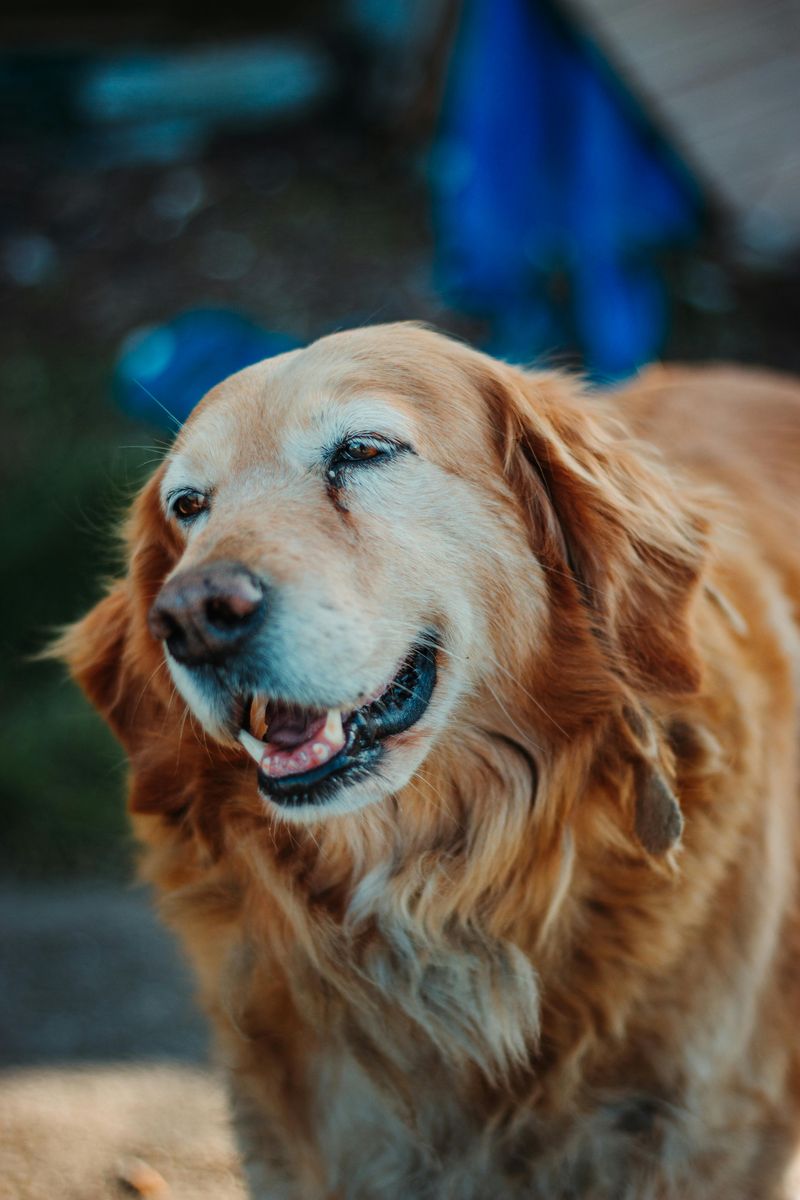
Golden Retrievers are social empaths who lean into your mood with comforting closeness. They may become clingy during turmoil, following you room to room.
Keep a routine of connection through short training, gentle play, and regular decompression walks.
When energy rises, channel excitement into a fetch to mat sequence, then reinforce calm with long exhale strokes. On low energy days, use scent games and food puzzles to satisfy needs without roughhousing.
Practice independent settling by rewarding quiet relaxation on a bed near you.
Labrador Retriever
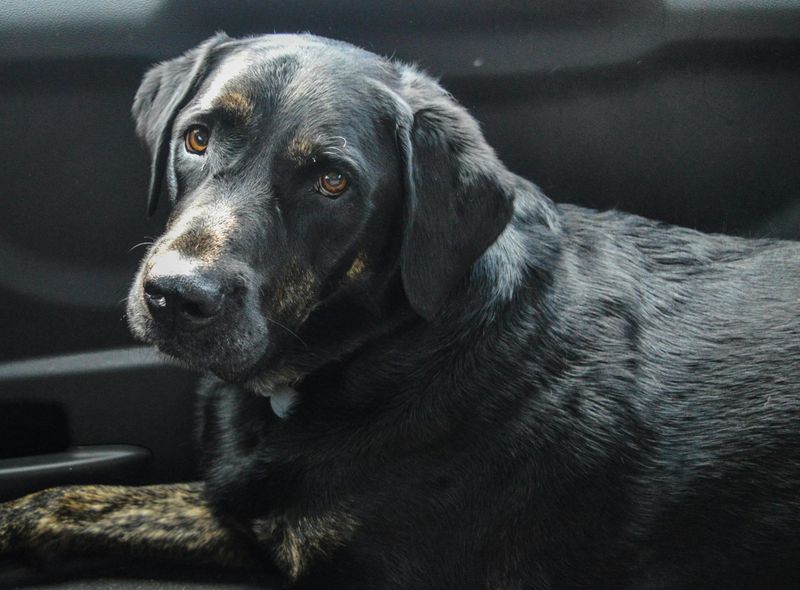
Labradors mirror household tempo and can swing from goofy excitement to gentle cuddles. When plans shift, they might demand attention with nose boops or toy drops.
Use structured play windows and a predictable cooldown, like scatter feeding on a mat.
Teach an on off switch: brief tug, cue drop, then settle for treats. Provide daily outlets with sniff walks, retrieval games, and food puzzles.
If tension builds, guide them to a safe spot, reward deep breaths and soft body posture, and keep cues consistent.
Poodle
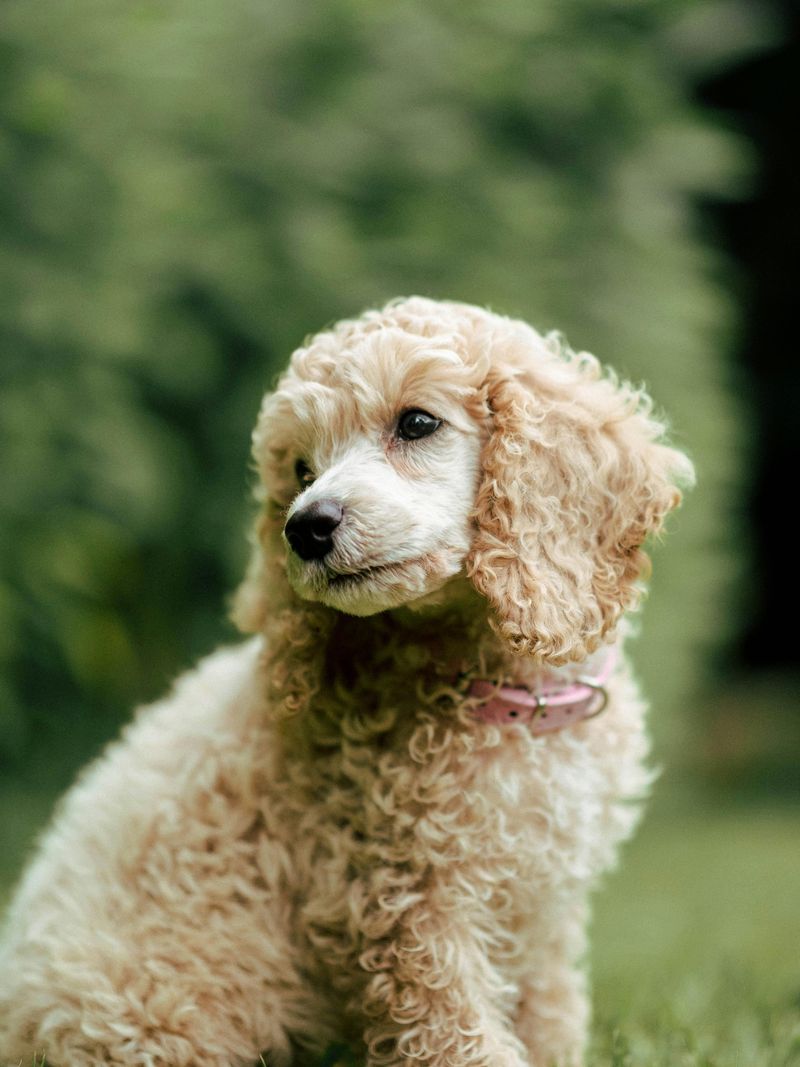
Poodles are sharp, sensitive, and people focused, so shifts in energy can amplify vigilance or clinginess. You might notice attentive staring, pacing, or anticipatory excitement.
Balance brain and body with training games, nose work, and calm enrichment.
Introduce transition rituals like a relax cue with massage before guests arrive. When the vibe spikes, pivot to a shaping session, then reward quiet on a mat.
Maintain steady anchors: mealtime routines, walk windows, and bedtime wind downs with consistent signals.
Cavalier King Charles Spaniel
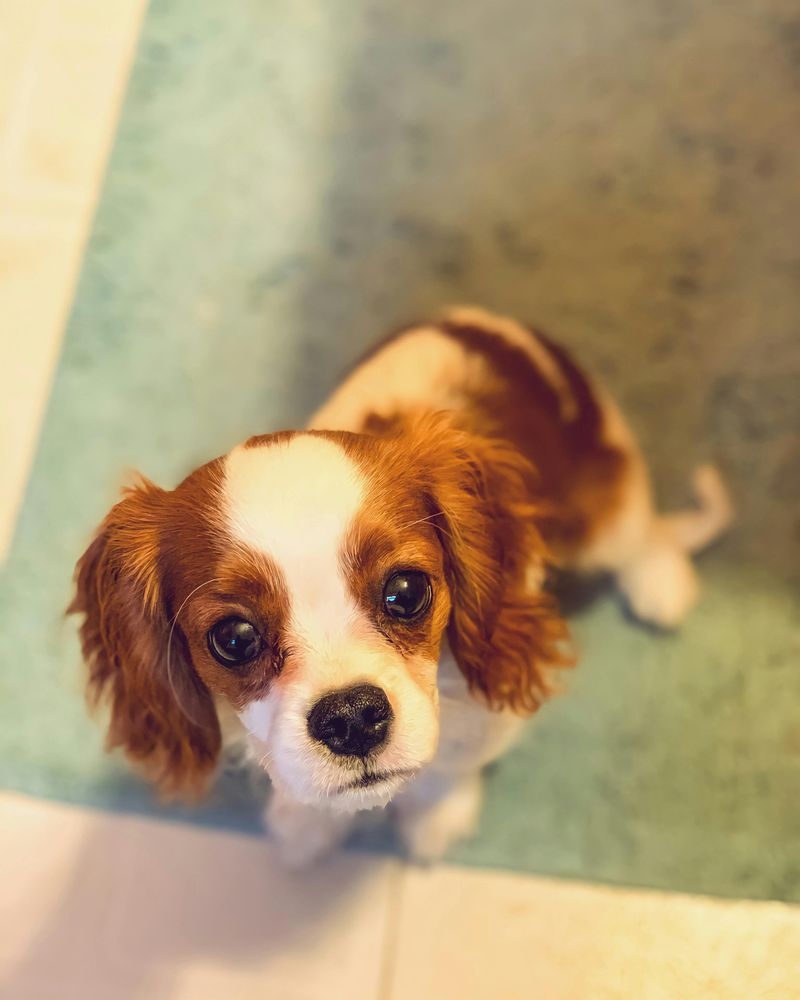
Cavaliers tune into your feelings and may seek extra closeness when energy turns uncertain. Expect gentle pawing, lap seeking, or soft whines.
Offer stability with cozy stations around the house and short, frequent connection breaks.
Practice independent relaxation by rewarding calm on a nearby bed while you move about. Use scent based enrichment and short, soothing walks to keep arousal low.
During stressful moments, speak softly, move slowly, and reinforce settled posture and relaxed breathing.
Havanese
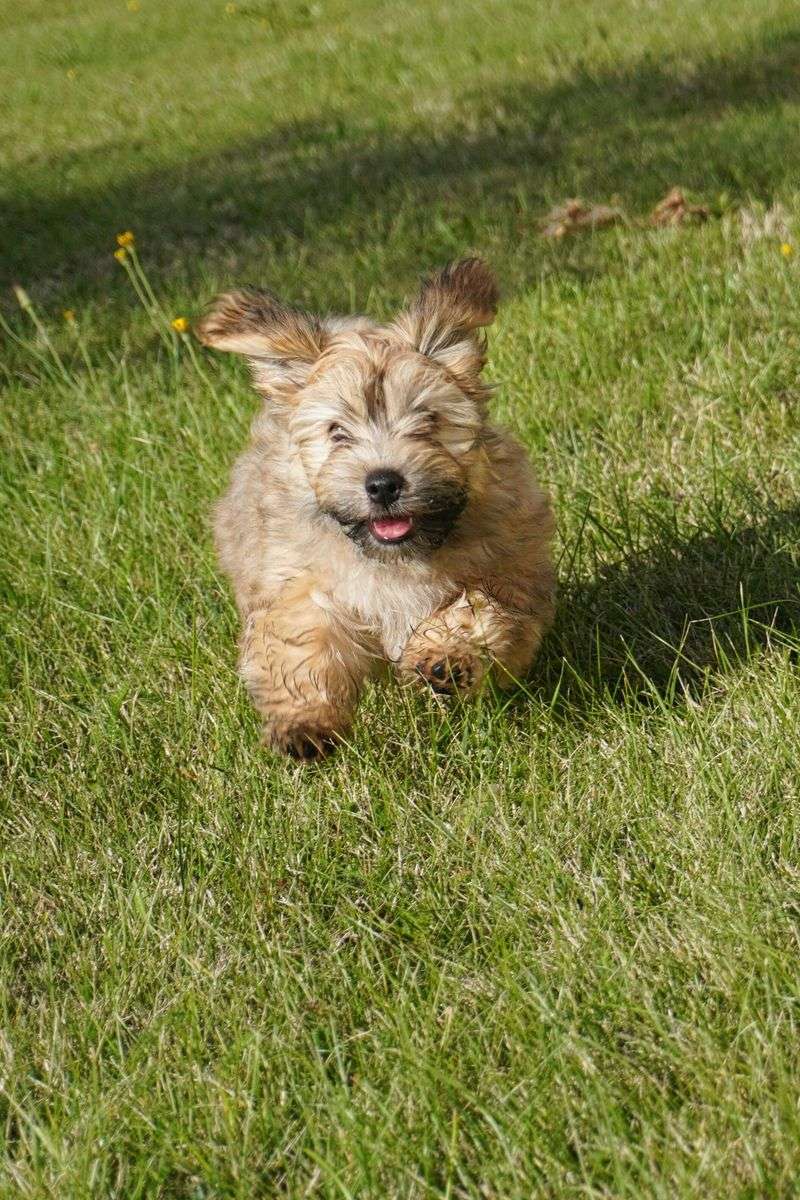
Havanese crave companionship and read room energy with remarkable accuracy. When routines change, they might shadow closely or vocalize softly.
Prevent overattachment by rewarding brief independence and providing multiple cozy rest spots.
Use low key enrichment like snuffle mats and gentle trick training to channel focus. Create transition cues before departures and arrivals to reduce uncertainty.
When emotions rise, lower stimulation, dim lights, and reinforce quiet settling on a mat.
Papillon
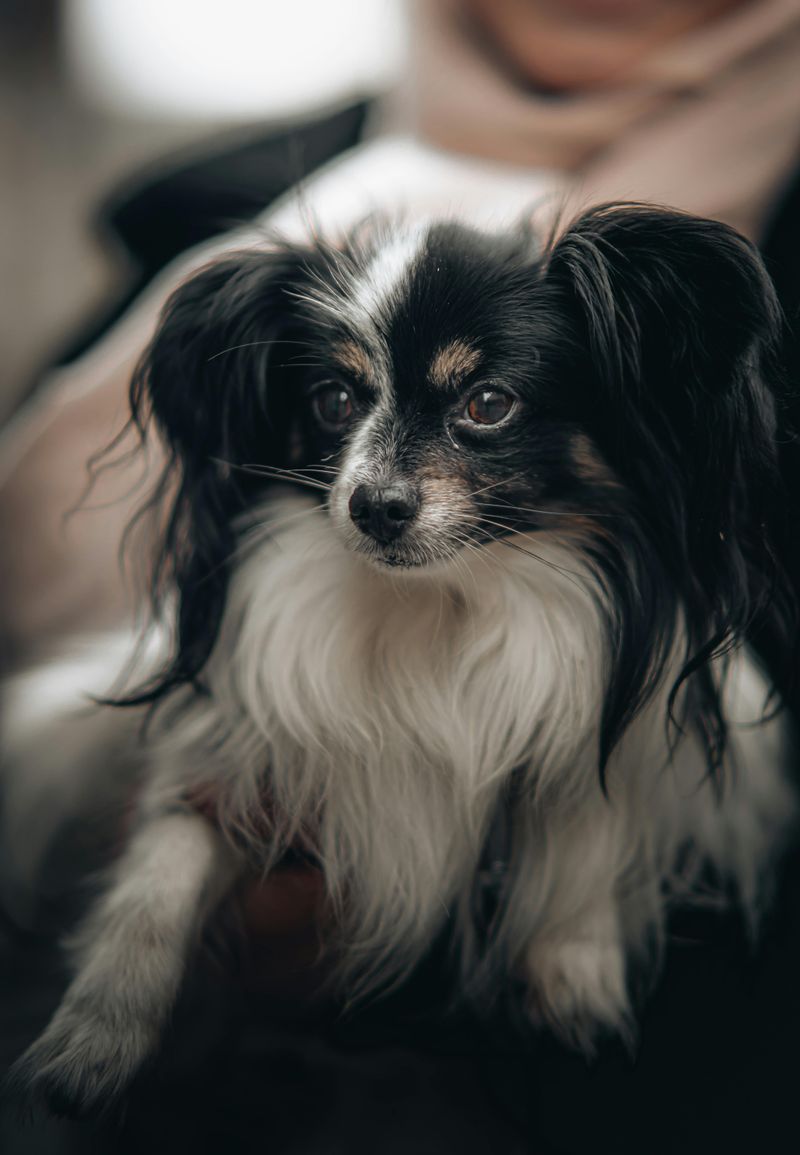
Papillons are bright, observant, and quick to react to environmental shifts. You may see rapid movement, excited chirps, or attention seeking spins.
Offer structure through mini training breaks and regular sniffy walks to temper arousal.
Teach stationing on a perch or mat to give them a predictable job during bustle. Pair door noises and guest activity with calm rewards.
Keep days bookended with morning brain games and evening relaxation rituals to smooth changes.
Vizsla
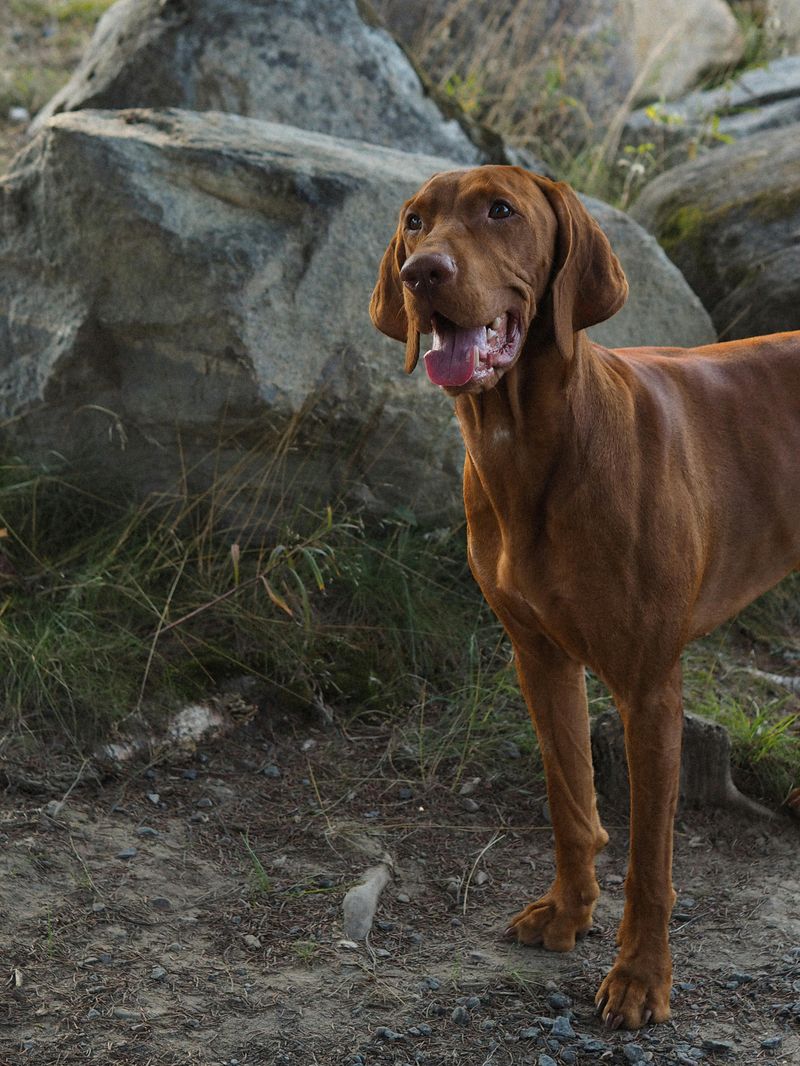
Vizslas are famously velcro and absorb your energy like a sponge. Expect clingy leaning, watchful eyes, and quick shifts from zoomies to cuddles.
Anchor their day with structured exercise, nose work, and purposeful downtime.
During high energy spikes, redirect to controlled retrieves and then a settle cue. If the mood turns heavy, create a quiet nook and reward relaxed contact.
Consistent signals and gentle handling help them self regulate without losing connection.
Weimaraner
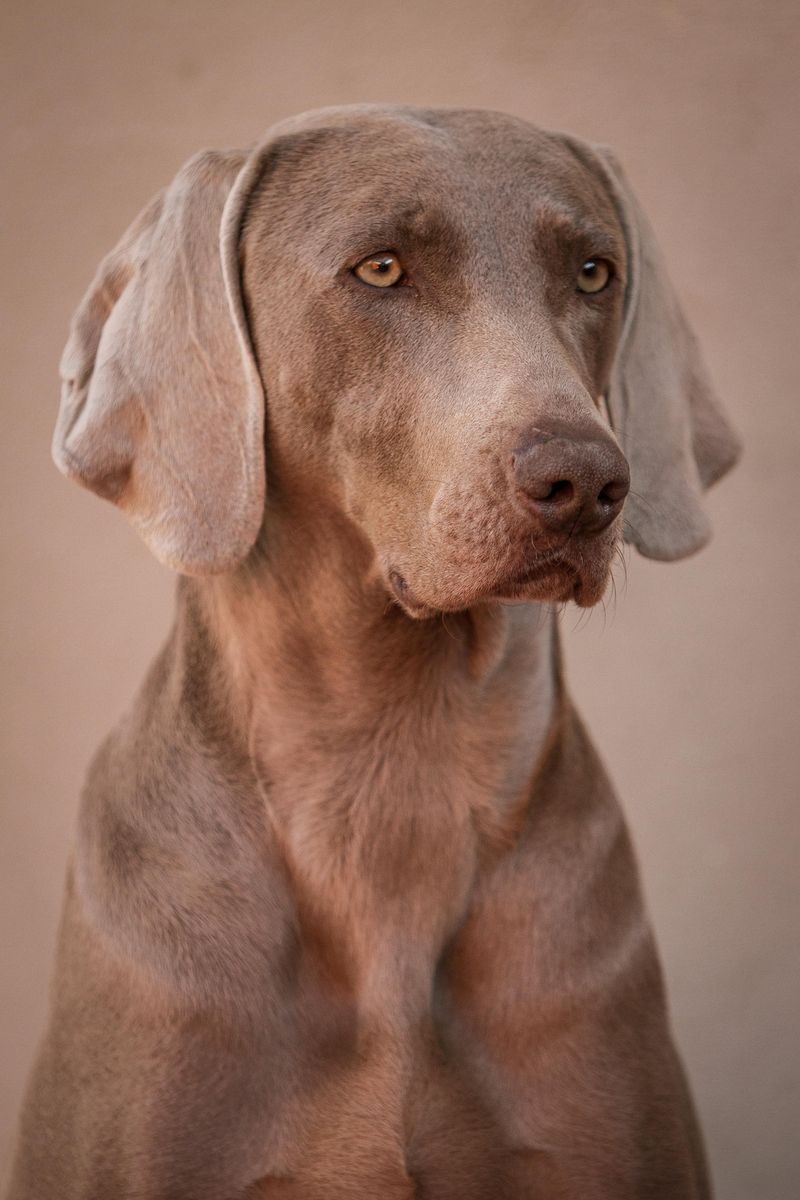
Weimaraners are intense companions who track your movements and emotions closely. When routines shift, they may whine, pace, or demand engagement.
Build certainty with scheduled exercise, sniff sessions, and calm crate or mat time.
Use impulse control games, then reinforce off switch behaviors with long chews. During upheaval, guide them to tasks like carrying a toy to their station.
Keep your cues simple and consistent, rewarding soft eyes and loose bodies generously.
Italian Greyhound
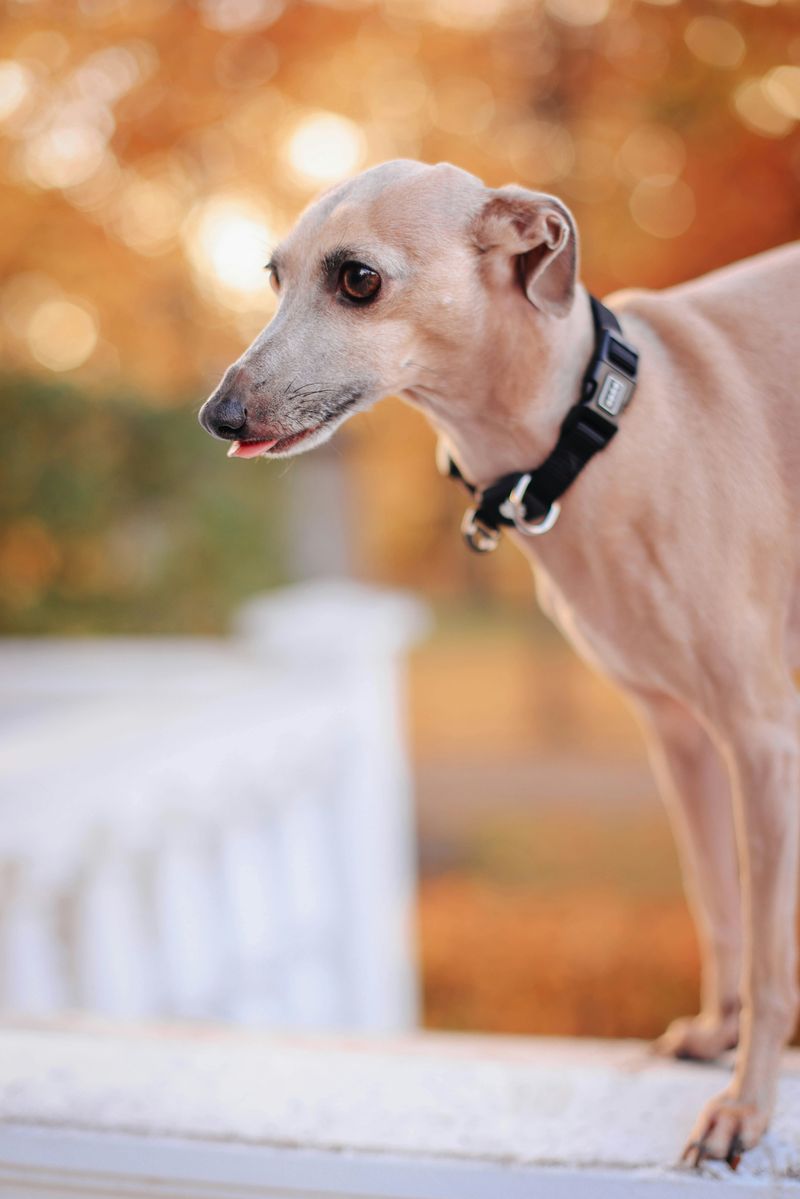
Italian Greyhounds are delicate, sensitive souls who feel changes in tone and tempo deeply. Sudden excitement can startle them, leading to trembling or hiding.
Create safety through quiet routines, warm resting spots, and gentle transitions.
Practice calm handling and reinforce relaxed postures with soft food rewards. Short zoom sessions followed by cuddle and settle time help regulate arousal.
During stressful moments, lower noise, dim lights, and offer a covered bed for comfort.
Great Dane
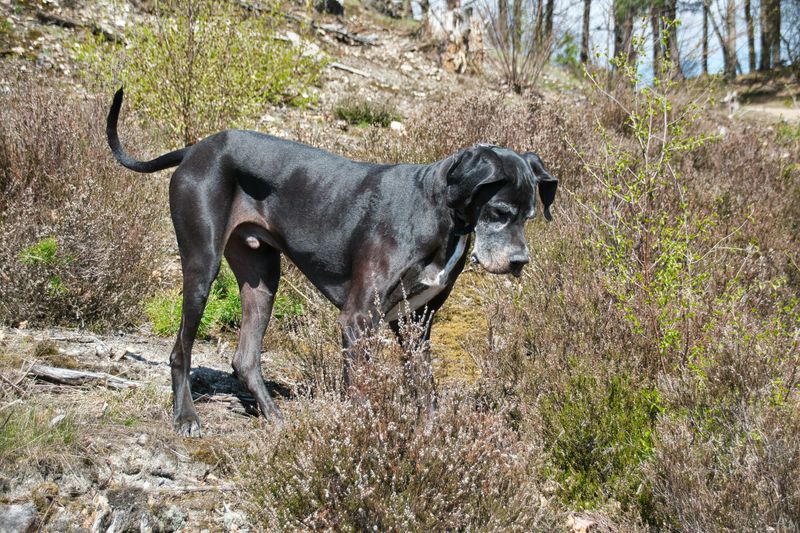
Great Danes are gentle giants who mirror household emotion in big ways. High excitement can lead to bouncy greetings or clumsy zooms, while tension may bring leaning and sighs.
Keep days steady with predictable exercise, short training, and structured rest.
Teach polite greetings, then reinforce mat relaxation after visitors arrive. When energy spikes, redirect to slow treats and deep pressure leaning on cue.
Maintain calm with soft voices, smooth movements, and consistent boundaries.
Bernese Mountain Dog
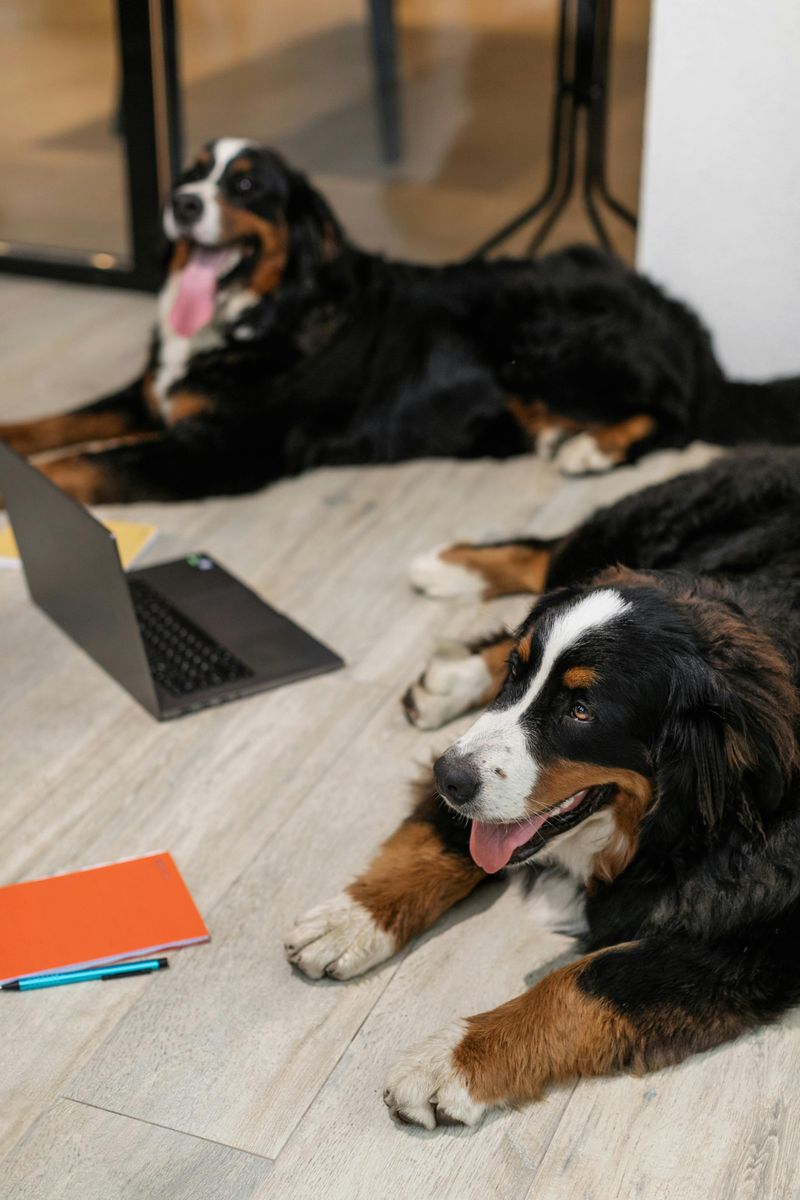
Bernese Mountain Dogs are affectionate and tuned to your state, often responding with steady presence. Sudden changes can bring gentle nudges, leaning, or protective watchfulness.
Build predictability with regular walks, grooming rituals, and calm evening wind downs.
Practice place training for guest arrivals, followed by quiet reinforcement. Use nose work and slow food puzzles to meet needs without overstimulation.
When emotions rise, reward soft eyes, loose bodies, and relaxed breaths to anchor them.