Some dogs look cool and aloof, but their hearts tell a different story when the door clicks shut. If you have ever returned to a shredded toy, a howling neighbor complaint, or a pair of wide, guilty eyes, you know the secret side of “independent” breeds.
This list reveals pups who act self contained yet feel deeply connected to you. Learn their tells, support their needs, and make goodbyes less dramatic for everyone involved.
Shiba Inu
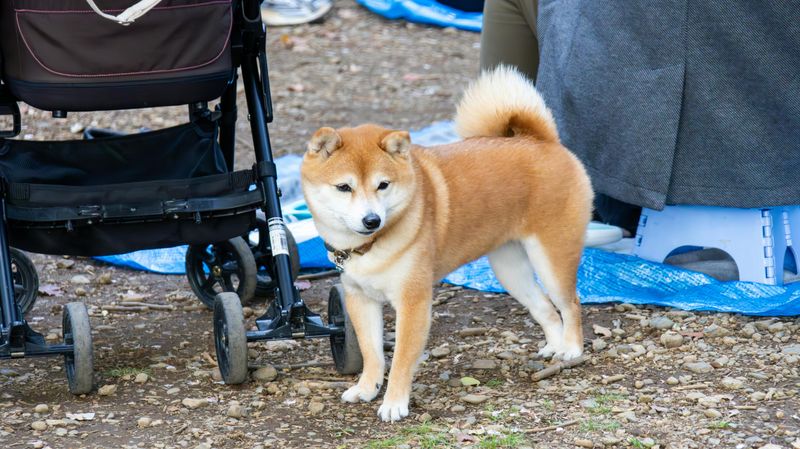
Shibas project a calm, catlike vibe, but that mask can slip when you step out. They bond quietly yet intensely, so sudden solitude may spark pacing, whining, or door scratching.
Mental challenges help, like puzzle feeders, scent games, and brief independence training with short exits.
Build routines that make departures boring. Practice closing interior doors for seconds, then minutes, rewarding calm with treats.
Rotate tough chew options and safe enrichment to redirect energy. A baby gate to create a cozy zone can reduce patrolling and barking.
Daily exercise matters. A brisk walk and sniffy session before leaving takes the edge off.
Keep greetings low key, use white noise, and test a camera to monitor progress.
Chow Chow
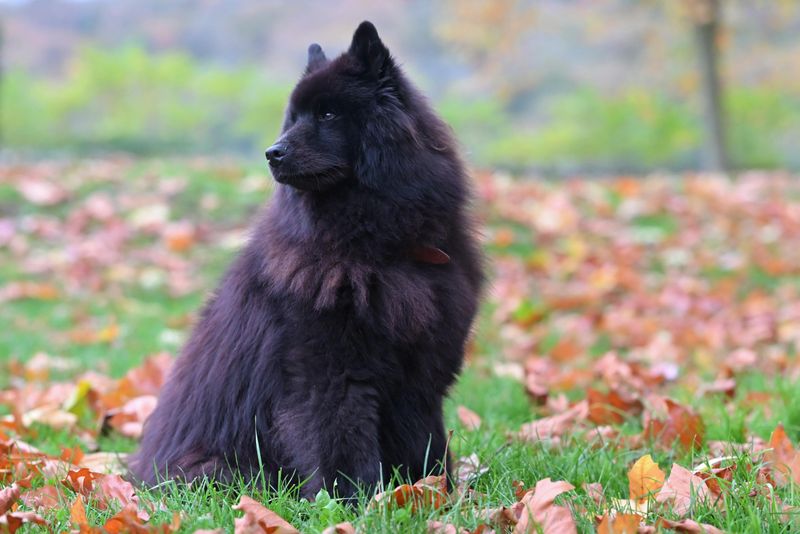
Chows appear regal and independent, yet they often attach deeply to one person. When left, that loyalty can morph into worry, leading to drool, pacing, or low grumbles.
Calm consistency helps. Practice neutral exits, avoid last-minute excitement, and reward relaxed behavior.
Focus on brain work. Use stuffed Kongs, lick mats, and scent trails to keep the mind busy.
Short training bursts before leaving build confidence and predictability. Create a cool, quiet resting area away from street noise.
Daily brushing becomes more than grooming. It is bonding time that reduces stress before alone periods.
Gradual desensitization is key, plus white noise or gentle music. Consider professional guidance if barking or destruction persists.
Basenji
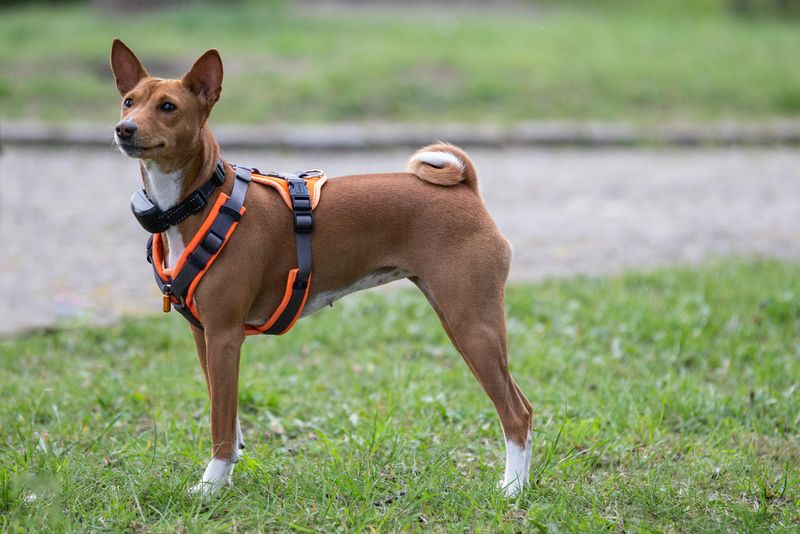
Basenjis are famed for independence and quiet, but absence can trigger yodels and mischief. They thrive on routine, scent work, and freedom to explore safely.
Before leaving, provide a sniffy walk or flirt pole session to satisfy energy without overstimulating.
Work on calm alone time gradually. Start with seconds behind a baby gate, build to minutes, and reward settled behavior.
Food puzzles that release slowly help stretch focus. Rotate safe chews so novelty stays high.
Keep departures unremarkable. No big speeches, just a cue phrase and consistent routine.
Use cameras to spot stress patterns. If vocalization spikes, step back in duration and rebuild steadily, pairing solitude with positive outcomes.
Afghan Hound
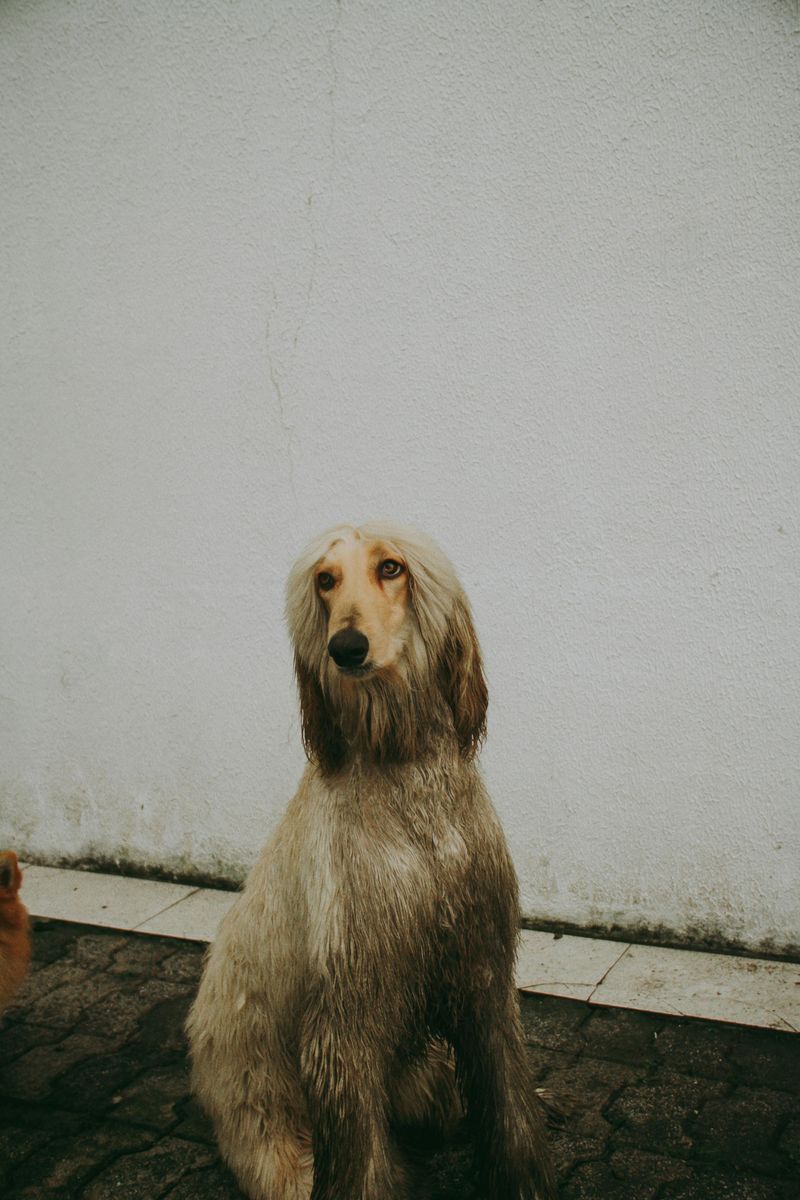
Afghan Hounds look aristocratic and detached, yet they feel separation keenly. Their sensitive nature means abrupt goodbyes can unsettle them, leading to restlessness or vocalizing.
Gentle exercise followed by calm decompression sets a better tone before you leave.
Focus on low-pressure enrichment. Lick mats, snuffle mats, and quiet scent games suit their softer temperament.
Practice door routines with progressive desensitization, pairing your cues with treats and soothing music.
Keep grooming time comforting rather than fussy. It strengthens trust and may reduce anxiety later.
Offer a comfy, draft-free resting spot with your worn T-shirt for familiar scent. If distress escalates, consult a force-free trainer for a tailored plan.
Akita
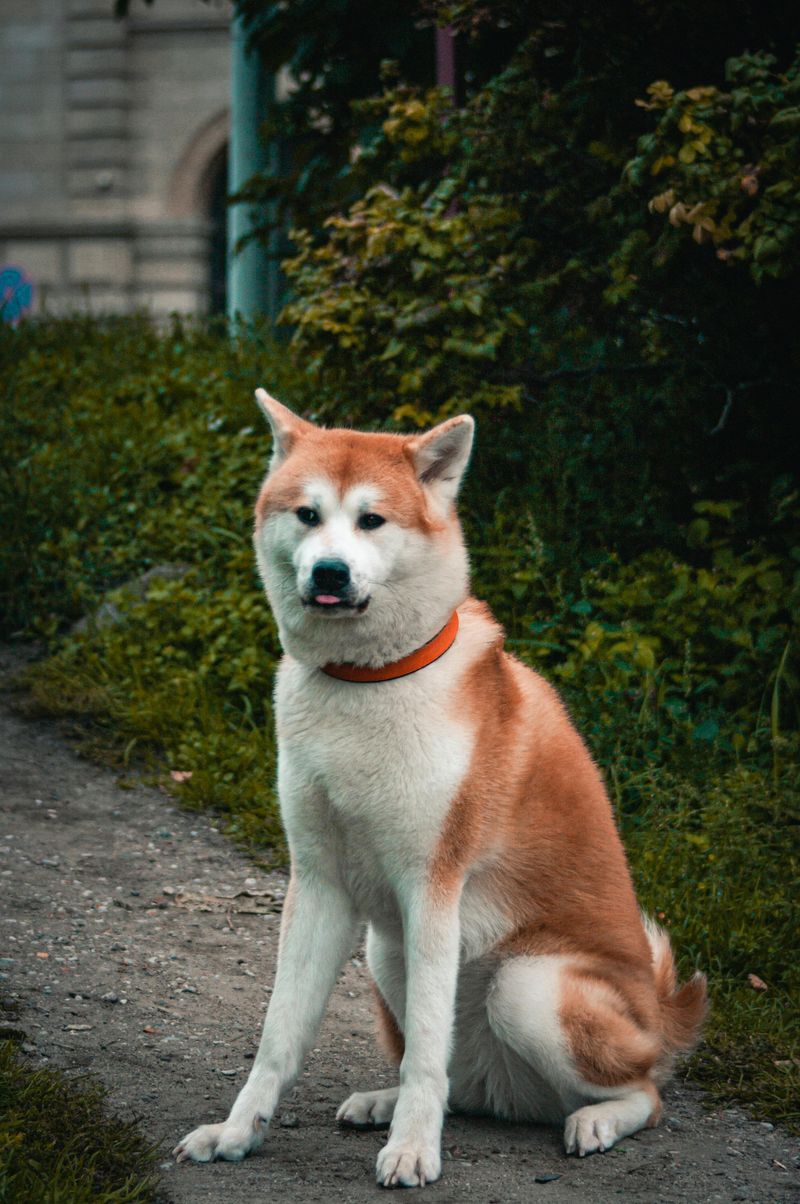
Akitas seem stoic, but they are loyal guardians who dislike being left. Without structure, worry may show as door guarding, pacing, or low murmurs.
Give a clear pre-departure routine with place training and a long-lasting chew to anchor calm.
Exercise matters, though balance is key. A controlled walk and impulse-control drills tire body and brain.
Start alone-time training in tiny increments, reinforcing relaxed downs, then extend duration gradually. Avoid punishing anxious behaviors, which can worsen fear.
Use white noise to mask triggers. Provide tough chews, food puzzles, and scent-based activities.
Cameras help you adjust timing. If anxiety persists, consider veterinary guidance for a multi-pronged plan supporting confidence and predictability.
Greyhound
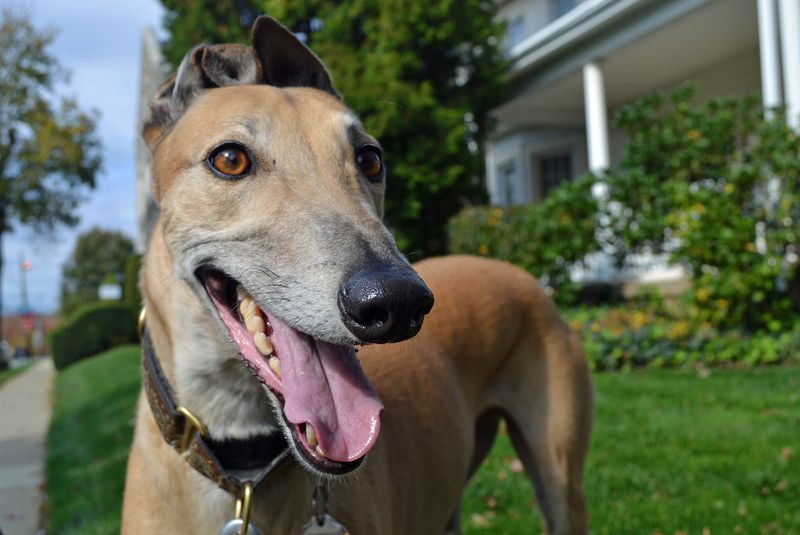
Greyhounds often appear chill, yet many struggle with silence after busy kennel lives. When left, they may pant, whine, or shadow you beforehand.
Build independence with mat training, brief out-of-sight moments, and calm rewards for staying settled.
Enrichment should be low arousal. Snuffle mats, slow feeders, and gentle foraging keep minds engaged without ramping energy.
A short walk plus decompression sniffing before departure helps reduce tension.
Keep greetings and exits casual. Use background sound to soften hallway noises.
Rotate safe chews and consider a lightweight anxiety wrap if recommended. Track progress on a camera.
If signs persist, a force-free trainer can individualize protocols and timelines.
Whippet
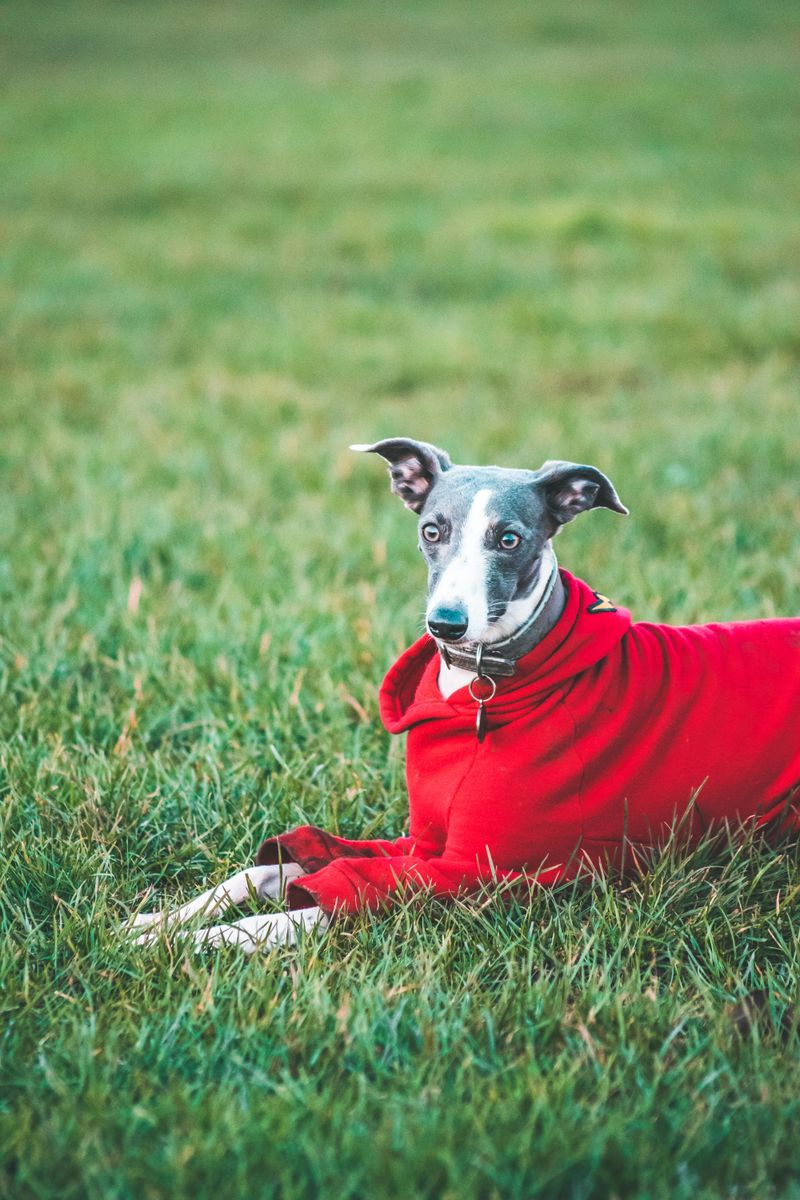
Whippets are affectionate shadows who nap hard and love harder. That closeness can flip to distress when you leave.
Prevent rehearsing panic with tiny solo moments during the day, gradually lengthening while reinforcing calm on a cozy bed.
Keep activities soothing. Lick mats, gentle nosework, and controlled fetch satisfy needs without overstimulation.
A warm, draft-free nest helps these thin-coated dogs relax. Pair your exit cues with quiet music for predictability.
Exercise smartly. Short sprints followed by sniffing and settling practice create balance.
On return, keep things neutral to avoid dependency on dramatic reunions. If whining or scratching grows, scale back duration and progress more slowly.
Dachshund
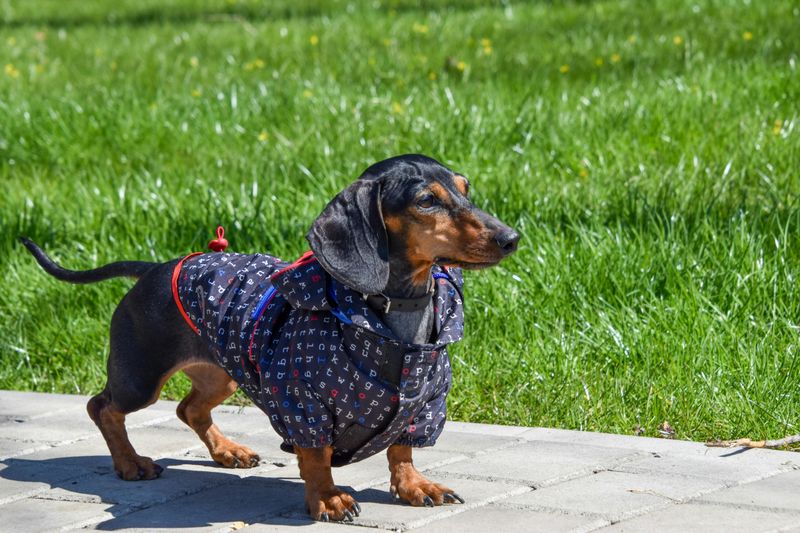
Dachshunds act brave and independent, but many feel uneasy when their person vanishes. Expect barking, door digging, or toy destruction if they get overwhelmed.
Channel their hunting smarts with scent games, hidden treats, and puzzle feeders before you head out.
Desensitize gently. Pick up keys without leaving, step outside briefly, return quietly, and reward calm.
A safe pen with cozy bedding prevents pacing and reduces access to chewable temptations. Rotate sturdy chews to sustain focus.
Keep departures boring and consistent. Provide background sound to buffer hallway noises.
If they burrow, offer a covered bed for security. Track progress with a camera and adjust duration gradually based on their body language.
Shar Pei
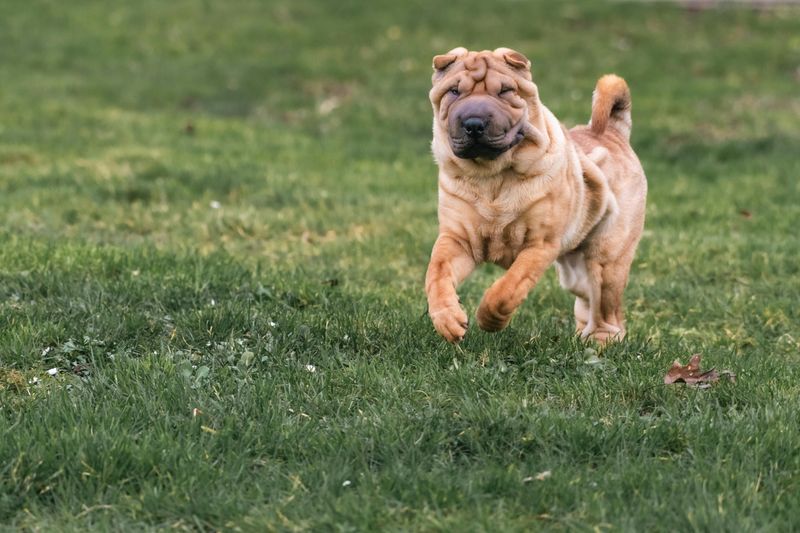
Shar Pei often appear self possessed, but attachment runs deep. When alone, some pace, drool, or vocalize softly.
Establish predictable routines, including calm departures and understated returns. Reinforce place commands with quiet rewards to build confidence in staying.
Enrichment should satisfy their thoughtful nature. Use food puzzles, scent trails, and gentle obedience refreshers.
Avoid overly exciting play before leaving, which can rebound into agitation. A cool, comfortable space and white noise can ease environmental triggers.
Gradually extend solo time. Start with seconds, then minutes, always rewarding relaxation.
Monitor with a camera to catch early signs. If anxiety persists or escalates, consult a force-free professional for tailored strategies.
Alaskan Malamute
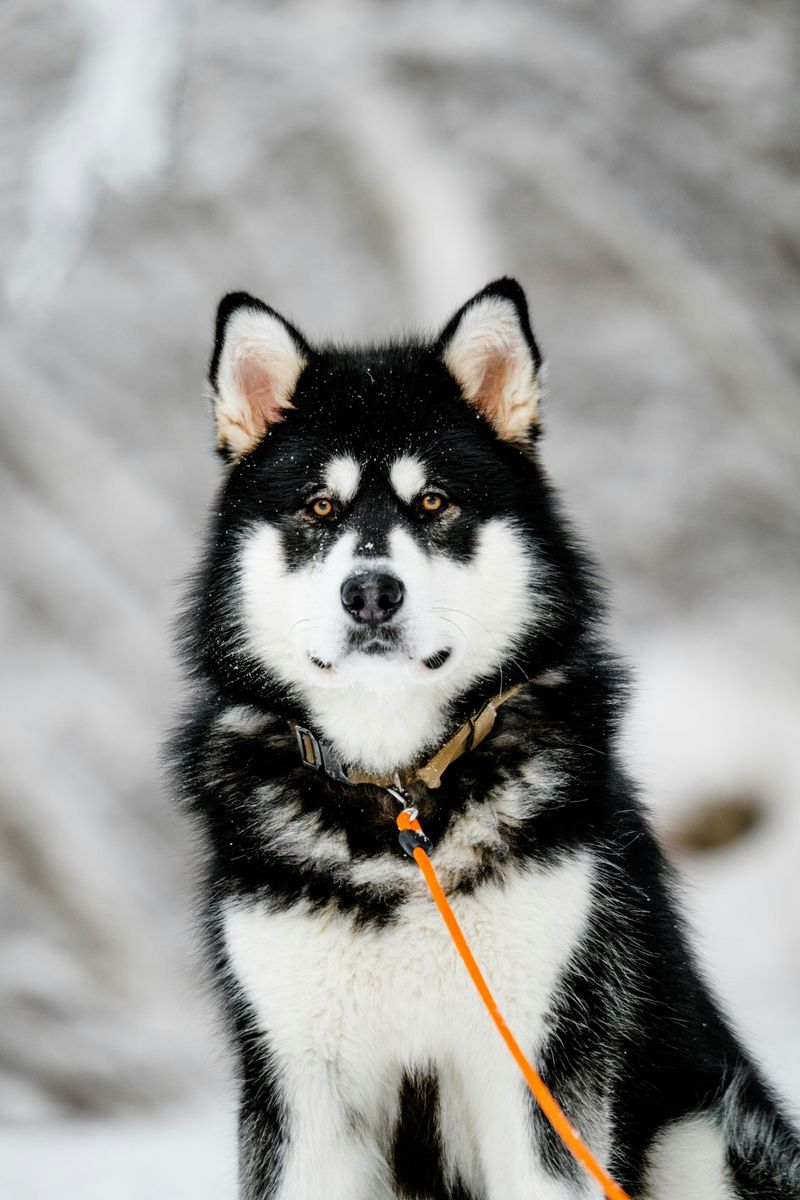
Malamutes are hardworking and social, often masking neediness with confidence. Left alone, they can sing, chew, or try to redecorate with fluff.
Tire body and brain first with a structured walk, brief pulling practice, then calm decompression before you go.
Provide heavy duty enrichment. Frozen Kongs, marrow bones, and durable puzzles channel that big drive appropriately.
Use gates to limit door fixation and create a defined relaxation zone. Keep exits and returns quiet, predictable, and low energy.
Practice short absences daily. Build duration only when calm is consistent.
Consider white noise to mute neighborhood sounds. If destructive streaks continue, a trainer can refine protocols and timing for lasting progress.
Siberian Husky
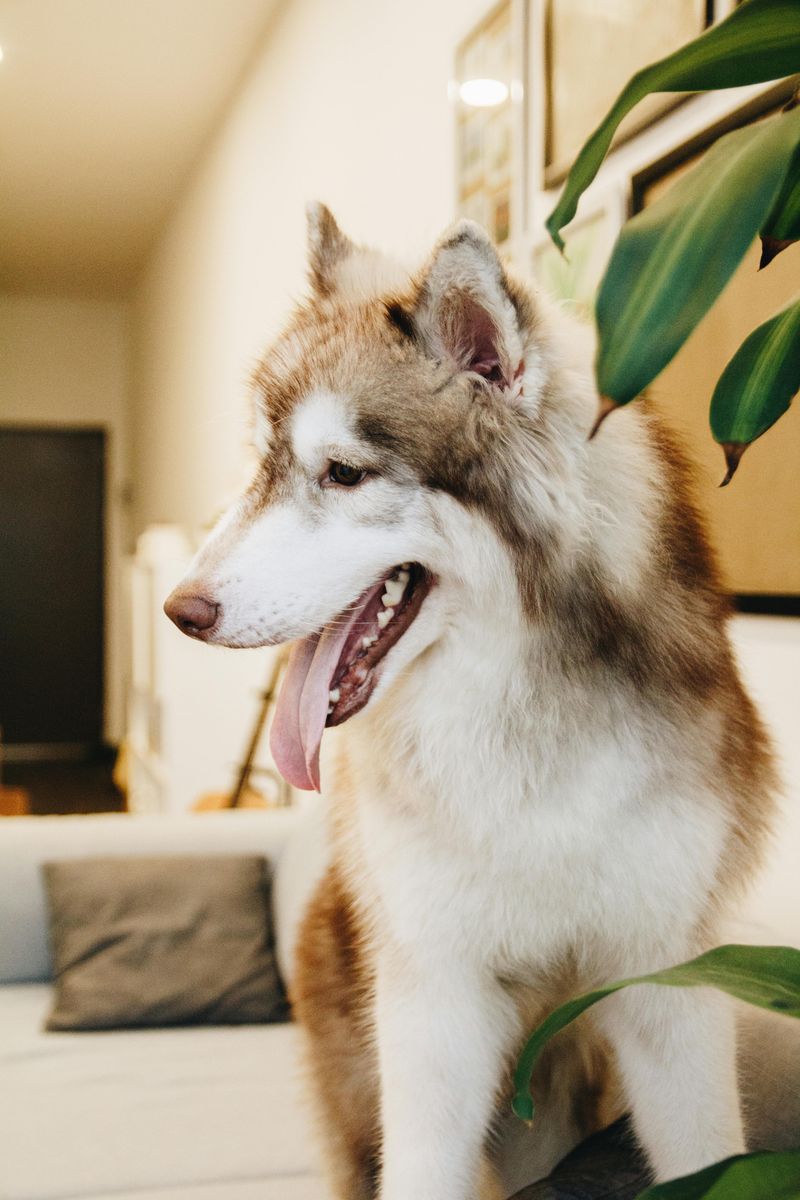
Huskies act independent, but many hate solitude. Expect dramatic vocals, door scratching, or escape attempts if needs go unmet.
Front-load activity with a brisk walk and sniffing, then settle with a stuffed Kong to lower arousal before you leave.
Work on crate or station training positively, never as punishment. Use gradual desensitization with out-of-sight moments and calm rewards.
Background noise can reduce trigger sounds. Rotate chew projects to sustain focus longer.
Keep returns casual, avoiding excited reunions that fuel anticipation. Cameras help tailor duration and timing.
If anxiety impacts safety or neighbors, seek a force-free trainer or veterinary input for a supportive, stepwise plan.
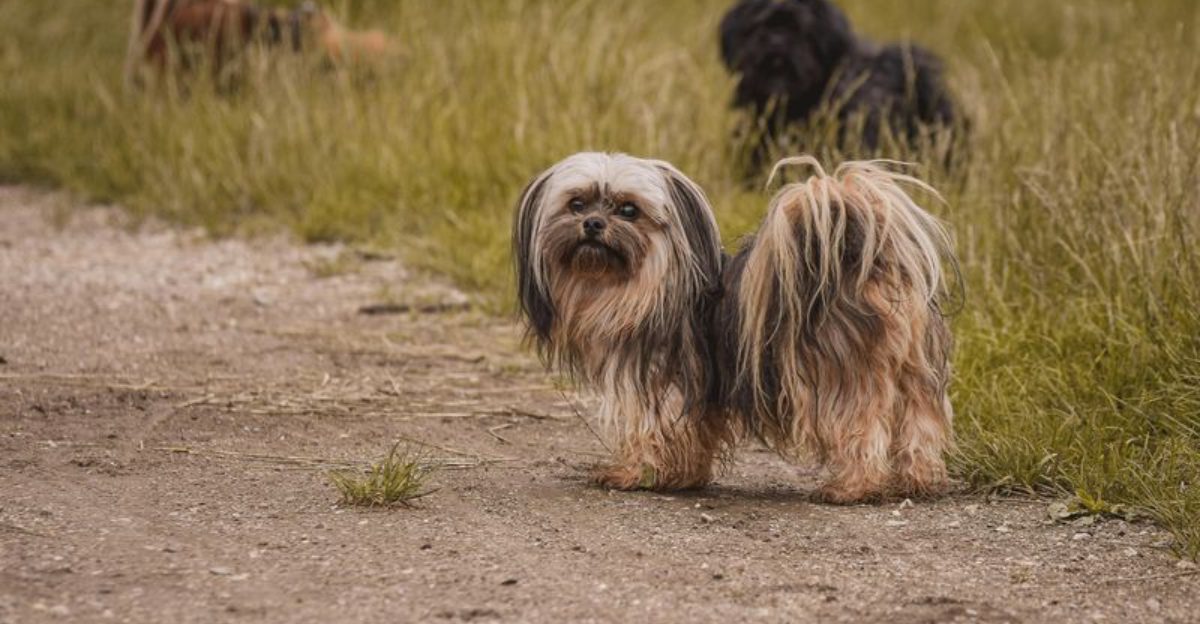
Lhasa Apso
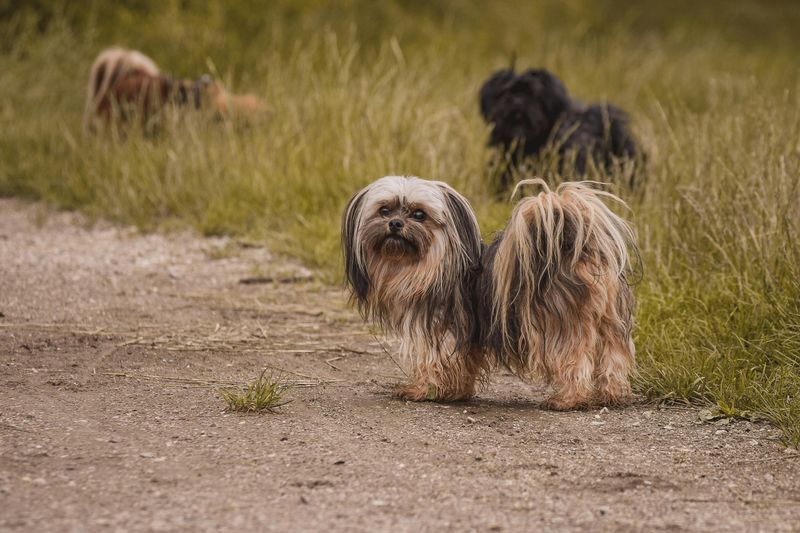
Lhasas look serene and self guided, yet they are devoted companions. When left, that devotion can flip into worry, leading to barking or door scratching.
Build independence with short, frequent alone reps, pairing your exit cues with treats and calm music.
Enrichment should be gentle and engaging. Nosework, slow feeders, and trick training sessions offer focus without chaos.
A soft den-like bed near interior walls helps dampen street noise and creates security.
Grooming doubles as bonding. Keep sessions soothing to lower baseline stress.
On return, greet neutrally, then reward settling. If anxiety persists, enlist a positive trainer to customize steps and track progress with video.
Scottish Terrier
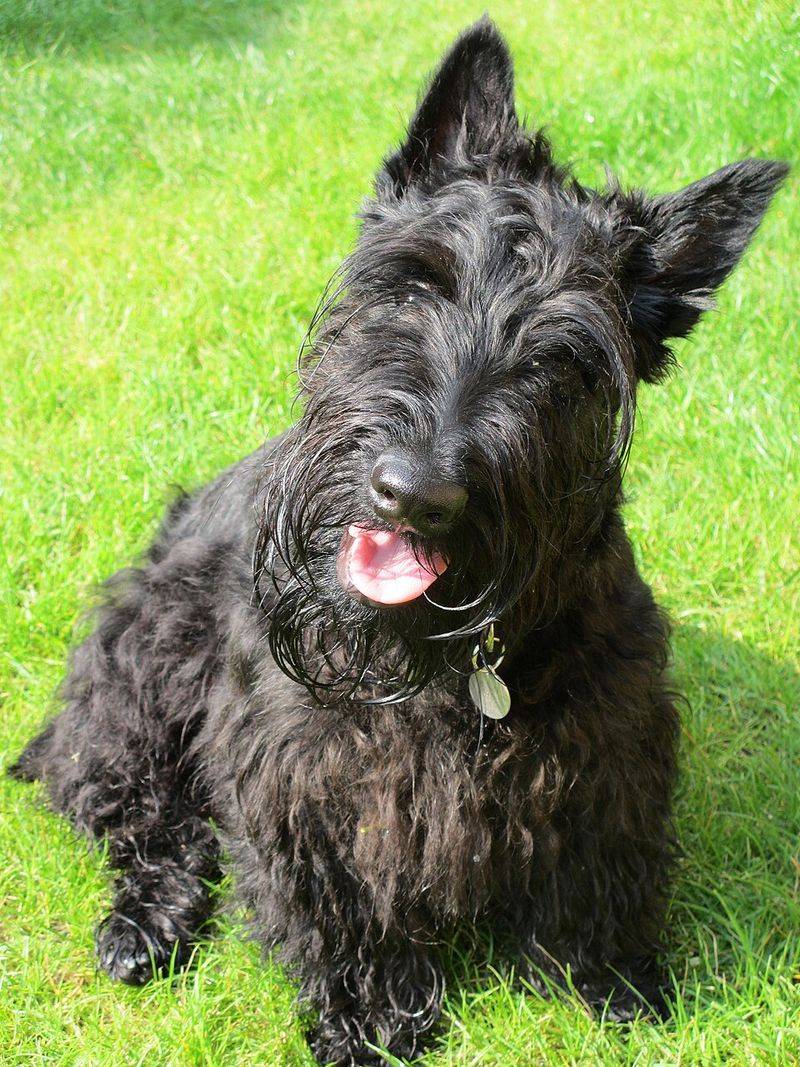
Scotties wear independence like armor, but attachment still runs strong. Alone, some bark, pace, or dig at thresholds.
Give them jobs before you leave, like sniffy hide-and-seek or a puzzle to unlock confidence and focus.
Practice calm stationing on a mat with quiet rewards. Build duration slowly, from seconds to minutes, avoiding big exits or fanfare on return.
Use white noise and interior positioning to buffer street activity. Rotate novel chews to maintain interest.
Training should be firm yet kind. Punishment fuels anxiety and stubbornness.
Keep routines consistent, and track progress via camera. If patterns plateau, seek a force-free professional for targeted strategies.
Saluki
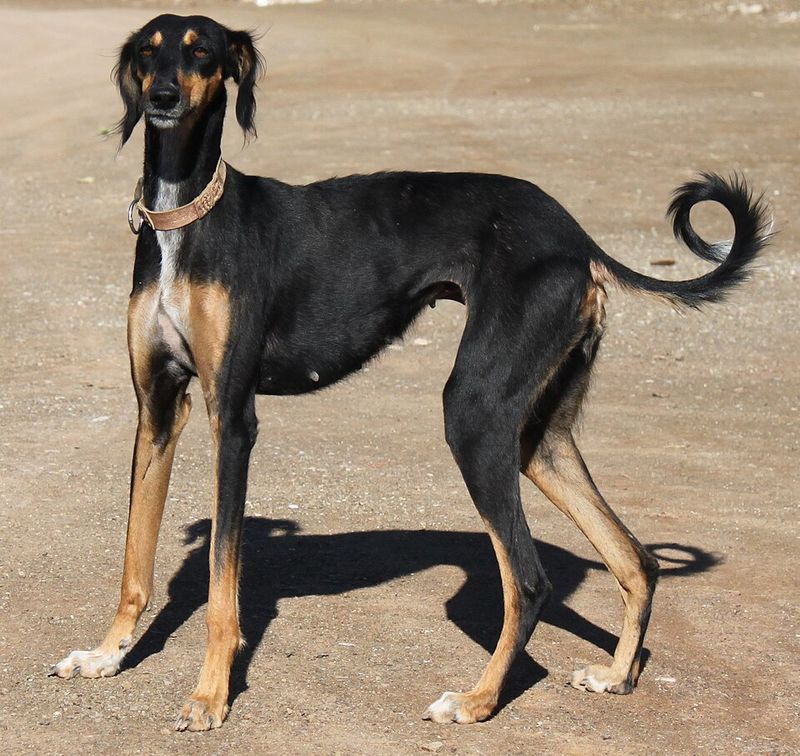
Salukis exude elegance and restraint, but solitude can feel heavy. They may pant, pace lightly, or watch the door endlessly.
Set a soothing routine with soft music, a comfy nest, and gentle enrichment like snuffle work before you leave.
Train independence gradually. Practice brief out-of-sight moments, pay for calm with tiny treats, and return at or before the first stress signs.
Avoid hyping departures. Keep greetings subdued to prevent anticipation spirals.
Exercise with balance. Short sprints plus decompression sniffing, then a relaxing chew, prepare the mind for rest.
If anxiety lingers or worsens, collaborate with a force-free trainer and your vet to build a thoughtful, humane plan.