
You want a dog that notices everything but does not turn your living room into a nonstop alarm. Great news: some breeds are naturally vigilant, steady, and impressively polite with their voices.
These dogs read the room, cue off you, and save their bark for when it truly matters. Let’s explore the breeds that balance sharp awareness with peaceful confidence.
Akita
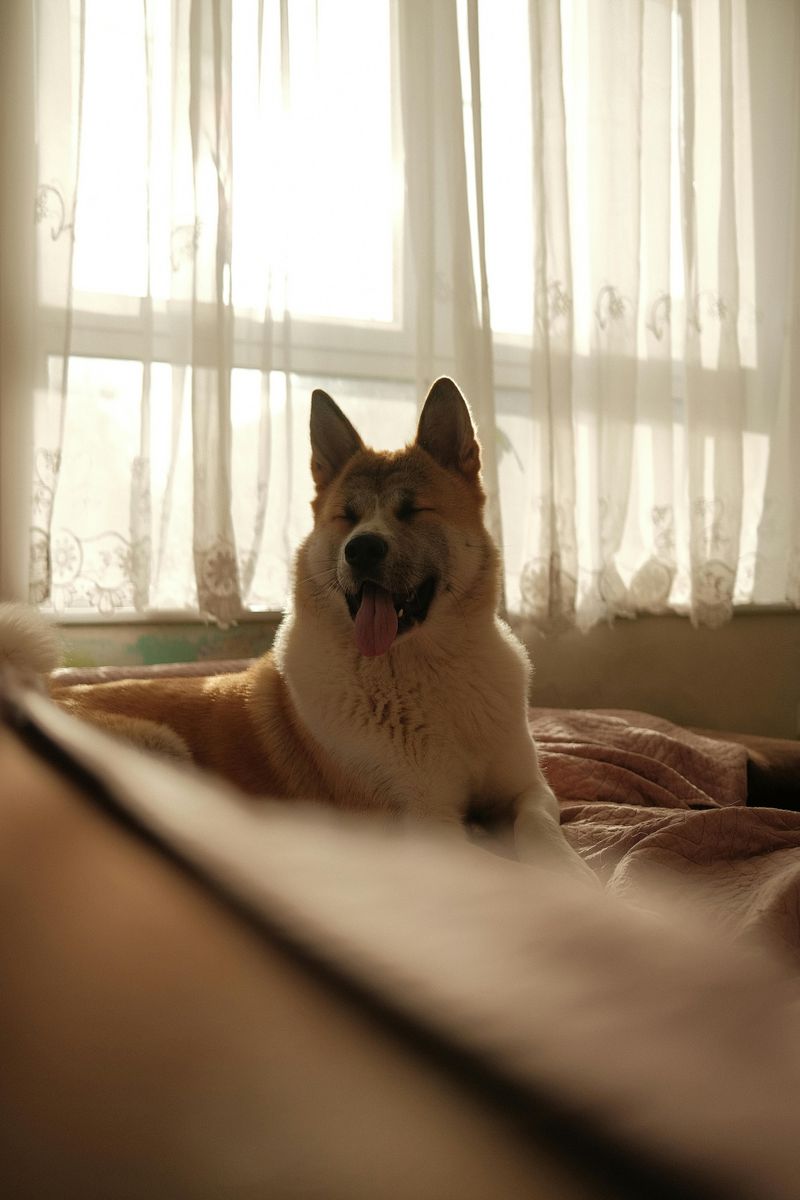
Akitas are famously watchful without being noisy, reading subtle shifts in your environment and body language. They bond closely with family, often placing themselves between you and a perceived concern, then waiting before reacting.
That thoughtful pause is what keeps the volume down while keeping vigilance high.
Training with calm consistency builds their already solid judgment. They do not need to announce every squirrel, but they will notice, file it away, and carry on.
Early socialization helps them sort friend from fuss, so true alerts stand out clearly.
Daily mental work and purposeful exercise prevent restlessness that could spark unnecessary barking. You will get steadfast presence, quiet confidence, and a home guardian who speaks up only when it counts most.
Shiba Inu
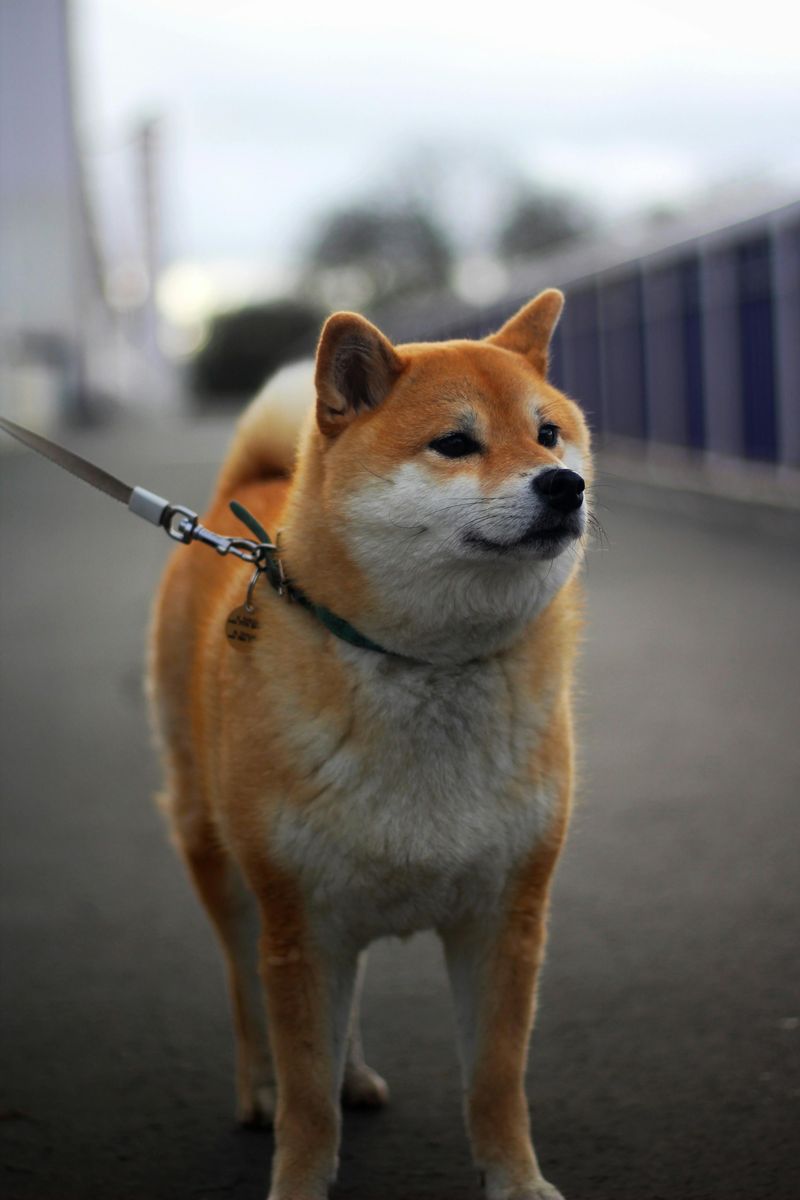
Shiba Inus are keen observers with a catlike sense of personal space, preferring to watch before reacting. They are famous for the dramatic Shiba scream, yet day to day they tend to conserve bark for meaningful moments.
That restraint pairs nicely with an apartment or calm household.
Give them structure, puzzle toys, and clear routines so curiosity does not become chatter. Socialize early to reduce suspicion and fine tune their alerting instincts.
You will notice they clock every sound, from a door click to a new neighbor, then quietly assess.
Because they are independent, positive reinforcement and patience are essential. Keep training short and engaging.
The payoff is a witty, self-possessed companion who stays tuned in without stirring up constant noise.
Belgian Malinois
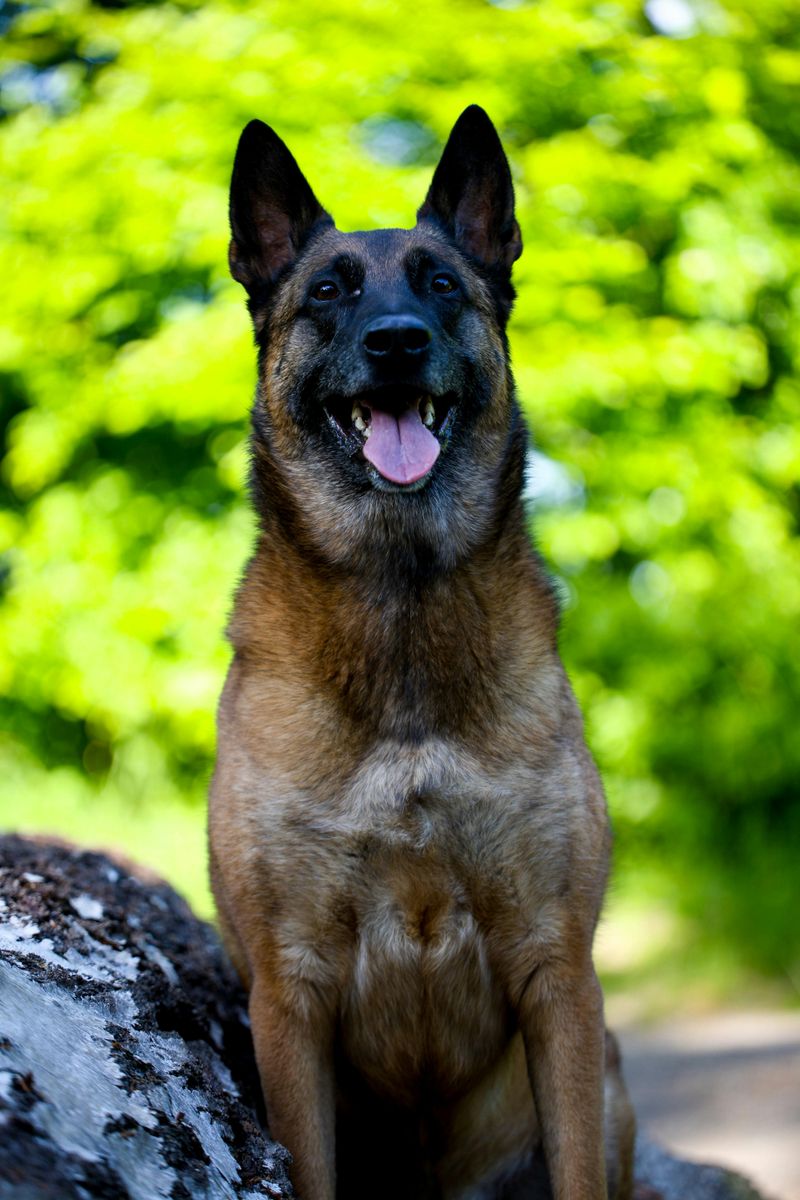
Belgian Malinois are razor focused and hyper aware, but well bred lines channel that energy into tasks rather than noise. With structure and daily work, they stay alert, scanning silently until a clear cue or genuine threat appears.
That measured response makes them exceptional partners.
They thrive on jobs like scent games, obedience, and agility, which satisfy their brain and reduce restless vocalizing. Handlers who give clear boundaries see a calm, watchful dog at home.
When necessary, they can switch on quickly and decisively.
Socialization broadens their vocabulary for what is normal versus notable. You will get a quiet sentinel beside you, ready to move when asked.
It is a powerful combination for experienced owners committed to training.
German Shepherd Dog
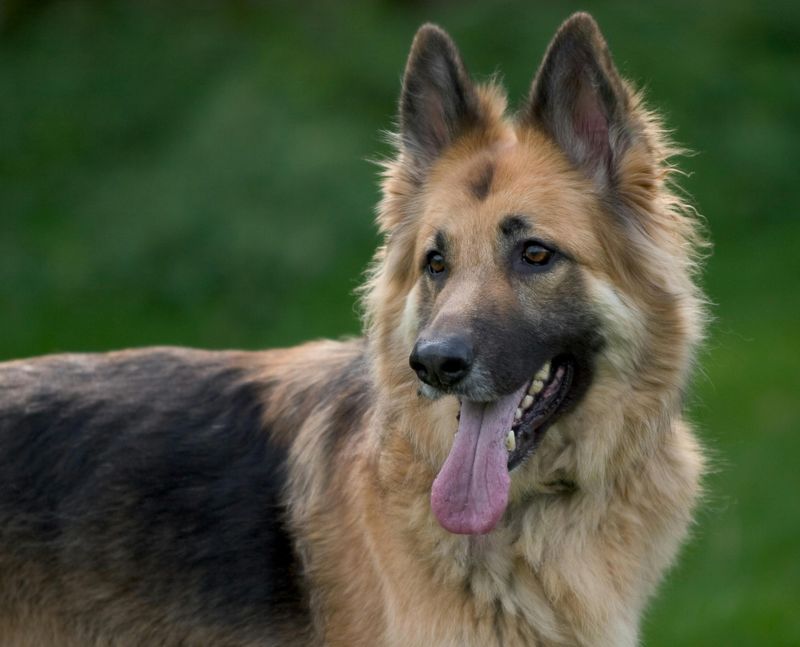
German Shepherd Dogs balance sensitivity with self control when properly bred and trained. They catalog household rhythms and learn when to stay quiet, reserving a deep bark for moments that warrant it.
You will feel the presence of a guardian who does not overreact.
Daily mental challenges, tracking games, and obedience sessions keep their mind satisfied, preventing boredom driven barking. Socialization teaches them to welcome guests calmly while remaining discerning.
They naturally settle near doors or windows, quietly monitoring.
Consistency matters. Clear rules and confident handling produce a steady, low noise companion.
With adequate exercise and purpose, their alertness becomes a soothing layer of security rather than a soundtrack of yaps.
Doberman Pinscher
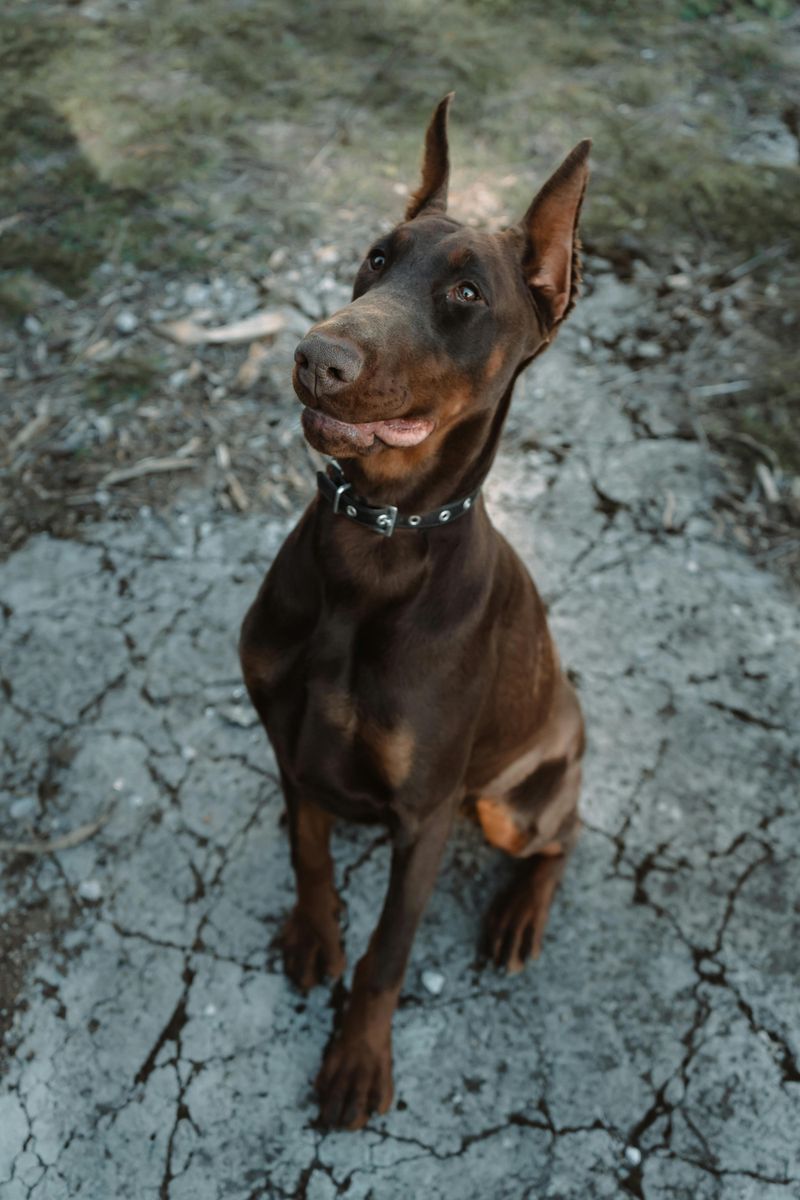
Doberman Pinschers are tuned to human routines and often choose stillness over sound. They will notice everything outside the window yet hold their bark until intent is clear.
That restraint, paired with devotion, makes them excellent quiet guardians for urban life.
Confident leadership and reward based training nurture their judgment. Teach a “thank you” cue to end brief alerts, reinforcing the calm you want.
Structured exercise channels energy into muscle, not mouth.
Because they are extremely people focused, they relax when you do. Socialize widely to prevent unnecessary suspicion.
The result is a poised companion who steps forward when necessary and otherwise watches the world with elegant silence.
Rhodesian Ridgeback
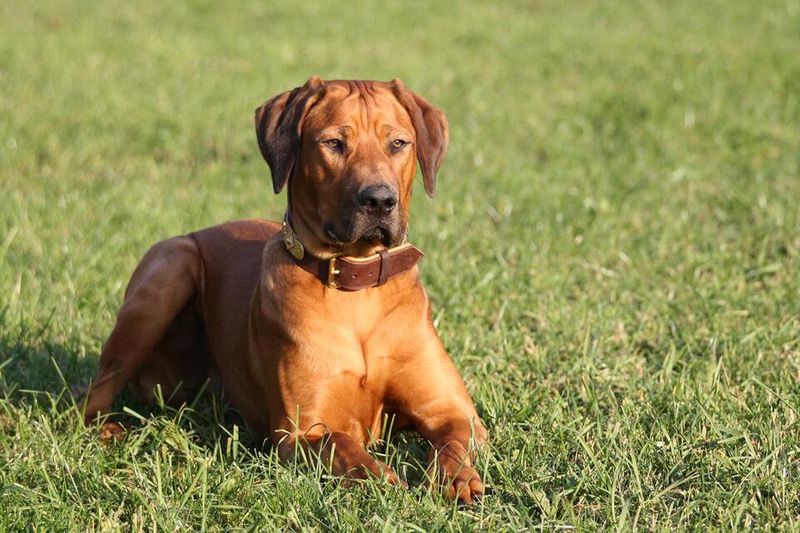
Rhodesian Ridgebacks are famously chill indoors yet always aware. They track movement with their eyes first, then body, saving their voice for rare, meaningful alerts.
This unflappable vibe suits families who prefer quiet confidence to constant commentary.
Give them solid recall, boundary training, and routine exercise to keep impulse control sharp. They do not need to narrate every passerby when they understand the plan.
Socialization with people and dogs builds easygoing judgment.
Expect a dog that parks themselves where they can see everything, then naps until something truly changes. You get the best of both worlds: athletic adventures outside and hushed vigilance at home.
Fewer false alarms, more trustworthy signals.
Giant Schnauzer
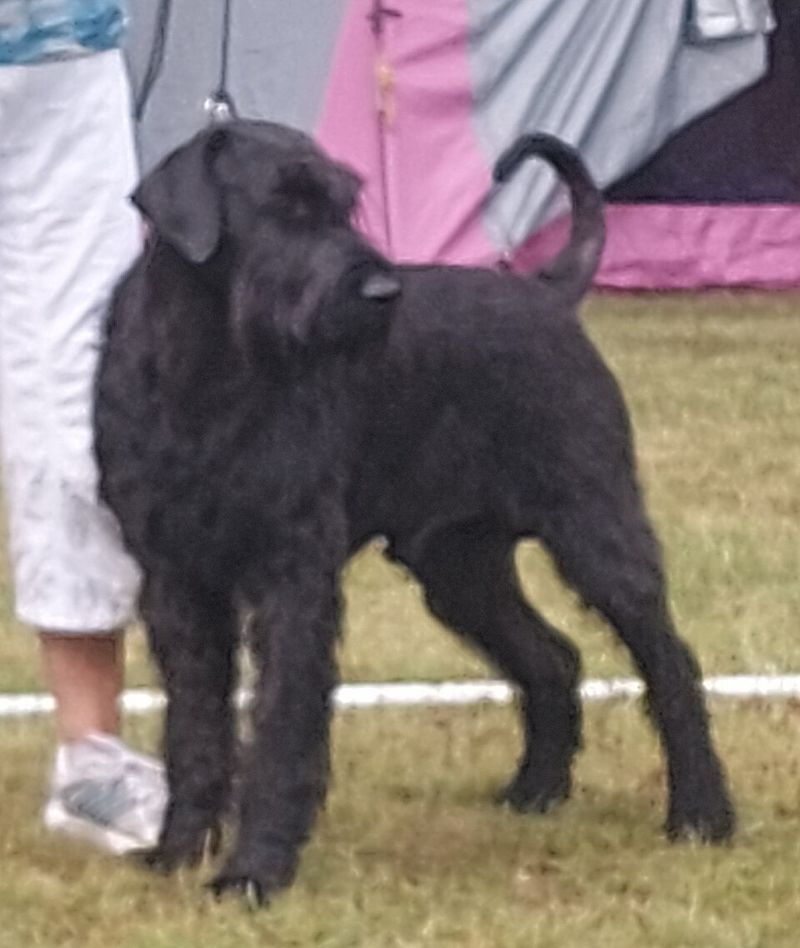
Giant Schnauzers are decisive thinkers with a default of measured silence. They scan first, then choose whether a response is warranted, which keeps barking purposeful.
In the right hands, they become steady household managers who rarely sound off without cause.
They need consistent training, impulse control games, and meaningful work like scenting or carting. That structure tamps down frustration barks.
Social exposure helps them interpret daily life with nuance.
Regular grooming sessions can double as calm handling practice, reinforcing patience. You will appreciate a dog that posts up by your side, observing rather than overreacting.
When they do vocalize, it is your cue something genuinely changed, not another routine delivery truck.
Beauceron
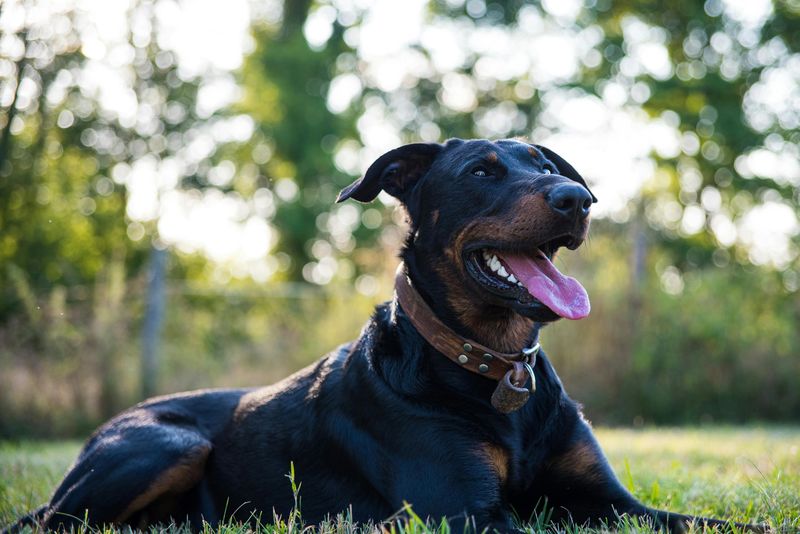
Beaucerons excel at calmly processing complex scenes, a trait from their herding and guarding heritage. They tend to observe in silence, intervening only when a boundary is crossed.
That self possession makes them superb companions for people who value quiet assurance.
Focused training and off leash reliability work pay big dividends, reducing any anxious vocalization. Socialization teaches them to read crowds, bikes, and kids with relaxed clarity.
Mental tasks like tracking and obedience keep their mind satisfied.
They bond deeply and prefer to solve problems beside you. Expect a steady presence that checks doors with their eyes more than their voice.
When they speak up, you will know it matters.
Dutch Shepherd
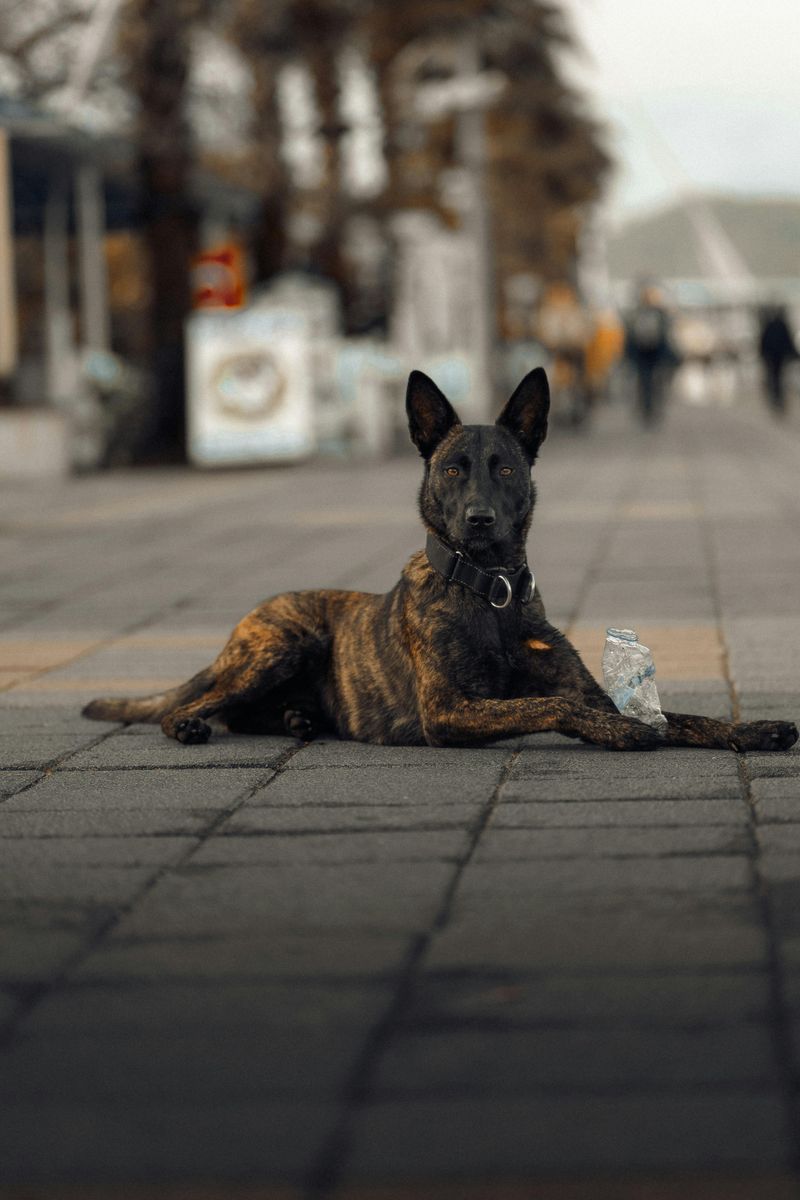
Dutch Shepherds are thinkers first, barkers second, especially when their brains are engaged daily. They catalog patterns and choose actions deliberately, which keeps alerts precise rather than constant.
You get a dog that notices the cyclist, decides it is normal, and keeps moving.
Provide scent work, obedience, and real tasks to channel drive. Clear routines smooth out reactive edges.
With that foundation, their voice becomes a tool, not a habit.
Socialize early to broaden their definition of ordinary. They will stick close, scanning quietly until you ask for more.
The combination of agility, intelligence, and restraint makes them excellent companions for active, thoughtful households.
Australian Cattle Dog
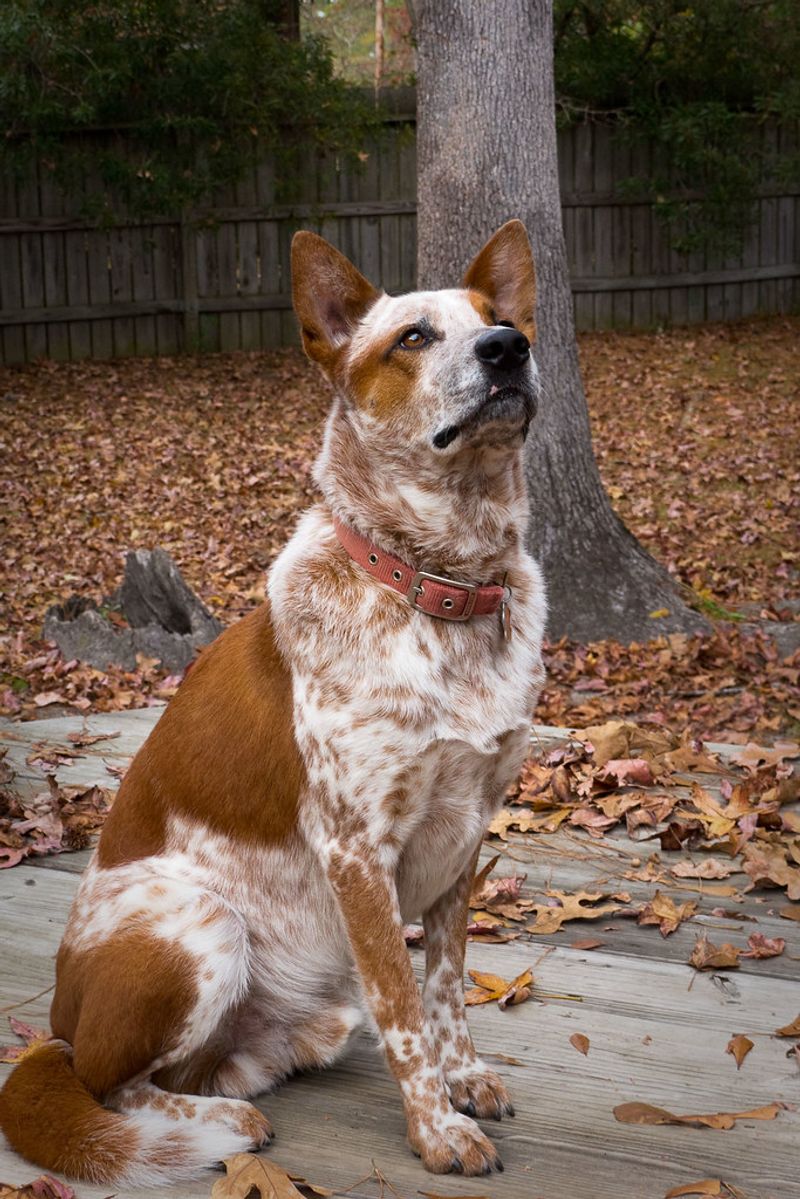
Australian Cattle Dogs are practical problem solvers who typically save noise for real work. Given jobs and exercise, they prefer silent focus to chatter.
That ranch born mindset adapts well to neighborhoods when routines are clear.
Teach an on off bark cue so alerts are brief and purposeful. Mental games like nosework and trick training satisfy their drive without stoking vocal habits.
They will patrol the yard with their eyes, not their voice, if needs are met.
Socialization prevents suspicion from turning into commentary. Expect a compact, resolute partner who notices everything and speaks only when input is truly useful.
Quiet competence is their signature when well managed.
Finnish Spitz
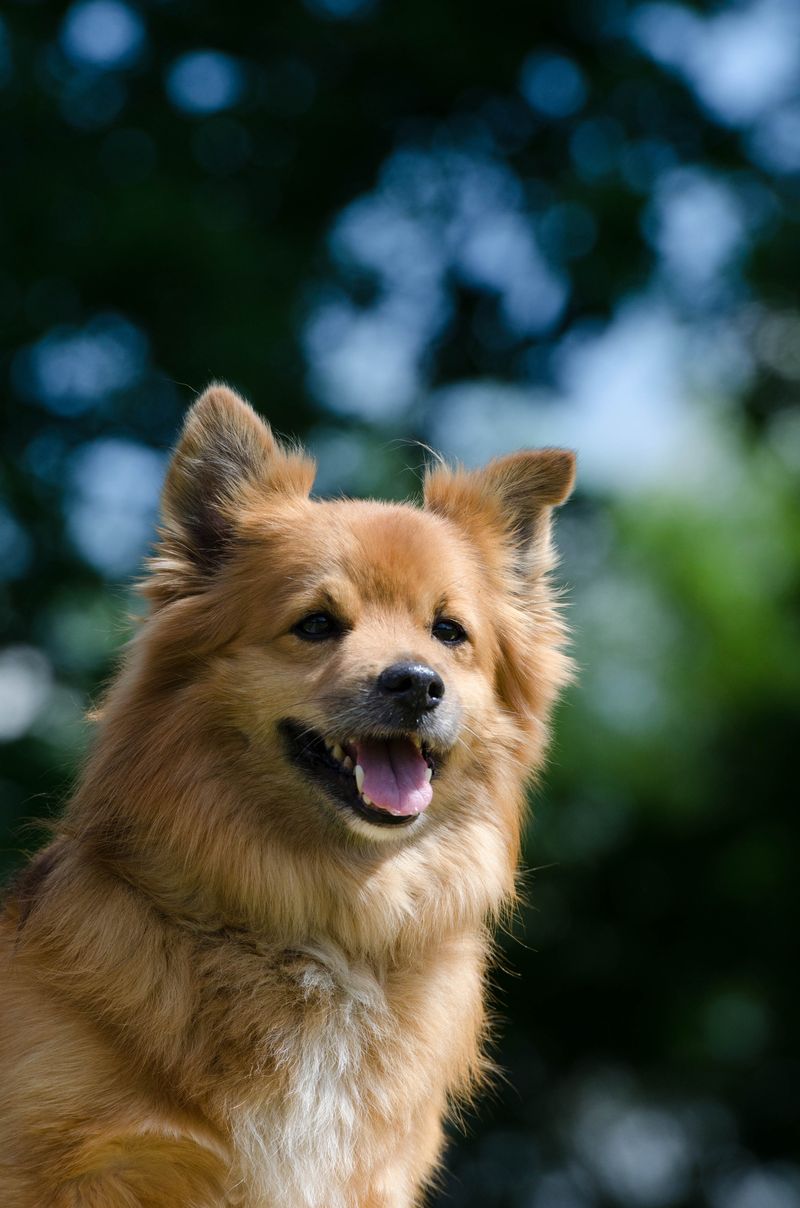
Finnish Spitz are historically used for indicating game by barking, yet at home they can learn measured silence. The key is channeling their natural signaling instinct into cues you control.
With structure, they become bright, observant companions who save vocals for permission moments.
Frequent rewards for quiet watching teach them that calm pays. Nosework and fetch sessions scratch the instinct itch without spiraling into chatter.
Socialization expands their comfort zone, reducing false alarms.
You will see them track birds and neighbors with bright eyes, then check in with you. That partnership mindset turns potential noise into cooperative awareness.
When they alert, it is because you asked or something truly stands out.
Keeshond
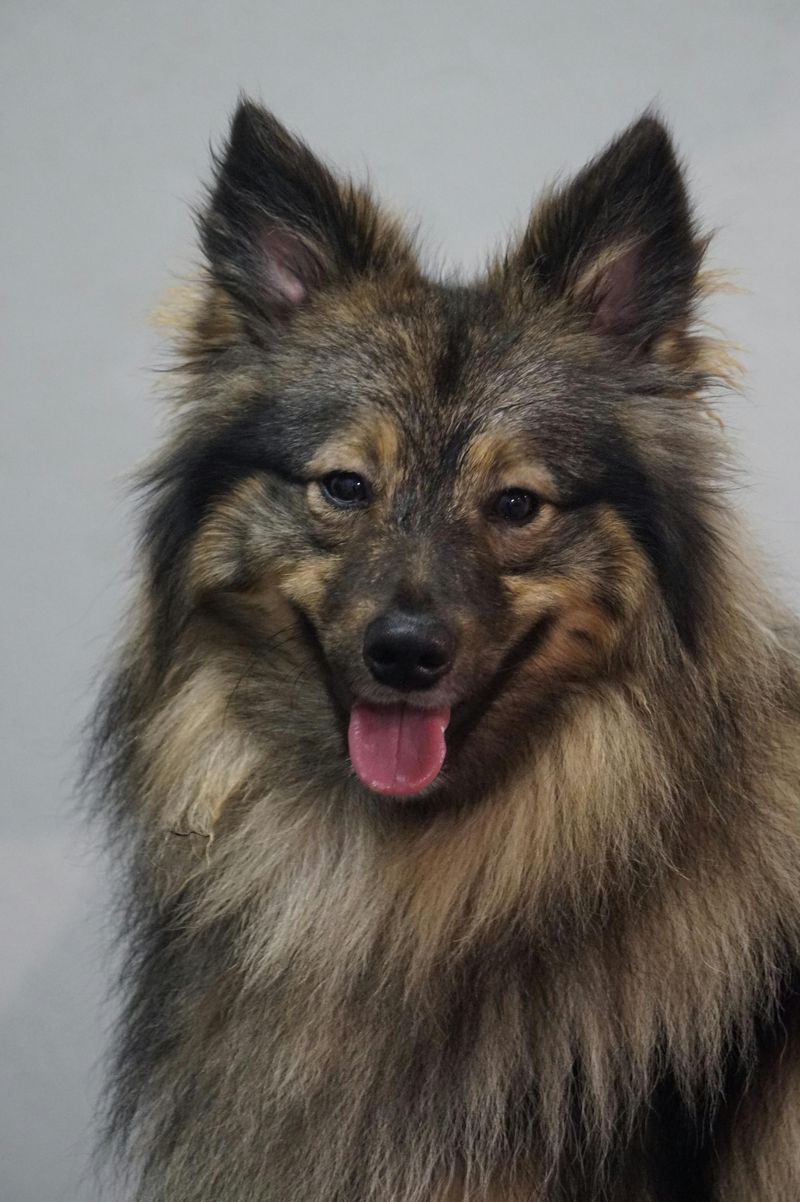
Keeshonden are people centric and quick to notice changes, but they can be politely quiet with guidance. They are natural greeters who learn to welcome without narrating once routines are clear.
Positive reinforcement for calm door behavior turns potential chatter into composed hospitality.
Short training bursts, enrichment toys, and predictable schedules curb excitement barking. Socialization supports confident, friendly judgment so they do not over report ordinary sights.
Their bright expressions often replace vocalizations as they check in.
Expect a dog that shadows your steps, alert yet gentle in volume. When something unusual happens, you will get a concise, purposeful warning.
The rest of the time, it is soft paws and sweet glances rather than a running commentary.
Norwegian Elkhound
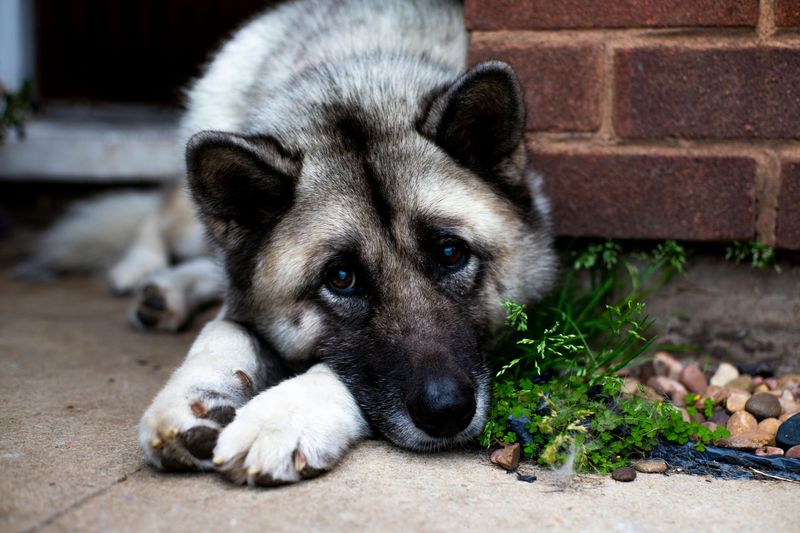
Norwegian Elkhounds are sturdy, perceptive hunters who can adapt to quiet home life with structure. They notice distant movement and sounds, yet they do not have to vocalize every discovery.
Teach a reliable settle and reward silent observation to keep alerts intentional.
Daily hikes and scent games meet their ancestral needs, reducing restlessness that fuels noise. Socialization builds confidence, helping them sort normal from noteworthy.
You will find them posted where visibility is best, calmly surveying.
When they do alert, it is typically clear and brief. Then they return to watch duty without dragging out commentary.
The overall effect is a reassuring, even tempered companion who guards with eyes and judgment more than endless barking.