
Some dogs speak softly, but these vocal legends bring the full soundtrack. If your neighborhood has a running commentary, chances are one of these pups is on the mic.
You will learn why certain breeds were built to broadcast and how that affects daily life. Ready to meet the loudest bark logs around and decide if you can handle the hype?
Finnish Spitz
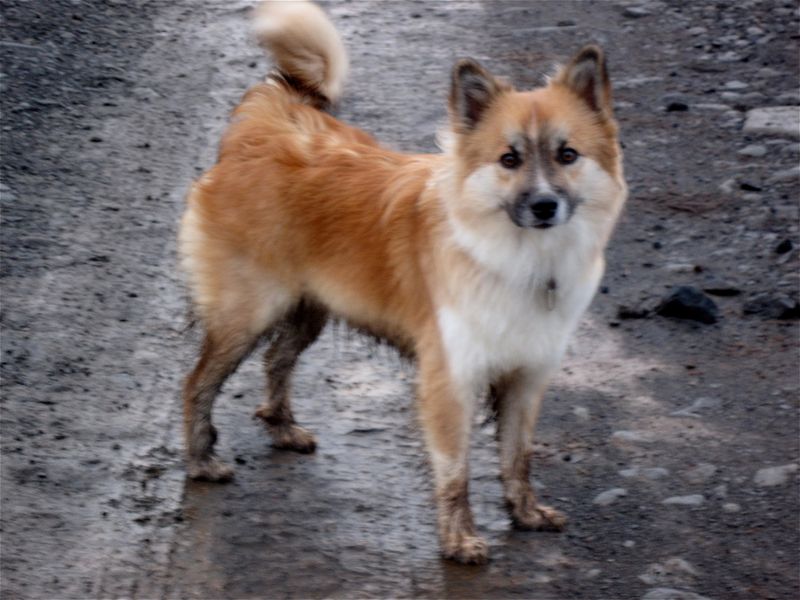
Meet the canine conversation starter of the north. The Finnish Spitz was bred to “yodel” at game birds, guiding hunters with a ringing, staccato bark.
That instinct translates into a lively household narrator who reports every squirrel, leaf, and suspicious delivery truck with enthusiasm.
You will appreciate their bright eyes and quick mind, but volume control is not their strongest trick. Training helps, especially teaching a solid quiet cue and giving a job.
Daily exercise and puzzle games can channel that energy and reduce boredom barking.
They adore family time and thrive when included. If you love spirited chatter, this foxlike friend delivers.
If not, consider thicker walls or a different breed.
Keeshond
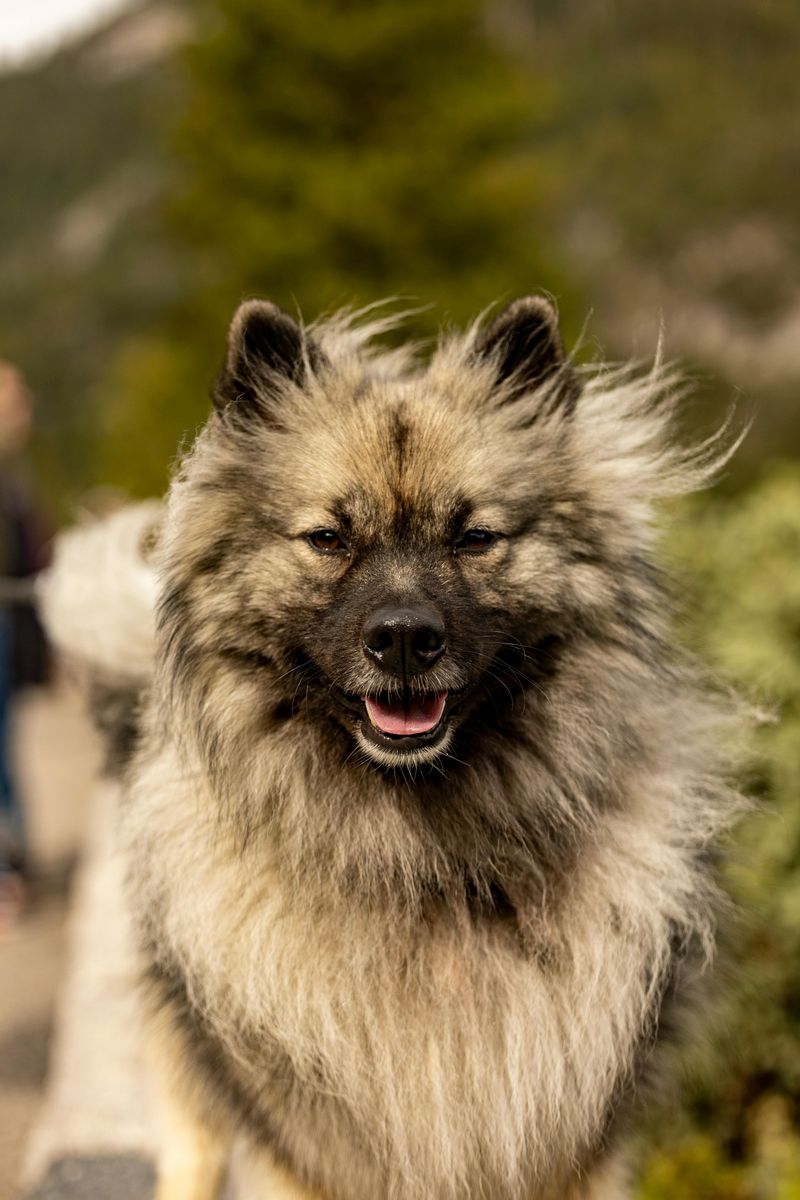
The Keeshond is a watchdog by heritage, famously loyal and famously vocal. Those expressive “spectacles” frame eyes that miss nothing, so you get instant alerts for every creak and shadow.
Expect bursts of enthusiastic woofs that sound like commentary on your entire day.
You can work with it. Reward calm behavior, create quiet zones, and meet their social needs so they do not bark from frustration.
Short, frequent training sessions and predictable routines reduce the impulse to sound the alarm.
They love kids, affection, and being near you. Grooming the plush coat becomes bonding time that also burns mental energy.
With structure, you will keep the soundtrack friendly, not frantic.
American Eskimo Dog
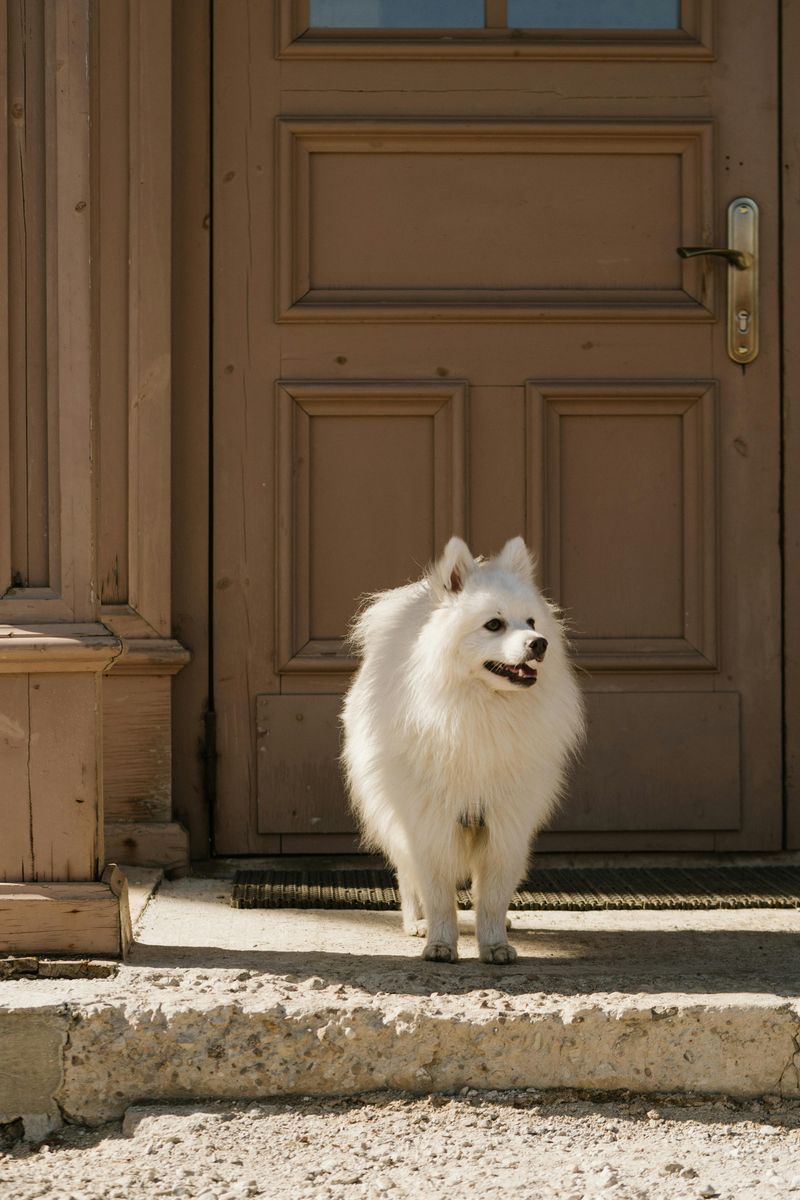
Smart, sparkly, and ready to perform, the American Eskimo Dog treats life like a stage. That means applause often arrives as spirited barking.
They bond closely and warn eagerly, which helps as a watchdog yet tests patience in apartments.
Channel the brain first. Teach a speak and quiet pair, reinforce calm greetings, and give daily problem-solving games.
Physical exercise plus trick training keeps that quick mind satisfied and less likely to announce everything.
These fluffy charmers thrive with attention and clear boundaries. If you provide structure, you get comedy, cuddles, and manageable noise.
If not, prepare for commentary whenever the doorbell twitches.
Bearded Collie
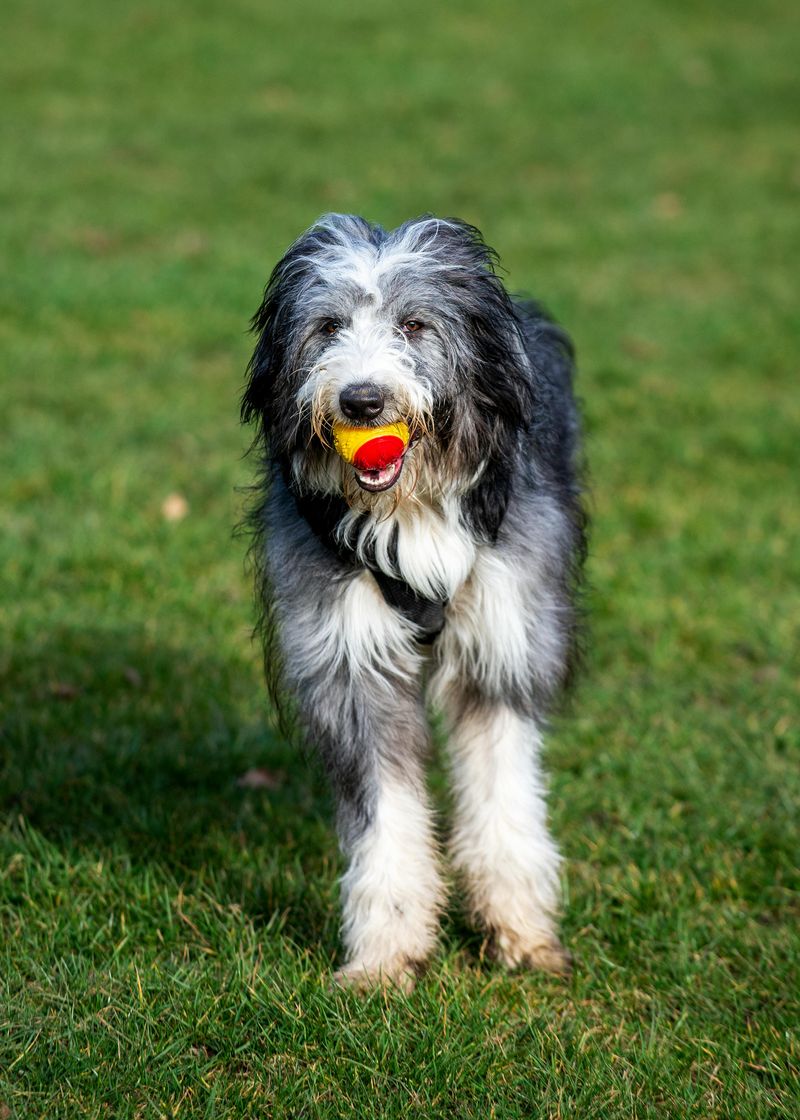
The Bearded Collie herds with motion and voice. That shaggy charisma hides a motor that rarely idles, so excitement often becomes cheerful barking.
They thrive on routine, tasks, and human connection, and they will tell you when their schedule is late.
Give them jobs: scent games, rally, or herding-style games in the yard. Reward quiet focus during high-distraction moments to build impulse control.
Long, brisk walks plus training reps turn the soundtrack from chaotic to purposeful.
They are clowns at heart and astonishingly affectionate. Keep the coat brushed and the brain busy.
Do that, and the voice becomes part of the fun rather than a neighborhood headline.
Harrier
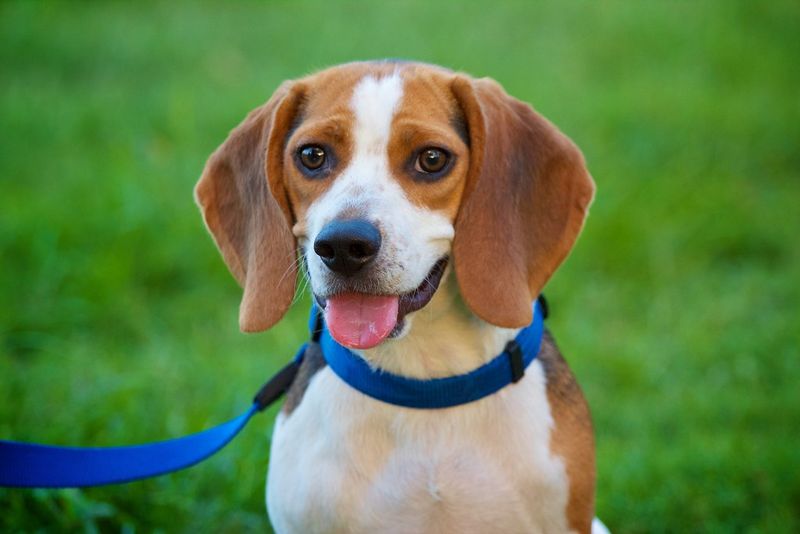
Think Beagle, stretched for stamina, with a voice to match the miles. The Harrier is bred for long hunts in a pack, using baying to coordinate.
That deep chorus still shows up today, especially when a scent trail passes the fence.
Exercise is the volume knob. Long hikes, nosework, and recall games burn energy and satisfy instincts.
Teach quiet after the alert and reward disengagement from triggers like wildlife or passing dogs.
They are upbeat, steady companions who do best with space and structure. If you enjoy an outdoor lifestyle, you will love their enthusiasm.
Apartment dwellers may want soundproofing or a calmer breed.
American Foxhound
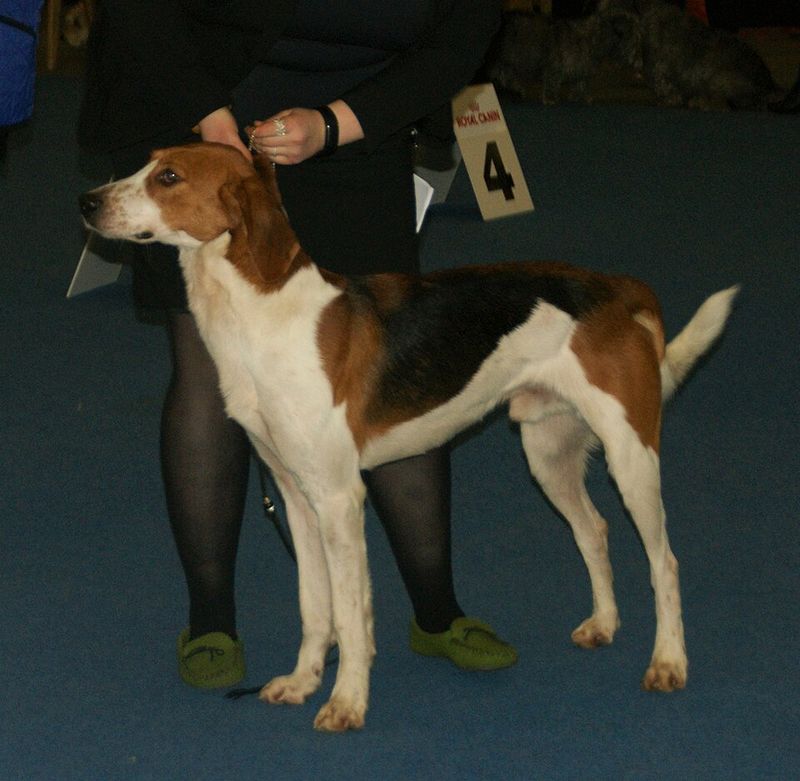
The American Foxhound sings with resonance, built for range and endurance. In the field, that rolling bay keeps the pack synchronized.
At home, it can echo down the block if boredom or scents spike excitement.
Give distance and duty. Long runs, canicross, or bikejoring-lite outings match their engine.
Pair that with impulse-control games and structured quiet windows so they learn on-off switches.
They are gentle, good-natured, and affectionate, just loud when unfulfilled. You will need consistency and creative exercise solutions.
Do that, and the music stays outdoors where it belongs.
English Foxhound
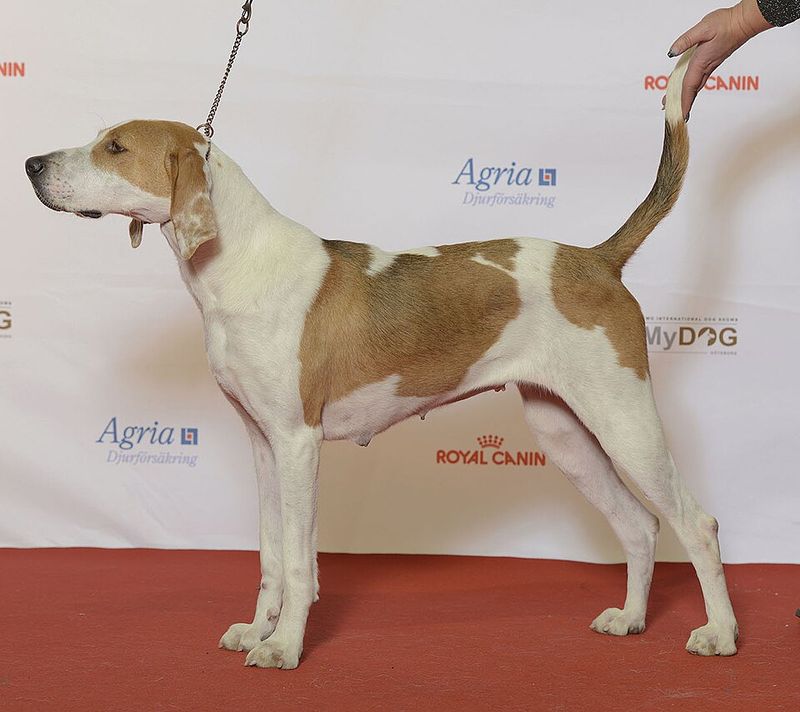
Close cousin to the American version, the English Foxhound brings classic pack instincts and a thunderous bay. Bred to run with horses, they broadcast location over long distances.
That heritage means a strong voice married to epic stamina.
To live peacefully, front-load exercise, mental work, and scent outlets. Scatter feeding, tracking lines, and off-leash runs in safe areas help immensely.
Train quiet after initial alerts and reinforce relaxed settling behaviors.
They are sociable, hardy, and happiest with company. If your world includes fields and trails, this hound shines.
In dense neighborhoods, plan management strategies before the first howl.
Redbone Coonhound

Silky red and gloriously musical, the Redbone Coonhound was bred to trail and tree game. That purpose built a voice that cuts through forests at night.
In neighborhoods, the same bay can start an unintended group chorus.
Work the nose, tire the legs, then teach quiet. Scent puzzles, long-line tracking, and evening jogs reduce pent-up arias.
Reinforce calm indoor routines and provide cozy, sound-dampened resting spots.
Affectionate and goofy, they make tender family companions. Consistency keeps the soundtrack joyous instead of jarring.
If you love a soulful song, this hound will steal your heart.
Bluetick Coonhound
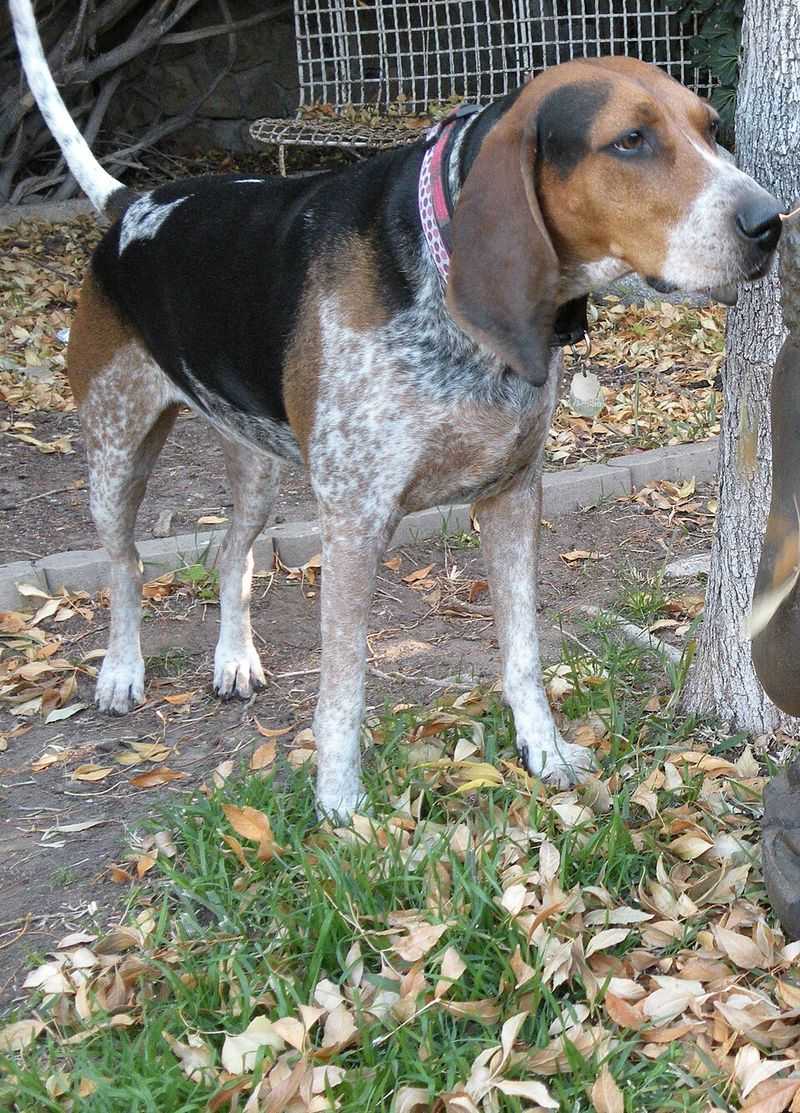
The Bluetick Coonhound carries a striking voice to match its speckled coat. Bred for cold-nose tracking, they call out when the trail is hot and when game is treed.
That musical bay is thrilling outdoors and overwhelming in tight quarters.
Give structured scent work and daily endurance exercise. Reward quiet after the initial alert and build strong settle cues.
White noise and crate training can help manage nighttime serenades.
They are affectionate, food-motivated, and game for adventure. If you camp or hike, their spirit fits beautifully.
Just remember, neighbors may not love midnight solos.
Treeing Walker Coonhound
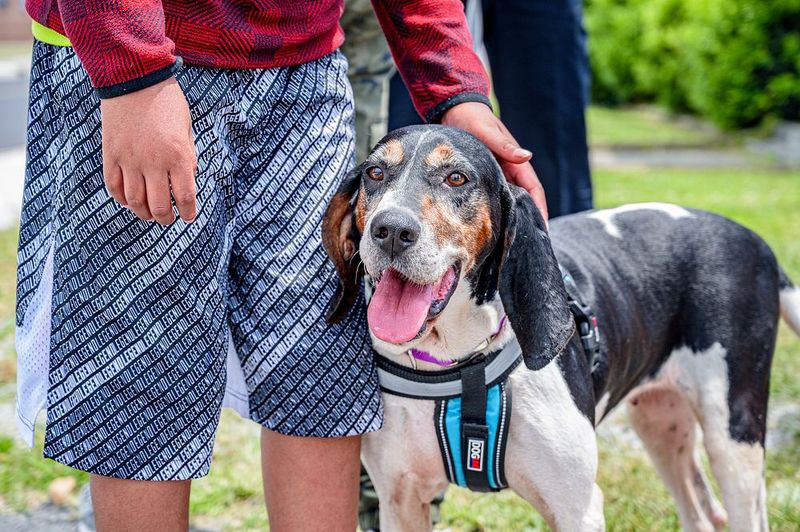
Lightning fast and laser focused, the Treeing Walker Coonhound treats voice as a working tool. When game hits a tree, the bay becomes relentless.
Translate that to city life, and you have a siren whenever pigeons or squirrels tease.
Preempt with exercise and nosework, then practice quiet after one or two alerts. Place training, chew enrichment, and consistent boundaries keep arousal in check.
Long lines help satisfy chase safely.
Friendly and social, they bond deeply yet need structure. If you enjoy active days and early bedtimes, plan management.
The right routine turns noise into purposeful communication.
Miniature Schnauzer
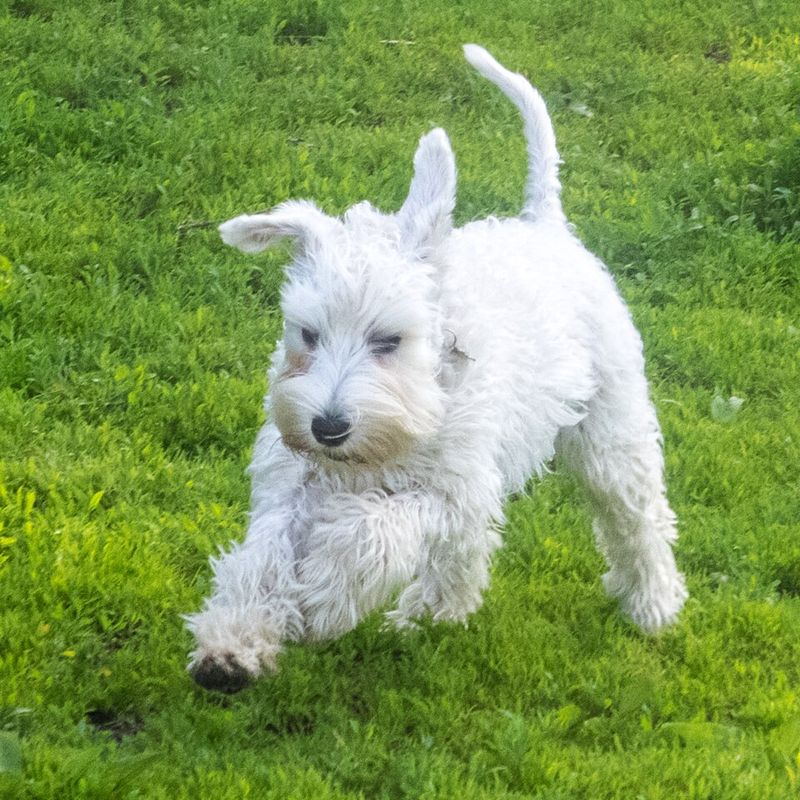
Alert and confident, the Miniature Schnauzer was bred to deter vermin and notify about intruders. That translates into punchy, frequent alarm barks.
Without guidance, every footstep in the hallway becomes headline news.
Make quiet a paid job. Train alternative behaviors for doorbells, use visual barriers, and reward calm on a mat.
Daily walks, sniff breaks, and trick sessions drain the fizz.
They are loyal, humorous companions who love being where the action is. With consistency, you will get a witty watchdog rather than a neighborhood commentator.
Set expectations early and enjoy the sparkle.
Beagle
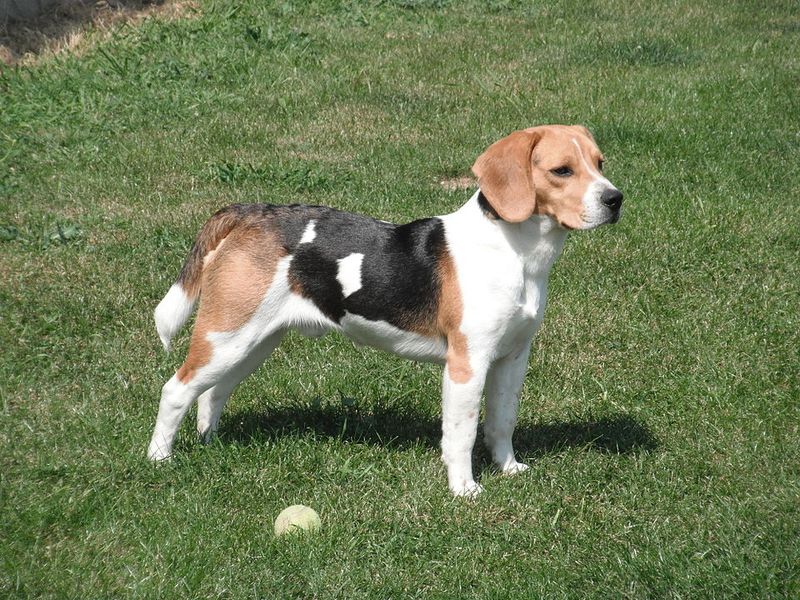
The Beagle’s voice is legendary, cheerful, and persistent. Designed to track scent in packs, they use baying to share progress.
At home, that same soundtrack appears for mail carriers, mealtime, and mysterious backyard aromas.
Engage the nose with hide-and-seek treats and sniffari walks. Teach a reliable recall and a quiet cue that pays well.
Puzzle feeders and playdates help burn energy and reduce boredom.
They are sweet with families and thrive on companionship. If you love outdoor rambles and a bit of comedy, this singer fits.
If silence is sacred, rethink or plan diligent training.
Dachshund

Small dog, big opinion. The Dachshund was bred for bold underground work, and that courage fuels alert barking on the surface.
They guard doorways like tiny sentries, announcing footsteps well before a knock lands.
Give structure early. Reward quiet between knocks, use window film to reduce triggers, and teach a go-to-place routine.
Scent games and short training bursts satisfy their sharp minds.
They are affectionate, comical, and surprisingly athletic. With consistent boundaries, the voice becomes useful rather than nonstop.
Prepare for loyalty, cuddles, and occasional dramatic narrations.