
Some dogs steal hearts, but they also swipe wallets faster than you expect. Vet visits, special diets, training, and surprise emergencies can all add up, leaving owners stunned when the bills land.
If you are budgeting for a furry friend or wondering why costs keep climbing, this guide lays it out clearly. Let’s break down the breeds most likely to deliver sticker shock and how you can plan smarter.
French Bulldog

French Bulldogs charm with big ears and bigger personalities, but healthcare can stack up quickly. You might face breathing evaluations, allergy treatments, and potential surgeries for airway issues.
Many owners report frequent vet checkups, skin care routines, and specialized diets.
Add in dental cleanings, eye care, and occasional emergency visits when breathing flares, and costs rise. Pet insurance helps, yet premiums reflect the risk profile.
Budgeting for routine care, plus a healthy emergency fund, keeps surprises manageable.
You will also want comfortable cooling options and harnesses that reduce airway strain. Responsible breeders who screen for common issues can lessen long term costs.
Still, this lovable companion may be one of the priciest to maintain.
English Bulldog

English Bulldogs are iconic, but their bills can feel legendary. The short muzzle often means respiratory challenges and sleep concerns, while skin folds demand vigilant cleaning to prevent infections.
You might encounter orthopedic issues and cherry eye, adding procedures and follow ups.
Because they overheat easily, cooling gear and summer vet visits are common. Regular dental care, skin treatments, and prescription foods can stack ongoing costs.
Insurance typically runs high, reflecting frequent claims.
Choose breeders focused on airway and orthopedic health to reduce risks. Keep weight under control to protect joints and breathing.
With proactive care and a rainy day fund, you can enjoy their clownish charm without being blindsided by expenses.
Cavalier King Charles Spaniel

Cavaliers melt hearts, but cardiac care can drain wallets. Many owners monitor for mitral valve disease, often needing echocardiograms and long term medications.
Ear infections and eye issues add routine costs, along with frequent grooming to keep that silky coat comfortable.
Early detection helps, so plan regular cardiology checkups after middle age. Insurance can offset echo and medication costs, yet premiums reflect the breed’s known risks.
Grooming supplies and professional sessions become recurring line items.
Keep weight lean and exercise gentle to support heart health. Ethical breeders who cardiac test parents make a meaningful difference.
With vigilant care, you can enjoy that cuddly, affectionate nature while staying prepared for heart related expenses.
Dachshund

Dachshunds are delightful, but their long backs need careful management. Intervertebral disc disease can appear suddenly, bringing imaging, surgery, and rehab bills.
Ramps, harnesses, and weight control are essential investments that help reduce strain on the spine.
Budget for preventive steps like joint supplements and regular checkups. If a disc episode hits, the emergency costs can be steep and fast.
Insurance with strong orthopedic coverage can be a lifesaver for your wallet.
Keep jumping to a minimum and teach safe movement early. Choose breeders screening for back issues when possible.
With proactive habits and savings set aside, you can enjoy that brave, comical personality while minimizing risk and expensive surprises.
German Shepherd Dog
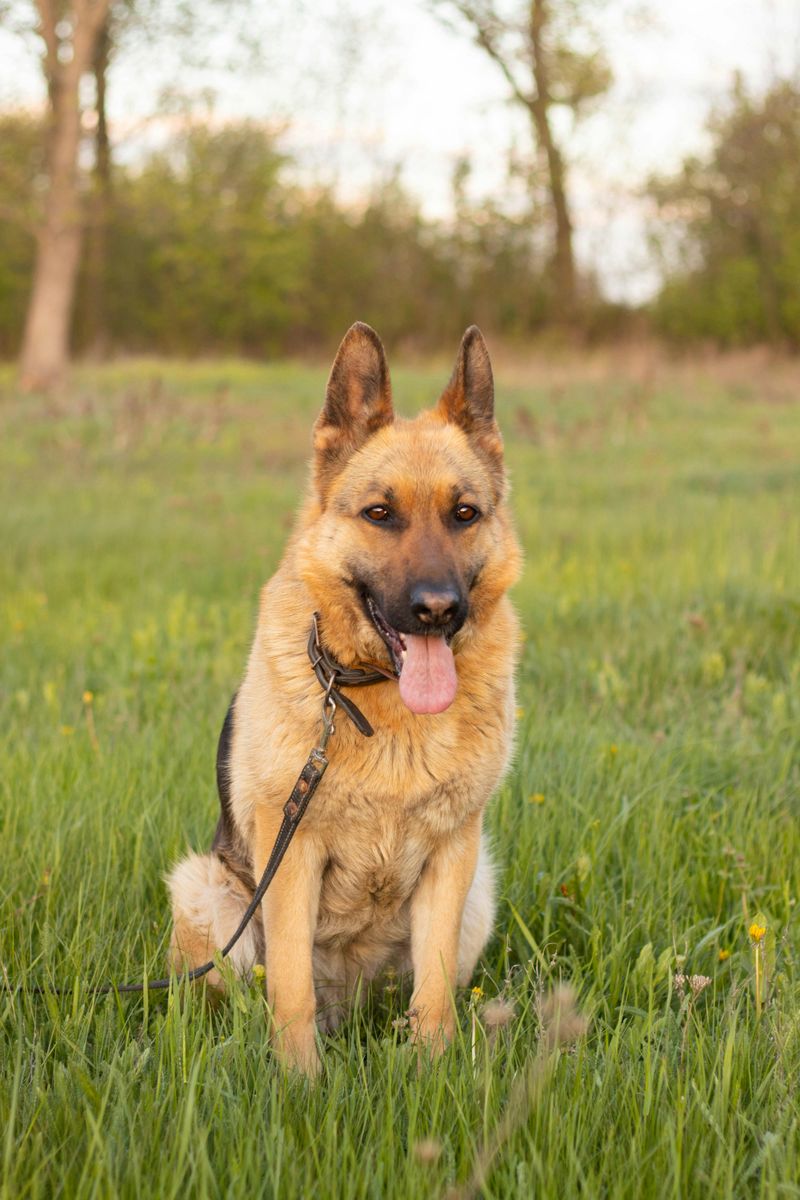
German Shepherds are brilliant partners, but they can bring orthopedic and digestive costs. Hips and elbows may need radiographs, supplements, and sometimes surgery.
Sensitive stomachs can require prescription diets and diagnostics to find a feeding plan that works.
Training and mental enrichment are must haves, reducing stress linked issues. Insurance premiums reflect orthopedic risk, so enroll early.
Preventive screening, joint friendly exercise, and weight control all reduce the chance of major interventions.
Work with breeders who test hips, elbows, and DM status. Plan for grooming tools, shedding management, and potential allergy care.
With structure, fitness, and a cushion for vet bills, you can enjoy their loyalty without constant financial shocks.
Boxer
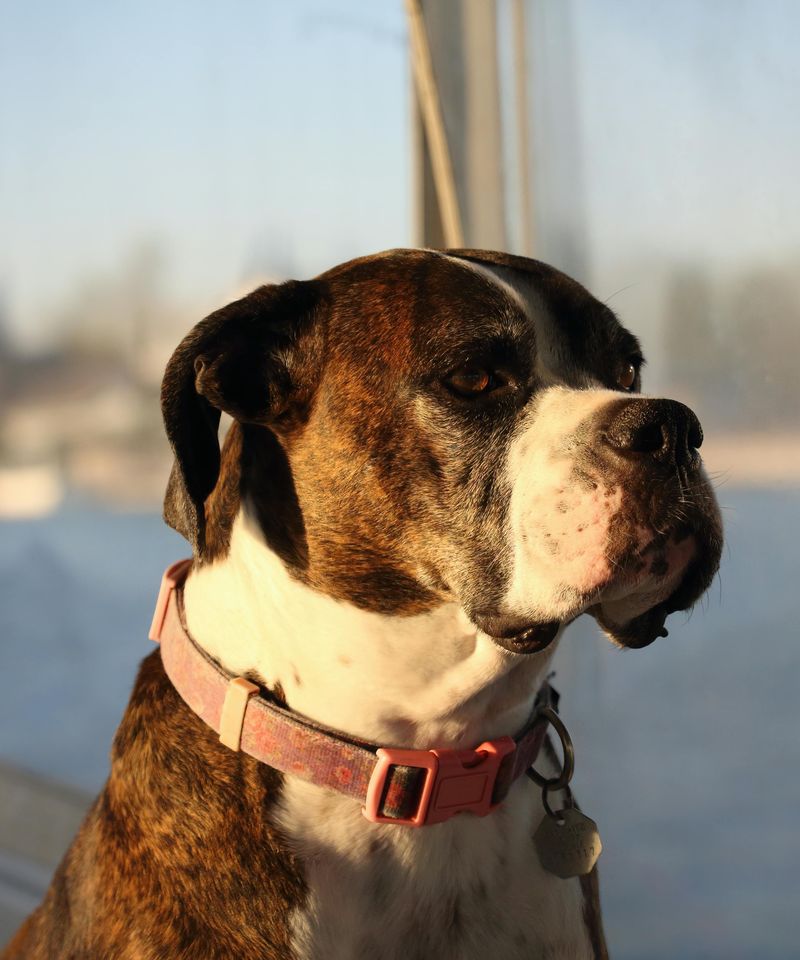
Boxers brim with goofiness and energy, but medical bills can escalate. They are predisposed to certain cancers and heart conditions, which may require diagnostics, ongoing medications, or specialized care.
Allergy flare ups and skin issues can add chronic expenses, including prescription food and treatments.
Routine screenings and early detection save money and stress long term. Insurance with strong cancer coverage can offer crucial financial backup.
Keep activity balanced to protect joints while satisfying their high spirits.
Seek reputable breeders who screen for heart conditions and common genetic risks. Plan for training and enrichment toys to curb destructive boredom.
With vigilance and a dedicated budget, you will enjoy that wiggle butt enthusiasm while staying ahead of unpleasant surprises.
Great Dane

Great Danes impress with size and sweetness, but size drives costs. Bigger dogs mean larger doses, bigger surgeries, and hefty food budgets.
Bloat risk can necessitate emergency care or gastropexy, and joint support becomes a long term priority.
Expect higher boarding, crate, and bed expenses, plus strong leashes and orthopedic mats. Insurance helps, though premiums reflect giant breed risks.
Training and controlled exercise protect joints and keep behavior manageable in a large body.
Work with breeders who health test hearts and hips. Feed balanced portions and consider slow feeders to reduce gulping.
With proactive planning and a generous emergency fund, you can savor their gentle giant vibe without budget panic.
Bernese Mountain Dog
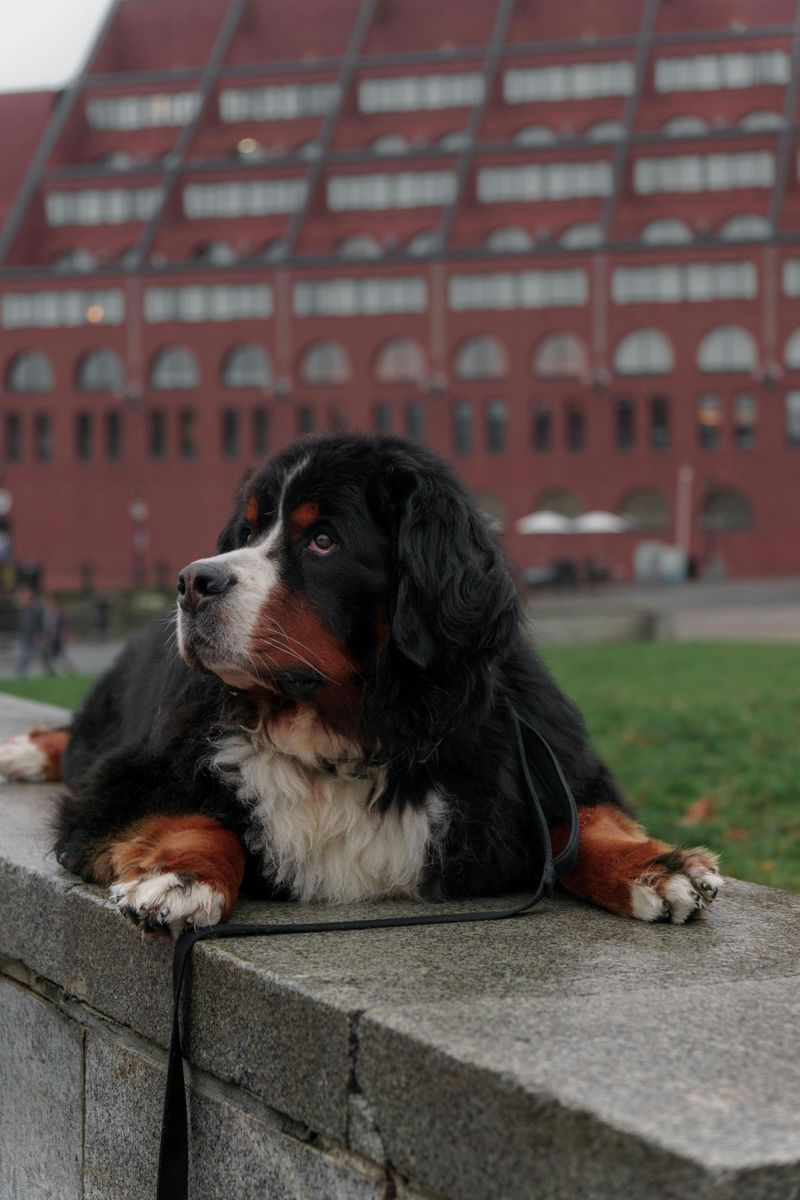
Berners are affectionate and stunning, yet health challenges can be costly. Shorter average lifespans and predisposition to certain cancers mean diagnostics and treatments can accumulate.
Orthopedic screenings, joint supplements, and quality nutrition are ongoing investments.
Grooming tools for heavy shedding and regular ear care add routine expenses. Insurance with robust cancer coverage is wise, started early for best rates.
Gentle exercise and weight control support joints and overall comfort.
Seek breeders focused on longevity and comprehensive health testing. Consider saving monthly for an oncology contingency, even if you hope never to need it.
With planning and lots of love, you can enjoy their steady, loyal presence while cushioning financial surprises.
Newfoundland
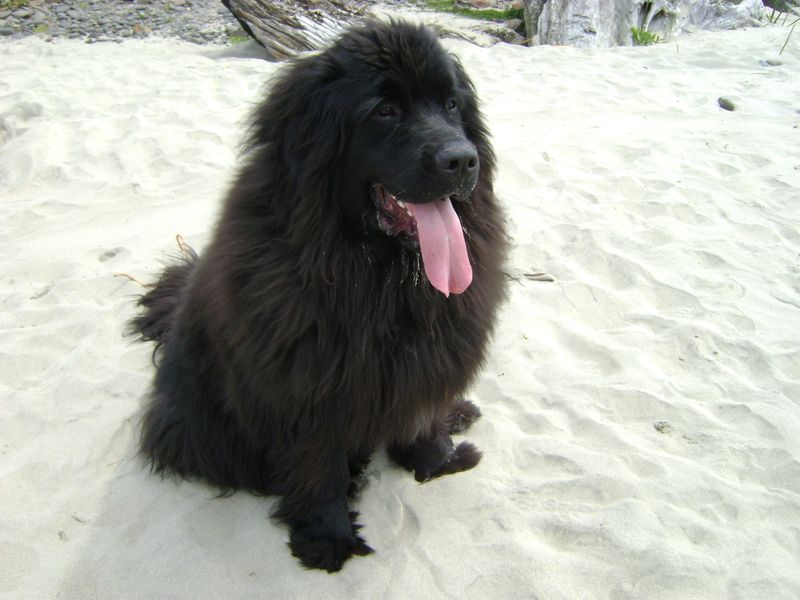
Newfoundlands are gentle, water loving giants, and their size magnifies expenses. Food, medications, and procedures come in large dog quantities.
Hip and elbow screenings, heart checks, and bloat awareness are smart, ongoing priorities.
The heavy coat demands regular grooming, de shedding tools, and sometimes professional sessions. Expect drool management supplies and sturdy gear built for weight and strength.
Insurance can offset big ticket emergencies, though premiums are not light.
Keep joints protected with supportive beds and low impact exercise. Choose breeders who test hips, elbows, and hearts consistently.
With consistent grooming and a solid emergency fund, you will enjoy their sweet nature and lifesaving water instincts without constant bill shock.
Rottweiler

Rottweilers are loyal guardians, but costs can add up through orthopedic care, training, and insurance. Hips and elbows may need imaging and supplements, and large dog medications run pricier.
Professional training is a worthwhile investment to channel strength and protect joints.
Insurance premiums reflect size and risk, so enroll early. Balanced nutrition, weight control, and regular vet checks can prevent bigger bills later.
Some families also budget for liability coverage, depending on local rules and housing requirements.
Work with breeders who provide OFA or similar health certifications. Plan for durable equipment and enrichment to curb boredom.
With structure, socialization, and a prepared budget, you can enjoy their steady courage while keeping finances predictable.
Doberman Pinscher

Dobermans combine elegance and drive, yet heart monitoring can raise expenses. Dilated cardiomyopathy screening, including echocardiograms and Holter monitoring, may become routine.
Skin sensitivities and GI upsets can require diet trials and medications.
Training, mental work, and secure gear keep this athlete balanced and safe. Insurance with strong cardiac coverage is recommended, started before any symptoms appear.
Early detection saves both money and heartache.
Seek breeders who cardiac test and share transparent results. Keep weight lean and maintain consistent exercise to support longevity.
With preparation, enrichment, and a cushion for specialist visits, you will enjoy their loyal, Velcro like companionship without constant financial surprises.
Golden Retriever

Goldens are sunshine in fur, but vet bills can cloud things. Allergies, ear infections, and cancer risks bring recurring costs, from medications to diagnostics.
Grooming, shedding tools, and quality diets round out the regular budget line items.
Schedule routine screenings and act early on lumps or skin changes. Insurance with cancer coverage can be invaluable, especially as they age.
Exercise and weight control lower orthopedic strain and future expenses.
Choose breeders prioritizing health testing and transparent pedigrees. Keep ears dry after swims to reduce infections.
With smart prevention and a set aside for surprise oncology visits, you will keep enjoying that friendly grin without the financial thunderclap.
Labrador Retriever

Labradors are joyful companions with appetites to match, and that can influence costs. Obesity drives orthopedic problems and diabetes risks, so plan for regular weigh ins, quality food, and activity.
Ear infections and skin allergies are common recurring expenses.
Joint care, including supplements and x rays as needed, may appear over time. Professional training and puzzle toys help manage energy and prevent destructive behavior.
Insurance is wise, reflecting common orthopedic claims in active dogs.
Work with breeders who test hips, elbows, and eyes. Keep meal portions measured and leverage swim sessions for low impact exercise.
With prevention, structure, and a rainy day fund, you will enjoy their upbeat spirit without constant budget surprises.
Shih Tzu

Shih Tzus are sweet lapdogs with ongoing grooming and dental needs. Regular trims, eye care, and tear stain maintenance add recurring costs.
Brachycephalic anatomy can bring breathing concerns, especially in heat or during respiratory infections.
Frequent dental cleanings and at home brushing prevent bigger bills later. Allergy management, ear cleanings, and sensitive skin care appear often on the calendar.
Insurance can help, but premiums reflect breathing and dental risks.
Use harnesses instead of collars and keep cool during warm months. Seek breeders who prioritize open nares and good airway function.
With consistent grooming and preventive routines, you will enjoy their affectionate charm without getting blindsided by maintenance expenses.
Pug

Pugs deliver comic relief, but budgets can feel serious. Their short muzzles mean potential breathing challenges, eye injuries, and heat sensitivity.
You may face ongoing skin fold care, ear cleanings, and occasional dental work.
Consider pet insurance early, given breed risks and frequent vet visits. Cooling strategies, harnesses, and weight control all support easier breathing.
Eye protection tips from your vet can prevent emergencies.
Choose responsible breeders focused on open nostrils and longer muzzles where possible. Keep walk times cooler and watch for labored breathing.
With proactive routines and savings set aside, you will keep that snorting charm and squishy face happy without constant sticker shock.