
Ever catch your dog doing something that feels a little too clever to be random? From problem solving to reading your feelings, many pups quietly reveal brainy behaviors that are easy to miss.
An expert look at canine smarts can help you spot what your dog is already trying to show you. Keep reading to see the nine surprising signs you’ve got a genius on your hands.
Learns New Commands Fast
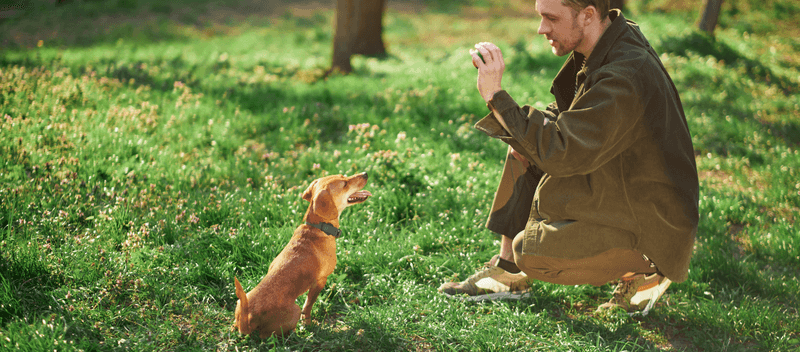
Dogs that pick up new cues in a few repetitions are showing quick learning and strong memory. If your dog hears a word twice and starts offering the behavior, that speed matters.
You will notice they generalize well, performing the cue in different rooms or during walks.
Test it gently with simple markers. Pair a unique word with a known action, like “touch” for nose targeting, and see how fast it clicks.
Keep sessions short and fun, and track progress in a small notebook.
Rapid learning suggests flexible thinking, not just rote habits. Celebrate small wins and avoid pressure.
You will likely see spillover, like faster leash manners or quicker calm-downs.
Solves Problems Creatively
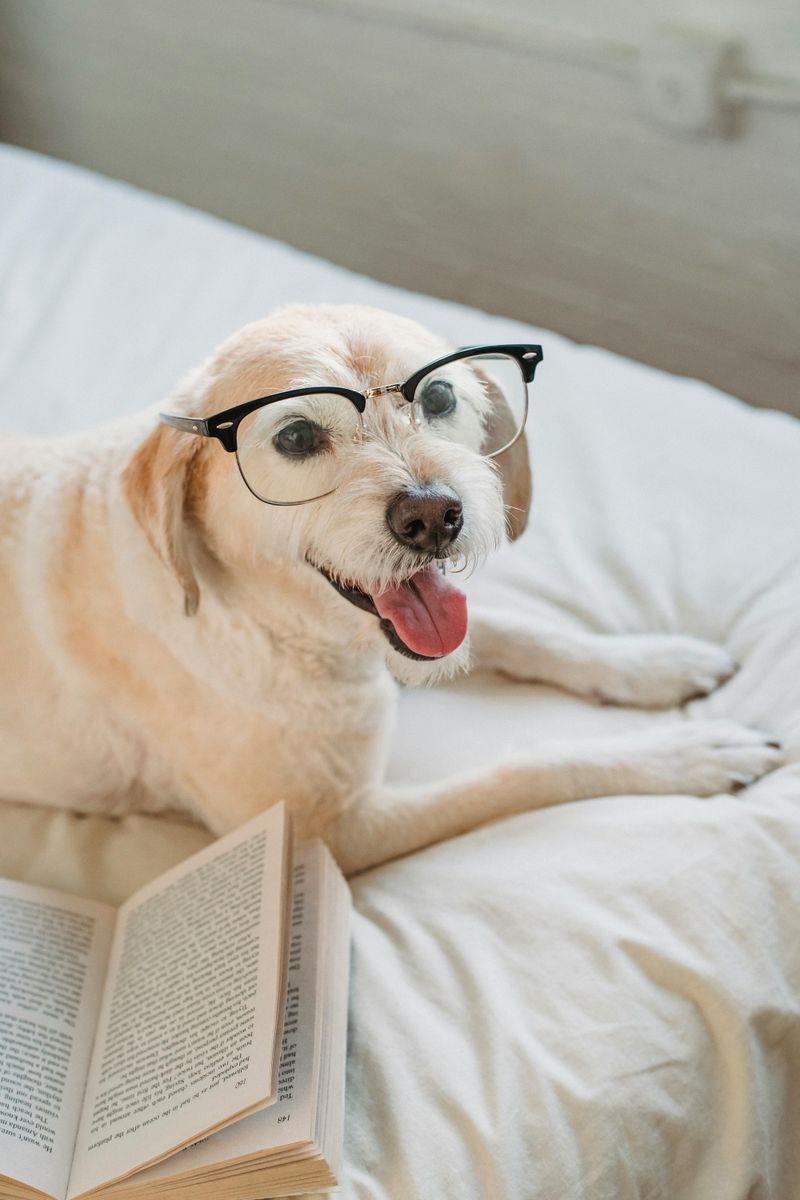
Smart dogs do more than try the same thing repeatedly. You might see yours circle around an obstacle, drag a stool to reach something, or paw a latch instead of barking.
That willingness to explore options shows mental flexibility and perseverance.
Create low-risk puzzles to watch thinking unfold. Hide a toy under a towel or wedge a treat-filled ball behind a cushion.
Notice whether your dog experiments calmly, shifts strategies, and avoids frustration.
Offer guidance without giving away the answer. A small hint can spark the next step.
Frequent success builds confidence, and confident problem solvers handle novel situations better, from new parks to unexpected noises.
Understands Human Gestures
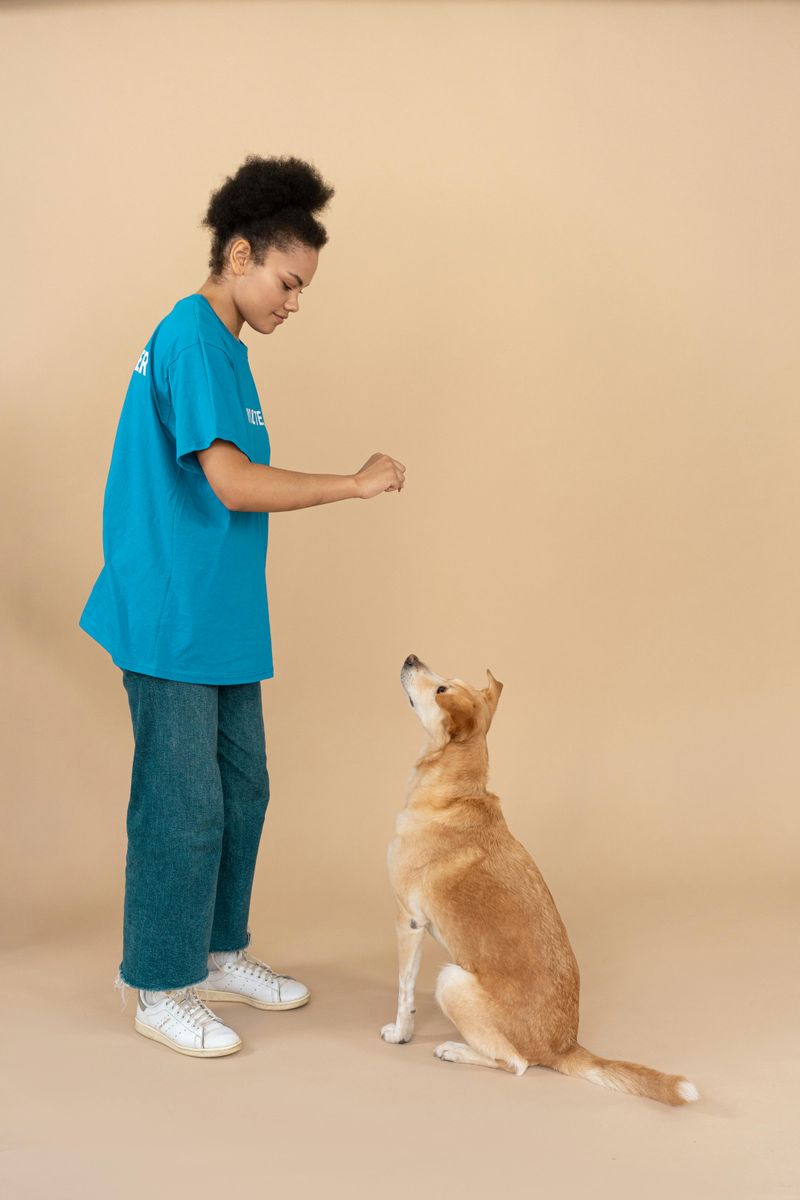
Pointing, nodding, or even glancing can be a language if your dog is tuned in. When you point across the room and your pup follows the direction, that is social intelligence at work.
Understanding gestures separates mere obedience from true comprehension.
Try it neutrally, without waving treats. Point with your arm extended and hold your gaze on the target.
If your dog checks your hand first, pause, then repeat with slower, clearer motion.
Over time, you will notice subtler cues land well, like a chin tilt or shoulder turn. This shared attention deepens connection.
It also makes daily life smoother, from finding a dropped sock to moving safely around bikes.
Remembers Routines And Exceptions

Clever dogs remember schedules and the little rule-bending moments. Maybe walk time triggers a sit at the hook, but on rainy days they fetch the towel first.
That blend of routine memory and exception handling displays nuanced recall.
Watch for anticipatory behaviors tied to specific cues, like keys jingling or shoes moving. Track how your dog updates the pattern when circumstances shift.
If a guest arrives, do they redirect to their mat without asking?
Support this with consistent signals. Use distinct words for events and reward accurate predictions.
Strong memory makes training faster and builds resilience when routines temporarily change, like travel or daylight savings shifts.
Reads Your Emotions
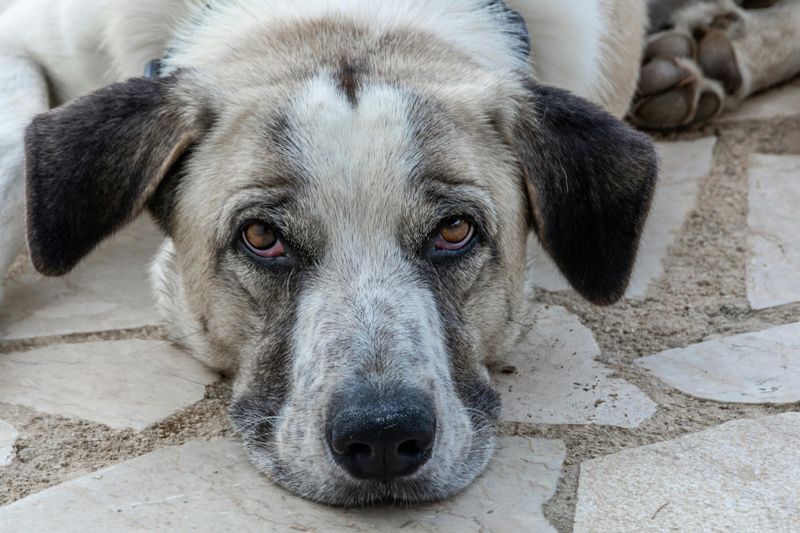
When you sigh, some dogs soften their posture and come closer. They read micro-cues like tone changes, breathing, and facial tension.
Responding with comfort or calm stillness suggests strong emotional attunement.
Notice how your dog behaves when moods shift. During stress, do they settle beside you without being asked?
During excitement, can they match your upbeat energy without going overboard?
Practice clear, kind communication. Pair soothing words with slow strokes when you need quiet.
Emotionally intelligent dogs help regulate the room, easing anxious moments and celebrating wins with contagious joy. This sensitivity also enhances safety, because a dog that reads the vibe adapts before problems escalate.
Adapts Quickly To New Environments
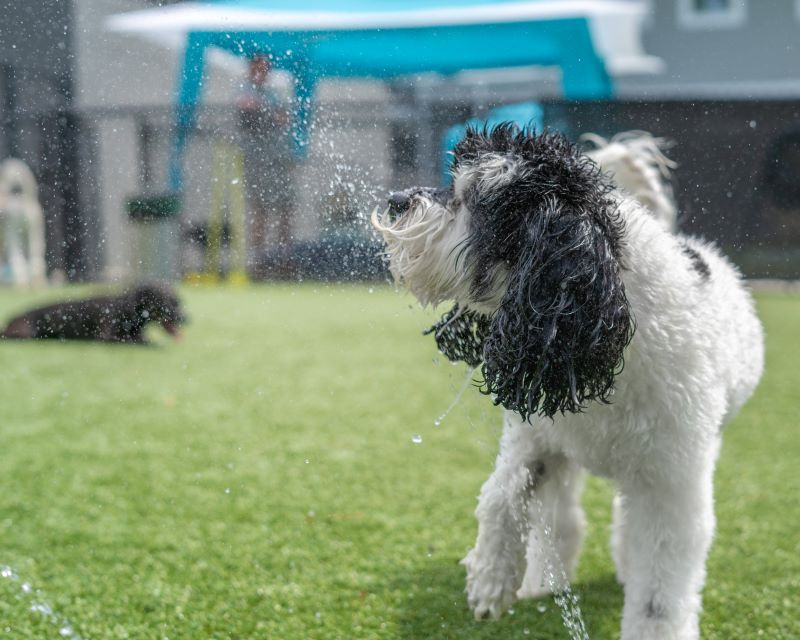
Walking into a new space, a smart dog scans, sniffs, and adjusts rather than freezing. You will see measured curiosity, loose body language, and gradual engagement.
Quick adaptation signals robust coping skills and flexible learning.
Support this by offering choice. Allow sniff breaks, short retreats, and easy wins.
Bring a familiar mat to provide a safe base, then explore in small loops.
Track progress across places: vet lobby, friend’s yard, trailhead. If recovery from surprises speeds up, cognition and confidence are rising.
Adaptable dogs also travel better, ride elevators smoothly, and settle in hotel rooms without fuss, making shared adventures far less stressful for everyone.
Uses Tools Or Objects Strategically
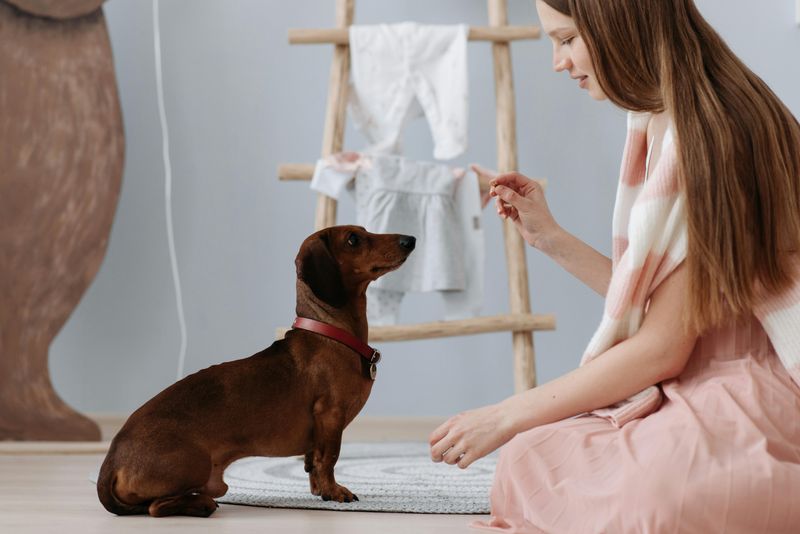
Tool use is rare in dogs, but strategic object use is not. If your dog drags a blanket to open a crate gap or pushes a box to climb, that is planning.
The behavior shows foresight and the ability to link steps toward a goal.
Encourage safe experiments. Place a low, stable item near a partially out-of-reach toy and observe.
Avoid prompting too much, just set the stage and watch creativity bloom.
Reinforce thoughtful attempts, not only success. Mark calm problem solving and celebrate new strategies.
Over time, you will see smoother sequences and fewer dead ends, hallmarks of genuine cognitive growth and impressive self-efficacy.
Communicates Needs Clearly
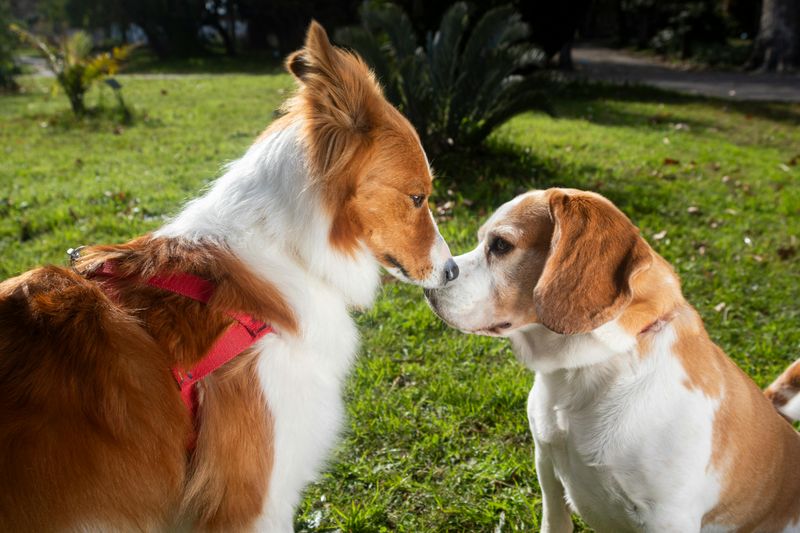
Smart dogs learn to express needs in ways you consistently understand. Bell ringing to potty, bringing a leash for walks, or nudging an empty bowl shows cause and effect awareness.
They notice what gets your attention and refine it.
Channel this thoughtfully. Teach one clear signal per need, then reinforce only when it is appropriate.
Consistency keeps clever dogs from overusing the trick.
Look for escalation control. A dog that tries a soft cue before barking demonstrates impulse regulation and social savvy.
When needs are communicated cleanly, stress drops for both of you, and trust grows quickly because your dog believes their voice works.
Generalizes Skills Across Contexts
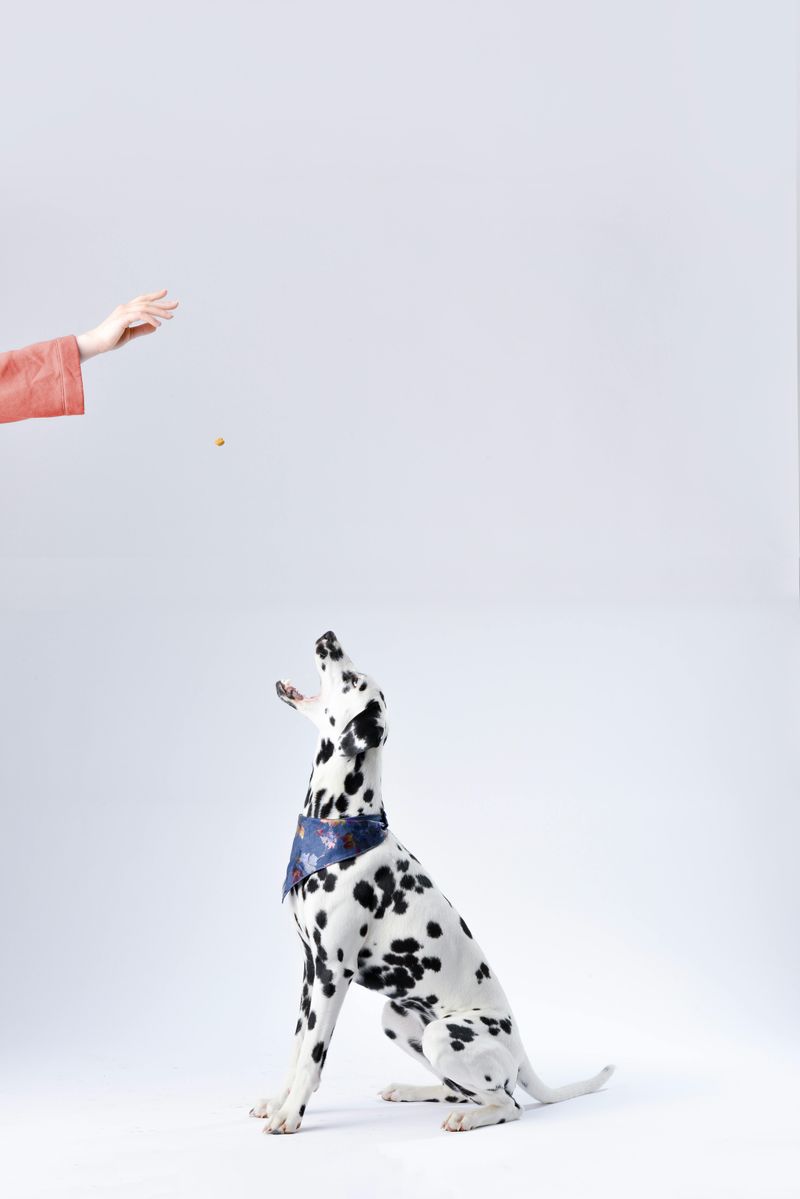
Doing a cue in the living room is easy. Doing it at the park near squirrels shows true understanding.
Smart dogs generalize, applying learned skills across places, people, and distractions.
Practice in layers. Change one variable at a time, like surface, distance, or handler position.
Track how few reminders your dog needs when conditions shift, and reward generously for accurate first attempts.
When generalization is strong, daily life becomes seamless. Your dog can settle at a patio table, wait at curbs, and greet new friends politely.
That reliability stems from real comprehension, not just memorizing a single picture of success.