
Vet visits can be stressful for even the sweetest dogs, and some breeds need a little extra practice to handle the pokes, prods, and new smells. You are not alone if your pup trembles, growls, or pancake-flops in the lobby.
With the right prep, these moments can turn from chaotic to calm, and your dog can learn to trust the process. Let’s talk about the breeds that often benefit most from targeted vet manners training, and how you can help them shine.
Shih Tzu
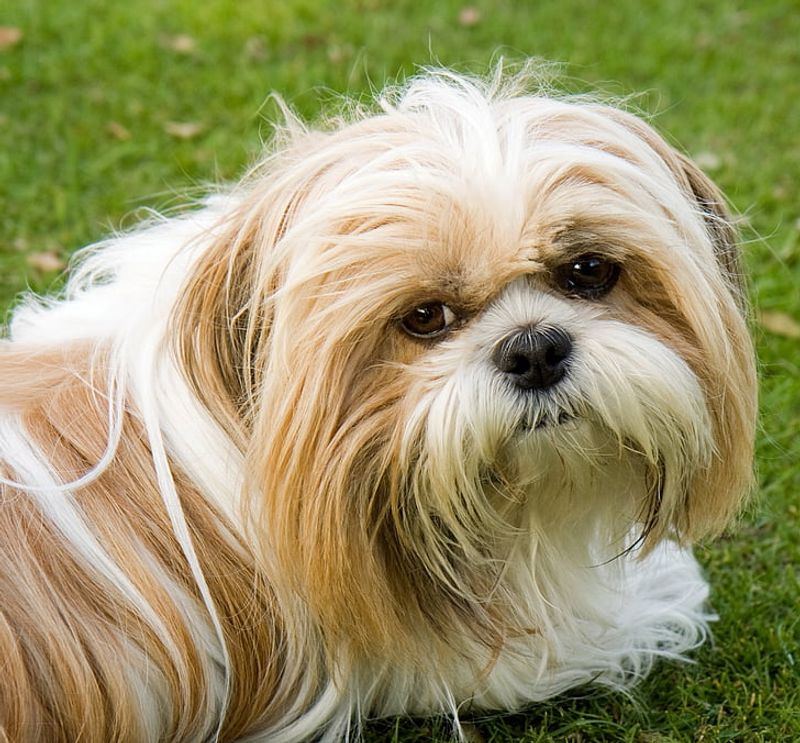
Shih Tzus can be sensitive to handling around the face and paws, thanks to their long coats and regular grooming. At the vet, that sensitivity sometimes turns into fussing during temperature checks or ear exams.
You can help by conditioning them to a chin rest and gentle muzzle touches with treats.
Practice cooperative care at home: hold for three seconds, feed, and release. Teach a station behavior on a mat so they know exactly where to plant themselves.
A soft, grippy surface helps them feel secure, reducing wiggling.
Bring high-value snacks cut tiny, and use happy talk sparingly. Ask the clinic for fear-free handling and allow slow introductions.
Consistency before, during, and after visits builds trust that carries forward.
Pekingese
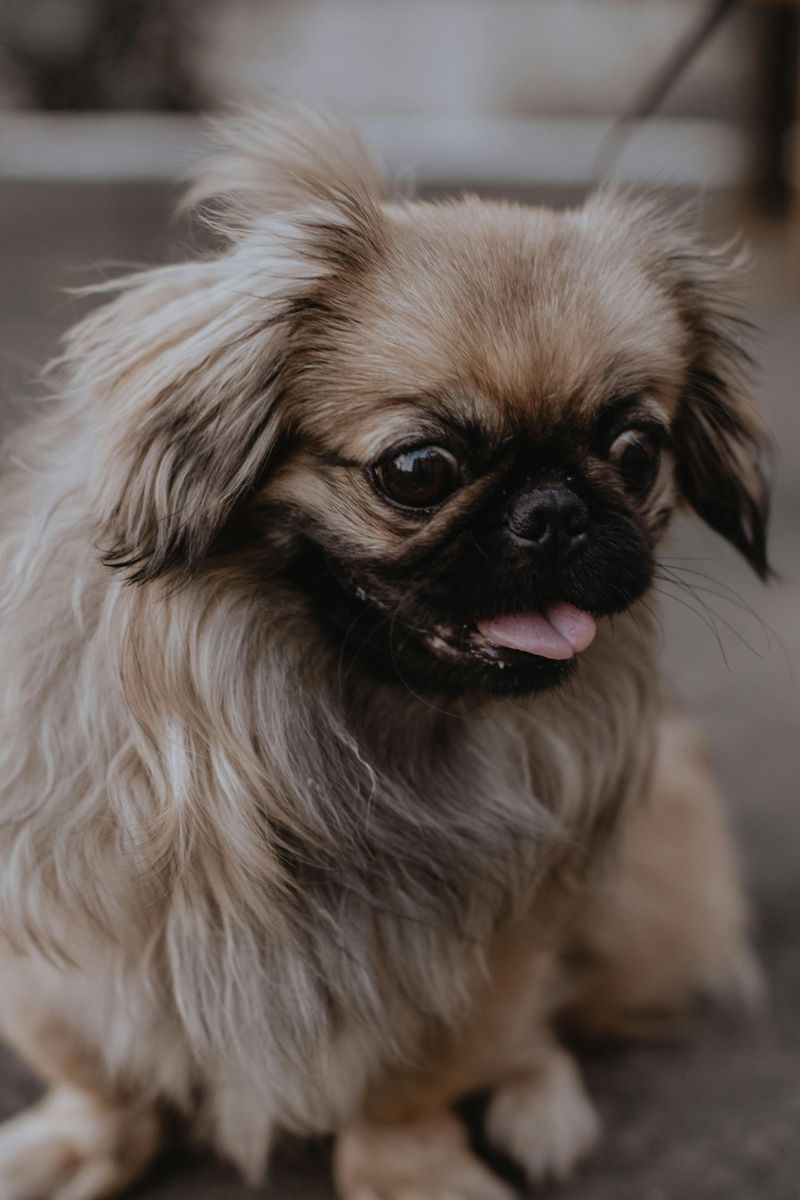
Pekingese are proud little lions with strong opinions about restraint. Their flat faces can make breathing noisy when stressed, which worries owners and staff alike.
Preparing them for gentle chest holds and short handling bursts can prevent meltdowns.
Practice touch gradients at home: light pressure, treat, brief lift, treat again. Use a harness for secure transitions from floor to table.
Teach a chin target so the vet can examine eyes and nose without wrestling.
Because brachycephalic dogs overheat, request cool rooms and short sessions. Keep sessions upbeat with soft praise, not excitement spikes.
With predictable routines and consent cues, your Pekingese learns that vet touch means quick, respectful handling and tasty rewards.
Lhasa Apso
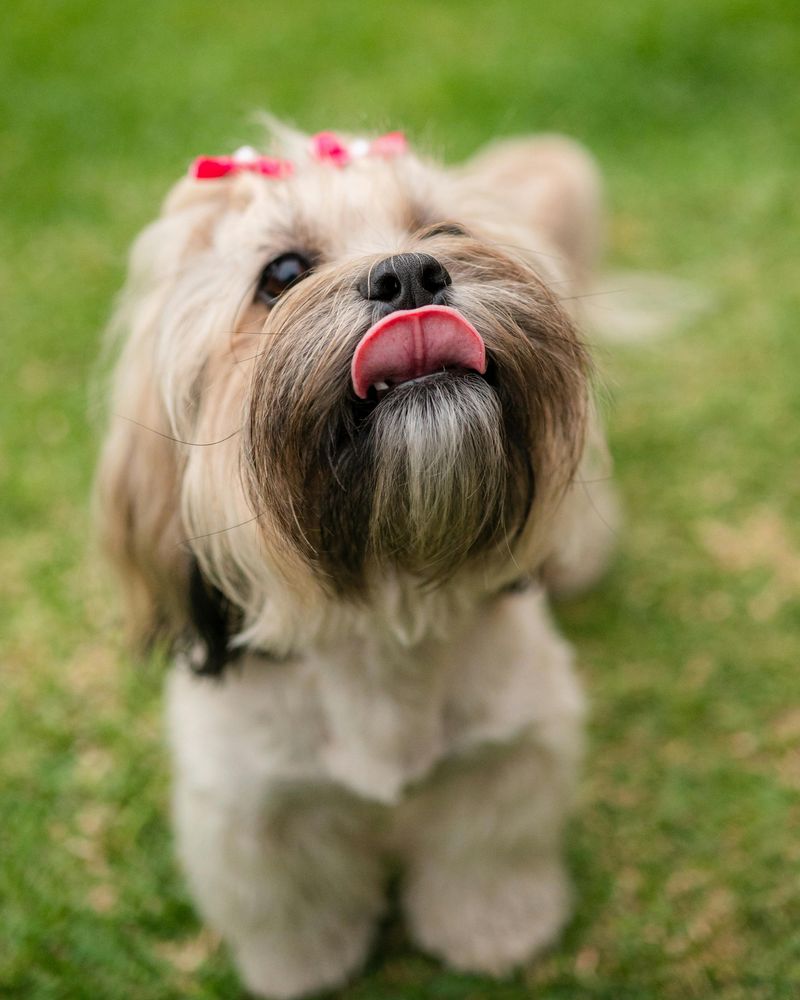
Lhasa Apsos were bred as alert guardians, so unfamiliar spaces and firm handling can trigger suspicion. At the vet, that protective streak sometimes shows up as side-eye, stiff posture, or lip lifts.
You can turn that around with predictable patterns and choice-based handling.
Teach a “forward for food, back for break” routine so your dog controls the pace. Practice collar holds paired with treats, then progress to brief ear lifts and paw checks.
A designated station mat signals safety and earns steady reinforcement.
Request stepwise exams and curtain breaks between procedures. Keep hair tied back to avoid eye irritation during exams.
Over time, cautious curiosity replaces resistance, and your Lhasa learns the vet is manageable, not menacing.
Maltese
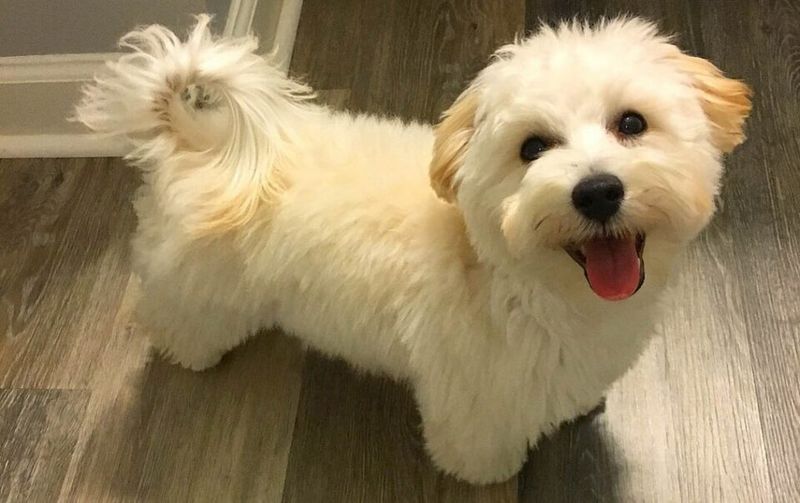
Maltese dogs are affectionate yet can be startled by cold instruments and unexpected lifts. Sudden restraint may cause yips or squirming, especially during nail trims and thermometer checks.
Building predictability makes all the difference.
Use a consent cue, like placing chin on your palm, before touching ears or mouth. Pair each step with micro-rewards: touch, treat, pause.
Practice gentle toweling at home to simulate swaddling on the exam table.
Keep sessions short and sweet, ending before stress bubbles over. Bring a favorite mat that smells like home to anchor calm behavior.
With repetition, your Maltese links vet touch to comfort and choice, transforming nerves into cooperative poise.
Yorkshire Terrier
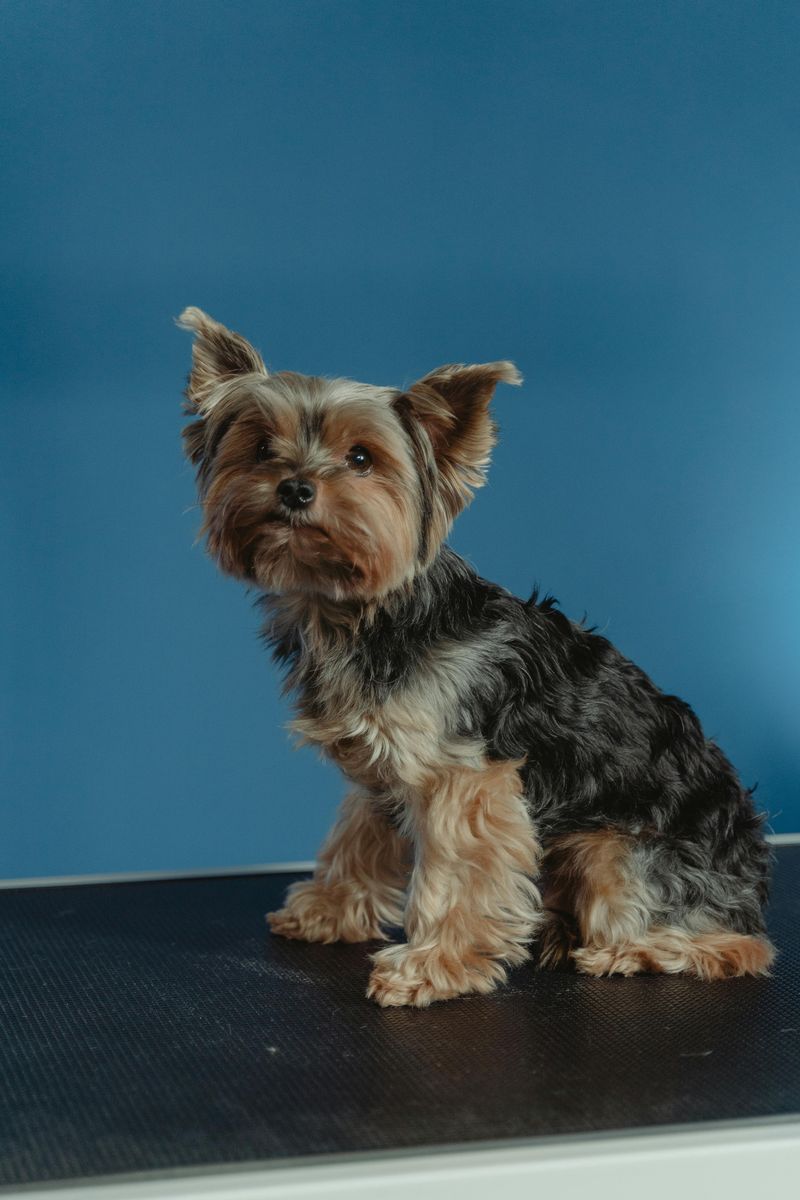
Yorkies are bold in tiny packages, but their confidence can vanish with firm restraint. Quick movements and noisy environments sometimes trigger defensive barking.
Vet manners training should emphasize focus, predictability, and secure footing.
Teach a “chin rest” on a target to stabilize the head for eye and ear checks. Practice being lifted using two-hand support, marking and rewarding each smooth step.
Introduce stethoscope sounds at home with low-volume recordings while feeding calmly.
Use high-value treats delivered steadily to keep arousal in the green zone. Advocate for slow approaches and minimal scruff handling.
With structured rehearsals, your Yorkshire Terrier learns exams are brief, fair, and absolutely worth the snack paycheck.
French Bulldog
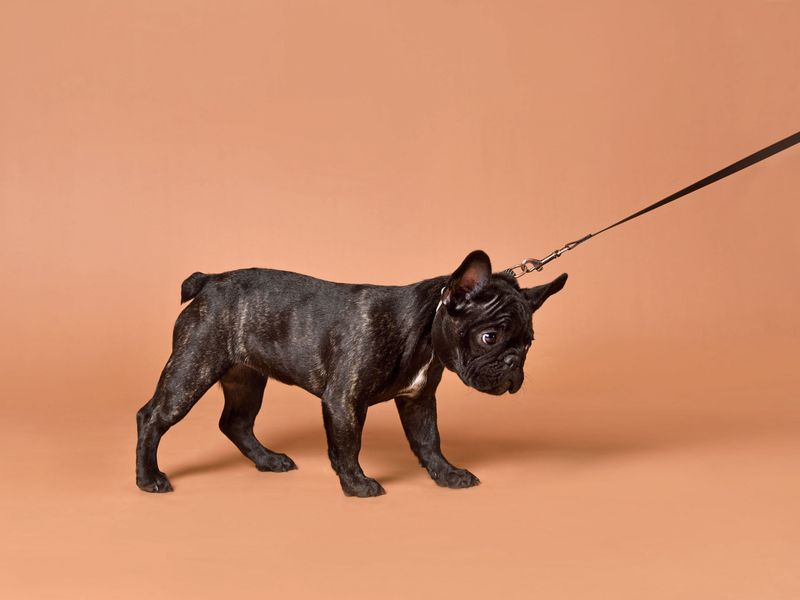
French Bulldogs often arrive with big feelings and bigger wiggles. Brachycephalic anatomy makes stress risky, so calm, efficient handling is essential.
Sudden positions or hot rooms can escalate snorting and resistance.
Train a station on a non-slip mat and reinforce deep breaths and stillness. Practice brief body wraps with a towel to mimic supportive holds.
Introduce a muzzle basket as a cookie-delivery device at home so it feels friendly, not scary.
Ask for cool temperatures, minimal waiting, and low-stress handling. Use steady treat streams during injections and blood draws.
With proactive training and environmental tweaks, your Frenchie can breeze through exams with swagger and safety.
English Bulldog
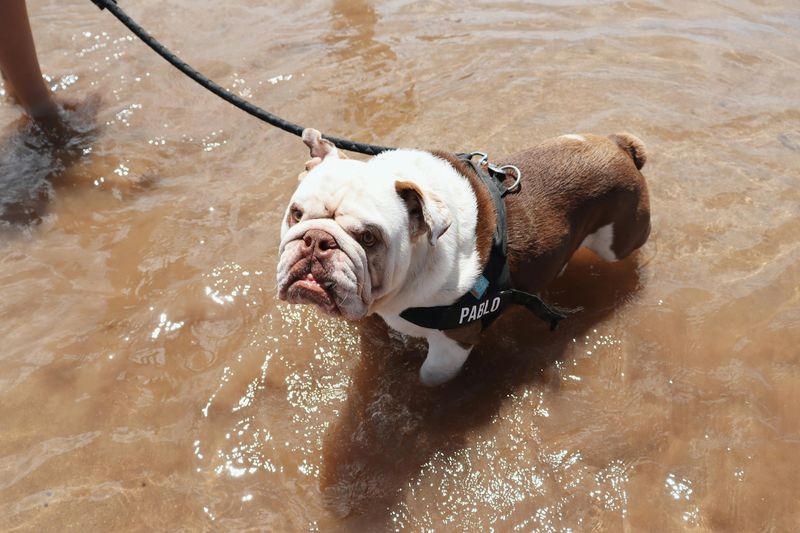
English Bulldogs are lovable tanks who dislike being hoisted onto slippery tables. Their build and airway challenges mean smooth, low-stress handling is nonnegotiable.
Floor exams with mats often work best, paired with short, clear steps.
Condition cooperative paw lifts, tail checks, and mouth openings while feeding tiny treats. Teach a “stand-stay” using a chin target to stabilize head and neck.
Rehearse towel support so abdominal palpation feels contained, not confining.
Request breaks to prevent overheating and ensure water access. Normalize a basket muzzle at home for safety without fear.
With planned rehearsals and environmental support, your Bulldog can tolerate vet procedures confidently and comfortably.
Cavalier King Charles Spaniel
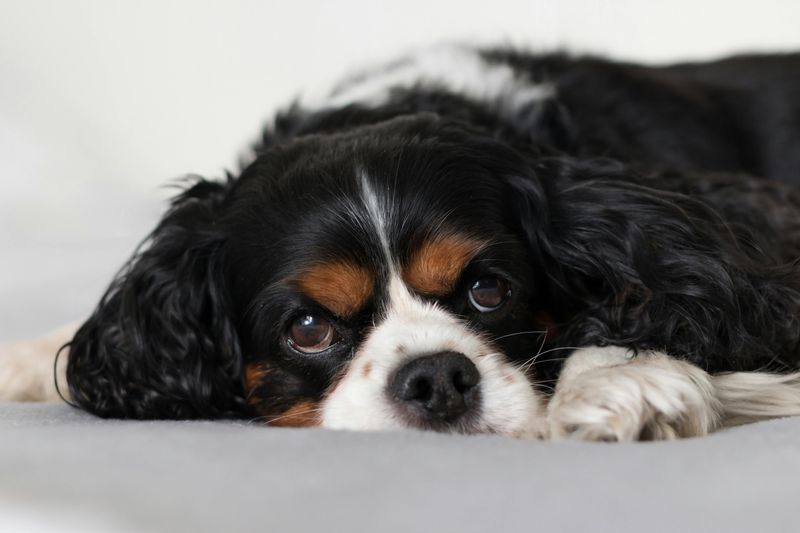
Cavaliers are gentle souls but can worry about ears and paws, especially with a history of infections. Their soft nature sometimes leads owners to skip practice, which backfires during real exams.
Gentle repetition builds resilience without crushing that sweetness.
Teach a chin rest and ear-flap lift with rapid-fire treats. Practice stethoscope touches while streaming calm music, then gradually add duration.
Reward relaxed body language, not just stillness, so cooperation stays voluntary.
Request quieter rooms and slow approaches. Bring a familiar blanket for scent comfort.
With compassionate, consistent practice, your Cavalier learns vet visits are predictable and kind, protecting both health and tender temperament.
Chihuahua
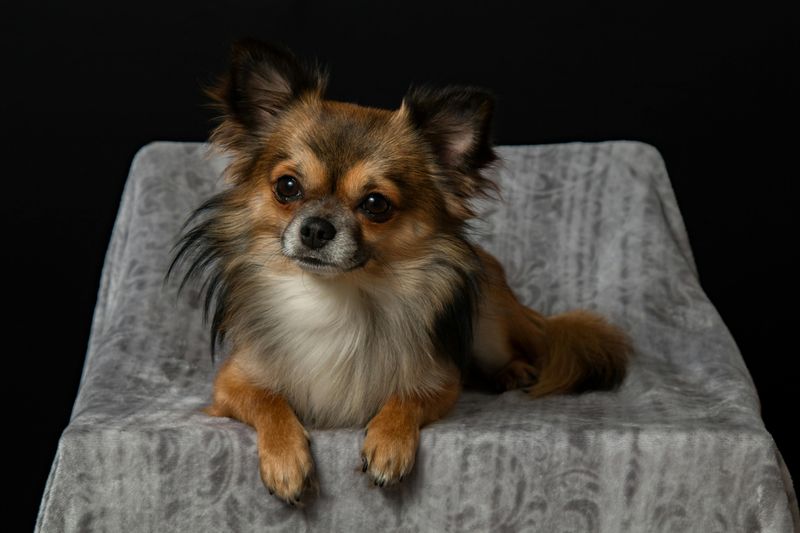
Chihuahuas are tiny but mighty, often feeling vulnerable in big, echoey clinics. Defensive barking or air snapping usually stems from fear, not stubbornness.
Shrinking the world with clear targets helps them feel safe and seen.
Teach nose targets, then a station on your lap or a mat for exams. Practice towel wraps and brief muzzle handling with tasty paste through the mesh.
Reinforce calm while the vet approaches, step by step.
Ask staff to examine at ground level when possible. Keep treats flowing like a quiet metronome.
With choice, predictability, and lots of tiny victories, your Chihuahua learns the vet is manageable, and dignity stays intact.
Dachshund
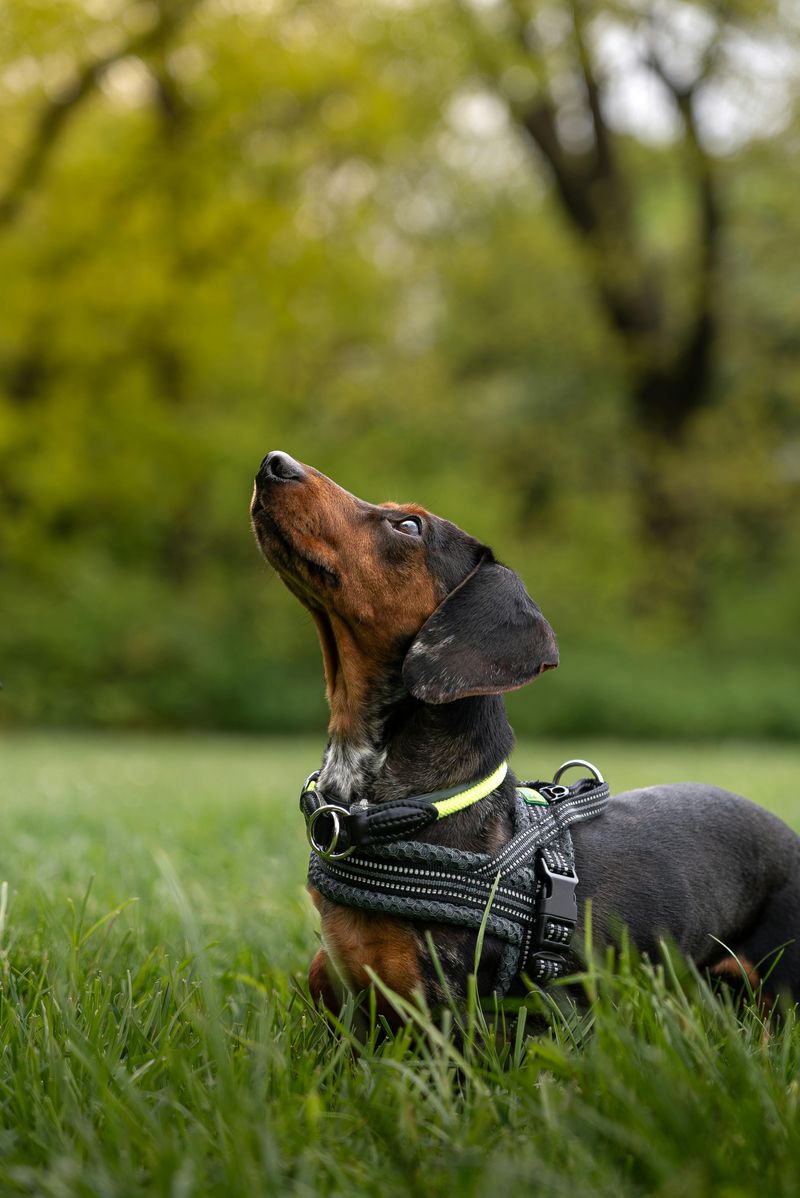
Dachshunds bring big opinions and long spines, making careful handling crucial. Lifting without support can scare them and risk injury, especially during back exams.
Planning predictable, back-friendly positions reduces drama and danger.
Train cooperative lifts with chest and hind support, rewarding each stage. Use a platform or floor exams to avoid precarious tables.
Teach a still “stand” with a chin rest so the vet can palpate smoothly.
Bring high-value treats and avoid sudden twists. Advocate for slow movements and side-lying only with support.
With rehearsal and respect for their build, your Doxie can navigate vet visits with confidence and minimal stress.
Cocker Spaniel
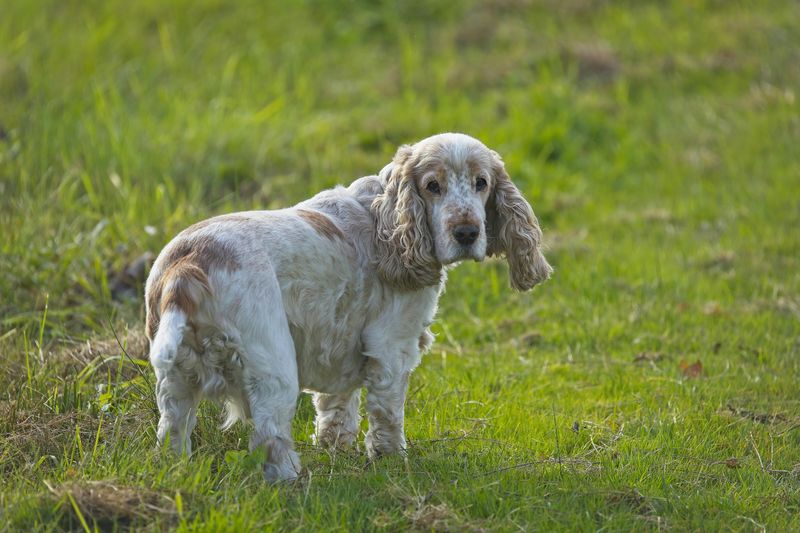
Cockers often battle ear issues, which makes head handling a hot button. Combine that with high sensitivity to restraint, and exams can spiral quickly.
Gentle, systematic practice brings the temperature down.
Introduce ear touches alongside delicious treats, starting with seconds of contact. Teach a chin target and “hug hold” with a towel to simulate supportive restraint.
Add soft muzzle conditioning so safety never feels scary.
At the clinic, ask for slower pacing and breaks between procedures. Reinforce relaxed ears and soft eyes, not just stillness.
With patient, bite-sized repetitions, your Cocker Spaniel learns that ear checks are brief, predictable, and nothing to fear.
Miniature Pinscher
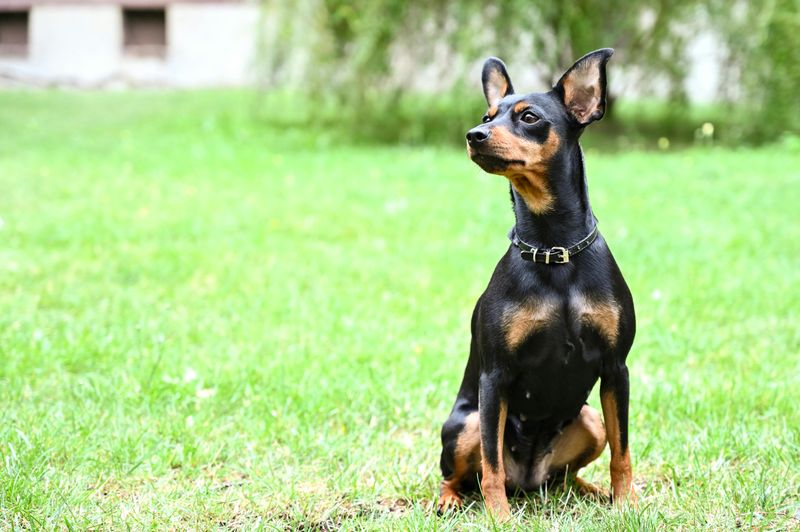
Min Pins are sharp, springy, and skeptical of restraint. Sudden grabs or firm holds can light a fuse.
Channel that intensity into clear jobs and short, rewarded reps at the vet.
Teach hand targets, a chin rest, and a solid stand-stay. Rehearse gentle tail lifts and temperature checks using a dummy thermometer at home.
Pay generously for stillness, then release fast to keep buy-in high.
Request minimal handling teams and quiet rooms to lower arousal. Use a fitted harness for secure transitions.
With structure and swift reinforcement, your Miniature Pinscher can meet exams like a pro on a mission.
Pomeranian
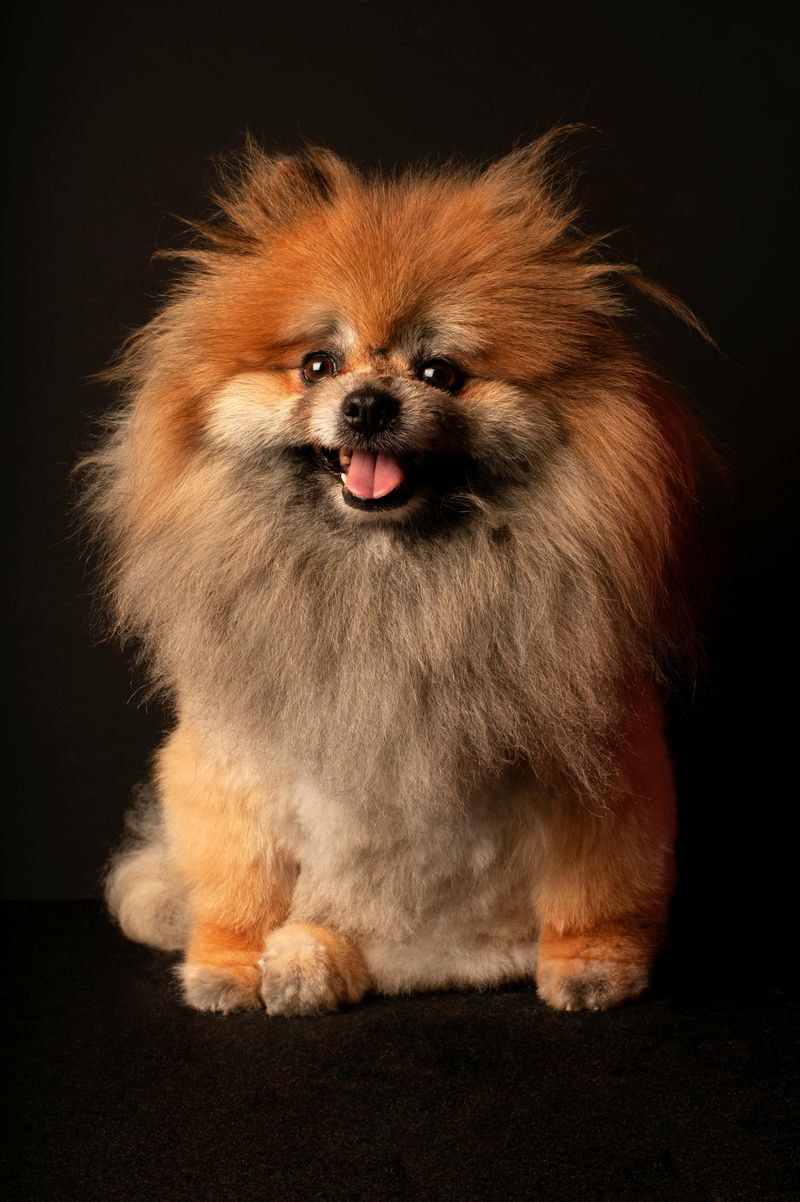
Pomeranians bring big energy and big coats, which can amplify static and surprise. Quick heart checks or thermometer moments may trigger spinning or squeaks.
Calm, bite-sized training changes the script.
Teach a station on a mat and a steady chin rest. Pair gentle body handling with frequent tiny treats to keep arousal low.
Brush near the stethoscope area at home so fur movement is familiar.
Ask the clinic for slow introductions and to warm instruments first. Keep rewards flowing during procedures, then cue a cheerful release.
With repetition and predictability, your Pomeranian learns that exams are brief, safe, and totally snack-supported.
Papillon
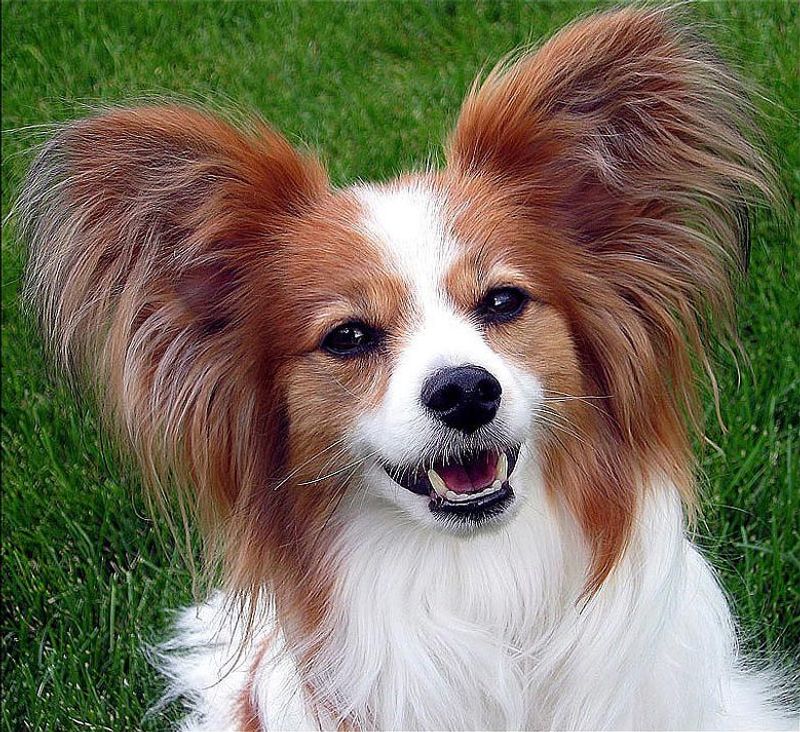
Papillons are bright, sensitive, and tuned to your emotions. If you tense up, they read it instantly.
That sensitivity can turn routine checks into stop-and-go drama without training.
Practice chin rests and still stands with calm breathing on cue. Pair eye drops or light checks with tiny, frequent treats.
Use a mat station that travels to anchor confidence in new spaces.
Request soft voices and slow hands at the clinic. Reward relaxed ears and loose posture, not just endurance.
With consistent rehearsal and your calm leadership, your Papillon will float through exams, curious and cooperative rather than worried.